Large Dog BreedsBig, loyal dogs for active homes
Large dog breeds are usually defined as dogs that weigh roughly 50 to 100 pounds as adults and stand about 23 inches or more at the shoulder. This page helps you compare the big breeds side by side, from family favorites to serious guardians, so you can pick one that fits your space, schedule and experience.
Top 10 Large Dog Breeds
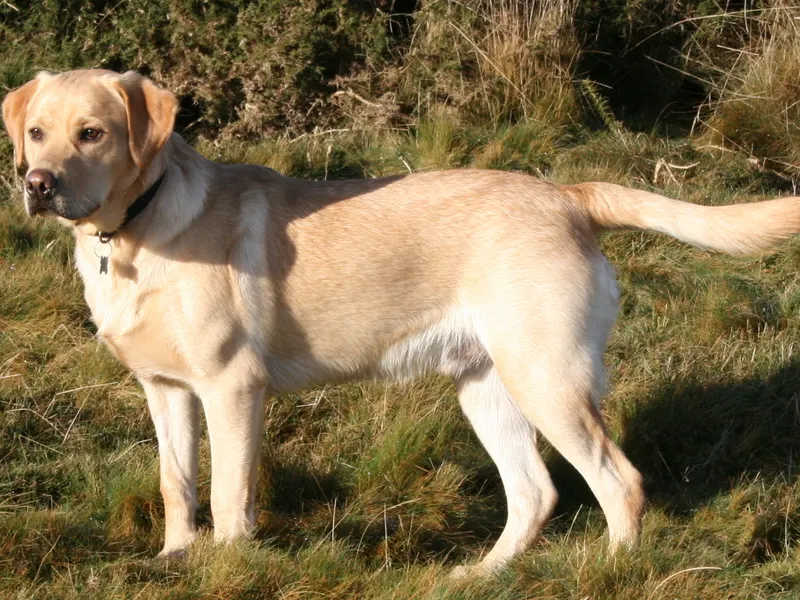
The Labrador Retriever is one of the most popular breeds in the US and UK, and for good reason: it is friendly, eager to please and easy to train.
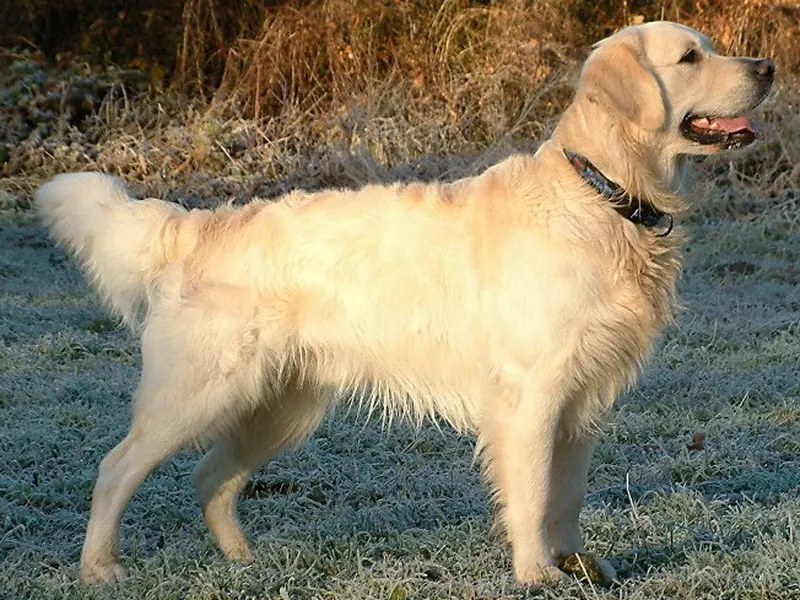
Among the most popular large breeds, the Golden Retriever pairs a friendly, trainable temperament with a love of swimming and fetching.
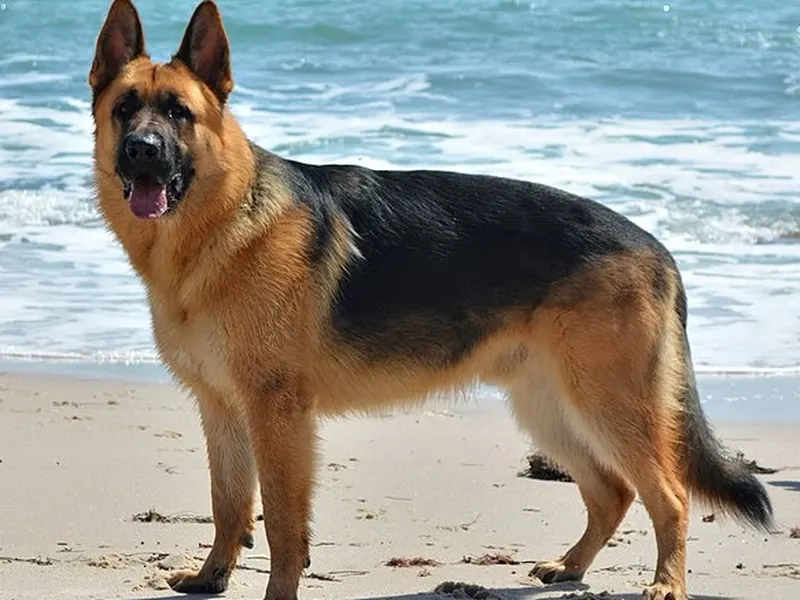
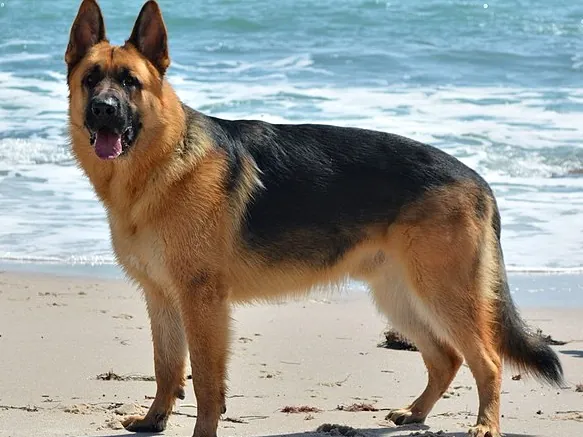
One of the most versatile working dogs, the German Shepherd excels in police and service work and bonds closely with family.
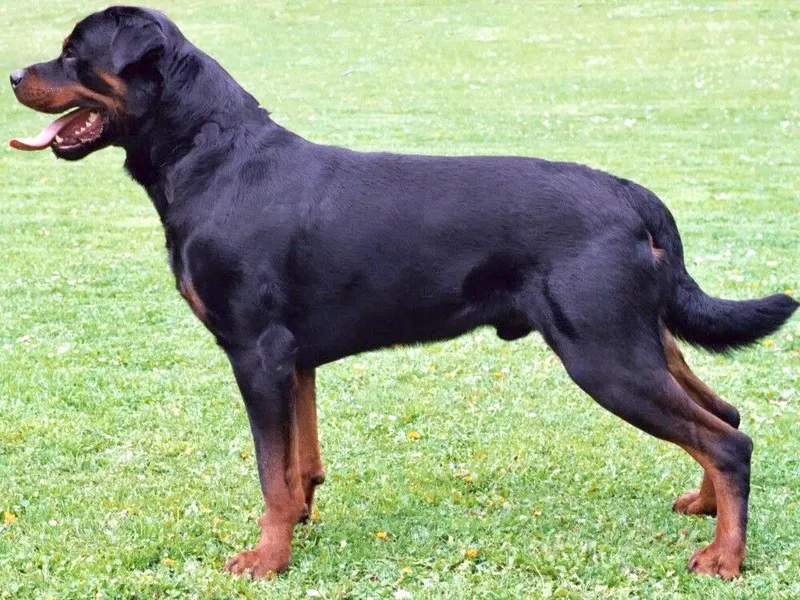
Powerful and self-assured, the Rottweiler was bred to drive cattle and guard, and is loyal and steady with proper socialization.
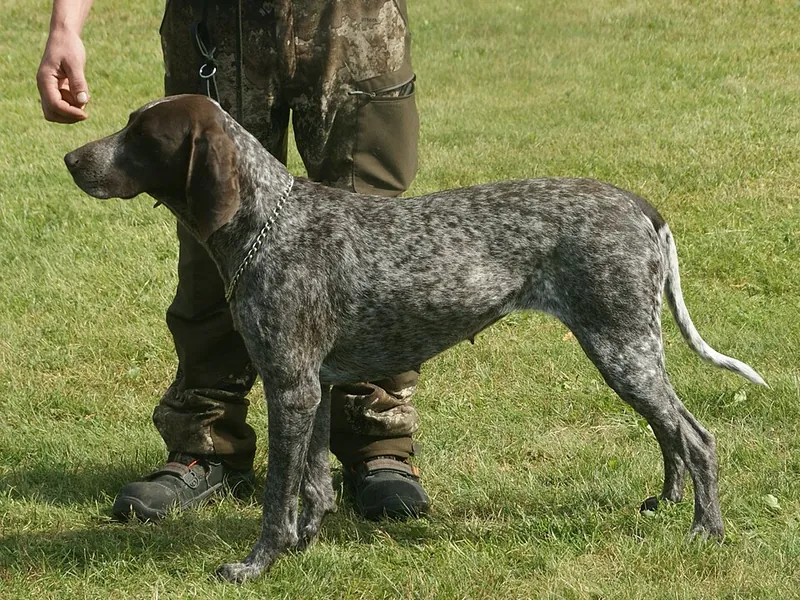
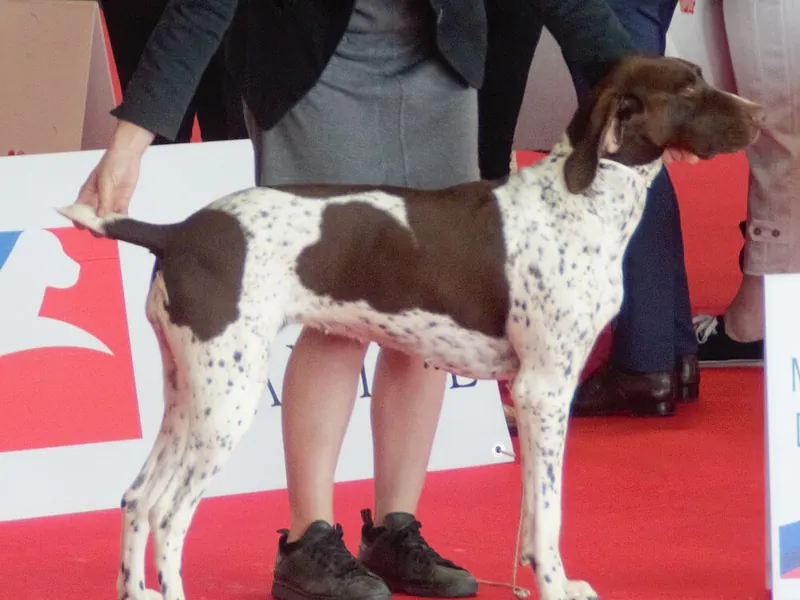
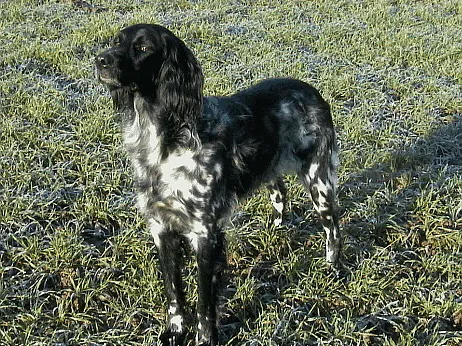
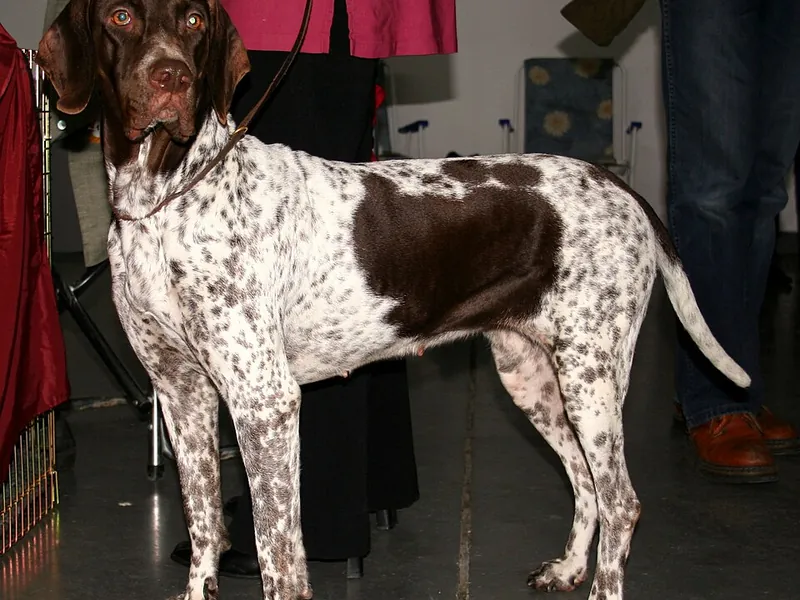
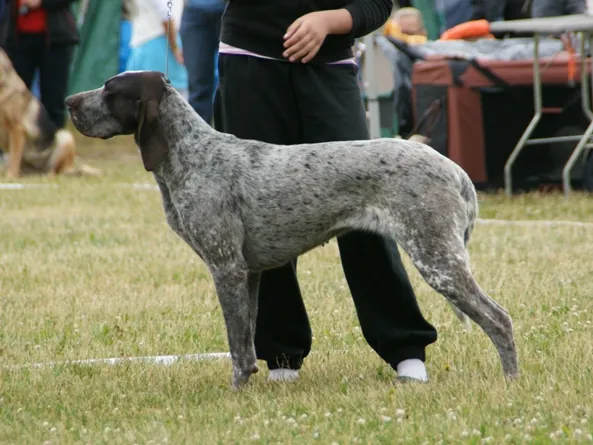
The German Shorthaired Pointer is an athletic, enthusiastic hunting dog that is equally happy pointing birds in a field or playing with children at home.
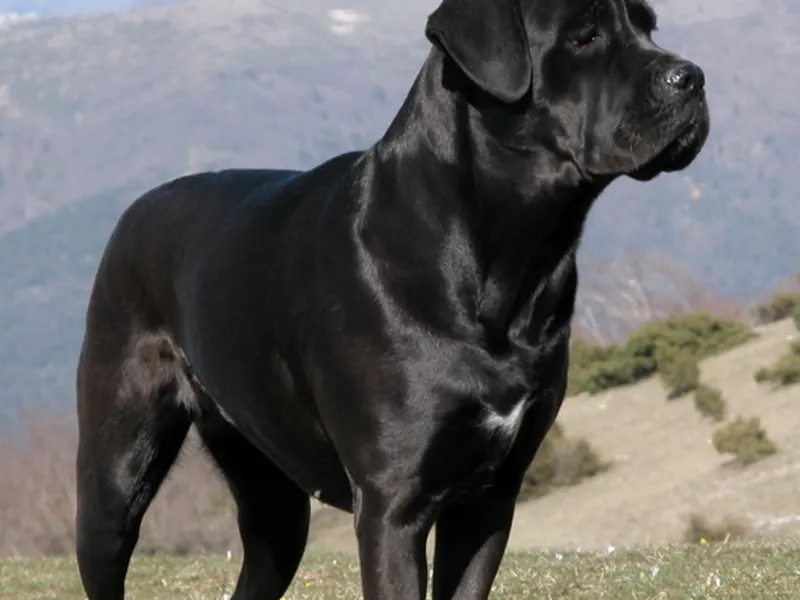
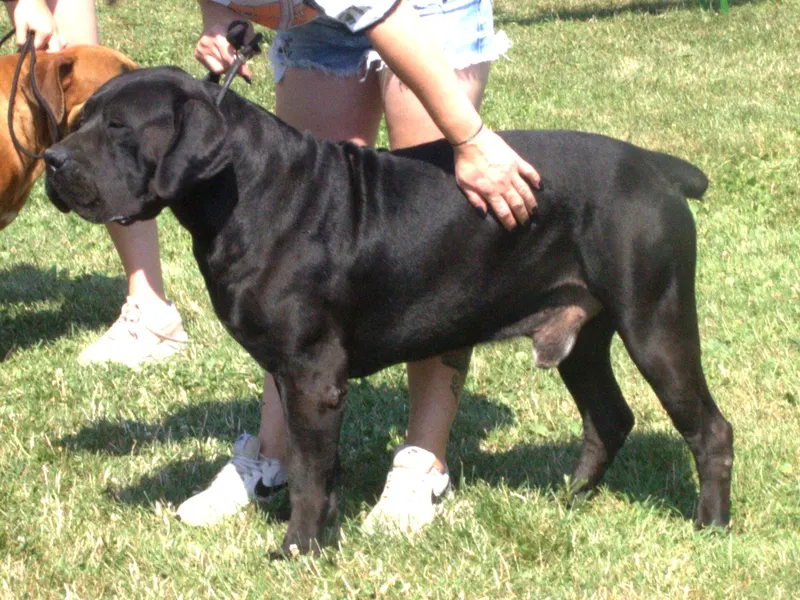
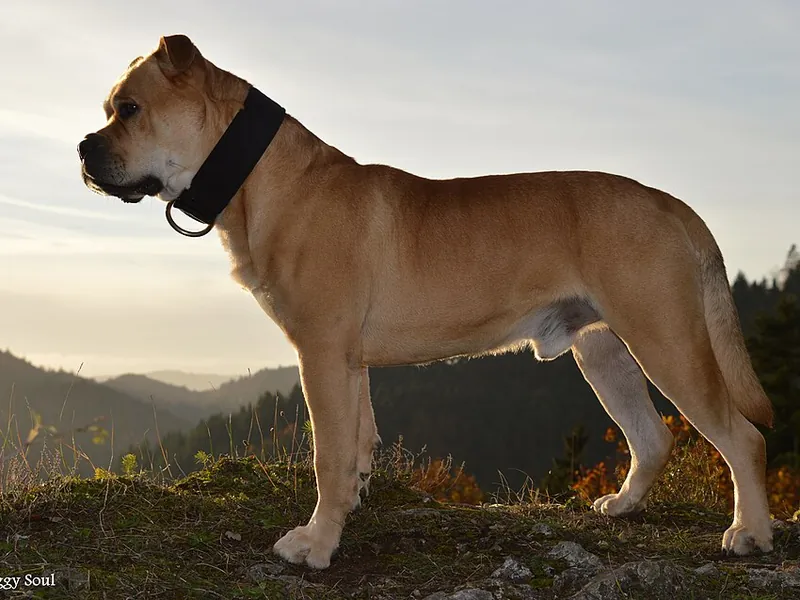
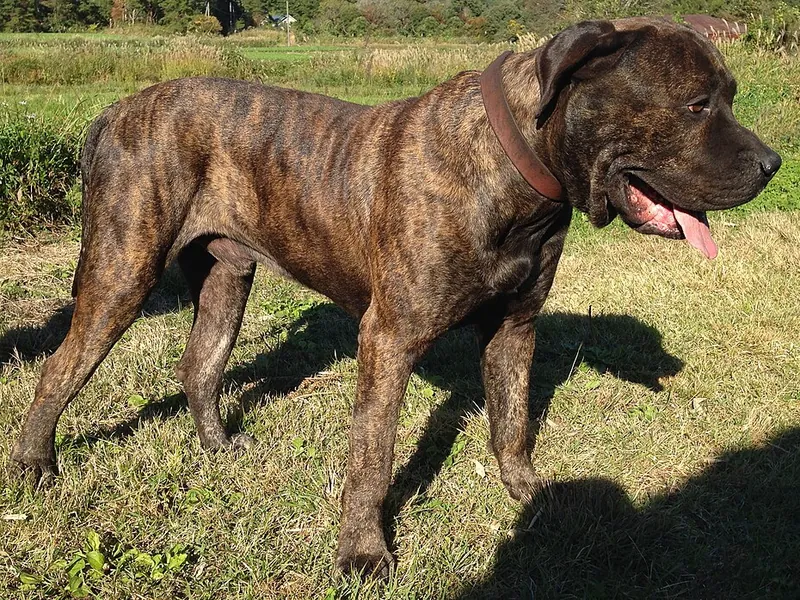
An Italian mastiff type with an athletic build, the Cane Corso is a devoted, watchful guardian that needs confident, consistent training.
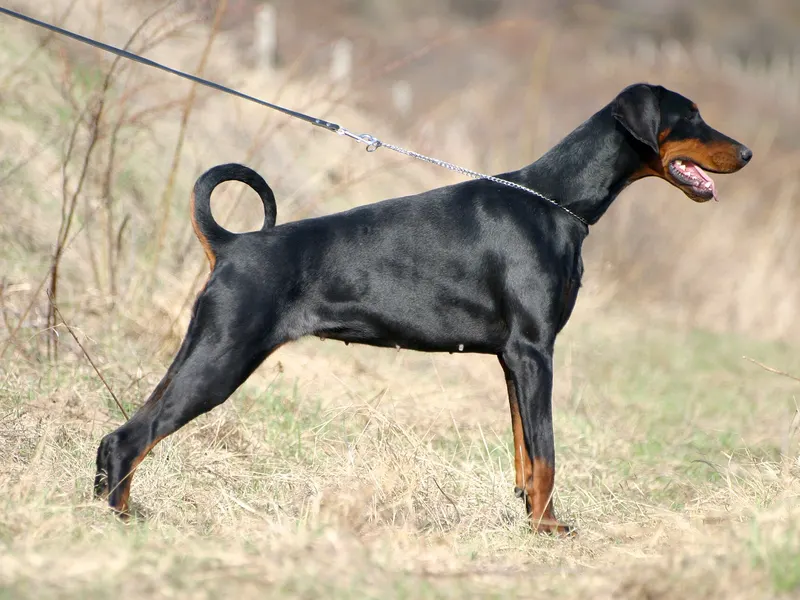
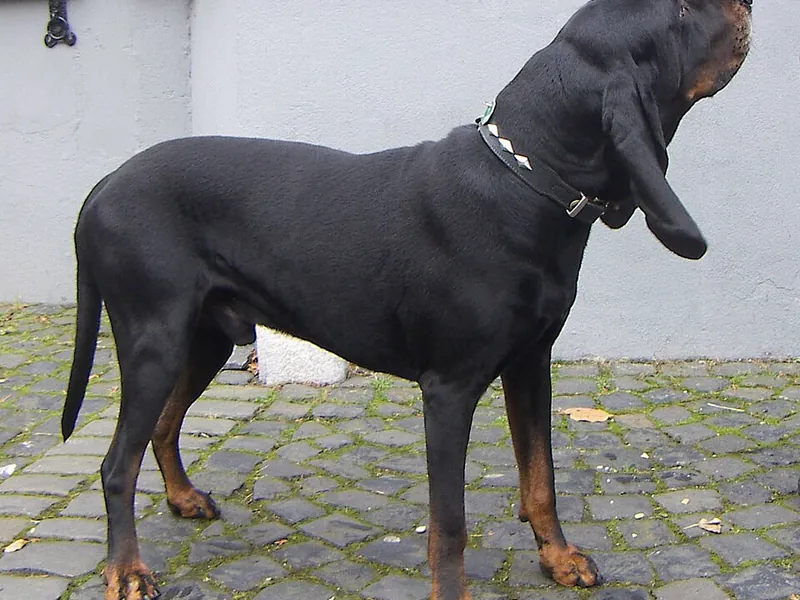
The Doberman was created in 1890s Germany as a personal protection dog, and it remains alert, athletic and devoted to its people.
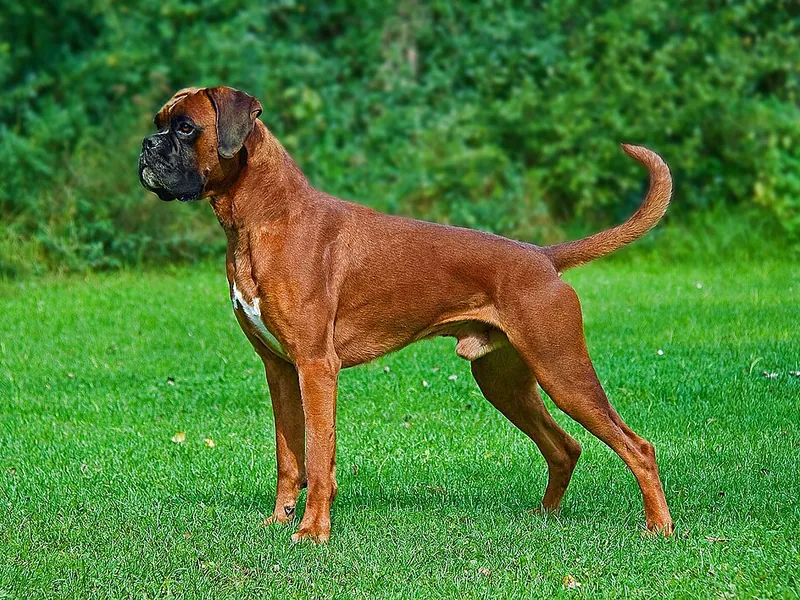
Muscular and playful well into adulthood, the Boxer is a clownish, people-loving large breed that thrives with active families.
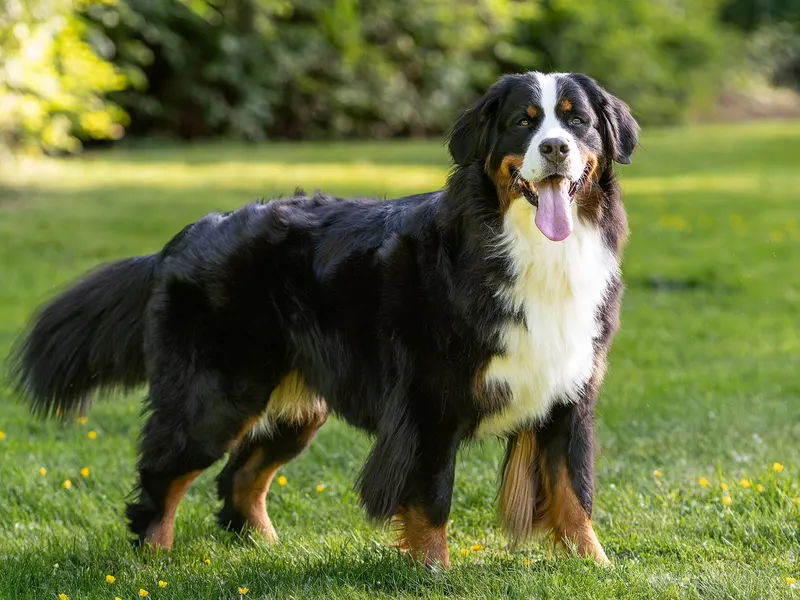
A tricolored Swiss farm dog with a gentle nature, the Bernese Mountain Dog is a calm, affectionate family companion.
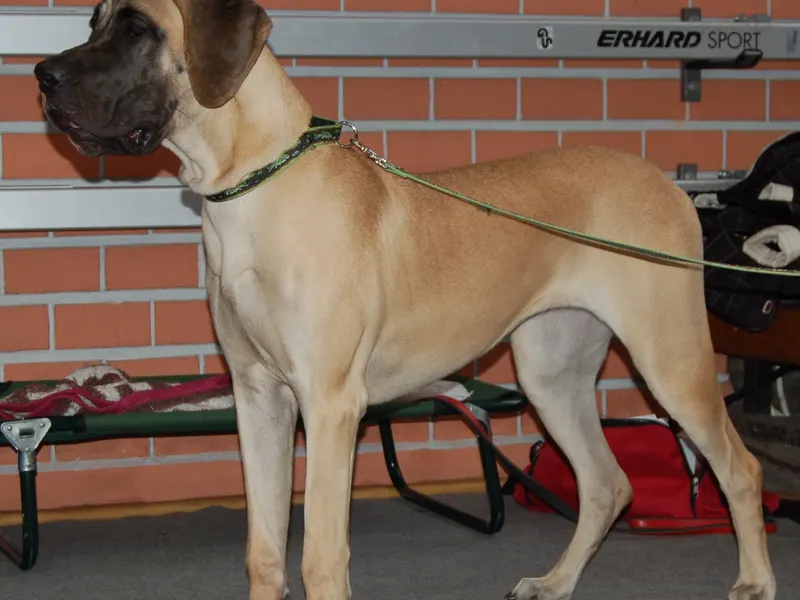
Often called the gentle giant, the Great Dane is one of the tallest breeds and tends to be calm, sweet and people-focused.
All Large Dog Breeds A to Z

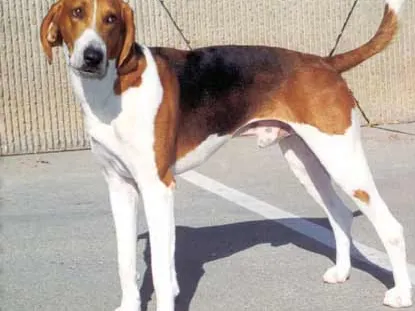
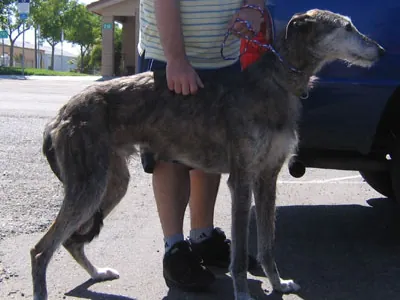
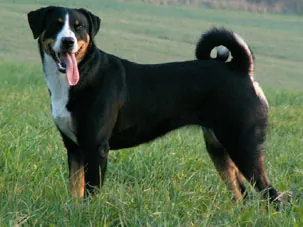
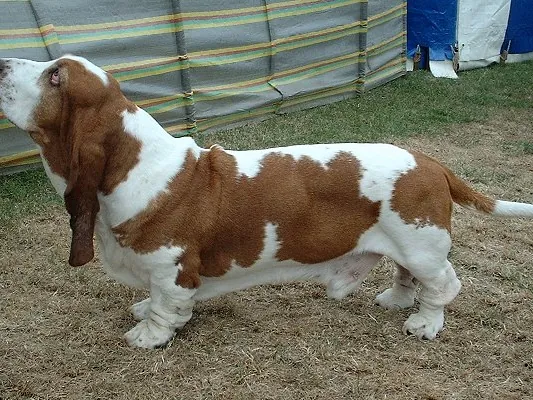



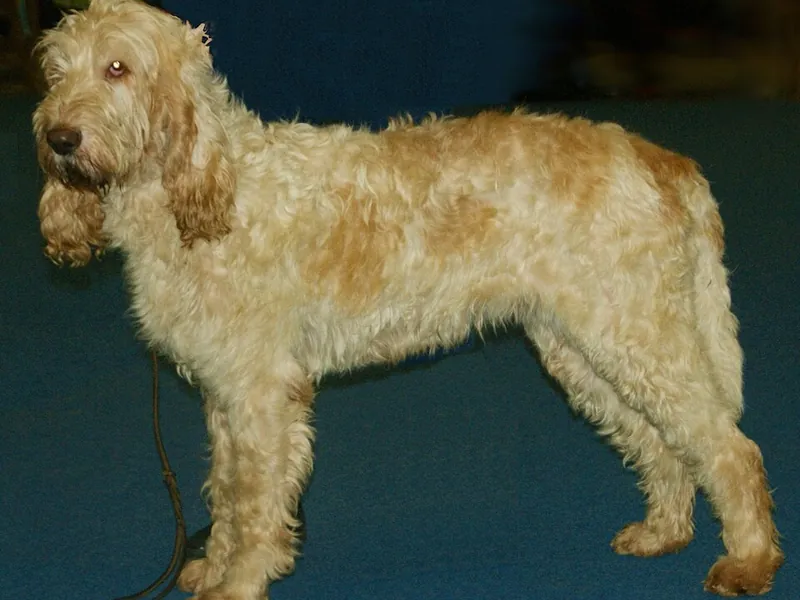
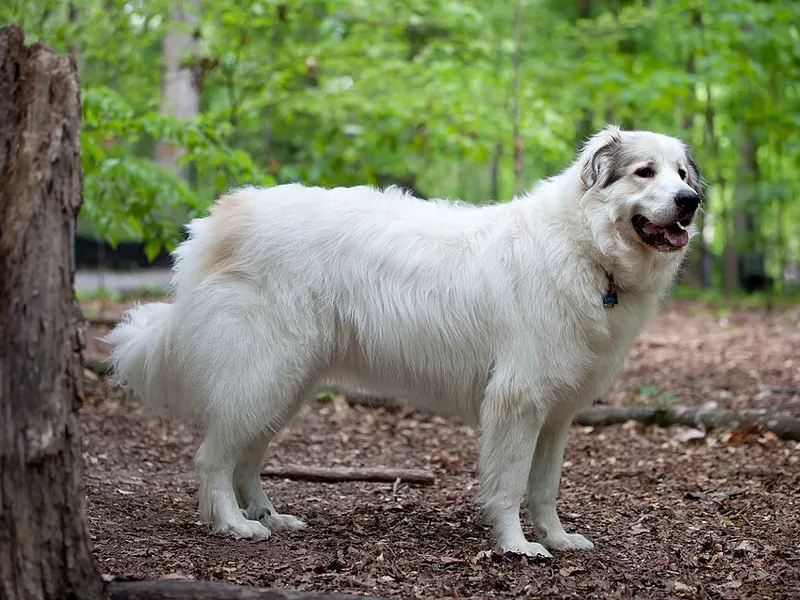
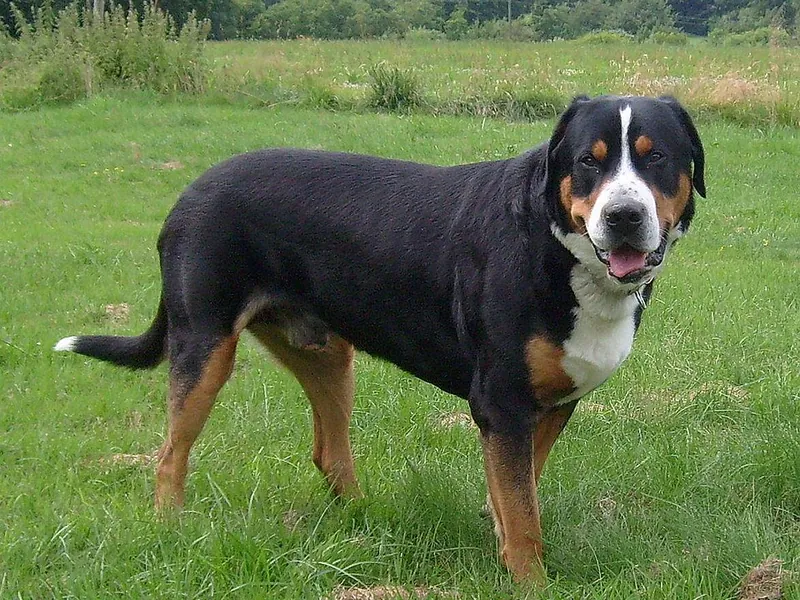
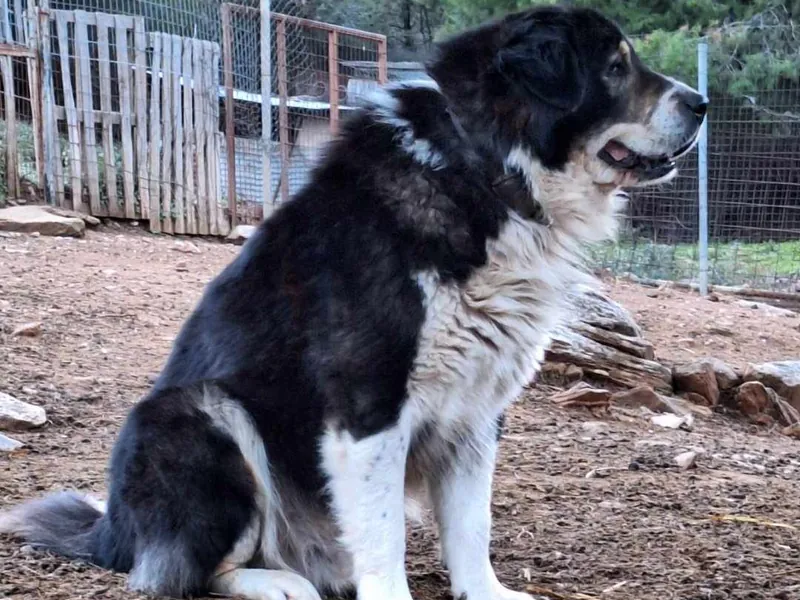
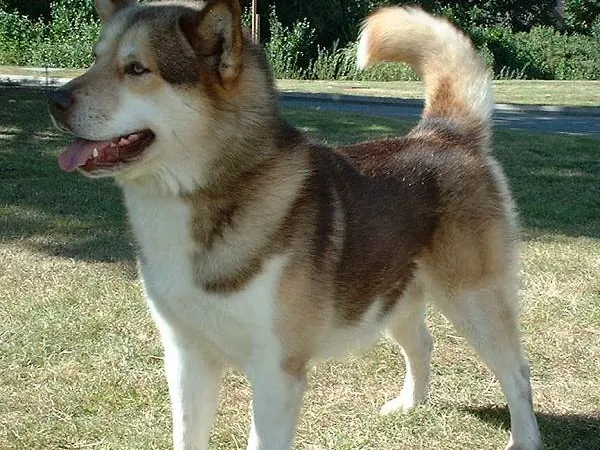
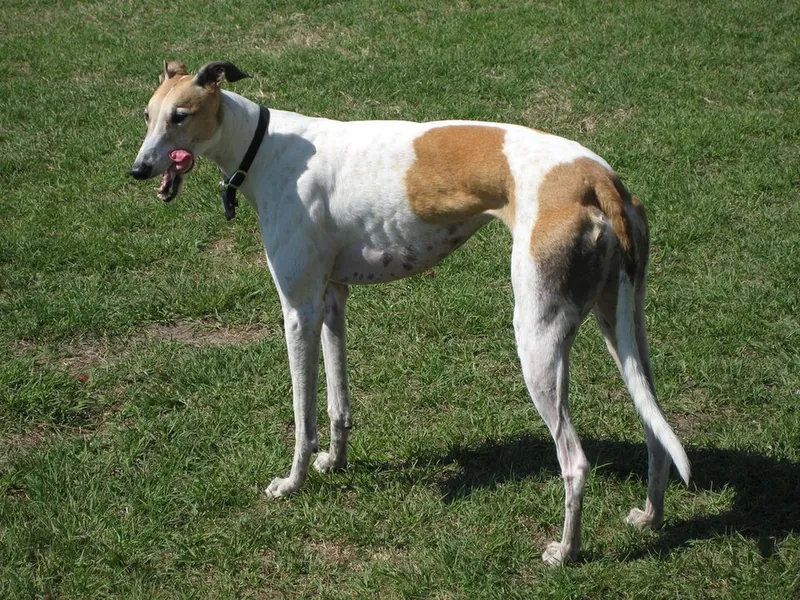
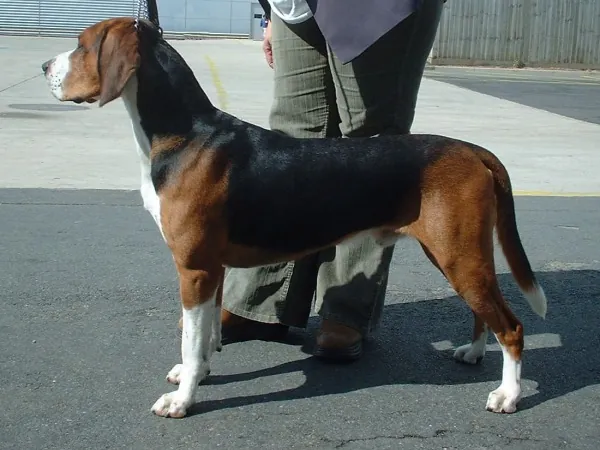
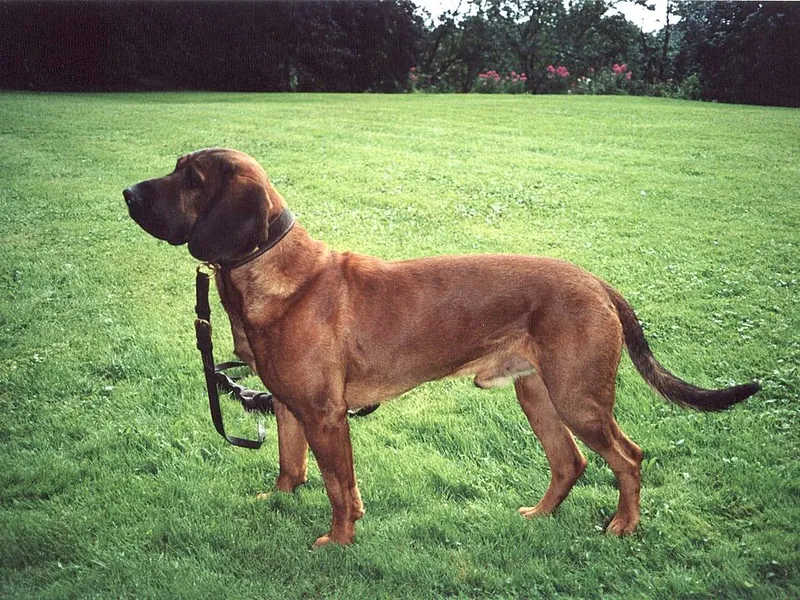
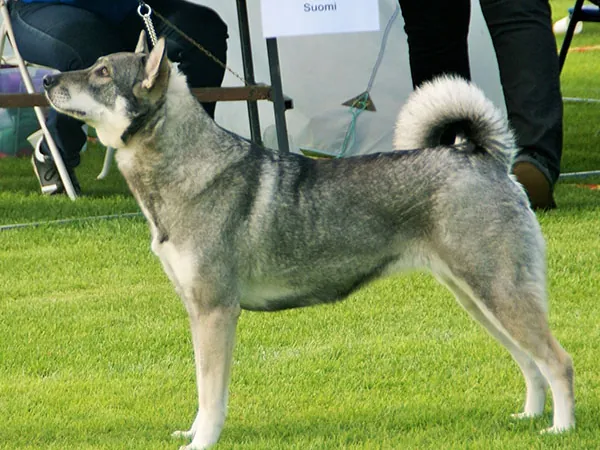
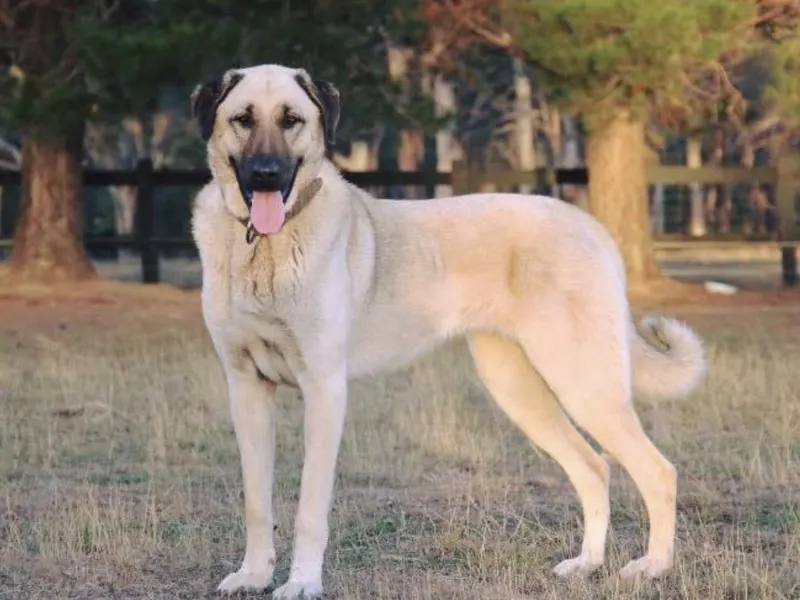
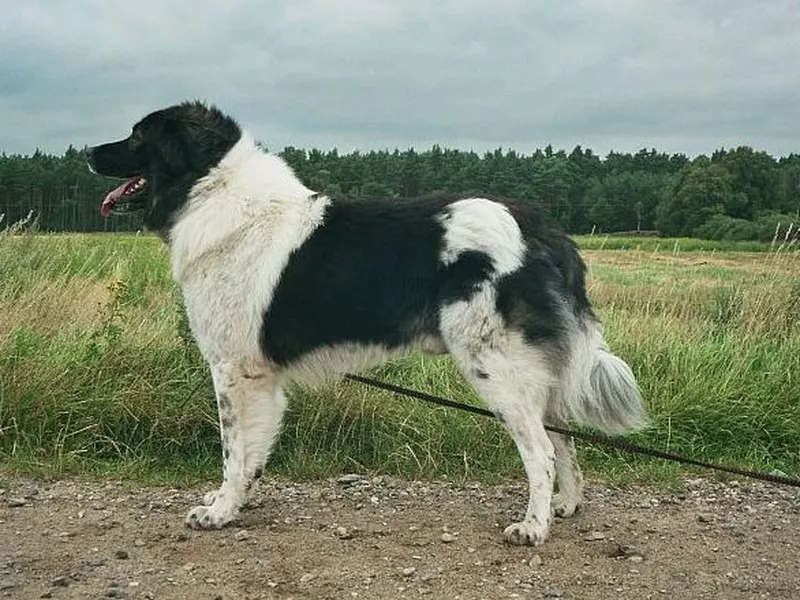
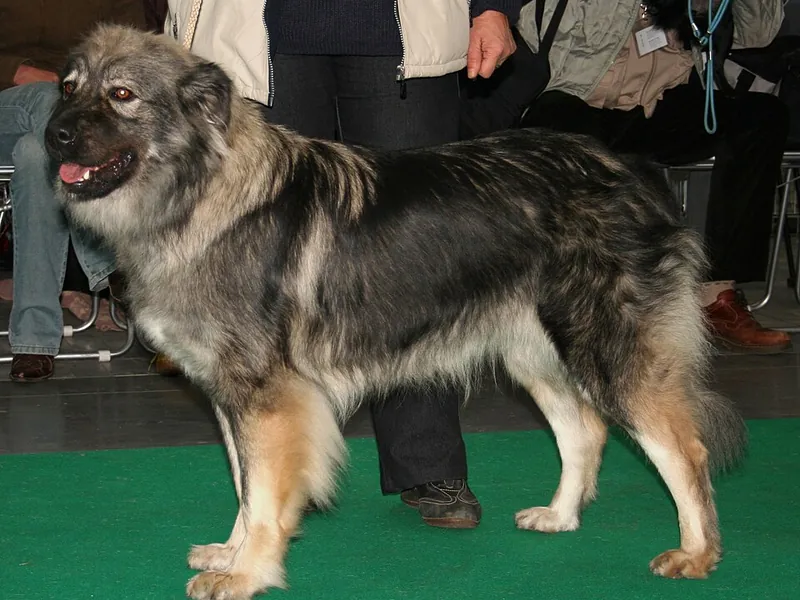
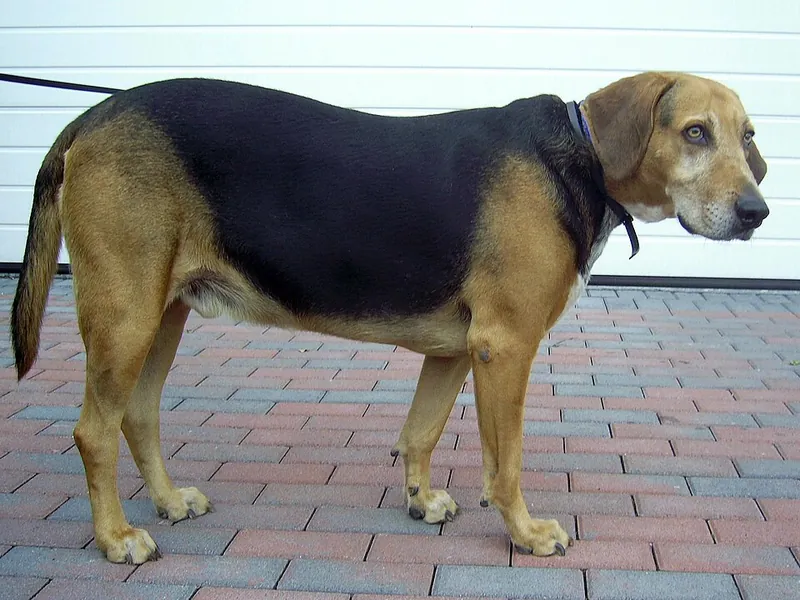
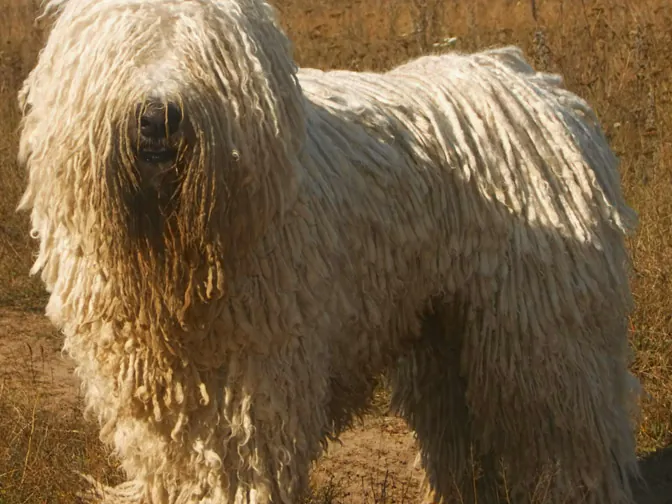

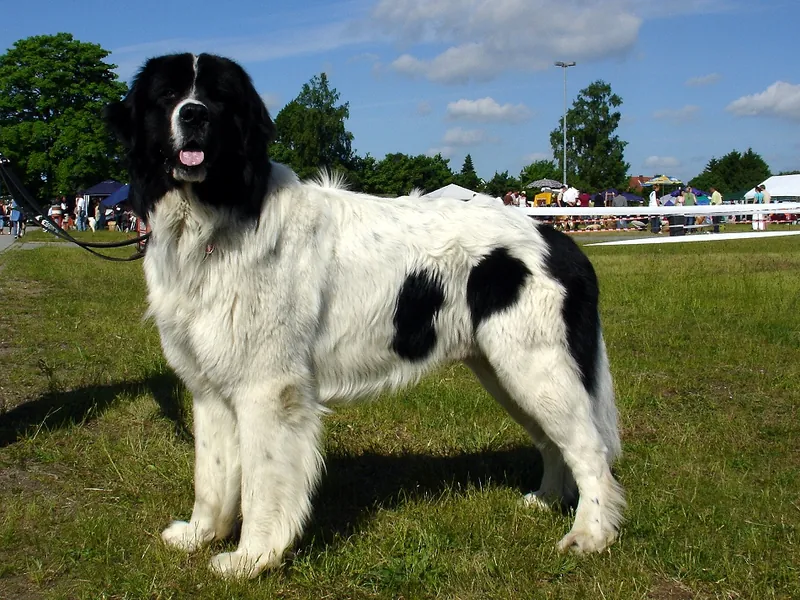
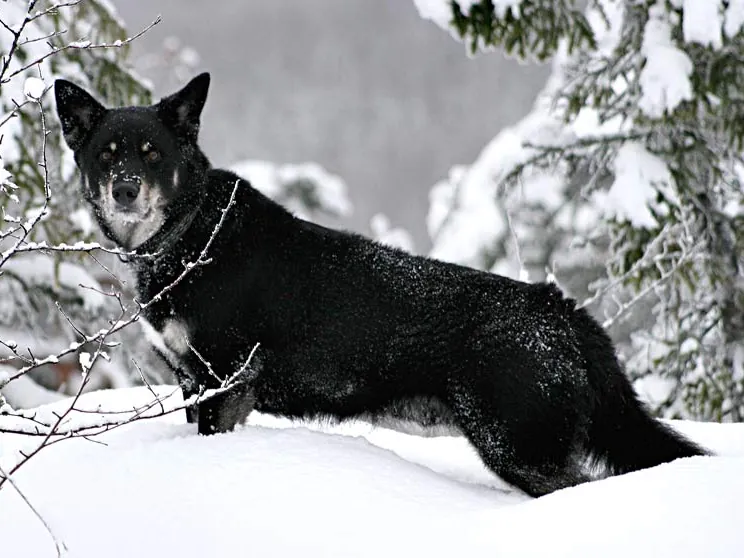

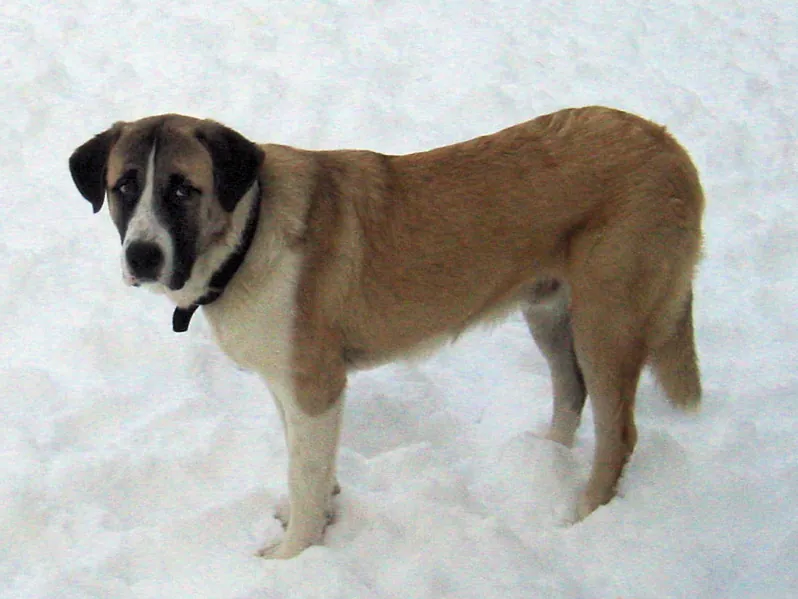

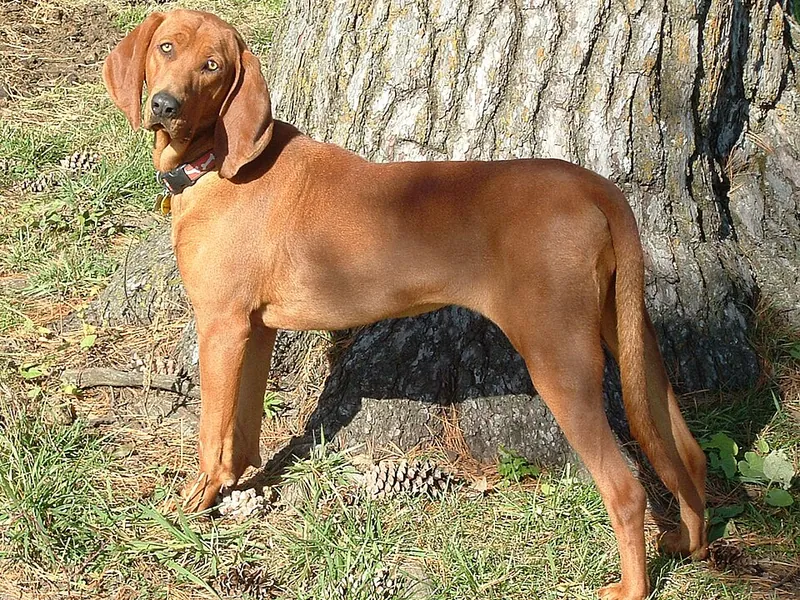
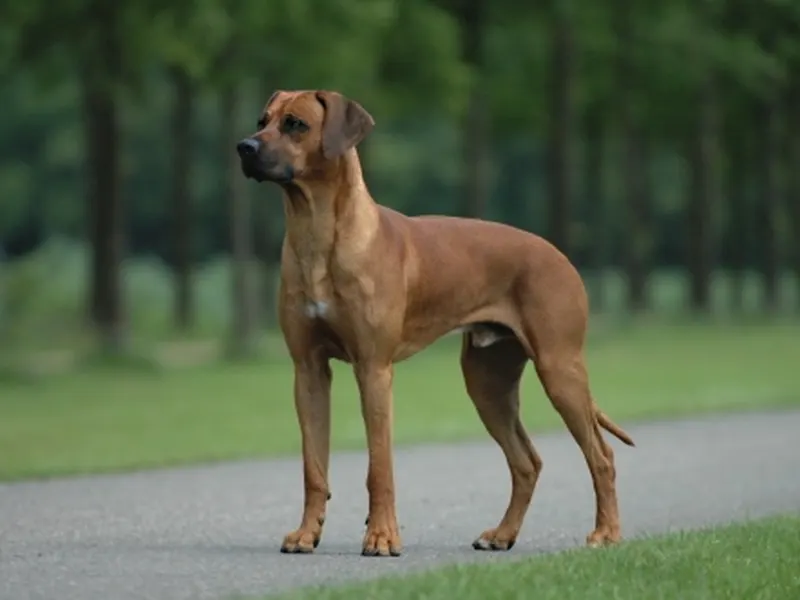
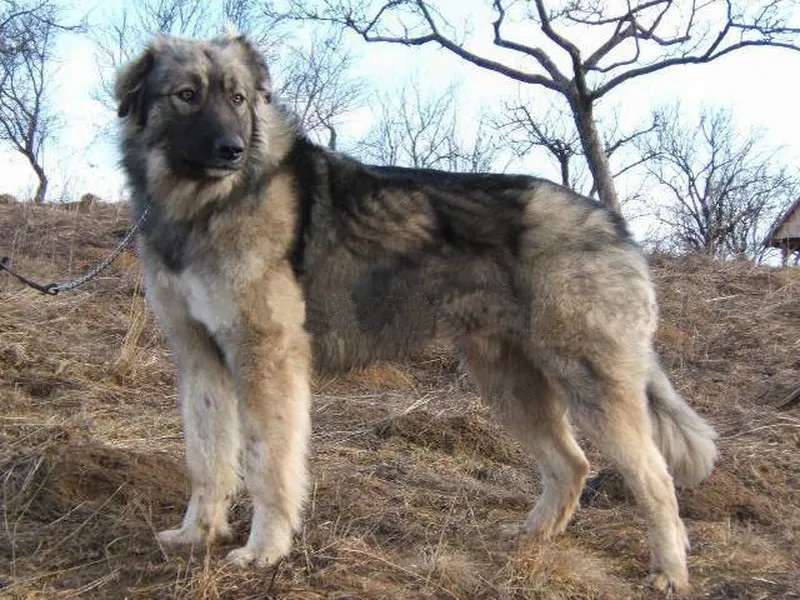
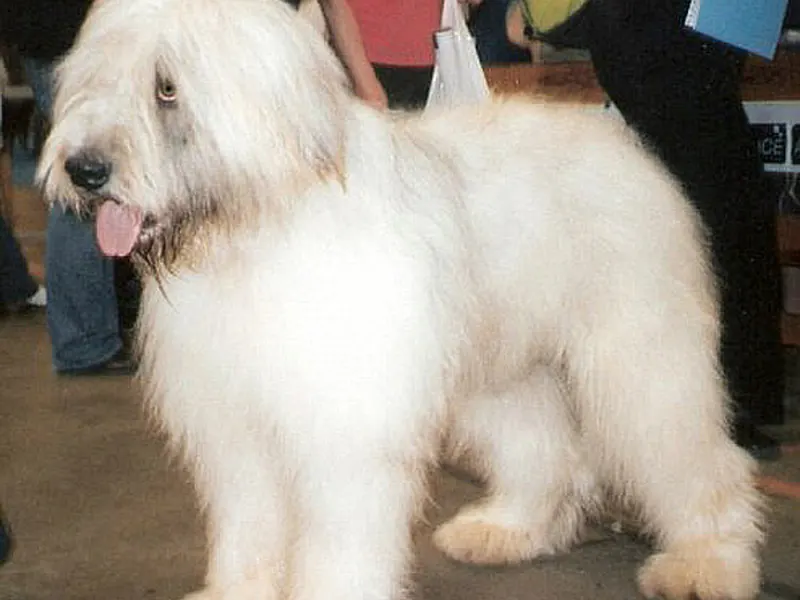
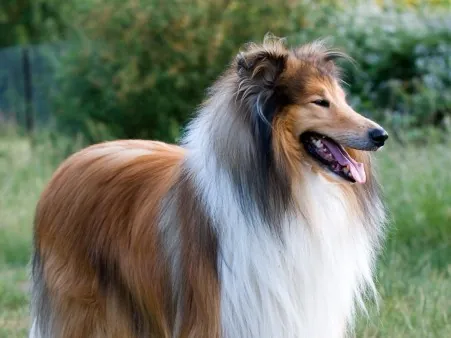
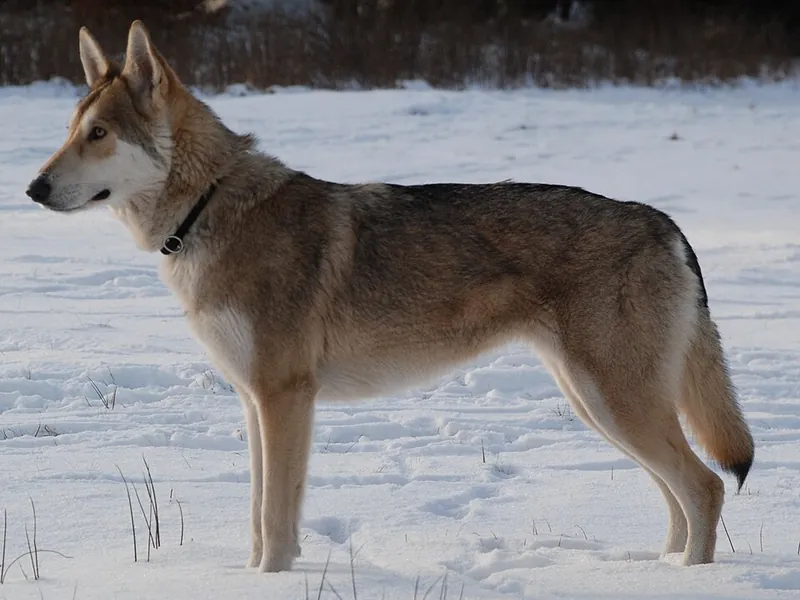
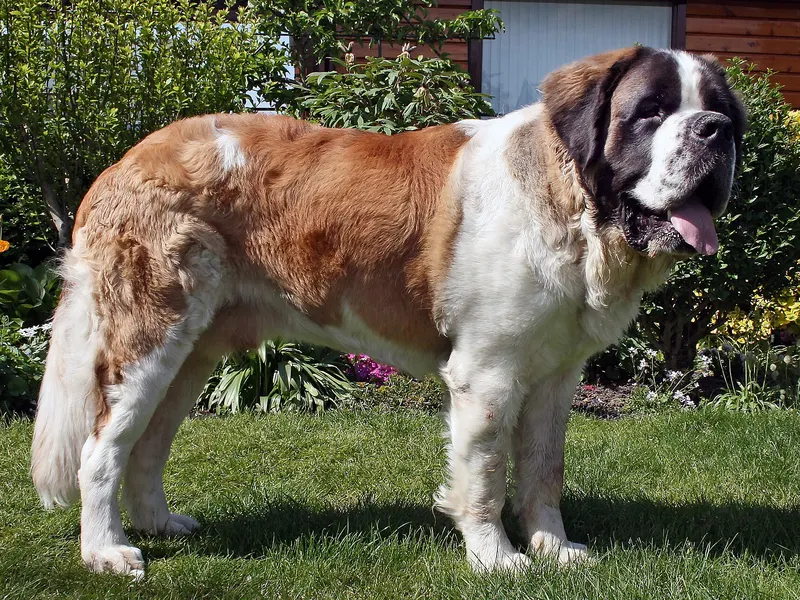
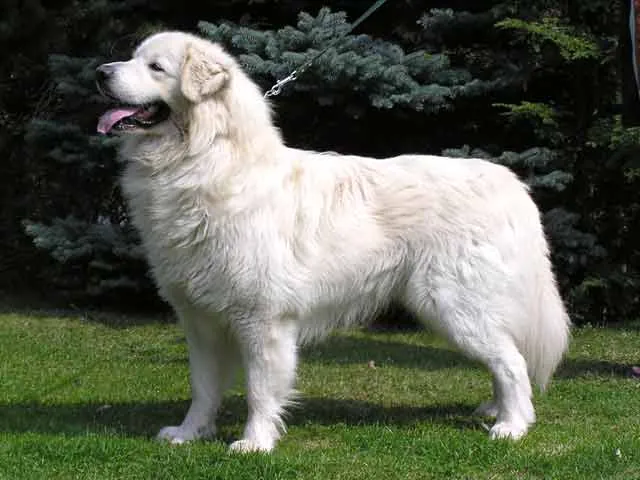
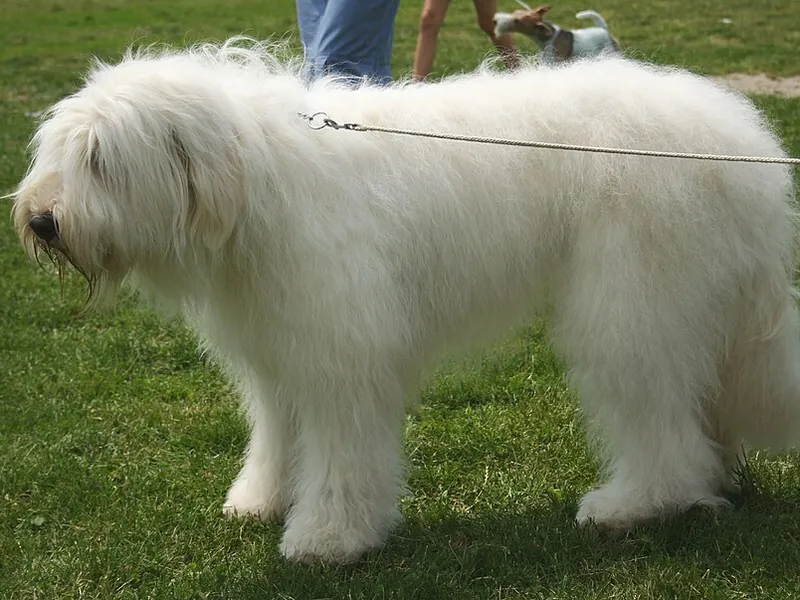
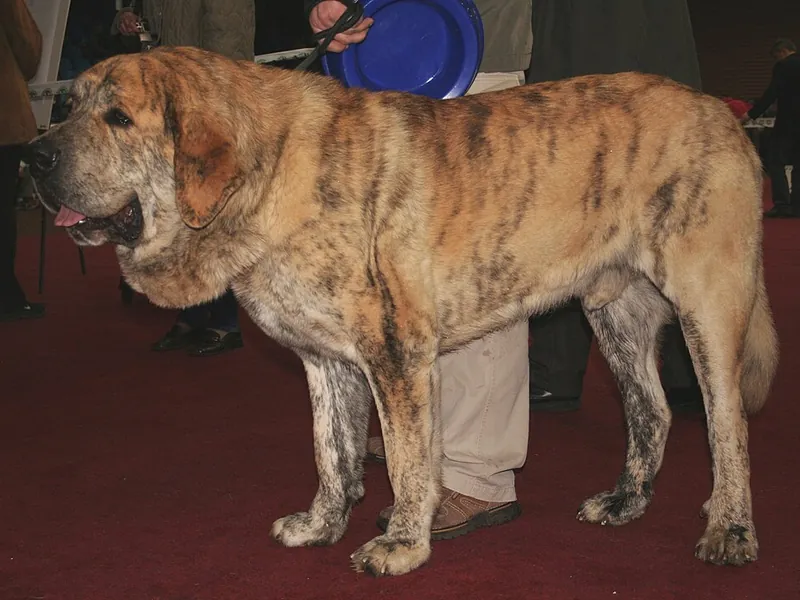
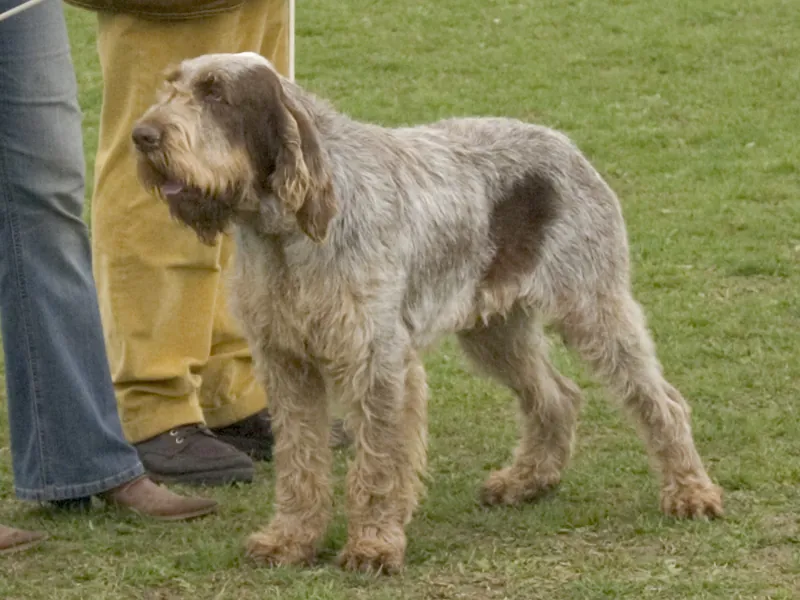
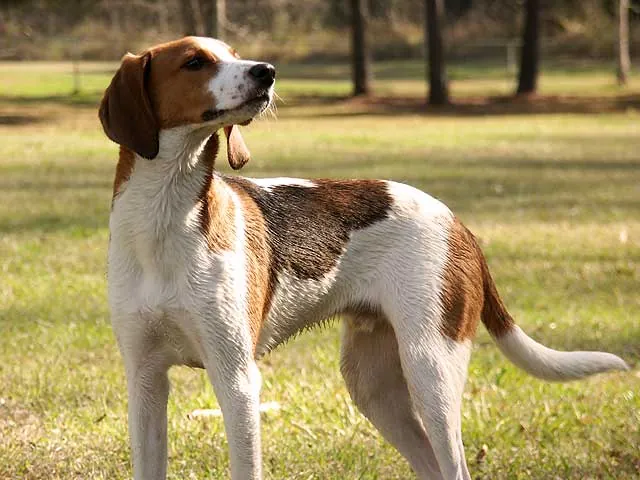
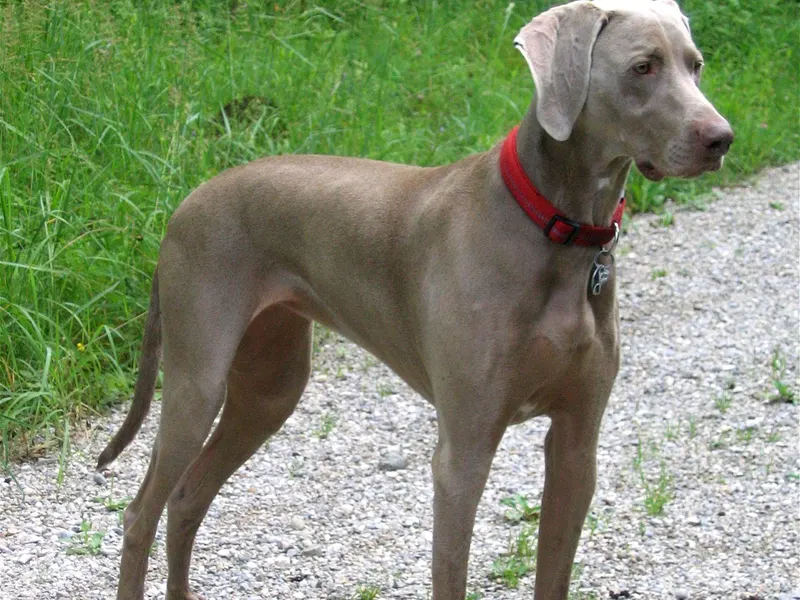
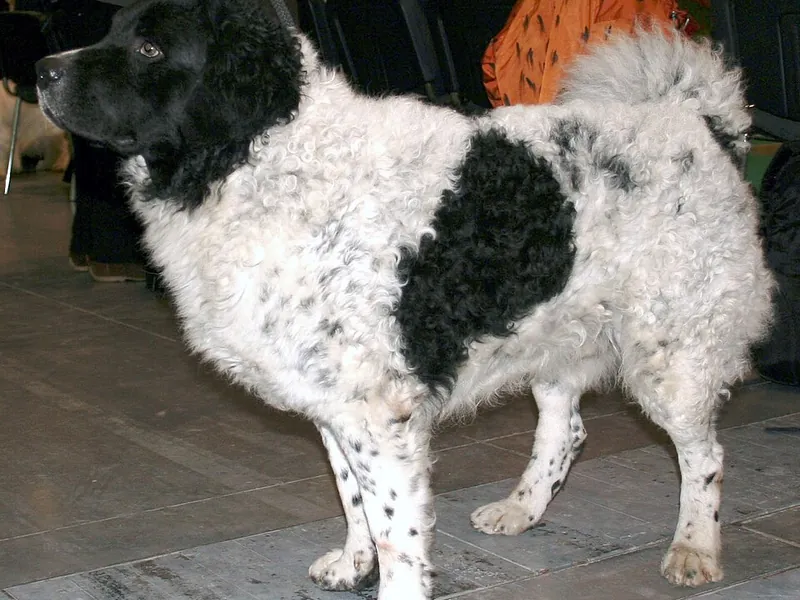
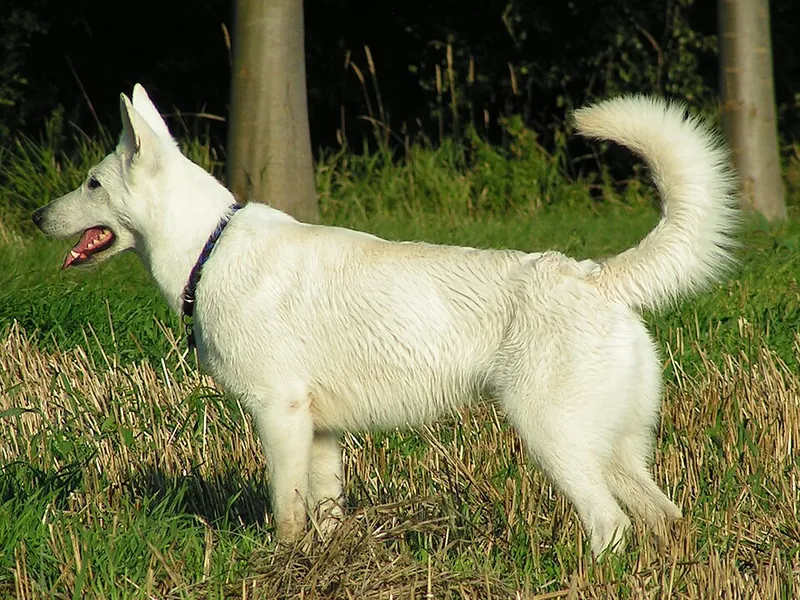
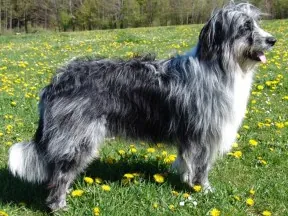
How big is a large dog?
There is no single official cutoff, but most vets and breed guides use similar rough bands. Medium breeds usually weigh about 25 to 50 pounds, large breeds about 50 to 100 pounds, and giant breeds often top 100 pounds. Height matters too: a Greyhound and a Labrador Retriever can be similar in height but differ in weight and build.
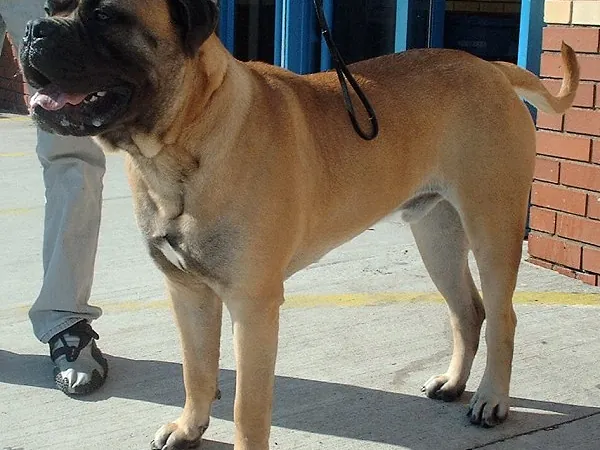
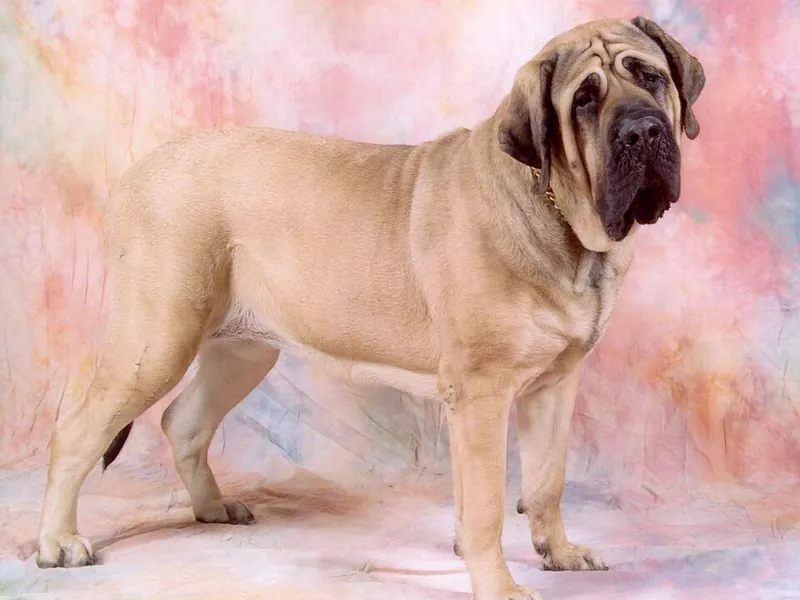
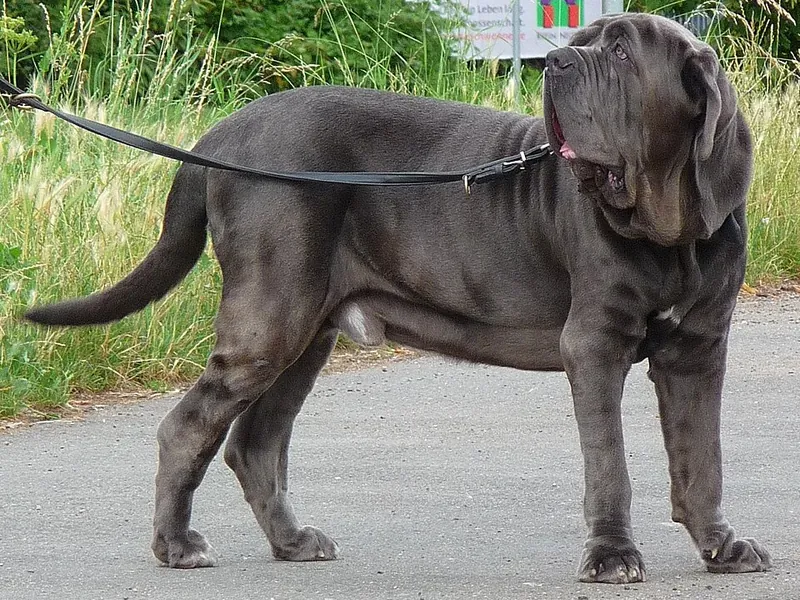
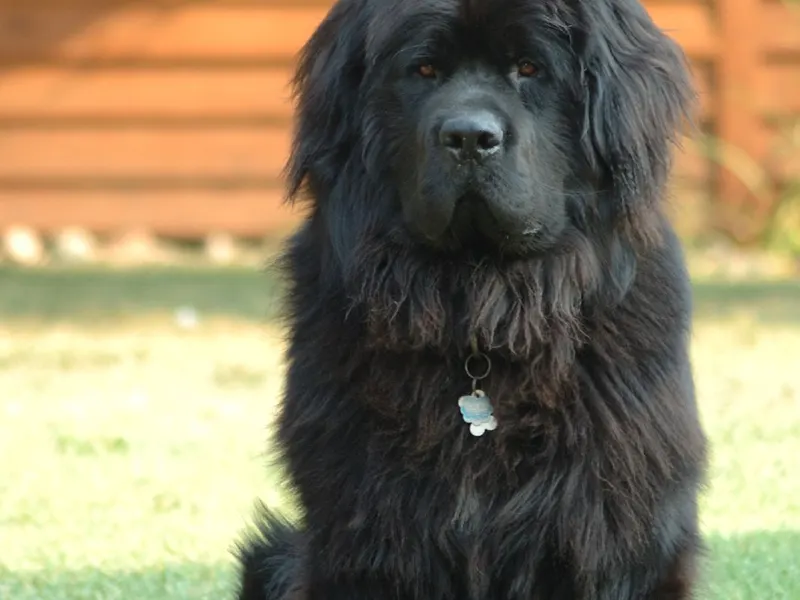
Our list includes both large and giant breeds, so you will find classic family dogs like the Labrador Retriever next to true heavyweights like the Mastiff, Saint Bernard and Newfoundland. Males are typically noticeably larger than females in most of these breeds.
Choosing the right big dog
Size is only the starting point. Large breeds fall into a few broad personality groups:
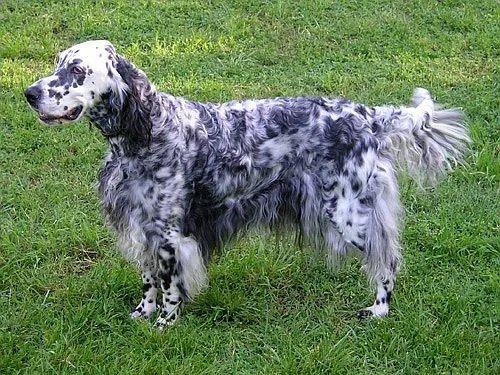
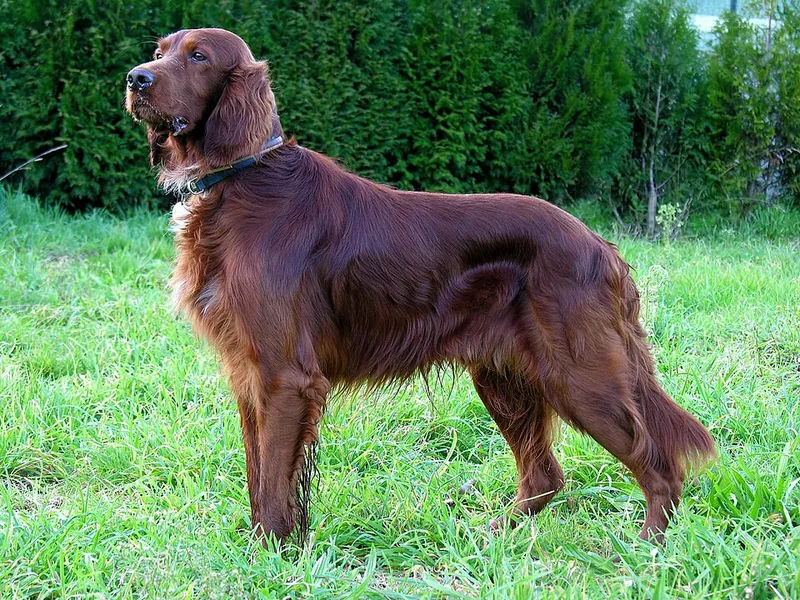
- Retrievers and sporting dogs such as the Golden Retriever, Labrador and Irish Setter are social, eager to please and need daily exercise.
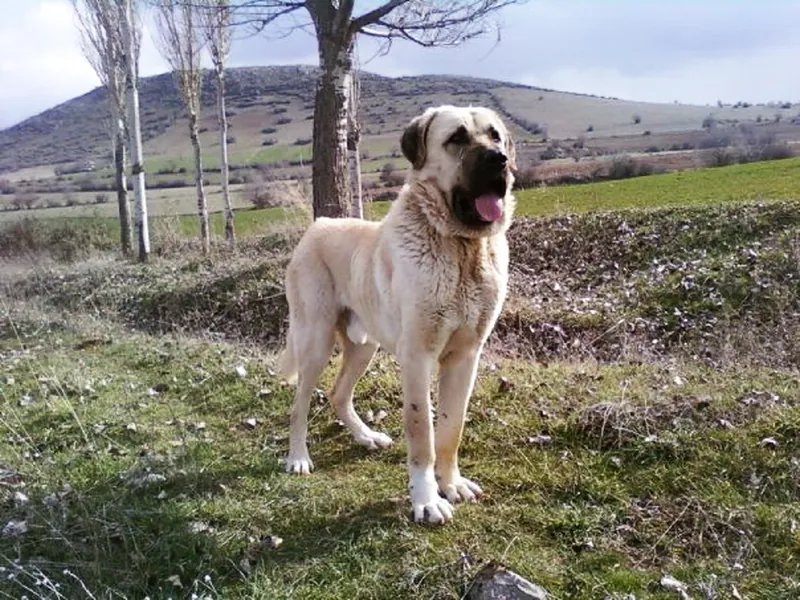
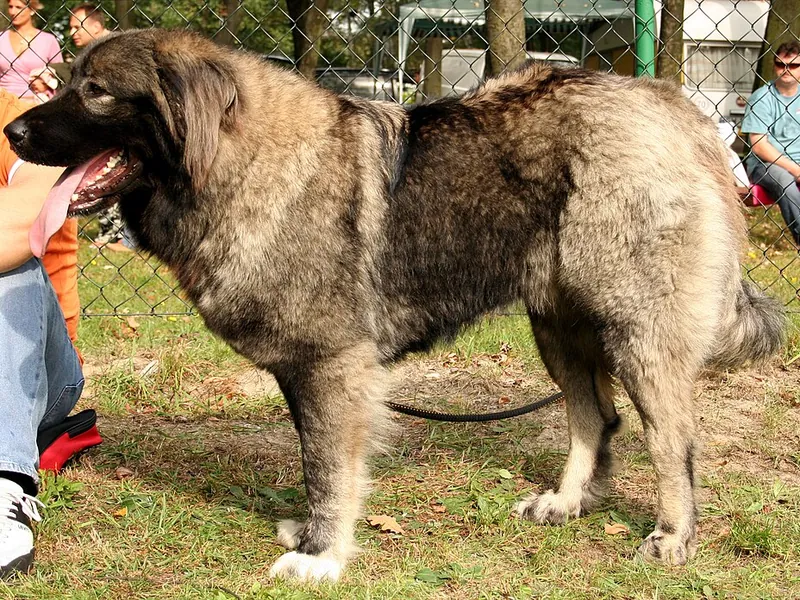
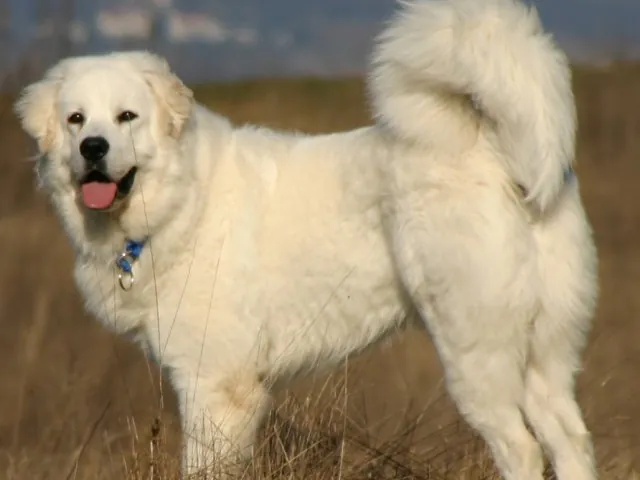
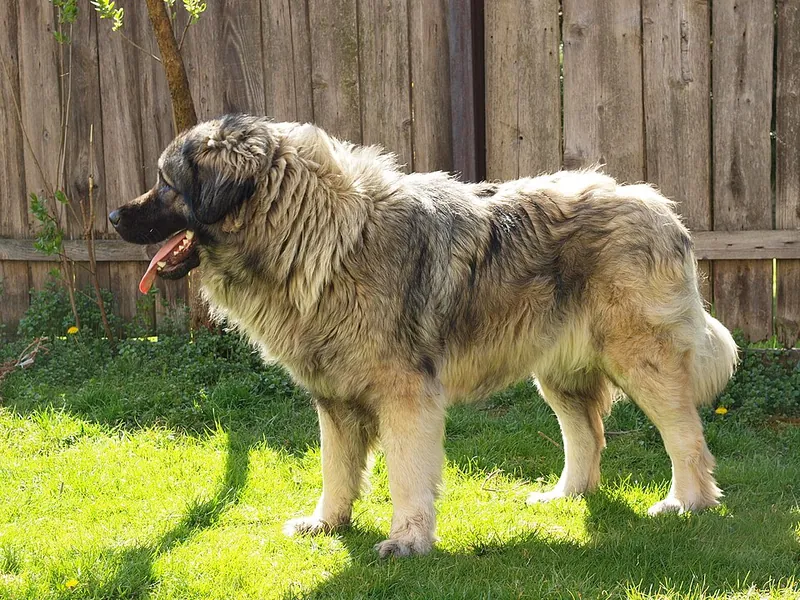
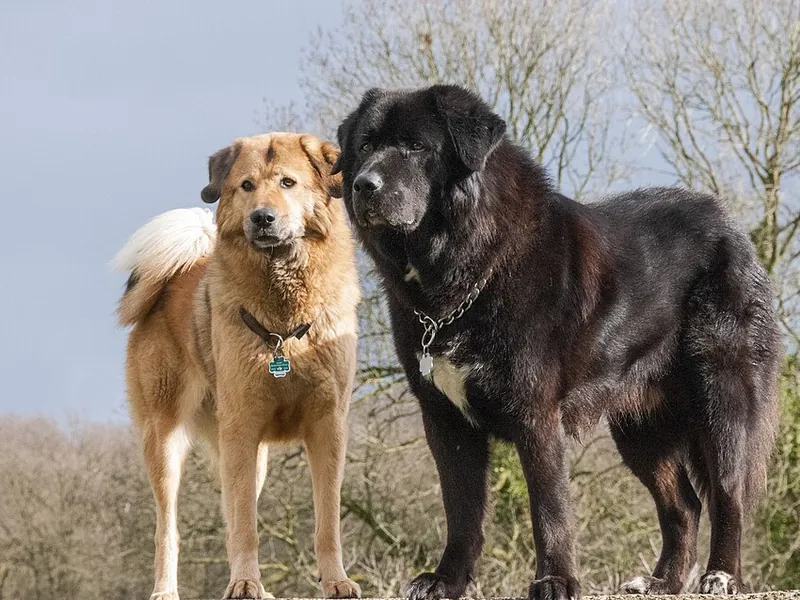
- Guardian breeds such as the Cane Corso, Rottweiler, Bullmastiff and Kangal Shepherd Dog are loyal and protective, and need early socialization and an experienced handler.
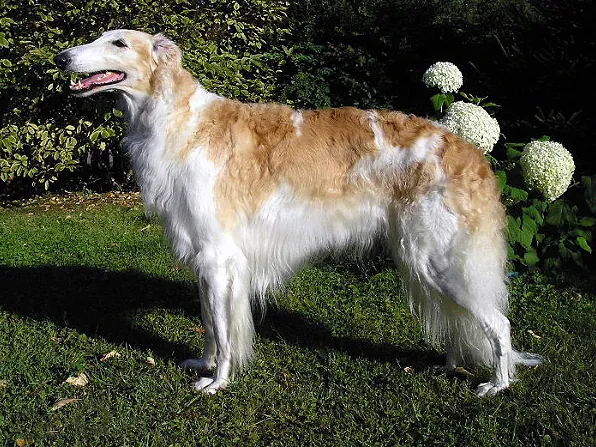
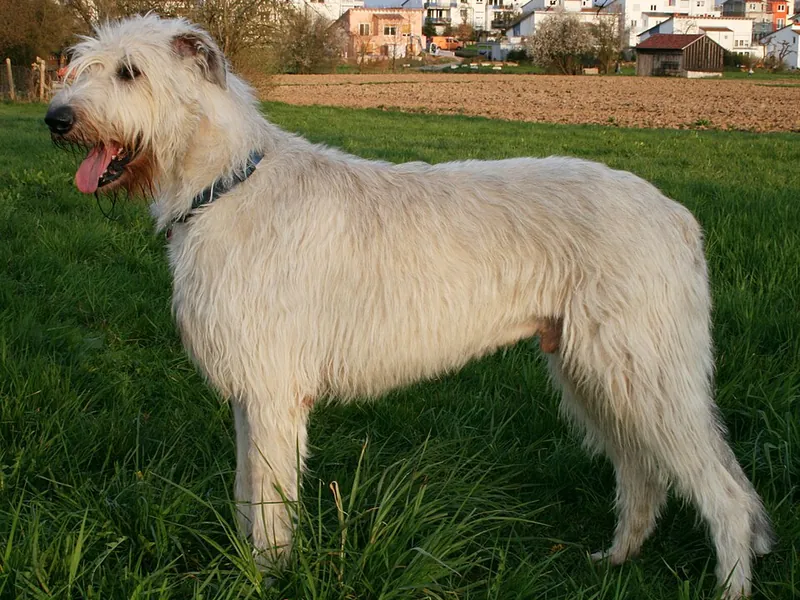
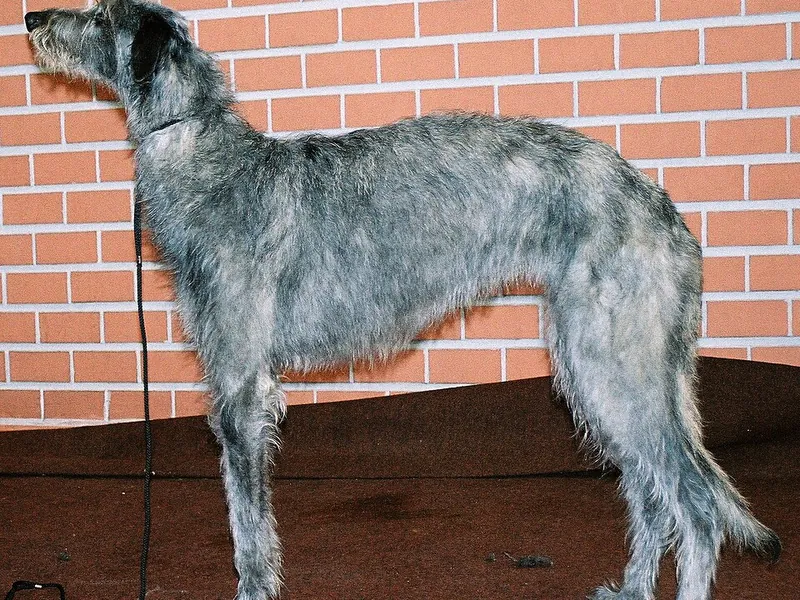
- Sighthounds such as the Greyhound, Borzoi and Irish Wolfhound are gentle and quiet indoors but have a strong chase instinct.
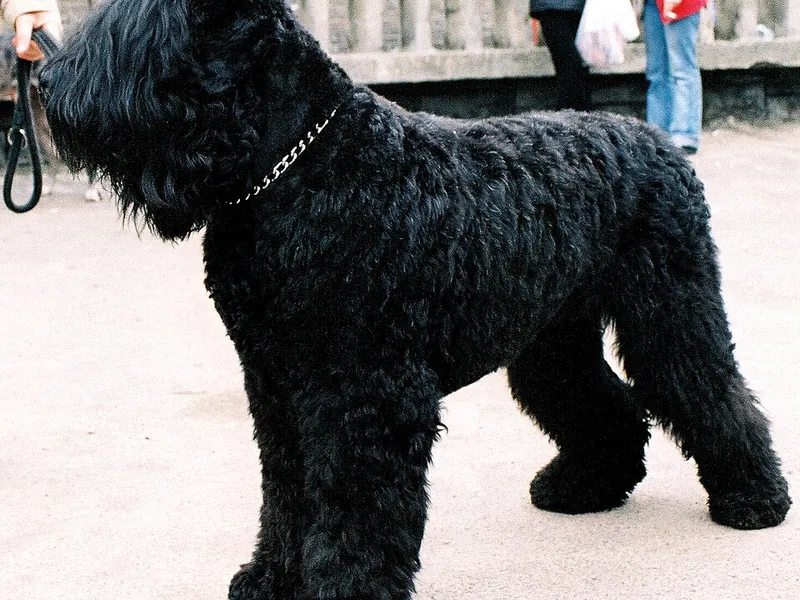
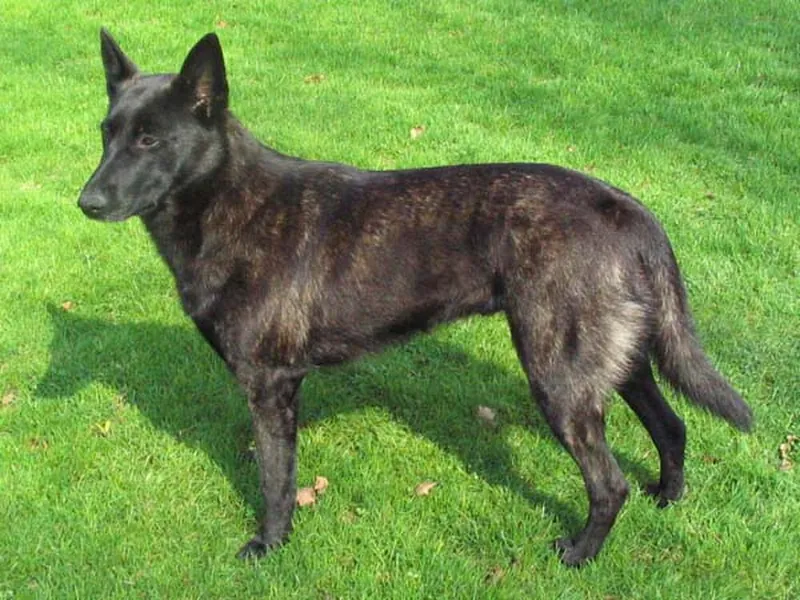
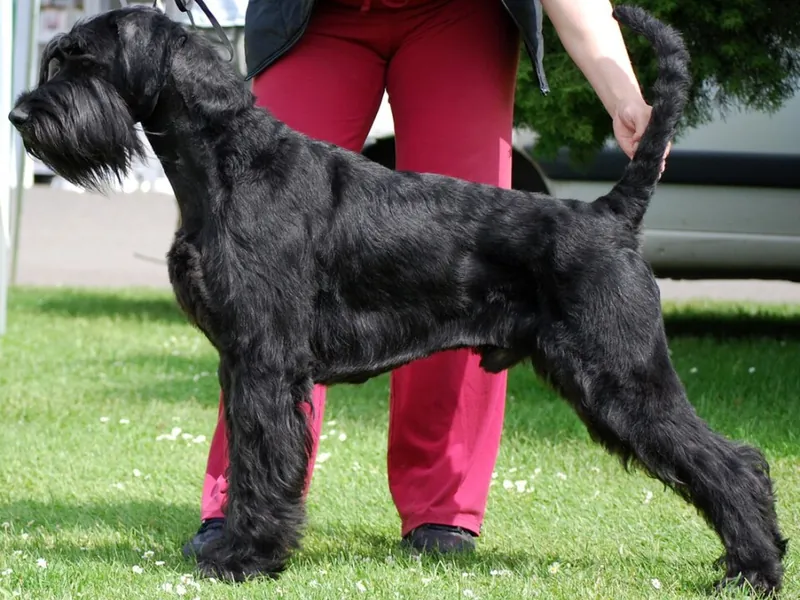
- Working and herding dogs such as the German Shepherd, Doberman Pinscher, Dutch Shepherd and Giant Schnauzer need real mental work, not just walks.
If you are new to dogs, a retriever or a laid-back sighthound is usually easier than a guardian or high-drive working breed.
Space, costs and daily care
Big dogs do not always need a big house, but they do need room to move and daily outlets for energy. A calm Greyhound can live well in a smaller home, while a young Weimaraner or Dalmatian will struggle without plenty of exercise.
Everything scales with size: food, beds, crates, car space, boarding and medication doses. Training is not optional either. A pulling 90-pound dog is a safety issue, so start leash manners and polite greetings early, ideally in puppy class.
Health notes for large breeds
Large and giant breeds tend to have shorter average lifespans than small breeds, often around 8 to 12 years depending on the breed. Common concerns include:
- Hip and elbow dysplasia, so ask breeders for health screening results on both parents.
- Bloat (gastric dilatation-volvulus), an emergency that is more common in deep-chested breeds like the Great Dane, Weimaraner and Irish Setter.
- Joint strain during growth: large-breed puppies grow fast, so feed a diet formulated for large-breed puppies and avoid forced, repetitive exercise on hard surfaces.
- Heart conditions and certain cancers, which affect several big breeds, including the Boxer, Doberman Pinscher and Bernese Mountain Dog.
Keeping a big dog lean is one of the simplest ways to protect its joints and support a longer life.
Common mistakes with big dogs
The most common mistake is underestimating how fast a large puppy grows. A cute 20-pound puppy can double in size within a few months, and habits like jumping up or pulling on the leash become hard to manage. Other pitfalls include skipping socialization with guardian breeds, overfeeding during growth and choosing a breed for its looks without checking its energy level. Budget for training classes early, and be realistic about lifting, transport and vet costs for a dog that may outweigh a child.
Frequently Asked Questions
What weight counts as a large dog breed?
Most guides consider dogs weighing roughly 50 to 100 pounds as adults to be large, with giant breeds often above 100 pounds. Breed standards focus more on height, so weight ranges are approximate.
What is the best large dog breed for families?
The Golden Retriever, Labrador Retriever and Bernese Mountain Dog are classic choices thanks to their friendly, tolerant temperaments. Every dog still needs training and supervision around young children.
Can large dogs live in apartments?
Some can. Calm breeds like the Greyhound often adapt well if they get daily walks, while high-energy working breeds usually need more space and activity.
How long do large dog breeds live?
Many large breeds live around 10 to 12 years, while giant breeds often live closer to 8 to 10. Good weight control and regular vet care help.
Are large dogs harder to train?
Not necessarily, but mistakes matter more because of their strength. Start training and socialization early and use consistent, reward-based methods.
Not sure which breed fits you?
Answer 8 quick questions and get breeds ranked for your home, schedule and experience.