Perdiguero de BurgosSpain's steady, powerful partridge pointer
The Perdiguero de Burgos is a large, strong Spanish pointer from the province of Burgos, prized for steady pointing and an easy, gentle temperament. It is a superb hunting partner and a calm house dog, but it needs space and a lot of daily exercise.
Why people love the Perdiguero de Burgos
- Quiet, balanced and gentle temperament
- More trainable than many hunting breeds
- Patient with children and friendly with dogs
- Easy-care short coat
- Methodical worker that stays in contact
Things to consider
- Needs at least a couple of hours of activity daily
- Handles solitude poorly
- Loose lips can mean some drool
- Rare outside Spain
- May roam if under-exercised
Is this breed right for you?
10 questions · live resultHistory and Origin
Pointing dogs have worked in Spain for centuries, and the Perdiguero de Burgos is considered one of the country's oldest gun dog types. Its name comes from perdiz, Spanish for partridge, and from the province of Burgos in Castile, where the breed was refined.
Hunters used it for partridge and quail, and also for hare and even small deer. The breed declined sharply in the 20th century and came close to vanishing. Spanish enthusiasts gathered the remaining dogs and rebuilt it, and it is now recognized by the FCI. It remains mostly a Spanish working breed.
Size, Coat and Colors
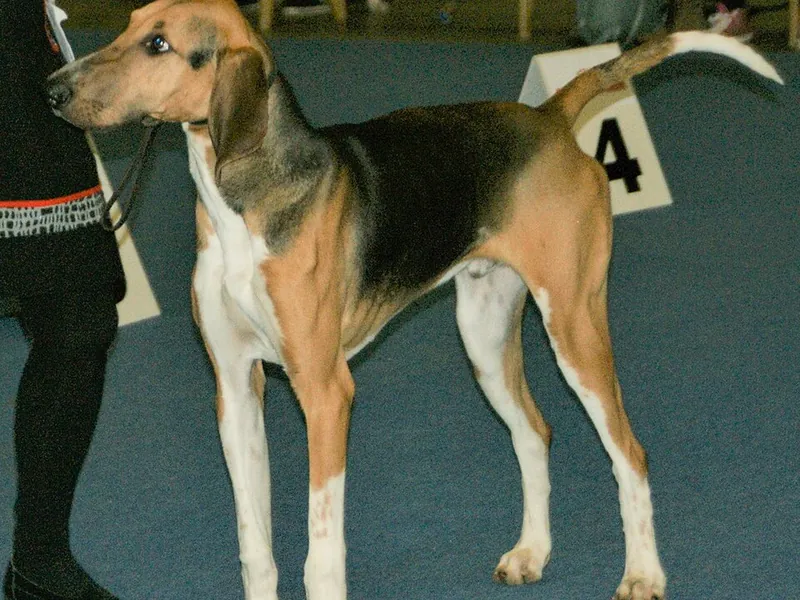
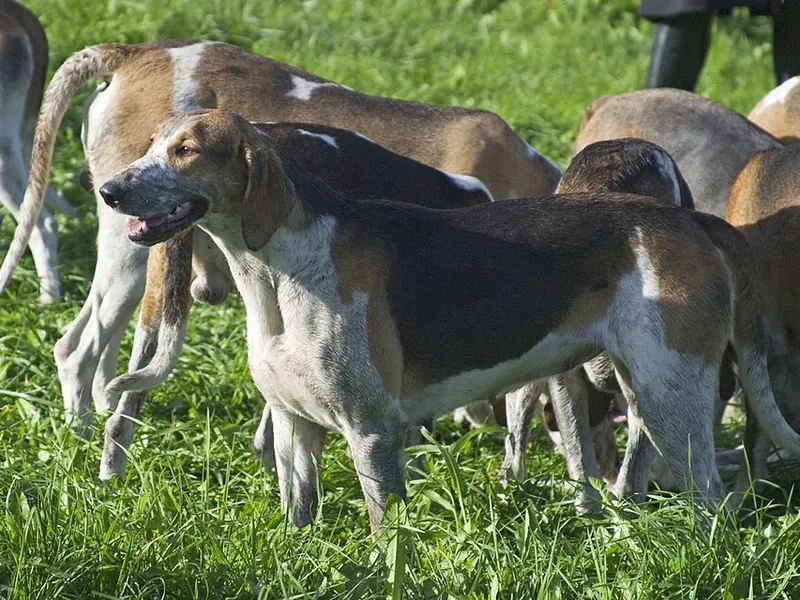
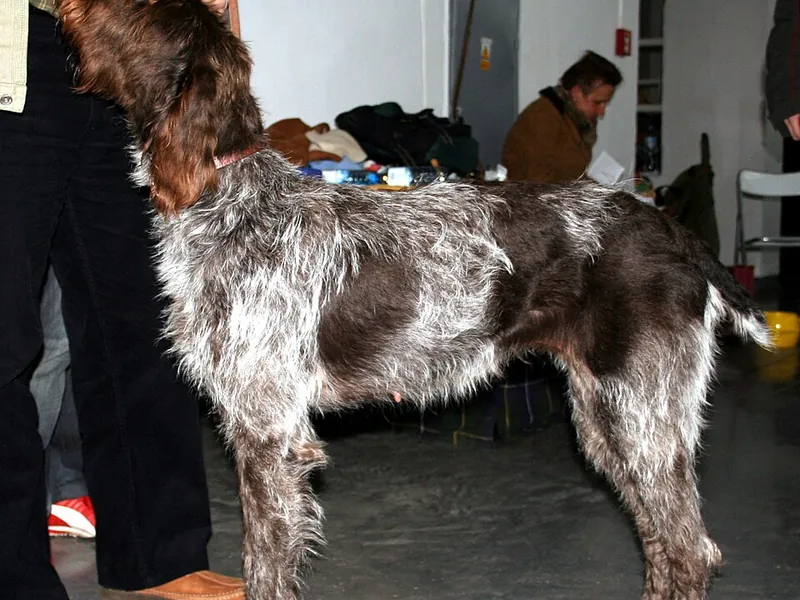
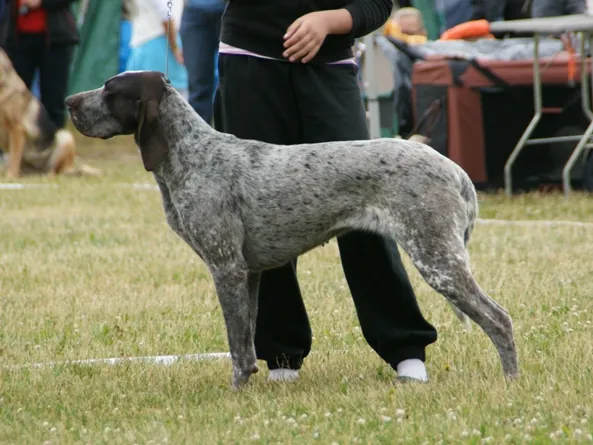
The Perdiguero de Burgos is a large, powerful pointer with a solid frame and a heavier build than many continental pointers. Dogs stand about 23 to 26 inches and weigh 55 to 66 lb. Males are taller and more substantial, with a broader head, while females are slightly lighter in build.
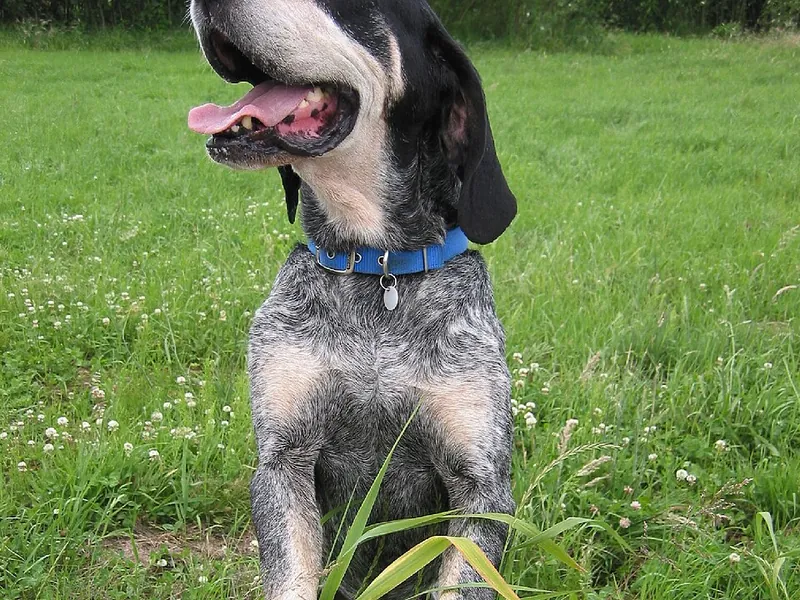
The head is large and broad, with a square muzzle, pendulous lips and a slight dewlap at the throat. The ears are long, soft and hang in folds. The eyes are hazel, giving a gentle, calm expression. The chest is deep and wide, and the back is straight and strong.
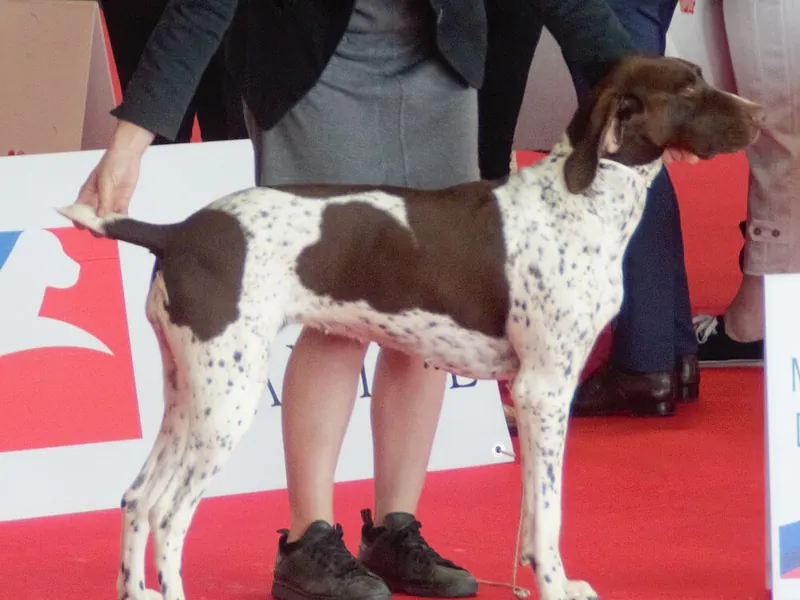
The coat is short, dense and fine. Accepted colors include:
- White and liver, with liver patches on a white base
- Liver ticked or roan, with liver spots or roan patterning over white
Liver is typically present on the head and ears. The tail is often docked in Spain, though natural tails are common in countries that ban docking. The overall impression is of a sturdy, methodical field dog built for endurance rather than speed.
Temperament and Personality
This is a quiet, balanced and gentle dog. Perdigueros are usually patient with children and friendly with other dogs, and they bond closely with the people they work with.
They are intelligent and responsive, which makes them easier to train than many hunting breeds. Indoors, a well-exercised Perdiguero is relaxed and unobtrusive. Under-exercised, it becomes restless and may roam if given the chance.
Its build is heavier than that of many pointers, with a broad head, loose lips and a deep chest, and its movement in the field is steady rather than racy. Hunters appreciate that it works methodically and stays in contact with the gun, which also makes it a sensible companion on long country walks.
Is the Perdiguero de Burgos Good With Cats?
Some Perdigueros live peacefully with cats, especially when raised with them, but the breed's hunting instincts mean it is never guaranteed.
Pointing dogs are bred to locate birds and small game, and a running cat may draw attention. Introduce a puppy to a calm, confident cat early, supervise interactions and provide dog-free areas for the cat. Outdoors, many will still chase unfamiliar cats. Birds and small pets such as rabbits are a much greater risk and should be kept securely separated.
Can a Perdiguero de Burgos Be Left Alone?
The Perdiguero de Burgos does not handle long periods alone well. It bonds closely with its people and becomes restless when left for long days.
A well-exercised adult can usually manage a few hours alone with chews or puzzles. Build this tolerance gradually from puppyhood. Long, regular absences may lead to whining, barking or attempts to roam. Owners who work full days away should plan for a dog walker, daycare or another person at home. A second dog may help some individuals but does not replace human company.
Does the Perdiguero de Burgos Bark a Lot?
No, the Perdiguero de Burgos is generally a quiet breed. It may bark to alert you to visitors or unusual sounds, but it is not known as a nuisance barker.
Barking is more likely when the dog is bored, under-exercised or left alone for long periods. Meeting its exercise needs and giving it a job, such as field work or scent games, usually keeps it calm. Its quiet nature is one reason it is considered one of the easier hunting breeds to live with.
Exercise and Training
The breed was made for long days in open fields. It needs at least a couple of hours of real activity daily.
- Field work, pointing trials, running beside a bicycle once mature and long hikes are all good outlets.
- It learns quickly with positive methods and has a natural point and retrieve.
- Recall is good by hunting-dog standards but still needs practice around birds.
- Do not leave it alone for long days; it handles solitude poorly.
Grooming and Shedding
The short, fine coat is easy: brush weekly with a rubber mitt. Coats are usually white with liver patches and ticking.
The ears are long and the lips loose, so check ears for infection and wipe the mouth folds after meals if they collect food. Inspect paws and skin after field work for cuts and grass seeds.
Feeding and Nutrition
The Perdiguero de Burgos is a solid, deep-chested pointer with a good appetite. Its food needs vary with activity, so adjust portions during hunting season and the off-season. Aim for a lean body with easily felt ribs and a visible waist.
Medium-to-large puppies should grow steadily on a diet suited to their expected adult size. Avoid overfeeding and calcium supplements unless advised by a vet, as hip dysplasia is a general concern in similar breeds.
As a large, deep-chested dog, it may share the general risk of bloat. Feed two meals a day, avoid strenuous exercise immediately before and after eating, and allow time to cool down after work.
The loose lips can collect food and drool. Wipe the mouth folds after meals if needed to prevent irritation.
Fresh water should always be available, and working dogs need regular drinks in the field.
Food rewards work well for training this responsive breed. Use small treats and include them in the daily ration.
| Adult weight | Less active | Typical adult | Very active |
|---|---|---|---|
| 55 lb | 1,090 kcal | 1,250 kcal | 1,560 kcal |
| 66 lb | 1,250 kcal | 1,430 kcal | 1,790 kcal |
Estimates use the resting energy formula veterinarians work with (70 × body weight in kg0.75) and standard activity factors. Use the feeding guide on your food as a starting point and adjust to body condition. Puppies, seniors, pregnant animals and pets that need to lose weight have different needs, so ask your vet.
Health and Lifespan
No breed-typical diseases are documented in reliable sources, and lifespan figures are not available. As a large, deep-chested dog, it may face the general risks of similar breeds, such as hip dysplasia and bloat.
Choose a breeder who screens hips and elbows. Feed meals rather than one large portion, and avoid hard exercise just after eating.
Perdiguero de Burgos Price and Cost of Ownership
The Perdiguero de Burgos is very rare in the US, and there is no reliable price range. Most dogs are bred in Spain, and buying one usually means contacting Spanish breeders and arranging import. Prices vary by breeder, region and lines, and transport, health certificates and paperwork add to the cost.
Rescue options in North America are very limited, though Spanish hunting dog rescues occasionally rehome pointers.
Ongoing cost drivers include:
- Food for a large, active dog
- Ear care for long, hanging ears
- Insurance covering hip dysplasia, bloat and field injuries
- Field training, hunt tests and gear if you hunt
- Health screening: hip and elbow evaluations
Is the Perdiguero de Burgos Right for You?
The Perdiguero fits active, rural lifestyles.
- Good match: hunters, field-trial enthusiasts, active families in the country who want a gentle, trainable dog.
- Poor match: city apartments, people away all day, owners looking for a low-energy companion.
For a family that can give it a job, it is one of the more agreeable hunting breeds to live with.
Perdiguero de Burgos Traits at a Glance
Perdiguero de Burgos FAQ
How big is a Perdiguero de Burgos?
It is a large pointer, around 23 to 26 inches tall and 55 to 66 lb.
Is the Perdiguero de Burgos good with kids?
Yes, it is generally gentle and patient with children when properly socialized and exercised.
Is the Perdiguero de Burgos easy to train?
It is one of the more trainable hunting breeds, intelligent and eager to work with its handler.
Can a Perdiguero de Burgos live in the city?
It is a poor fit. The breed needs open space and hours of exercise each day.
What does Perdiguero mean?
It comes from the Spanish word for partridge, the bird the breed traditionally pointed.
Does the Perdiguero de Burgos drool?
Its loose lips can produce some drool, especially after drinking or eating, but it is not usually a heavy drooler.