Dog Breeds for First-Time OwnersForgiving, trainable dogs for new owners
Good dog breeds for first-time owners are typically eager to please, forgiving of training mistakes and adaptable to family routines. This list includes easygoing companions like the Bichon Frise and Havanese alongside trainable but active breeds like the Golden Retriever and Border Collie. Use it to find a breed whose energy and care needs match the time you really have.
Top 10 Dog Breeds for First-Time Owners
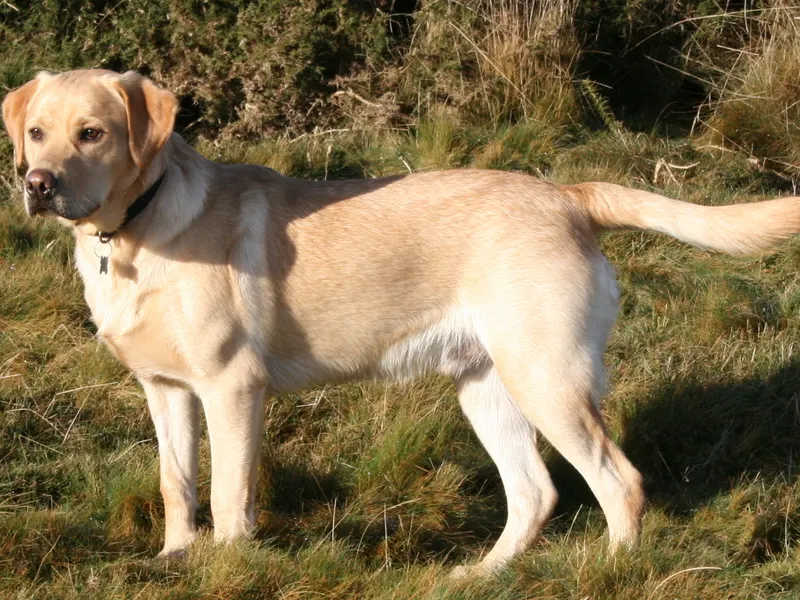
Among the most popular breeds for good reason: friendly, trainable and adaptable, given plenty of daily exercise.
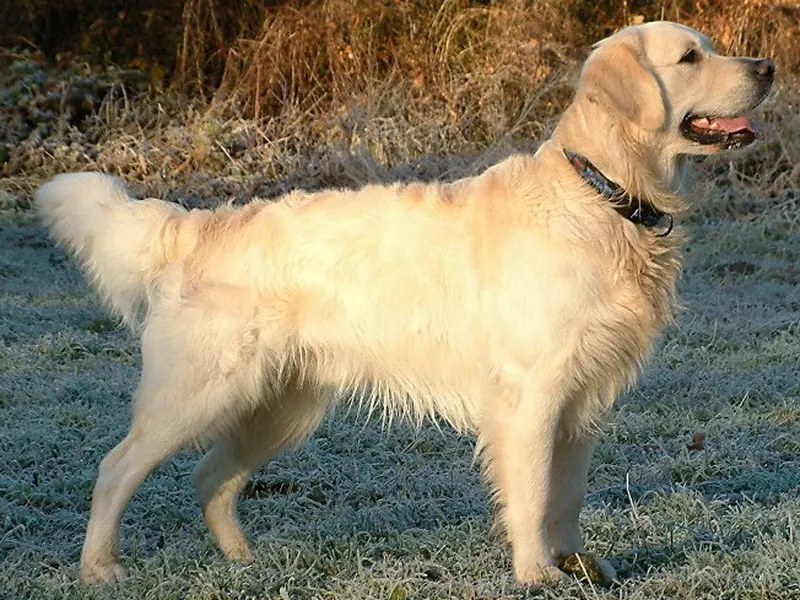
Friendly, patient and eager to please, the Golden forgives beginner mistakes, though it needs daily exercise and sheds heavily.
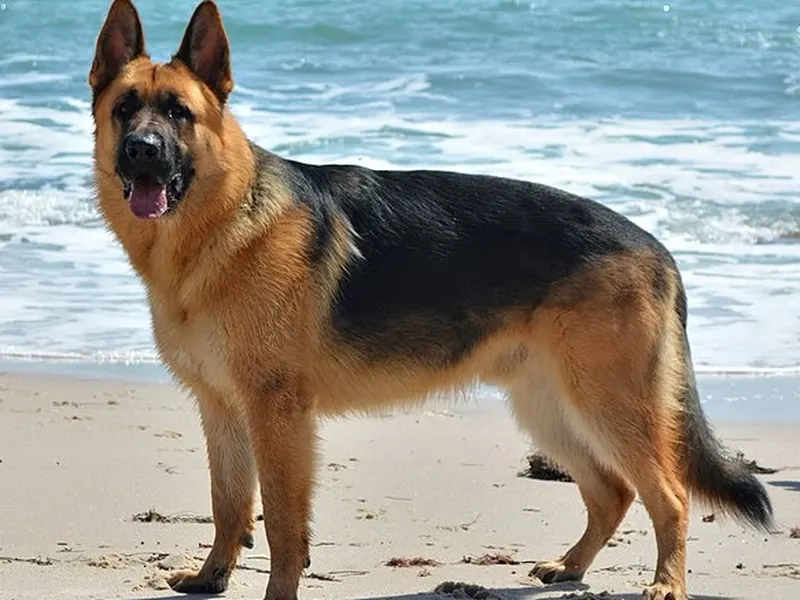
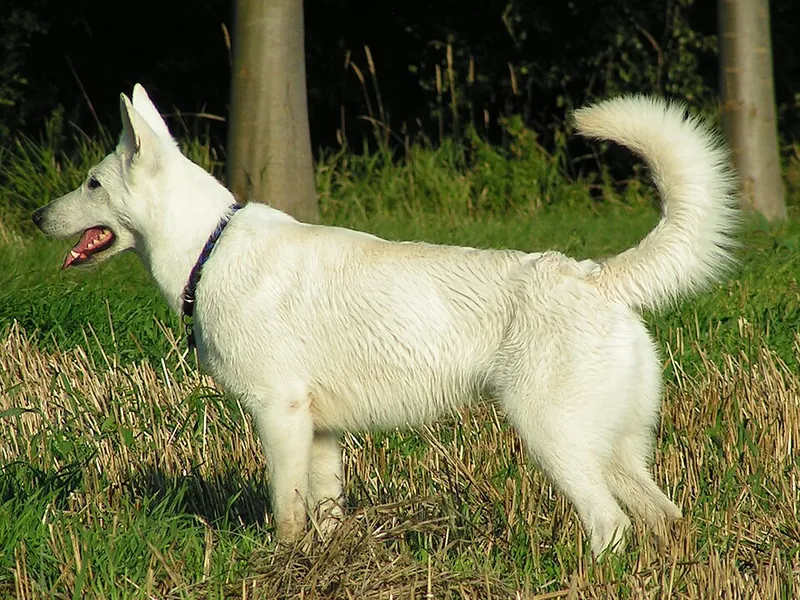
Highly trainable and loyal, a good choice for committed beginners who can provide structure, exercise and early socialization.
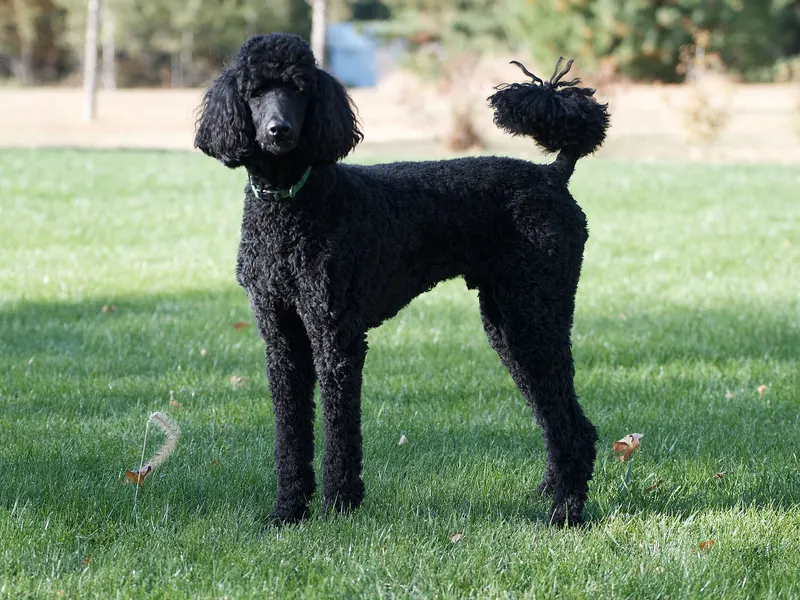
Smart and eager to work, the Poodle learns quickly and sheds little, with three sizes to fit different homes.
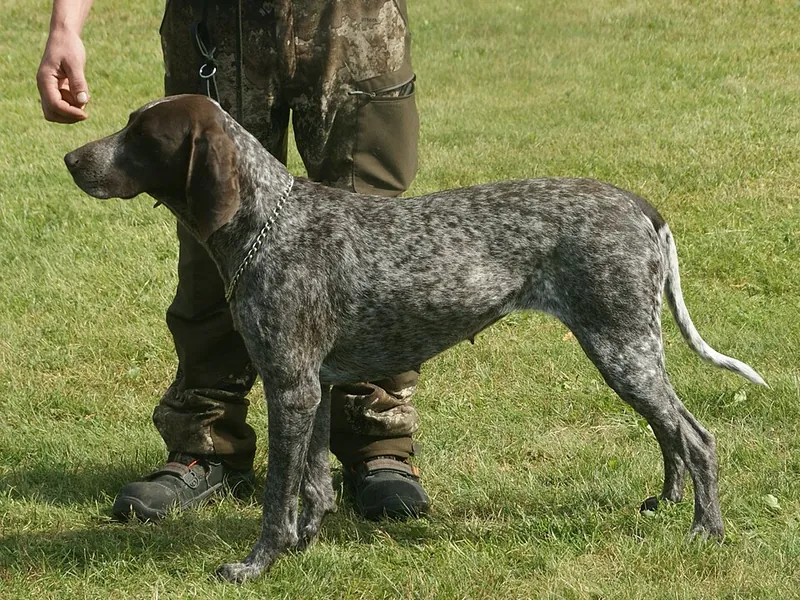
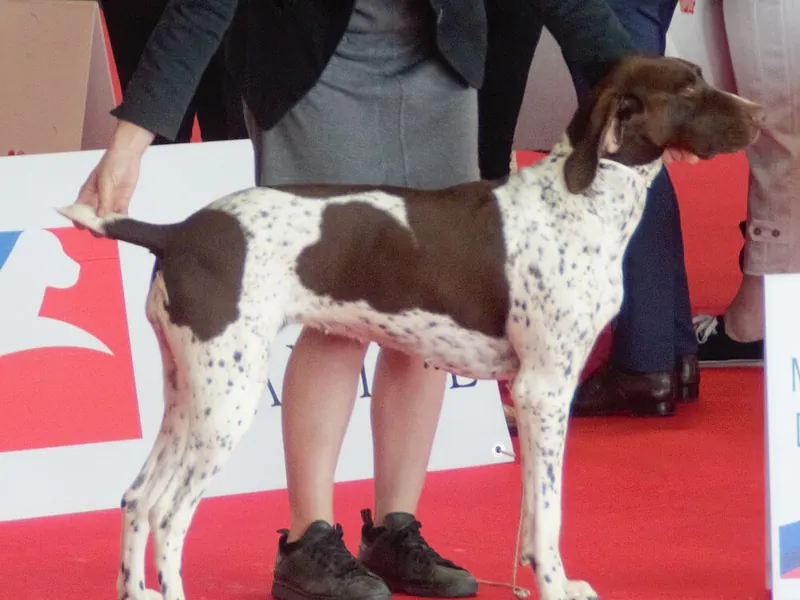
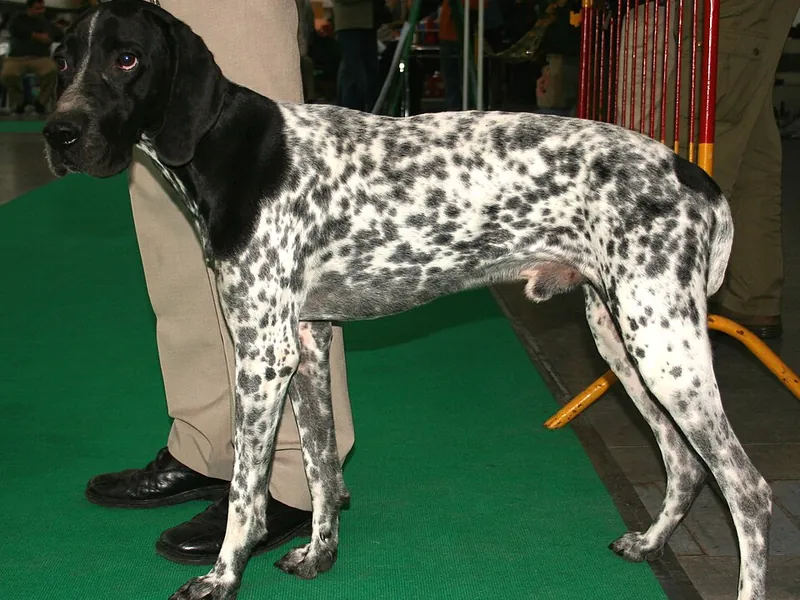
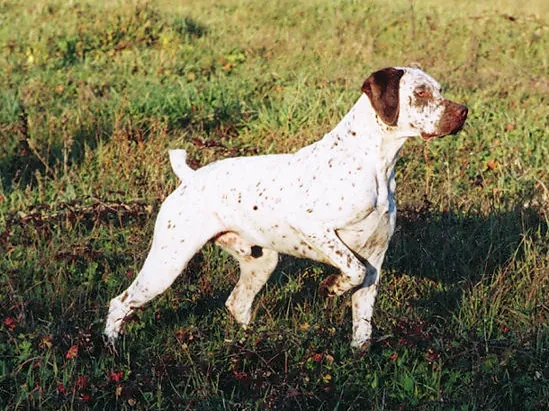
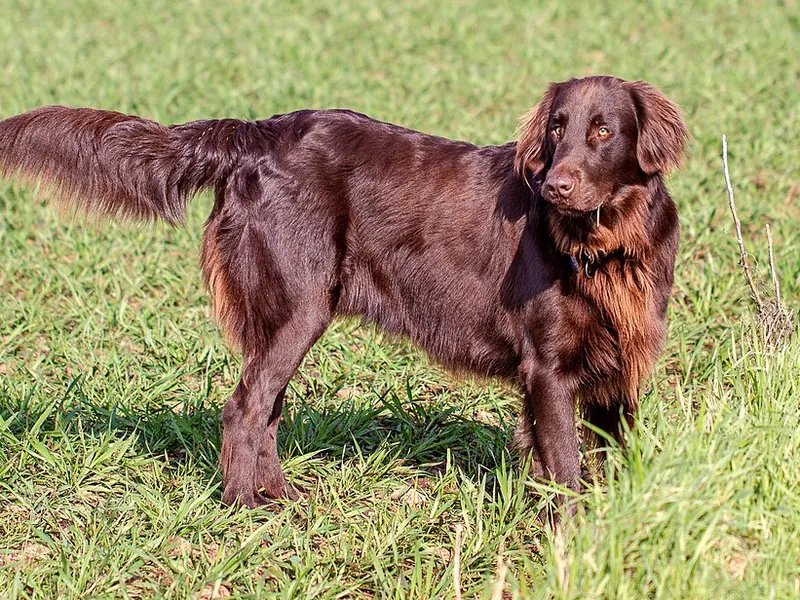
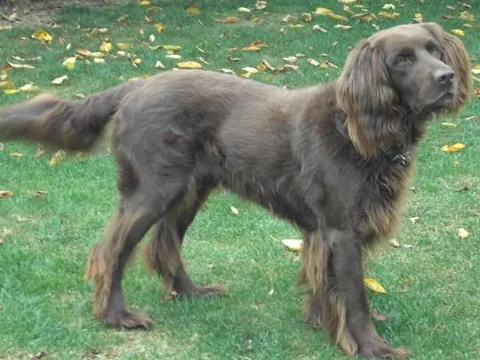
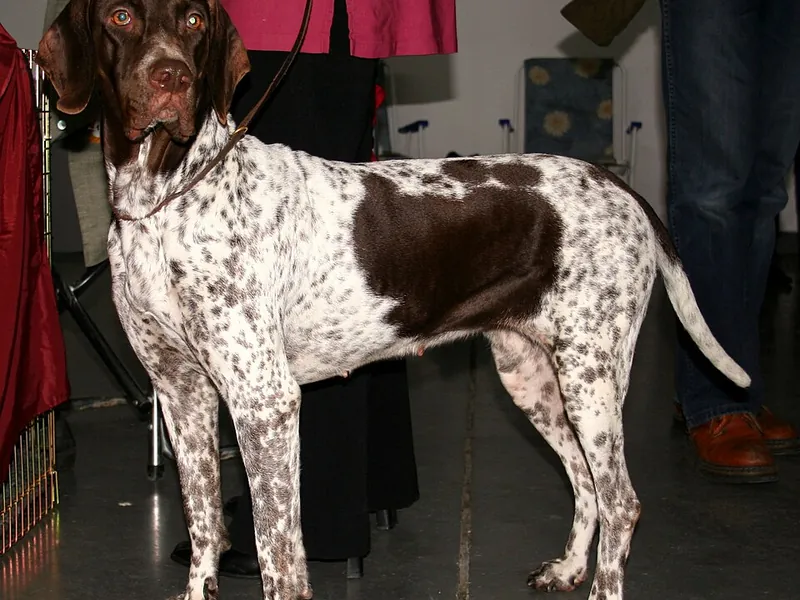
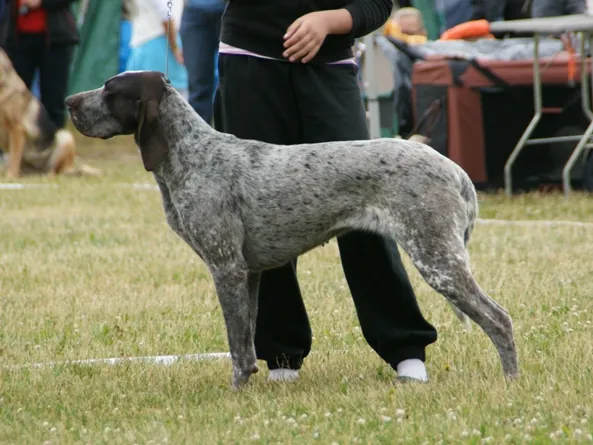
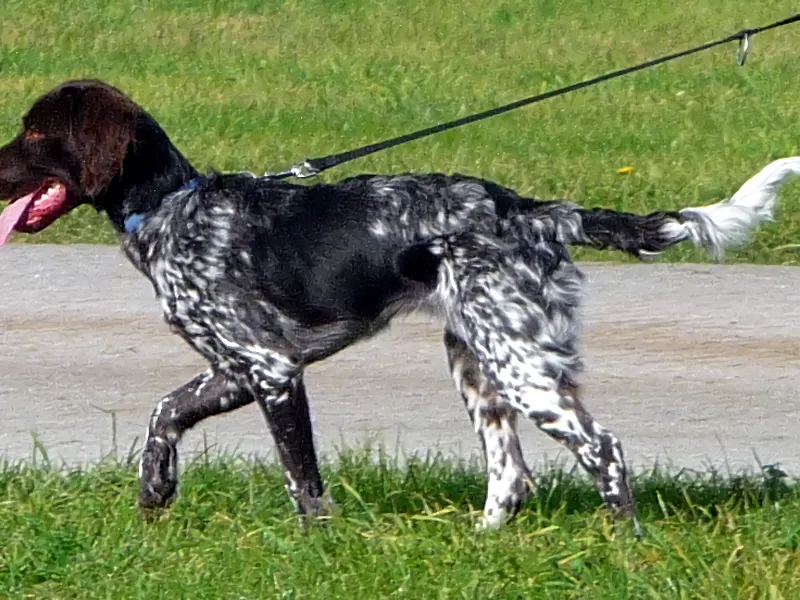
The German Shorthaired Pointer is an athletic, enthusiastic hunting dog that is equally happy pointing birds in a field or playing with children at home.
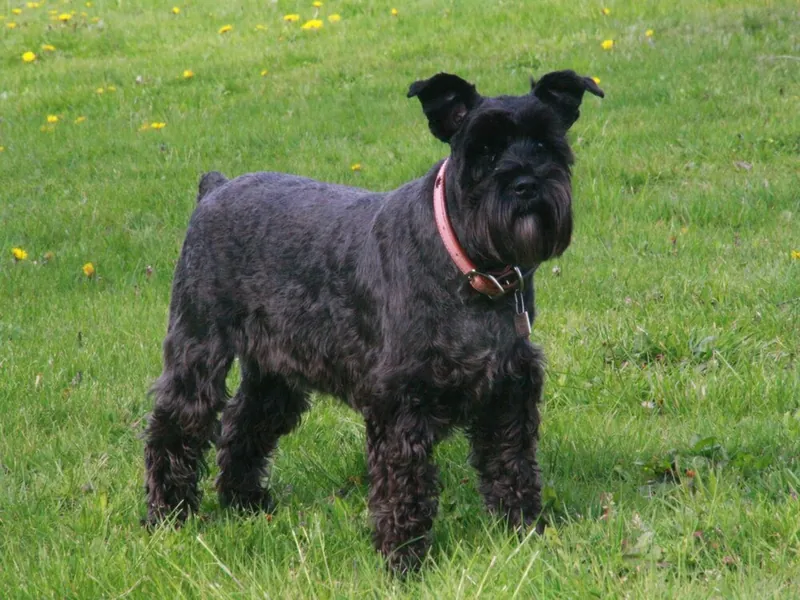
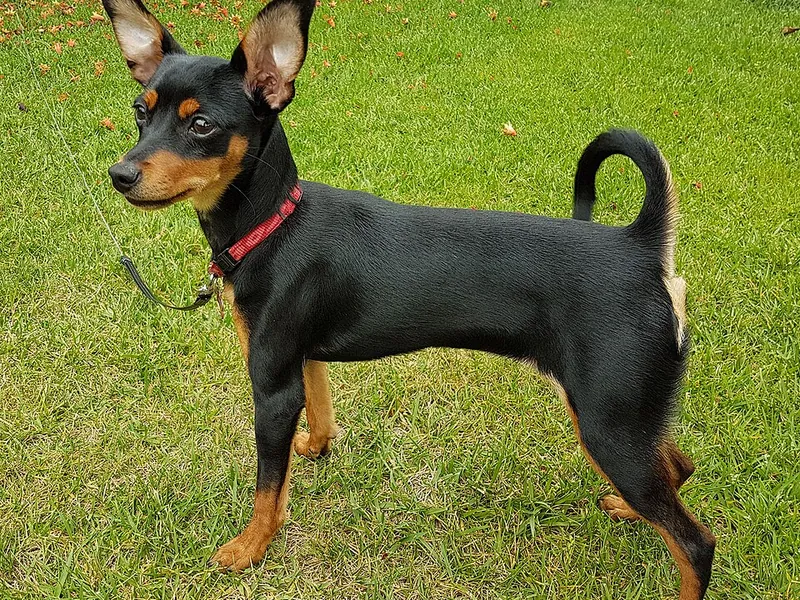
The Miniature Schnauzer is a small, sturdy German farm dog with bushy eyebrows, a beard and a big-dog attitude.
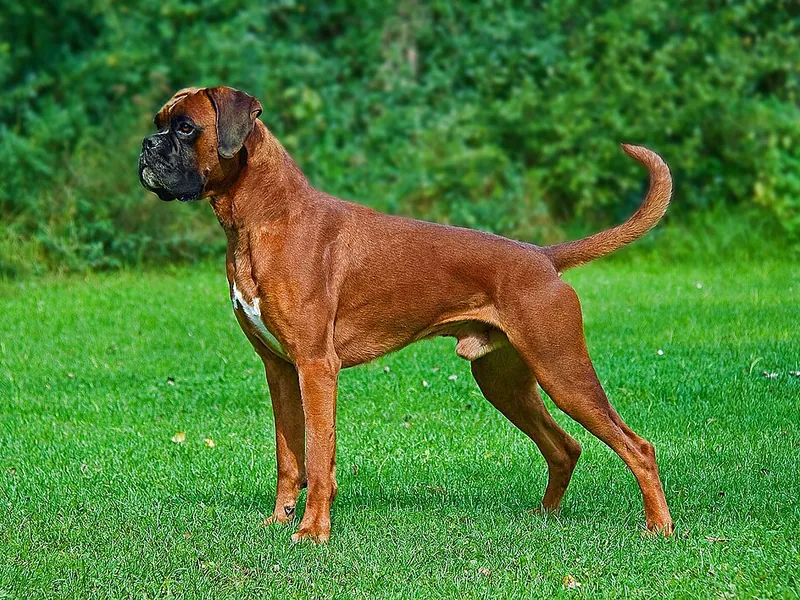
A playful, people-loving clown that bonds closely with families and responds well to positive, consistent training.
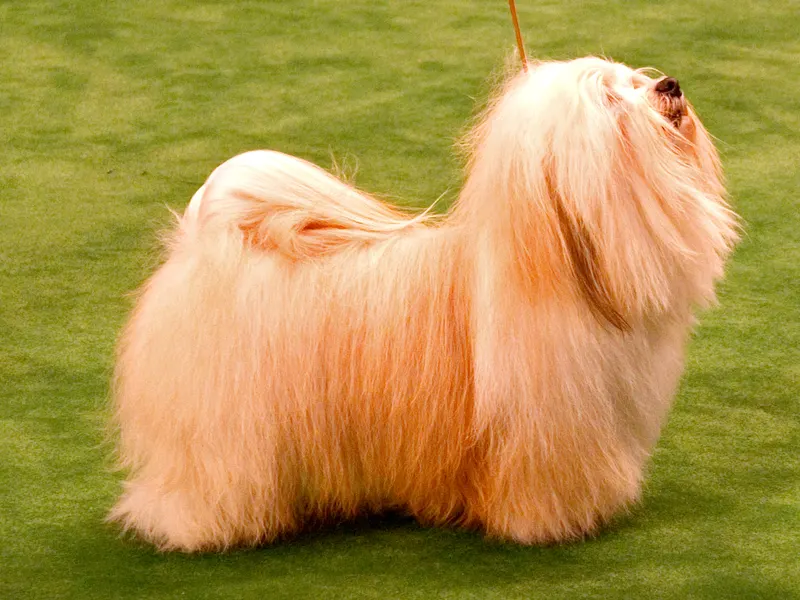
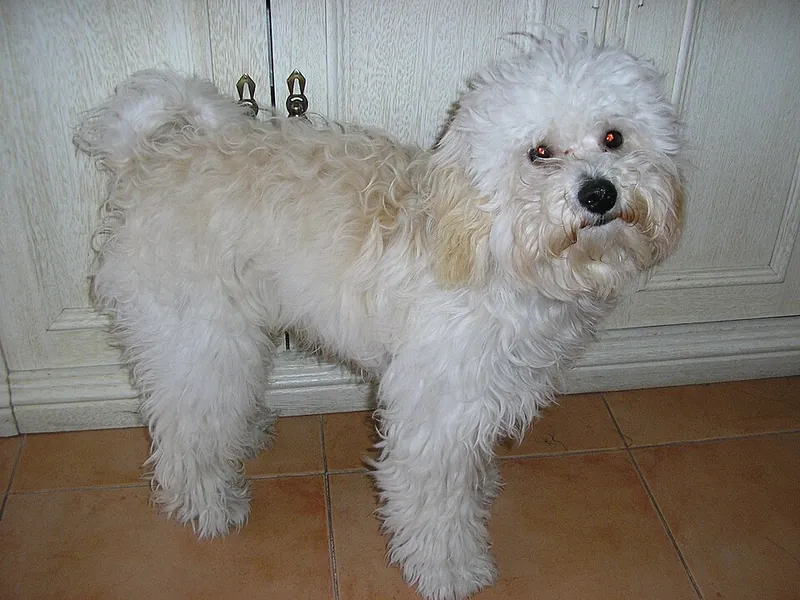
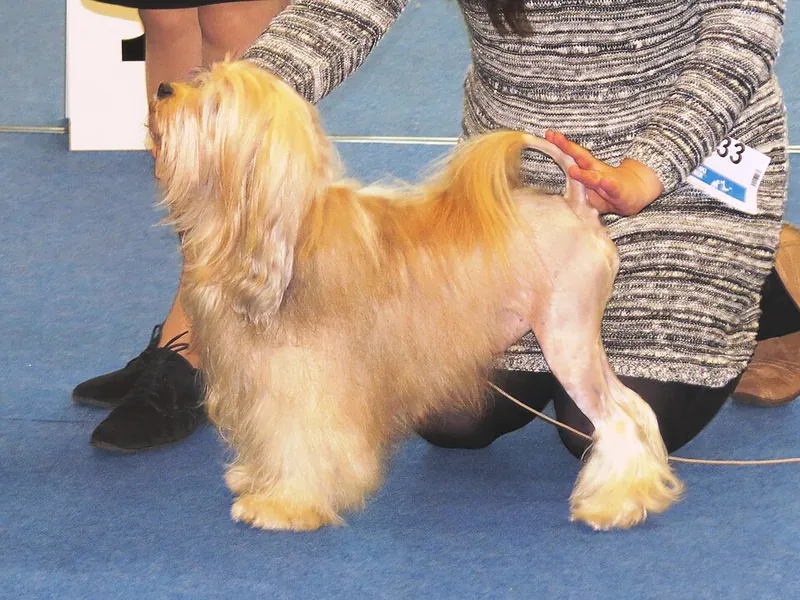
Small, sturdy and outgoing, the Havanese happily joins family life and is easy to take almost anywhere.
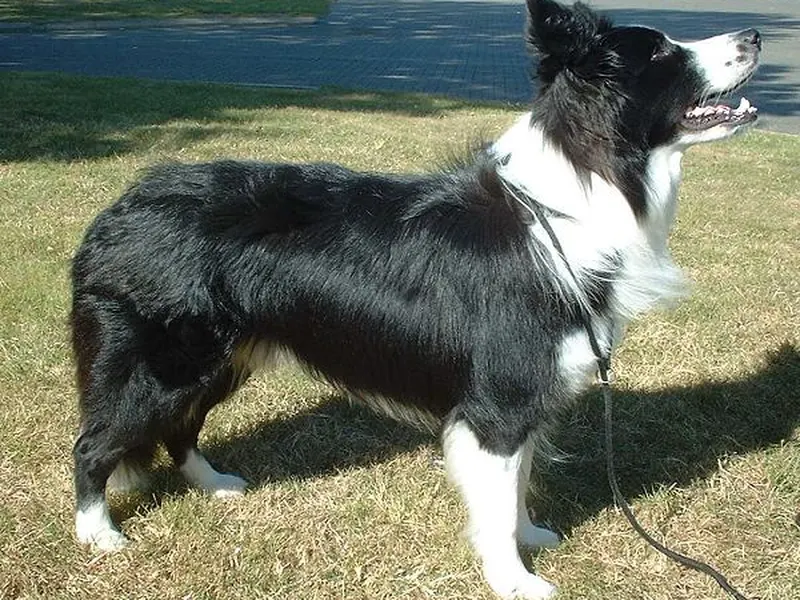
Extremely quick to learn, ideal for active first-timers who will train daily, but not for a quiet, low-key household.
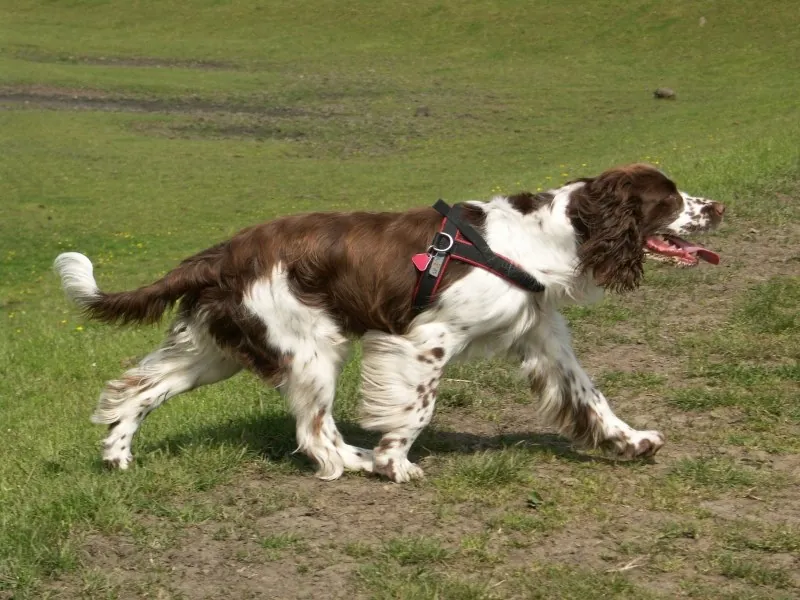
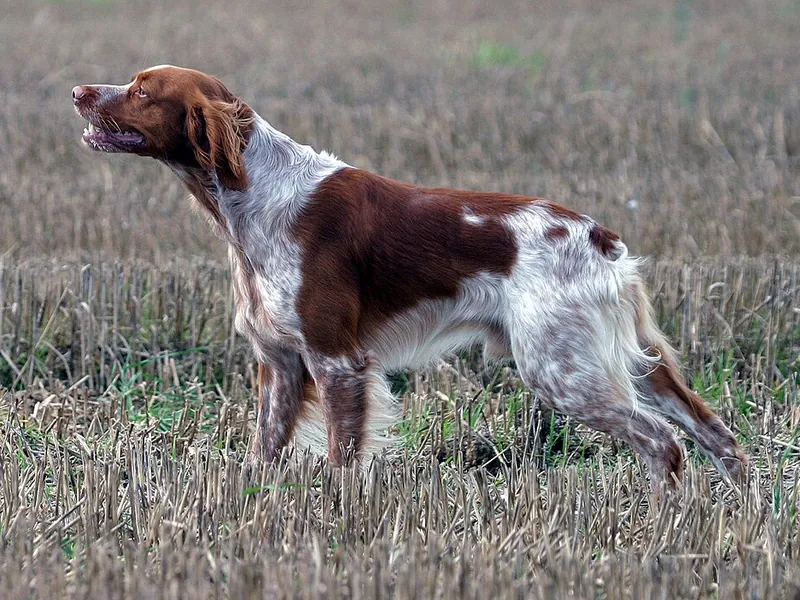
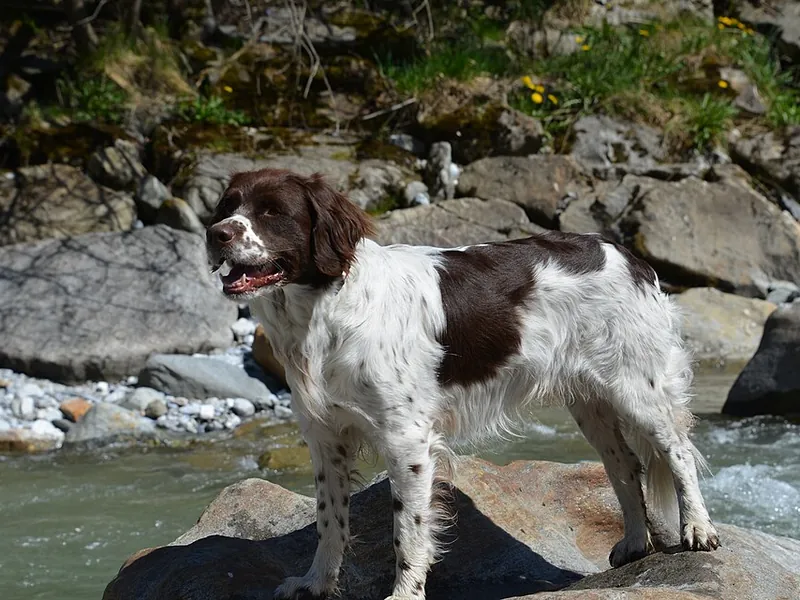
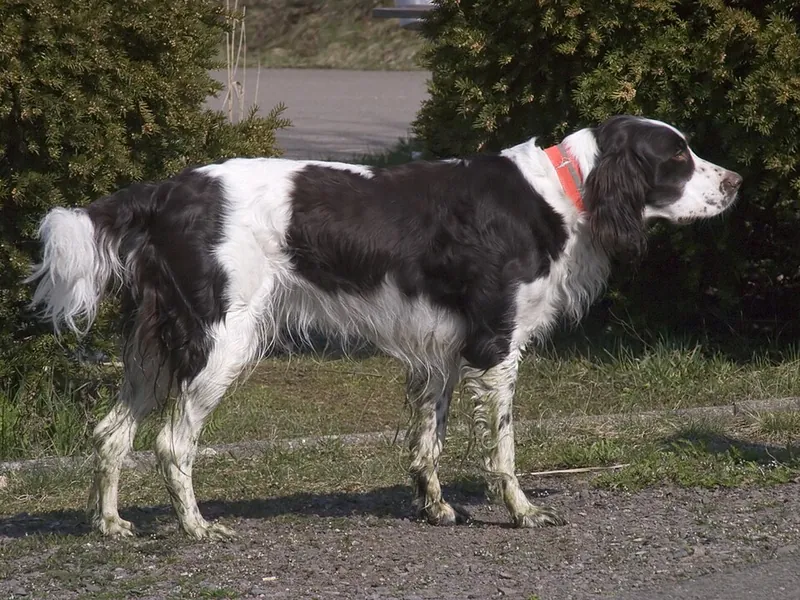
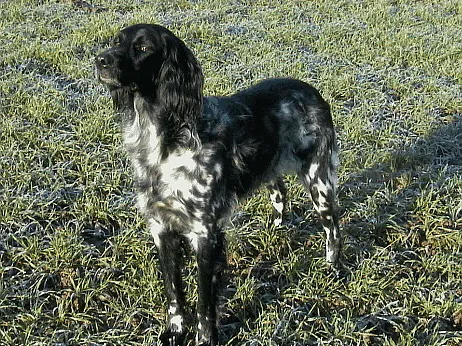
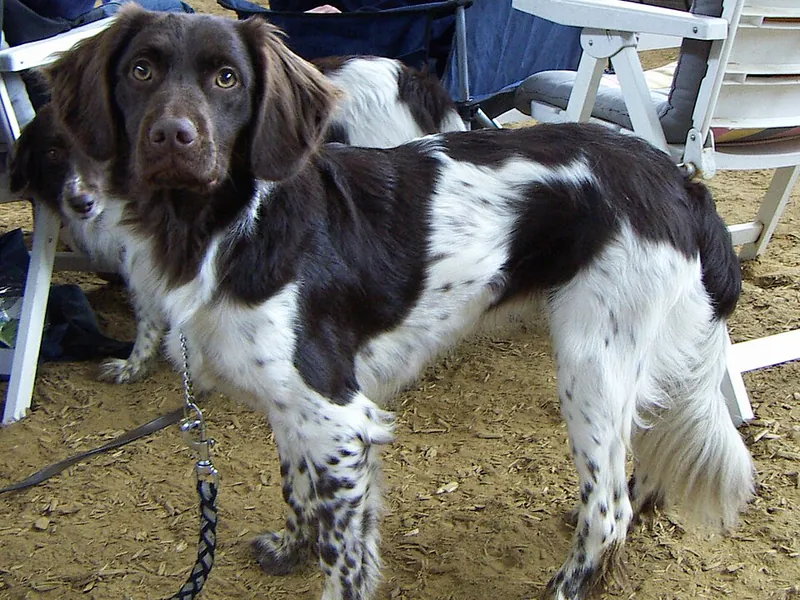
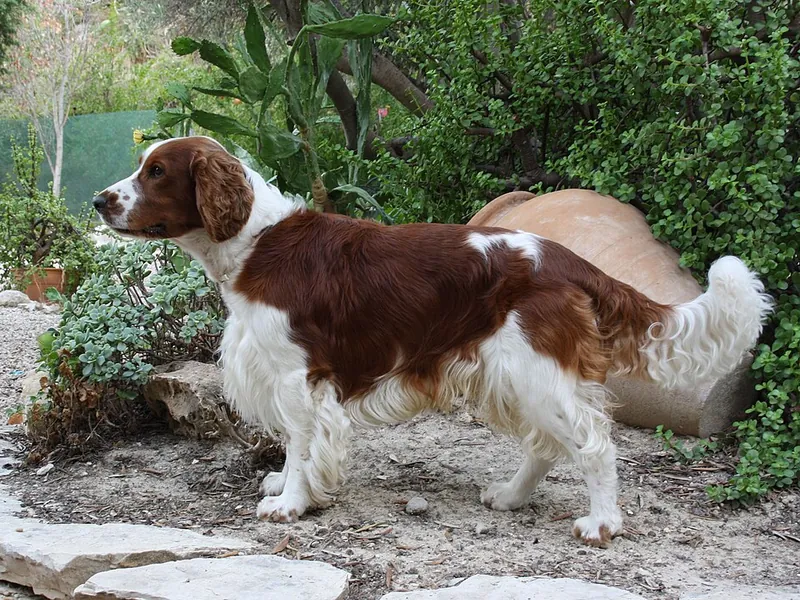
The English Springer Spaniel is a medium-sized gundog bred to find and flush ("spring") game for hunters.
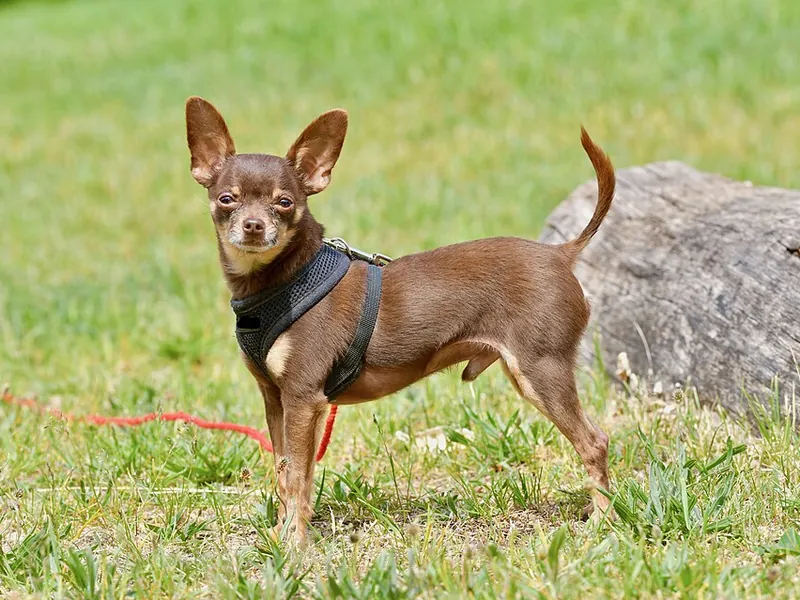
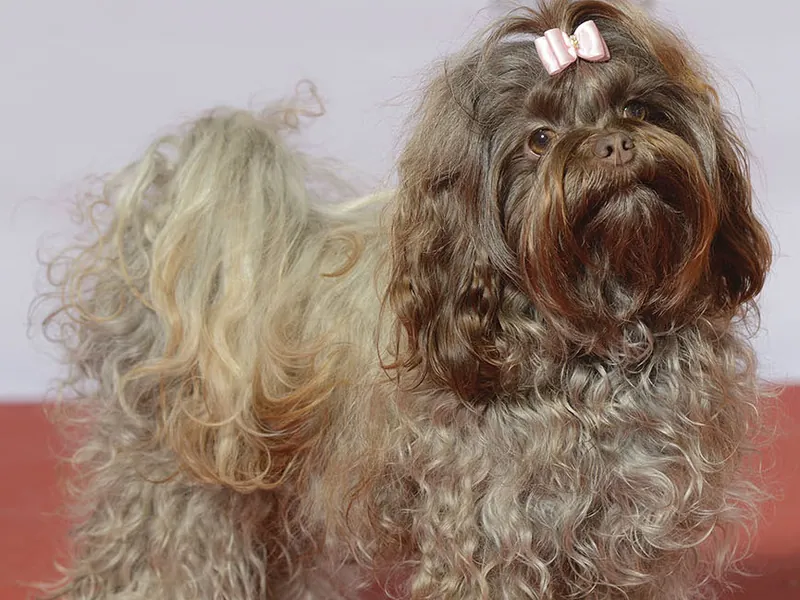
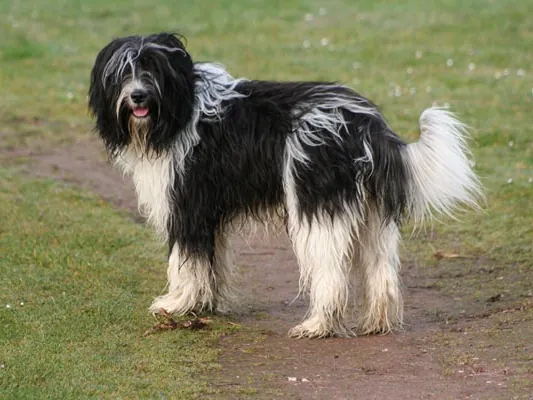
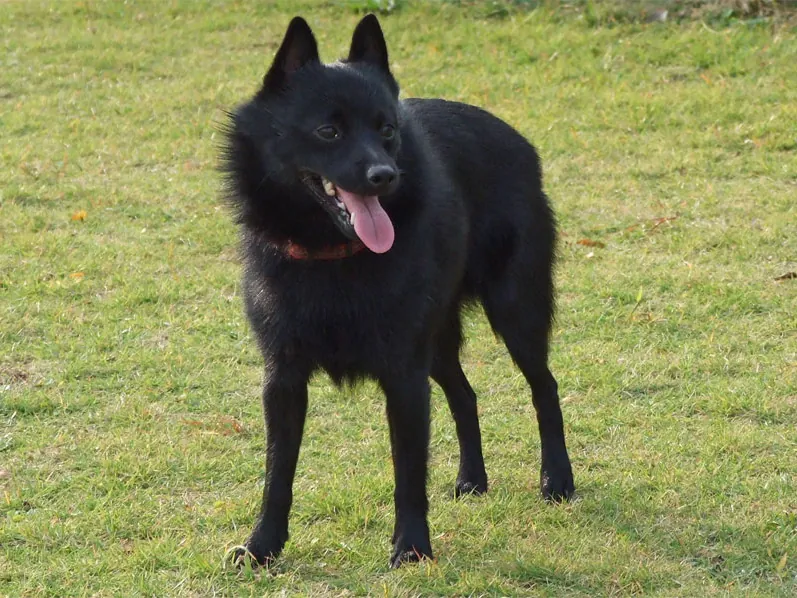
All Beginner-Friendly Dog Breeds A to Z

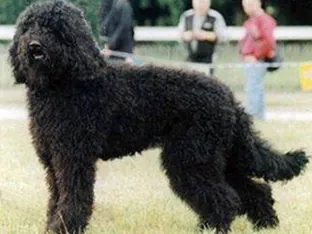
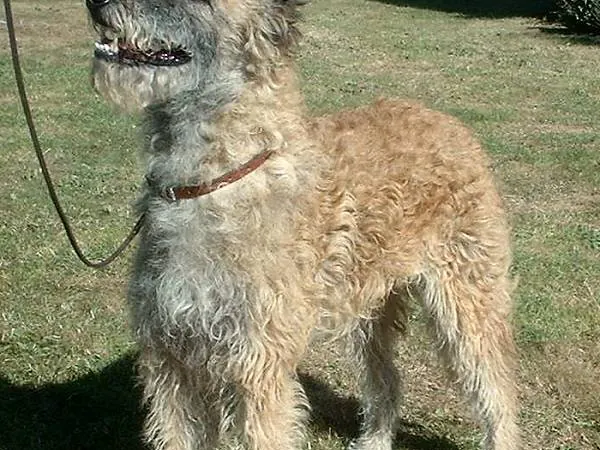
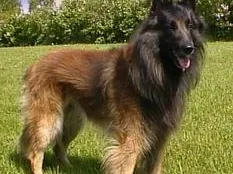

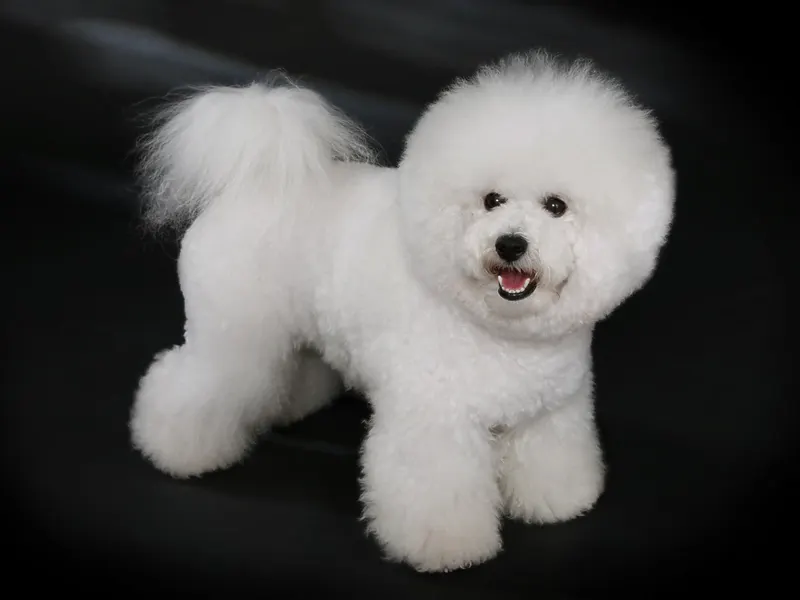
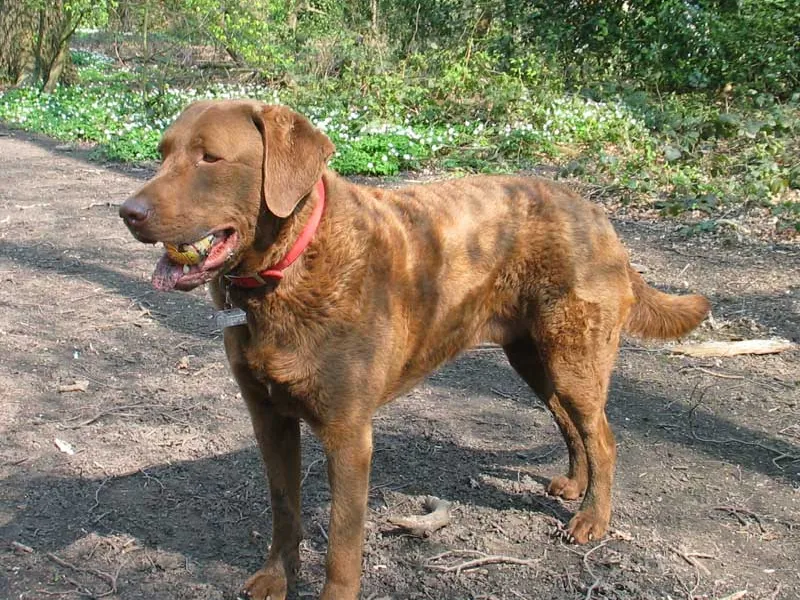
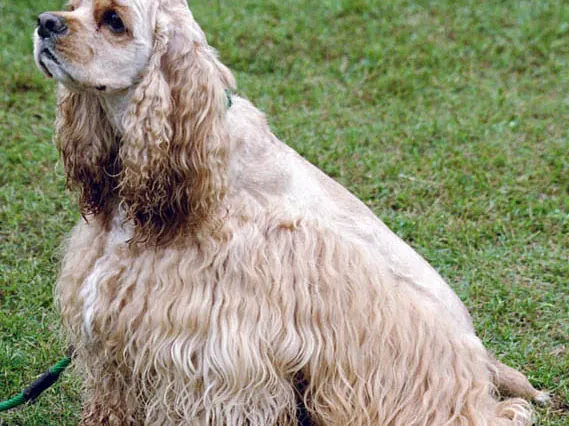
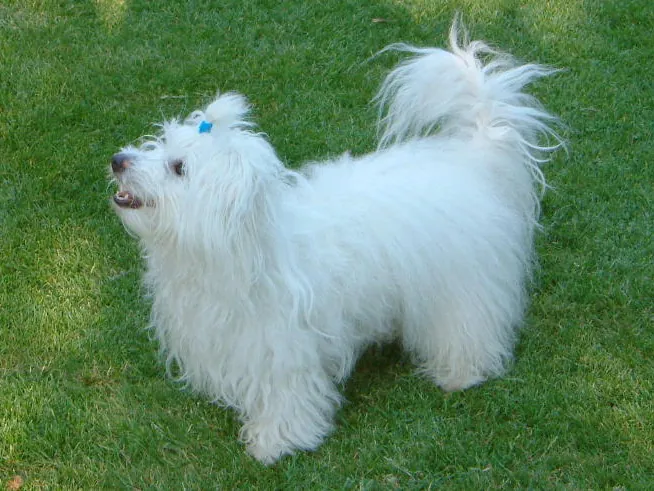

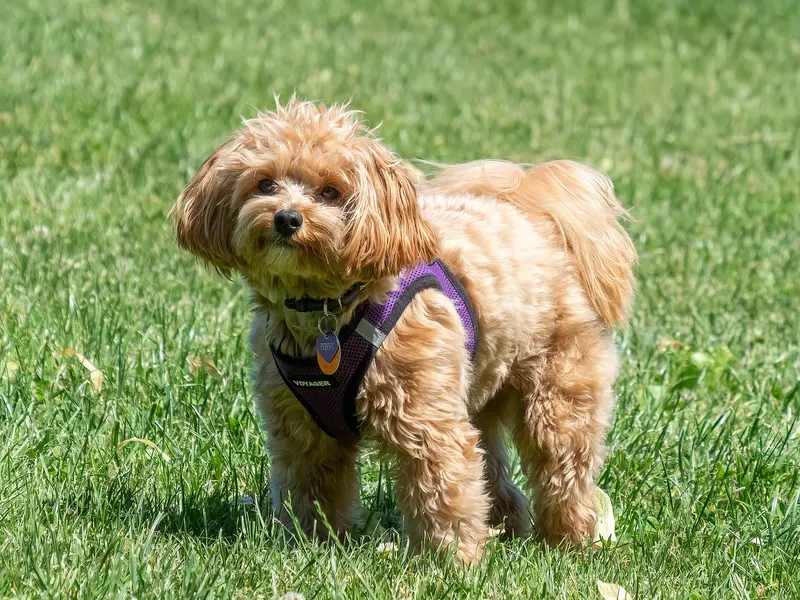
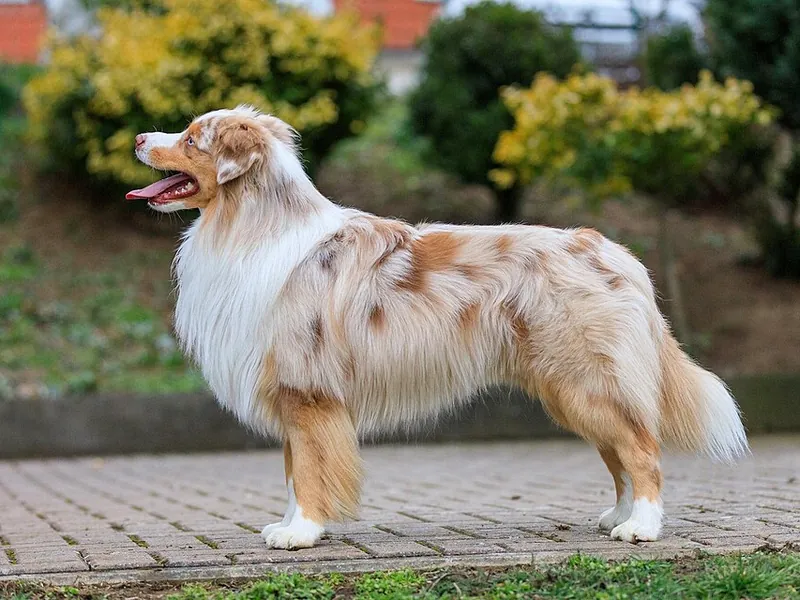
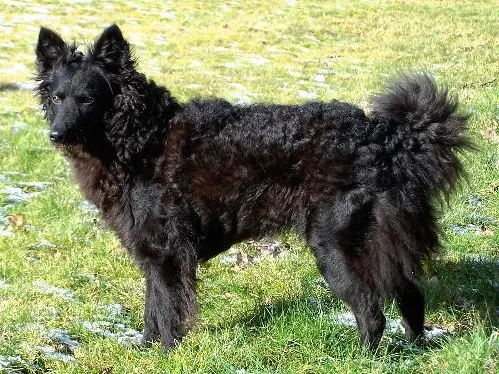
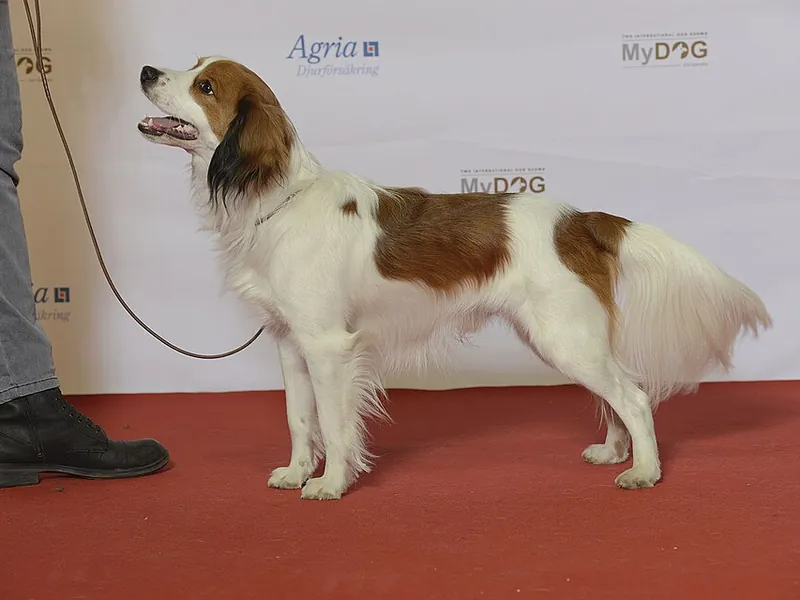
What Makes a Breed Beginner-Friendly
A good first dog is less about size and more about temperament. Breeds that work well for new owners usually share a few traits:
- Biddability: a willingness to work with people, which makes training smoother.
- Resilience: a stable temperament that copes with inconsistent first attempts at training.
- Sociability: friendliness toward strangers, children and other dogs.
- Manageable care: grooming, exercise and health needs you can realistically meet.
Easy to Train Is Not the Same as Easy to Live With
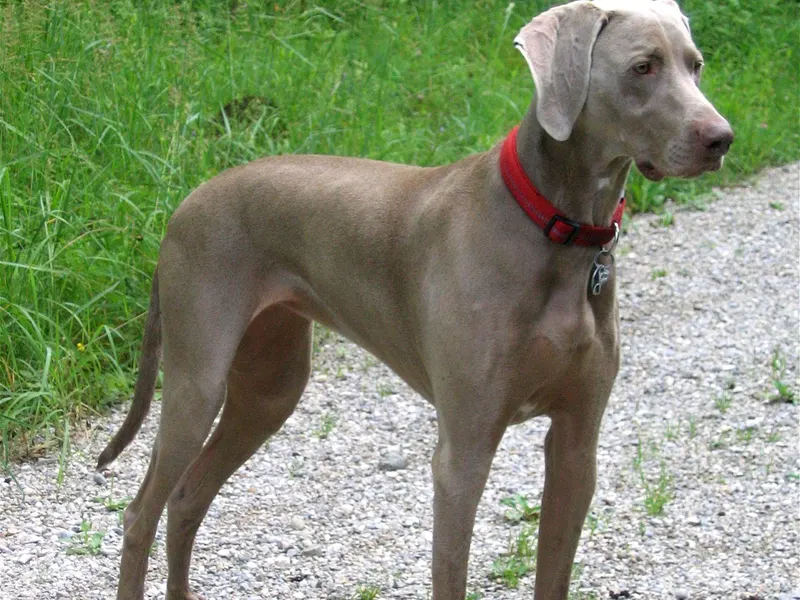
Some breeds on this list, including the Border Collie, German Shepherd and Weimaraner, learn fast and want to please, which helps beginners. But they also need a lot of exercise and daily mental work. A bored working dog can become destructive or develop problem behaviors. These breeds suit first-time owners who are active, home often and ready to invest in training classes.
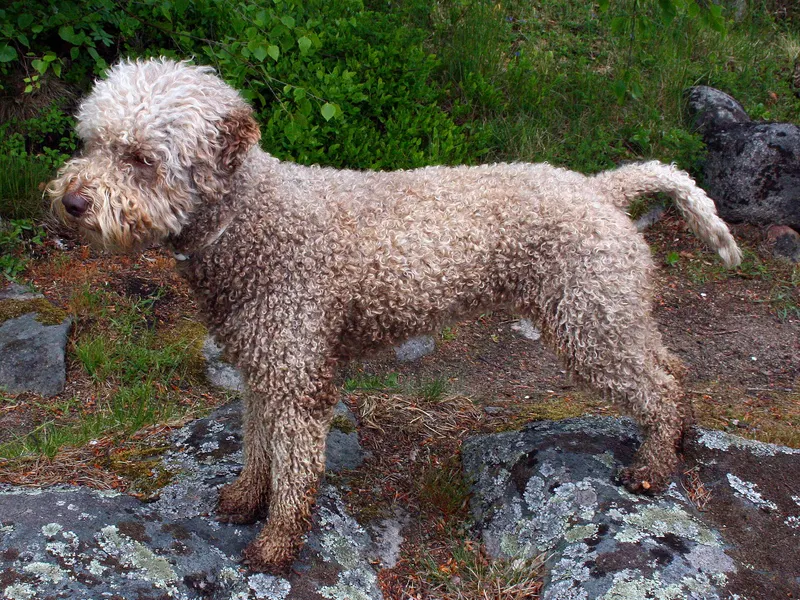
If you want a more relaxed routine, companion breeds like the Bichon Frise, Havanese, Bolognese and Coton de Tulear are happy with shorter walks and indoor play.
Match the Breed to Your Lifestyle
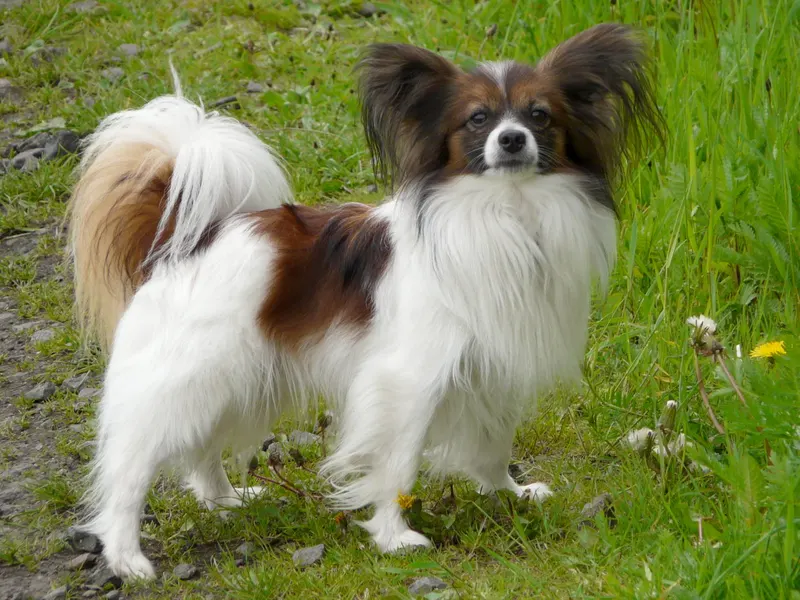
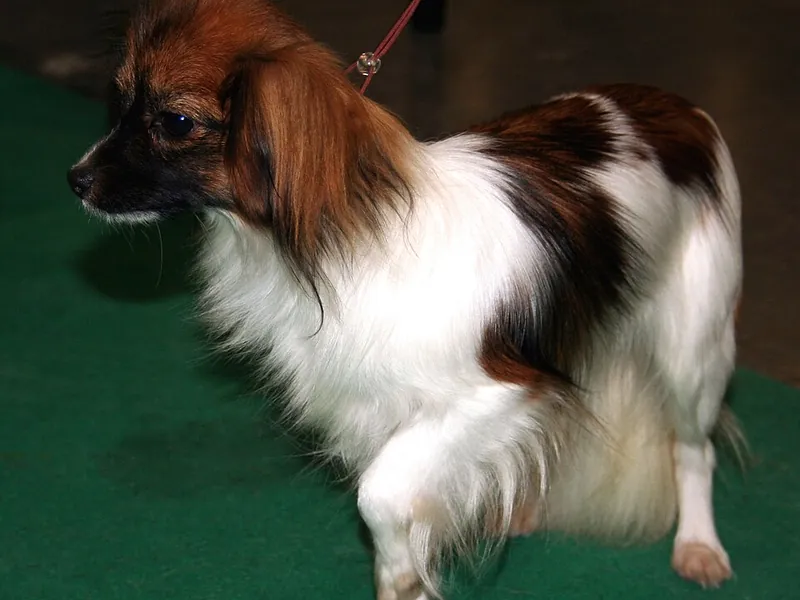
Be honest about your schedule, home and budget. Consider how long the dog will be alone each day, if your rental has size limits and how much grooming you can do or pay for. A Labrador Retriever is famously friendly but sheds heavily and needs daily exercise. A Poodle sheds little but needs clipping every few weeks. The Miniature Schnauzer and Papillon offer big personalities in small, travel-friendly packages.
Common First-Timer Mistakes
- Choosing a breed for its looks instead of its energy level.
- Skipping early socialization during puppyhood.
- Underestimating grooming and vet costs.
- Waiting for problems to appear before starting training.
- Buying from a breeder who cannot show health testing for the parents.
Also consider adopting an adult dog whose temperament is already known. Many rescues are happy to match first-time owners with calm, house-trained dogs.
Preparing for Your First Dog
Good preparation makes any breed easier. Before the dog arrives, puppy-proof your home, decide on house rules with everyone in the family and find a reputable trainer who uses reward-based methods. Book a vet check within the first days and ask about vaccinations, parasite control and a feeding plan.
Plan the first weeks around short, frequent training sessions, plenty of sleep for puppies and calm introductions to new people, places and sounds. Consistency from every family member helps a new dog learn the routine quickly. Finally, budget for the long term: food, insurance, grooming and routine vet care add up over a lifetime of ten years or more.
Frequently Asked Questions
What is the easiest dog breed for a first-time owner?
Friendly, adaptable breeds like the Havanese, Bichon Frise and Golden Retriever are often recommended. The easiest breed for you depends on your activity level and how much time you have.
Is a German Shepherd good for a first-time owner?
It can be, if you are committed to daily exercise, consistent training and early socialization. German Shepherds are highly trainable but need structure and plenty of activity.
Should a first-time owner get a puppy or an adult dog?
An adult dog is often easier, since its size, energy and temperament are already known and it may be house-trained. Puppies need intensive training and supervision for months.
What size dog is best for beginners?
Temperament matters more than size. A calm large dog can be easier than a high-strung small one, though small dogs cost less to feed and are easier to handle physically.
Which breeds should first-time owners avoid?
Breeds with very high drive, strong guarding instincts or marked independence, such as livestock guardians and some protection breeds, usually suit experienced owners better.
Not sure which breed fits you?
Answer 8 quick questions and get breeds ranked for your home, schedule and experience.