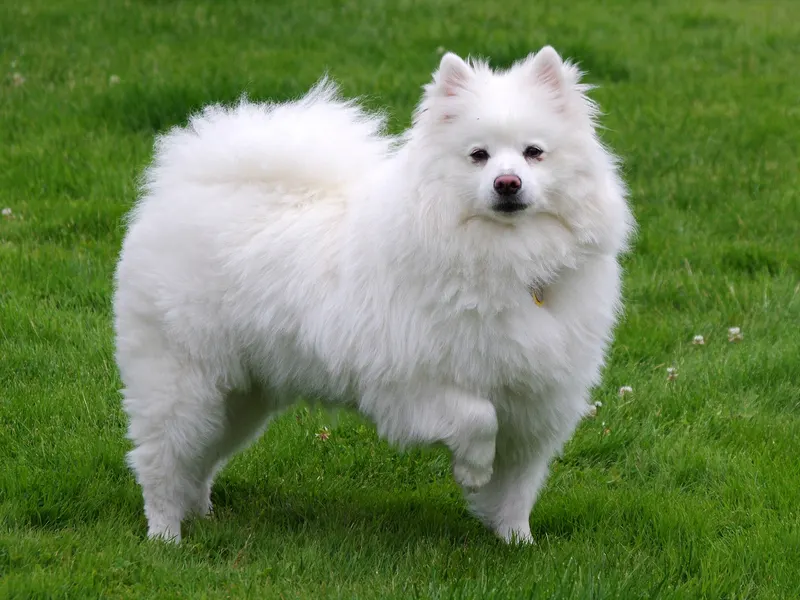
American Eskimo DogThe bright white spitz in three sizes
The American Eskimo Dog, or Eskie, is a white spitz of German descent that became famous in American traveling circuses for its tricks. It comes in toy, miniature and standard sizes and combines a striking double coat with a sharp, eager-to-please mind. It suits families who want a clever, social companion and do not mind white hair.
Why people love the American Eskimo Dog
- Three sizes, from toy to standard, fit many homes
- Highly trainable, with a talent for tricks and dog sports
- Affectionate, social companion that enjoys family life
- Long-lived breed, usually 13 to 15 years
- Alert watchdog that announces visitors
Things to consider
- Heavy shedding and white hair on everything
- Coat needs brushing several times a week
- Barking can become a habit without early training
- Can develop problem behaviors when left out or bored
- Toy size is fragile around young children
Is this breed right for you?
10 questions · live resultHistory and Origin
Despite the name, the Eskie has nothing to do with Arctic peoples. Its ancestors were white German Spitz dogs brought to the United States by German immigrants in the 19th century, where they worked as farm dogs, watchdogs and companions. They were originally known as American Spitz.
Eskies became stars of traveling circuses in the late 1800s and early 1900s, performing tricks such as walking a tightrope. Circus audiences often bought puppies after the show, which spread the breed across the country. During World War I, with anti-German feeling running high, the breed was renamed the American Eskimo Dog.
The United Kennel Club registered the breed in 1913, and the AKC recognized it in 1995 in the Non-Sporting Group. It is not recognized by The Kennel Club in the UK, where its relatives the German Spitz and Japanese Spitz are shown.
Three Sizes, Coat and Colors
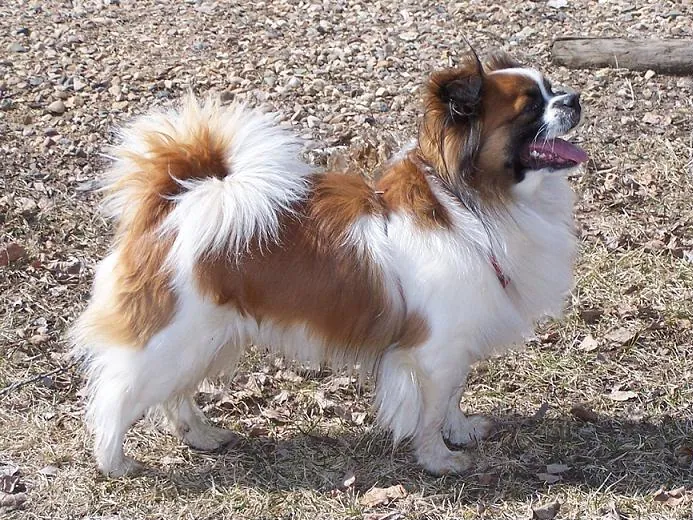
The American Eskimo Dog is a compact, well-balanced Nordic-type spitz with a wedge-shaped head, triangular erect ears, dark oval eyes and a richly plumed tail carried over the back. Black or dark brown points on the nose, lips and eye rims contrast with the white coat.
The breed comes in three sizes, measured at the shoulder:
- Toy: 9 to 12 inches
- Miniature: over 12 to 15 inches
- Standard: over 15 to 19 inches
Across all sizes, adults weigh roughly 6 to 35 lb, with toys at the light end and standards at the heavy end. Within each size, males are usually a little larger and carry a heavier ruff.
The double coat has a dense undercoat and a longer, straight outer coat that stands off the body. A lion-like ruff around the neck and chest is more pronounced in males, and the backs of the legs carry thick feathering.
Accepted colors are white or white with biscuit cream. Any other color disqualifies a dog from the show ring.
Temperament and Personality
Eskies are lively, affectionate and highly social. They want to be part of everything the family does and can develop problem behaviors such as barking or chewing when left out or undertrained. AKC rates them very high with children and with strangers, though many are reserved at first and alert to anything new.
As a spitz, the Eskie is a natural watchdog that will tell you about visitors. Teach a "quiet" cue early so alert barking does not become a habit. Most get along with other pets, especially when raised with them, and their prey drive is modest.
With young children, the toy size is fragile; a miniature or standard is usually the safer choice for a busy household.
Are American Eskimo Dogs Good for First-Time Owners?
Yes, Eskies are often a good choice for first-time owners who want a trainable, social dog and are ready for grooming and shedding. The AKC describes them as one of the most trainable breeds, and they respond well to positive, varied training.
Beginners should plan for brushing several times a week, daily during seasonal sheds, and for early work on a quiet cue so alert barking does not become a habit. Eskies also need company and activity, as bored or isolated dogs can become noisy or destructive. Choose the size that fits your home: a miniature or standard is often easier than a fragile toy for families with children.
Are American Eskimo Dogs Good Apartment Dogs?
Toy and miniature Eskies usually adapt well to apartments, and some standards do too. Their size is manageable, and they settle well indoors when exercised and mentally engaged.
Barking is the key issue. Eskies are natural watchdogs and will announce footsteps, doors and voices in the hallway. Early training, rewarding calm behavior and a daily routine of walks, tricks and play reduce the problem. Expect white hair on floors and furniture, so a good vacuum is essential. In hot climates, air conditioning helps, as the thick double coat makes Eskies prone to overheating.
Can American Eskimo Dogs Be Left Alone?
Adult Eskies can manage a few hours alone, but they are social dogs that want to be part of family life. Long days by themselves often lead to barking, chewing or other problem behaviors.
Teach alone time gradually from puppyhood, and give your Eskie a walk, a training session or a game before you leave. Puzzle toys and long-lasting chews help pass the time. A crate or dog-proofed room keeps young dogs safe. If you work full days away from home, a midday walk, doggy daycare or a pet sitter is worth budgeting for.
Exercise and Training
Eskies are energetic. A standard needs around an hour of activity a day, while toys and minis do well with shorter walks plus play. Their circus heritage shows in how much they enjoy learning: tricks, agility, rally and obedience give them welcome mental work.
The AKC calls the Eskie one of the most trainable breeds. Positive, varied sessions work best, since they get bored with endless repetition. Early socialization helps prevent shyness or excessive suspicion of strangers.
Grooming and Shedding
The coat is the big commitment. Eskies have a dense undercoat and longer, straight outer coat with a lion-like ruff around the neck. Brush thoroughly two or three times a week, and daily during the heavy seasonal sheds, when the undercoat comes out in clumps.
Expect white hair on clothes and furniture year-round. The coat naturally sheds dirt fairly well once dry, so frequent bathing is not needed. Do not shave the double coat: it insulates against heat as well as cold. Wipe tear stains under the eyes if they appear, and brush teeth regularly, especially in the small sizes.
Feeding and Nutrition
The right portion depends heavily on the size variety: a toy Eskie may weigh as little as 6 lb, while a standard can reach 35 lb. Feed according to the individual dog's weight and activity rather than general breed guidance.
- Feed puppies three or four meals a day. Toy puppies in particular should eat small, frequent meals to avoid low blood sugar.
- Adults do well on two meals daily.
- The thick coat hides weight gain, so check body condition with your hands regularly.
- Keep puppies lean during growth, which supports joints in a breed where hip dysplasia and luxating patellas occur.
Eskies are quick learners and often trained with many rewards, so use tiny treats and count them in the day's total. Small sizes are prone to dental crowding; daily tooth brushing matters. Some Eskies get tear stains, which are not usually caused by food, but persistent eye discharge is worth a vet check. Avoid feeding table scraps, which can encourage begging and weight gain.
| Adult weight | Less active | Typical adult | Very active |
|---|---|---|---|
| 6 lb | 210 kcal | 240 kcal | 300 kcal |
| 20 lb | 510 kcal | 590 kcal | 730 kcal |
| 35 lb | 780 kcal | 890 kcal | 1,110 kcal |
Estimates use the resting energy formula veterinarians work with (70 × body weight in kg0.75) and standard activity factors. Use the feeding guide on your food as a starting point and adjust to body condition. Puppies, seniors, pregnant animals and pets that need to lose weight have different needs, so ask your vet.
Health and Lifespan
The Eskie is a long-lived breed, usually reaching 13 to 15 years. Conditions to screen for include progressive retinal atrophy (PRA), juvenile cataracts, hip dysplasia and luxating patellas. A DNA test for one common form of PRA is available, so ask breeders for results along with hip and eye exams.
Small sizes are more prone to dental crowding and kneecap problems. Keep your Eskie at a lean weight and buy from a breeder who health-tests, or contact a breed rescue.
American Eskimo Dog Price and Cost of Ownership
Typical breeder price in the US$1,000 to $2,000
An American Eskimo Dog puppy from a reputable US breeder typically costs about $1,000 to $2,000, varying by breeder, region, lines and size variety. Eskies also appear regularly in shelters and spitz rescues, often surrendered because of shedding or barking, so adoption is a realistic option.
Breed-specific cost drivers include:
- Professional bath-and-blowout sessions, especially during seasonal coat blows
- Quality brushes, undercoat rakes and a powerful vacuum
- Health testing of parents for PRA, hips and knees, which affects puppy prices
- Dental care for toy and miniature sizes
- Training classes or dog sports for this active, clever breed
Food costs vary with size, from very low for toys to moderate for standards.
Is the American Eskimo Dog Right for You?
An Eskie suits you if you:
- want a smart, trainable dog for tricks or dog sports
- can spend time brushing and accept shedding
- are home a lot and want a dog that joins in
- like a dog that alerts you to visitors
Choose another breed if you need a quiet, low-maintenance dog or have dog allergies. The three sizes make the Eskie adaptable: toys and minis do well in apartments with daily outings.
American Eskimo Dog Traits at a Glance
American Eskimo Dog FAQ
Are American Eskimo Dogs good with kids?
Usually yes. Eskies are affectionate and playful, and the AKC rates them highly with children. The toy size is delicate, so a miniature or standard is better for homes with young kids.
How big do American Eskimo Dogs get?
Toys are 9 to 12 inches and 6 to 10 lb, miniatures 12 to 15 inches and 10 to 20 lb, and standards 15 to 19 inches and 25 to 35 lb.
Do American Eskimo Dogs shed a lot?
Yes. They shed year-round and blow their undercoat heavily, usually twice a year. Regular brushing keeps it manageable.
Are Eskies hypoallergenic?
No. Their thick double coat sheds a lot, so they are a poor choice for allergy sufferers.
Do American Eskimo Dogs bark a lot?
They are alert watchdogs and will bark at visitors and noises. Training a quiet cue and giving enough activity keeps barking reasonable.
How long do American Eskimo Dogs live?
Typically 13 to 15 years, and many small Eskies live even longer with good care.