Tibetan SpanielSmall, alert lookout from Himalayan monasteries
The Tibetan Spaniel is a small, confident companion from the Himalayas, traditionally kept in monasteries and homes as a lookout and lap warmer. Affectionate, clever and a little cat-like, it suits people who enjoy an independent dog that still wants to be close.
Why people love the Tibetan Spaniel
- Small, adaptable companion for apartments and older owners
- Moderate exercise needs with two walks and some play
- Long-lived breed, often reaching 12 to 15 years
- Affectionate with family yet less clingy than many toys
- Coat needs only weekly brushing
Things to consider
- Alert barking can bother noise-sensitive neighbors
- Independent streak makes obedience slower
- Can slip away quickly if a gate is left open
- Reserved with strangers
- Prone to knee and eye conditions
Is this breed right for you?
10 questions · live resultHistory and Origin
Despite the name, the Tibetan Spaniel is not a hunting spaniel. It developed in Tibet over many centuries as a companion and watchdog, kept in monasteries and village homes. Small dogs were often given as gifts between monasteries and to the courts of China, so the breed likely shares ancestry with the Pekingese and Japanese Chin.
Tradition holds that Tibbies sat on monastery walls, watching the surroundings and barking to warn of approaching strangers, while the larger Tibetan Mastiffs guarded the gates. The breed reached Britain in the early 20th century and was developed there after World War II. The Kennel Club lists it in the Utility Group, and the AKC recognized it in the Non-Sporting Group in 1983.
Size, Coat and Colors
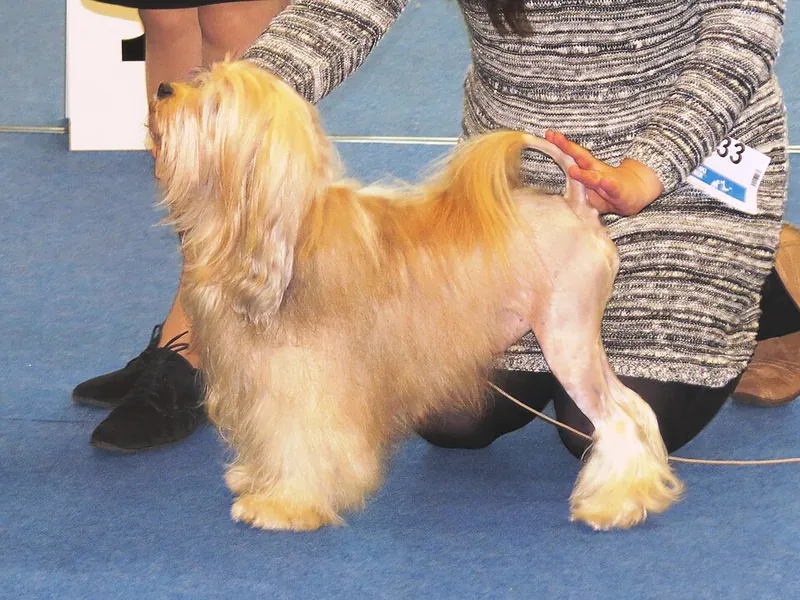
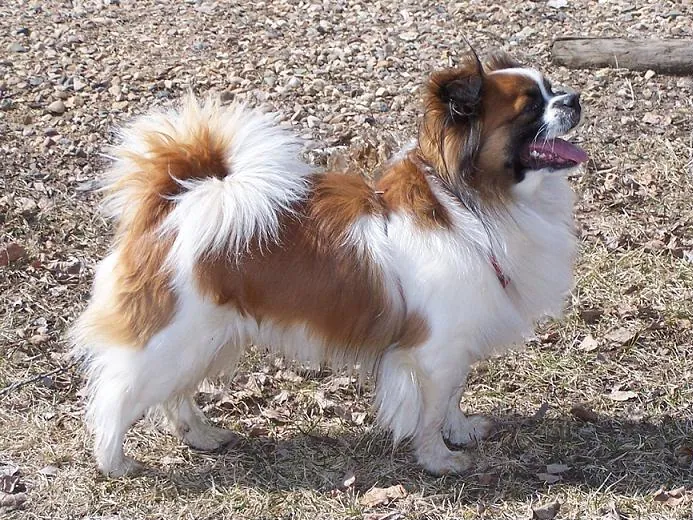
The Tibetan Spaniel is a small, slightly longer-than-tall dog with a domed head, a short but not flat muzzle, dark oval eyes and pendant ears with feathering. The tail is richly plumed and carried in a curl over the back when the dog moves. A slightly undershot bite is typical.
Adults stand about 10 inches at the shoulder and weigh roughly 9 to 15 lb. Males and females are similar in height, but males usually carry a fuller mane or shawl around the neck and look a little more substantial.
The silky double coat lies flat on the body and is moderate in length, with longer feathering on the ears, the backs of the legs, the tail and the toes. It should never be overly profuse or trimmed into shape.
All colors and mixtures are allowed, including:
- gold, red and cream
- sable
- black and tan, and black
- white and parti-colors
Gold and red shades are among the most commonly seen.
Temperament and Personality
Tibbies are affectionate and loyal with their family and usually reserved, though rarely hostile, with strangers. They are keen observers that like a high vantage point, such as the back of the sofa or a windowsill, from which to watch the world.
True to their history, they bark readily to announce visitors or unusual activity. They are clever and independent, with an opinion of their own, and they tend not to respond to pressure or repetition. Most are good with respectful children and generally get along with other pets.
Are Tibetan Spaniels Good for First-Time Owners?
Yes, Tibetan Spaniels are a good choice for many first-time owners. They are small, adaptable, affectionate with family and have moderate exercise and grooming needs.
Beginners should understand two quirks. First, Tibbies are independent and do not respond to repetition or pressure, so training needs short, varied sessions with good rewards and plenty of patience. Second, they are natural watchdogs and bark at visitors and noises. A quiet cue and early socialization help. New owners who appreciate a dog with a mind of its own rather than instant obedience usually find the breed delightful.
Are Tibetan Spaniels Good Apartment Dogs?
Yes, Tibetan Spaniels adapt well to apartments. At 9 to 15 lb with moderate exercise needs, they are content with two daily walks, some play and a good window to watch from.
Barking is the main consideration in shared buildings. Tibbies were bred as lookouts and will announce footsteps in the hallway or knocks next door. Early desensitization to building noises, a quiet cue and rewarding calm behavior reduce the problem. Give your Tibbie a raised perch such as a sofa back, since they love a vantage point, and keep doors closed, as a curious Tibbie may slip into a hallway.
Can Tibetan Spaniels Be Left Alone?
Yes, Tibetan Spaniels usually cope with a few hours alone better than many toy breeds. Their independent, slightly cat-like temperament means many rest quietly while owners are out.
Build alone time gradually in puppyhood and give the dog a walk and a chew or food puzzle before leaving. Watch for alert barking at outside noises during the day, which neighbors may notice even when you do not. A window perch with a view keeps many Tibbies content, though for some it increases barking at passersby. Full workdays are easier with a midday visit from a dog walker or friend.
Exercise and Training
A Tibetan Spaniel needs moderate exercise: two daily walks and some play are usually enough. They enjoy short hikes, puzzle toys and games that engage their mind, and some do well in rally or agility.
- Keep training sessions short, varied and full of rewards.
- Teach a reliable quiet cue to manage alert barking.
- Use a secure leash or fence; Tibbies can be quick to slip away when curious.
Patience pays off: Tibbies learn quickly when they see a reason to cooperate, but force usually makes them dig in.
Grooming and Shedding
The silky double coat is of moderate length, lying flat on the body, with longer hair forming a mane or shawl around the neck, particularly in males, and feathering on the ears, legs and tail. Weekly brushing keeps it tidy, with extra combing behind the ears where tangles form.
Seasonal shedding is moderate. Trim the hair between the paw pads to keep footing secure, and trim nails regularly. Colors include gold, red, cream, black, white and parti-colors.
Feeding and Nutrition
Tibetan Spaniels are small, moderately active dogs, and their needs are easy to overestimate. Many gain weight on generous portions and frequent treats, which is unwelcome in a breed where kneecap problems occur.
- Feed puppies three or four small meals a day, then two meals for adults.
- Use a kibble size suited to a small mouth with a short muzzle.
- Weigh portions and check body condition regularly. The mane and feathering can hide extra pounds.
- Use tiny treats for training and count them as part of the daily ration.
Small dogs are prone to dental disease, so daily tooth brushing and regular vet dental checks matter. Some Tibbies are picky eaters; avoid free feeding, offer meals at set times and remove leftovers after a short period. If your dog shows sudden appetite changes, especially in older age, see your veterinarian.
| Adult weight | Less active | Typical adult | Very active |
|---|---|---|---|
| 9 lb | 280 kcal | 320 kcal | 400 kcal |
| 12 lb | 350 kcal | 400 kcal | 500 kcal |
| 15 lb | 410 kcal | 470 kcal | 590 kcal |
Estimates use the resting energy formula veterinarians work with (70 × body weight in kg0.75) and standard activity factors. Use the feeding guide on your food as a starting point and adjust to body condition. Puppies, seniors, pregnant animals and pets that need to lose weight have different needs, so ask your vet.
Health and Lifespan
Tibetan Spaniels are generally long-lived, often reaching 12 to 15 years. Conditions reported in the breed include patellar luxation, progressive retinal atrophy (PRA), hip dysplasia and eyelid or eyelash problems such as entropion and distichiasis.
Choose breeders who carry out eye examinations and DNA tests for PRA where available, and who check knees in the parents. Their muzzle is short but not extreme, so they usually breathe without difficulty, but keep them cool in hot weather.
Tibetan Spaniel Price and Cost of Ownership
Typical breeder price in the US$1,500 to $2,500
A Tibetan Spaniel puppy from a reputable US breeder typically costs about $1,500 to $2,500. Prices vary by breeder, region and lines. The breed is uncommon, so expect a waiting list and careful screening by breeders. Adult dogs are occasionally available through breed club rescue.
Ongoing costs are modest for a dog of 9 to 15 lb. The coat can be maintained at home with a brush, comb and nail trimmer, though some owners book occasional professional baths and foot trims.
Breed-specific cost drivers include eye examinations and DNA testing for PRA in breeding dogs, which affects puppy prices, and insurance or savings for knee and eye conditions. Dental care is also worth budgeting for, as small breeds often need professional cleanings.
Is the Tibetan Spaniel Right for You?
At 9 to 15 lb and about 10 inches tall, the Tibbie is well suited to apartment living, older adults and families with considerate children. Its modest exercise needs and easy coat make it a good small companion for busy households.
It may frustrate owners who expect instant obedience, and its alert barking can be a problem with noise-sensitive neighbors. Many Tibbies cope with a few hours alone better than more clingy toy breeds.
Tibetan Spaniel Traits at a Glance
Tibetan Spaniel FAQ
Are Tibetan Spaniels good family dogs?
Yes. They are affectionate and usually good with respectful children, though they prefer calm handling.
Do Tibetan Spaniels bark a lot?
They are alert watchdogs and bark to announce visitors or noises. Training a quiet cue helps.
Is a Tibetan Spaniel a real spaniel?
No. It was never a hunting dog; the name is a Western label for a Tibetan companion and watchdog breed.
Do Tibetan Spaniels shed?
They shed moderately, more during seasonal coat changes, and need weekly brushing.
How big do Tibetan Spaniels get?
They stand about 10 inches tall and weigh roughly 9 to 15 lb.
How long do Tibetan Spaniels live?
Most live 12 to 15 years.