Hypoallergenic Cat BreedsCats some allergy sufferers tolerate better
No cat breed is truly hypoallergenic. The breeds on this list are ones that some people with cat allergies report reacting to less, either because some individuals seem to produce less allergen or because they shed less hair. This page explains the science so you can make an informed choice and test your own reaction before bringing a cat home.
All Hypoallergenic Cat Breeds A to Z
What Hypoallergenic Really Means
The main cat allergen is a protein called Fel d 1. Cats produce it mainly in their saliva and skin glands. When a cat grooms, the protein dries on the coat and spreads around the home on hair and dander, where it can linger for months.
Because the allergen comes from the cat itself, not the hair, every cat produces some. Hair length and shedding affect how much allergen spreads, but they do not remove it. That is why no breed can be guaranteed allergy-safe.
Why Some Breeds Make This List
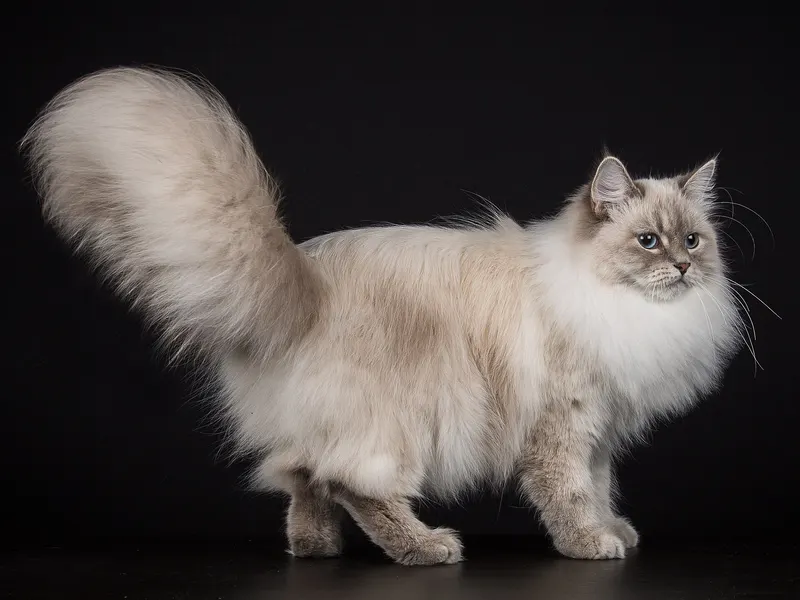
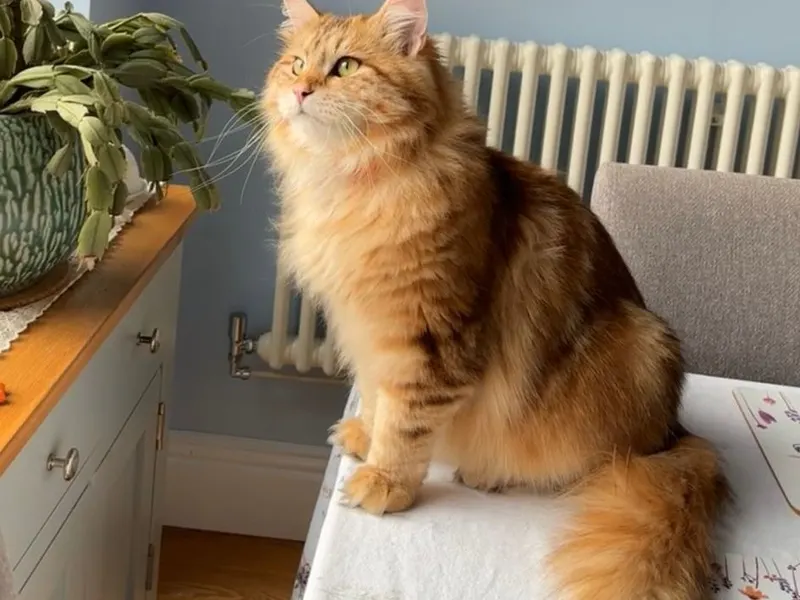
- Siberian and its colorpoint form, the Neva Masquerade: many owners and breeders report that some individuals produce less Fel d 1, though levels vary from cat to cat.
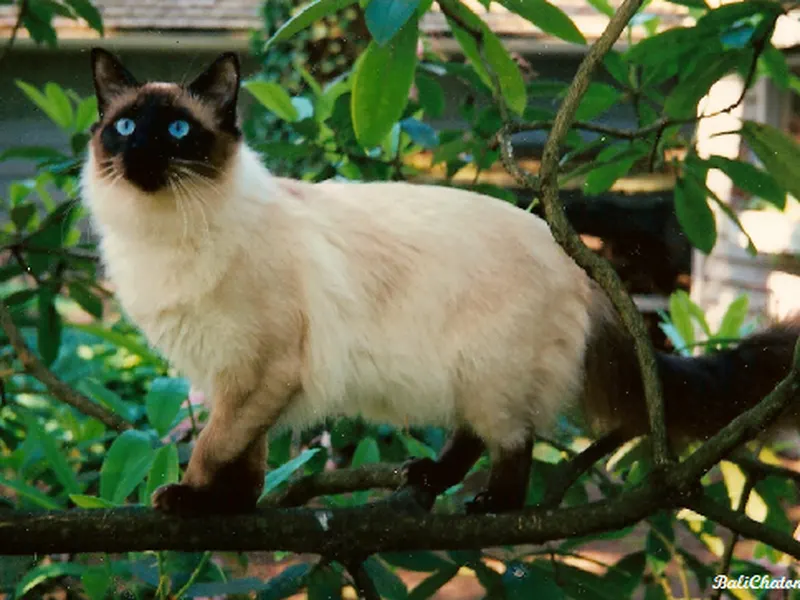
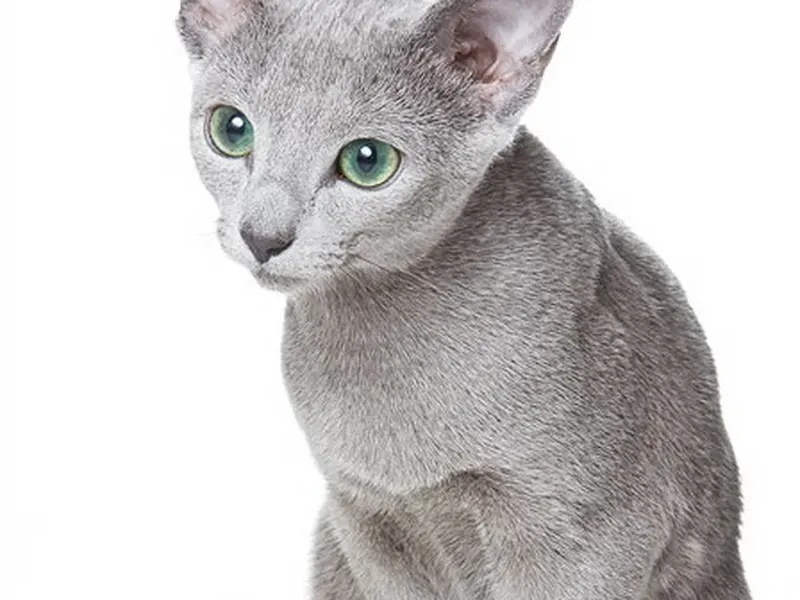
- Balinese and Russian Blue: often mentioned by allergy sufferers as easier to live with, based mainly on owner experience.
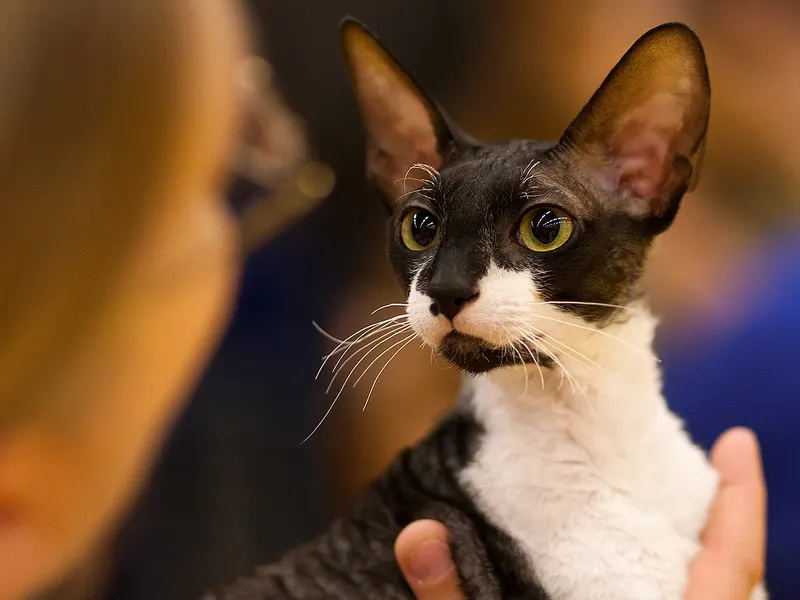
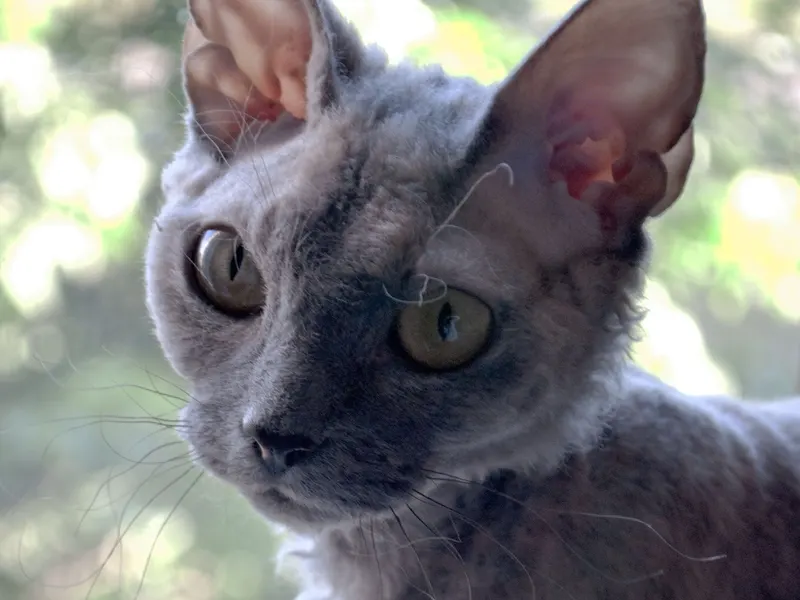
- Devon Rex and Cornish Rex: their short, curly coats shed less, so less allergen-coated hair ends up around the house.
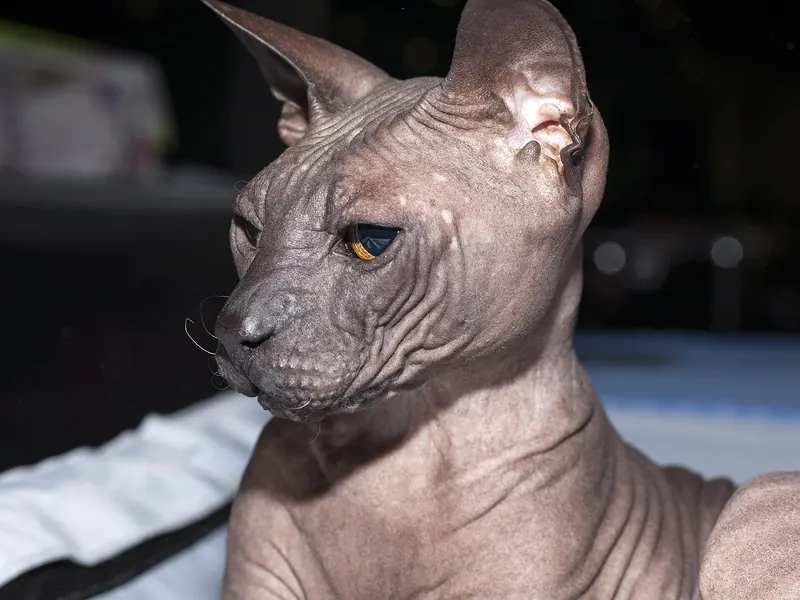
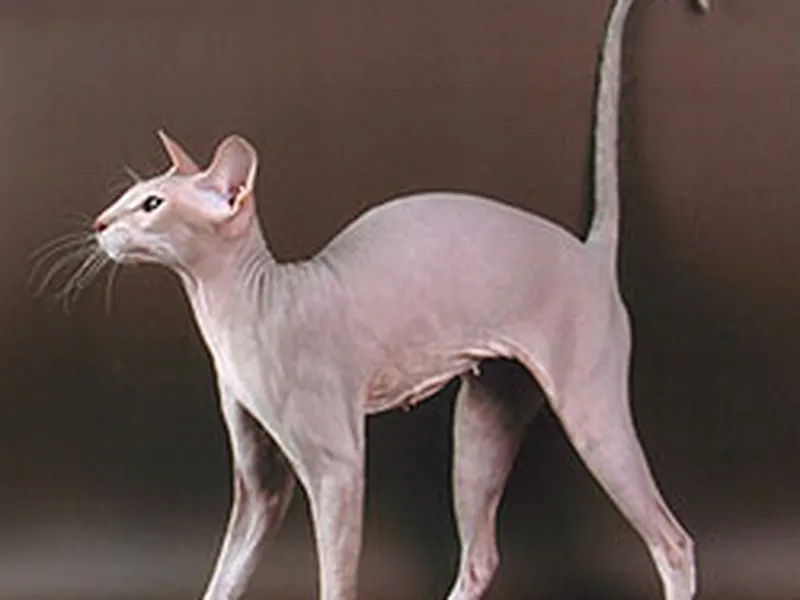
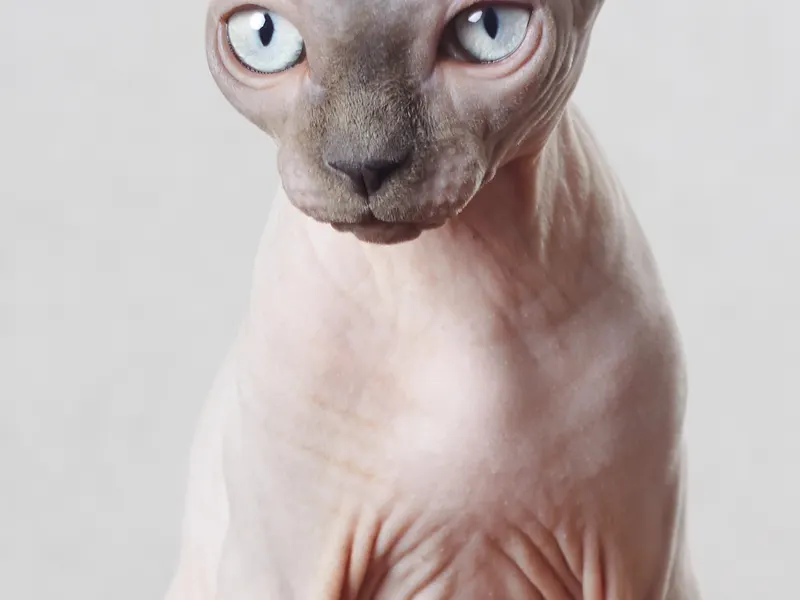
- Sphynx, Peterbald and Donskoy: hairless or nearly hairless, but they still produce Fel d 1 on their skin and in saliva.
Factors That Matter More Than Breed
Individual cats vary widely, sometimes more than breeds do. Intact males generally produce more Fel d 1 than neutered males and females, so spaying or neutering can help. Your own sensitivity matters too: a person with mild symptoms may do well with a low-shedding cat, while someone with asthma may react to any cat.
The best test is time. Visit the breeder or shelter, spend an hour or more with the specific cat you are considering, and ideally repeat the visit before you commit.
Living With Cats When You Have Allergies
- Keep the cat out of the bedroom so you have one low-allergen room.
- Use a HEPA air purifier and vacuum with a HEPA filter.
- Wash bedding, throws and cat beds often.
- Wash your hands after handling the cat.
Talk to an allergist before adopting, especially if anyone in the home has asthma.
Grooming and Care Differences
Low allergen does not mean low maintenance. The Siberian has a thick triple coat that sheds heavily in spring and fall, so brushing it outdoors or wearing a mask while grooming can help. Rex breeds need only gentle grooming but can have oily skin. Hairless cats need regular baths because skin oils build up without fur to absorb them, and they need warm sleeping spots and protection from strong sun, a welfare point worth weighing before choosing one.
Shelters and rescues sometimes have these breeds or similar mixed-breed cats, and many will let you foster first to see how your allergies respond.
Frequently Asked Questions
Is any cat breed 100% hypoallergenic?
No. All cats produce the Fel d 1 allergen, and individual cats vary. Some breeds are better tolerated by some people, but there is no guarantee.
Are hairless cats good for allergies?
Not necessarily. Sphynx and other hairless cats still produce Fel d 1 in their saliva and skin. Some people react less because there is no shed hair, others react just as much.
Do Siberian cats really produce less allergen?
Some Siberians appear to produce less Fel d 1, but levels vary between individuals. Spend time with the specific cat before deciding.
Do female cats cause fewer allergies?
Intact males tend to produce the most Fel d 1. Neutered males and females generally produce less, though individuals still vary.
How can I test if I am allergic to a specific cat?
Spend extended time with that cat, ideally on more than one visit, and watch for symptoms over the following day. An allergist can also help assess your sensitivity.
Not sure which cat breed fits you?
Answer 10 quick questions and get cat breeds ranked for your home, schedule and family.