Devon RexThe big-eared, wavy-coated clown cat
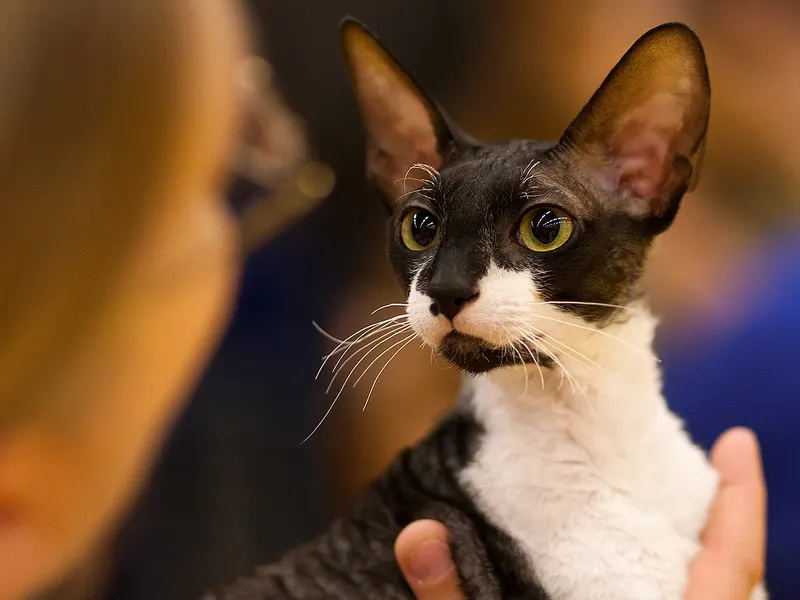
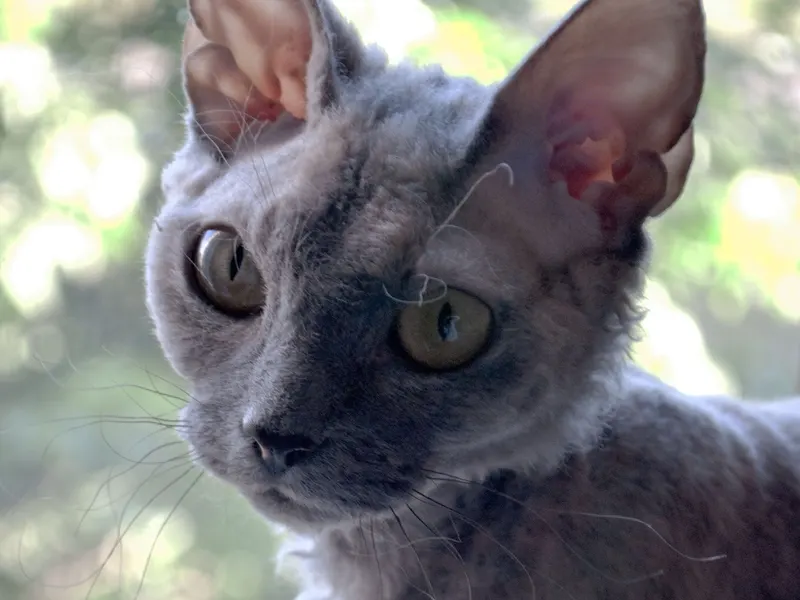
The Devon Rex is a small, slender cat with huge low-set ears, large eyes and a soft, wavy coat that sheds very little. It is a playful, sociable breed that suits people who want a cat that is always in the middle of things.
Why people love the Devon Rex
- Playful, puppy-like and very sociable
- Sheds very little compared with most cats
- Usually good with children, dogs and cats
- Learns tricks and enjoys clicker training
- Small size suits apartments
Things to consider
- Needs lots of attention and play daily
- Feels the cold and seeks warmth constantly
- Large ears and skin need regular cleaning
- Can be mischievous on counters and shelves
- Inherited conditions need careful breeder screening
Is this breed right for you?
10 questions · live resultHistory and Origin
In 1960, Beryl Cox of Buckfastleigh in Devon, England, found that a stray tortoiseshell-and-white female had a litter that included a curly-coated male kitten. The father was thought to be a curly-coated feral tom living near a disused tin mine. Cox named the kitten Kirlee.
Because neighboring Cornwall had produced a curly-coated cat ten years earlier, Kirlee was bred to Cornish Rex cats. All the kittens had straight coats, which showed that the two curly coats were caused by different genes. Breeders then developed the Devon separately, using Kirlee and his descendants. The breed reached the US in the late 1960s and is recognized by TICA, CFA, FIFe and the GCCF.
Size, Wavy Coat and Colors
The Devon Rex is a small to medium, slender cat with huge, low-set ears, large oval eyes and a short muzzle that give it a pixie-like face. Adults weigh 5 to 10 lb. Males are usually heavier and more muscular, often at the upper end of the range, while females are smaller and finer boned.
The body is hard and muscular despite its light build, with a broad chest, long legs and a long, thin tail. The head is wedge-shaped with prominent cheekbones and a strong chin.
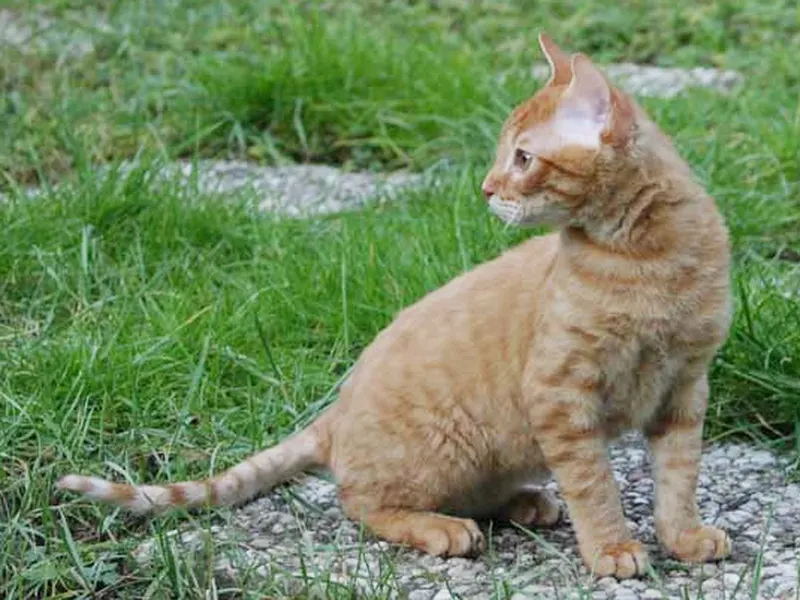
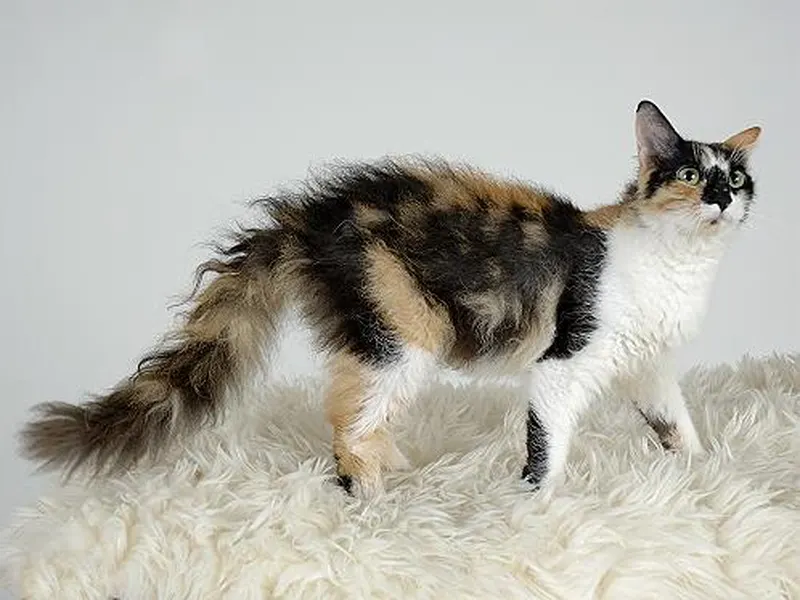
The coat is short, soft and wavy, with a rippled appearance. Some areas, such as the chest, belly and ears, may have sparse hair. Whiskers are curly and brittle and may break. All colors and patterns are accepted by most registries, including solid, tabby, tortoiseshell, bicolor and pointed patterns. Eye color usually matches the coat color, and pointed Devons have blue eyes. The coat may look sparser during kittenhood and change as the cat matures.
Personality and Temperament
Devons are often compared to puppies or monkeys. They perch on shoulders, investigate every bag and join you at the dinner table if allowed. They want warmth and physical closeness and will burrow under blankets or sleep against your neck.
They are typically outgoing with strangers, tolerant of children and easy to introduce to dogs and other cats. Their voice is relatively quiet, but they are not passive: a bored Devon will find its own entertainment, often on a countertop.
Is the Devon Rex a Lap Cat?
Yes, the Devon Rex is one of the most cuddly cat breeds. It seeks warmth and physical closeness, often sitting on laps, perching on shoulders and sleeping under blankets with its people.
Devons are also active and playful, so lap time usually comes after play sessions. Many follow their owners from room to room and want to be part of every activity. If you want a cat that stays close and seeks attention, the Devon Rex is a strong choice. Owners who prefer an independent cat may find the breed too clingy.
Is the Devon Rex Good for First-Time Owners?
Yes, the Devon Rex can be a good choice for first-time cat owners who have time to give attention. It is friendly, adaptable and easy to handle, and its grooming needs are relatively simple.
Beginners should be ready for an active, curious cat that wants to be involved in everything. Daily play, climbing spaces and puzzle toys are important. Ear cleaning and occasional baths for skin oils are part of routine care. Choose a breeder who screens for hereditary myopathy and heart disease, and ask about blood type, which matters for medical care.
Can Devon Rex Cats Be Left Alone?
Devon Rex cats can be left alone for a workday, but they do not enjoy long periods of solitude. They are very social and prefer company, so a lonely Devon may become bored or mischievous.
A second sociable cat often helps, especially for owners who work long hours. Provide climbing furniture, puzzle feeders and warm beds to keep the cat engaged. Interactive play before and after work also helps. If you travel often, arrange a pet sitter rather than leaving a Devon alone for extended periods.
Activity, Play and Enrichment
Expect a high-energy cat that stays playful into old age.
- Daily interactive play with wand toys is a must, plus chase and fetch games.
- Shoulder-high climbing spots and shelves let them watch you, which they love.
- They learn tricks easily and respond well to clicker training.
- Food puzzles help, since many Devons are food-driven.
Warm beds near radiators or heated pads are appreciated, since the thin coat offers little insulation.
Grooming and Shedding
The Devon coat is short, soft and wavy, sometimes sparse on the chest and belly. It sheds little, but it needs gentle handling:
- Avoid stiff brushes, which can break the hairs. A soft cloth or hand-stroking is enough.
- Clean the large ears weekly, as wax and oils build up quickly.
- Some Devons get a greasy feel or brown residue at the base of claws and in skin folds; an occasional bath or wipe with a vet-approved product helps.
Whiskers are short and curly or brittle and may break off. Protect lightly coated cats from cold and strong sun.
Feeding and Nutrition
Devon Rex cats have a reputation as enthusiastic eaters, and many are food-driven. Their thin coat means they lose more body heat, so active Devons may need slightly more energy than similar-sized cats with full coats, but weight gain is still a common problem.
- Feed measured meals rather than free-feeding, and adjust to body condition.
- Kittens benefit from three to four meals a day, moving to two or three meals for adults.
- Use food puzzles to slow eating and provide mental stimulation.
- Fresh water should always be available, and wet food can increase water intake.
Some Devons are affected by congenital myasthenic syndrome, which can cause difficulty swallowing. If a kitten struggles to eat or regurgitates, consult your vet. Treats should be small and count toward the daily ration. Regular weight checks help catch gradual gains, especially in indoor cats.
| Adult weight | Indoor, less active | Typical adult | Active or intact |
|---|---|---|---|
| 5 lb | 130 kcal | 160 kcal | 180 kcal |
| 8 lb | 180 kcal | 220 kcal | 260 kcal |
| 10 lb | 220 kcal | 260 kcal | 300 kcal |
Estimates use the resting energy formula veterinarians work with (70 × body weight in kg0.75) and standard activity factors. Use the feeding guide on your food as a starting point and adjust to body condition. Kittens, seniors, pregnant animals and pets that need to lose weight have different needs, so ask your vet.
Health and Lifespan
Devons usually weigh 5 to 10 lb (about 2 to 4.5 kg) and live around 9 to 15 years.
- Congenital myasthenic syndrome (often called Devon Rex myopathy or spasticity) causes muscle weakness and difficulty swallowing in affected kittens. A DNA test exists.
- Hypertrophic cardiomyopathy (HCM) occurs in the breed; breeding cats should be screened by echocardiogram.
- Patellar luxation (slipping kneecaps) and hip dysplasia are reported.
- Blood type B is relatively common, which matters for transfusions and for breeding.
A responsible breeder will show test results and blood types for both parents.
Devon Rex Price and Cost of Ownership
Typical breeder price in the US$1,000 to $2,500
A Devon Rex kitten from a reputable US breeder typically costs about $1,000 to $2,500. Prices vary by breeder, region and lines, and show-quality kittens or rare colors may cost more. Ask for DNA test results for myopathy, HCM screening records and blood type for both parents. Retired breeding cats are sometimes available at lower prices.
Devons occasionally appear in breed rescues and shelters, so adoption is an option.
Breed-specific ongoing costs include:
- Heated beds, warm blankets and cat sweaters for cold homes.
- Ear cleaning supplies and gentle bathing products.
- Insurance or savings for heart disease and patellar luxation.
- Enrichment toys, climbing furniture and puzzle feeders.
Is the Devon Rex Right for You?
A good match if you are home a lot, have children or other pets, and want an affectionate, comical cat with minimal shedding. Apartment living suits them well.
Think twice if you want an independent cat, keep a cool house, or dislike a cat on your kitchen counter and your shoulder.
Allergies: Devons are often recommended for allergy sufferers because they shed less, but they still produce the Fel d 1 allergen in saliva and skin oils. Some allergic people tolerate them; others do not.
Pet kittens in the US typically cost about $1,000 to $2,500, depending on breeder and region.
Devon Rex Traits at a Glance
Devon Rex FAQ
Are Devon Rex cats hypoallergenic?
No cat is hypoallergenic. Devons shed less hair, which some allergy sufferers find easier, but they still produce Fel d 1, so test your reaction with the breed first.
Do Devon Rex cats shed?
Very little compared to most cats. They do need regular ear cleaning and occasional baths for skin oils.
How big do Devon Rex cats get?
They are small to medium, usually 5 to 10 lb as adults.
What is the difference between a Devon Rex and a Cornish Rex?
The coats come from different genes. Devons have guard hairs, a looser wave, a pixie face with very large ears and a stockier body; Cornish Rex have only down hair in tight waves and a tall, arched, greyhound-like build.
Are Devon Rex cats good with dogs?
Typically very good. They are social, confident cats that often befriend cat-friendly dogs.
How long do Devon Rex cats live?
Usually around 9 to 15 years. Pick a breeder who DNA-tests for myopathy and screens for HCM.