Tuxedo CatsThe black-and-white cat dressed for dinner
A tuxedo cat is not a breed but a black-and-white bicolor pattern: a mostly black coat with a white chest, white paws and often a white chin or muzzle. The white comes from the white spotting gene, which can appear in almost any breed and is very common in mixed-breed cats. Tuxedos can be male or female in roughly equal numbers.
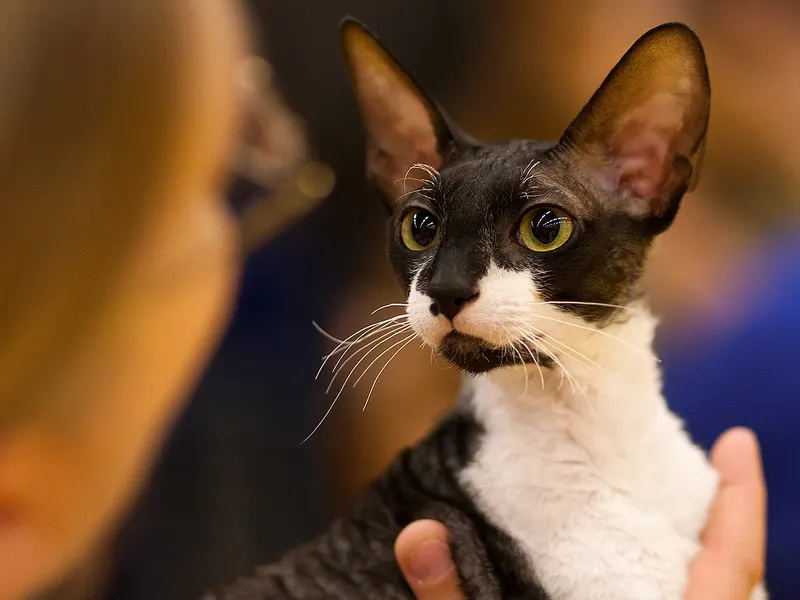
What is a tuxedo cat?
The name comes from the look of a formal suit: a black jacket with a white shirt front. A classic tuxedo has a solid black body, a white bib or chest, white paws that look like spats or gloves, and often a white chin, muzzle or blaze between the eyes.
Breed registries file this look under bicolor, meaning one color plus white. Tuxedo is a popular, informal name rather than an official color class. Some people also use tuxedo for gray-and-white or orange-and-white cats with the same layout, but most reserve it for black and white.
No two tuxedos are marked exactly alike. Some have a perfect symmetrical bib and four white socks, others have one white paw, a lopsided mustache or a white tail tip. Many owners enjoy these quirks, and in pedigreed show cats, judges generally look at the overall balance of the markings rather than demanding an exact layout.
How the tuxedo pattern forms
Two separate genetic pieces make a tuxedo. First, the cat is solid black, which requires two copies of the recessive non-agouti gene. This switches off the light bands in each hair that would otherwise create tabby stripes.
Second, the cat carries the white spotting gene, often called the piebald gene and written S. During embryo development, pigment cells start near the spine and migrate down and around the body. The white spotting gene slows or limits that migration. The areas they reach last, the chest, belly, paws and face, end up without pigment, so the hair grows white.
White spotting works in a dose-like way. Cats with one copy often show a modest amount of white, the typical tuxedo. Cats with two copies tend to show more white, moving toward the harlequin and van patterns. There is a lot of overlap, and other genes and chance also shape the final result, so two tuxedo parents can have kittens with very different amounts of white. They can even have solid black kittens, if a kitten happens not to inherit the white spotting gene from either parent.
Male or female? Unlike calicos and tortoiseshells, tuxedo cats can be either sex. Neither black color nor the white spotting gene is carried on the sex chromosomes, so males and females are equally likely to inherit the pattern.
Tuxedo variations
- Classic tuxedo: black body, white chest, white paws, often a white muzzle.
- Mask and mantle: black covering the head and back like a cape, with white below.
- Cow cat: irregular black patches on a mostly white body, sometimes called a moo cat.
- Locket: a black cat with just a small white spot on the chest.
- Harlequin and van: high-white patterns with only scattered patches or color limited to head and tail.
The same layout in gray and white is a dilute bicolor, and a tabby with white areas is a tabby and white. If you see a black-and-white cat with orange patches too, that cat is a calico.
Breeds that come in tuxedo
Any breed whose standard allows solid black plus white can produce tuxedos. You will see them in the American Shorthair, British Shorthair, Maine Coon, Persian and Exotic Shorthair, as well as the Norwegian Forest Cat, Siberian, Manx, Scottish Fold, Turkish Angora, Cornish Rex and Devon Rex. Hairless breeds such as the Sphynx can show the same pattern in their skin pigment.
Breeds limited to colorpoint, solid or ticked coats, such as the Siamese, Russian Blue, Bombay or Abyssinian, do not come in tuxedo under their standards.
Coat length changes the look. On a shorthair such as the American or British Shorthair, the line between black and white is crisp. On a longhaired Maine Coon, Persian or Norwegian Forest Cat, the white bib becomes a fluffy ruff and the white paws may sport tufts between the toes.
Most tuxedo cats are mixed-breed domestic shorthairs and longhairs. The pattern is among the most familiar in shelters and on farms.
Personality: myth vs fact
Tuxedo owners often describe their cats as clever, talkative or bossy, and the internet is full of claims that tuxedos are smarter than other cats. There is no scientific evidence for this. Neither the non-agouti gene nor the white spotting gene is known to affect intelligence or behavior.
Owner surveys have found that people do link coat colors with personality traits, but this tells us about human expectations, not about the cats. A tuxedo's temperament depends on its upbringing, socialization and, for pedigreed cats, its breed.
Health and care notes
The tuxedo pattern itself carries no known health risks. The main color-related point is skin protection. White fur usually grows over unpigmented pink skin, so a tuxedo with a white nose or white-tipped ears can sunburn if it spends long periods in strong sun. Repeated sun damage on white ears and noses is linked to skin cancer in cats, so indoor-outdoor tuxedos benefit from shade at midday.
Black areas may rust slightly in strong sunlight, taking on a brownish tint. This is harmless. White fur shows dirt and tear staining more easily, so a quick wipe around the eyes and chin keeps a tuxedo looking sharp. Otherwise care depends on coat length and breed.
Unlike solid white cats with blue eyes, tuxedos are not known to have a raised risk of deafness. That risk is tied to the dominant white gene, which is a different gene from white spotting.
Famous tuxedo cats
Tuxedos have a long list of famous faces:
- Sylvester, the Looney Tunes cat forever chasing Tweety.
- Socks, the Clinton family cat who lived in the White House in the 1990s.
- Palmerston, the black-and-white Chief Mouser at the UK Foreign Office from 2016.
- The Jellicle Cats of T. S. Eliot's poems, described as black and white, which inspired the musical Cats.
Claims that Shakespeare or Beethoven owned tuxedo cats circulate widely online but lack reliable sources.
The look has also inspired plenty of nicknames. Besides tuxedo and Jellicle, black-and-white cats are sometimes called Felix cats after the early cartoon star, and cats with a small black patch under the nose are often nicknamed for their mustache. None of these are official terms, but you will see them in shelter listings and online.
Adopting a tuxedo cat
If you want a tuxedo, your local shelter is the best place to start. Black-and-white cats are common in rescues, in every age group and both coat lengths. Because the pattern is set at birth, a kitten's white markings stay in place as it grows, though they may look slightly smaller as the body lengthens.
When meeting a cat, focus on temperament rather than markings: ask staff how the cat behaves with people, children and other pets. If you prefer a pedigreed cat, look at breeds that accept black and white, and ask breeders whether their lines produce bicolors.
Cat Breeds That Come in Tuxedo
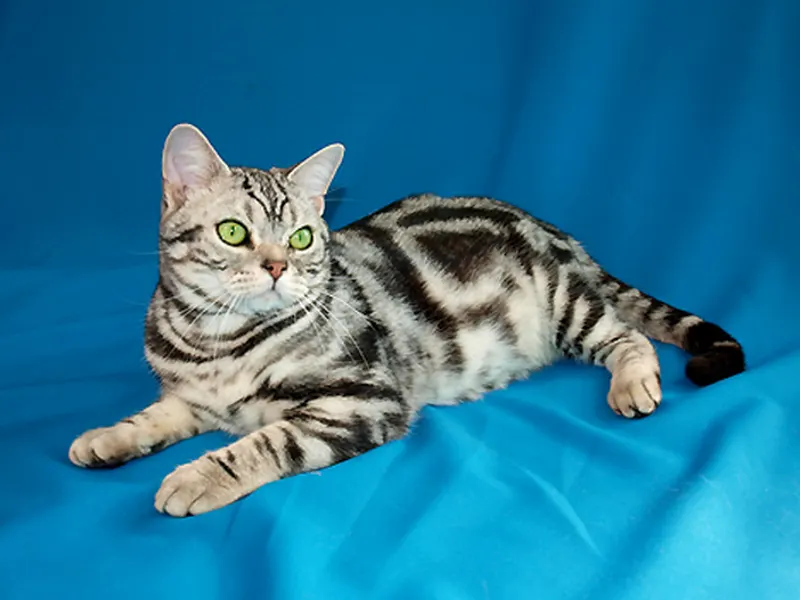 American ShorthairMedium · 7–15 lb
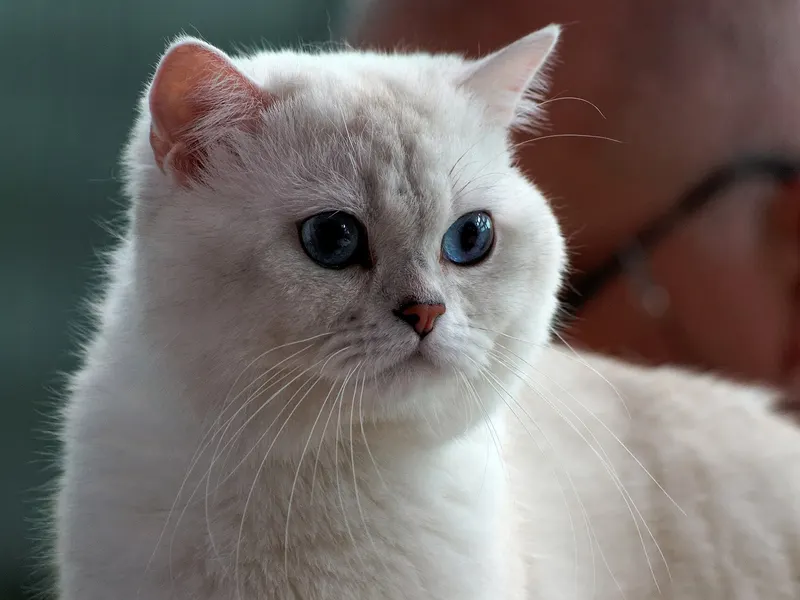 British ShorthairLarge · 7–17 lb
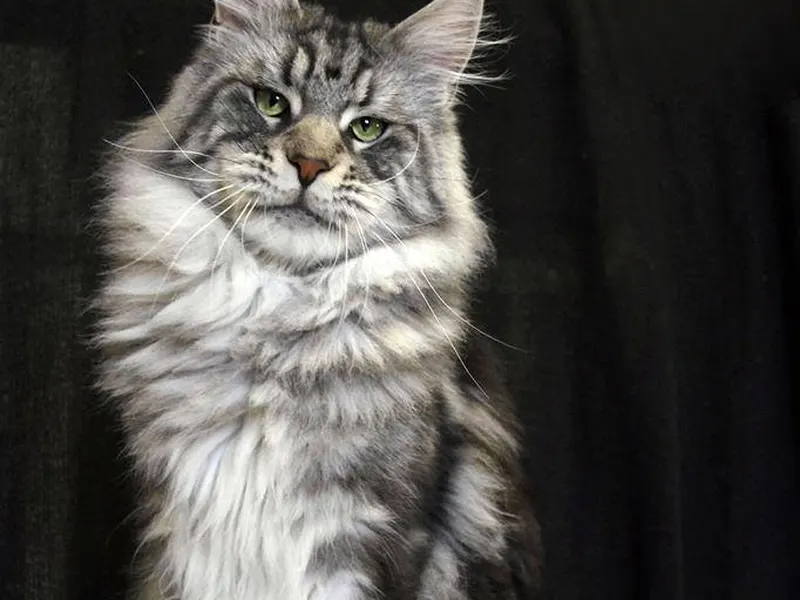 Maine CoonLarge · 8–18 lb
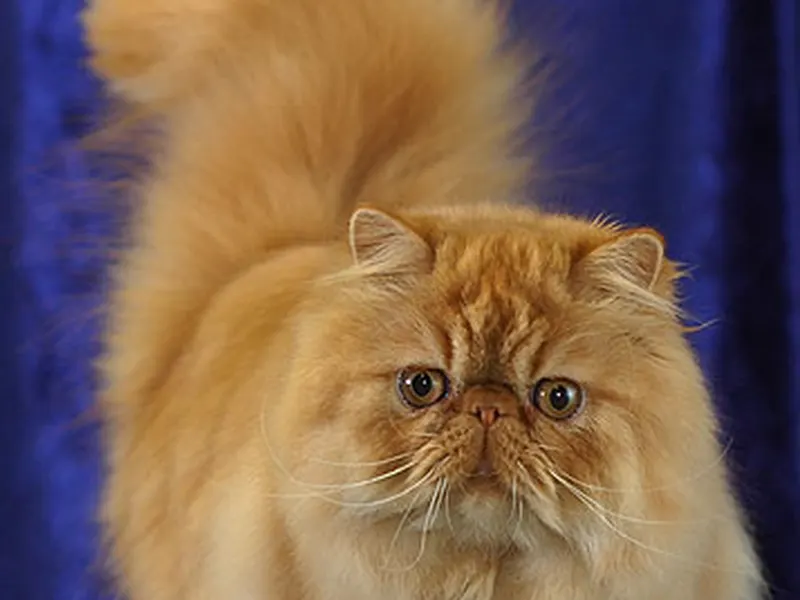 PersianMedium · 7–12 lb
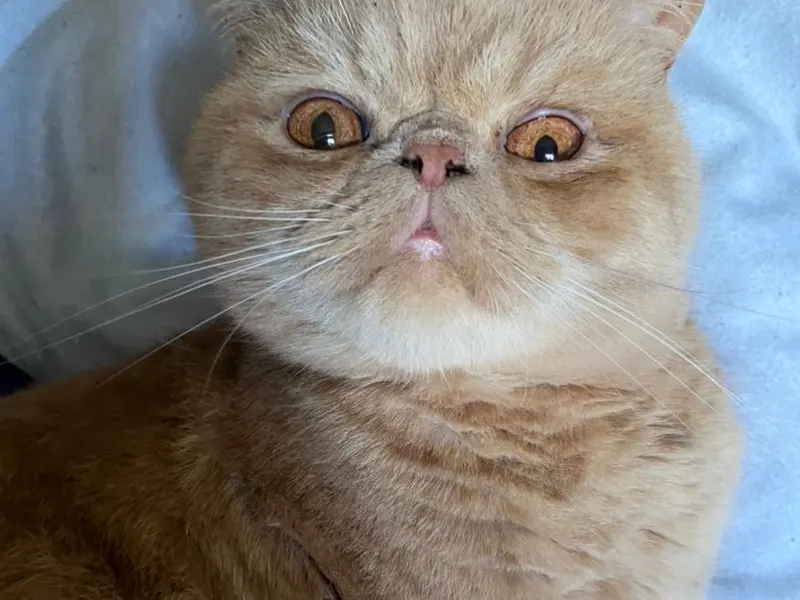 Exotic ShorthairMedium · 7–14 lb
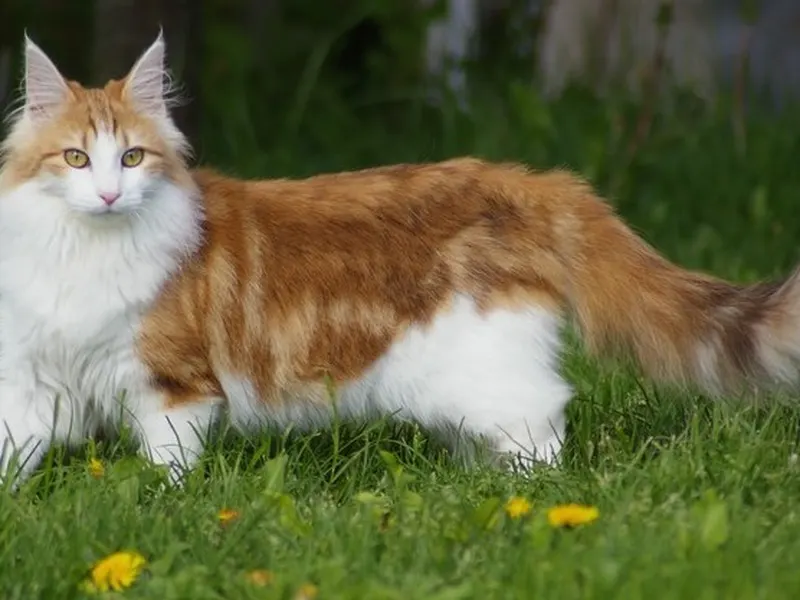 Norwegian Forest CatLarge · 9–20 lb
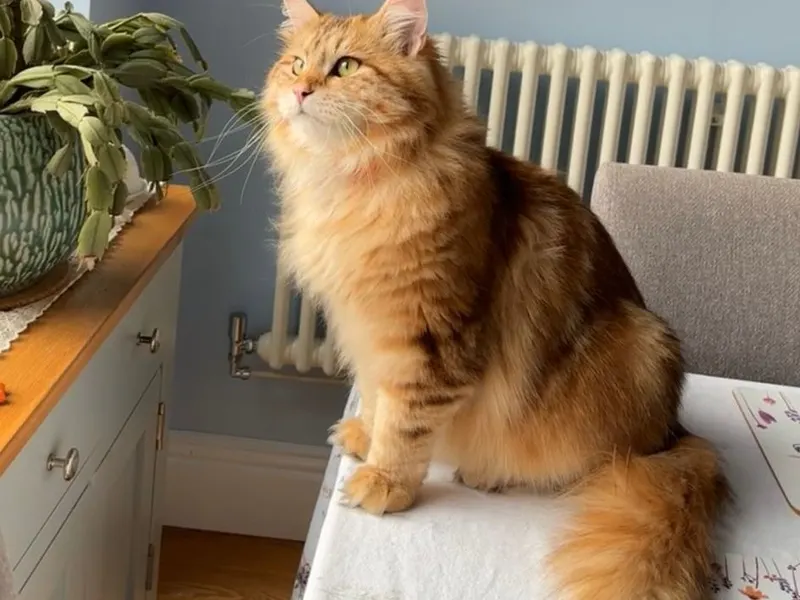 SiberianLarge · 8–17 lb
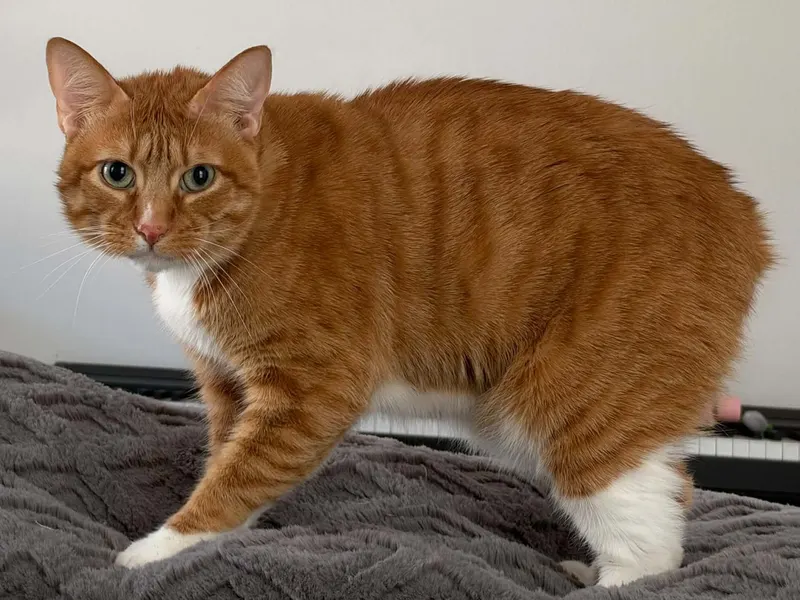 ManxMedium · 7–13 lb
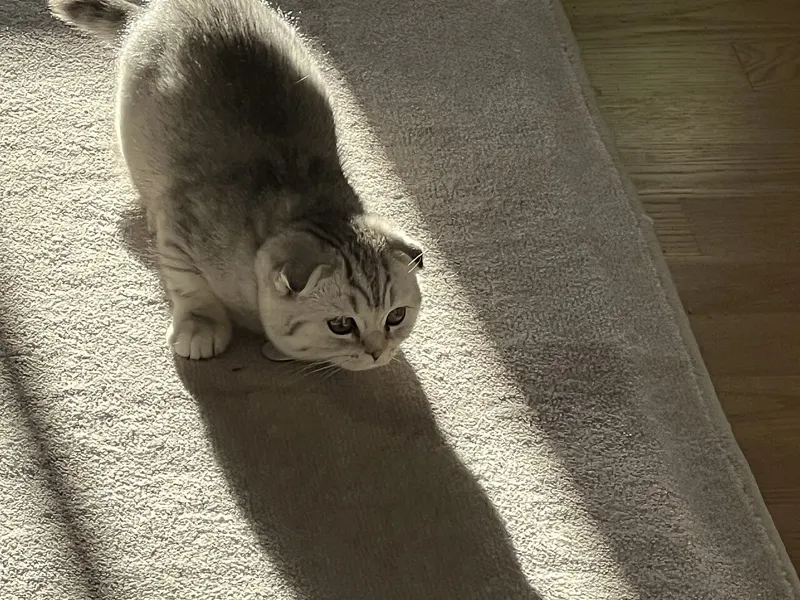 Scottish FoldMedium · 6–13 lb
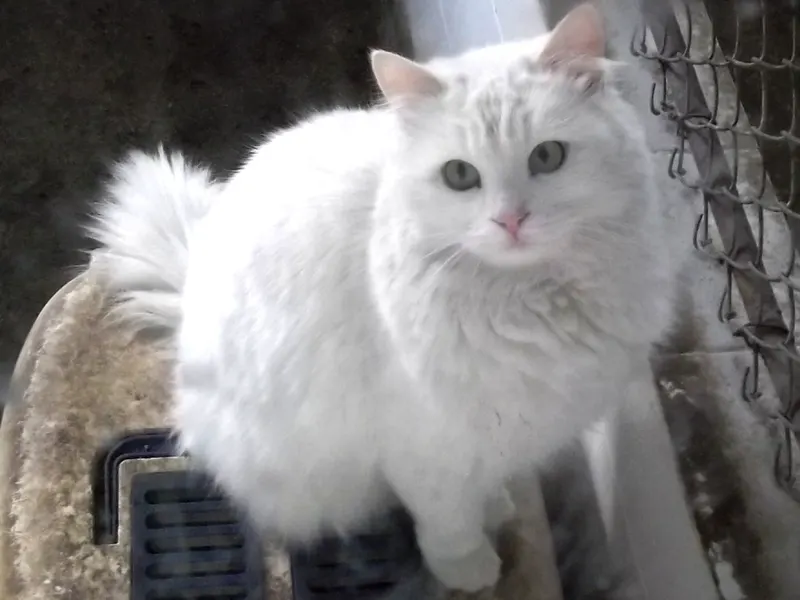 Turkish AngoraSmall · 5–10 lbCornish RexSmall · 6–10 lb
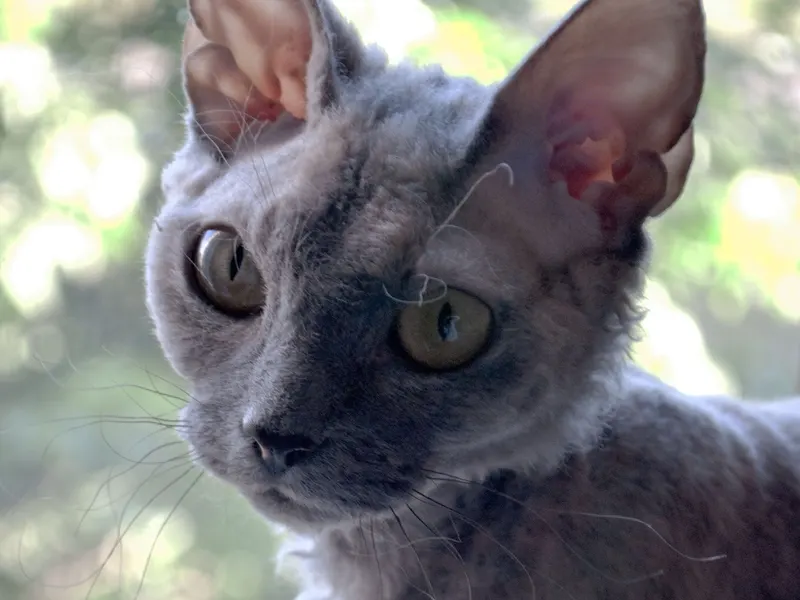 Devon RexSmall · 5–10 lb
Frequently Asked Questions
Is a tuxedo cat a breed?
No. Tuxedo is a black-and-white bicolor coat pattern. It appears in many breeds and is very common in mixed-breed cats.
What gene makes a tuxedo cat?
Tuxedos are solid black cats that also carry the white spotting (piebald) gene. That gene limits where pigment cells reach, leaving the chest, paws and face white.
Are tuxedo cats always male?
No. Neither black color nor white spotting is sex-linked, so tuxedo cats are equally likely to be male or female.
Are tuxedo cats smarter than other cats?
There is no scientific evidence that tuxedo cats are smarter. The idea is popular online but comes from owner stories, not research.
What is the difference between a tuxedo and a cow cat?
A tuxedo is mostly black with white on the chest, paws and face. A cow cat is mostly white with irregular black patches.
How long do tuxedo cats live?
Lifespan depends on breed, health and lifestyle, not coat pattern. Many indoor cats live into their mid-teens or longer.
More About Cat Colors and Patterns
Looking for the right cat?
Answer 10 quick questions and get cat breeds ranked for your home, routine and family.