PersianCalm, quiet and built for lounging
The Persian is the classic longhaired cat: a round head, short nose, big eyes and a flowing coat in almost any color. It is one of the calmest breeds and suits quiet homes where someone is happy to groom every day.
Why people love the Persian
- Calm, gentle and undemanding companion
- Quiet voice used sparingly
- Rarely climbs curtains or races at night
- Huge range of colors and patterns
- Suits quiet indoor homes well
Things to consider
- Coat needs thorough combing every day
- Flat face linked to breathing and eye problems
- Heavy shedding, not for allergy sufferers
- Tear staining needs daily cleaning
- Inherited kidney disease risk without PKD-tested parents
Health note: this breed is affected by health concerns linked to its body shape or coat. Read the health section and choose a breeder who screens their cats and breeds responsibly.
Breeding of cats with extreme brachycephaly is restricted or under review in some European countries.
Is this breed right for you?
10 questions · live resultHistory and Origin
Longhaired cats were brought to Europe from Persia (modern Iran) and nearby regions from the 1600s onward. In Victorian Britain they became stars of the first cat shows, including the 1871 Crystal Palace show in London, and Queen Victoria herself owned blue Persians.
Breeders in Britain and later the United States refined the breed over the 20th century. The face became progressively flatter, especially in the US show lines known as peke-face or extreme type. In the UK the breed is often simply called Longhair, and the Himalayan (Colorpoint Persian) is treated as a color variety by some registries and as a separate division by others.
Size, Face Types and Colors
The Persian is a medium-sized, cobby cat with a short, heavy-boned body, broad chest and short legs. Adults typically weigh 7 to 12 lb, although the dense coat makes them look larger. Males are usually heavier, with broader heads and fuller cheeks.
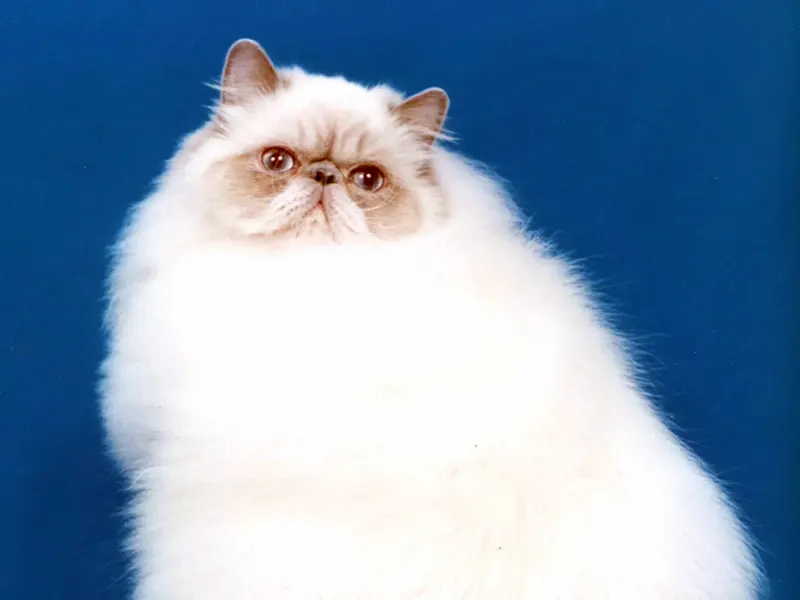
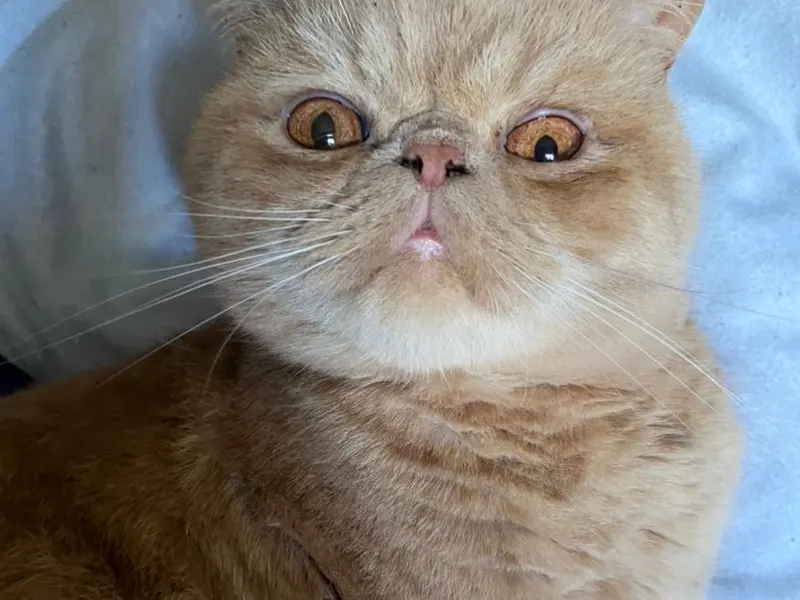
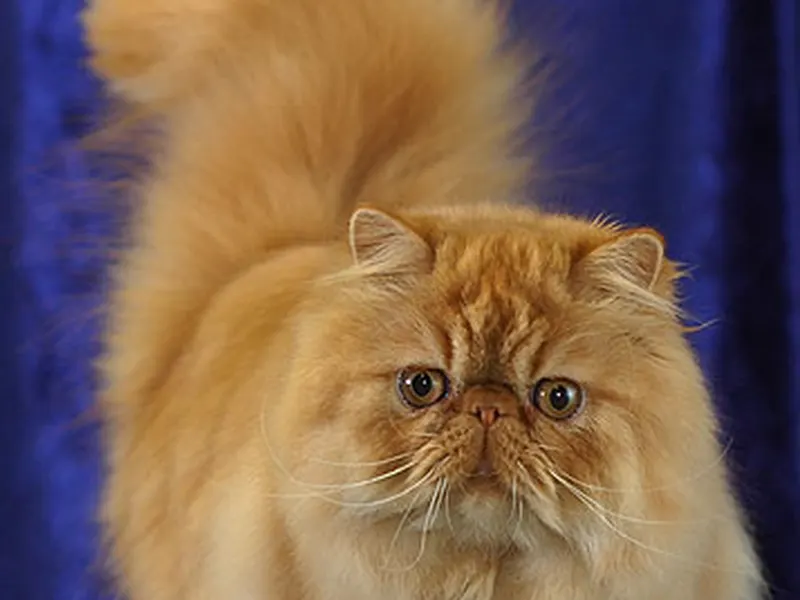
The head is round and massive, with small, rounded ears set low and wide, and large, round eyes. Two face types are common:
- Show or extreme type: a very flat face with the nose set between the eyes, sometimes called peke-face.
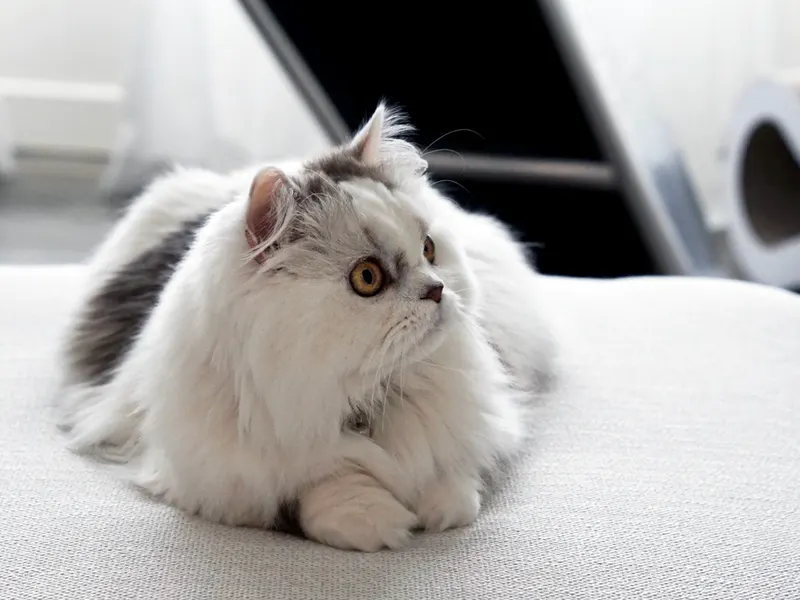
- Doll face or traditional: a moderate face with a visible nose, often linked to fewer breathing and eye problems.
The coat is long, thick and fine, with a full ruff around the neck and a plumed tail. Persians come in a huge range of colors and patterns, including solid, silver and golden, smoke, tabby, calico, bicolor and colorpoint, known as Himalayan. Eye color varies with coat color, from copper to blue and green.
Personality and Temperament
Persians are gentle, undemanding and quiet. They prefer a predictable routine, soft furnishings and a calm household, and they rarely climb curtains or race around at night.
Most enjoy being stroked and sitting near their people but are not clingy. Their voice is soft and used sparingly. They can be reserved with strangers and dislike noise and chaos, so very busy households with small children may stress them. With calm children and polite dogs, many Persians do well.
Are Persian Cats Good for First-Time Owners?
Yes, Persians can be a good choice for first-time owners who are ready for daily grooming and health monitoring.
Their calm, undemanding nature makes daily life easy, and they adapt well to quiet indoor homes. The commitment is in care: daily combing, eye cleaning, regular baths or professional grooming and attention to breathing and dental health. First-time owners should choose a breeder who tests for PKD and favors a moderate face, and plan for higher vet costs over the cat's life. Those who enjoy a gentle, routine-loving cat often find Persians very rewarding.
Are Persian Cats Lap Cats?
Many Persians enjoy sitting on or near their people, but they are generally affectionate without being clingy.
They like being stroked and often settle beside their owner on a sofa or bed. Some will happily curl up on a lap, while others prefer a nearby cushion. Persians tend to choose calm moments for affection and dislike being handled roughly or picked up too often. Warm, soft spots attract them, so a lap in a quiet room is often welcome. Each cat varies, so meeting the kitten's parents gives a good idea of what to expect.
Should Persian Cats Be Kept Indoors?
Yes, most breeders and vets recommend keeping Persians indoors or with access to a secure outdoor enclosure.
Their long coat picks up dirt, burrs and debris quickly and mats when wet. The flat face makes them less able to cope with heat and strenuous activity, and their calm nature means they are not well equipped to escape threats such as dogs or traffic. Indoor life also reduces exposure to infectious diseases and parasites. A window perch, catio or harness walks in a quiet garden can give safe outdoor stimulation.
Activity, Play and Enrichment
Persians are among the least active breeds, but they still need daily play to stay fit and avoid weight gain.
- Short sessions with a feather wand or rolling ball a couple of times a day are usually enough.
- Low, stable perches and window seats suit them better than tall, narrow cat trees.
- Food puzzles help keep a sedentary cat mentally engaged.
Because of their short noses, Persians can tire quickly and overheat in hot weather. Keep play gentle and the home cool in summer.
Grooming and Shedding
The Persian coat is the most demanding of any breed. It has a dense, fluffy undercoat that mats quickly if neglected.
- Comb thoroughly every day with a metal comb, working down to the skin.
- Many owners bathe their Persian every few weeks, or use a professional groomer.
- Wipe the eyes daily: many Persians have tear staining because of their facial shape.
- Check the rear end for soiled fur; a hygiene trim helps.
Shedding is heavy, so a Persian is not suitable for people with allergies. Some owners opt for a short lion or teddy clip to make care easier.
Feeding and Nutrition
Persians are among the least active breeds, so weight control is a constant priority. Measure meals carefully and use daily play sessions to keep them moving. A Persian's dense coat can hide extra pounds, so feel for the ribs and waist rather than relying on appearance.
The flat face affects how they eat. Some Persians struggle to pick up standard kibble, so a food with a shape designed for flat-faced cats or a shallow, wide dish can help. Wipe the face after meals, especially with wet food.
- Feed two or more measured meals a day rather than free feeding.
- Encourage water intake with wet food, water fountains or several bowls, which supports kidney and urinary health.
- Hairballs are common in longhaired cats. Daily combing helps more than diet, but ask your vet about fiber if hairballs are frequent.
- Kidney disease risk from PKD makes regular vet checks important as cats age.
| Adult weight | Indoor, less active | Typical adult | Active or intact |
|---|---|---|---|
| 7 lb | 170 kcal | 200 kcal | 230 kcal |
| 10 lb | 220 kcal | 260 kcal | 300 kcal |
| 12 lb | 250 kcal | 300 kcal | 350 kcal |
Estimates use the resting energy formula veterinarians work with (70 × body weight in kg0.75) and standard activity factors. Use the feeding guide on your food as a starting point and adjust to body condition. Kittens, seniors, pregnant animals and pets that need to lose weight have different needs, so ask your vet.
Health and Lifespan
Persians often live 12 to 17 years, but the breed carries some important health risks.
- Brachycephaly: the flat face can narrow the nostrils and airways, cause noisy breathing, dental crowding, eye problems and blocked tear ducts. Flatter faces carry higher risks.
- Polycystic kidney disease (PKD): once very common in Persians. A DNA test is available and responsible breeders test all breeding cats.
- Eye and skin conditions, including corneal problems, and progressive retinal atrophy in some lines.
Look for a breeder who chooses a moderate face with open nostrils, and ask for PKD test results. Animal welfare groups and vets increasingly criticize extreme flat faces, and some European countries are reviewing or restricting breeding for extreme brachycephaly.
Persian Price and Cost of Ownership
Typical breeder price in the US$800 to $3,000
A Persian kitten from a reputable US breeder typically costs about $800 to $3,000. Prices vary by breeder, region, color and lines, with show-quality kittens and rare colors at the upper end. Good breeders test parents for PKD and can show results.
Persians often come into rescues and shelters, including breed-specific rescues, so adoption is a good option.
Breed-specific ongoing costs include:
- Professional grooming, often every 4 to 8 weeks, or quality grooming tools.
- Pet insurance for eye, breathing, dental and kidney problems.
- Eye cleaning supplies for tear staining.
- Possible surgery for narrow nostrils or eye conditions.
Food costs are moderate for a cat of 7 to 12 lb.
Is the Persian Right for You?
A Persian suits calm adults, seniors and quiet families who want an affectionate, low-energy indoor cat and enjoy a daily grooming ritual. They are well suited to apartments and tolerate being home alone during the workday.
A Persian is not a good match if you want an active, playful cat, cannot commit to daily combing, live in a hot climate without air conditioning or have cat allergies. Budget for grooming and possible vet care for eyes, teeth and breathing.
Persian Traits at a Glance
Persian FAQ
How big do Persian cats get?
Adults typically weigh 7 to 12 lb (about 3 to 5.5 kg). They look larger because of their dense coat and cobby, heavy-boned build.
Do Persian cats shed a lot?
Yes. Persians shed heavily and their undercoat mats easily, so daily combing is essential.
Are Persian cats hypoallergenic?
No. They produce Fel d 1 like other cats and their long coat spreads a lot of hair and dander around the home.
How long do Persian cats live?
Typically 12 to 17 years. PKD testing of parents and a moderate face type reduce the risk of common health problems.
How much does a Persian kitten cost?
Pet-quality kittens from US breeders usually cost roughly $800 to $3,000, depending on breeder, color and region.
Why do Persian cats have watery eyes?
The flat face and short nose can distort or block the tear ducts, so tears overflow onto the fur. Wipe the eyes daily and ask a vet if there is discharge or redness.