Gray CatsWhy gray is blue, and which breed is which
A gray cat is genetically a black cat with two copies of the dilution gene, which is why breeders call the color blue. Gray is not a breed: it appears in many breeds and in mixed-breed cats. A few breeds, including the Russian Blue, Chartreux, Korat, Nebelung and British Shorthair, are especially famous for it.
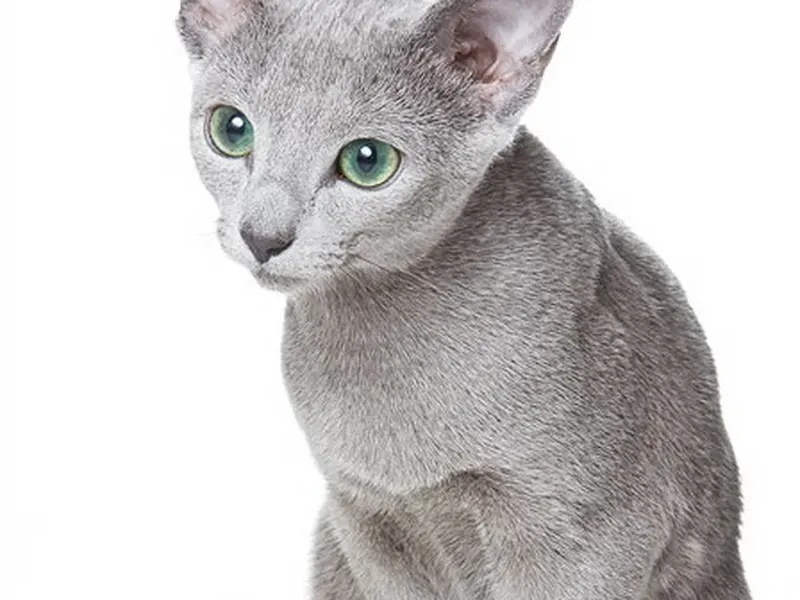
What is a gray cat?
When people say gray cat, breeders say blue. The term has been used in the cat fancy since the earliest shows in the late 1800s, and it describes the cool, slightly bluish tone of the coat. Shades range from a pale, soft dove gray to a deep slate.
A solid gray cat has even color from root to tip. Gray can also combine with other patterns, giving blue tabbies, blue tuxedos, blue smokes and dilute calicos.
Gray cats usually have slate or blue-gray nose leather and paw pads to match the coat. Eye color varies by breed and individual, from green and hazel to gold and copper.
How gray happens: the dilution gene
Gray starts as black. Cat hair contains pigment granules, and in a black cat they are packed densely and evenly along each hair. The recessive dilution gene, written d, changes how those granules are deposited. They clump together with gaps in between, so the hair absorbs less light and looks gray instead of black.
Because the gene is recessive, a cat must inherit one copy from each parent to look gray. Two black parents that both carry the gene can produce gray kittens. Two gray parents will usually only produce dilute kittens, since neither has a full-strength copy to pass on.
Dilution works on every color. It turns orange into cream, chocolate into lilac and cinnamon into fawn. A calico with two copies becomes a dilute calico in gray, cream and white.
Gray is not sex-linked. Unlike orange, which sits on the X chromosome, the dilution gene is inherited the same way in males and females, so gray cats are just as likely to be male as female.
Gray vs silver
Gray and silver are easy to confuse, but they come from different genes.
- Blue (gray): the dilution gene lightens the pigment along the whole hair. The coat is gray right down to the skin.
- Silver: the dominant inhibitor gene, I, stops pigment forming at the base of the hair, leaving it white. A silver tabby has black markings on a pale, almost white ground, and a smoke looks solid until the fur parts.
The two can combine. A blue silver tabby has gray markings on a pale silver ground. The Russian Blue and Korat have silver-tipped hairs, but these come from light hair tips rather than the inhibitor gene, and both are genetically blue.
Breeds known for gray coats
Several breeds are gray by definition or by reputation:
- Russian Blue: short, dense double coat with silver tips that give a shimmer, vivid green eyes, slender build and a wedge-shaped head. Only blue is accepted in most registries.
- Chartreux: a French breed with a woolly, water-resistant coat, copper to orange eyes, a sturdy body on fine legs and a gently smiling expression. Always blue.
- Korat: from Thailand, with a silver-tipped blue coat, a heart-shaped face and large green eyes. Traditionally seen as a good luck cat and always blue.
- Nebelung: developed in the US in the 1980s, essentially a semi-longhaired cat of Russian Blue type, with silver-tipped blue fur and green eyes. The name means creature of the mist in German.
- British Shorthair: comes in many colors, but the blue, often called the British Blue, is by far the best known. It has a round face, plush coat and copper eyes.
Gray is also common in the British Longhair, Persian, Exotic Shorthair, Scottish Fold, Burmese, Oriental Shorthair and Devon Rex.
How to tell gray breeds apart
At a glance a gray cat could be several breeds, but a few features help:
- Eye color: green eyes point to the Russian Blue, Korat or Nebelung. Copper or orange eyes suggest the Chartreux or British Shorthair.
- Coat length: a semi-long, flowing gray coat with green eyes is typical of the Nebelung.
- Body and head: the Russian Blue is slim and elegant, the Korat compact with a heart-shaped face, the Chartreux robust on surprisingly thin legs and the British Shorthair round and cobby.
- Coat texture: the Chartreux coat is woolly and parts like sheepskin, the British coat is dense and plush, and the Russian Blue coat is fine and stands out from the body.
Most gray cats you meet are not any of these breeds but mixed-breed domestic cats. Without pedigree papers or a DNA breed test, a gray cat with green eyes is still most likely a domestic shorthair.
Two quick checks help with everyday gray cats too. If you see stripes, rings on the tail or an "M" on the forehead in good light, the cat is a blue tabby rather than a solid blue. If the base of the fur is much paler than the tips when you part it, the cat may be a blue smoke or carry the silver gene rather than being a plain blue.
Gray kittens and changing shades
Gray kittens are often born with faint tabby ghost markings, which usually fade as the coat matures, just as they do in black kittens. Kittens of breeds such as the Russian Blue and Korat may also have amber or yellowish eyes that gradually turn green over the first year or more.
The shade of gray can shift slightly with age, season and coat condition. Heavy winter coats and sun exposure can make the color look warmer or browner for a while.
Personality: myth vs fact
Gray cats are often described as calm, gentle or reserved. There is no evidence that the dilution gene affects behavior. The reputation probably comes partly from breeds such as the Chartreux and British Shorthair, which are generally described as easygoing, and partly from what people expect.
Breed descriptions add to the picture. The Russian Blue is often described as reserved with strangers but devoted to its people, the Korat as people-focused and the Nebelung as shy at first. These are general breed tendencies reported by breeders and owners, and they apply to those breeds whether or not a given gray cat belongs to them.
A gray cat's temperament comes from its breed, early handling and individual personality, not its color.
Health and adopting a gray cat
Solid gray is not linked to any known health problems in cats. Coat care depends on the breed. Dense double coats, like those of the Russian Blue and Chartreux, shed seasonally and benefit from extra brushing during molts. Gray fur shows up less on light furniture than black fur but more than white, so a weekly brush keeps shedding manageable.
Gray cats with silver tipping can look different under different light. Daylight brings out the shimmer, while indoor lighting can make the same coat look flatter and darker, so photos are not always a reliable guide.
If you love the look, check your local shelter: gray domestic shorthairs and longhairs are common. If you want a specific breed, compare eye color, coat and build, and ask breeders for registration papers.
Cat Breeds That Come in Gray
Russian BlueMedium · 7–15 lb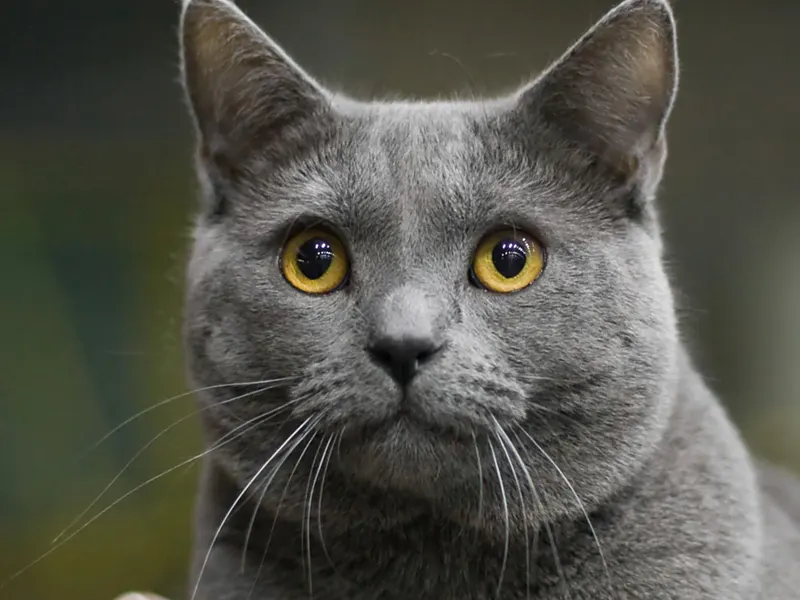 ChartreuxLarge · 6–16 lb
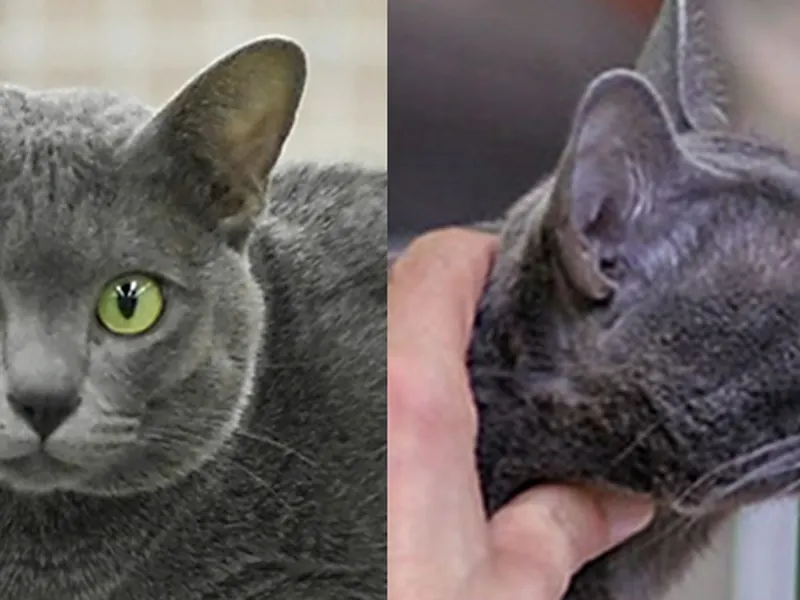 KoratSmall · 6–10 lb
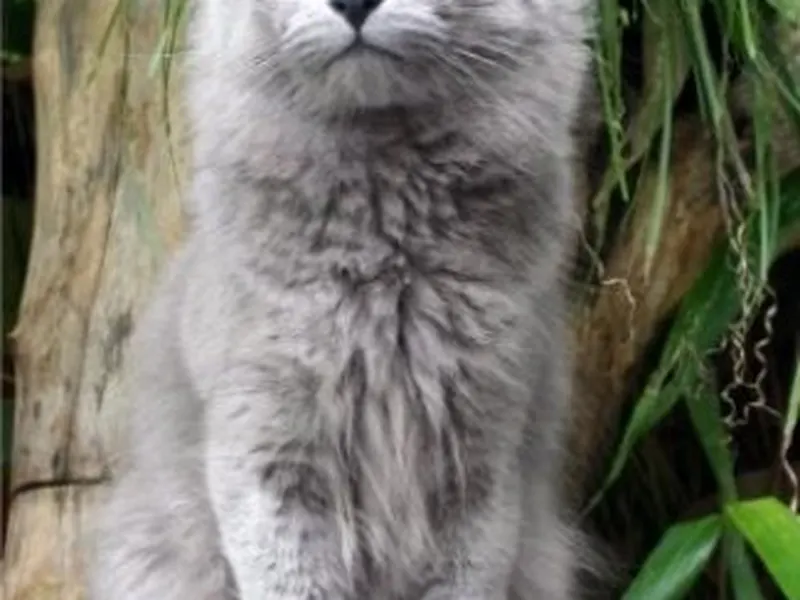 NebelungLarge · 7–16 lb
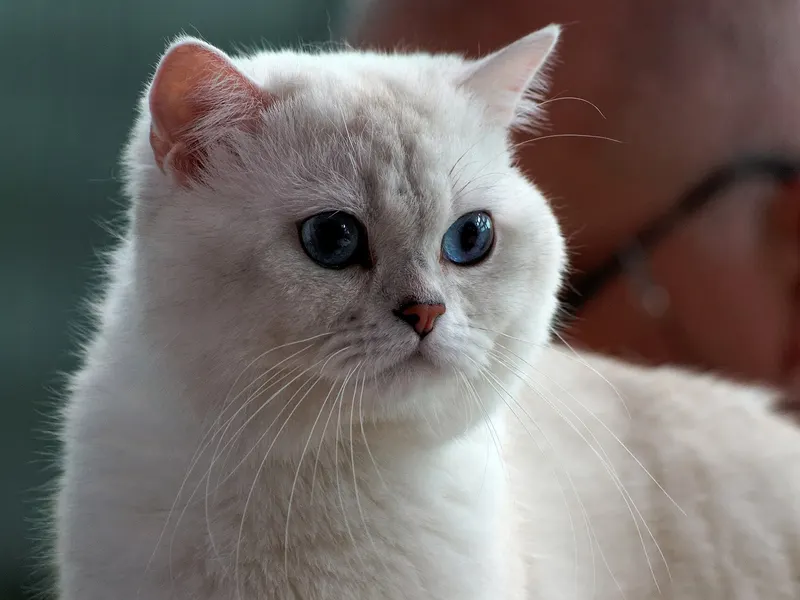 British ShorthairLarge · 7–17 lb
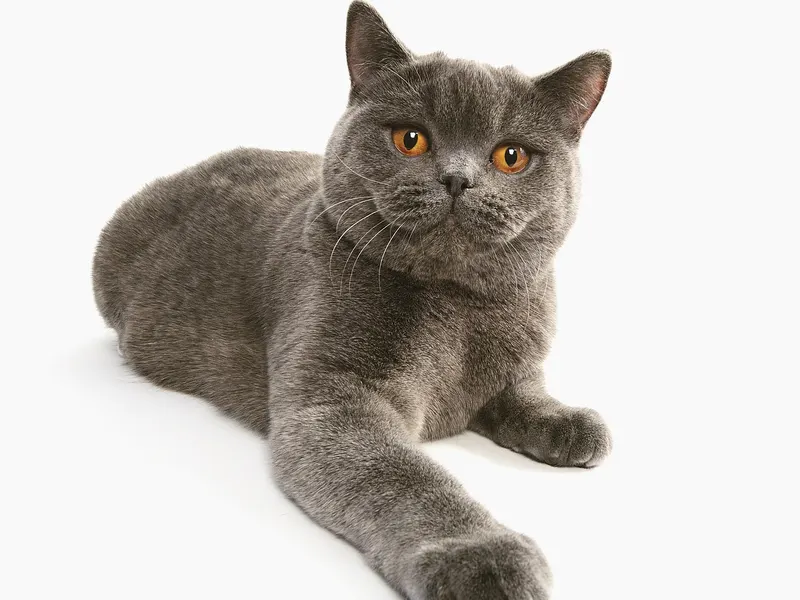 British LonghairLarge · 8–17 lb
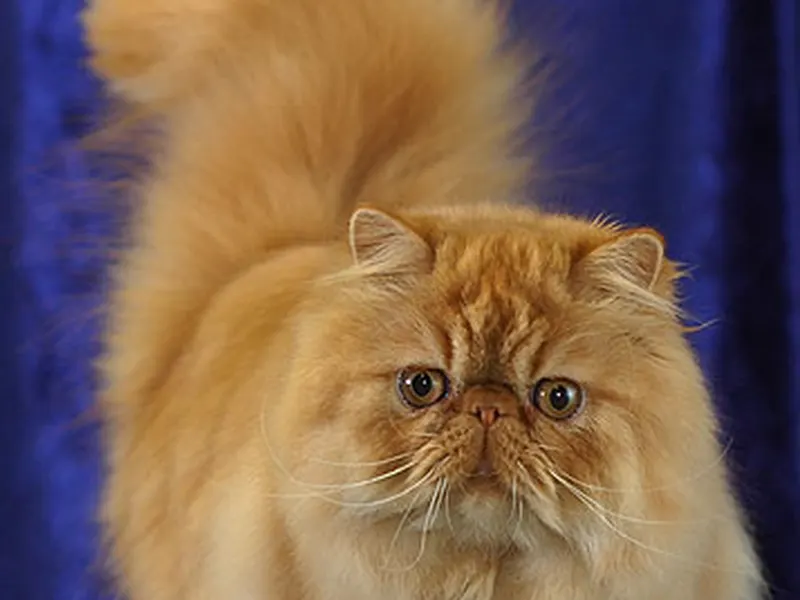 PersianMedium · 7–12 lb
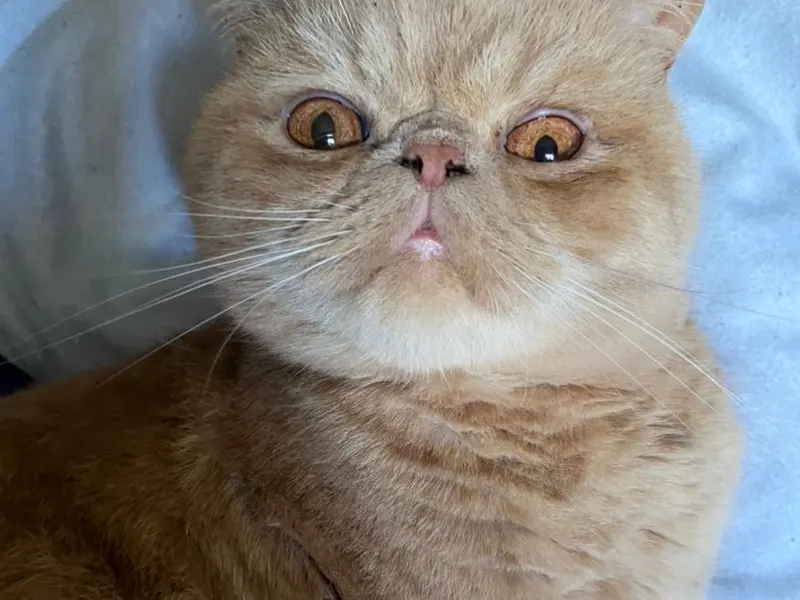 Exotic ShorthairMedium · 7–14 lb
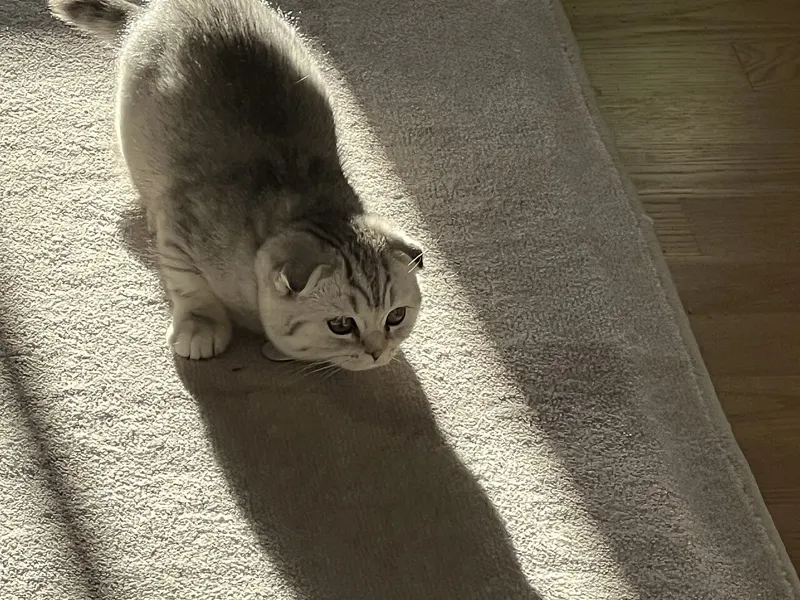 Scottish FoldMedium · 6–13 lb
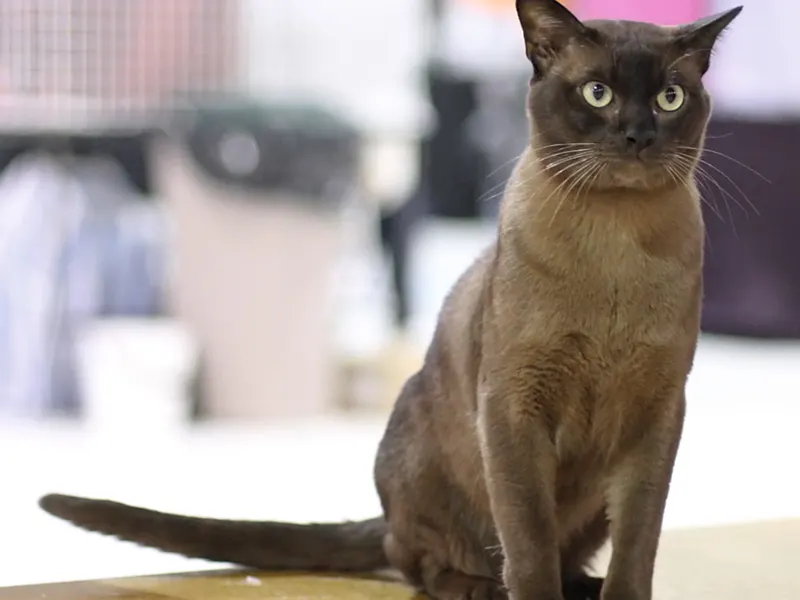 BurmeseMedium · 6–12 lb
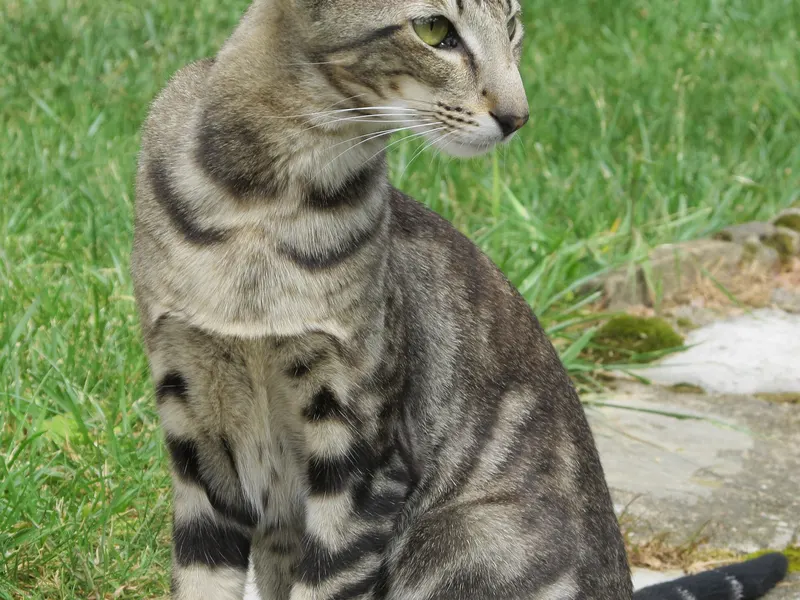 Oriental ShorthairSmall · 5–10 lb
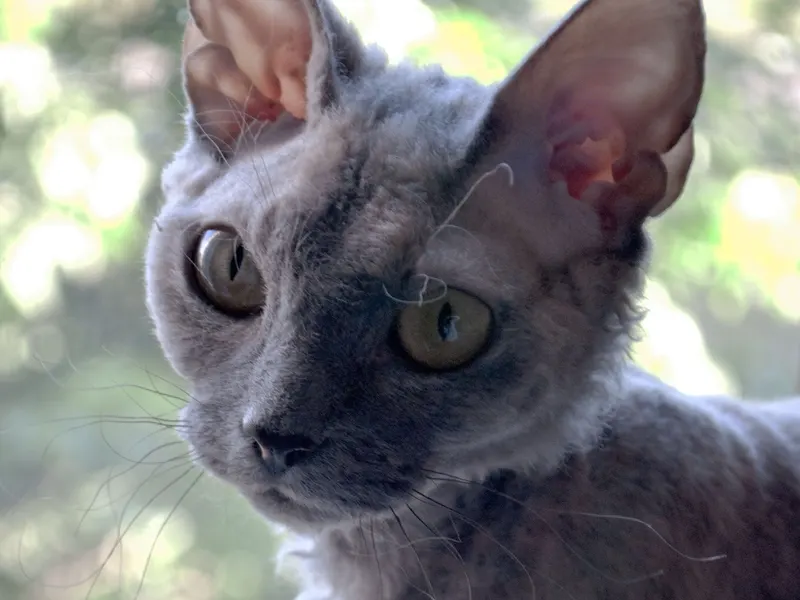 Devon RexSmall · 5–10 lb
Frequently Asked Questions
Why are gray cats called blue?
Blue is the traditional cat fancy term for gray, used since early cat shows to describe the cool tone of the coat. Breed standards still list the color as blue.
What breed is my gray cat?
Most gray cats are mixed-breed domestic shorthairs or longhairs. Green eyes may suggest Russian Blue ancestry and copper eyes British Shorthair or Chartreux, but only papers or a DNA test can confirm a breed.
What is the difference between a Russian Blue and a Chartreux?
The Russian Blue is slim with green eyes and a fine, silver-tipped coat. The Chartreux is sturdier with copper to orange eyes and a woolly coat.
Can two black cats have a gray kitten?
Yes, if both parents carry one hidden copy of the recessive dilution gene. A kitten that inherits a copy from each parent will be gray.
Is gray the same as silver in cats?
No. Gray (blue) comes from the dilution gene lightening the whole hair. Silver comes from the inhibitor gene, which leaves the base of each hair white.
Are gray cats rare?
No. Gray is a common color in mixed-breed cats and is accepted in many breeds. It is less common than black only because it needs two copies of a recessive gene.
More About Cat Colors and Patterns
Looking for the right cat?
Answer 10 quick questions and get cat breeds ranked for your home, routine and family.