ChartreuxFrance's sturdy, smiling blue cat
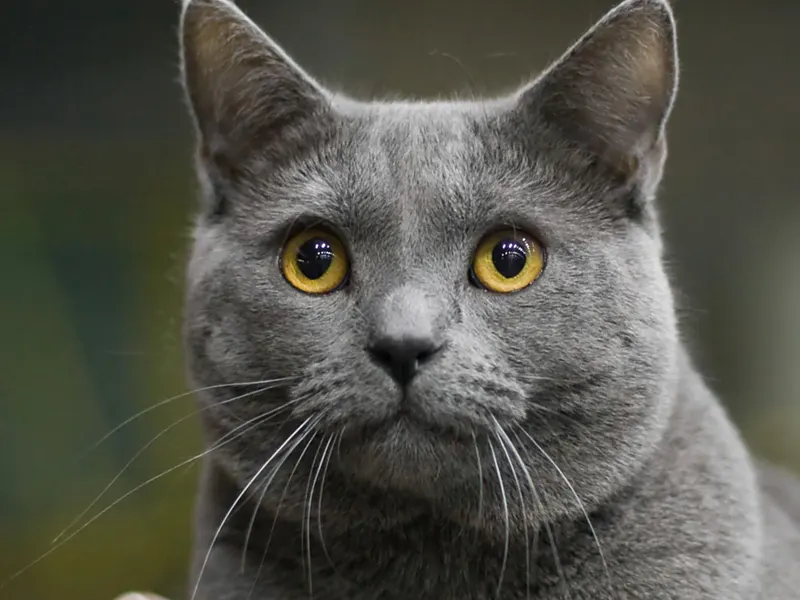
The Chartreux is a robust, blue-gray French cat with a woolly coat, copper to orange eyes and a slightly smiling expression. It is calm, quiet and devoted, an excellent fit for people who want a steady companion that does not demand constant attention.
Why people love the Chartreux
- Gentle, patient and observant
- Famously quiet voice
- Adapts well to routines and time alone
- Settles well in multi-pet homes
- Generally healthy, natural breed
Things to consider
- Heavy seasonal shedding
- Prone to weight gain
- Slow to mature
- Rare in the US
- Not ideal for allergy sufferers
Is this breed right for you?
10 questions · live resultHistory and Origin
Blue cats have been known in France for centuries, and the naturalist Buffon described a "cat of Chartreux" in the 18th century. A popular legend links the breed to Carthusian monks at the Grande Chartreuse monastery, but there is no firm evidence for this.
Organized breeding began in the 1920s, when the Léger sisters found a population of blue cats on Belle-Île off the coast of Brittany and started a breeding program. After the Second World War the breed was rebuilt with help from other blue cats, including British Blues, and for a time European registries merged the two. The first Chartreux reached the US in 1970, and CFA recognized the breed in 1987. TICA and FIFe recognize it as well.
Coat, Color and Build
The Chartreux is a medium to large, robust cat weighing about 6 to 16 lb. It has a solid, muscular body on relatively fine legs, a description often summarized as a potato on toothpicks. The head is rounded and broad, with full cheeks, a narrow muzzle and a sweet, smiling expression. The eyes are round and range from copper to gold.
The coat is medium-short, dense and slightly woolly, with a water-resistant texture that may break like sheepskin at the neck and flanks. It is softer in females and kittens and more woolly in mature males.
The only accepted color is blue-gray, from ash to slate, often with silver tipping. Males are considerably larger and more massive than females, with heavier jowls. Chartreux mature slowly, often taking several years to reach full size and coat.
Personality and Temperament
Chartreux are gentle, patient and observant. They often attach to one person but are friendly with the whole household. Their voice is famously quiet, mostly small chirps and trills, and some rarely meow at all.
- Tolerant with children who handle them kindly
- Usually calm with cat-friendly dogs
- Adapt well to routines and cope with time alone
- Often sleep a lot, but are skilled hunters when a toy moves
Chartreux are known for watching before acting. They tend to observe new people and situations quietly, then join in calmly. Many are excellent at learning their name and simple cues, and they usually settle well in multi-pet homes because they avoid conflict.
Are Chartreux Cats Good for First-Time Owners?
Yes, the Chartreux is a good choice for first-time cat owners who want a calm, low-key companion.
It is gentle, adaptable and copes well with routines and time alone. Grooming is simple most of the year, with more brushing during seasonal shedding. The main things to manage are weight, since the breed is relaxed and solidly built, and the rarity of the breed in the US, which means you may need to wait for a kitten.
Choosing a breeder who checks kneecaps helps avoid one of the few health issues reported in the breed.
Are Chartreux Cats Good with Kids?
Yes, Chartreux are tolerant with children who handle them kindly.
They are patient and calm, which suits family homes with considerate children. Teach children to approach the cat gently, use wand toys for play and respect the cat's need for rest. Chartreux may observe new people before joining in, so patience helps.
They often enjoy quiet games and may follow a favorite child around the house. Avoid letting young children carry or squeeze a heavy adult cat, and give the cat a high perch where it can watch family activity from a safe distance.
Can Chartreux Cats Live with Dogs?
Yes, Chartreux are usually calm with cat-friendly dogs.
They tend to avoid conflict and adapt well to multi-pet homes. Introduce the cat and dog gradually, with separated spaces and scent swapping, and give the cat high perches and escape routes. A calm, respectful dog that does not chase is the best match.
Many Chartreux play gently with dogs they know and may even enjoy fetch together. Keep the cat's food and litter box away from the dog, and supervise early meetings until both pets are relaxed.
Activity, Play and Enrichment
Energy is low to moderate. Chartreux enjoy short bursts of play, especially toys they can chase and pounce on, then settle down for long naps. Many learn to fetch and come when called.
Provide a sturdy scratching post, a window perch and a couple of daily play sessions. Because they are relaxed and solidly built, weight control matters.
Grooming and Shedding
The coat is medium-short, dense and slightly woolly, with a water-resistant texture. Brush weekly with a soft brush or comb. During seasonal shedding, often in spring, the undercoat comes out heavily, so brush several times a week then.
Feeding and Nutrition
Chartreux are relaxed, solidly built cats that gain weight easily, especially indoors. Measure meals carefully and avoid free-feeding. Feel for the ribs and waist regularly, since the dense coat can hide weight gain.
- Feed kittens three or four small meals a day and adults two or three measured meals.
- Use puzzle feeders and play sessions before meals to encourage activity.
- Count treats in the daily ration.
Chartreux mature slowly, often taking several years to reach full size. Adjust portions to body condition rather than age, as a slow-growing adult can easily become overweight. Encourage water intake with fresh water and, if your vet agrees, some wet food. Regular vet checks help catch kidney and dental problems as the cat ages.
Brushing during the seasonal shed reduces hairballs, which can matter for a cat with such a dense undercoat.
| Adult weight | Indoor, less active | Typical adult | Active or intact |
|---|---|---|---|
| 6 lb | 150 kcal | 180 kcal | 210 kcal |
| 11 lb | 230 kcal | 280 kcal | 330 kcal |
| 16 lb | 310 kcal | 370 kcal | 430 kcal |
Estimates use the resting energy formula veterinarians work with (70 × body weight in kg0.75) and standard activity factors. Use the feeding guide on your food as a starting point and adjust to body condition. Kittens, seniors, pregnant animals and pets that need to lose weight have different needs, so ask your vet.
Health and Lifespan
The Chartreux is generally a healthy, natural breed, and most live 12 to 15 years or more. Reported concerns are limited:
- Patellar luxation (slipping kneecaps) is the most commonly mentioned issue
- Obesity in less active cats
- Standard dental and kidney checks as they age
Choose a breeder who can describe the health of related cats and has had kneecaps checked.
Chartreux mature slowly, often taking several years to reach full size and coat. Adjust food portions to body condition rather than age, as a slow-growing adult can easily become overweight.
Chartreux Price and Cost of Ownership
Typical breeder price in the US$1,500 to $2,500
A Chartreux kitten from a reputable US breeder typically costs about $1,500 to $2,500. Prices vary by breeder, region and lines. The breed is rare in the US, so expect waiting lists.
Adoption is rarely possible for this breed, though breed clubs sometimes help rehome adult cats.
Breed-specific ongoing costs are modest. The coat needs no professional grooming. Budget for routine vet care, dental cleanings and possible treatment of patellar luxation. Insurance that covers inherited conditions is worth comparing while the cat is young.
Brushing tools for the heavy seasonal shed are a small extra cost. Because few breeders exist in North America, some buyers pay to travel or import a kitten from Europe.
Is the Chartreux Right for You?
A Chartreux suits quiet homes, apartments, working adults and families with considerate children. It is a good choice if you want a loyal cat with a low-key personality.
It is less suited to people seeking a talkative or highly energetic cat, and its shedding makes it a poor pick for allergy sufferers. The breed is rare in the US; pet-quality kittens typically cost about $1,500 to $2,500, varying by breeder and region.
Chartreux Traits at a Glance
Chartreux FAQ
What is the difference between a Chartreux, a Russian Blue and a British Shorthair?
All three are blue-gray. The Chartreux has a woolly coat, copper eyes and a robust body on fine legs; the Russian Blue is slender with green eyes; the British Shorthair is round and cobby with a plush coat.
Are Chartreux cats quiet?
Yes. They are one of the quietest breeds, communicating mostly with chirps and trills.
How big do Chartreux cats get?
They weigh about 6 to 16 lb (3 to 7 kg), and males are much larger than females. They can take 3 to 5 years to mature fully.
Do Chartreux cats shed?
Yes, moderately, with heavy seasonal shedding of the undercoat.
How long do Chartreux cats live?
Usually 12 to 15 years or more.