Low-Maintenance Cat BreedsEasy-care cats for busy lives
Breeds on this list combine an easy coat, a generally robust constitution and a temperament that copes well with a normal working schedule. This page helps busy people and first-time owners find a cat that does not need daily grooming or constant attention.
Top 10 Low-Maintenance Cat Breeds
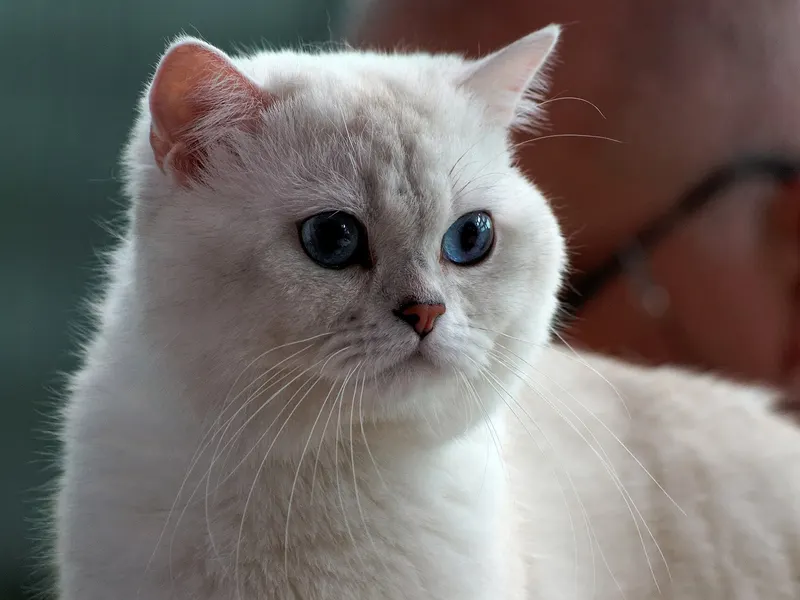
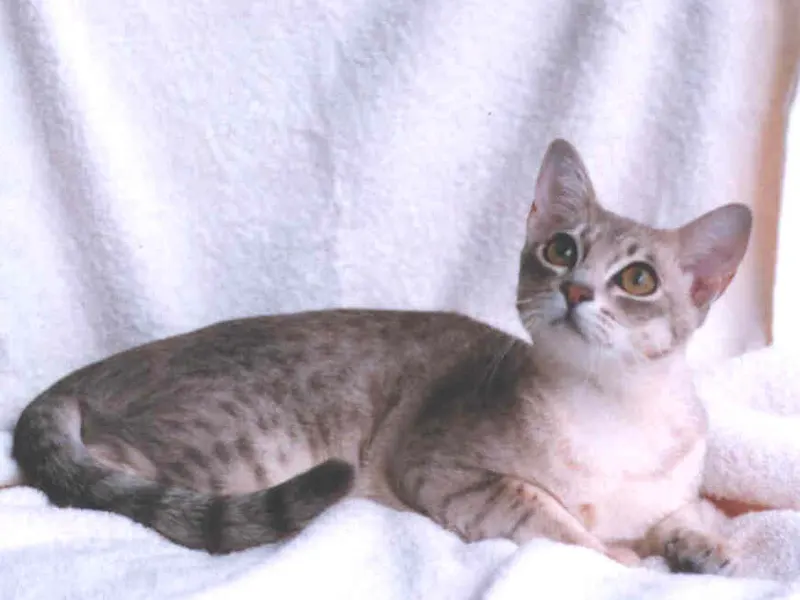
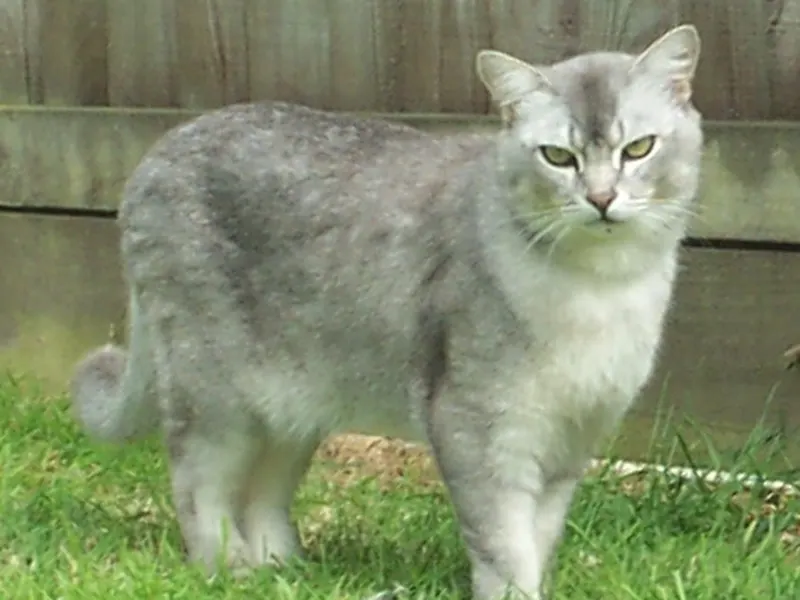
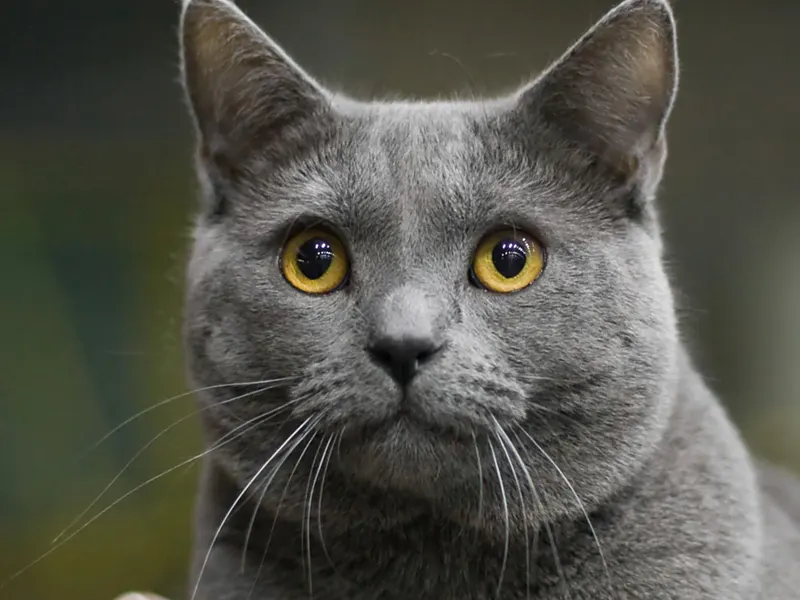
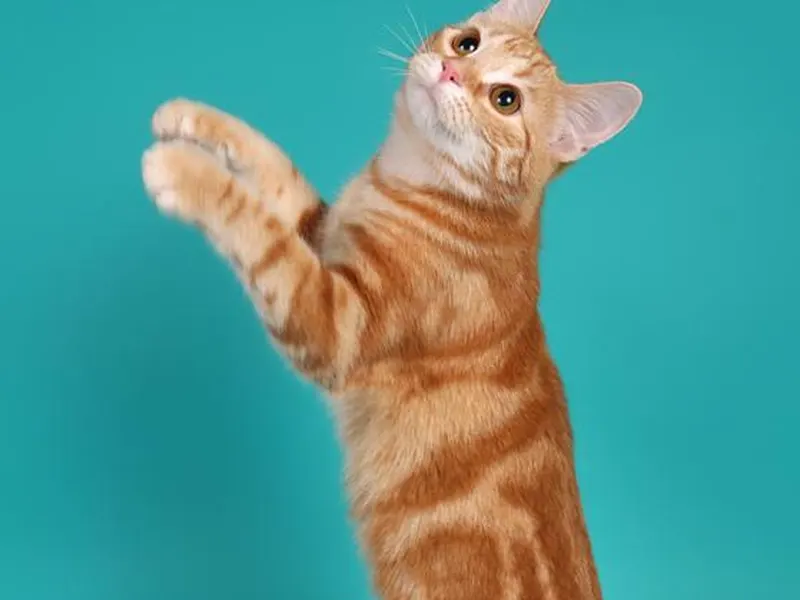
A dense short coat, calm temperament and comfort with its own company make this breed very easy to live with.
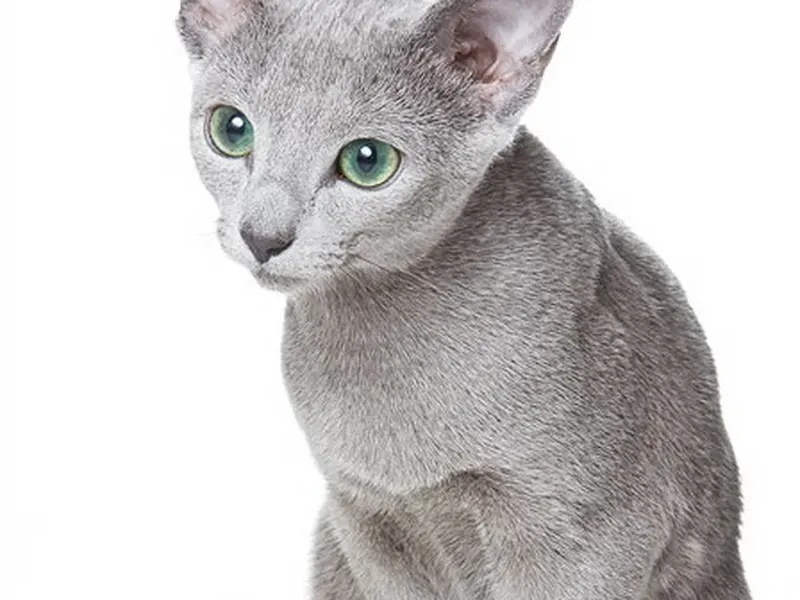
Its short double coat needs only a weekly brush, and it is quiet, tidy and content with routine.
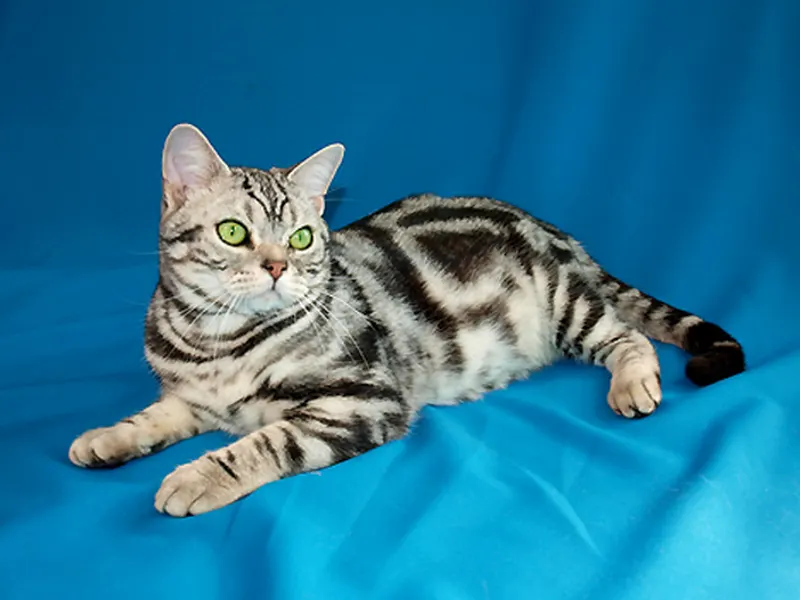
A sturdy former working cat with an easy coat, adaptable nature and generally robust health.
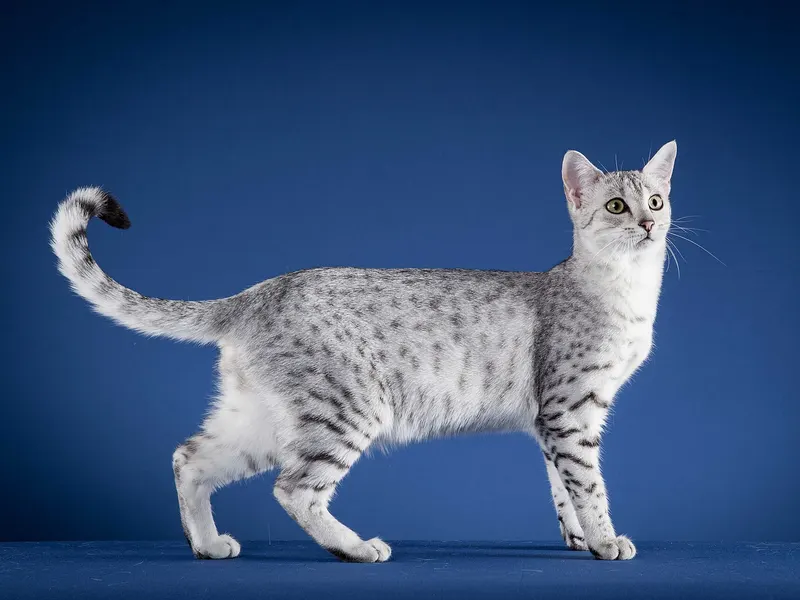
A short, fine coat that needs little care, though this fast, athletic cat enjoys regular play.
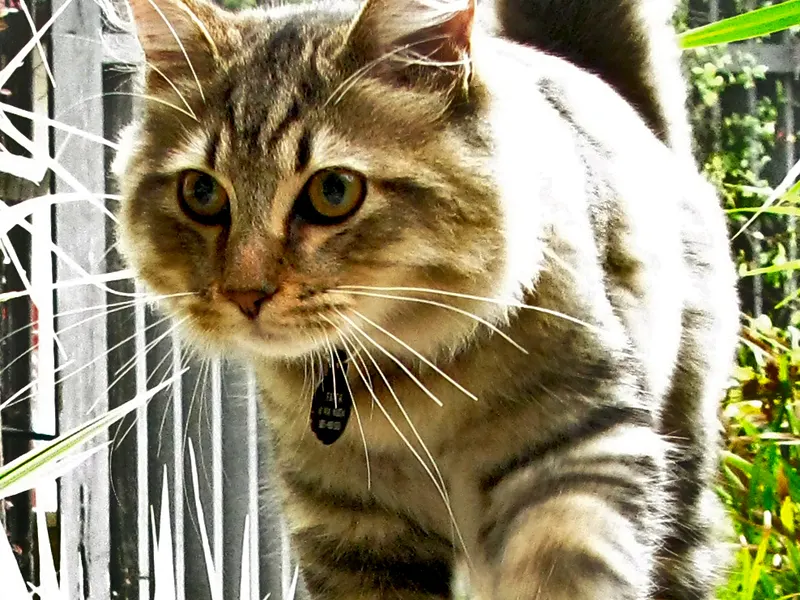
An easygoing, adaptable cat with a short-to-medium coat and a relaxed attitude to travel and change.
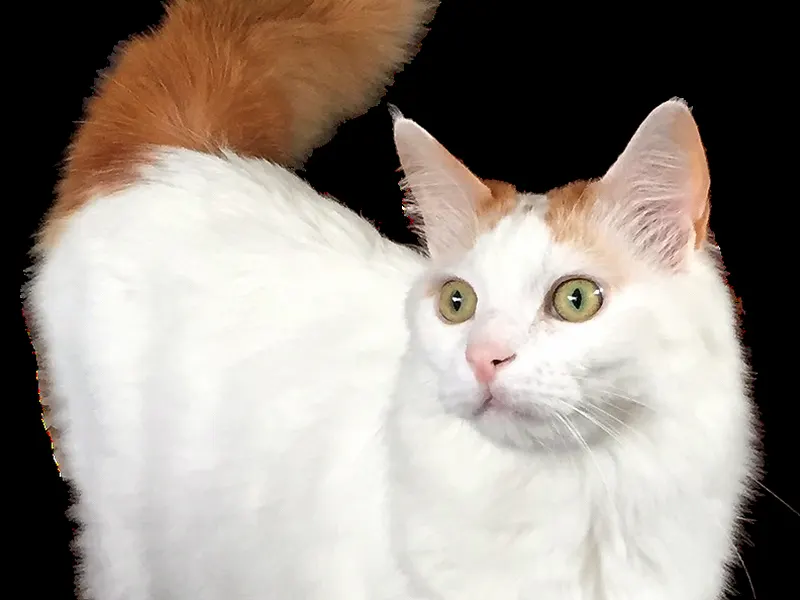
Its semi-long coat lacks a woolly undercoat, so it rarely mats, though this cat is energetic and playful.
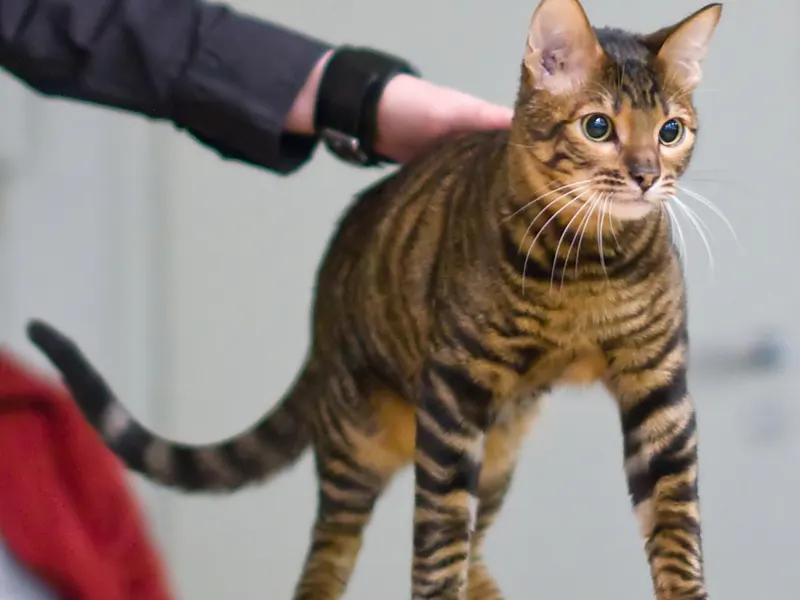
Tiger-striped and short-coated, the Toyger is friendly, adaptable and needs only basic grooming.
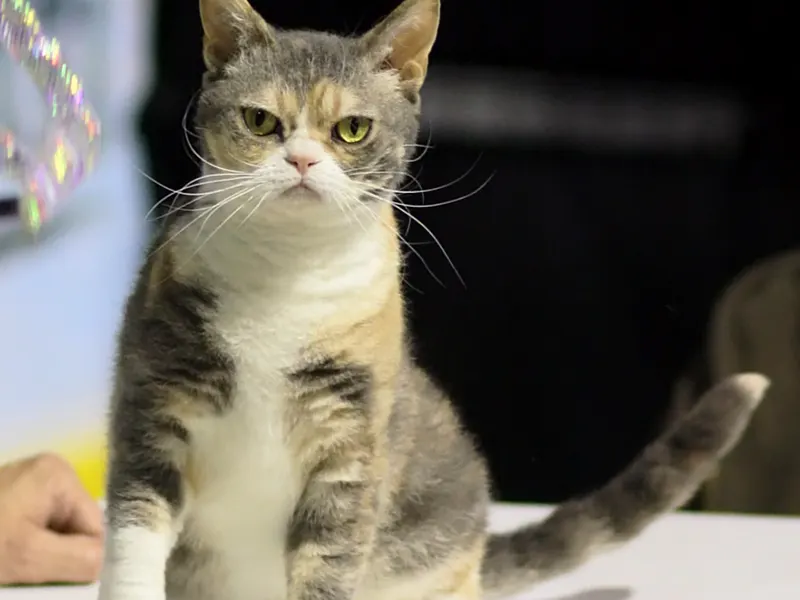
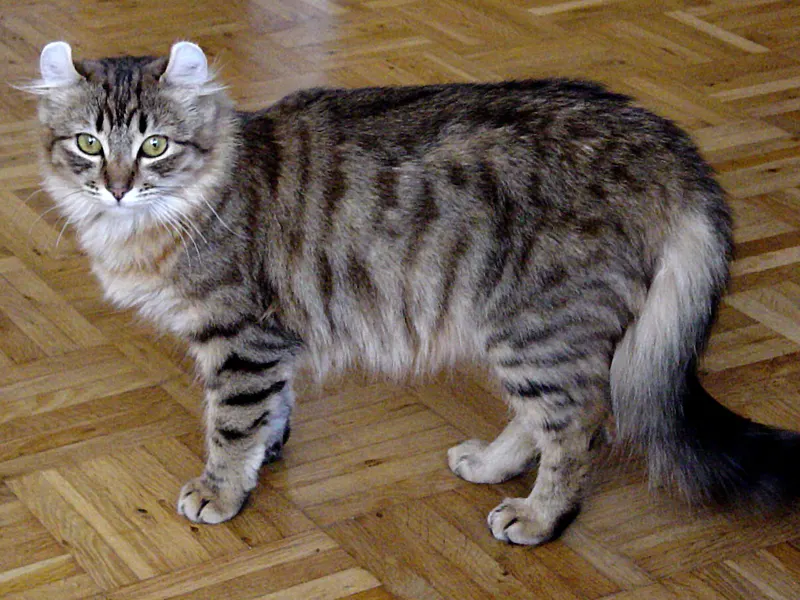
A crimped, springy coat that needs little brushing on a calm, sturdy and easygoing cat.
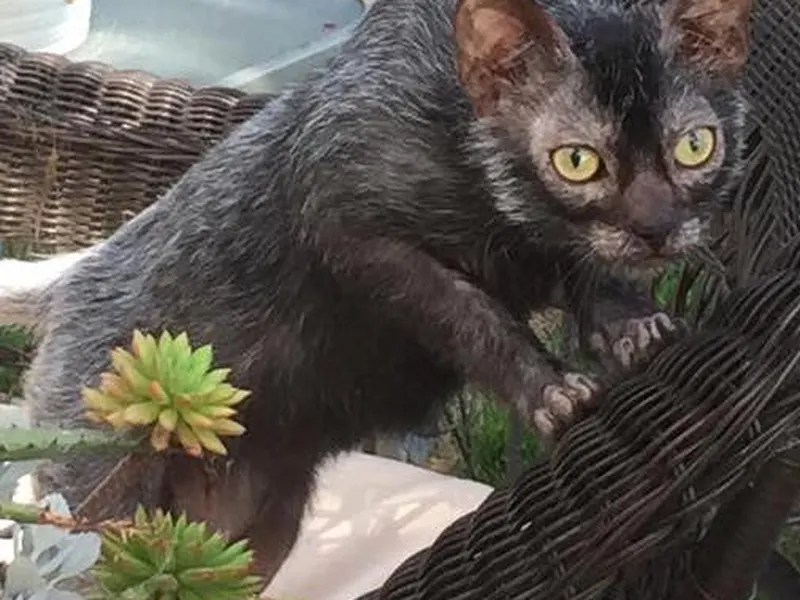
Its sparse coat needs little brushing, though it can molt heavily and its exposed skin benefits from occasional checks.
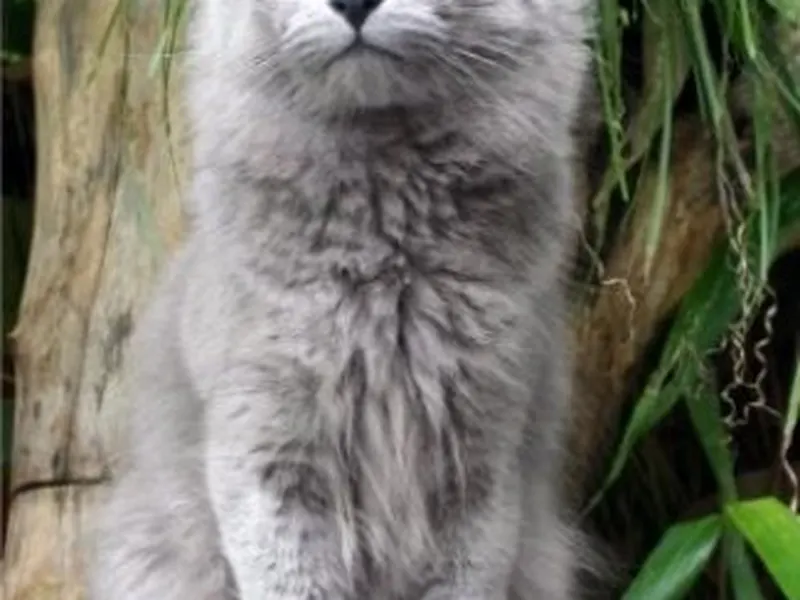
A silky blue coat that resists matting and a gentle, quiet nature suited to calm households.
All Low-Maintenance Cat Breeds A to Z
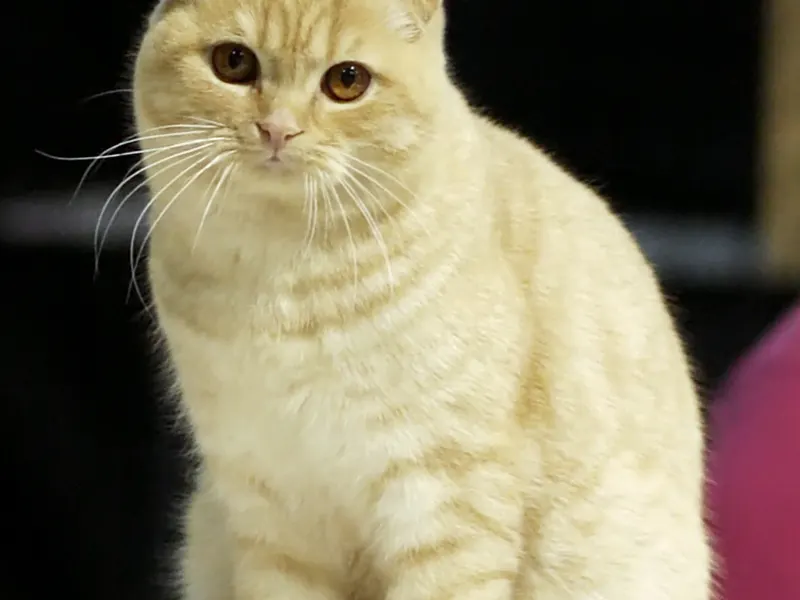
What low maintenance really means
Every cat needs daily feeding, fresh water, a clean litter box, play and yearly vet care. Low maintenance means a breed adds little on top of that. We look at three things:
- Coat: short or non-matting coats that need a brush once a week or less, like the British Shorthair, Russian Blue and Chartreux.
- Health: breeds without major built-in issues such as flat faces or folded ears, and with fewer commonly reported inherited problems.
- Temperament: cats that cope with time alone and do not demand constant interaction.
Low maintenance is not no maintenance
An independent cat still needs company and play. A cat left alone for very long days can become bored, overweight or stressed. If you work long hours, consider an adult cat with a settled personality, or two cats that get along.
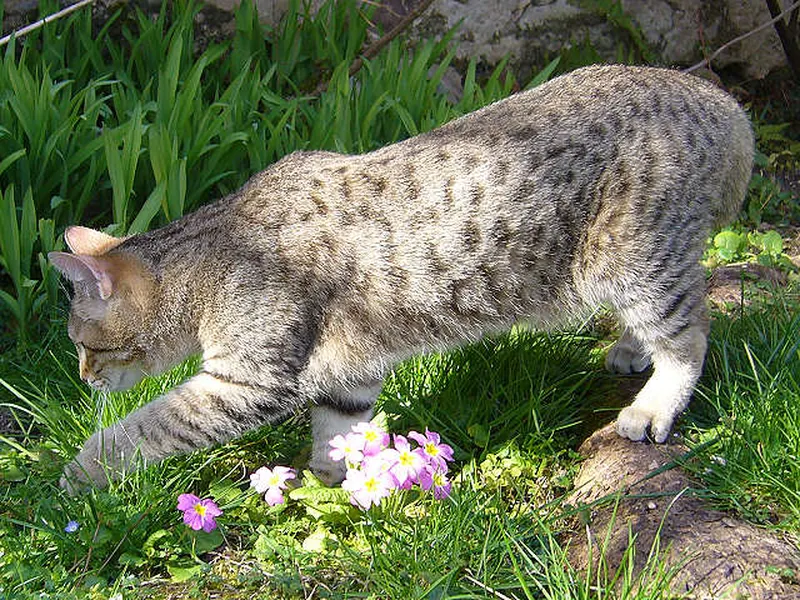
Some breeds here are easy to groom but active. The Egyptian Mau, Turkish Van and Toyger need daily play and climbing space. If you want both easy care and a calm temperament, look first at the British Shorthair, Russian Blue, Chartreux and American Shorthair.
How to choose an easy-care breed
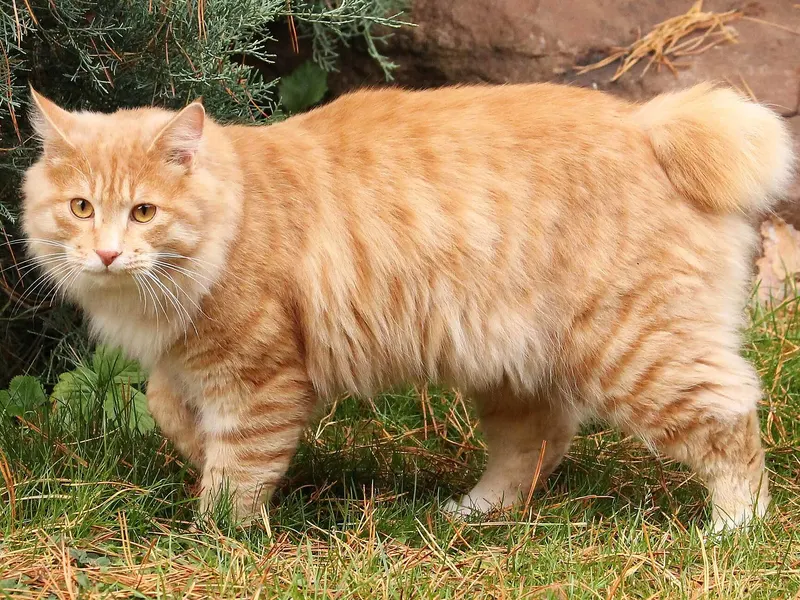
Decide which kind of effort you most want to avoid. If it is grooming, focus on short, dense or non-matting coats: the British Shorthair, Russian Blue, American Shorthair, European Shorthair and Chartreux are all simple. If it is vet bills, favor natural breeds with broad gene pools, such as the American Shorthair, European Shorthair, Arabian Mau and Kurilian Bobtail, and choose breeders who health test.
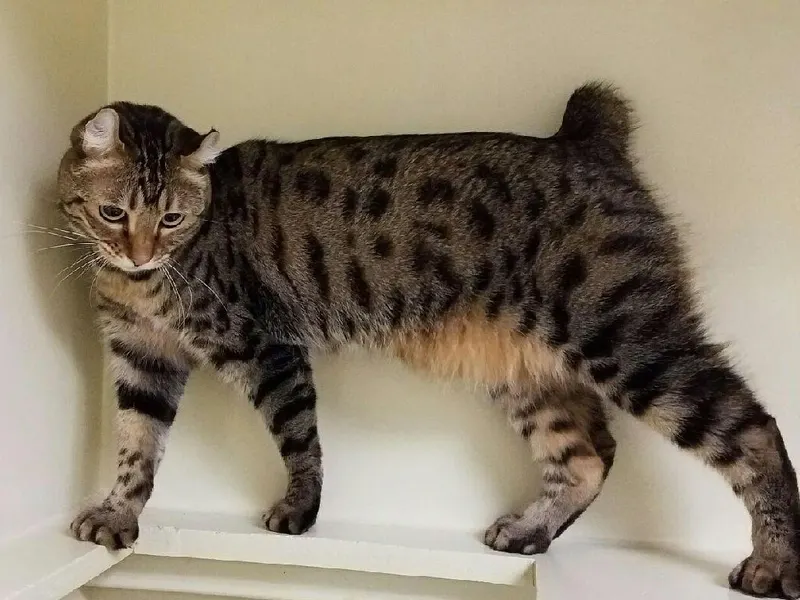
If it is attention, pick a breed that is affectionate but not clingy. The Nebelung, Russian Blue and British Shorthair tend to be devoted to their people without following them from room to room. The Highlander and Pixiebob are easy to groom but larger and playful, so they suit owners who still want an active companion. Before you commit, ask breeders how their cats handle time alone, travel and visitors.
Simple routines that save time
- Use a large, uncovered litter box and scoop daily. It takes a minute and prevents most litter problems.
- Set up a feeding routine with measured portions, which helps prevent weight gain in relaxed breeds.
- Trim nails every few weeks and provide good scratching posts.
- Brush teeth if your cat accepts it, or ask your vet about dental care, since dental disease is common in all cats.
- Keep up with yearly checkups so small problems are caught early.
Breeds that look easy but are not
Hairless cats skip brushing but need regular baths and ear cleaning. Flat-faced breeds may need daily eye cleaning. Long-coated Persians need daily grooming. Very social breeds like the Siamese and Burmese are easy to groom but dislike being alone.
Mixed-breed domestic shorthairs are often the lowest-maintenance cats of all: short coats, a broad gene pool and plenty of adults waiting in shelters with known personalities.
Frequently Asked Questions
What is the most low-maintenance cat breed?
The British Shorthair, Russian Blue and American Shorthair are often named as the easiest, thanks to short coats, calm temperaments and generally sturdy health.
Are low-maintenance cats good for people who work full time?
Yes, independent breeds cope better with working hours, but they still need daily play and attention. Two cats can keep each other company.
Do short-haired cats need grooming?
Very little. A weekly brush removes loose hair and lets you check the skin. Brush more often during seasonal shedding.
Are hairless cats low maintenance?
No. They need regular baths, ear cleaning and protection from cold and sun, which makes them more work than most short-coated breeds.
Is a mixed-breed cat low maintenance?
Often yes. Domestic shorthairs usually have easy coats and a broad gene pool, and shelters can match you with an adult whose personality is known.
Not sure which cat breed fits you?
Answer 10 quick questions and get cat breeds ranked for your home, schedule and family.