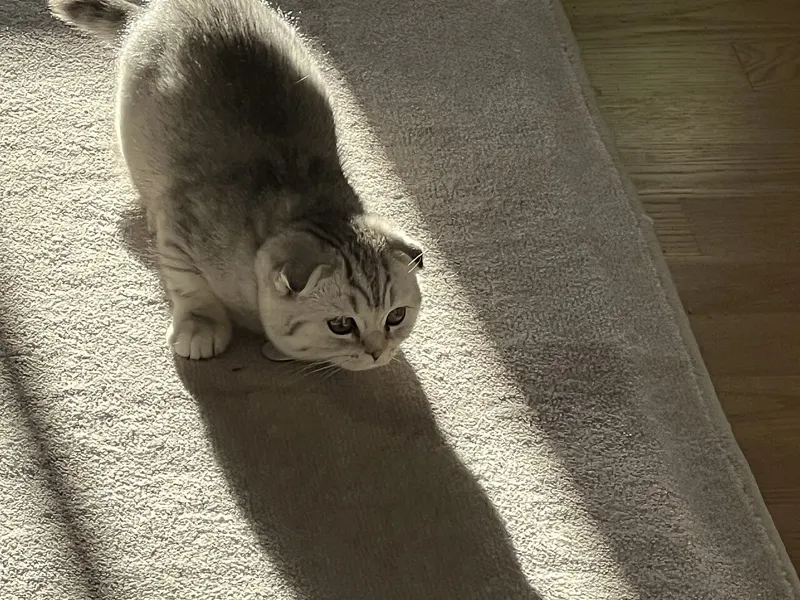
NebelungA shy, silver-blue semi-longhair
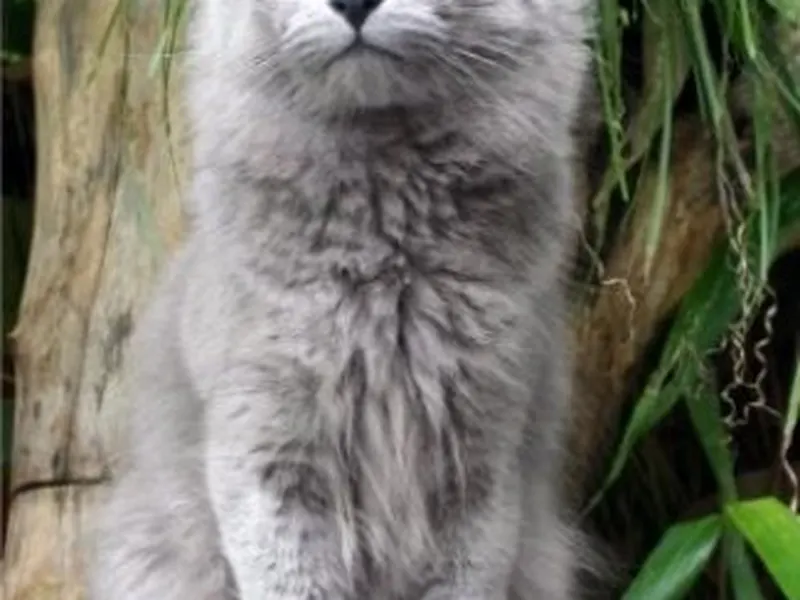
<p>The Nebelung is a graceful, semi-longhaired cat with a solid blue-gray coat tipped in silver and green eyes. It is devoted and gentle with its own family but notably reserved with strangers. It suits quiet, stable homes and owners who value a deep bond over an outgoing party cat.</p>
Why people love the Nebelung
- Devoted and loyal once it trusts you
- Beautiful silver-tipped blue coat and green eyes
- Soft-voiced and fairly quiet
- Adapts well to indoor life
- Generally healthy with a long lifespan
Things to consider
- Shy and reserved with strangers
- Needs time and patience to settle in a new home
- Dislikes noisy, busy households and frequent changes
- Rare, so waitlists are common
- Food-motivated and prone to weight gain
Is this breed right for you?
10 questions · live resultHistory and Origin
The Nebelung was developed in Denver, Colorado, by Cora Cobb in the 1980s. In 1984 a litter from her son's black shorthaired cat included a longhaired blue male, whom she named Siegfried. A blue longhaired female, Brunhilde, followed from a later litter. Cobb bred the two together and aimed for a cat with the type of the Russian Blue but a longer, flowing coat.
Cobb drew the names from the German epic the Nibelungenlied, and the breed name comes from the German word "Nebel," meaning mist or fog, which suits the silvery coat. The standard was based closely on the Russian Blue standard except for coat length, and Russian Blues were used as an outcross. TICA accepted the breed in 1987. It is still rare and not recognized by CFA.
Size, Coat and Color
The Nebelung is a medium-to-large, long-bodied cat with a graceful, muscular build and fine bones. Adults weigh about 7 to 16 lb. Males are noticeably larger and heavier, often at the upper end of the range, while females are smaller and more delicate.
The coat is semi-long, fine and silky, with a water-resistant topcoat and soft undercoat. It is longer on the tail and forms a ruff around the neck and britches on the hind legs, especially in winter. Males usually carry a fuller ruff than females.
Only one color is accepted:
- Solid blue, ideally with silver tipping on the guard hairs that gives the coat a misty sheen
White markings or tabby patterns are not allowed.
The eyes are green, though kittens are born with blue eyes that change to yellow and then gradually to green, a process that can take up to two years. The head is a modified wedge with large, pointed ears. Full coat development can also take up to two years.
Personality and Temperament
Nebelungs are affectionate and loyal once they trust you, often attaching most strongly to one or two people. Many follow their favorite person around the house and like quiet cuddles on their own terms.
Shyness is the trait owners mention most. A Nebelung may hide when visitors arrive and take weeks to warm up to a new home. They prefer predictable routines and can be unsettled by frequent changes, noisy households or rough handling. They are usually soft-voiced.
Are Nebelung Cats Lap Cats?
Often, with their chosen people. Nebelungs are affectionate and loyal once they trust you, and many enjoy quiet cuddles and lap time, especially with their favorite person.
They do it on their own terms, though. Many Nebelungs prefer to come to you rather than being picked up, and they may avoid laps when visitors are around.
A calm, predictable household encourages lap behavior. Patience in the first weeks, gentle handling and letting the cat set the pace usually lead to a deeply bonded, affectionate companion.
Are Nebelung Cats Good with Kids?
They can be, with calm, considerate children. Nebelungs are gentle and rarely aggressive, but they are sensitive and easily overwhelmed by noise and rough handling.
Families with young, active children may find a Nebelung hiding much of the time. A good fit includes:
- Older children who understand that the cat needs space
- A quiet room or high perch where the cat can retreat
- Calm routines
Teach children to let the cat approach first and to avoid chasing or picking it up. Over time, many Nebelungs bond closely with gentle children.
Can Nebelung Cats Live with Dogs?
Yes, often, with calm dogs and slow introductions. Nebelungs are gentle cats that can accept a cat-friendly dog, especially one that is quiet and respectful.
Because they are shy, introductions should be gradual:
- Keep the cat and dog separate at first and swap scents.
- Use a baby gate for early visual contact.
- Give the cat high perches and dog-free rooms.
Boisterous, cat-chasing dogs are a poor match for this sensitive breed. With the right dog and enough time, many Nebelungs form peaceful relationships.
Activity, Play and Enrichment
Activity is moderate. Nebelungs are playful and enjoy chase games and puzzle toys, but they are not hyperactive. Give them high perches and hiding spots, such as covered beds or a cat tree with a cubby, so they can retreat when they feel overwhelmed. Short, regular play sessions at the same time each day suit their love of routine. They adapt well to indoor life.
Grooming and Shedding
The coat is medium-long, fine and silky, with a water-resistant topcoat and a soft undercoat. It is fuller in winter, with a noticeable neck ruff and plumed tail. Brushing once or twice a week is usually enough, with extra sessions during spring and fall sheds.
Kittens may look slightly different from adults; the full coat and eye color can take up to two years to develop, with eyes changing from yellow to green.
Feeding and Nutrition
Nebelungs tend to be food-motivated, much like the Russian Blue, and weight gain is one of the more common issues in the breed. The long coat can hide extra pounds, so feel for the ribs and waist regularly rather than relying on looks. Feed a complete and balanced diet suited to the cat's life stage, in measured portions.
- Feed two or three measured meals a day rather than leaving food out.
- Use puzzle feeders to slow eating and add mental exercise.
- Keep meal times consistent, which suits this routine-loving breed.
- Encourage water intake with a fountain or wet food.
Nebelungs mature slowly, with the full coat and eye color developing over up to two years, but they typically need a growth diet only during the first year. Ask your vet when to switch.
Stress can affect appetite in shy cats. During moves or household changes, keep the feeding routine stable and offer a quiet place to eat away from busy areas.
| Adult weight | Indoor, less active | Typical adult | Active or intact |
|---|---|---|---|
| 7 lb | 170 kcal | 200 kcal | 230 kcal |
| 12 lb | 250 kcal | 300 kcal | 350 kcal |
| 16 lb | 310 kcal | 370 kcal | 430 kcal |
Estimates use the resting energy formula veterinarians work with (70 × body weight in kg0.75) and standard activity factors. Use the feeding guide on your food as a starting point and adjust to body condition. Kittens, seniors, pregnant animals and pets that need to lose weight have different needs, so ask your vet.
Health and Lifespan
Nebelungs are generally considered healthy, and lifespans of about 13 to 18 years are commonly reported. No breed-specific inherited diseases are well documented, though the breed's small population means data is limited. As with the Russian Blue, they can be food-motivated, so watch their weight. Routine dental care and annual checkups cover the main needs.
Nebelung Price and Cost of Ownership
Typical breeder price in the US$1,000 to $2,500
A Nebelung kitten from a reputable US breeder typically costs about $1,000 to $2,500. Prices vary by breeder, region and lines. Breeders are few, so waitlists are common, and a reputable breeder will ask about your household before placing a shy kitten.
Blue longhaired cats in shelters are usually mixed breeds, but they can share a similar calm temperament, so adoption is still worth considering if you mainly want the personality.
Breed-specific ongoing costs include:
- Hiding spots, covered beds and tall cat trees
- Grooming tools for seasonal sheds
- Puzzle feeders to help control weight
- Pet sitters familiar with shy cats, rather than boarding
- Routine dental care and annual checkups
Is the Nebelung Right for You?
A Nebelung suits a calm adult household, a single person or a couple with a steady routine. It is a less natural fit for homes with frequent visitors, young children or regular moves. Patience during the first weeks is essential.
Breeders are few, so expect a waitlist. US pet kittens often cost about $1,000 to $2,500, varying by breeder and region. Shelter cats described as "blue longhair" are usually mixed-breed cats that may look similar without sharing the breed's ancestry.
Nebelung Traits at a Glance
Nebelung FAQ
Is the Nebelung a longhaired Russian Blue?
Not officially. It was developed separately in the US, though its standard was modeled on the Russian Blue and Russian Blues were used in its breeding.
How big do Nebelung cats get?
Most adults weigh 7 to 16 lb (about 3 to 7 kg), with males noticeably larger than females.
Are Nebelung cats shy?
Yes, many are reserved with strangers and need time to adjust to new people and places. With their family, they are loyal and affectionate.
Do Nebelungs shed?
Moderately, with heavier seasonal sheds. Brushing once or twice a week keeps it manageable.
How long do Nebelung cats live?
Commonly about 13 to 18 years, though data on this rare breed is limited.