Long-Haired Cat BreedsFlowing coats and the care they need
This list covers breeds with a long or semi-long coat, from the full, dense coat of the Persian to the silky, lighter coats of the Balinese and Turkish Angora. It helps you compare coat types and grooming effort so you can pick a long-haired cat that fits the time you have.
Top 10 Long-Haired Cat Breeds
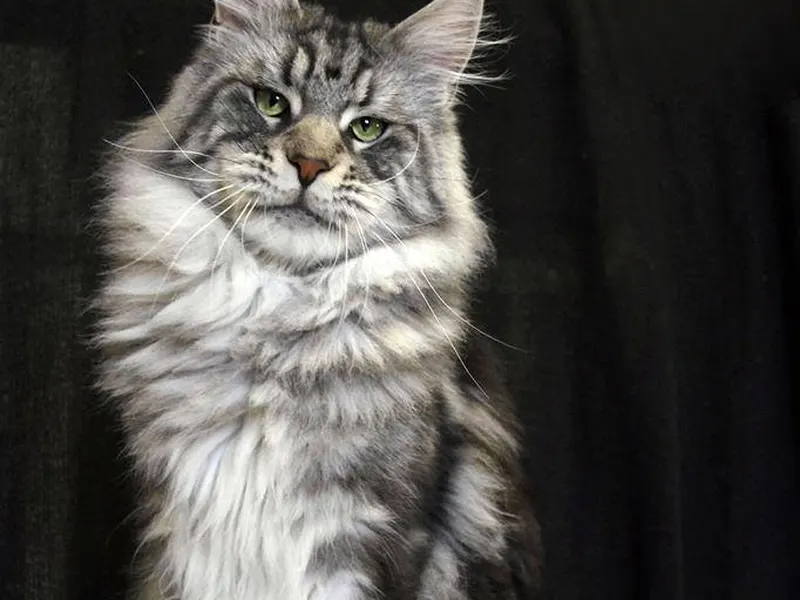
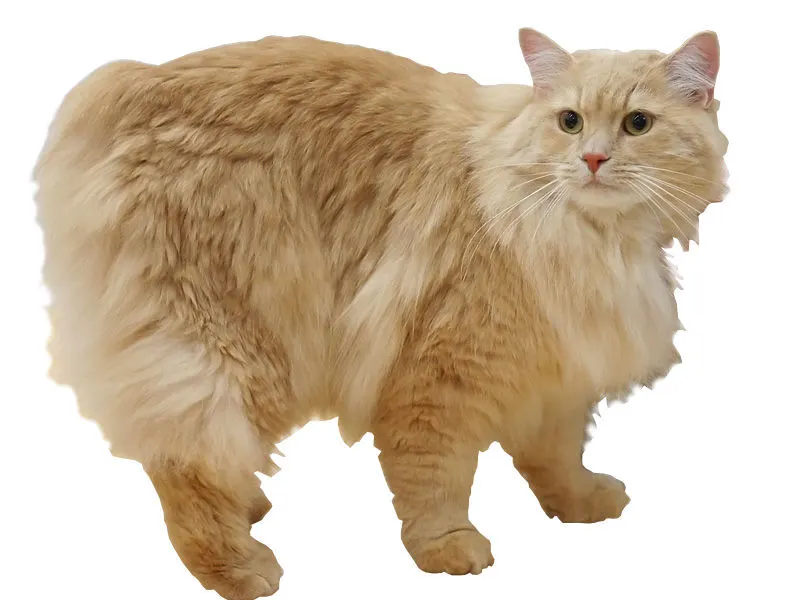
A large cat with a shaggy, water-resistant coat, ruff and plumed tail that is easier to groom than it looks.
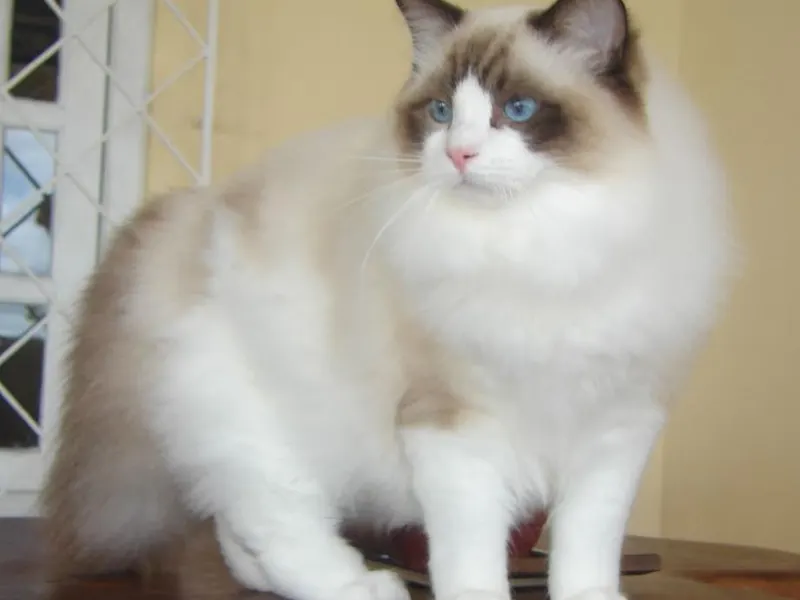
Its silky semi-long coat lacks a heavy undercoat, so it mats less than many long coats despite its plush look.
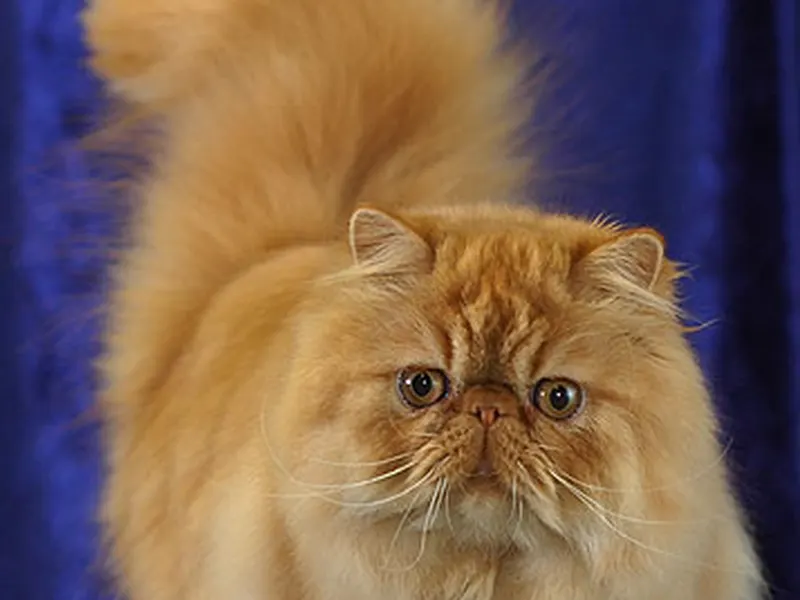
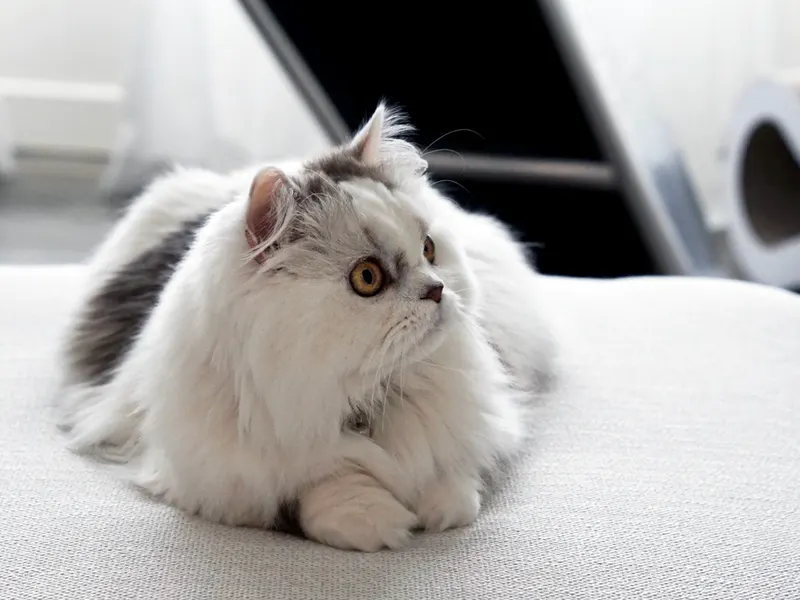
The longest, densest coat of all, which needs daily combing to prevent mats and keep the cat comfortable.
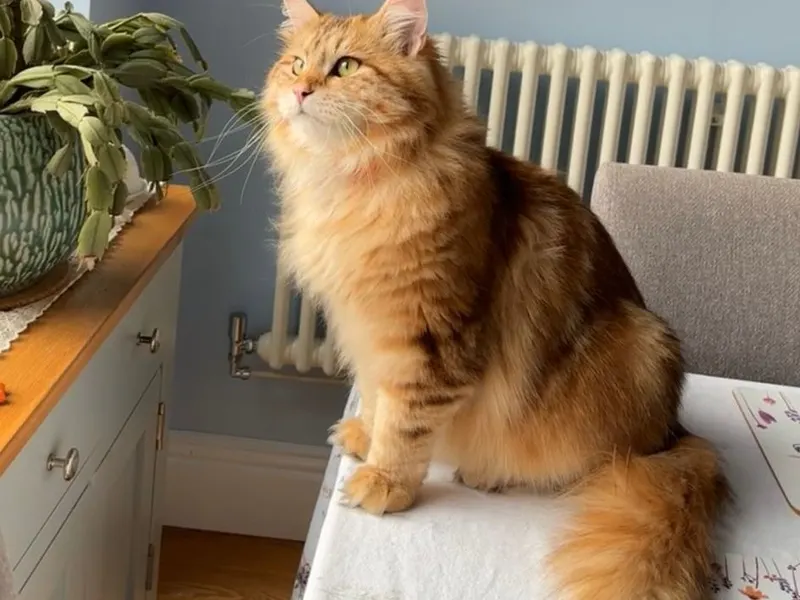
A thick triple coat built for Russian winters, with heavy seasonal shedding twice a year.
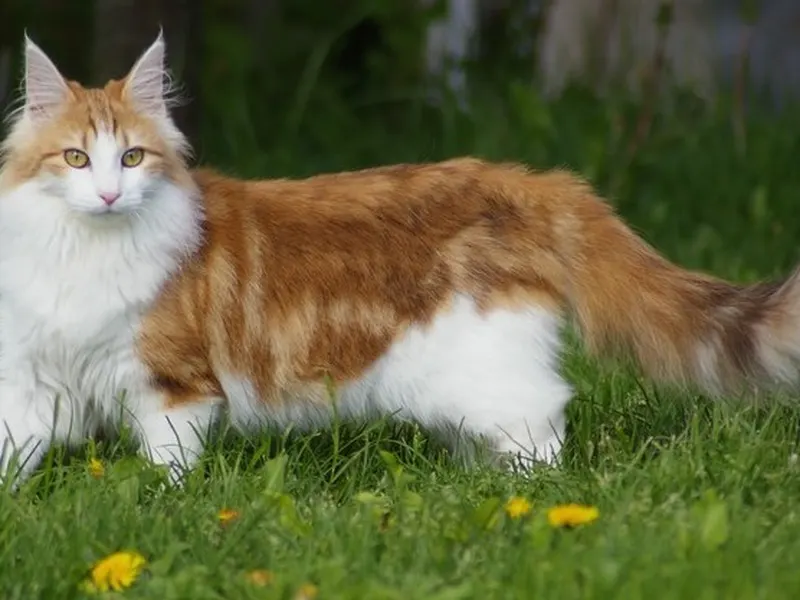
A dense double coat with water-shedding guard hairs, a full ruff and a bushy tail suited to a cold climate.
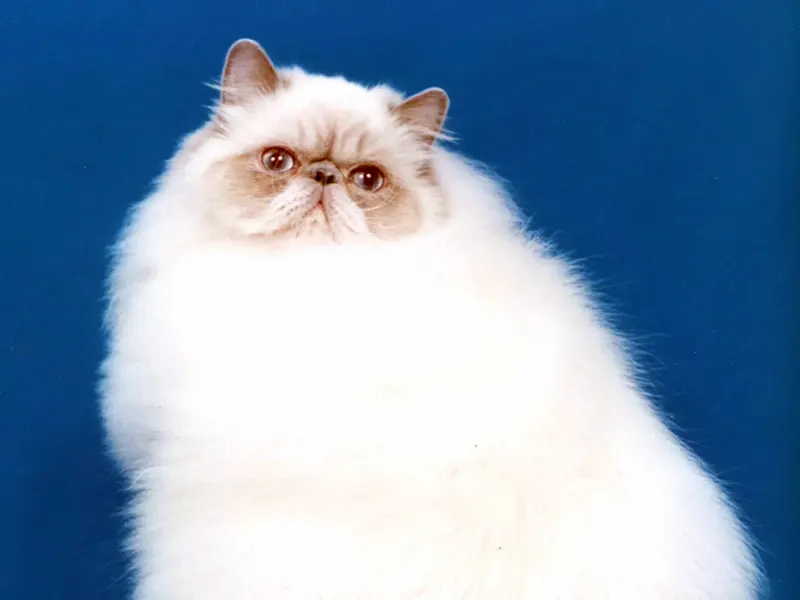
Persian-length fur with Siamese-style points, needing the same daily grooming as a Persian.
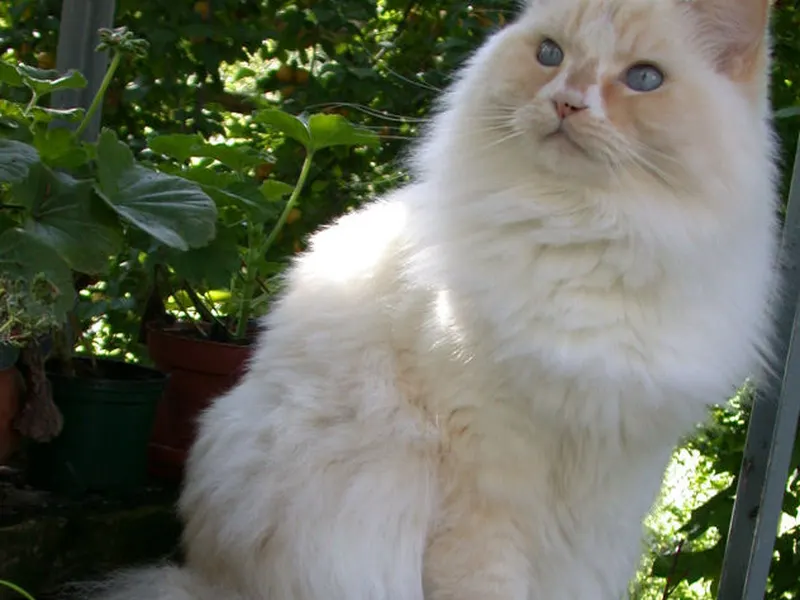
A long, rabbit-soft coat in many colors and patterns on a large, gentle and very affectionate cat.
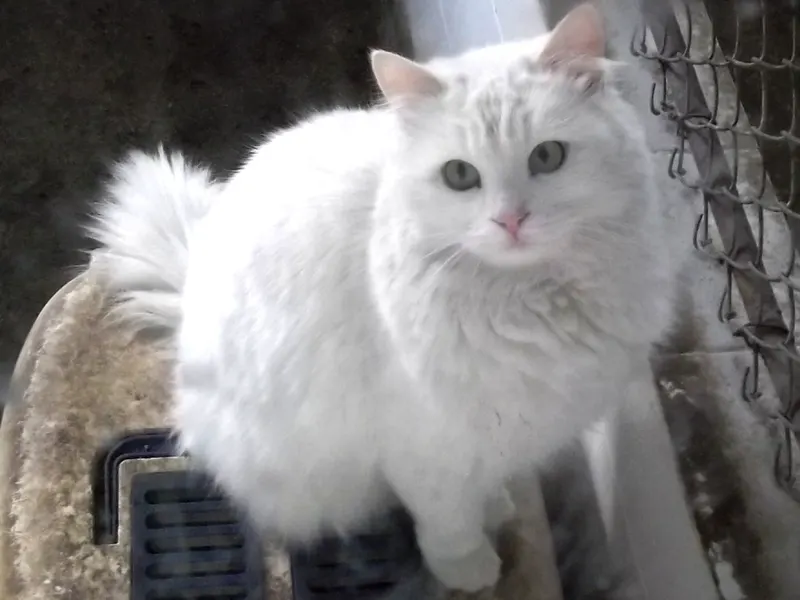
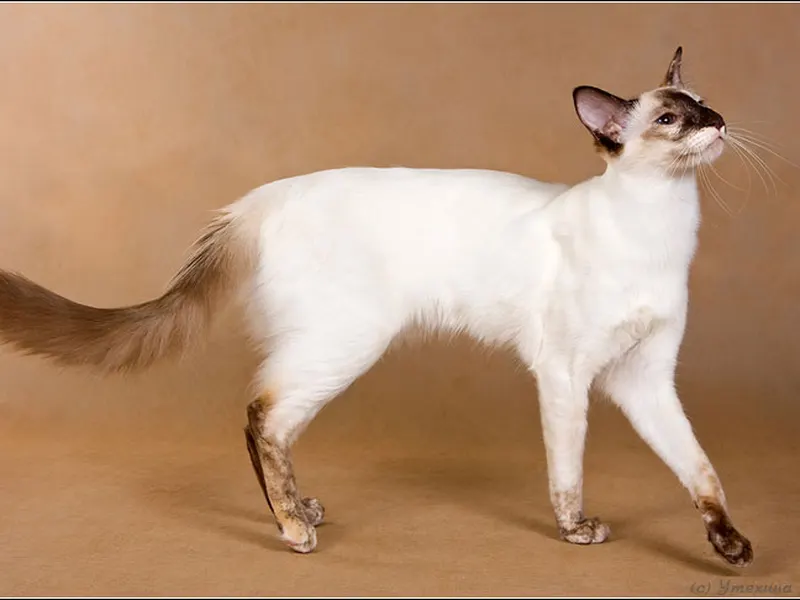
A fine, silky single coat that tangles less than most, on an elegant, lively and intelligent cat.
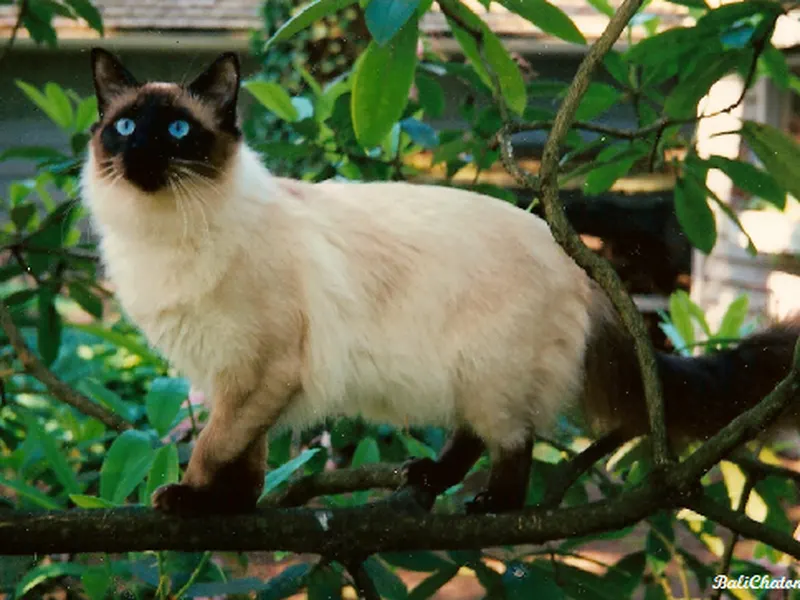
Essentially a longhaired Siamese, with a soft single coat that is fairly easy to keep in good order.
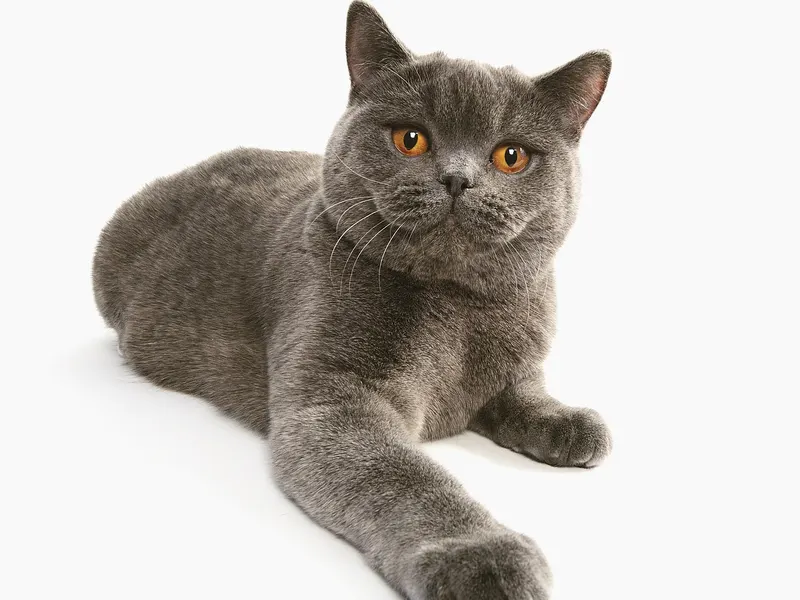
The British Shorthair's round face and calm nature with a plush semi-long coat that needs regular brushing.
All Long-Haired Cat Breeds A to Z
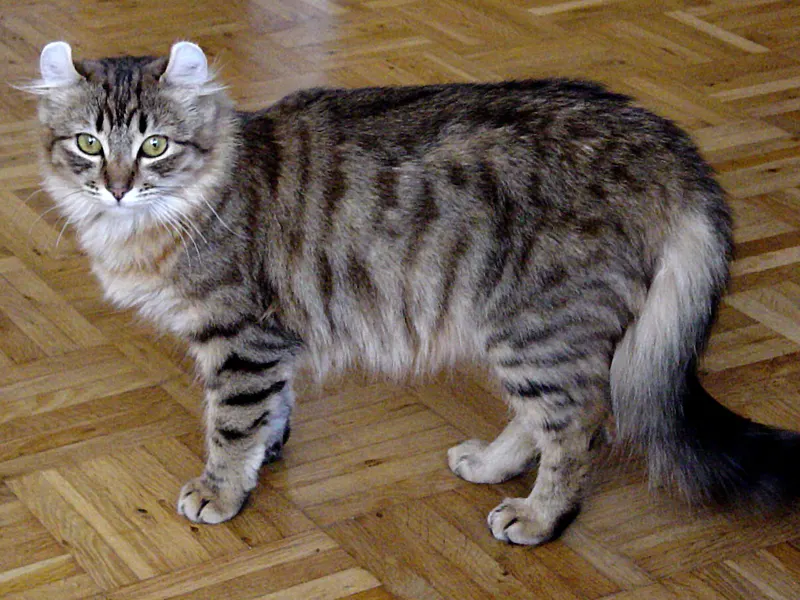
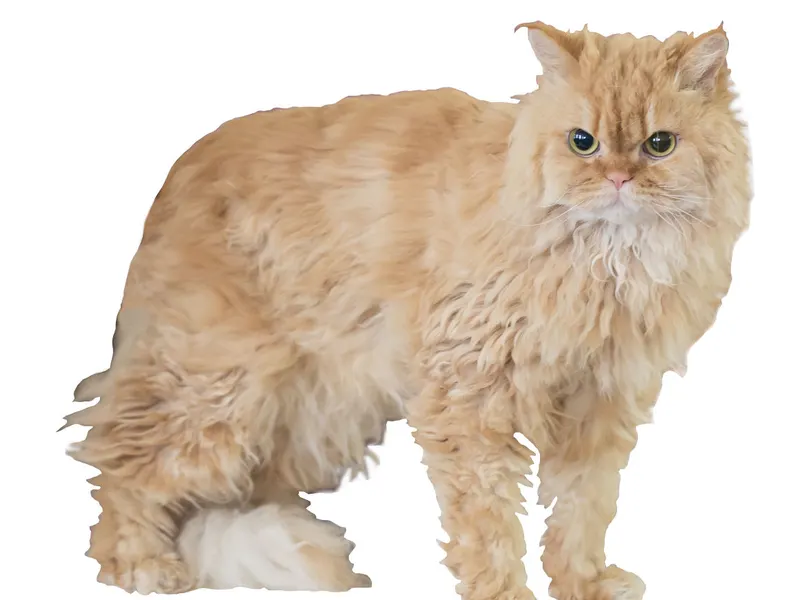
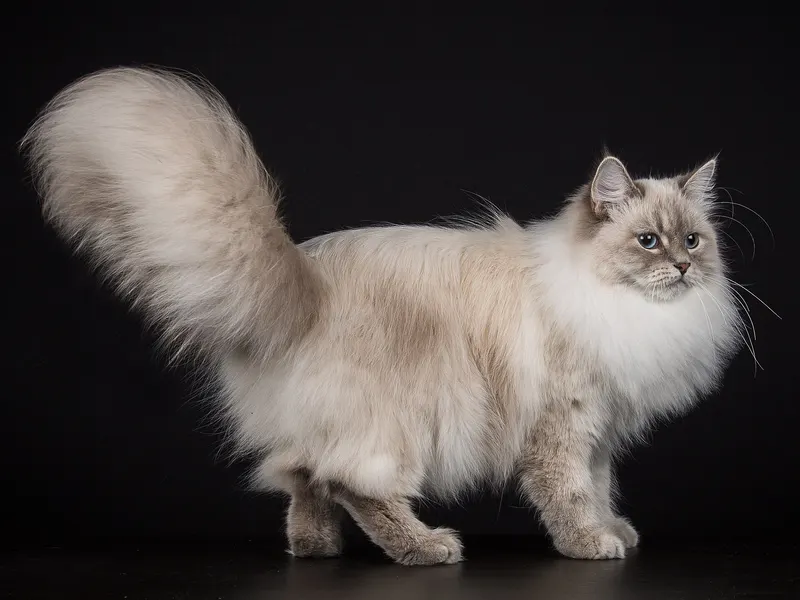
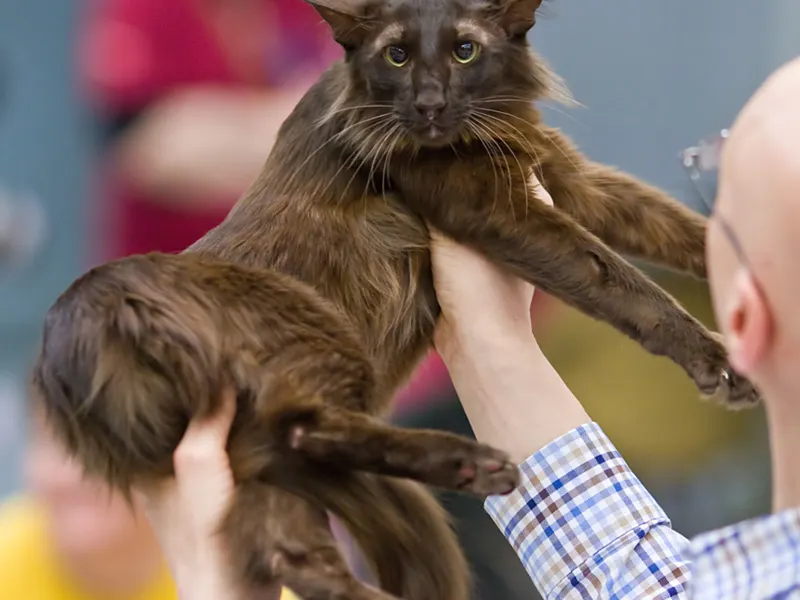
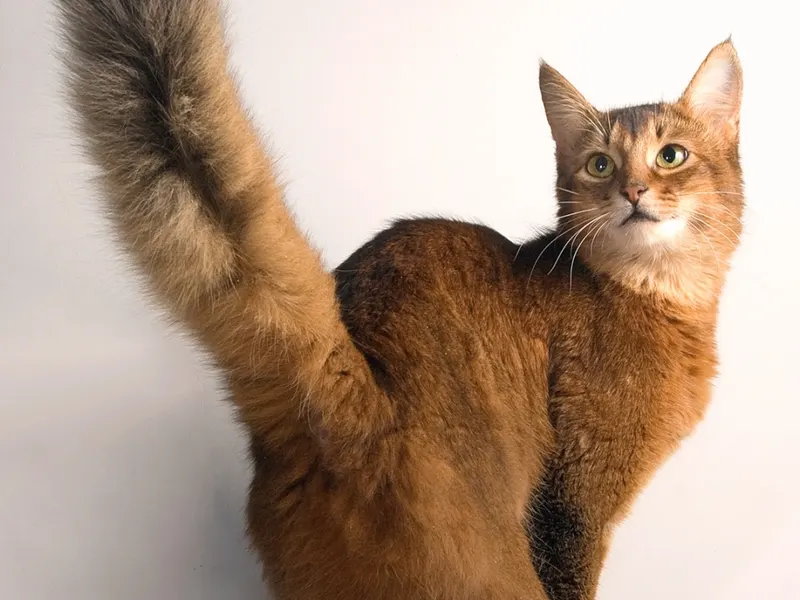
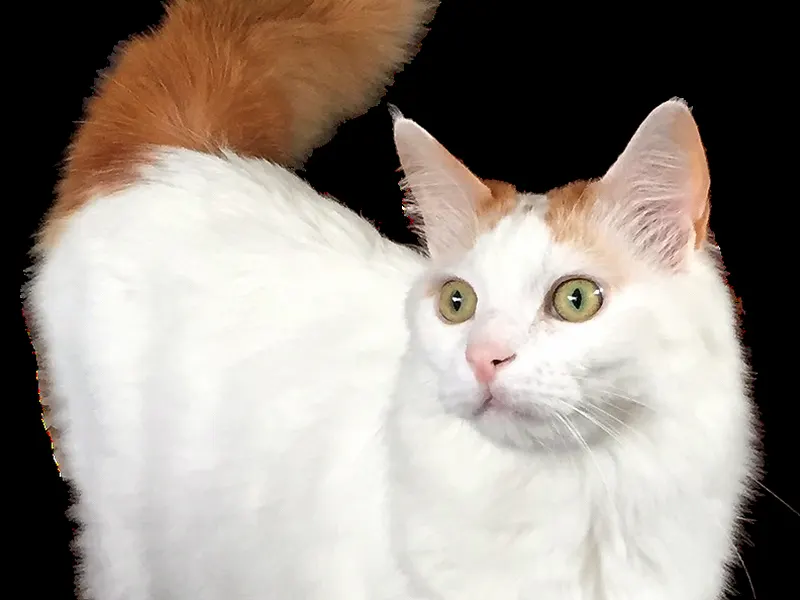
Long versus semi-long coats
Breeders separate truly long coats from semi-long ones, and the difference matters for grooming. The Persian and Himalayan have very long fur with a thick, soft undercoat that tangles easily. Semi-long breeds such as the Ragdoll, Birman, Balinese and Turkish Angora have shorter or silkier fur and often less undercoat, so they mat far less.
Then there are the natural cold-climate breeds: the Maine Coon, Siberian and Norwegian Forest Cat. Their shaggy coats have water-resistant guard hairs over a dense undercoat. They look high maintenance but usually need only one or two good brushing sessions a week, more during spring and autumn shedding.
How much grooming to expect
- Daily: Persian and Himalayan. Mats form quickly behind the ears, under the legs and on the belly.
- Two to three times a week: Ragamuffin, British Longhair and most Maine Coons, Siberians and Norwegian Forest Cats.
- Weekly: silky single-coated cats such as the Balinese, Javanese, Turkish Angora and Somali.
A wide-toothed metal comb plus a slicker brush covers most coats. Short, frequent sessions work better than an occasional long one, and starting with kittens makes grooming far easier later.
Choosing the right long-haired breed
Match the coat to the time you can realistically spend. If you want the classic flowing look and enjoy a daily grooming routine, the Persian and Himalayan are the iconic choices. If you want fluff with less work, the Ragdoll, Birman and Turkish Angora are easier.
Temperament varies just as much as coat. The Persian, Ragdoll and British Longhair are calm and happy to lounge. The Maine Coon, Siberian and Norwegian Forest Cat are playful climbers that need cat trees and play sessions. The Balinese, Javanese and Oriental Longhair inherit the talkative, attention-loving nature of the Siamese family, and the Somali is as busy as its Abyssinian relative. Climate can matter too: heavy-coated breeds may need more brushing and a cool spot in hot summers.
Common problems with long fur
Mats are not just cosmetic. Tight mats pull on the skin, can cause sores and are painful to remove, so severe matting often needs shaving at a groomer or vet. Long-haired cats also swallow more hair, which can mean more hairballs. Regular brushing is the best prevention.
Some long-haired cats need help keeping clean around the rear, and a hygiene trim can make life easier. Older or overweight cats that cannot groom themselves well need extra attention.
Breed-specific health notes
The Persian and Himalayan have flat faces, which can bring breathing, eye and tear-staining problems. Polycystic kidney disease has been a concern in the Persian line, and DNA testing is available. Hypertrophic cardiomyopathy is a known risk in the Maine Coon and Ragdoll. Ask breeders for screening results.
If you simply love fluffy cats, shelters have plenty of domestic longhairs, mixed-breed cats with long coats that can be just as beautiful as any pedigree.
Frequently Asked Questions
Which long-haired cat is easiest to groom?
Semi-long breeds with silky, single coats, such as the Balinese, Turkish Angora and Somali, are the easiest. The Ragdoll also mats less than its plush look suggests.
Do long-haired cats shed more?
They shed similar amounts of hair, but longer hairs are more visible on furniture and clothes. Cold-climate breeds shed heavily in spring and autumn.
Should I shave my long-haired cat?
Only when necessary, for example to remove severe mats. A cat's coat helps regulate temperature and protect the skin, so regular brushing is the better approach.
What is the biggest long-haired cat breed?
The Maine Coon, Norwegian Forest Cat, Ragdoll and Ragamuffin are among the largest long-haired breeds, with big males often weighing more than 15 pounds.
Are long-haired cats good for allergies?
Coat length does not determine allergen levels. The Fel d 1 allergen comes from skin and saliva, and individual cats vary.
Not sure which cat breed fits you?
Answer 10 quick questions and get cat breeds ranked for your home, schedule and family.