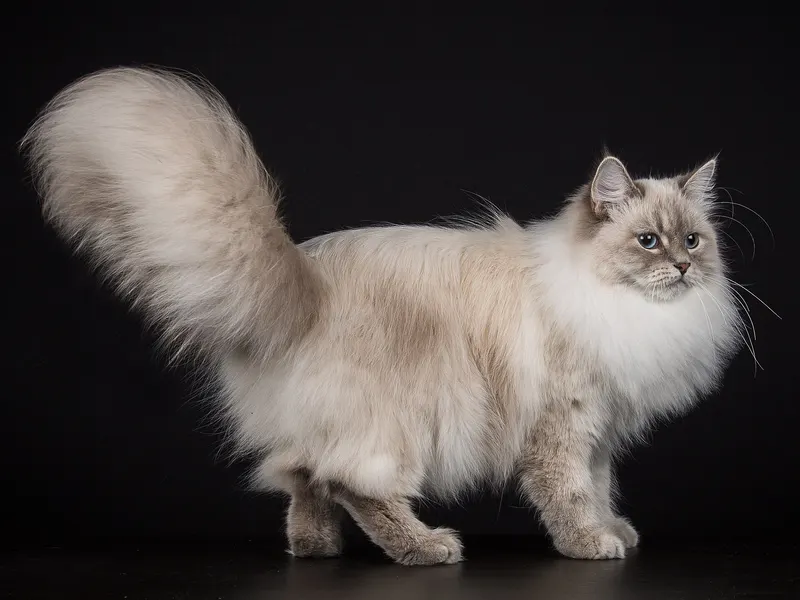
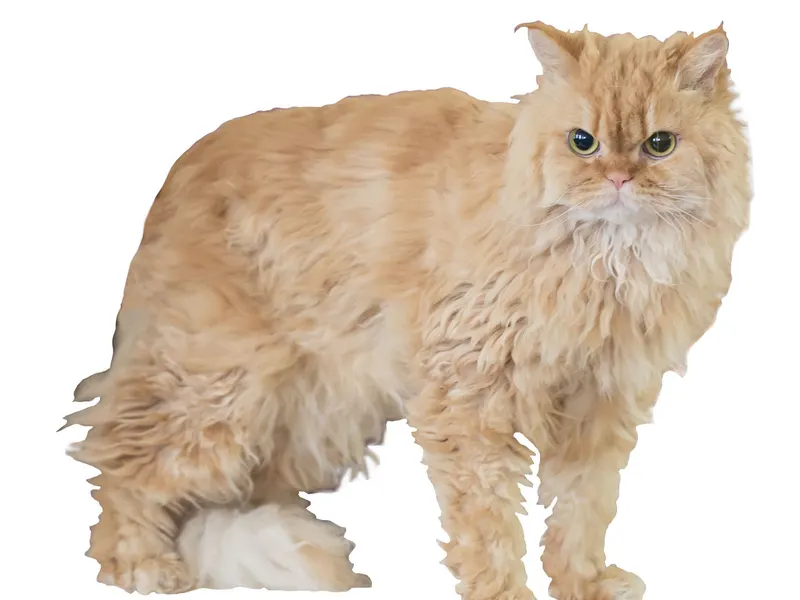
York ChocolateA rare farm-born chocolate longhair
The York Chocolate is a rare semi-longhaired breed that began on a farm in New York State in 1983. It is known for a rich chocolate or lavender coat, a sturdy build and an affectionate, easygoing nature, but very few breeders have ever worked with it.
Why people love the York Chocolate
- Affectionate, calm and loyal
- Semi-long coat tangles less than many longhairs
- Sturdy, farm-bred constitution
- Reported to be friendly with children and pets
- Rich chocolate or lavender coloring
Things to consider
- Extremely rare; may no longer be bred
- Not recognized by major registries
- Very limited health data
- Strong hunting instinct
- Moderate shedding
Not recognized by TICA, CFA, FIFe or GCCF; very rare and possibly near extinct as a distinct breed.
Is this breed right for you?
10 questions · live resultHistory and Origin
The breed traces back to Janet Chiefari, who kept goats on a farm in New York State. In 1983 one of her farm cats produced a chocolate-colored, semi-longhaired kitten named Brownie. When Brownie was bred with a farm tomcat, chocolate kittens appeared again, and Chiefari began breeding them deliberately. The name refers to New York and the coat color.
The York Chocolate was accepted by some smaller registries in the 1990s but never by TICA, CFA, FIFe or GCCF. It has always had only a handful of breeders, and today it is unclear whether a breeding population still exists as a distinct breed.
Size, Coat and Colors
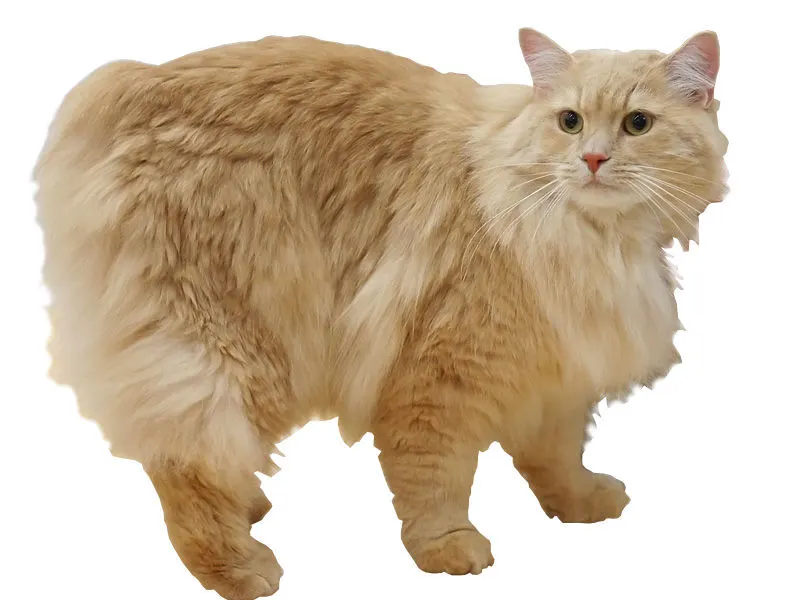
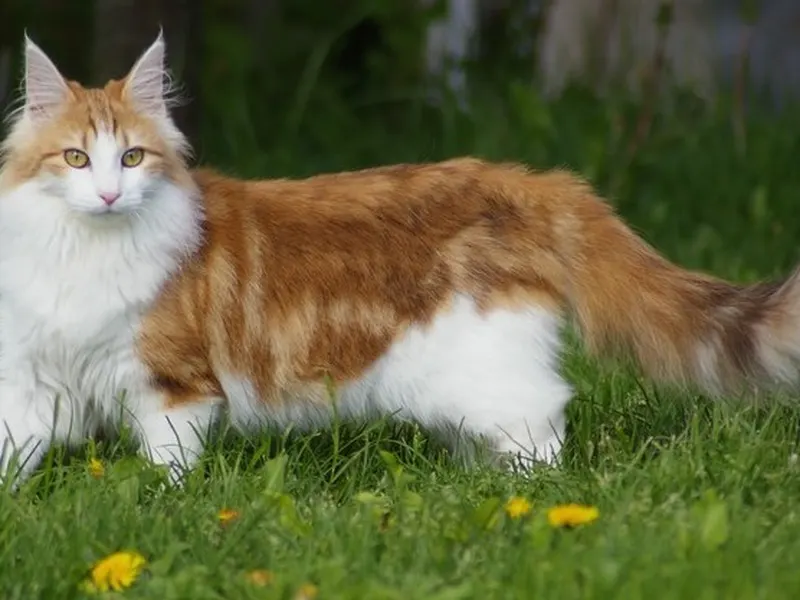
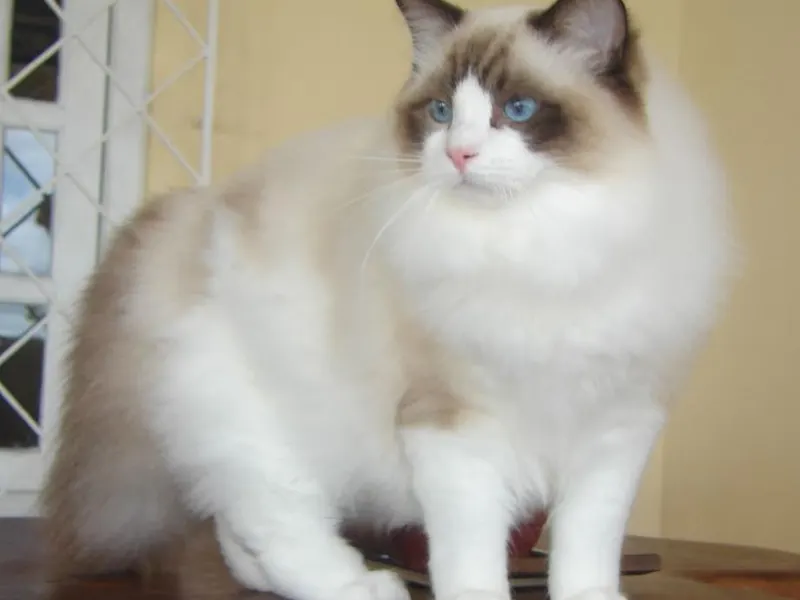
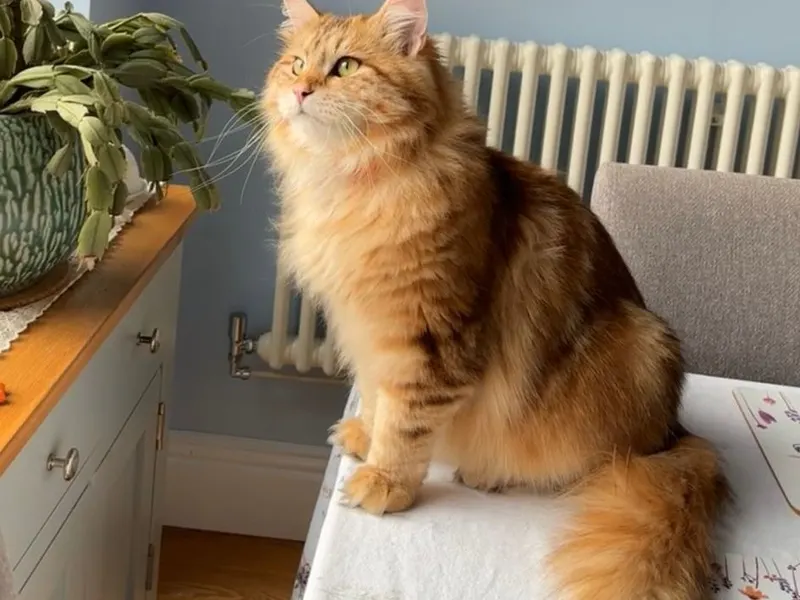
The York Chocolate is a medium to large, sturdy cat with a long body and solid build. Adults typically weigh 10 to 16 lb. Males are generally larger and heavier, while females are slightly more refined.
The head is a modified wedge with medium-to-large ears and oval eyes, usually gold, green or hazel. The overall look is of a strong, athletic farm cat rather than an exaggerated show breed.
The coat is semi-long, soft and glossy, with little undercoat, so it tangles less than many longhaired coats. A ruff around the neck and a plumed tail are common. Recognized colors are:
- Chocolate: a rich, warm brown
- Lavender: a dilute chocolate with a pinkish-gray tone
- Either color with white
Kittens are often born paler and darken as they mature. Because so few cats were ever bred, appearance varies more than in established breeds.
Personality and Temperament
Descriptions from breeders portray the York Chocolate as affectionate, calm and loyal. They like to be near their people, often follow them around the house and are happy to settle on a lap in the evening.
Having come from farm cats, they were also described as good hunters and curious explorers. They are generally reported to be friendly with children and other pets, though with so few cats ever bred, temperament varies like that of any mixed farm population.
Are York Chocolate Cats Lap Cats?
Breeders described York Chocolates as affectionate cats that often enjoy settling on a lap, especially in the evening.
They like to be near their people and often follow them around the house. Their farm-cat heritage also gives them an active, curious side, so they may alternate between exploring and cuddling. Because very few York Chocolates were ever bred, temperament varies like that of any mixed farm population. Meeting the parents, if possible, gives the best indication of a kitten's personality.
Are York Chocolates Good with Kids and Other Pets?
York Chocolates are generally reported to be friendly with children and other pets, though data is limited.
Their calm, affectionate nature suits family life. Children should handle them gently and let the cat set the pace. With other cats and dogs, introductions should be gradual and supervised. Because the breed came from farm cats with hunting instincts, small pets such as birds, rodents or fish should be kept secure. With so few cats ever bred, individual personalities vary.
Slow introductions, separate feeding stations and plenty of vertical space make settling in easier for any newcomer.
Should a York Chocolate Be an Indoor Cat?
Most vets recommend keeping cats indoors or with access to a secure outdoor enclosure, and the York Chocolate is no exception.
Although the breed came from farm cats and has strong hunting instincts, indoor life protects it from traffic, predators and infectious diseases, and protects local wildlife. Provide plenty of enrichment: climbing trees, window perches and daily play that taps into hunting instincts. A catio or harness walks can give safe outdoor time. Given the breed's rarity, protecting each cat is especially worthwhile.
Activity, Play and Enrichment
York Chocolates are moderately active.
- Daily play with wand toys and chase toys taps into their hunting instincts.
- Cat trees and window perches give them places to watch the world.
- Food puzzles help keep a sturdy cat at a healthy weight.
They are said to enjoy water more than many cats, so a dripping tap or shallow water bowl may become a favorite toy.
Grooming and Shedding
The coat is semi-long, soft and glossy, with little undercoat, so it tangles less than many longhaired coats. Brush two or three times a week, more during the spring shed. Shedding is moderate.
Colors are solid chocolate, lavender (a dilute chocolate), and either of those with white. Kittens may be born paler and darken as they mature.
Feeding and Nutrition
York Chocolates are sturdy, medium to large cats that can gain weight if overfed. Measure meals and use daily play to keep them fit. Feel for the ribs under the semi-long coat rather than relying on appearance.
Kittens need a complete growth food until your vet advises switching, and growth to full size may continue past the first year.
- Feed two to three measured meals a day for adults.
- Encourage water intake with wet food or fountains, which supports kidney and urinary health. Many York Chocolates are said to enjoy water, so a fountain may appeal.
- Use food puzzles to engage their hunting instincts.
- Brush regularly to reduce hairballs, especially during the spring shed.
Treats should be small and counted in the daily ration.
With so little breed data available, regular weigh-ins at the vet are the best guide to the right portion size.
| Adult weight | Indoor, less active | Typical adult | Active or intact |
|---|---|---|---|
| 10 lb | 220 kcal | 260 kcal | 300 kcal |
| 16 lb | 310 kcal | 370 kcal | 430 kcal |
Estimates use the resting energy formula veterinarians work with (70 × body weight in kg0.75) and standard activity factors. Use the feeding guide on your food as a starting point and adjust to body condition. Kittens, seniors, pregnant animals and pets that need to lose weight have different needs, so ask your vet.
Health and Lifespan
York Chocolates were described as healthy farm-derived cats with a lifespan of about 13 to 15 years. No breed-specific inherited diseases are documented, but data is very limited because so few cats were bred.
- Routine vet checks, vaccinations and dental care.
- Weight control, as they are medium-large, solid cats.
York Chocolate Price and Cost of Ownership
The York Chocolate is extremely rare, and it is unclear whether any active breeding population still exists as a distinct breed. There is no reliable US price range. Cats sold under this name today may be chocolate-colored longhairs of other or mixed origins, so ask for pedigree documentation if anyone offers one.
Adoption is often the most practical option: chocolate or lavender semi-longhaired cats sometimes appear in shelters, though without breed papers.
Ongoing cost drivers include:
- Grooming tools for the semi-long coat.
- Pet insurance for general care, given limited breed health data.
- Climbing trees and enrichment for an active, curious cat.
Food costs are moderate for a cat of 10 to 16 lb.
Is the York Chocolate Right for You?
The York Chocolate's temperament would suit families and calm households that want an affectionate semi-longhaired cat. In practice, the breed is extremely rare and may be impossible to find, and there is no reliable US price range.
If you like the look, a chocolate or lavender semi-longhaired cat from a shelter, or a related color in an established breed, may be a more realistic route.
York Chocolate Traits at a Glance
York Chocolate FAQ
Are York Chocolate cats still bred?
They are extremely rare, and it is unclear whether an active breeding population still exists as a distinct breed.
How big do York Chocolate cats get?
Adults typically weigh about 10 to 16 lb (about 4.5 to 7 kg), with a sturdy, medium to large build.
Do York Chocolate cats shed?
Shedding is moderate. Brushing a few times a week keeps the semi-long coat tidy.
What colors are York Chocolate cats?
Chocolate or lavender, either solid or combined with white.
How long do York Chocolate cats live?
About 13 to 15 years, based on limited breed information.
Is the York Chocolate recognized by major registries?
No. It was accepted by some smaller registries but never by TICA, CFA, FIFe or GCCF.