RagdollThe gentle, blue-eyed giant of lap cats
<p>The Ragdoll is a large, pointed, blue-eyed cat known for an unusually calm and people-focused temperament. Many relax in your arms instead of squirming, follow their owners from room to room and greet visitors at the door. It suits families, first-time cat owners and indoor homes where someone is around for much of the day.</p>
Why people love the Ragdoll
- Exceptionally calm, gentle and tolerant of handling
- Affectionate without being demanding
- Usually quiet, with soft chirps rather than loud meows
- Gets along well with respectful children and calm dogs
- Silky coat mats less than many longhairs
Things to consider
- Prone to obesity, especially after neutering
- HCM risk makes parent testing essential
- Too trusting to be safe outdoors unsupervised
- Dislikes long hours alone
- Moderate year-round shedding with heavier spring sheds
Is this breed right for you?
10 questions · live resultHistory and Origin
The Ragdoll was developed in the 1960s by Ann Baker, a breeder in Riverside, California. Her foundation cat was Josephine, a white domestic longhair carrying the colorpoint gene. Baker bred Josephine's offspring with other longhaired cats and selected for size, a pointed pattern and a placid temperament. The name came from Baker's claim that her cats went limp when picked up.
Baker kept tight control over her program and later founded her own registry, so a group of breeders split away in the 1970s to work toward mainstream recognition. That effort succeeded: the Ragdoll is now recognized by TICA, CFA, FIFe and the GCCF. CFA accepted it for registration in 1993 and for championship in 2000, and it has since become one of the most popular pedigreed breeds in the US and UK.
Size, Patterns and Colors
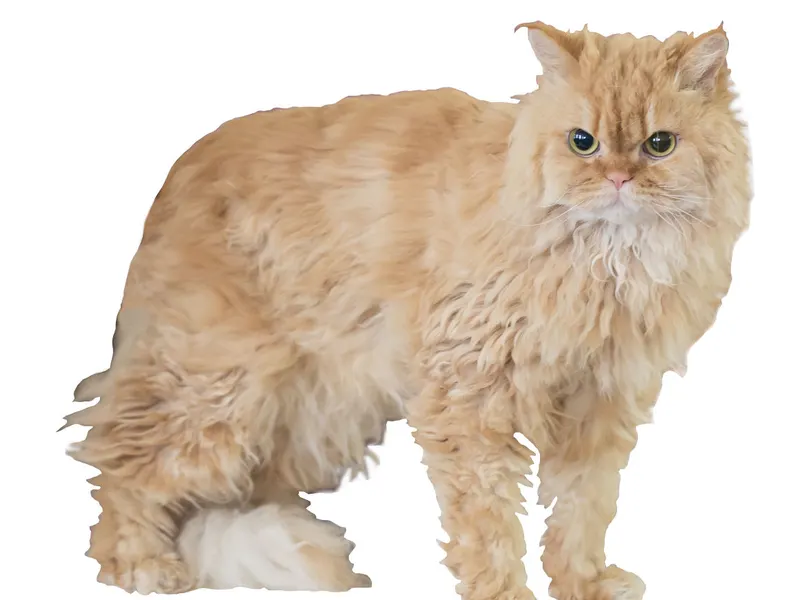
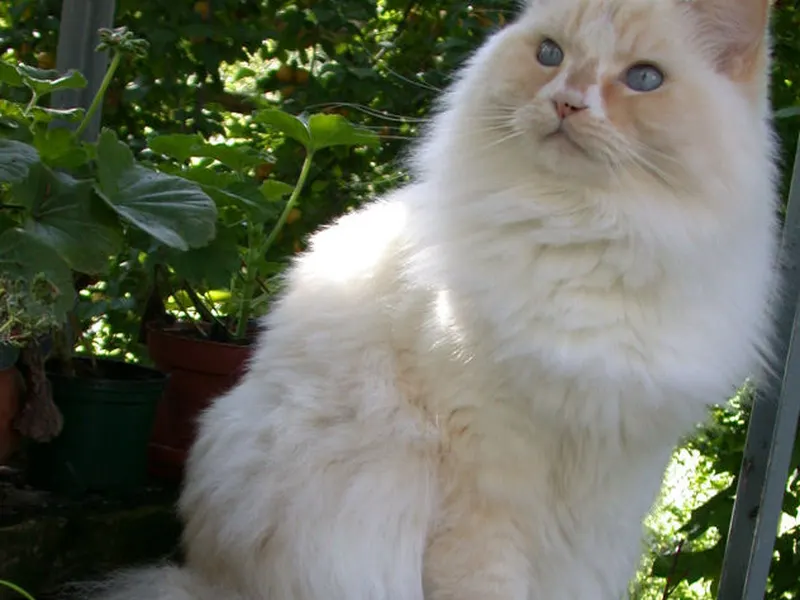
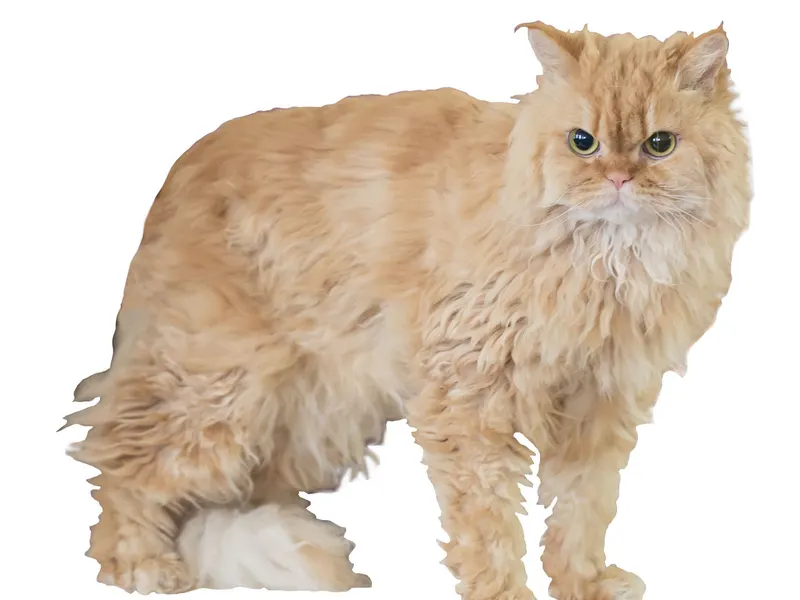
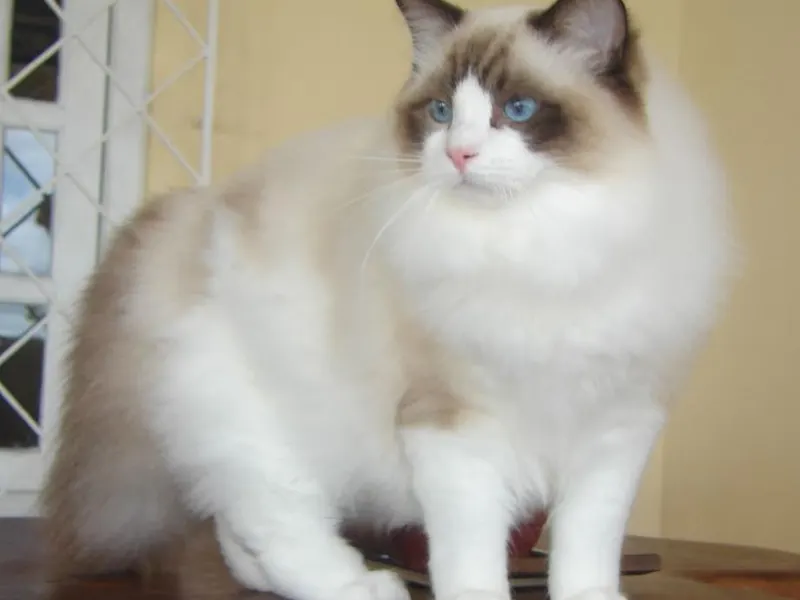
The Ragdoll is a large, long, substantial cat with a broad chest, heavy hindquarters and a soft, often slightly pendulous belly pad. The head is a broad wedge with medium ears tilted forward, and the eyes are large, oval and always blue. Adults weigh about 10 to 20 lb. Males are clearly bigger and heavier, often at the upper end of the range, while females are smaller and more refined. Ragdolls mature slowly and may not reach full size until about four years old.
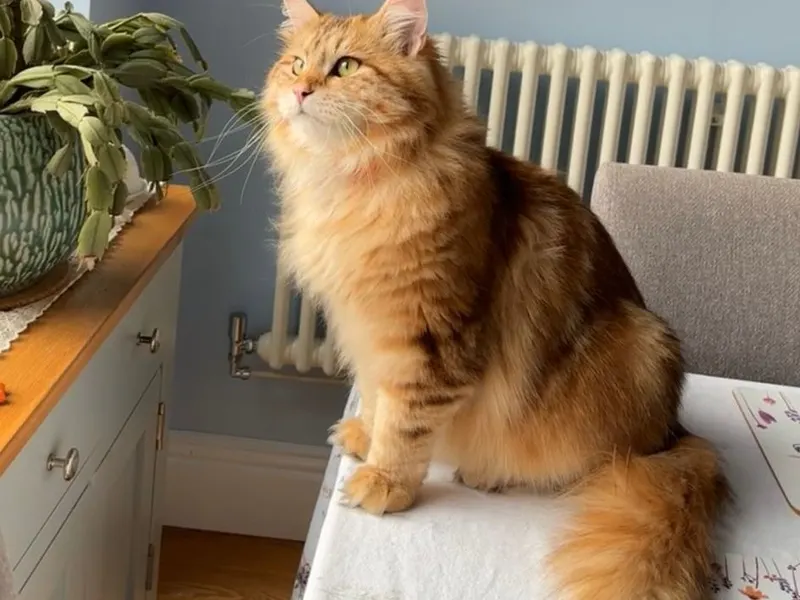
The semi-long coat is silky and plush, with a light undercoat, a full ruff and longer britches on the hind legs.
All Ragdolls are pointed: the face, ears, legs and tail are darker than the body. Point colors include seal, blue, chocolate, lilac, red and cream, plus lynx and tortie variations. These come in three main patterns: colorpoint, with no white; mitted, with white paws and chin; and bicolor, with a white inverted V on the face and white legs. Some registries also accept the van pattern.
Personality and Temperament
Ragdolls are affectionate without being pushy. A typical Ragdoll waits by the door when you come home, sits near you while you work and settles on the sofa or bed beside you at night. Most are tolerant of handling, and many go relaxed when lifted, though the extreme "floppiness" of early legends is not universal.
They are usually quiet, with soft chirps rather than loud demands. Their easygoing nature makes them good with respectful children and calm dogs. The flip side is that they are not street-smart: many Ragdolls are trusting with strangers and slow to flee danger, which is one reason breeders recommend keeping them indoors or in a secure catio.
Are Ragdolls Lap Cats?
Many Ragdolls are lap cats, and the breed is among the most likely to enjoy being held. Most like to be near their people, and many settle on a lap, a chest or beside you on the sofa for long naps.
That said, not every Ragdoll is a cuddler on demand. Some prefer to sit next to you rather than on you, and kittens are often too busy playing to stay still. Lap time usually increases as they mature. The famous habit of going limp when picked up is real in many individuals but not universal. Meeting the parents gives a good hint of what a kitten may become.
Should Ragdolls Be Indoor Cats?
Yes, most breeders and many vets recommend keeping Ragdolls indoors or giving them outdoor access only in a secure catio or on a harness. Their trusting, easygoing nature means they are often slow to recognize danger from traffic, dogs, wildlife or strangers.
Ragdolls are also valuable, distinctive cats that can attract theft. Indoors, they adapt well with enough interaction: daily play sessions, a sturdy cat tree and window perches keep them content. A catio or supervised garden time on a harness offers fresh air safely. If you live in a busy area, an indoor life with enrichment is the safest choice.
Can Ragdolls Be Left Alone?
Ragdolls can handle a normal workday alone, but they are social cats and are happiest when someone is around for much of the day. Regular long absences can lead to boredom, overeating or attention-seeking behavior when you return.
If you work long hours, a second calm cat often helps a lot, since Ragdolls usually enjoy feline company. Leave puzzle feeders, window perches and safe toys, and schedule play sessions before you leave and after you return. For trips of more than a day, arrange a pet sitter who visits at least once or twice daily rather than leaving the cat alone with extra food.
Activity, Play and Enrichment
Ragdolls are moderately active. Kittens and young adults play hard in short bursts, then sleep for long stretches. Adults often prefer floor-level play to acrobatics, so a sturdy, wide-based cat tree works better than tall, narrow perches.
- Two short wand-toy sessions a day keep weight in check and give them the interaction they crave.
- Many learn to fetch soft toys or come when called, and they respond well to clicker training with treats.
- Food puzzles help, as this breed is prone to gaining weight once neutered.
Because they are so social, a Ragdoll left alone for long workdays may become bored. A second calm cat can help.
Grooming and Shedding
The Ragdoll's semi-long coat is silky with only a light undercoat, so it mats less than a Persian's. Combing two or three times a week with a steel comb is usually enough. Pay attention behind the ears, under the front legs and on the "britches" on the back legs, where tangles form first.
They shed moderately all year, with heavier seasonal sheds in spring. Daily combing during those weeks reduces hair on furniture and hairballs. Kittens are born white and develop their point color over the first year or two, and the full coat may take three or four years to mature.
Feeding and Nutrition
Ragdolls grow slowly and keep developing until about four years old, so kittens benefit from a complete kitten food for longer than many breeds, typically until around 12 months, followed by an adult diet. Do not push weight gain for size. Steady, lean growth is healthier.
The breed's calm temperament and love of food make obesity a common problem, especially after neutering. Feed measured meals rather than leaving a full bowl out, and use puzzle feeders to slow eating and add activity. Feel for the ribs under the coat and watch for a growing belly beyond the normal loose pad.
Urinary health matters in Ragdolls, which can develop bladder stones. Encourage drinking with a water fountain and several bowls, and consider including wet food to increase moisture intake. Any straining or frequent trips to the litter box need a vet visit.
Adults usually do well on two or more meals a day. Keep treats small and count them in the daily allowance, and comb regularly to reduce hairballs.
| Adult weight | Indoor, less active | Typical adult | Active or intact |
|---|---|---|---|
| 10 lb | 220 kcal | 260 kcal | 300 kcal |
| 15 lb | 290 kcal | 350 kcal | 410 kcal |
| 20 lb | 370 kcal | 440 kcal | 510 kcal |
Estimates use the resting energy formula veterinarians work with (70 × body weight in kg0.75) and standard activity factors. Use the feeding guide on your food as a starting point and adjust to body condition. Kittens, seniors, pregnant animals and pets that need to lose weight have different needs, so ask your vet.
Health and Lifespan
Ragdolls typically live 12 to 17 years. The best-documented inherited concern is hypertrophic cardiomyopathy (HCM), a thickening of the heart muscle. A specific mutation in the MYBPC3 gene is linked to HCM in Ragdolls, and a DNA test exists for it. Responsible breeders test breeding cats for this mutation and many also screen with echocardiograms, because a clear DNA test does not rule out every form of HCM.
Other things to watch:
- Obesity, which this calm, food-motivated breed is prone to.
- Bladder stones and urinary issues, which encourage feeding with plenty of moisture.
- Polycystic kidney disease (PKD) occasionally appears in lines with Persian ancestry, so ask about PKD testing too.
Ragdolls mature slowly and can reach full size at around four years, so expect a long, gradual growth phase.
Ragdoll Price and Cost of Ownership
Typical breeder price in the US$1,200 to $3,000
A pet-quality Ragdoll kitten from a reputable US breeder typically costs about $1,200 to $3,000. Prices vary by breeder, region, pattern and lines, and breeding or show-quality kittens cost more. Ask for HCM DNA results for both parents, and be wary of very low prices. Adult Ragdolls and Ragdoll mixes appear in breed rescues and shelters, which can be a good route for a calmer, already-grown cat.
Ongoing costs are moderate. The coat can usually be maintained at home with a steel comb, though some owners book occasional professional grooming during heavy sheds.
Breed-specific cost drivers include heart screening, such as echocardiograms, if your vet recommends them, urinary care, sturdy large cat trees and big litter boxes for a large cat. Pet insurance is worth considering for HCM and urinary issues.
Is the Ragdoll Right for You?
A Ragdoll is a strong match if you want an affectionate, steady companion that fits indoor and apartment life and gets along with children and other pets. It is a less obvious choice if you are out for 10 hours a day with no other animals at home, or if you want a highly athletic, independent cat.
Expect to pay roughly $1,200 to $3,000 for a pet-quality kitten from a US breeder; prices vary by breeder, region and pattern. Ask to see HCM DNA results for both parents. Adult Ragdolls and Ragdoll mixes also appear in breed rescues, which can be a good route for a calmer, already-grown cat.
Ragdoll Traits at a Glance
Ragdoll FAQ
How big do Ragdoll cats get?
Most adults weigh 10 to 20 lb (about 4.5 to 9 kg), with males at the upper end. They grow slowly and may not reach full size until around four years old.
Are Ragdoll cats hypoallergenic?
No. Ragdolls produce the Fel d 1 allergen like other cats, and their semi-long coat sheds moderately. People with cat allergies should spend time with the breed before committing.
Do Ragdolls shed a lot?
They shed a moderate amount year-round and more in spring. Combing two or three times a week, daily during heavy sheds, keeps it manageable.
Are Ragdolls good with kids and dogs?
Yes, they are among the most tolerant breeds with respectful children and cat-friendly dogs. Supervise young children so this patient cat is not handled roughly.
How long do Ragdoll cats live?
Typically 12 to 17 years. Choosing a kitten from HCM-tested parents and keeping your cat lean both support a longer life.
How much does a Ragdoll kitten cost?
In the US, pet-quality kittens usually cost about $1,200 to $3,000, depending on breeder and region. Very low prices are a warning sign for untested breeding cats.