BirmanBlue eyes, white gloves, gentle nature
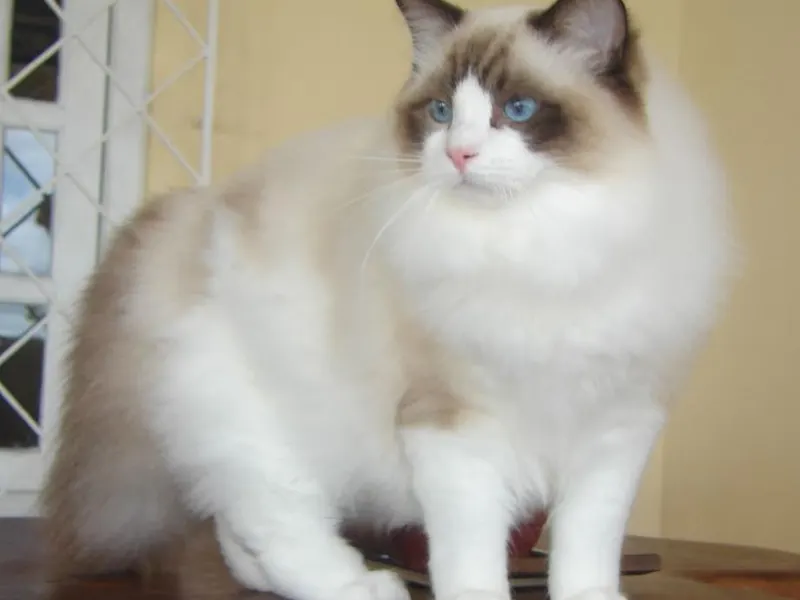
<p>The Birman is a medium to large semi-longhaired colorpoint cat with deep blue eyes and pure white "gloves" on all four paws. It is gentle, people-oriented and quieter than its Siamese relatives. It suits families with children, multi-pet homes and indoor life, ideally where someone is home much of the day.</p>
Why people love the Birman
- Gentle, even-tempered and sociable
- Quiet, with soft chirps instead of loud meows
- Good with considerate children, cats and calm dogs
- Silky coat with little undercoat mats less
- Distinctive white gloves and deep blue eyes
Things to consider
- Does not like long hours alone
- Prone to weight gain in calm indoor life
- Kidney disease is reported in some lines
- Small gene pool limits breeder choice
- Moderate shedding with heavier spring sheds
Is this breed right for you?
10 questions · live resultHistory and Origin
The Birman's early history mixes legend and record. A popular story ties its markings to temple cats in Burma, which explains the nickname "Sacred Cat of Burma." What is known is that the breed was established in France around 1919 to 1920, from cats said to come from Burma, and the French name "Sacré de Birmanie" gives the breed its name. It was recognized in France in 1925.
World War II nearly wiped the breed out, reportedly leaving only a couple of cats in Europe, and breeders rebuilt it through outcrosses before restoring type. Birmans reached the UK and the US in the late 1950s and 1960s. The GCCF recognized the breed in 1966 and CFA accepted it in 1967. Many breeders still follow a French tradition of naming all kittens born in a given year with the same initial letter.
Size, Gloves and Point Colors
The Birman is a medium to large, long-bodied, stocky cat with strong bones, a broad, rounded head, a slightly Roman nose, full cheeks and medium ears. The eyes are round and always deep blue. Adults weigh about 7 to 13 lb. Males are heavier and more massive, with broader heads, while females are smaller and finer.
The silky, semi-long coat has little undercoat. It forms a heavy ruff around the neck and is slightly curly on the belly.
Every Birman is pointed and has the breed's signature white gloves on all four paws. On the back feet, the white extends up the back of the legs as laces, ideally ending in a point. Gloves should be symmetrical, and perfect markings are hard to breed.
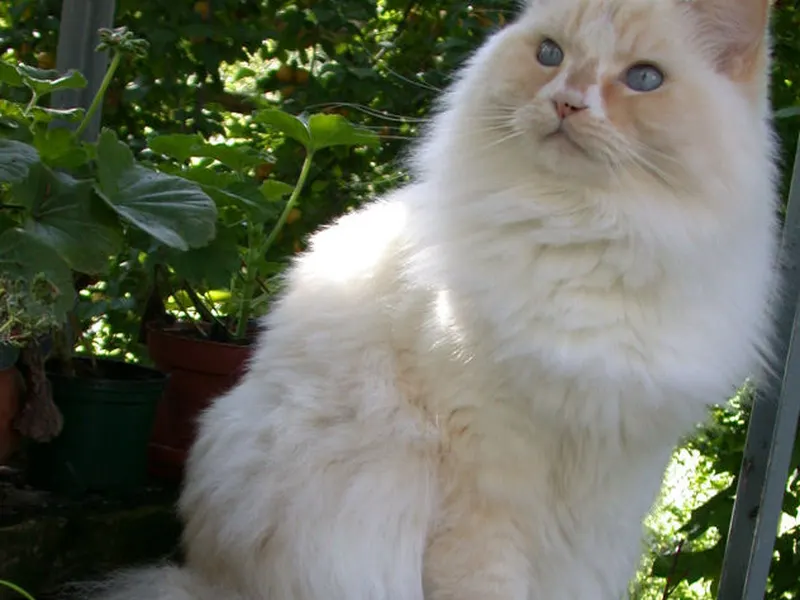
Point colors include seal, blue, chocolate, lilac, red and cream, plus tortie and tabby (lynx) variants. The body color is pale, often with a golden tinge in seal points. Kittens are born almost white and develop their points over the first months.
Personality and Temperament
Birmans are sweet, even-tempered and social. They like to be involved in household routines, follow you between rooms and often greet guests. Most are happy to sit in a lap and tolerate gentle handling well.
They are usually quiet, using soft chirps rather than loud meows. Patient and tolerant, they generally get along with respectful children, other cats and calm dogs. Because they are so social, they do not enjoy long hours alone; a pair of cats can be a good solution for working households.
Are Birmans Lap Cats?
Yes, many Birmans are happy lap cats. They are affectionate and gentle, enjoy being close to their people and often settle on a lap once the household calms down in the evening.
Birmans tend to be companionable rather than clingy. Many follow you from room to room, sit beside you while you work and greet you at the door, then curl up nearby rather than demanding constant attention. Kittens may be too playful for long lap sessions, but most become more cuddly as they mature. Gentle handling from early kittenhood and a calm home increase the chances of a devoted lap cat.
Are Birmans Good for First-Time Cat Owners?
Yes, the Birman is one of the better breeds for first-time cat owners. It is gentle, adaptable and usually quiet, and it fits well into family and indoor life without extreme activity needs or demanding vocal habits.
The coat is manageable for beginners, since it mats far less than a Persian's and usually needs combing only once or twice a week. The main considerations are company and health. Birmans prefer someone home much of the day or another pet for company. Choose a breeder who uses available DNA tests and tracks kidney health, and plan regular vet checks as your cat ages.
Can Birmans Live with Dogs?
Yes, Birmans usually get along well with calm, cat-friendly dogs. Their patient, sociable nature makes them one of the more dog-tolerant breeds, and many form close bonds with a family dog.
Introduce them gradually, using separate rooms and baby gates at first, and reward the dog for calm behavior. Give the Birman high perches and a dog-free retreat. A boisterous dog that chases can stress even a tolerant cat, so supervise until you are confident. Birmans raised with dogs from kittenhood usually adapt fastest, but adult Birmans can also learn to accept a respectful dog.
Activity, Play and Enrichment
Birmans are moderately active: playful and curious, but rarely frantic. They enjoy interactive games and many learn to fetch or respond to simple training.
- Daily wand-toy sessions keep them fit and engaged.
- Medium-height cat trees and window perches suit them better than extreme climbing setups.
- Food puzzles help prevent the weight gain common in calm indoor cats.
Grooming and Shedding
The Birman's silky semi-long coat has little undercoat, so it mats far less than a Persian's. Combing once or twice a week usually prevents tangles, with extra attention to the ruff, belly and behind the ears. Shedding is moderate, with heavier periods in spring.
Kittens are born almost white, and the points (seal, blue, chocolate, lilac, red, cream and tabby or tortie variants) develop over the first months. The white gloves and the "laces" that extend up the back of the hind legs are breed hallmarks.
Feeding and Nutrition
Birmans are moderately active and enjoy their food, which makes weight gain common in indoor cats. Feed measured meals rather than free feeding, and use puzzle feeders or food balls to add activity. Check body condition by feel, since the ruff and coat hide the outline.
Kittens need a complete kitten diet until around 12 months. Feed several small meals a day while young, then two or more meals as adults.
Chronic kidney disease is reported more often in some Birman lines, so hydration matters. Encourage drinking with a fountain and several water bowls, and consider including wet food. Diet does not prevent inherited kidney disease, but regular blood and urine tests let your vet adjust nutrition early if kidney values change.
Treats are useful for training and bonding, but keep them small and count them in the daily allowance. Comb regularly, especially in spring, to reduce hairballs from the semi-long coat.
| Adult weight | Indoor, less active | Typical adult | Active or intact |
|---|---|---|---|
| 7 lb | 170 kcal | 200 kcal | 230 kcal |
| 10 lb | 220 kcal | 260 kcal | 300 kcal |
| 13 lb | 260 kcal | 320 kcal | 370 kcal |
Estimates use the resting energy formula veterinarians work with (70 × body weight in kg0.75) and standard activity factors. Use the feeding guide on your food as a starting point and adjust to body condition. Kittens, seniors, pregnant animals and pets that need to lose weight have different needs, so ask your vet.
Health and Lifespan
Birmans commonly live 12 to 16 years. The breed has a relatively small gene pool, and a few inherited conditions are recognized:
- Chronic kidney disease is reported more often in some Birman lines.
- Congenital hypotrichosis (kittens born with little or no hair) is a rare inherited condition with a DNA test.
- Hypertrophic cardiomyopathy (HCM) has been reported.
- Corneal sequestrum, an eye condition, is seen in the breed.
Look for breeders who use available DNA tests, track kidney health in their lines and are open about the health of related cats.
Birman Price and Cost of Ownership
Typical breeder price in the US$1,000 to $2,500
A pet-quality Birman kitten from a reputable US breeder typically costs about $1,000 to $2,500. Prices vary by breeder, region, color and lines, and kittens with show-quality gloves cost more. Birmans are less common than Ragdolls in the US, so waitlists are normal. Breed rescues occasionally have adult Birmans, often well socialized and ready for a calm home.
Ongoing costs are moderate. The coat can usually be maintained at home with a comb, so professional grooming is optional.
Breed-specific cost drivers include regular kidney monitoring with blood and urine tests as the cat ages, eye care for conditions such as corneal sequestrum and heart screening if your vet recommends it. Pet insurance can help with chronic conditions. For working households, the cost of a second cat or a pet sitter is worth considering.
Is the Birman Right for You?
A Birman is an excellent choice if you want a gentle, affectionate, relatively quiet cat that fits family life and indoor living. It is less suited to people away most of the day with no other pets, or to anyone wanting a very independent, low-contact cat.
US pet-quality kittens typically cost about $1,000 to $2,500, depending on breeder and region. Birmans are less common than Ragdolls in the US, so waitlists are normal.
Birman Traits at a Glance
Birman FAQ
What is the difference between a Birman and a Ragdoll?
Both are pointed, blue-eyed semi-longhairs, but every Birman has white gloves on all four feet, while Ragdolls come in several patterns. Birmans are also usually smaller.
How big do Birman cats get?
Most adults weigh 7 to 13 lb (about 3 to 6 kg), with males heavier.
Are Birman cats hypoallergenic?
No. They produce the Fel d 1 allergen like other cats. Their coat sheds moderately.
Are Birmans good with kids?
Yes. Their patient, gentle temperament makes them one of the better family breeds for considerate children.
How long do Birman cats live?
Commonly 12 to 16 years. Regular kidney checks are wise in older Birmans.
How much does a Birman kitten cost?
In the US, about $1,000 to $2,500 for a pet-quality kitten, varying by breeder and region.