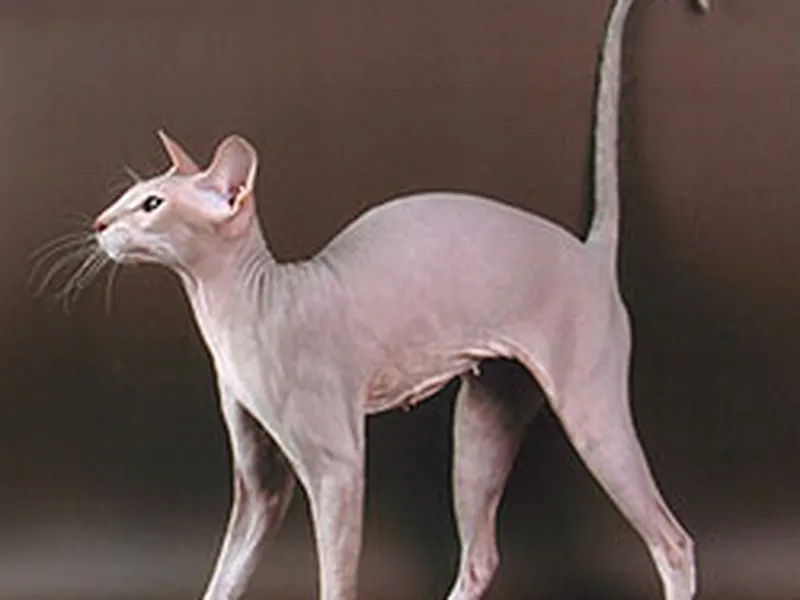
Ukrainian LevkoyHairless, fold-eared and very rare
The Ukrainian Levkoy is a rare experimental breed from Ukraine that combines hairlessness with forward-folded ears, giving it a striking, almost dog-like head. It is described as affectionate and sociable, but both of its defining traits raise welfare questions that potential owners should understand.
Why people love the Ukrainian Levkoy
- Affectionate and seeks human contact
- Sociable with children and other pets
- Curious rather than shy with visitors
- Very little shedding
- Distinctive, unusual appearance
Things to consider
- Fold gene linked to painful joint changes
- Hairless skin needs weekly baths and protection
- Not recognized by major registries
- Very rare and hard to find outside Eastern Europe
- Needs warmth and dislikes being alone
Health note: this breed is affected by health concerns linked to its body shape or coat. Read the health section and choose a breeder who screens their cats and breeds responsibly.
Combines the Fold gene with hairlessness; breeding of fold cats and hairless cats without whiskers is restricted in some European countries. Not recognized by TICA, CFA, FIFe or GCCF.
Is this breed right for you?
10 questions · live resultHistory and Origin
The breed was developed in Ukraine from the early 2000s, mainly by breeder Elena Biriukova. She crossed the Donskoy (Don Sphynx), a hairless breed from Russia, with Scottish Fold cats and domestic cats. The name comes from the levkoy flower (stock), whose leaves curl in a way that reminded the breeders of the cats' ears.
The Levkoy is recognized only by some smaller registries in Russia and Ukraine. TICA, CFA, FIFe and GCCF do not recognize it, and it is very rare outside Eastern Europe.
Size, Skin and Ears
The Ukrainian Levkoy is a medium-sized cat weighing roughly 7 to 12 lb, with a long, slender, muscular body and long legs. Males are typically larger and more muscular than females.
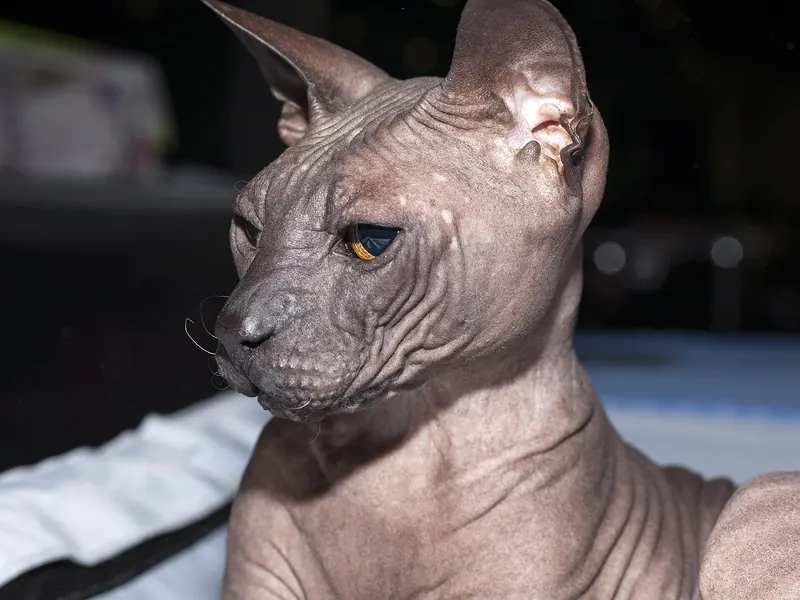
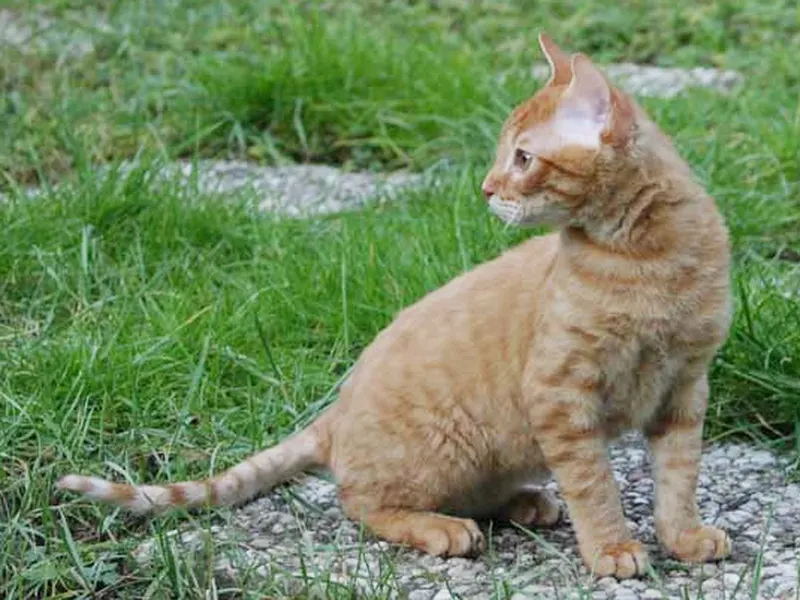
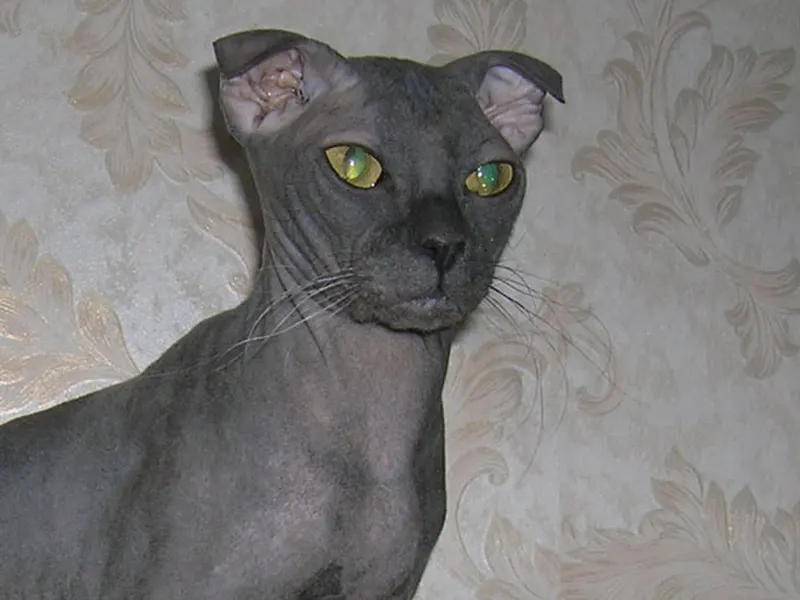
The head is angular and flat on top, with a long muzzle that gives the breed its distinctive, almost dog-like profile. The ears are the second defining feature: folded forward and down, and set high on the head. Some kittens are born with straight ears.
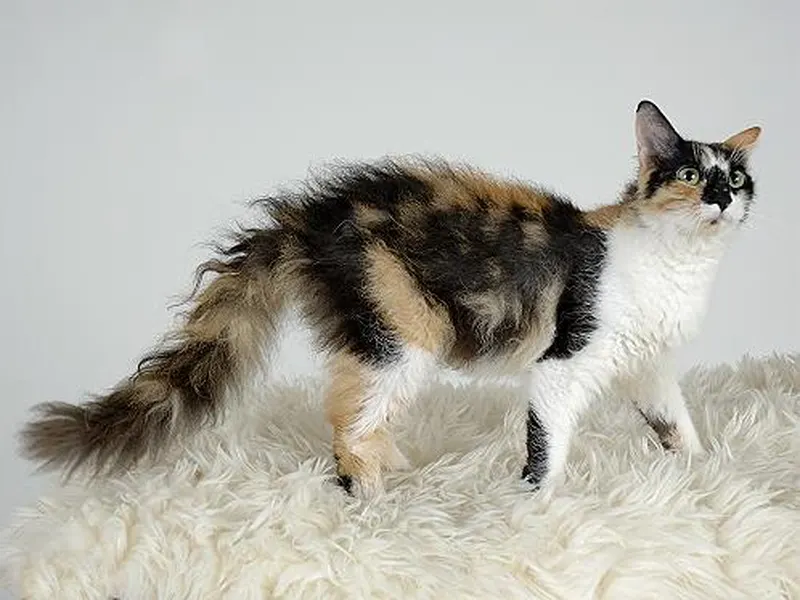
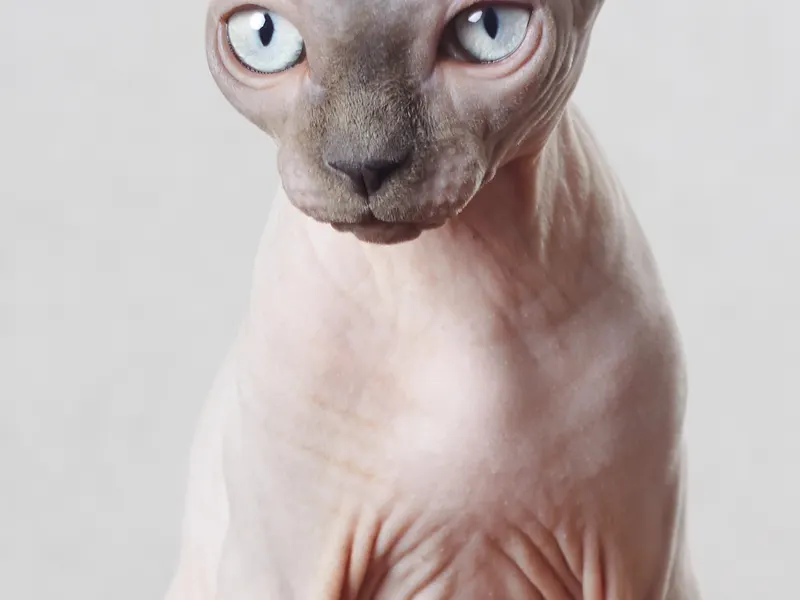
The skin is either completely hairless or covered in a light down or short, sparse hair, depending on the cat. It is soft and warm, with wrinkles on the head, neck and legs. Any skin color or pattern is possible:
- Pink, gray, black or blue skin
- Bicolor and patterned skin
Whiskers may be short, curly or missing. The eyes are almond-shaped and medium-sized, and the tail is long and tapering.
Personality and Temperament
Breeders describe the Levkoy as friendly, affectionate and intelligent. Like other hairless breeds, they tend to seek out warmth and human contact, often sleeping under blankets with their owners.
They are usually reported to be sociable with children and other pets, and curious rather than shy with visitors. They do not like being left alone for long.
Because the breed is so new and rare, most descriptions come from breeders rather than independent sources, and individual cats will vary.
Are Ukrainian Levkoys Lap Cats?
Yes, most are. Like other hairless cats, Levkoys seek warmth and human contact, and many love to sit on laps or sleep under blankets with their owners.
Their need for warmth makes lap time even more appealing, especially in cooler homes. They are described as affectionate and sociable, and often follow their people around. Because the breed is so rare, descriptions come mostly from breeders, so individual cats may vary. Joint pain linked to the fold gene can make some cats less willing to jump onto laps, so provide steps if needed.
Should Ukrainian Levkoys Be Indoor-Only Cats?
Yes. Ukrainian Levkoys should be kept indoors. Without fur, they are vulnerable to cold, sunburn and skin injuries, and they cannot regulate their temperature as well as coated cats.
Indoors, provide warm beds, heated pads or fleece blankets and keep the home at a comfortable temperature. Protect them from strong sunlight through windows. If you want to give them outdoor time, a secure, shaded enclosure with supervision is safer. Some Levkoys may also have missing or curly whiskers, which can affect how they sense their surroundings outdoors.
Is the Ukrainian Levkoy Good for First-Time Owners?
It is a challenging choice for first-time owners. The Levkoy is affectionate and sociable, but its care needs and welfare concerns require careful thought.
Beginners should be ready for weekly baths, ear cleaning, skin protection and a warm home. The fold gene can cause painful joint problems, so regular vet checks are important. The breed is also very rare and not recognized by major registries. First-time owners who like hairless cats may find a recognized hairless breed without the fold gene, or a hairless cat from a rescue, a better option.
Activity, Play and Enrichment
Levkoys are moderately active and playful.
- Daily interactive play with wand and chase toys.
- Cat trees with soft, heated or fleece-covered beds.
- Puzzle feeders and simple training.
Because folded-ear cats can develop joint pain, watch for reluctance to jump and provide steps and low perches.
Grooming and Shedding
Hairless does not mean low maintenance. Without fur to absorb skin oils, Levkoys need a weekly bath or wipe-down with a gentle cat-safe cleanser. Folded ears trap wax and need regular cleaning.
- Keep them indoors and warm, with sweaters in cold weather if they tolerate them.
- Protect them from direct sun, which can burn bare skin.
- Check nail beds and skin folds for oily buildup.
Shedding is minimal, but they still produce Fel d 1, so they are not hypoallergenic.
Clean the ears gently with a cotton pad and an ear cleaner recommended by your vet; never push anything into the ear canal.
Feeding and Nutrition
Hairless cats lose more body heat than coated cats, so many Levkoys need more food than a coated cat of the same size. Feed by body condition rather than a fixed amount, and expect needs to rise in cooler months.
- Feed adults three or four smaller meals a day, which helps maintain energy and warmth.
- Kittens need frequent meals until around six months.
- Keep treats to a small share of the daily diet.
Keeping a Levkoy lean is important because the fold gene can cause painful joint changes, and extra weight adds strain. If your cat shows signs of joint pain, follow your vet's pain management plan; no food or supplement cures osteochondrodysplasia. Diet can influence skin oiliness, but do not change foods repeatedly without vet advice. Encourage drinking with a water fountain or wet food to support urinary health.
| Adult weight | Indoor, less active | Typical adult | Active or intact |
|---|---|---|---|
| 7 lb | 170 kcal | 200 kcal | 230 kcal |
| 10 lb | 220 kcal | 260 kcal | 300 kcal |
| 12 lb | 250 kcal | 300 kcal | 350 kcal |
Estimates use the resting energy formula veterinarians work with (70 × body weight in kg0.75) and standard activity factors. Use the feeding guide on your food as a starting point and adjust to body condition. Kittens, seniors, pregnant animals and pets that need to lose weight have different needs, so ask your vet.
Health and Lifespan
Lifespan is often given as around 12 to 15 years, but reliable data is limited. The breed's two defining traits carry known welfare concerns:
- Osteochondrodysplasia: the fold gene from the Scottish Fold affects cartilage throughout the body, not just in the ears. It can cause painful joint changes, especially in the tail, ankles and knees.
- Hairlessness: affects temperature regulation and skin protection, and hairless cats may have missing or curly whiskers, which they use for sensing their surroundings.
- Skin issues such as acne, oil buildup and sunburn.
Veterinary and welfare organizations advise against breeding cats with folded ears. Breeding fold cats is banned in some countries, and some countries also regard hairless cats without whiskers as a welfare problem.
Ukrainian Levkoy Price and Cost of Ownership
The Ukrainian Levkoy is extremely rare in the US, and there is no reliable US price range. Prices vary by breeder, region and lines, and most cats come from Ukraine or Russia, which adds flights and import paperwork. The breed is not recognized by TICA, CFA, FIFe or GCCF, and breeding fold cats is restricted in some countries.
Adopting a hairless cat from a rescue is an option for people who like the look but want to avoid the fold gene.
Breed-specific ongoing cost drivers include:
- Heated beds, sweaters and a warm home in cooler months
- Gentle cleansers for weekly baths and ear cleaning supplies
- Vet checks and X-rays for joint problems, plus possible pain management
- Sun protection and treatment for skin issues
Is the Ukrainian Levkoy Right for You?
A Levkoy may appeal to people who want an affectionate, unusual-looking indoor cat and can provide warmth, regular skin care and close attention. However, it is rare, not recognized by major registries and has significant welfare concerns linked to its defining traits.
If you like hairless cats, consider adopting one in need of a home or a breed without the fold gene. There is no reliable US price range.
Ukrainian Levkoy Traits at a Glance
Ukrainian Levkoy FAQ
What is a Ukrainian Levkoy cat?
A rare hairless breed with folded ears, developed in Ukraine from Donskoy and Scottish Fold cats.
Are Ukrainian Levkoy cats hypoallergenic?
No. They shed very little, but their skin and saliva still contain Fel d 1, the main cat allergen.
Are Ukrainian Levkoys healthy?
They carry the fold gene, linked to painful cartilage and joint problems, and hairlessness brings skin and temperature issues. Regular vet checks are important.
How big do Ukrainian Levkoy cats get?
Adults typically weigh 7 to 12 lb (about 3 to 5.5 kg), with a long, slender body.
How long do Ukrainian Levkoys live?
Lifespan is often given as about 12 to 15 years, but reliable data is limited.
Is the Ukrainian Levkoy recognized by TICA or CFA?
No. It is recognized only by some smaller registries in Russia and Ukraine.