SphynxHairless, warm and endlessly sociable
The Sphynx is the best-known hairless cat: wrinkled, warm to the touch and famously sociable. It loves people, visitors and attention, and in return it needs more hands-on care than almost any other breed, from weekly baths to protection from cold and sun.
Why people love the Sphynx
- Extremely affectionate, people-focused extrovert
- Usually gets on with other cats and calm dogs
- Playful and clownish well into adulthood
- Barely sheds
- Often enjoys learning tricks and fetch
Things to consider
- Needs regular baths and ear cleaning
- Chills quickly and sunburns easily; indoors only
- Hypertrophic cardiomyopathy is common in the breed
- Dislikes long periods alone
- Higher purchase price than most breeds
Health note: this breed is affected by health concerns linked to its body shape or coat. Read the health section and choose a breeder who screens their cats and breeds responsibly.
Breeding hairless cats has been criticized as a welfare issue in some European countries; in Germany, breeding cats that lack whiskers is widely regarded as prohibited torture breeding under the animal welfare act.
Is this breed right for you?
10 questions · live resultHistory and Origin
Hairless kittens have appeared by natural mutation in several places, but the modern Sphynx traces back to Canada. In 1966 a hairless male named Prune was born in Toronto, and early breeding attempts followed. The more lasting foundation came from hairless cats found in Minnesota (the sisters Epidermis and Dermis, born in the mid-1970s) and from hairless kittens found in Toronto around 1978.
Breeders outcrossed to Devon Rex and later to domestic shorthairs to widen the gene pool. The hairless trait is recessive, so a kitten needs two copies to be hairless. TICA recognized the Sphynx in the 1980s and CFA granted championship status in 2002. The GCCF and FIFe also recognize the breed.
Size, Skin and Colors
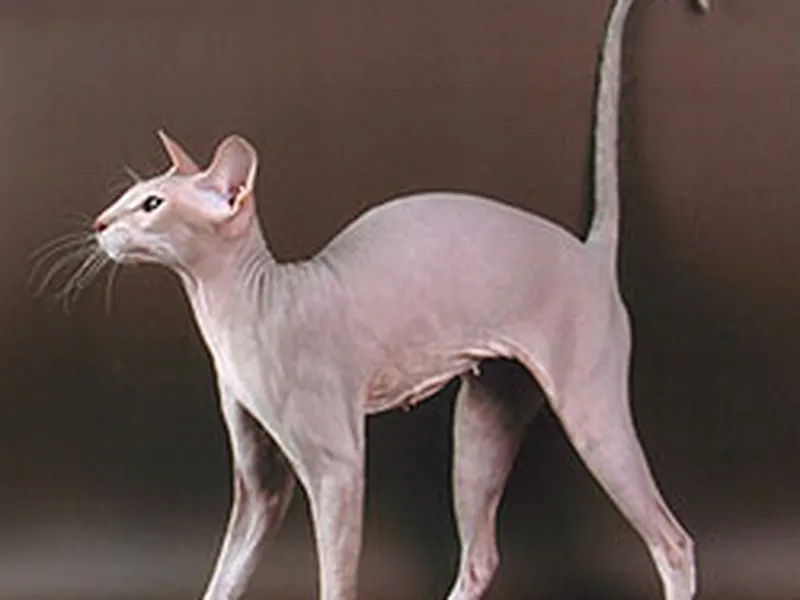
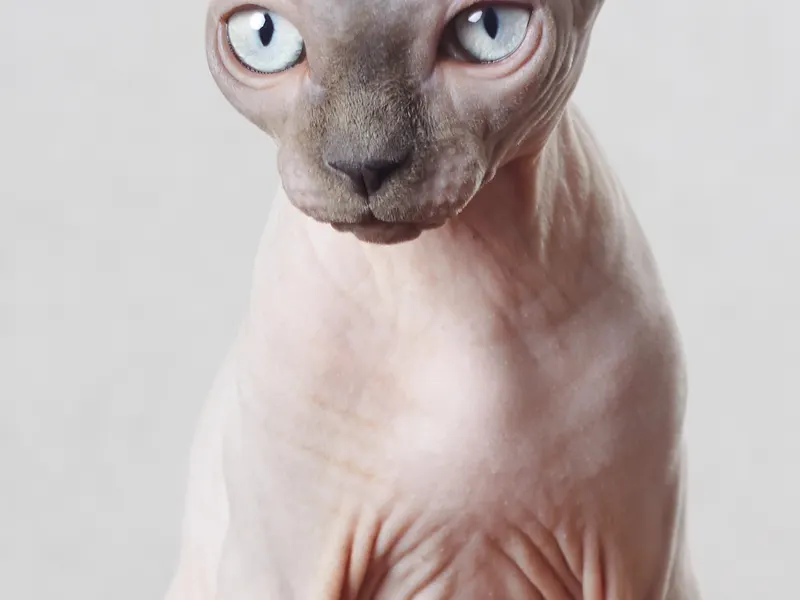
The Sphynx is a medium-sized, muscular cat weighing roughly 6 to 12 lb. Males are generally larger and heavier than females. The body is sturdy with a broad, rounded chest and a characteristic rounded belly, often called a potbelly, giving it a surprisingly solid feel when picked up.
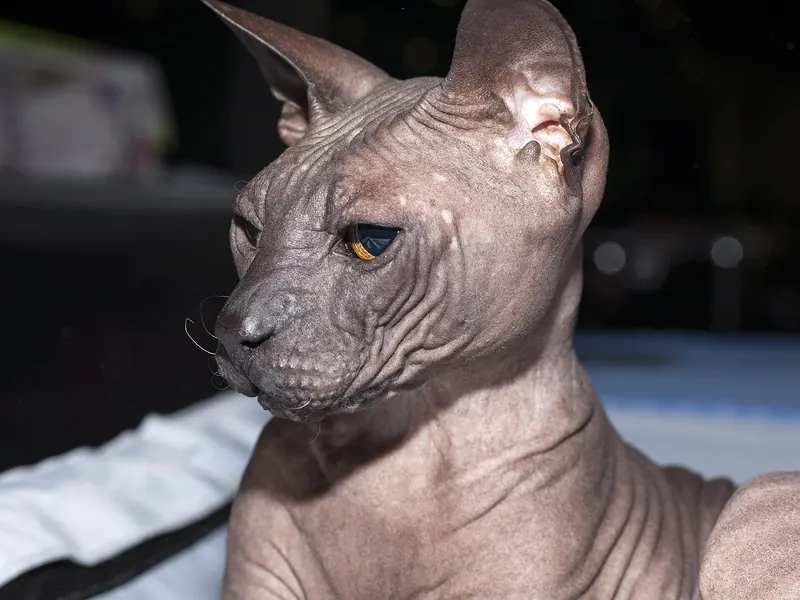
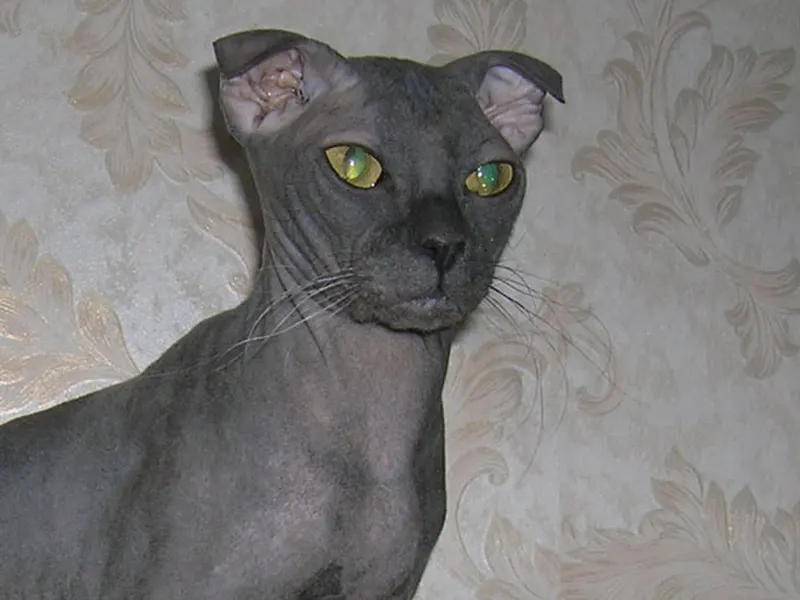
The head is a modified wedge with prominent cheekbones, large lemon-shaped eyes and very large, open ears. Wrinkles are common, especially on the head, shoulders and around the ears.
Most Sphynx are not completely hairless. A fine peach-fuzz down covers much of the body, giving the skin a suede-like or chamois texture. Short hair may appear on the nose, ears, feet and tail tip. Whiskers and eyebrows may be sparse, broken or absent. All colors and patterns are accepted, from solid white or black to tabby, tortoiseshell, pointed and bicolor. The color shows in the skin pigment rather than in hair.
Personality and Temperament
Sphynx cats are extroverts. They greet visitors at the door, climb onto laps and shoulders and sleep under the covers, partly for warmth and partly because they like contact. Many are clownish and will repeat anything that gets a laugh.
- Highly people-focused and usually easy with friendly children
- Typically get on well with other cats and calm dogs
- Dislike long periods alone and can become clingy or mischievous when lonely
They are moderately vocal, with a chatty, conversational style rather than loud yowling.
Are Sphynx Cats Lap Cats?
Yes, most Sphynx cats are enthusiastic lap cats. They seek warmth and physical contact and often climb onto laps, shoulders and under blankets.
Their love of contact is partly practical, since they lose heat quickly without fur, and partly personality: Sphynx are highly people-focused and affectionate. Many sleep under the covers with their owners. If you want a cat that enjoys being held and cuddled, the Sphynx is one of the most reliable breeds. Be prepared for a cat that wants to be wherever you are.
Are Sphynx Cats Good for First-Time Owners?
They can be, if the owner is prepared for hands-on care. Sphynx are affectionate, outgoing and easy to bond with, which makes them rewarding first cats.
The challenges are care routines and health. Sphynx need regular baths, ear cleaning and protection from cold and sun. Hypertrophic cardiomyopathy is common, so choosing a breeder who screens hearts and budgeting for veterinary checks are important. First-time owners who are home often, enjoy grooming routines and want a cuddly cat often do well with the breed.
Can Sphynx Cats Be Left Alone?
Sphynx can handle short periods alone, but they are highly social and dislike long stretches without company. Lonely Sphynx may become clingy, vocal or mischievous.
A second cat, ideally another social breed or another Sphynx, helps a lot when owners are out. Keep the home warm, with heated or fleece-lined beds, and provide toys and climbing spaces. For long workdays, a pet sitter can help. Sphynx do best in households where someone is home much of the day. Leave a heated pad or a warm, enclosed bed when you go out, especially in winter.
Activity, Play and Enrichment
Sphynx cats are energetic and playful well into adulthood. They enjoy fetch, wand toys and climbing, and they often seek out the warmest spot in the home, such as on top of a radiator cover or in a sunny window.
- Provide heated or fleece-lined beds and enclosed hiding spots
- Keep them indoors: they chill quickly and their skin sunburns easily
- A second cat or a household where someone is often home helps a lot
Because they burn energy keeping warm, many eat more than a coated cat of the same size.
Sphynx cats are bold explorers and often enjoy learning simple tricks, harness walks inside the home or garden and games of fetch with soft toys. Because they seek out heat, check that they cannot reach stovetops, fireplaces or space heaters, and cover radiators with a guard if needed.
Grooming and Shedding
No coat does not mean no grooming. Body oils that hair would normally absorb build up on the skin, leaving greasy marks on furniture and blocking pores.
- Bathe weekly or every other week with a mild, cat-safe shampoo, then dry thoroughly
- Clean ears weekly, as wax builds up quickly
- Wipe the folds of skin and the nail beds, where dark oily residue collects
- Use sweaters in cool homes and avoid direct strong sun
Most Sphynx have a fine peach-fuzz down rather than being completely bald, and they barely shed.
Feeding and Nutrition
Sphynx cats burn extra energy keeping warm without fur, so many eat more than a coated cat of the same size. Feed a complete, high-quality diet and adjust portions to body condition rather than following a set amount. Check regularly that the cat is muscular and not too thin or overweight.
Many Sphynx do well with several small meals a day, which matches their active, warm-seeking metabolism. Free-feeding can lead to overeating in some cats, so measured meals are often better.
Skin health is linked to nutrition. A balanced diet with adequate fatty acids supports skin condition. If your Sphynx has persistent skin problems, discuss diet with your vet rather than switching foods frequently.
Dental disease is common, so dental care, including brushing, is important. Fresh water should always be available. In colder months, watch for weight loss, as energy needs increase.
| Adult weight | Indoor, less active | Typical adult | Active or intact |
|---|---|---|---|
| 6 lb | 150 kcal | 180 kcal | 210 kcal |
| 9 lb | 200 kcal | 240 kcal | 280 kcal |
| 12 lb | 250 kcal | 300 kcal | 350 kcal |
Estimates use the resting energy formula veterinarians work with (70 × body weight in kg0.75) and standard activity factors. Use the feeding guide on your food as a starting point and adjust to body condition. Kittens, seniors, pregnant animals and pets that need to lose weight have different needs, so ask your vet.
Health and Lifespan
Sphynx cats typically live 9 to 15 years. The most important inherited concern is hypertrophic cardiomyopathy (HCM), which is common in the breed. Responsible breeders screen breeding cats regularly by echocardiogram.
- Congenital myasthenic syndrome (also called hereditary myopathy), shared with the Devon Rex; a DNA test exists
- Skin problems such as yeast overgrowth, acne and sunburn
- Dental disease and gum inflammation are frequently reported
Hairlessness is also a welfare discussion point: the cats depend on people for warmth and skin protection, and some lack normal whiskers. In parts of Europe, notably Germany, breeding cats without whiskers is treated as a welfare violation. Choose breeders who show heart screening results, or consider a Sphynx rescue.
Sphynx Price and Cost of Ownership
Typical breeder price in the US$1,800 to $5,000
A pet-quality Sphynx kitten from a reputable US breeder typically costs about $1,800 to $5,000. Prices vary by breeder, region and lines, with show-quality kittens or rare colors often at the upper end. Ask for echocardiogram results for both parents to screen for hypertrophic cardiomyopathy, and DNA results for congenital myasthenic syndrome.
Sphynx cats sometimes come into breed-specific rescues, often as adults.
Ongoing cost drivers include bathing supplies, ear cleaning products, sweaters, heated beds and higher heating costs in cold climates. Regular heart screening by echocardiogram and dental cleanings add to veterinary costs. Pet insurance is worth considering early, before heart or skin conditions appear. Many owners also budget for more food than they would for a coated cat.
Is the Sphynx Right for You?
The Sphynx suits people who are home a lot, want a cuddly and outgoing cat, and do not mind a regular bathing routine. They do well in apartments and with gentle children and other pets.
Skip the breed if you want an independent cat, are away all day or dislike regular hands-on care. Pet-quality kittens typically cost about $1,800 to $5,000 in the US, varying by breeder and region, and you should budget for heart checks and skin care.
Before buying, spend time with an adult Sphynx if you can. The feel of warm, suede-like skin and the constant need for contact are not for everyone, and seeing a cat's skin-care routine in person gives a realistic picture of daily life with the breed.
Sphynx Traits at a Glance
Sphynx FAQ
Are Sphynx cats hypoallergenic?
No. Allergies are triggered mainly by the Fel d 1 protein in saliva and skin secretions, which Sphynx cats still produce. Some allergy sufferers react less, especially with regular bathing, but test your reaction before committing.
Do Sphynx cats need baths?
Yes. Most need a bath every one to two weeks to remove skin oils, plus weekly ear cleaning.
Do Sphynx cats get cold?
They lose heat easily, so keep the home warm, offer fleece beds and use a sweater if they seem chilly. They should be indoor cats.
How much does a Sphynx cat cost?
Pet-quality kittens from US breeders usually cost about $1,800 to $5,000, depending on breeder and region.
How long do Sphynx cats live?
Typically 9 to 15 years. Heart disease (HCM) is the main concern, so ask for echocardiogram results for both parents.
Are Sphynx cats good with other pets?
Usually yes. Most enjoy the company of other cats and calm dogs, which also helps them cope when owners are out.