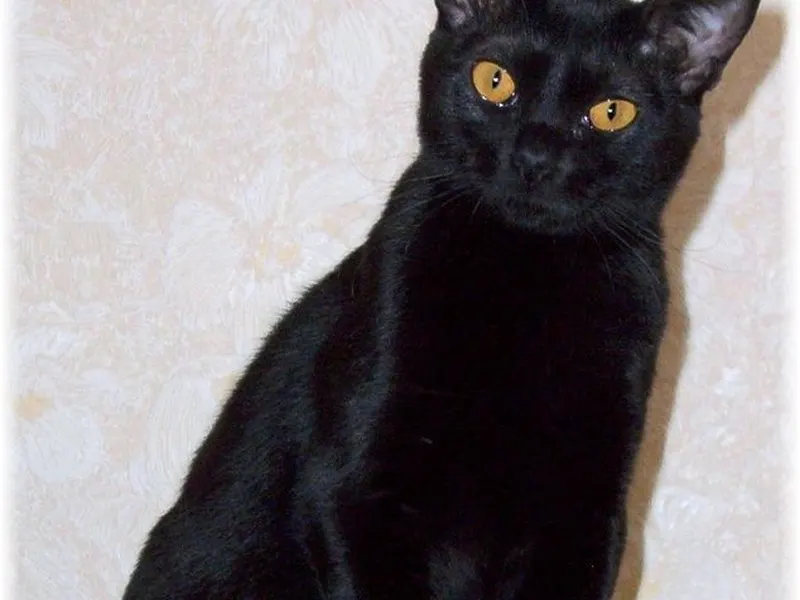
BurmeseA satin-coated shadow that loves company
The Burmese is a compact, surprisingly heavy cat with a glossy satin coat and big golden eyes, often described as a brick wrapped in silk. It is one of the most people-oriented breeds, happiest when it is part of everything you do, so it suits homes where someone is around for much of the day.
Why people love the Burmese
- Exceptionally affectionate and people-focused
- Playful into old age
- Great with gentle children and cat-friendly dogs
- Short, glossy coat needs minimal grooming
- Adapts well to apartment life
Things to consider
- Does not like being left alone for long periods
- Persistent and demanding of attention
- Some lines carry inherited diseases needing DNA tests
- Prone to weight gain and, in some populations, diabetes
- Can be too trusting to be safe outdoors
Is this breed right for you?
10 questions · live resultHistory and Origin
Nearly all Burmese descend from one cat: Wong Mau, a small brown female brought from Southeast Asia to San Francisco in 1930 by Dr. Joseph Thompson, a ship's doctor. Thompson bred her to a Siamese and, with geneticists, worked out that she was a Siamese and Burmese hybrid, what today would be called a Tonkinese. Selecting for her darker coloring produced the solid sable Burmese.
CFA recognized the breed in 1936, then suspended recognition in 1947 over continued Siamese outcrosses, and reinstated it in 1957. Cats exported to Britain from the late 1940s developed separately into the European Burmese, which has a more moderate, wedge-shaped head and a wider range of colors including red, cream and tortoiseshell. The American Burmese has a rounder head and shorter muzzle. Some US registries list the two as separate breeds.
Size, Types and Colors
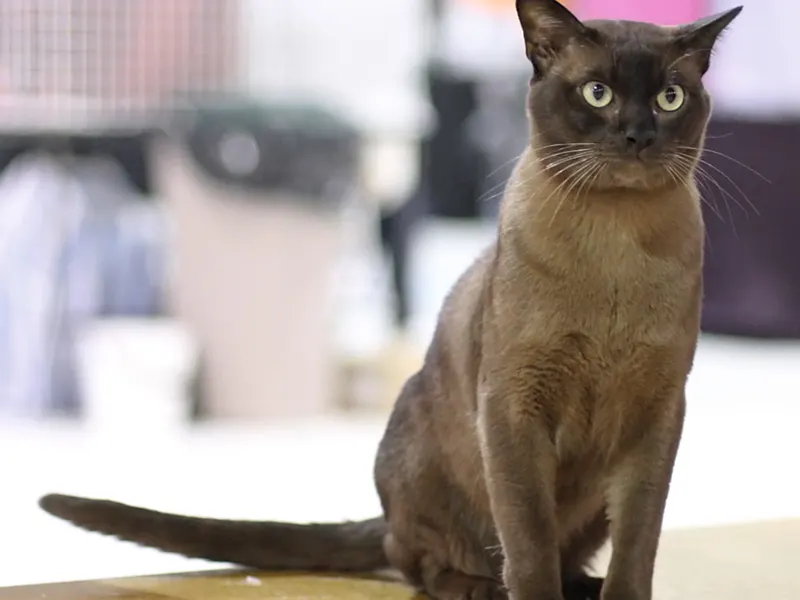
The Burmese is a compact, medium-sized cat weighing about 6 to 12 lb, but it feels surprisingly heavy for its size because of its dense bone and muscle. Males are larger and more solid than females. The body is rounded with a broad chest, the tail is medium length and the eyes are large, expressive and gold to yellow.
There are two types. American (contemporary) Burmese have a rounder head, a shorter muzzle and a more compact body. European Burmese have a gently rounded, slightly wedge-shaped head, a longer muzzle and a slightly more moderate build. Registries differ on which type they accept.
The coat is short, fine and satin-like, lying close to the body. Classic American colors are sable (rich dark brown), champagne, blue and platinum. European Burmese also come in red, cream and tortoiseshell variants. Color is darker on the points but should be close to solid on the body.
Personality and Temperament
Burmese are affectionate, social and persistent. They want to sit on your lap, sleep in your bed and supervise your cooking. Most greet visitors with interest rather than suspicion.
- Excellent with children who play gently, and tolerant of being handled
- Usually get on well with cat-friendly dogs and other cats
- Talkative, with a softer, raspier voice than the Siamese
- Do not like being left alone for long periods
They stay playful into old age and are often called dog-like for following people and playing fetch.
Are Burmese Cats Lap Cats?
Yes. The Burmese is one of the most reliable lap cats among all breeds. Most want to be close to their people, climb onto laps whenever you sit down, follow you from room to room and often sleep in the bed.
Their affection is active, though. A Burmese will also want to join in with whatever you are doing, play fetch, sit on your laptop or supervise cooking. Kittens are lively, but adults usually balance play with long cuddle sessions. If you want a cat that seeks out physical contact every day, the Burmese is a strong match, as long as someone is home for much of the day.
Is the Burmese Good for First-Time Owners?
Yes. The Burmese is an excellent choice for first-time cat owners who can give it plenty of company. It is affectionate, easy to handle, tolerant of children and other pets and requires minimal grooming.
What first-time owners should plan for:
- Company for much of the day, either people or another sociable cat.
- Daily play to keep a lively cat busy.
- Careful portion control, since Burmese gain weight easily.
- Choosing a breeder who DNA tests for hypokalemia, GM2 gangliosidosis and, in American lines, the head defect.
Indoor life or a secure outdoor enclosure is best, because the breed's trusting nature can put it at risk outside.
Are Burmese Cats Talkative?
Burmese are talkative but not as loud as the Siamese. Most have a softer, slightly raspy voice and use it often to greet people, ask for attention or comment on what you are doing.
Owners describe them as persistent communicators: a Burmese that wants food, a lap or a game will keep asking until it gets an answer. Some cats are chattier than others, and lonely or bored cats tend to be more vocal. Regular play, company and a predictable routine help keep vocalizing friendly rather than demanding. If you want a near-silent cat, a quieter breed may suit you better.
Activity, Play and Enrichment
Burmese are active and inventive. Short daily play sessions with wand toys, balls to retrieve and puzzle feeders keep them busy. They are strong jumpers despite their compact build, so climbing shelves and a sturdy cat tree are worthwhile.
Because they rely so heavily on company, a second social cat, ideally another Burmese or similar breed, is a common solution in homes where people work full time. They are best kept indoors or given a secure enclosure, as their trusting nature can put them at risk outdoors.
Many Burmese learn to walk on a harness and enjoy short supervised trips into a garden, which adds variety for indoor cats.
Grooming and Shedding
The short, fine coat lies close to the body and has very little undercoat. Shedding is light. Stroking with a damp hand or a chamois cloth once a week brings out the shine, and a rubber brush removes loose hair. Trim nails and brush teeth regularly.
The coat color of sable and other Burmese changes as kittens mature: kittens are often lighter and develop their full rich color over the first year or two. A healthy coat should look glossy; a dull coat is often the first sign of a diet or health problem.
Feeding and Nutrition
Burmese are food-motivated and tend to gain weight, especially after neutering. Measured meals rather than free feeding, and regular checks of body condition, help keep the cat lean. Weight control matters even more because diabetes mellitus appears more often in Burmese, particularly in European and Australian populations, and obesity is a key risk factor for it.
Hypokalemia, an inherited condition that causes low potassium and muscle weakness, is managed by the vet, often with supplementation. Do not add potassium or other supplements on your own.
- Feed adults two or more measured meals a day, and kittens three or four.
- Puzzle feeders slow eating and keep this busy cat occupied.
- Encourage drinking with fountains or several water bowls, which supports urinary health.
- Count treats in the daily ration, especially for cats trained to fetch.
- Unusual thirst, weight loss or increased appetite need a vet check.
| Adult weight | Indoor, less active | Typical adult | Active or intact |
|---|---|---|---|
| 6 lb | 150 kcal | 180 kcal | 210 kcal |
| 9 lb | 200 kcal | 240 kcal | 280 kcal |
| 12 lb | 250 kcal | 300 kcal | 350 kcal |
Estimates use the resting energy formula veterinarians work with (70 × body weight in kg0.75) and standard activity factors. Use the feeding guide on your food as a starting point and adjust to body condition. Kittens, seniors, pregnant animals and pets that need to lose weight have different needs, so ask your vet.
Health and Lifespan
Burmese often live 12 to 18 years. Several inherited conditions are linked to the breed or particular lines:
- Hypokalemia (hypokalemic polymyopathy): low potassium causing muscle weakness; a DNA test is available
- Burmese head defect: a fatal craniofacial malformation seen in some American lines; a DNA test lets breeders avoid it
- GM2 gangliosidosis: a rare neurological disorder with a DNA test
- Diabetes mellitus appears more often in Burmese, especially in European and Australian populations
- Feline orofacial pain syndrome: a painful condition causing pawing at the mouth
Ask for DNA results for the parents and keep your cat lean to lower diabetes risk.
Burmese Price and Cost of Ownership
Typical breeder price in the US$1,000 to $2,500
Pet-quality Burmese kittens from reputable US breeders typically cost about $1,000 to $2,500. Prices vary by breeder, region and lines, and European Burmese, less common in the US, can cost more and may involve waiting lists. Ask for DNA results for hypokalemia, GM2 gangliosidosis and, in American lines, the Burmese head defect.
Adult Burmese occasionally appear in breed rescues or as retired breeding cats, and adoption is a good option.
Breed-specific cost drivers include a second cat for company if you work long hours, puzzle feeders and climbing furniture, and vet care for conditions such as diabetes or feline orofacial pain syndrome. Insurance is worth comparing early, before any condition is recorded.
Is the Burmese Right for You?
The Burmese is a great choice for families, retirees and people who work from home and want an affectionate, sociable cat. It adapts very well to apartments.
It is not ideal if the home is empty most of the day and there is no second cat. Pet-quality kittens typically cost about $1,000 to $2,500 in the US, varying by breeder, region and type.
Burmese Traits at a Glance
Burmese FAQ
How big do Burmese cats get?
Burmese weigh about 6 to 12 lb (3 to 5.5 kg) and feel heavier than they look because of their dense, muscular build.
What is the difference between American and European Burmese?
American Burmese have a rounder head and shorter muzzle; European Burmese have a moderate wedge-shaped head and come in more colors. They developed separately after the 1940s.
Are Burmese cats hypoallergenic?
No. They shed little, which helps a bit, but they still produce the Fel d 1 allergen.
Are Burmese cats good with kids?
Yes. They are patient, sociable and enjoy playing, which makes them one of the better breeds for families.
Can Burmese cats be left alone?
Not for long stretches. They are very people-focused and do better with company, either human or another cat.
How long do Burmese cats live?
Many live 12 to 18 years with good care.