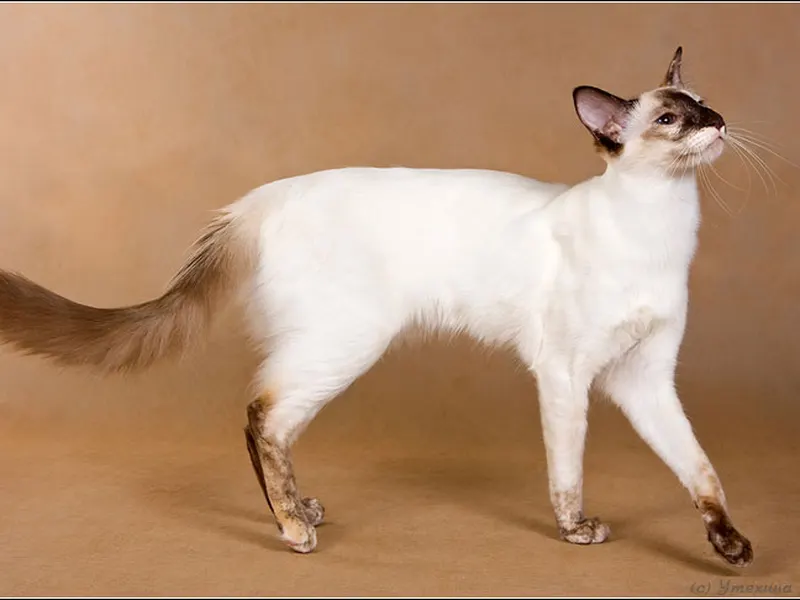
Colorpoint ShorthairSiamese style in red and cream
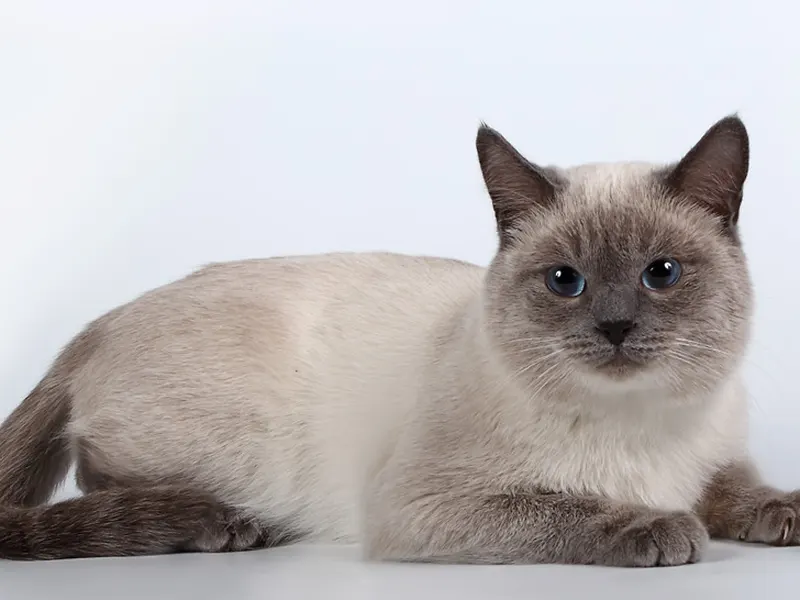
The Colorpoint Shorthair is a Siamese in every way but color: the same slim, elegant body, blue eyes and talkative nature, with points in red, cream, lynx (tabby) and tortie patterns. It is recognized as a separate breed only by CFA and suits people who want a devoted, vocal companion.
Why people love the Colorpoint Shorthair
- Extroverted, affectionate and people-focused
- Short coat needs only weekly care
- Often lives 12 to 18 years
- Intelligent; learns tricks and routines quickly
- Adapts well to apartments with enough attention
Things to consider
- Very vocal; talks often and loudly
- Demanding when bored or lonely
- Needs a second cat if owners are out all day
- Prone to dental disease
- Shares Siamese health issues such as PRA
Is this breed right for you?
10 questions · live resultHistory and Origin
In the 1940s breeders in Britain and the US wanted Siamese-type cats in colors the traditional Siamese did not carry, especially red. They crossed Siamese with red tabby American Shorthairs and other cats, including Abyssinians, then bred back to Siamese over many generations to restore the body type and pointed pattern.
CFA accepted these cats as the Colorpoint Shorthair and granted championship status in 1964, keeping the Siamese name for the four classic point colors. Most other registries, including TICA, FIFe and the GCCF, simply classify these colors as Siamese.
Size, Coat and Point Colors
The Colorpoint Shorthair is a slim, elegant cat weighing roughly 5 to 10 lb. Males are generally larger than females. The body is long, tubular and svelte, with fine bones, long legs and a long, whip-like tail, matching the Siamese type exactly.
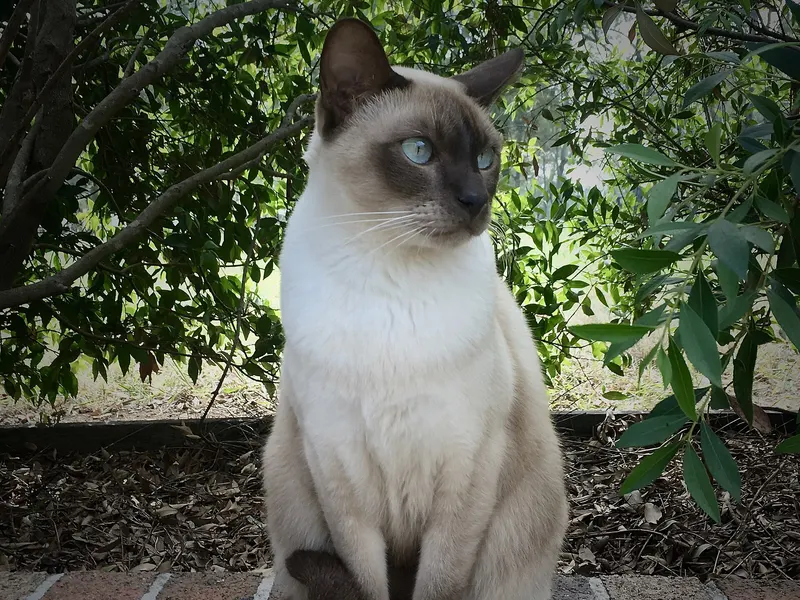
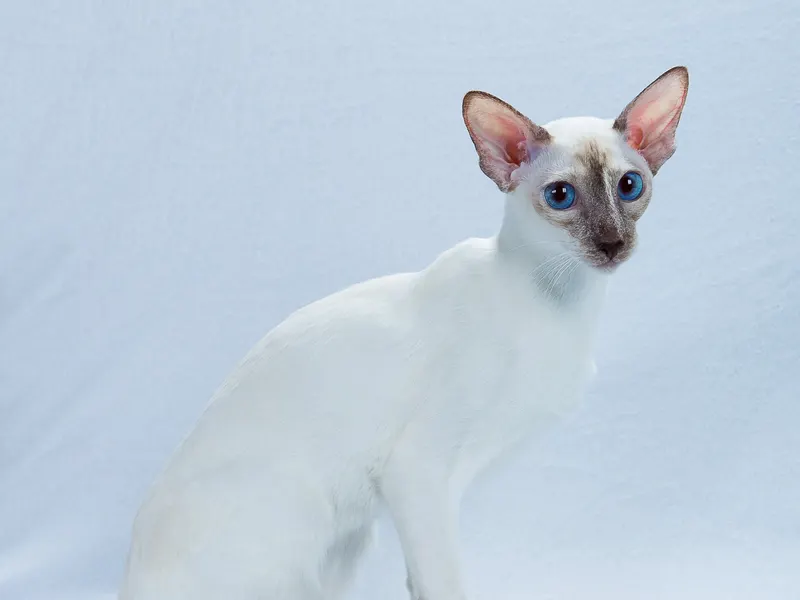
The head is a long, tapering wedge with large, pointed ears that continue the wedge line. The eyes are almond-shaped and always deep, vivid blue.
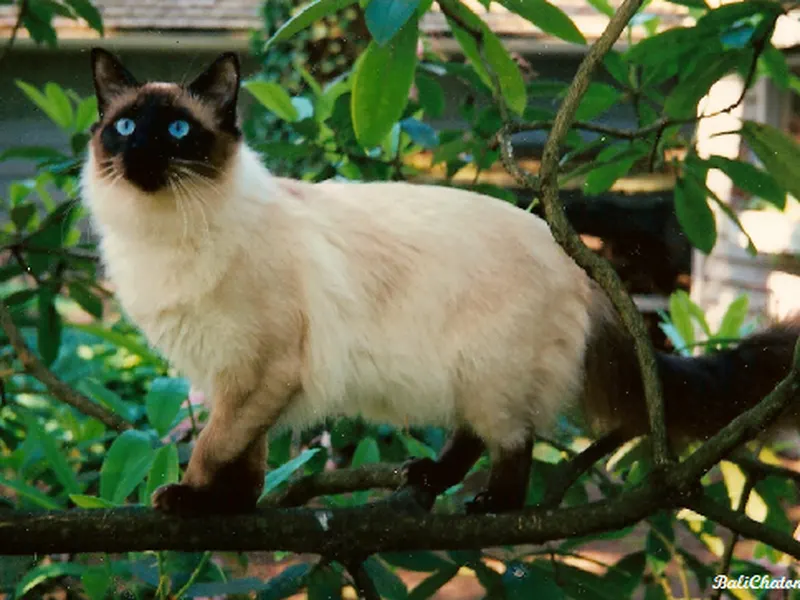
The coat is short, fine and close-lying, with little undercoat. The pointed pattern shows darker color on the face (mask), ears, legs and tail, with a lighter body.
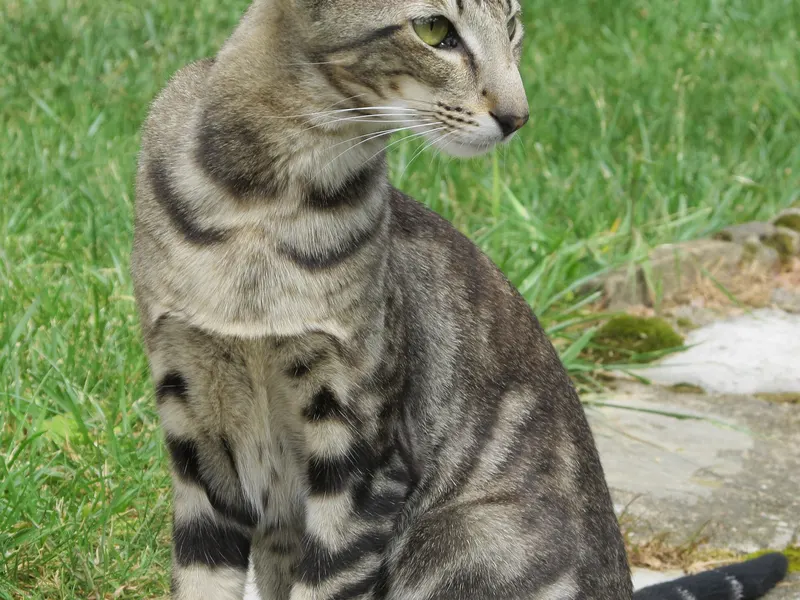
CFA accepts 16 point colors beyond the four classic Siamese colors: red and cream points, lynx points (tabby pattern on the points) in seal, chocolate, blue, lilac, red and cream, and tortie and tortie-lynx points. Points often darken with age and in cooler temperatures.
Personality and Temperament
Colorpoints are extroverted, affectionate and very vocal. They follow their people, comment on everything and want to be part of daily life. Many form an especially close bond with one person.
- Friendly with children and visitors
- Generally get on with cat-friendly dogs and other social cats
- Sensitive to being ignored and can become demanding when bored or lonely
Their intelligence and need for interaction mean they notice routines quickly. Many learn when their owner usually comes home and will wait at the door. They tend to be playful and inventive, opening drawers and cupboards, and they respond well to praise and food rewards in training.
Unlike some quieter breeds, they will tell you when they are unhappy, so a Colorpoint is easy to read but rarely silent.
Are Colorpoint Shorthairs Lap Cats?
Many are. Colorpoints are extroverted and affectionate, and they often enjoy close contact with their people, including lap time.
They are also active and curious, so lap sessions may alternate with play and exploration. Many form an especially close bond with one person and seek that person's lap. If you want an affectionate cat that wants to be near you and often on you, a Colorpoint is a good choice. They also tend to follow their favorite person around the home and chat while doing it, so affection rarely comes quietly with this breed.
Are Colorpoint Shorthairs Good for First-Time Owners?
Yes, if the owner is home often and enjoys a talkative, involved cat. Colorpoints are affectionate, easy to groom and intelligent, which makes them rewarding first cats.
The challenges are their vocal nature and need for interaction. They talk often and loudly and can become demanding when bored or lonely. A second cat is strongly recommended if owners are out during the day. First-time owners who want an engaging, social cat often do well with the breed. Short daily clicker sessions channel their intelligence well.
Can Colorpoint Shorthairs Be Left Alone?
Colorpoints can handle short periods alone, but they are highly social and dislike long stretches without company. Lonely Colorpoints may become vocal or demanding.
A second cat is strongly recommended if you are away during the day. Provide window perches, puzzle feeders and climbing spaces to keep them busy. Many Colorpoints learn when their owner usually comes home and wait at the door. For long workdays, a pet sitter can help. Leaving a radio on or rotating toys can also help, but company matters most to this social breed, and a lonely Colorpoint tends to let the whole household know about it.
Activity, Play and Enrichment
These are active, intelligent cats. They enjoy fetch, wand toys, climbing and learning tricks. Puzzle feeders and a daily routine of play help. A second cat is strongly recommended if you are away during the day.
They adapt well to apartments as long as they get attention and vertical space.
Useful enrichment includes window perches with a view of birds, wall shelves for climbing, harness training and short daily clicker sessions. Rotating toys every few days prevents boredom.
Grooming and Shedding
The coat is short, fine and close-lying, with little undercoat. A weekly rub with a soft brush or rubber mitt is enough, and shedding is light. Pointed cats can darken with age and in cool temperatures, which is normal. Brush teeth often, as dental disease is common in Siamese-type cats.
Trim nails every two to three weeks and check ears weekly. Their fine coat shows the body shape closely, so it is easy to spot weight changes early.
Feeding and Nutrition
Colorpoints are slim, active cats, and their fine coat shows the body shape closely, so weight changes are easy to spot. Feed a complete, high-quality diet in measured meals, adjusting portions to activity and body condition.
Many Colorpoints do well with two or three meals a day plus food puzzles that provide mental stimulation for this intelligent breed.
Dental disease is common in Siamese-type cats, so dental care, including regular brushing and veterinary dental checks, is important.
Amyloidosis, mainly of the liver, is reported in the Siamese family. Regular veterinary checks help catch problems early. Fresh water should always be available. Use small treats for training, as Colorpoints respond well to food rewards. Because they are so food-aware and clever, many Colorpoints learn to beg loudly at mealtimes; set feeding times help. Weigh adults every few months, since a slim 5 to 10 lb cat shows small changes quickly, and senior cats may need portion adjustments as activity drops.
| Adult weight | Indoor, less active | Typical adult | Active or intact |
|---|---|---|---|
| 5 lb | 130 kcal | 160 kcal | 180 kcal |
| 8 lb | 180 kcal | 220 kcal | 260 kcal |
| 10 lb | 220 kcal | 260 kcal | 300 kcal |
Estimates use the resting energy formula veterinarians work with (70 × body weight in kg0.75) and standard activity factors. Use the feeding guide on your food as a starting point and adjust to body condition. Kittens, seniors, pregnant animals and pets that need to lose weight have different needs, so ask your vet.
Health and Lifespan
Colorpoints often live 12 to 18 years. They share the Siamese family's health profile:
- Progressive retinal atrophy (rdAc PRA): a DNA test is available
- Amyloidosis, mainly of the liver
- Asthma and other respiratory issues are reported more often in Siamese-type cats
- Dental and gum disease
Ask for PRA test results for the parents and plan regular dental checks.
Colorpoint Shorthair Price and Cost of Ownership
Typical breeder price in the US$800 to $1,800
A pet-quality Colorpoint Shorthair kitten from a reputable US breeder typically costs about $800 to $1,800. Prices vary by breeder, region and lines. Ask for PRA (rdAc) test results for both parents and about dental and respiratory health in the lines.
Colorpoint and Siamese-type cats sometimes come into rescues and shelters.
Ongoing costs are moderate. Grooming is minimal. Main cost drivers include regular dental care and professional cleanings, climbing spaces and toys, and possibly a second cat for company. Pet insurance is worth considering for dental and respiratory issues. Some Siamese-type cats develop asthma, which can mean ongoing medication costs. Food costs are low for a slim cat of 5 to 10 lb. Puzzle feeders, window perches and clicker training supplies are small but worthwhile purchases for such a clever, social breed.
Is the Colorpoint Shorthair Right for You?
A Colorpoint suits people who are home often, families with children and anyone who enjoys a talkative, involved cat. It is a poor match if you prefer quiet or are out all day without another cat at home.
Pet-quality kittens typically cost about $800 to $1,800 in the US, varying by breeder and region.
Colorpoint Shorthair Traits at a Glance
Colorpoint Shorthair FAQ
Is a Colorpoint Shorthair a Siamese?
Genetically and in temperament, essentially yes. CFA registers red, cream, lynx and tortie points as Colorpoint Shorthairs, while most other registries call them Siamese.
Are Colorpoint Shorthairs vocal?
Very. Like the Siamese, they talk often and loudly.
Are Colorpoint Shorthairs hypoallergenic?
No cat is. Their short coat sheds little, but they still produce the Fel d 1 allergen.
How big do Colorpoint Shorthairs get?
They are slim and medium-sized, usually 5 to 10 lb (2.5 to 4.5 kg).
How long do Colorpoint Shorthairs live?
Often 12 to 18 years.
Do Colorpoint Shorthairs get along with other cats?
Usually yes. They enjoy company, and a second playful cat helps meet their need for interaction when owners are out.