Orange Tabby CatsWhy orange cats are mostly male and striped
An orange tabby is not a breed but a coat color: orange or ginger fur with darker orange tabby markings. The orange gene sits on the X chromosome, which is why most orange cats are male, and orange cats almost always show tabby stripes.
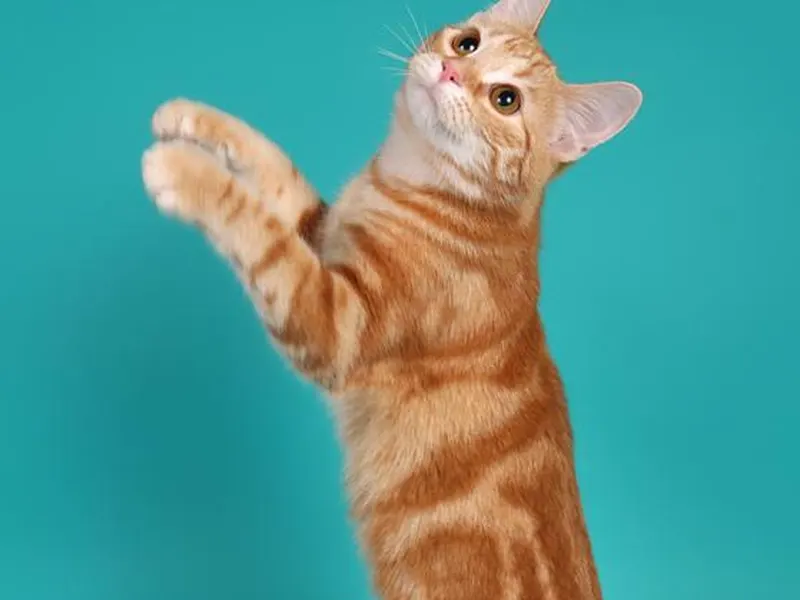
What is an orange tabby cat?
An orange tabby is a cat whose coat is orange-based, with darker orange stripes, swirls or spots. People also call them ginger, marmalade or red cats. In cat shows, the official name is usually "red" or "red tabby".
Orange cats range from pale, almost apricot shades to deep, rich red. The pattern underneath can be any of the four tabby types: classic swirls, mackerel stripes, spots or ticked. Many orange cats also have white, from a small chest patch to a mostly white body.
Most orange tabbies are mixed-breed domestic cats, though many pedigreed breeds also come in red.
Why orange cats are always tabby
In most cats, the agouti gene decides whether the tabby pattern shows. Cats with two non-agouti copies have solid-colored hairs that hide the pattern, which is how you get solid black cats.
The orange pigment works differently. The orange gene overrides the effect of non-agouti, so tabby markings remain visible in orange fur whether the cat is agouti or not. That is why a truly solid orange cat is practically unheard of. Breeders of red show cats work hard to reduce the markings, but faint stripes usually remain, especially on the legs, tail and face.
The same applies to cream cats and to the orange patches on tortoiseshell and calico cats, which often show faint tabby markings too.
The genetics: why most orange cats are male
The orange gene (O) is located on the X chromosome. A cat with the orange version produces orange (pheomelanin) pigment instead of black (eumelanin) pigment.
Males have one X and one Y chromosome. If that single X carries orange, the male is orange. It only takes one copy.
Females have two X chromosomes. To be fully orange, a female needs orange on both. With one orange and one non-orange X, she becomes a tortoiseshell or calico instead.
Because males need just one copy and females need two, orange cats skew male. A figure of around 80 percent male is often cited. The exact share varies between populations, depending on how common the orange gene is locally.
In 2025, two research teams reported that the orange color is linked to a small deletion of DNA affecting a gene called ARHGAP36 on the X chromosome. This helped explain a question geneticists had puzzled over for decades, although research into how it works is ongoing.
Parents can predict the odds. A male kitten gets his only X from his mother, so an orange mother produces orange sons, whatever the father's color. An orange daughter needs an orange father plus an orange gene from her mother, which means the mother must be orange, tortoiseshell or calico.
Cream cats and other variations
Cream is the dilute version of orange. A cat with two copies of the recessive dilution gene (d) has its orange softened to a pale buff or cream color. Cream cats follow the same X-linked rules, so they also lean male.
Orange and white cats carry the white spotting gene as well. They range from a few white socks to the "van" pattern, where color is mostly limited to the head and tail.
Red point or flame point cats have the orange gene combined with the colorpoint gene, so the orange appears on the face, ears, legs and tail of a pale body.
Note that some breeds use the word "red" for a different color. The Abyssinian's "red" or sorrel coat, for example, is a cinnamon-based color, not the X-linked orange gene.
Breeds that come in orange
Many breeds accept red or cream in their standards. Some where orange is a familiar sight:
- Maine Coon: red tabby and red tabby and white are popular
- British Shorthair, Persian and Exotic Shorthair: red and cream are long-established show colors
- American Shorthair: red tabby is a recognized color
- Turkish Van: classic auburn (red) markings on the head and tail
- Colorpoint Shorthair: red point and cream point
- Norwegian Forest Cat, Devon Rex and Cornish Rex: red in many patterns
- Burmese and Oriental Shorthair: red and cream in some registries
Still, the vast majority of orange tabbies are mixed-breed cats found in homes and shelters everywhere.
Personality: myth vs fact
Orange cats have a big online reputation: friendly, food-motivated, goofy and famously "one brain cell". It is a fun meme, and many owners have stories that fit it.
There is no solid scientific evidence that the orange gene changes behavior. Some owner surveys suggest people perceive orange cats as friendlier, but perception is not proof: people who already love orange cats are also the most likely to answer such surveys and share cute stories online. One plausible factor is simply that most orange cats are male, and neutered males are often described as more relaxed and sociable than females. Early socialization, genetics in general and environment matter far more than coat color.
Bottom line: an orange cat may well be a cuddly clown, but so might a black, gray or tortie cat. Meet the individual.
Health notes: freckles and more
Orange cats are not known to have color-linked diseases, but there is one common, harmless feature to know about: lentigo. Many orange cats develop small black freckles on their lips, gums, nose or eyelids as they age. Lentigo is benign and does not need treatment. The spots usually start small in young adults and can slowly increase in number and size over the years, which is normal for this condition.
Even so, ask your vet to check any spot that is raised, growing quickly, bleeding or changing shape, so it can be told apart from something more serious. Orange cats with white areas, especially white ears and pink noses, need the same sun precautions as other white-faced cats.
Otherwise, care depends on the individual: weight control (helpful for food-loving cats), dental care, vaccinations and regular vet checks.
Famous orange cats and adopting one
Orange cats are pop culture favorites. Garfield, the lasagna-loving comic strip cat, is the best known. Jones, the ship's cat in the film Alien, and Orangey, the cat actor in Breakfast at Tiffany's, are two famous on-screen examples.
If you want an orange tabby, start with local shelters and rescues. Orange cats and kittens are common, especially males. Orange females are less common, so if you have your heart set on a ginger girl, it may take a little longer to find one.
When you meet candidates, focus on behavior: how the cat reacts to gentle handling, whether it approaches people, and how it gets along with other animals. Ask the shelter about the cat's history, health and any known quirks. An adult orange cat with a known, settled personality is often an easier match than a kitten, especially for first-time owners or homes with children.
Whatever you choose, plan for the basics: neutering or spaying, vaccinations, a scratching post, daily play and a measured diet. Orange cats are not more prone to obesity by color, but their reputation as food lovers is a good reminder to measure meals.
Cat Breeds That Come in Orange tabby
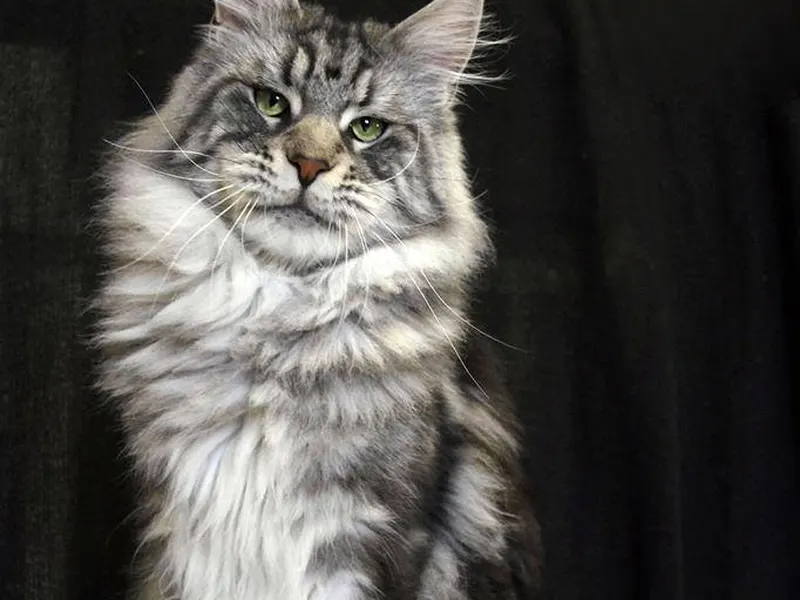 Maine CoonLarge · 8–18 lb
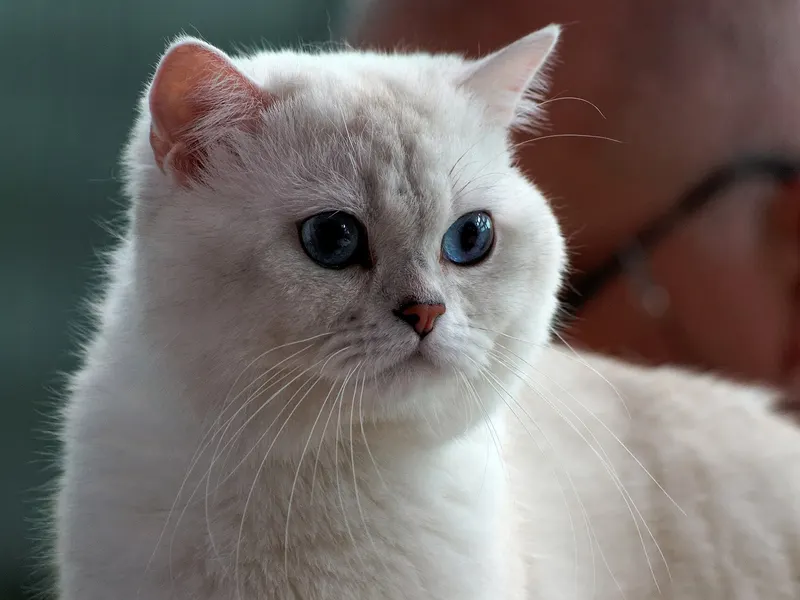 British ShorthairLarge · 7–17 lb
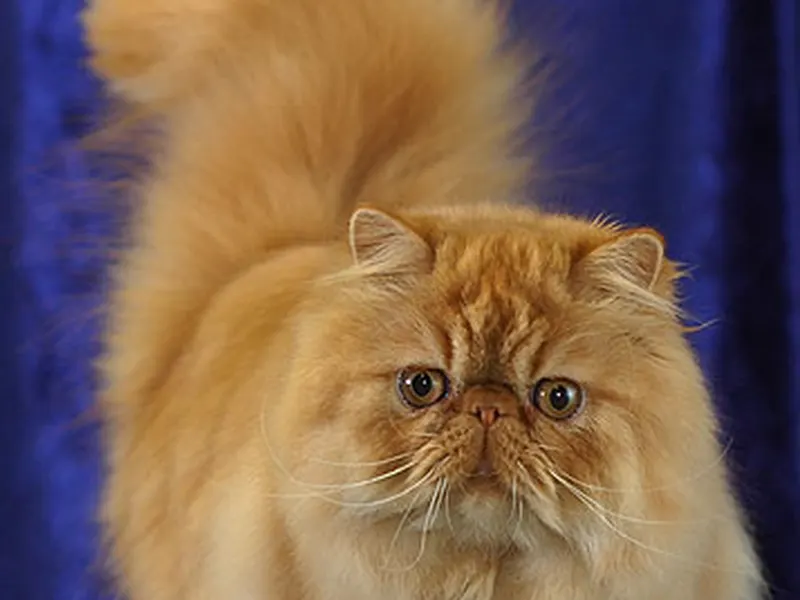 PersianMedium · 7–12 lb
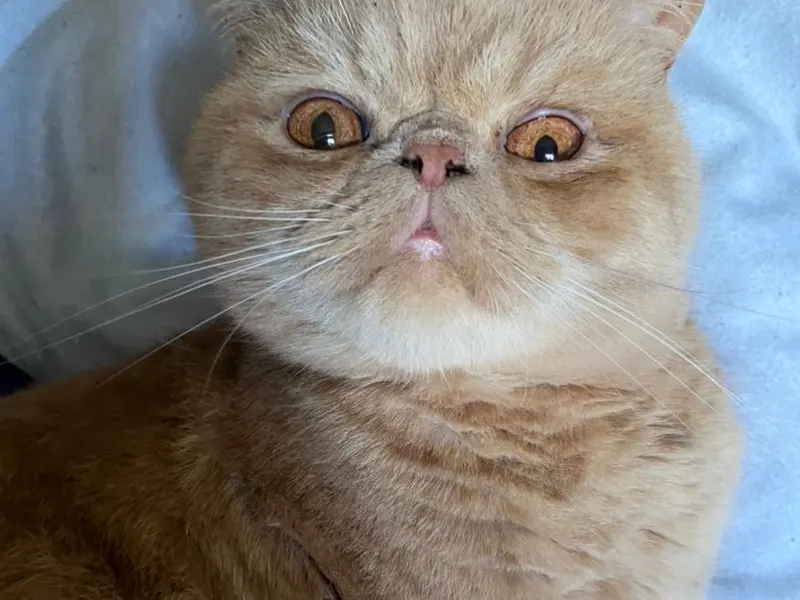 Exotic ShorthairMedium · 7–14 lb
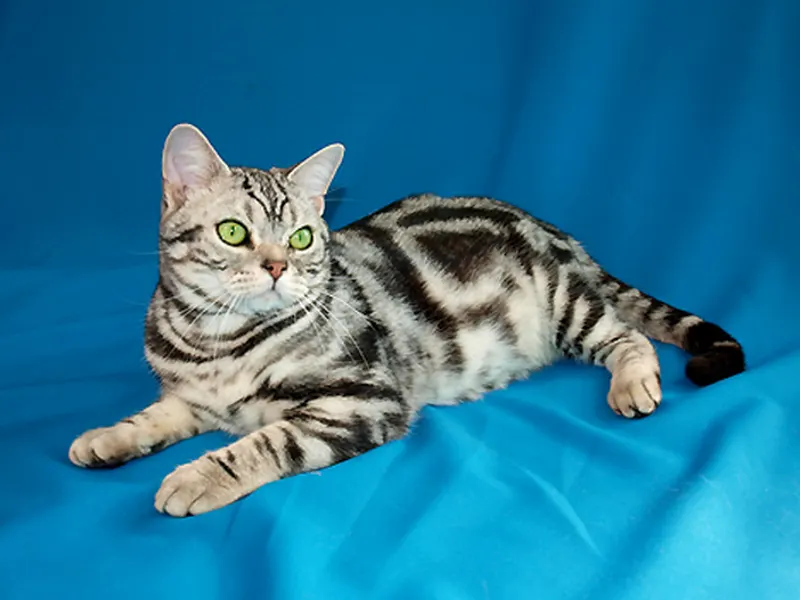 American ShorthairMedium · 7–15 lb
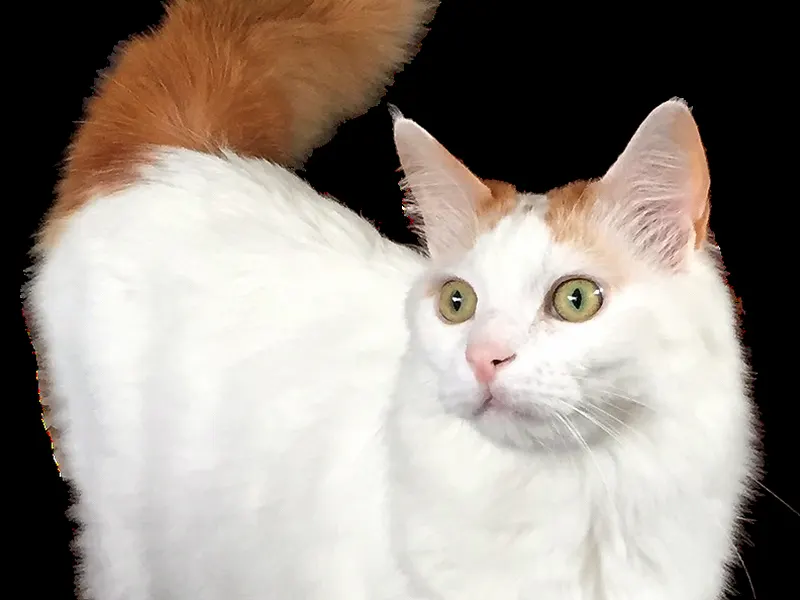 Turkish VanLarge · 10–20 lb
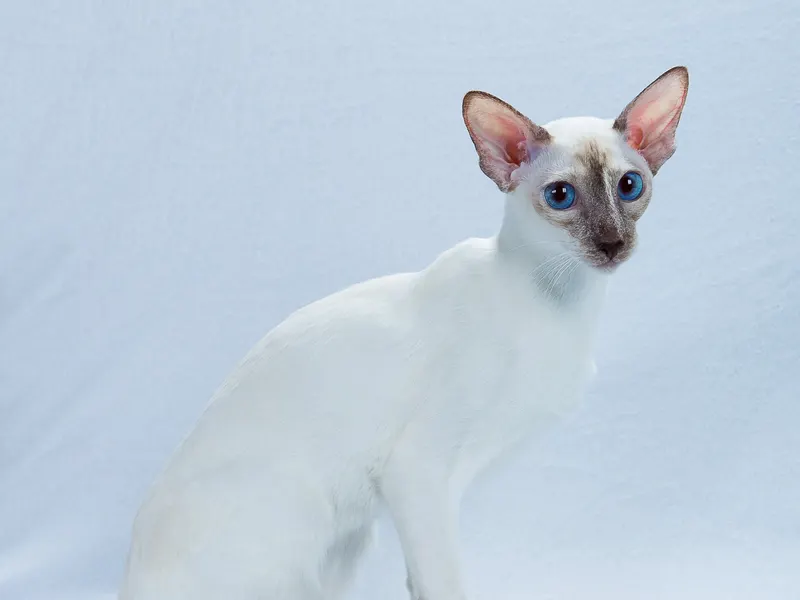 Colorpoint ShorthairSmall · 5–10 lb
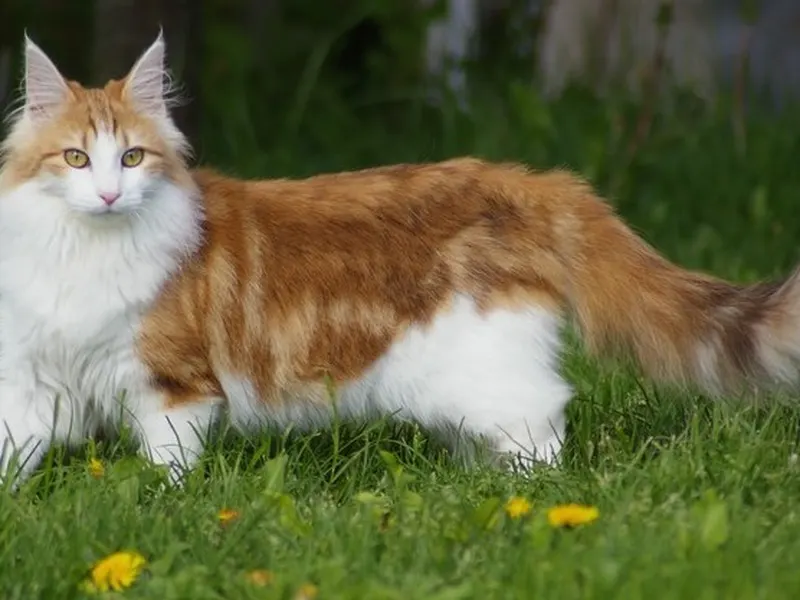 Norwegian Forest CatLarge · 9–20 lb
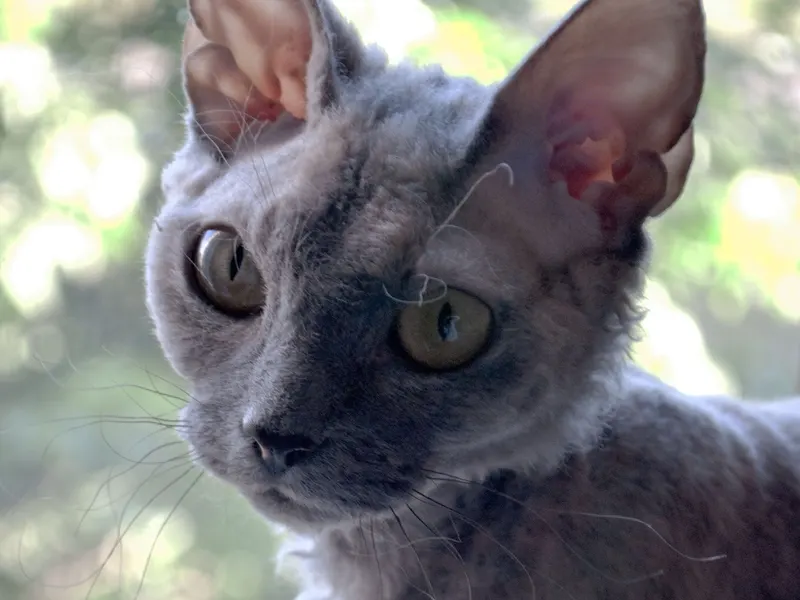 Devon RexSmall · 5–10 lb
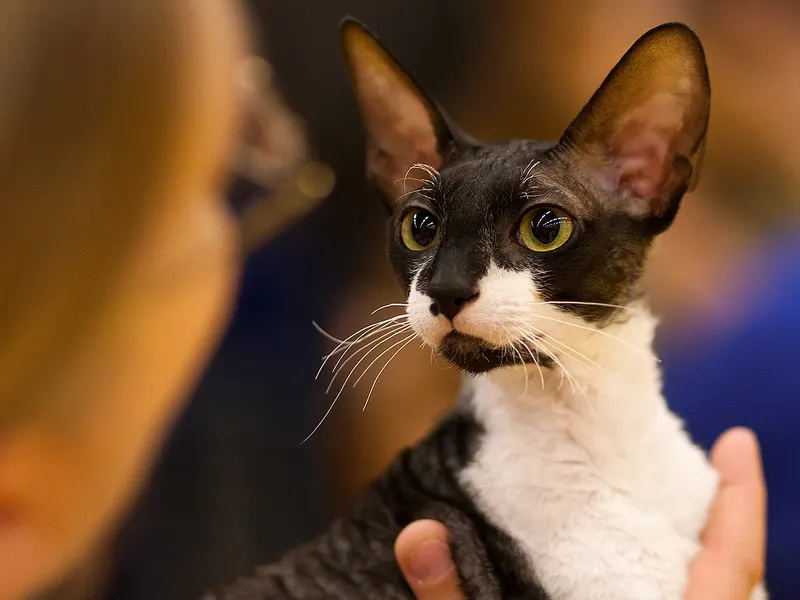 Cornish RexSmall · 6–10 lb
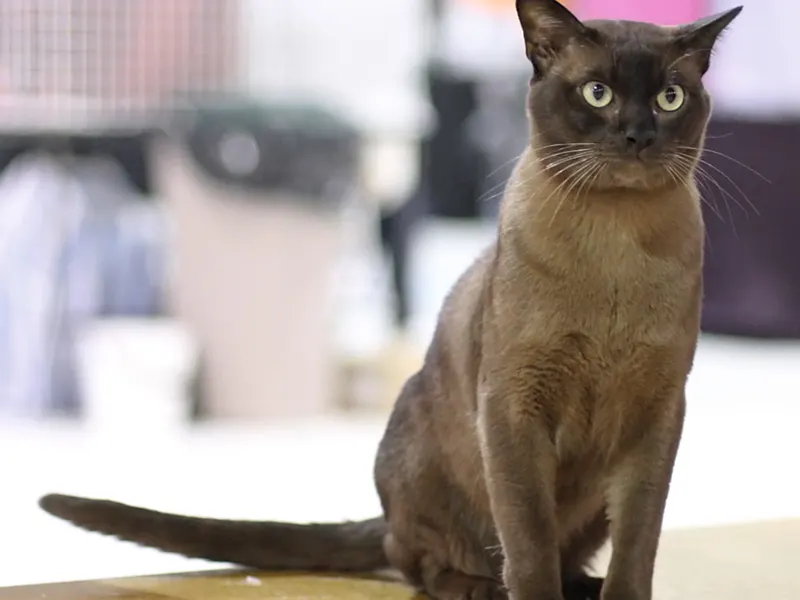 BurmeseMedium · 6–12 lb
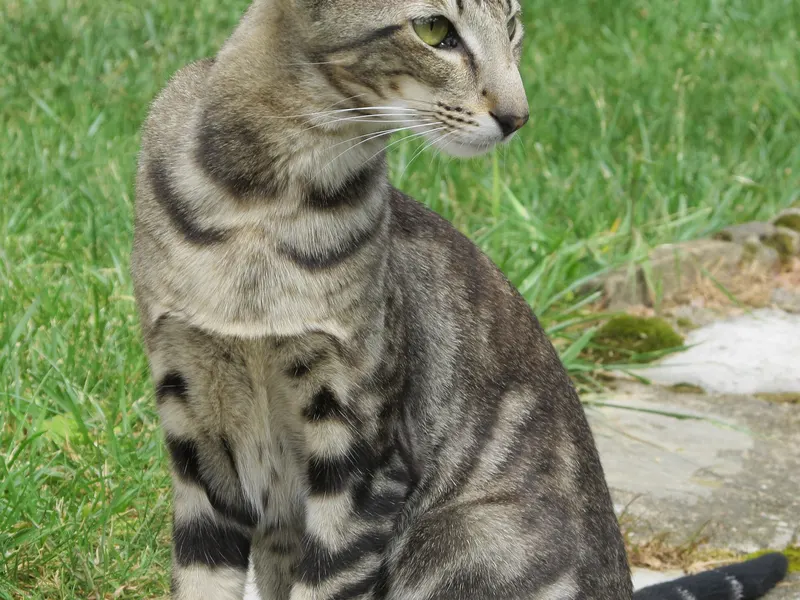 Oriental ShorthairSmall · 5–10 lb
Frequently Asked Questions
Why are most orange cats male?
The orange gene is on the X chromosome. Males need one copy to be orange, while females need two, so orange cats skew male.
Are all orange cats tabby?
Practically yes. The orange gene overrides the agouti effect, so orange cats show tabby markings even if they carry non-agouti.
Can a female cat be orange?
Yes. A female needs the orange gene on both X chromosomes. Around one in five orange cats is often cited as female.
Are orange cats really friendlier?
There is no strong evidence. Their friendly reputation is anecdotal and may partly reflect that most orange cats are male.
What are the black spots on my orange cat's nose?
Usually lentigo, harmless dark freckles common in orange cats. Have new spots that grow or change checked by a vet.
Is an orange tabby a breed?
No. Orange tabby is a coat color found in mixed-breed cats and many pedigreed breeds.
More About Cat Colors and Patterns
Looking for the right cat?
Answer 10 quick questions and get cat breeds ranked for your home, routine and family.