Calico CatsThree colors, two X chromosomes, endless patterns
A calico is not a breed but a coat pattern: patches of black, orange and white on the same cat. The pattern depends on an orange gene carried on the X chromosome, which is why almost every calico is female. Calicos turn up in many pedigreed breeds and are common among mixed-breed domestic cats.
What is a calico cat?
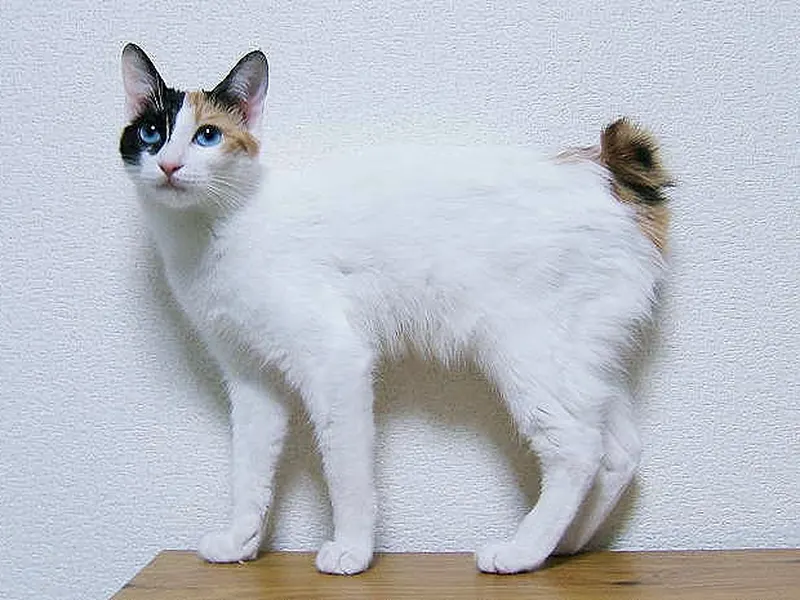
A calico cat has a coat made of three colors: white plus distinct patches of black and orange. In the US the word calico is borrowed from printed cotton fabric. In the UK and among breeders you will also hear tortoiseshell and white, and in Japan the pattern is called mi-ke, meaning three fur.
No two calicos look alike. Some are mostly white with a few colored splashes, others are mostly colored with a white bib and paws. What they all share is the same genetic recipe.
How the calico pattern forms
Cat coat color starts with two pigments, black and orange. The gene that decides between them, called O (orange), sits on the X chromosome. One version makes orange pigment, the other allows black.
A female has two X chromosomes. If one carries orange and the other carries non-orange, she has the ingredients for both colors. Early in embryo development, each cell randomly switches off one of its two X chromosomes, a process called X-inactivation. Every cell descended from that one keeps the same X switched off. The result is a mosaic of skin patches: some produce orange hair, some produce black.
The white comes from a separate gene, the white spotting (piebald) gene, S. It controls how far pigment cells spread across the body as the embryo grows. Where they do not reach, the hair is white. White spotting also tends to break the black and orange into larger, cleaner blocks. That is the main visual difference between a calico and a tortoiseshell, where the colors are finely mixed.
Because X-inactivation is random, even genetically identical cats will have different patterns. The first cloned cat, CC, was born in 2001 from a calico donor and turned out tabby and white rather than a copy of her.
Calico variations and calico vs tortoiseshell
- Classic calico: black, orange and white in bold, separate patches.
- Dilute calico: the dilution gene softens black to blue-gray and orange to cream, giving a pastel gray, cream and white cat.
- Calico tabby (caliby): the colored patches show tabby stripes. Some registries call this patched tabby and white.
- Chocolate or lilac calico: rarer versions where black is replaced by chocolate or its dilute, lilac, mainly seen in some pedigreed lines.
- Van calico: mostly white with color limited to the head and tail, linked to a high level of white spotting.
The amount of white can range from a small chest spot to nearly the whole body. As a loose rule, cats with more white tend to have larger, more sharply separated patches of black and orange, while cats with little white show smaller, more blended patches.
Calico vs tortoiseshell: the two patterns share the same genetics for black and orange. The difference is white. A tortoiseshell has black and orange woven together with little or no white. A calico has the same colors in larger patches with clear white areas. Breed standards generally treat calico as tortoiseshell and white, and in everyday language a cat with noticeable white gets called calico.
Why are almost all calicos female?
A typical male has one X and one Y chromosome. With only one X, he carries either orange or non-orange, so he can be orange or black-based, but not both. That is why calico and tortoiseshell males are rare.
Male calicos do occur. The most common cause is an extra X chromosome, giving the cat an XXY makeup, similar to Klinefelter syndrome in humans. These males are usually sterile. Less often a male calico is a chimera, formed when two embryos fuse early on, and a few such cats have been fertile.
A figure of about 1 in 3,000 calicos being male is often cited, but it comes from limited surveys and should be read as a rough estimate. Male calicos are not more valuable as breeding cats, since most cannot sire kittens.
What about the kittens of a calico mother? Her sons inherit one of her two X chromosomes, so each son will be either orange-based or black-based. Her daughters inherit one X from her and one from the father, so a calico mother and an orange or black father can produce calico or tortie daughters, depending on which X each kitten receives and whether white spotting is passed on.
Breeds that come in calico
Any breed that accepts both orange-based colors and white spotting can produce calicos. The pattern is especially associated with the Japanese Bobtail, where the mi-ke calico is a traditional favorite.
Calicos are also seen in the Maine Coon, Persian, Exotic Shorthair, British Shorthair, American Shorthair, Manx, Norwegian Forest Cat, Siberian, Turkish Van, Scottish Fold and the rex breeds. Breeds limited to colorpoint, solid or ticked coats, such as the Siamese, Russian Blue or Abyssinian, do not come in calico under their standards.
Pedigreed calicos are judged on the same body type and coat as other colors in their breed. Some standards ask for clear, well-defined patches, while others care more about overall balance than exact placement. A longhaired calico, such as a Persian or Maine Coon, often looks softer because the long fur blurs the edges between colors.
Most calicos in homes and shelters are mixed-breed domestic shorthairs and longhairs.
Personality: myth vs fact
Calicos and torties have a reputation for sass, sometimes called tortitude. This is folklore, not science. Owner surveys have found that people describe tricolor cats as more independent or feisty, but these studies rely on owner impressions and cannot separate color from expectation.
There is no known biological link between the orange gene, white spotting and temperament. A calico's personality depends on her early socialization, environment and, in pedigreed cats, her breed. Since nearly all calicos are female, some of the reputation may also reflect ordinary differences between individual cats rather than anything about the coat.
History, folklore and famous calicos
In Japan, calicos have long been seen as lucky. The maneki-neko, the beckoning cat figurine found in shops and restaurants, is traditionally shown as a white cat with calico patches, often a Japanese Bobtail type.
In the US, the calico is the official state cat of Maryland, adopted in 2001 because its colors echo the orange, black and white of the state bird, the Baltimore oriole. In parts of the US calicos are sometimes nicknamed money cats.
Sailors were said to favor tricolor ship's cats for luck, though stories like this are hard to trace to a reliable source.
Health and adopting a calico
The calico pattern itself does not cause disease in females. Male calicos with an XXY makeup may face some of the health issues linked to the extra chromosome, so a vet check is worthwhile. Like any cat with white areas, calicos with pink noses or white ears can sunburn, so limit strong midday sun for indoor-outdoor cats.
If you want a calico, start at your local shelter. Calicos are common among mixed-breed cats, and because the pattern is visible from birth, what you see is what you get. If you have a specific breed in mind, ask breeders whether their lines include tortoiseshell and white.
Cat Breeds That Come in Calico
Japanese BobtailSmall · 6–10 lb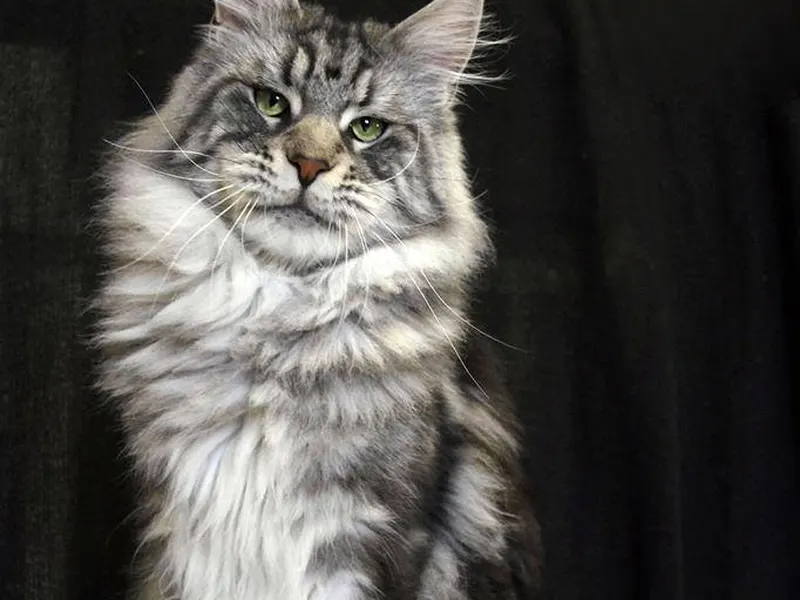 Maine CoonLarge · 8–18 lb
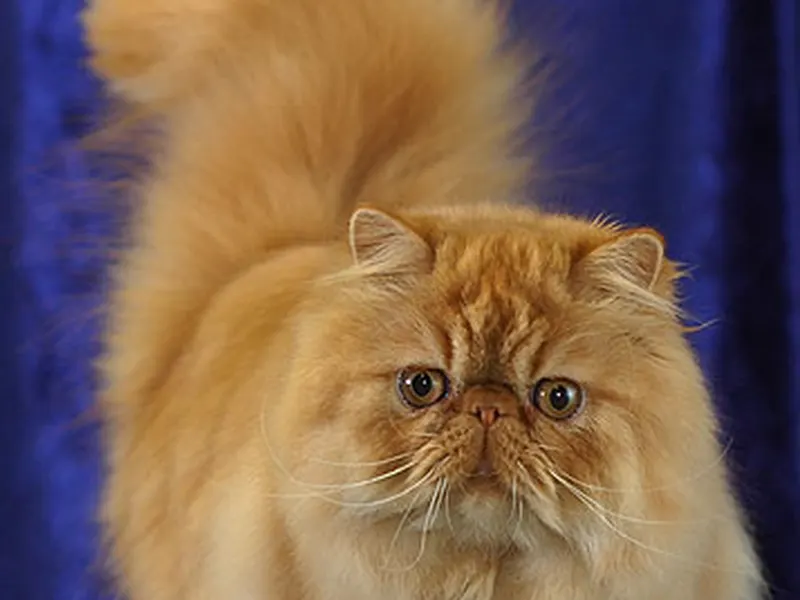 PersianMedium · 7–12 lb
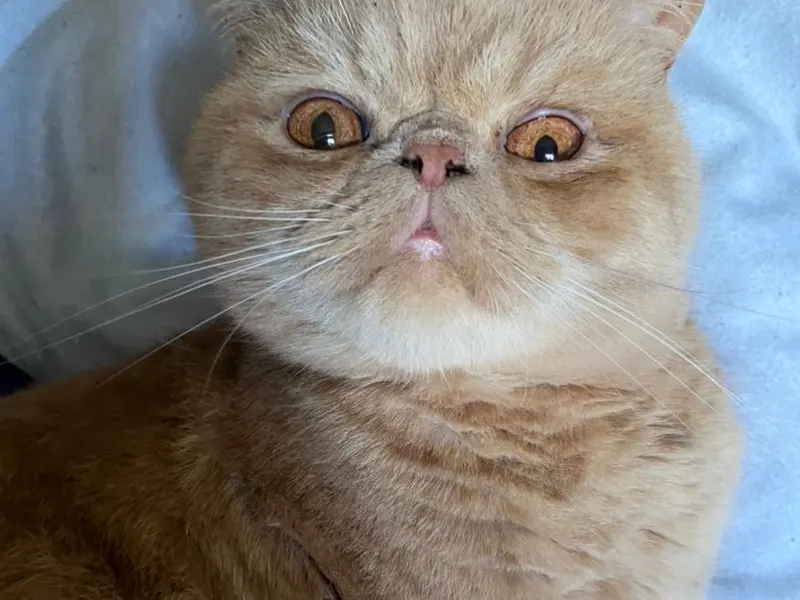 Exotic ShorthairMedium · 7–14 lb
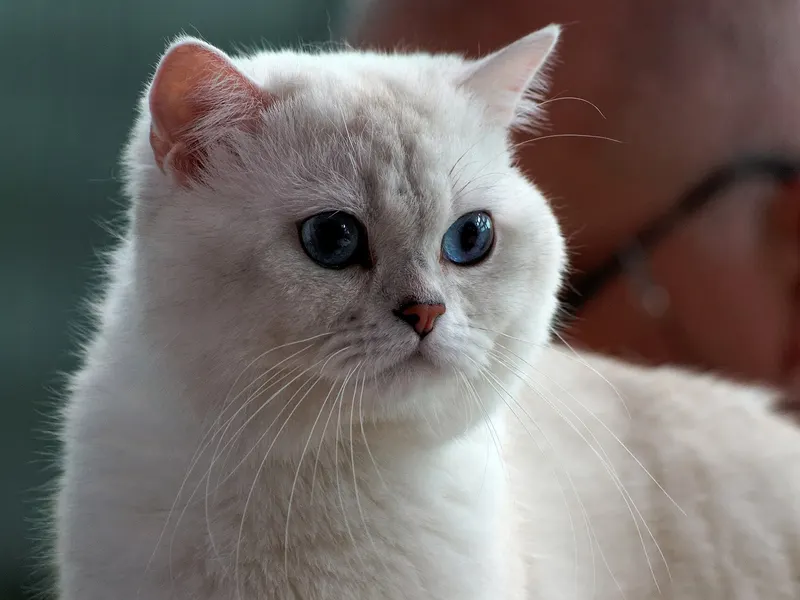 British ShorthairLarge · 7–17 lb
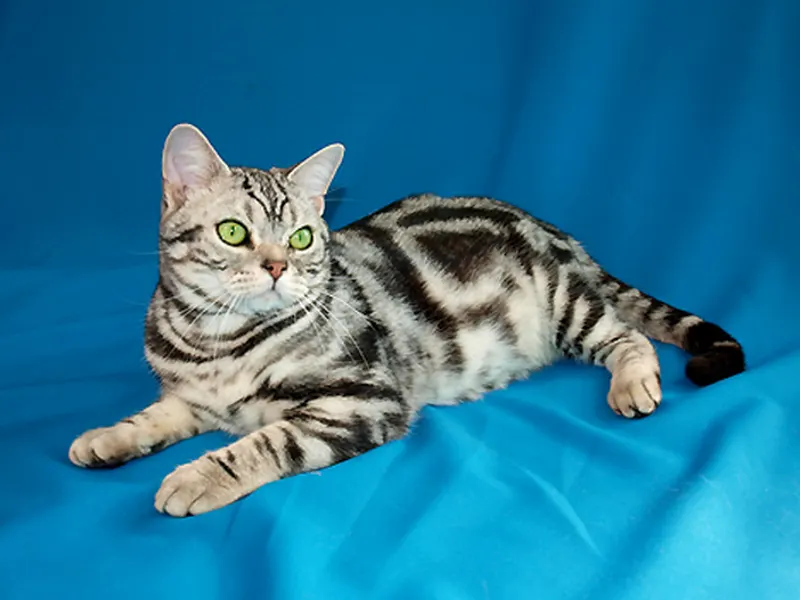 American ShorthairMedium · 7–15 lb
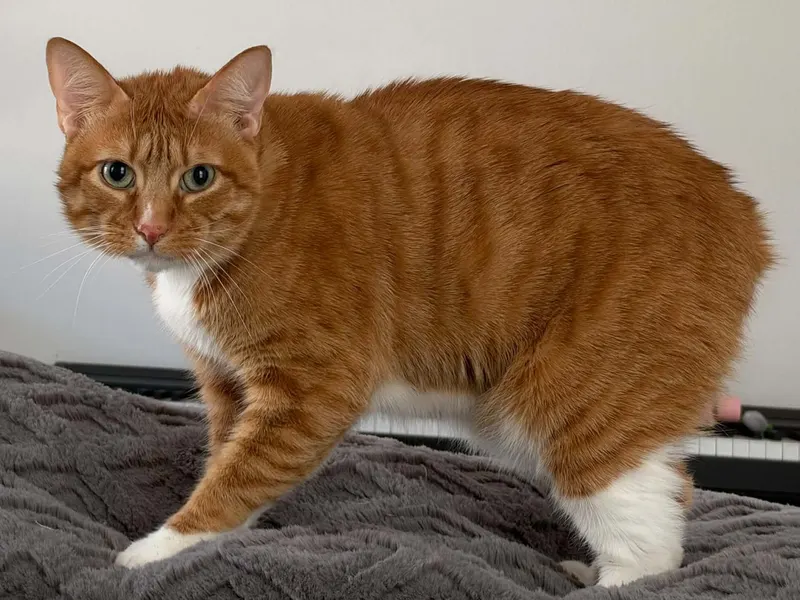 ManxMedium · 7–13 lb
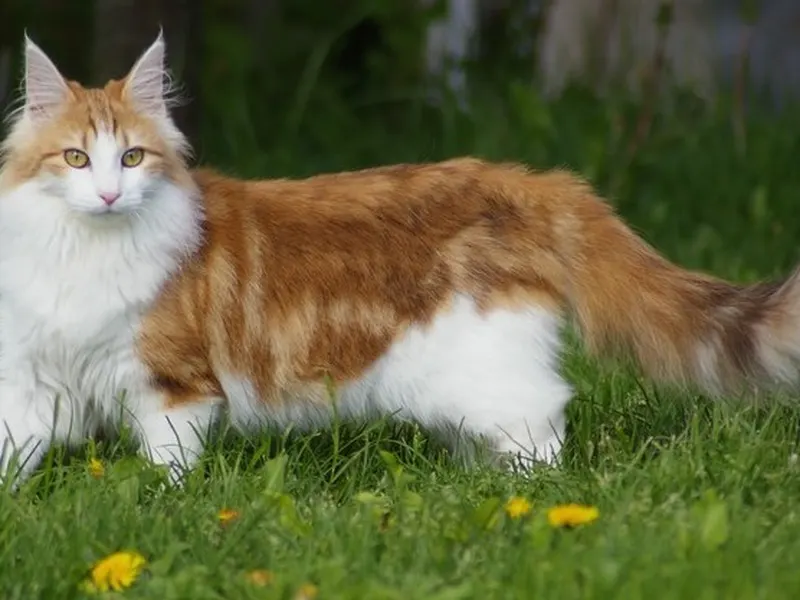 Norwegian Forest CatLarge · 9–20 lb
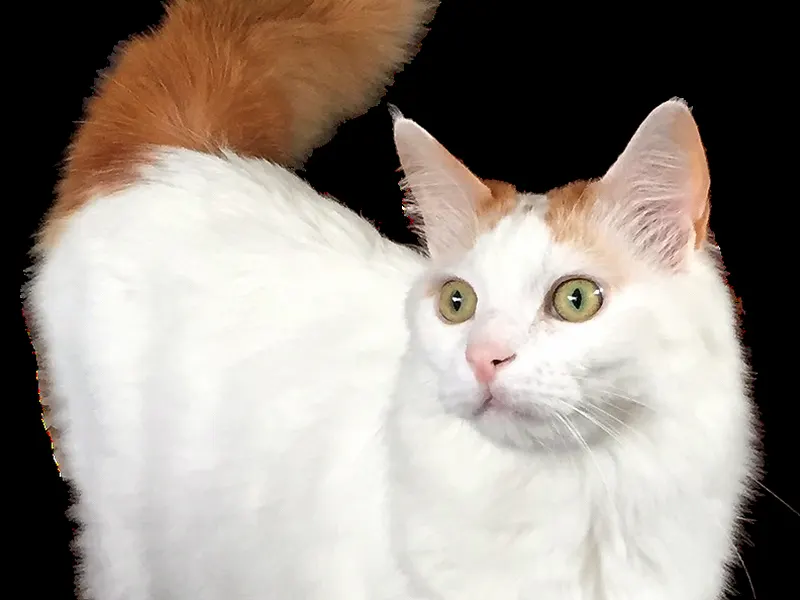 Turkish VanLarge · 10–20 lb
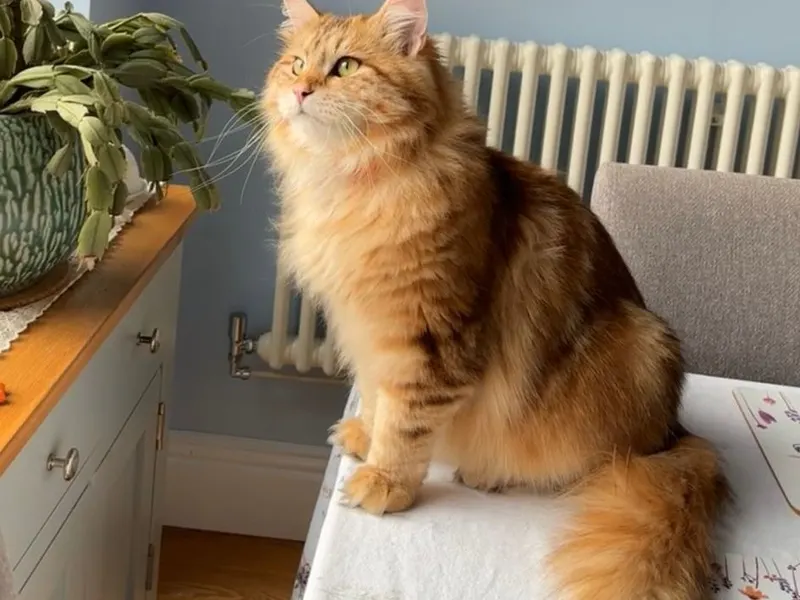 SiberianLarge · 8–17 lb
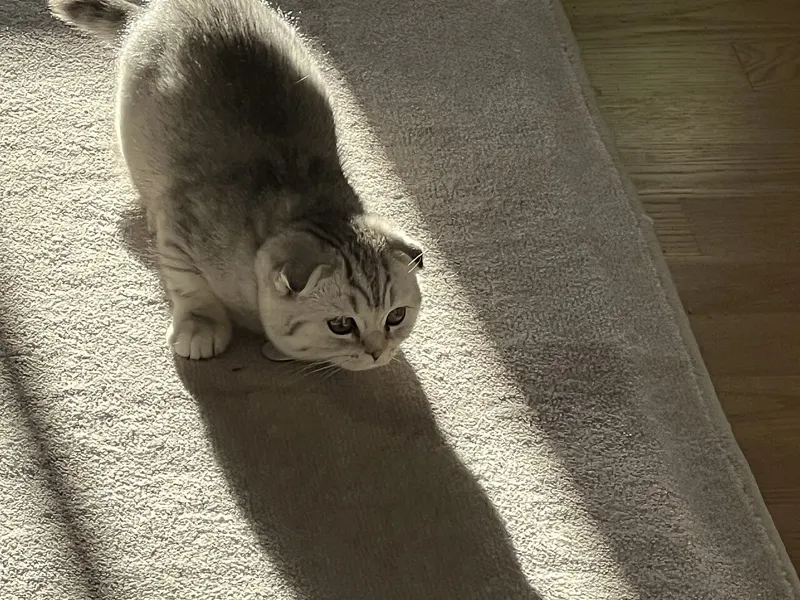 Scottish FoldMedium · 6–13 lb
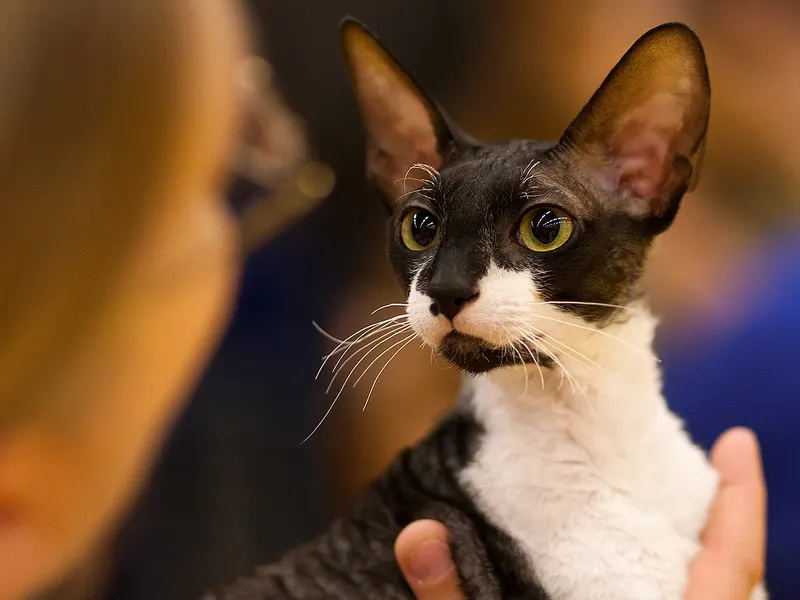 Cornish RexSmall · 6–10 lb
Frequently Asked Questions
Are calico cats always female?
Almost always. The pattern needs two X chromosomes, one carrying orange and one not. Rare male calicos usually have an extra X chromosome (XXY) and are typically sterile.
Is a calico a breed?
No. Calico is a coat pattern of black, orange and white that appears in many breeds and in mixed-breed cats.
What is a dilute calico?
A dilute calico carries two copies of the dilution gene, which turns black into blue-gray and orange into cream. The result is a softer gray, cream and white coat.
What is the difference between a calico and a tortoiseshell?
Both have black and orange, but a calico also has clear white patches. A tortoiseshell has little or no white and its colors are more finely mixed.
How rare is a male calico?
Male calicos are rare. A figure of about 1 in 3,000 is often quoted, but it is based on limited data and should be treated as an estimate.
Do calico cats have a special personality?
There is no scientific evidence that coat pattern determines personality. The feisty calico reputation comes from owner impressions, not proven biology.
More About Cat Colors and Patterns
Looking for the right cat?
Answer 10 quick questions and get cat breeds ranked for your home, routine and family.