Exotic ShorthairPersian personality in a short, plush coat
The Exotic Shorthair is essentially a Persian in a short, dense, plush coat: round face, short nose, sturdy body and calm nature, with far less grooming. It suits quiet homes and people who want a gentle indoor companion, but its flat face brings health concerns buyers should weigh honestly.
Why people love the Exotic Shorthair
- Calm, gentle and affectionate
- Much easier grooming than a Persian
- Quiet voice and low activity indoors
- Copes well with workdays alone
- Suits apartments and quiet homes
Things to consider
- Flat face linked to breathing problems
- Daily eye cleaning for tear overflow
- Prone to overheating in hot weather
- PKD risk requires tested parents
- Dense undercoat sheds moderately
Health note: this breed is affected by health concerns linked to its body shape or coat. Read the health section and choose a breeder who screens their cats and breeds responsibly.
Some European countries apply animal-welfare breeding laws to extreme brachycephaly (for example Germany's Qualzucht provisions and Dutch rules on harmful breeding traits); check local rules.
Is this breed right for you?
10 questions · live resultHistory and Origin
In the 1950s and 1960s, some American Shorthair breeders crossed their cats with Persians to change body type and coat color. The results looked like shorthaired Persians, and rather than fold them into the American Shorthair, breeders, led in part by Jane Martinke, proposed a new breed.
CFA recognized the Exotic Shorthair in 1967. Persians were used heavily as outcrosses, and early on Burmese and Russian Blue also contributed. Today Exotics are still bred with Persians, and longhaired kittens can appear in Exotic litters. The breed is recognized by TICA, CFA, FIFe and the GCCF.
Size, Plush Coat and Colors
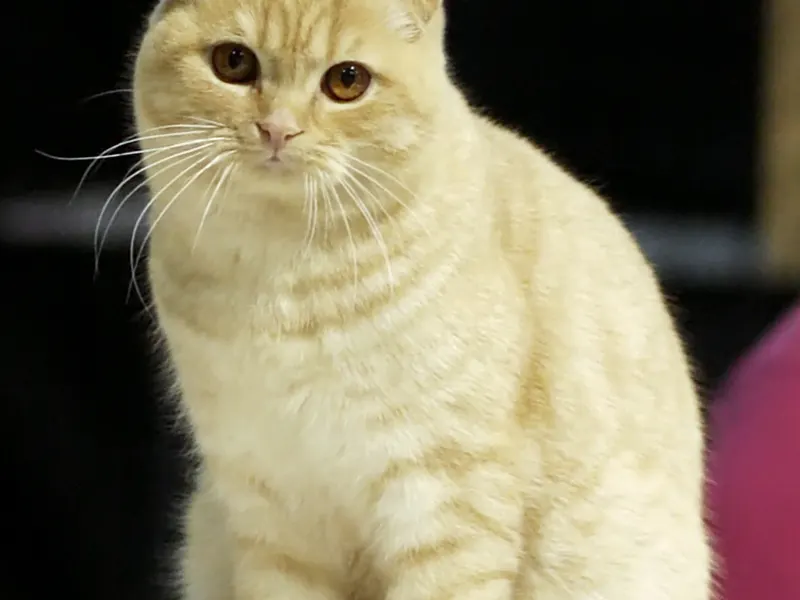
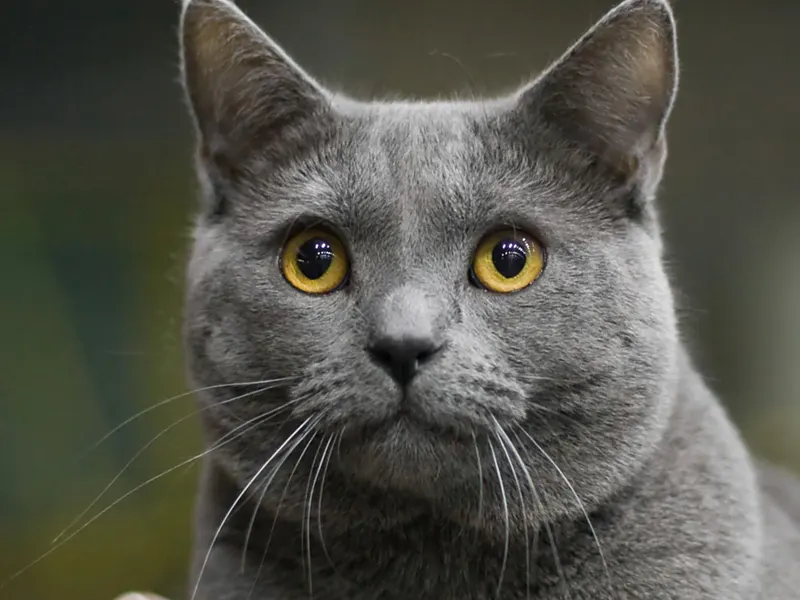
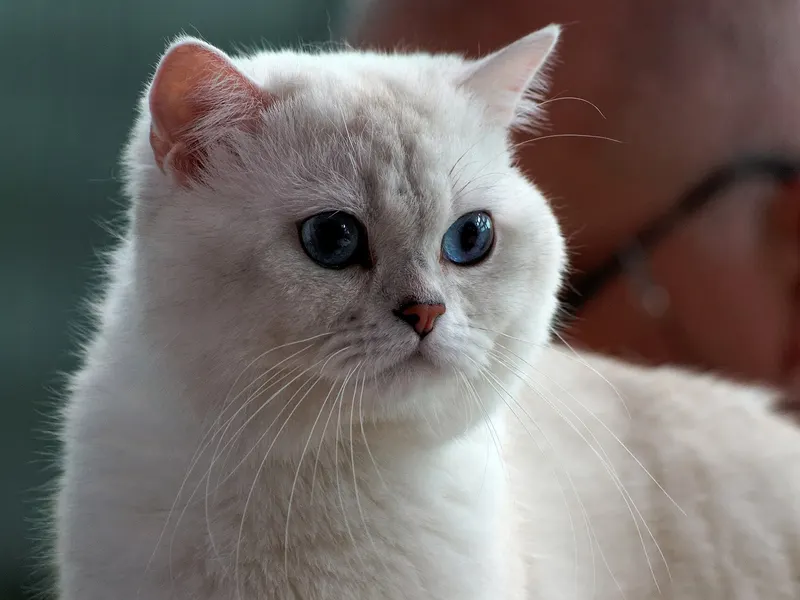
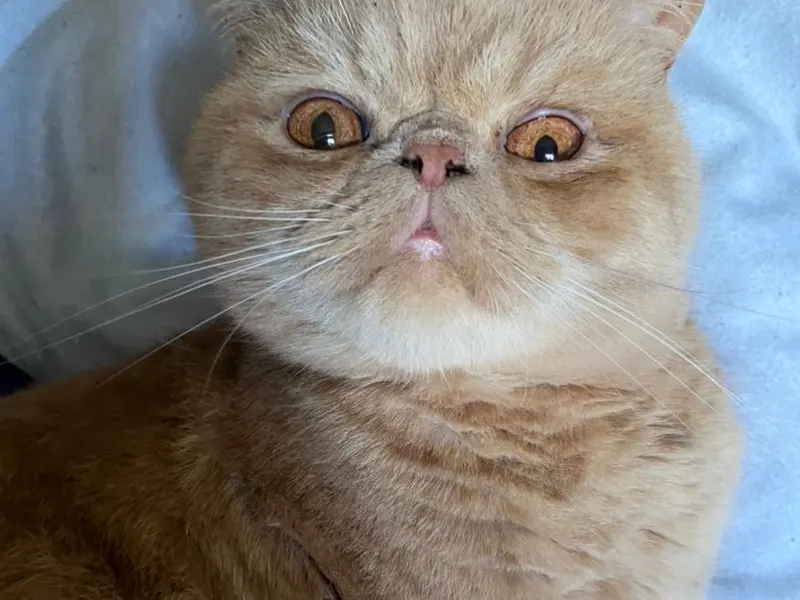
The Exotic Shorthair is a medium to large, cobby cat with a round head, small ears, large round eyes and a short, broad nose. Adults weigh 7 to 14 lb. Males are usually larger and heavier, often at the upper end of the range, with broader heads and more pronounced jowls, while females are smaller and rounder.
The body is compact and heavy-boned, with a broad chest, short thick legs and a short, thick tail. The overall look is soft and rounded, like a teddy bear.
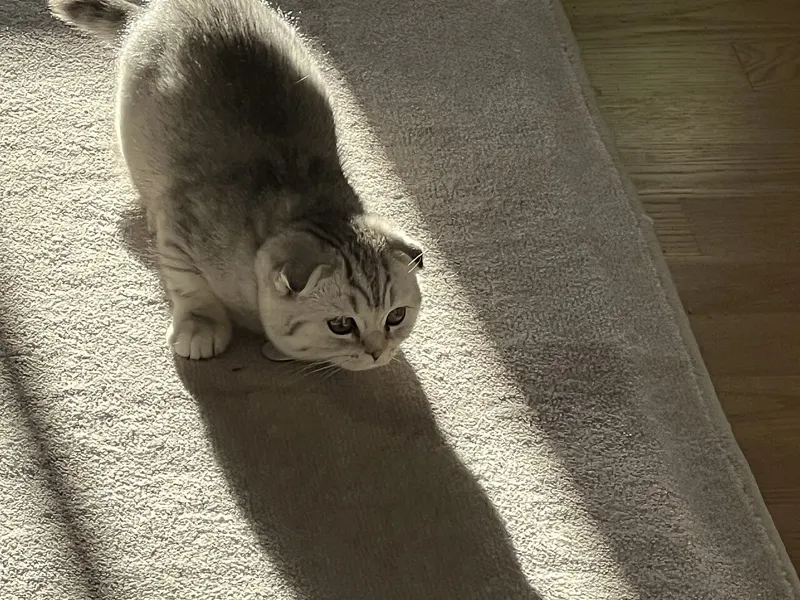
The coat is short, dense and plush, standing away from the body because of its thick undercoat. Nearly all Persian colors and patterns are accepted, including solid, tabby, bicolor, calico, tortoiseshell, smoke, shaded and pointed (Himalayan) patterns. Eye color varies with coat color: copper, blue, green or odd-eyed. Breeders and buyers increasingly prefer moderate faces with open nostrils, which support better breathing.
Personality and Temperament
Exotics are quiet, gentle and affectionate. They like to be near their people and will follow you around calmly rather than demanding attention. Their voice is soft and used sparingly.
Compared with the Persian, many owners describe the Exotic as slightly more playful and curious, possibly from its American Shorthair background. They generally handle being alone during a workday well and do fine with considerate children and calm dogs. They are not climbers or leapers by nature.
Is the Exotic Shorthair a Lap Cat?
Yes, many Exotic Shorthairs are lap cats. They are gentle and affectionate, and they enjoy sitting near or on their people, though they usually do so calmly rather than demanding attention.
Exotics tend to follow their owners from room to room and settle nearby. Some prefer sitting beside you rather than on you, especially in warm weather, since their dense coat holds heat. Compared with more active breeds, they are content with quiet companionship, which makes them ideal for people who want a relaxed, cuddly cat.
Is the Exotic Shorthair Good for First-Time Owners?
Yes, the Exotic Shorthair is often a good choice for first-time cat owners. It is calm, gentle and adaptable, and its grooming needs are much simpler than those of a Persian.
Beginners should be ready for daily eye cleaning, since tear overflow is common, and regular combing of the dense undercoat. Health is the main consideration: flat-faced cats can have breathing, eye and dental problems, and PKD testing of parents is essential. Choose a breeder who prioritizes moderate faces and open nostrils, and budget for regular vet checks.
Can Exotic Shorthairs Live With Dogs?
Yes, Exotic Shorthairs can live peacefully with calm, cat-friendly dogs. Their gentle, easygoing nature helps them adapt to multi-pet households.
Introduce a new dog gradually, using separate spaces at first and supervised meetings. Exotics are not climbers by nature, so provide low perches, wide steps and safe rooms where the cat can retreat. Energetic or rough dogs may stress an Exotic, and the cat's flat face makes it more sensitive to overheating during chases. A calm adult dog that respects the cat's space is the best match.
Activity, Play and Enrichment
Activity needs are low to moderate.
- Short play sessions with wand toys or balls are enough.
- Low perches and wide steps suit their stocky build better than tall, narrow cat trees.
- Keep exercise gentle in hot weather, as flat-faced cats overheat and get breathless more easily.
Food puzzles help prevent the weight gain common in sedentary indoor cats.
Grooming and Shedding
The coat is short but very dense, with a thick undercoat that stands away from the body.
- Comb once or twice a week with a metal comb to remove loose undercoat; more often during seasonal shedding.
- Wipe the eyes daily: the short nose and shallow tear ducts often cause tear overflow and staining.
- Keep facial folds clean and dry.
Shedding is moderate, much less work than a Persian but more than a sleek shorthair.
Feeding and Nutrition
The Exotic Shorthair's flat face shapes how it eats, and its low activity makes weight gain common.
- Choose food shapes and sizes that are easy to pick up. Many brachycephalic cats find flat, wide-shaped kibble or wet food easier to eat.
- Use shallow, wide dishes that do not press against the face or whiskers.
- Feed measured meals rather than free-feeding, and adjust to body condition.
- Kittens benefit from three to four meals a day, moving to two meals for adults.
Dental crowding is common, so regular dental checks and tooth brushing matter. PKD is inherited from Persian lines; encourage water intake with fresh water, fountains or wet food, and follow your vet's advice if kidney issues are diagnosed. Keep treats small and limited, and use food puzzles to encourage activity.
| Adult weight | Indoor, less active | Typical adult | Active or intact |
|---|---|---|---|
| 7 lb | 170 kcal | 200 kcal | 230 kcal |
| 10 lb | 220 kcal | 260 kcal | 300 kcal |
| 14 lb | 280 kcal | 340 kcal | 390 kcal |
Estimates use the resting energy formula veterinarians work with (70 × body weight in kg0.75) and standard activity factors. Use the feeding guide on your food as a starting point and adjust to body condition. Kittens, seniors, pregnant animals and pets that need to lose weight have different needs, so ask your vet.
Health and Lifespan
Exotics usually weigh 7 to 14 lb (3 to 6 kg) and live around 10 to 15 years.
Brachycephaly (a flattened face) is central to the breed's look and is linked to health problems:
- Narrow nostrils and airway issues that cause noisy breathing and heat intolerance.
- Tear overflow, eye irritation and corneal problems.
- Dental crowding and difficulty picking up food.
- Birthing difficulties requiring cesarean sections.
Polycystic kidney disease (PKD) is inherited from Persian lines; a DNA test exists and both parents should be negative. HCM screening by echocardiogram is also advisable.
Choose kittens from parents with moderate faces and open nostrils. Some European countries apply animal-welfare breeding rules to extreme flat faces; check local regulations.
Exotic Shorthair Price and Cost of Ownership
Typical breeder price in the US$1,000 to $3,000
An Exotic Shorthair kitten from a reputable US breeder typically costs about $1,000 to $3,000. Prices vary by breeder, region and lines, and show-quality kittens or rare colors may cost more. Ask for PKD DNA results and HCM screening for both parents, and look for kittens with moderate faces and open nostrils. Retired breeding cats are sometimes available at lower prices.
Exotics and Persians come into breed rescues and shelters, so adoption is an option.
Breed-specific ongoing costs include:
- Insurance or savings for breathing, eye and dental treatment.
- Regular dental care, including cleanings.
- Eye cleaning supplies and grooming combs.
- Air conditioning or cooling in hot climates.
Is the Exotic Shorthair Right for You?
A good match if you want a calm, affectionate indoor cat for an apartment or quiet home, and you are ready for daily eye care and regular vet checks.
Think twice if you live somewhere hot without air conditioning, want an athletic or vocal cat, or cannot budget for possible breathing, eye or dental treatment.
US pet kittens typically cost about $1,000 to $3,000, varying by breeder and region. Exotics and Persians also come into rescues.
Exotic Shorthair Traits at a Glance
Exotic Shorthair FAQ
What is the difference between a Persian and an Exotic Shorthair?
They share the same body, face and temperament; the Exotic has a short, plush coat that needs far less grooming.
Do Exotic Shorthairs shed?
Moderately. The dense undercoat sheds, so comb once or twice a week.
Are Exotic Shorthairs healthy?
Their flat faces can cause breathing, eye and dental problems, and PKD is inherited from Persian lines. Choose moderate-faced kittens from PKD-tested parents.
Are Exotic Shorthairs good apartment cats?
Yes. They are quiet, low-energy and cope well indoors.
How long do Exotic Shorthairs live?
Typically about 10 to 15 years.
How much does an Exotic Shorthair cost?
About $1,000 to $3,000 for a pet kitten in the US, depending on breeder and region.