Most Expensive Cat BreedsWhat makes some cats cost so much
Breeds on this list typically command high prices from reputable breeders because of rarity, complex breeding, health testing or strong demand. This page explains what you are paying for, so you can tell a fair price from a red flag. Prices vary widely by region and breeder.
Top 10 Most Expensive Cat Breeds
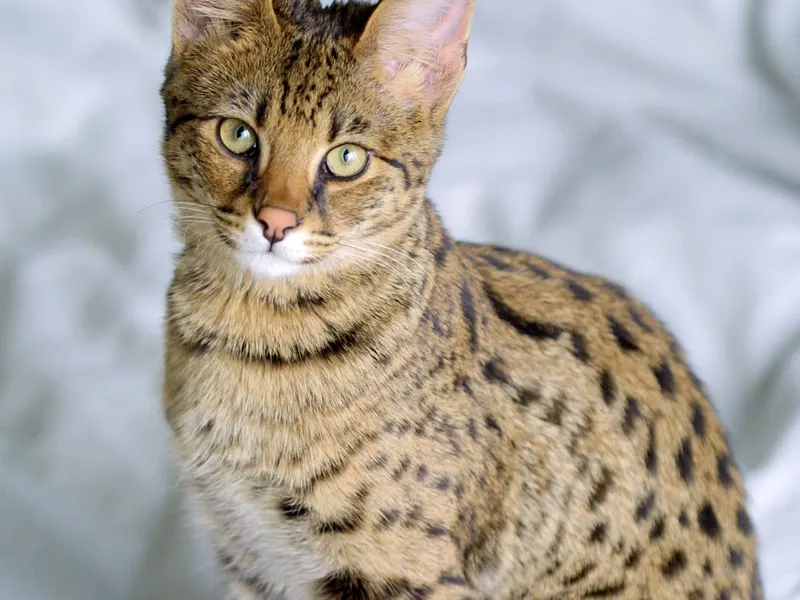
Early generations require breeding with servals, which is difficult and slow, making them the costliest cats on most lists.
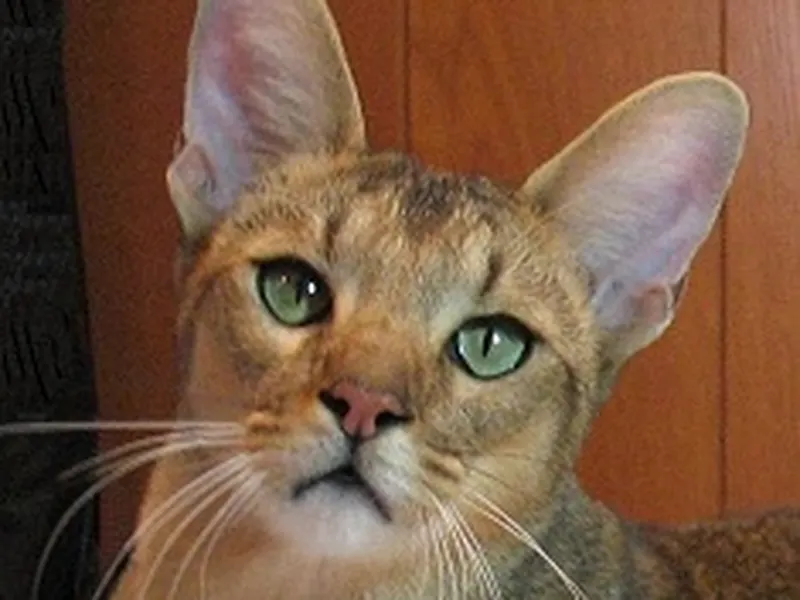
A rare jungle cat hybrid with few breeders and complex, multi-generation breeding programs.
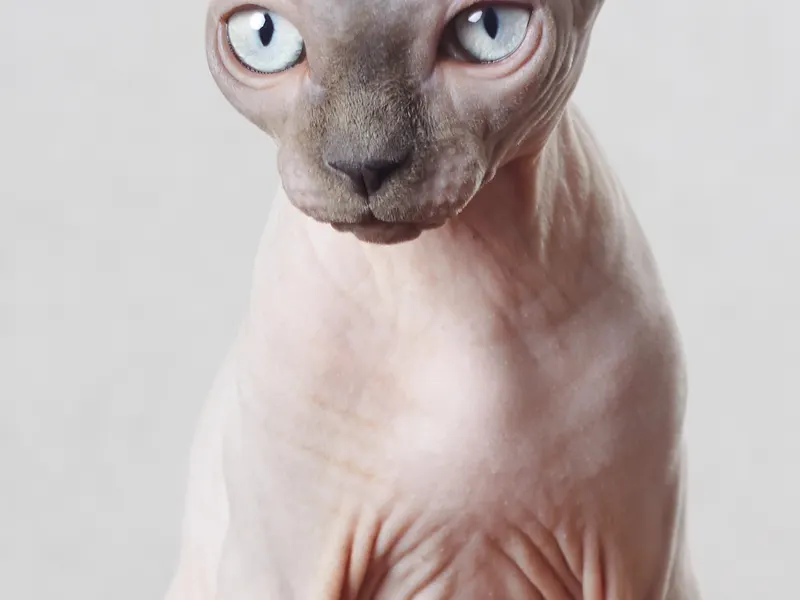
Strong demand, health screening for heart disease and a dedicated breeder base keep Sphynx prices high.
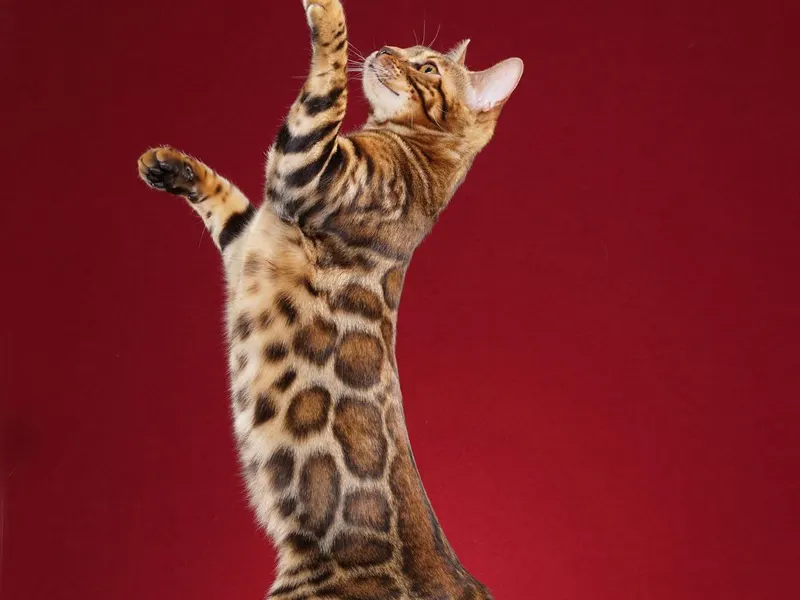
Pattern quality, color and pedigree drive prices, with show-quality rosetted Bengals at the top.
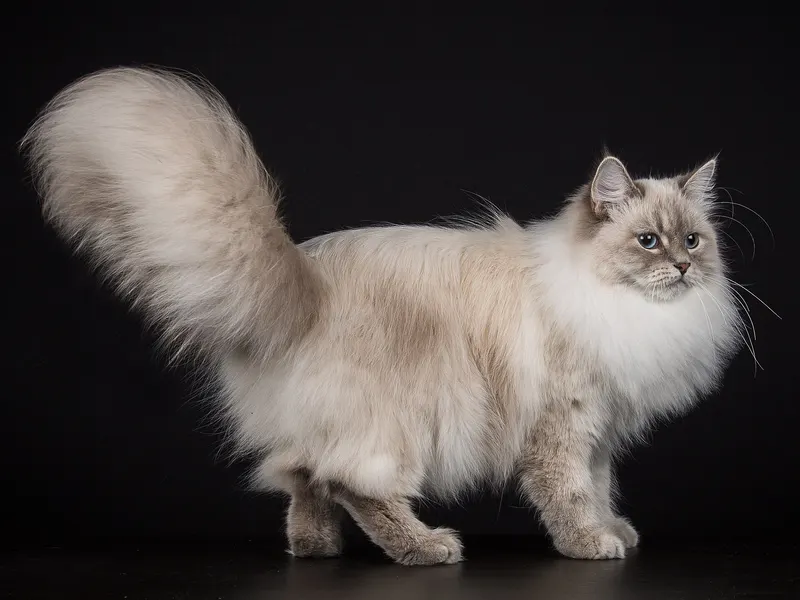
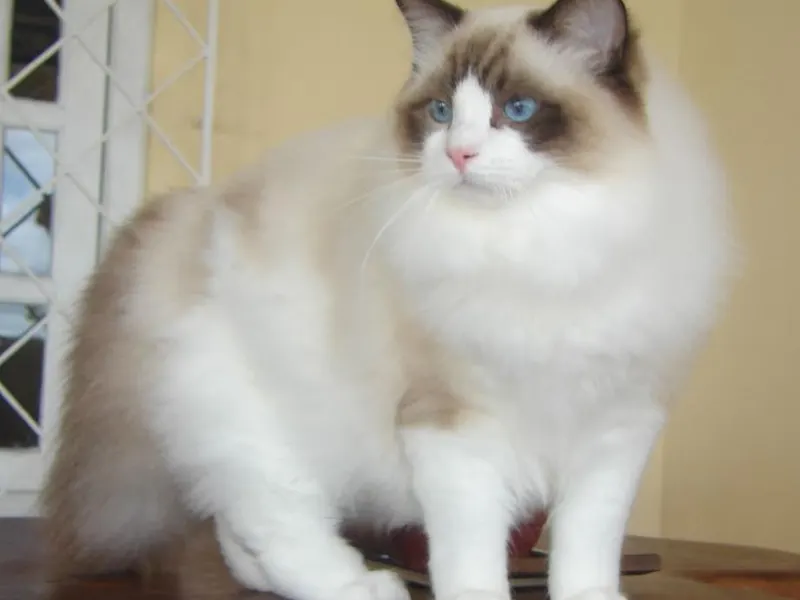
A colorpoint Siberian with relatively few breeders in many regions, which can add travel and import costs.
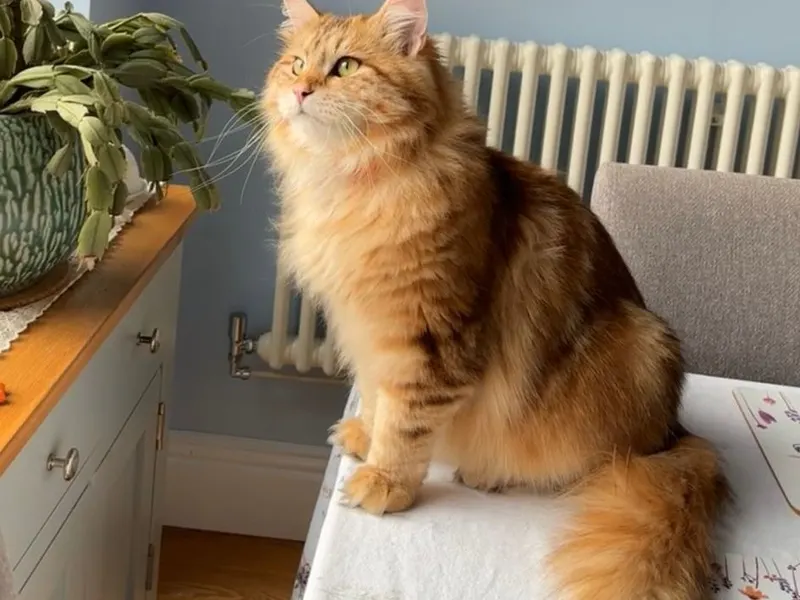
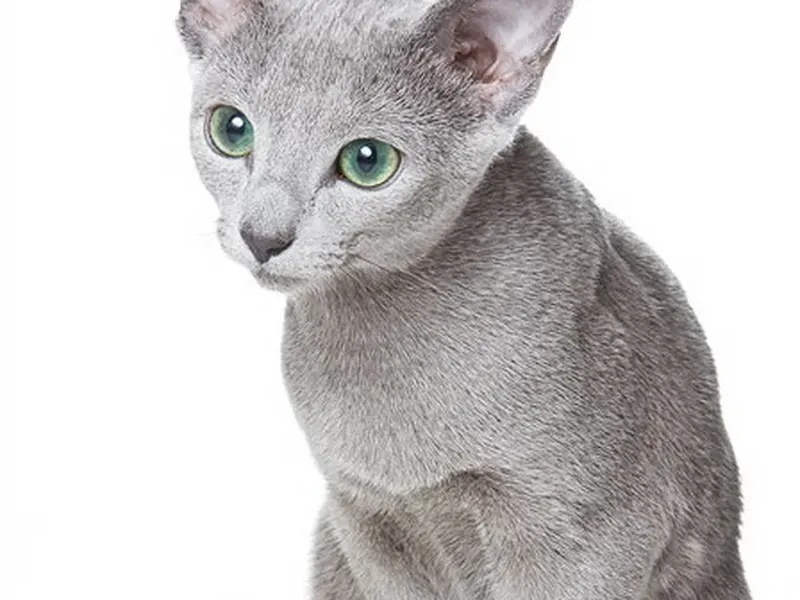
Popularity among allergy-sensitive buyers keeps demand for this Russian breed high.
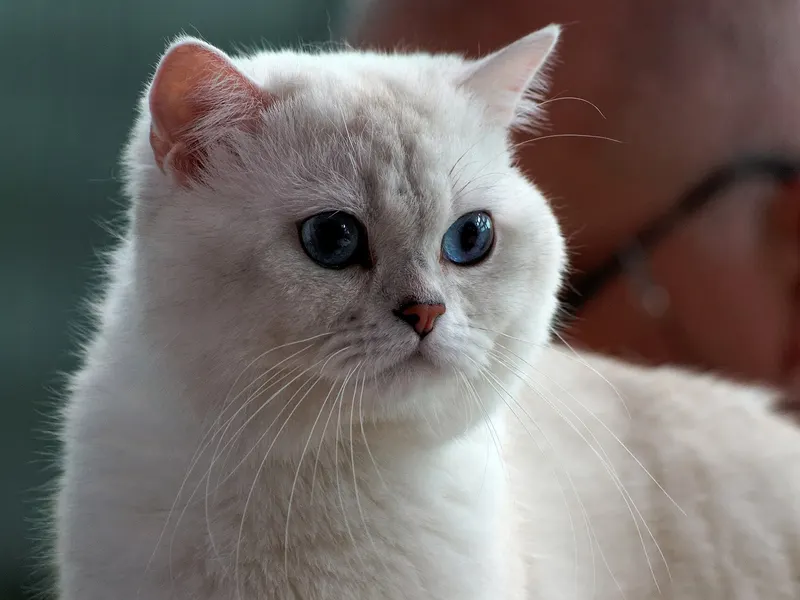
Among the most popular breeds, with rare colors and show lines priced well above standard pets.
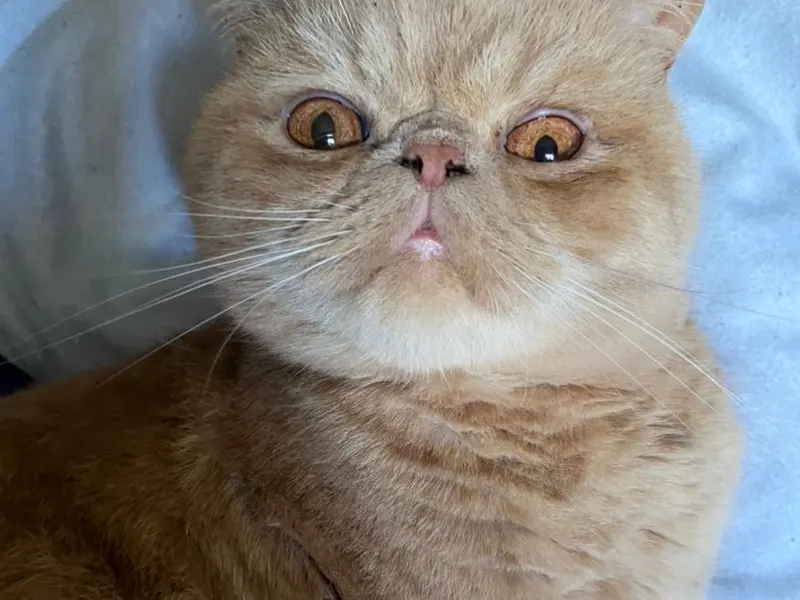
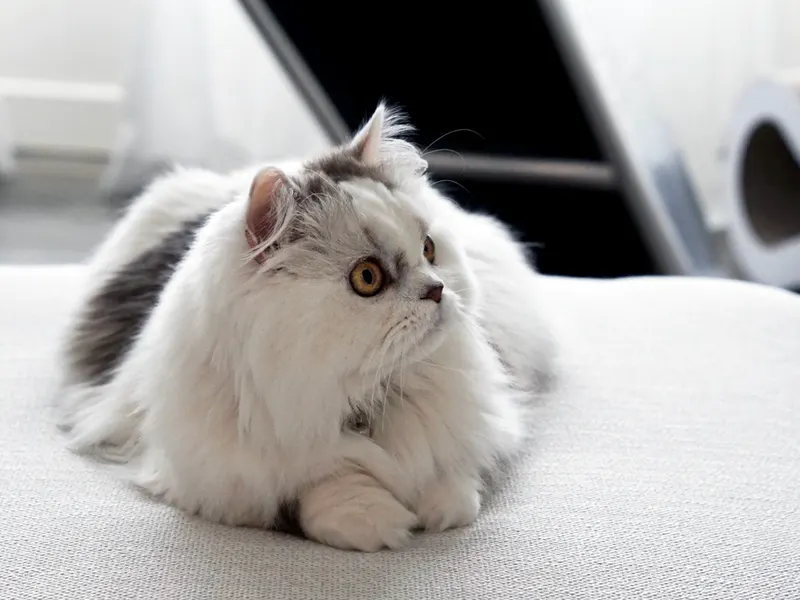
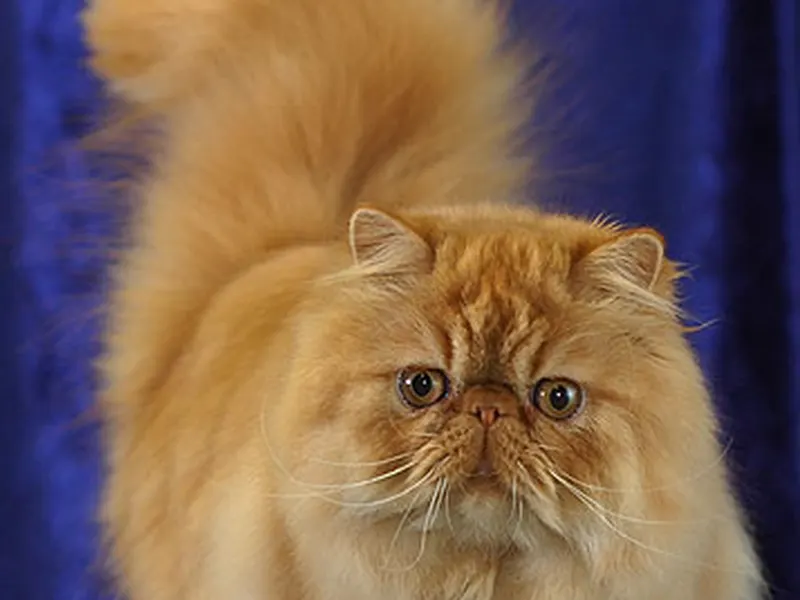
Breeding flat-faced cats often needs extra veterinary care, and rare colors add to the cost.
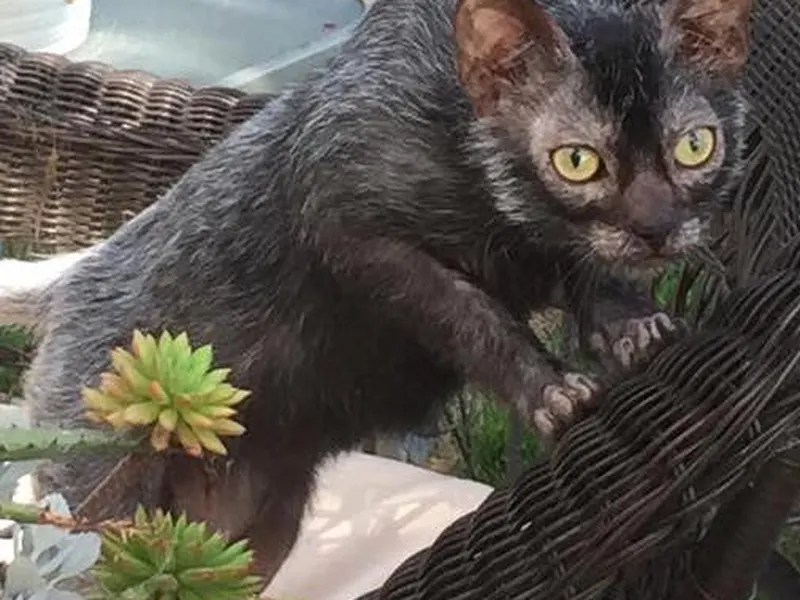
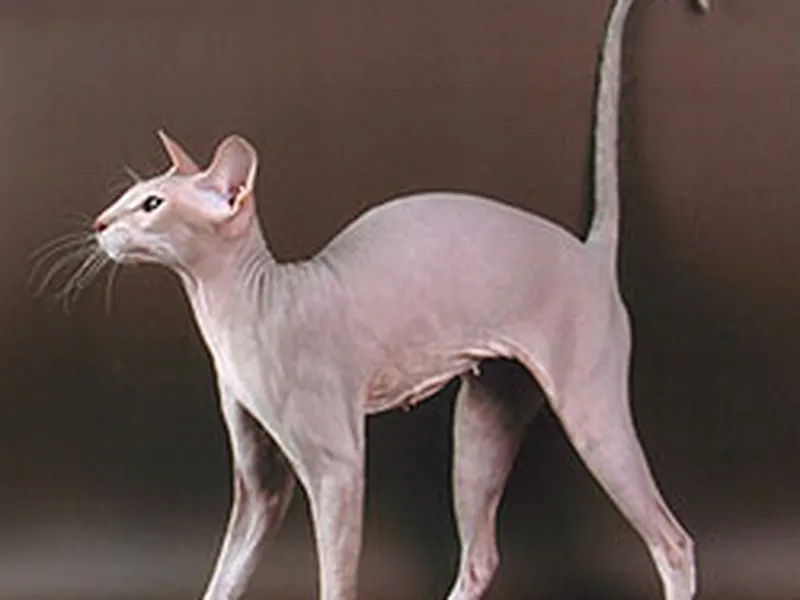
A rare, partly hairless breed with a werewolf look and a small breeder network, so waiting lists are common.
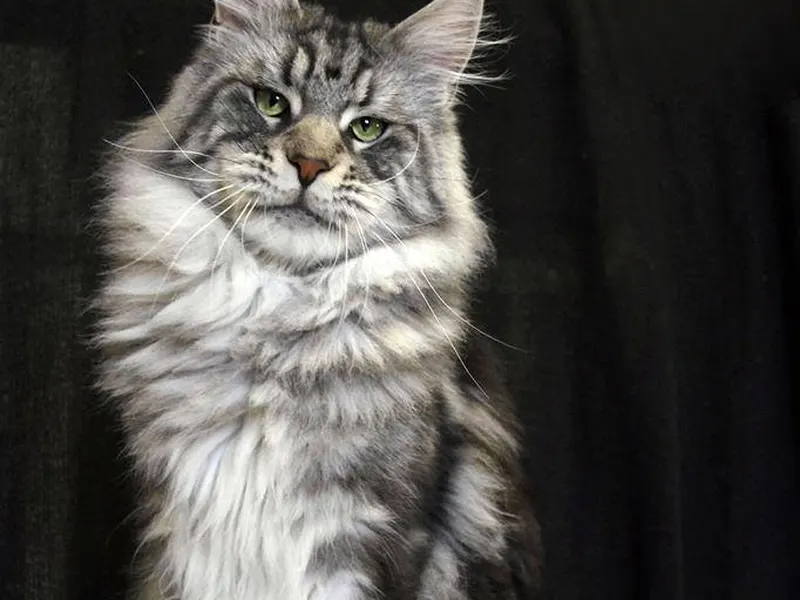
High demand, large size and health testing for heart, hip and muscle conditions raise prices from good breeders.
All Expensive Cat Breeds A to Z
What Drives the Price of a Cat Breed
- Rarity: few breeders means long waiting lists and higher prices, as with the Chausie and Lykoi.
- Breeding difficulty: wild hybrids like the Savannah need generations of careful crosses.
- Health testing: heart scans, genetic tests and vet care for parents and kittens cost money.
- Bloodlines and quality: show and breeding cats cost more than pet-quality kittens.
- Color and pattern: rare colors or high-contrast markings raise prices.
- Import costs: breeds with few local breeders often involve travel and import fees.
Location matters as well. The same breed can cost far more where breeders are scarce, and travel or transport adds to the total.
Pet Quality vs. Show and Breeding Rights
Most breeders price kittens by intended use. Pet-quality kittens are sold spayed or neutered, or with a neutering contract, and cost the least. Show-quality kittens and those sold with breeding rights cost considerably more. Both should be equally healthy; the difference is mostly how closely the cat matches the breed standard.
A good contract also spells out health guarantees, what happens if you can no longer keep the cat, and whether the breeder will take it back. Reputable breeders want to know where their kittens go and usually ask buyers plenty of questions.
The Ongoing Cost Matters More
The purchase price is only the start. Food, litter, routine vet care, vaccines and pet insurance add up over a lifespan that commonly reaches the mid-teens. Some breeds cost more to keep: hairless breeds need warmth and skin care, longhairs like the Persian may need professional grooming, and large breeds eat more and need bigger equipment.
Budget for the first year in particular: vaccines, spaying or neutering if not already done, microchipping, a carrier, litter boxes, scratching posts and initial supplies all add up on top of the purchase price.
Welfare and Legal Considerations
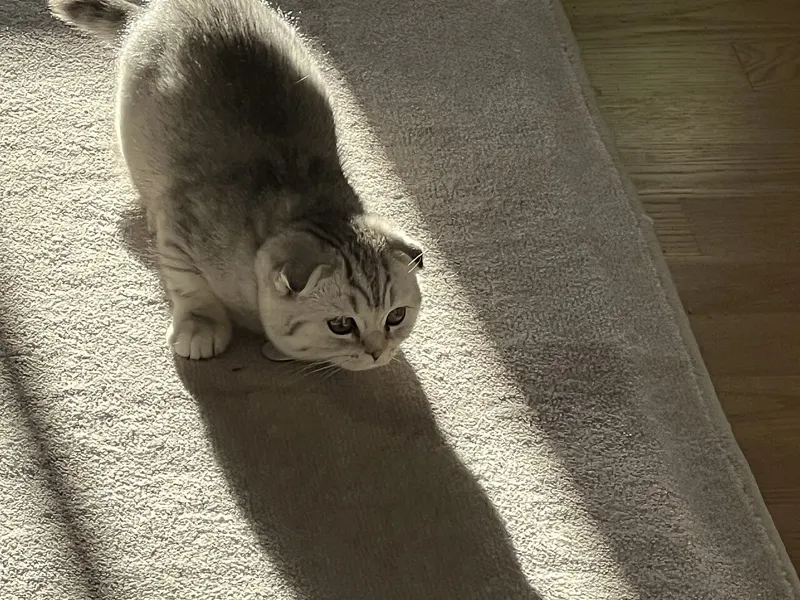
A high price does not mean a healthy design. The Scottish Fold carries a cartilage gene linked to painful joint disease. The Munchkin and Minuet are short-legged, a trait whose welfare impact vets and registries debate. Persians and Exotic Shorthairs can have breathing problems from their flat faces. Hybrid generations of the Savannah, Chausie and Bengal are restricted in some states, cities and countries, so check local rules before paying a deposit.
Red Flags When Buying
Be wary of prices far below the norm for a breed, sellers who will not show the parents or health records, kittens offered before about twelve weeks of age, and pressure to pay quickly online. Scammers often advertise rare, expensive breeds. If budget is a concern, breed rescues and shelters sometimes have purebred cats, and mixed-breed cats offer the same companionship for an adoption fee.
Frequently Asked Questions
What is the most expensive cat breed?
Early-generation Savannah cats are generally the most expensive domestic cats because breeding them with servals is difficult. Prices vary widely by generation, breeder and region.
Why are Sphynx cats so expensive?
Demand is high, and responsible breeders invest in heart screening and in raising kittens that need warmth and skin care. Prices vary by region and breeder.
Does a higher price mean a healthier cat?
Not automatically. Ask for health testing results on the parents and a written health guarantee, whatever the price.
Can I find expensive breeds in shelters?
Sometimes. Breed-specific rescues and shelters do take in purebred cats, including Bengals, Siamese and Persians.
What does a cat cost to keep each year?
Ongoing costs depend on where you live, the cat's health and your choices on food, insurance and care. Budget for routine vet visits and an emergency fund.
Not sure which cat breed fits you?
Answer 10 quick questions and get cat breeds ranked for your home, schedule and family.