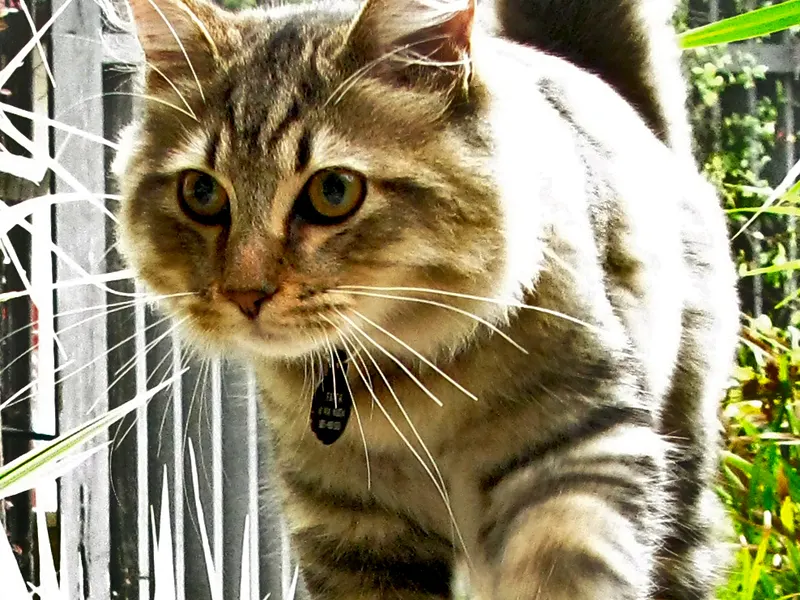
MunchkinShort legs, big personality, real debate
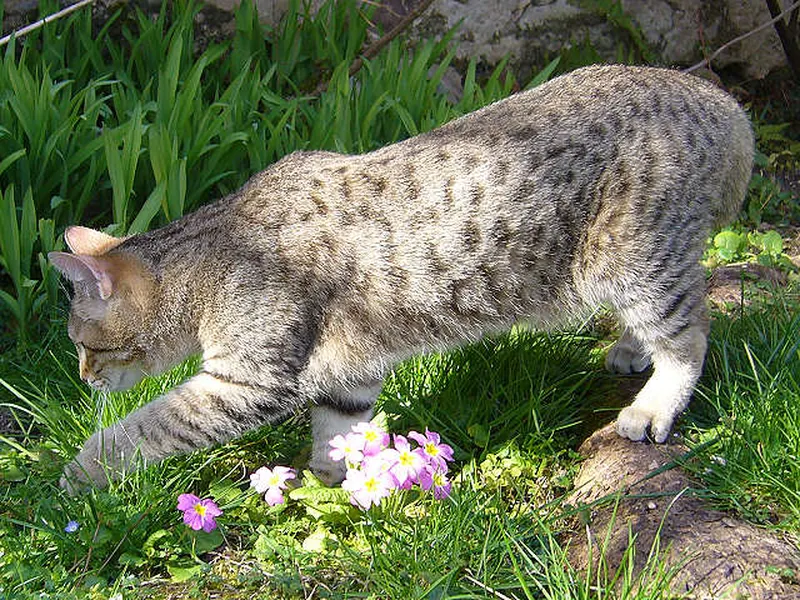
The Munchkin is defined by one feature: unusually short legs caused by a natural genetic mutation. It is a curious, playful cat with a normal-length body, and also one of the most debated breeds because of welfare concerns about breeding for short legs.
Why people love the Munchkin
- Outgoing, curious and playful personality
- Usually friendly with children, cats and calm dogs
- Fast runner that loves ground-level chase games
- Comes in short and long coats, almost any color
- Small size suits apartments and indoor life
Things to consider
- Breeding for short legs raises welfare concerns
- Cannot jump as high; home needs ramps and steps
- Possible joint and spine problems with limited data
- Not recognized by CFA, FIFe or GCCF
- Some cats struggle to groom their hindquarters
Health note: this breed is affected by health concerns linked to its body shape or coat. Read the health section and choose a breeder who screens their cats and breeds responsibly.
Not recognized by CFA, FIFe or GCCF; breeding cats for short legs is regarded as incompatible with animal welfare law in some European countries.
Is this breed right for you?
10 questions · live resultHistory and Origin
Short-legged cats have been reported in several countries over the last century, but the modern Munchkin traces back to 1983. Sandra Hochenedel, a music teacher in Rayville, Louisiana, rescued a pregnant short-legged stray she named Blackberry. One of Blackberry's sons, Toulouse, became the foundation of the breed.
The short legs are caused by a dominant gene that affects long-bone growth, a form of chondrodysplasia. Munchkins are bred with ordinary domestic cats to keep the gene pool wide. TICA accepted the breed for its new breed program in 1994 and granted championship status in 2003. CFA, FIFe and GCCF do not recognize the Munchkin.
Leg Lengths, Coats and Colors
The Munchkin is a small to medium cat weighing roughly 5 to 9 lb, with a normal-length body and head on noticeably short legs. Males are typically heavier and broader through the head and chest than females. The hind legs may be slightly longer than the front legs, so the back can rise gently toward the tail.
Leg length varies within the breed. Owners and breeders often describe three informal types:
- Standard: the most common, with moderately short legs
- Super-short: shorter still
- Rug-hugger: extremely short legs, a type many vets view as a greater welfare concern
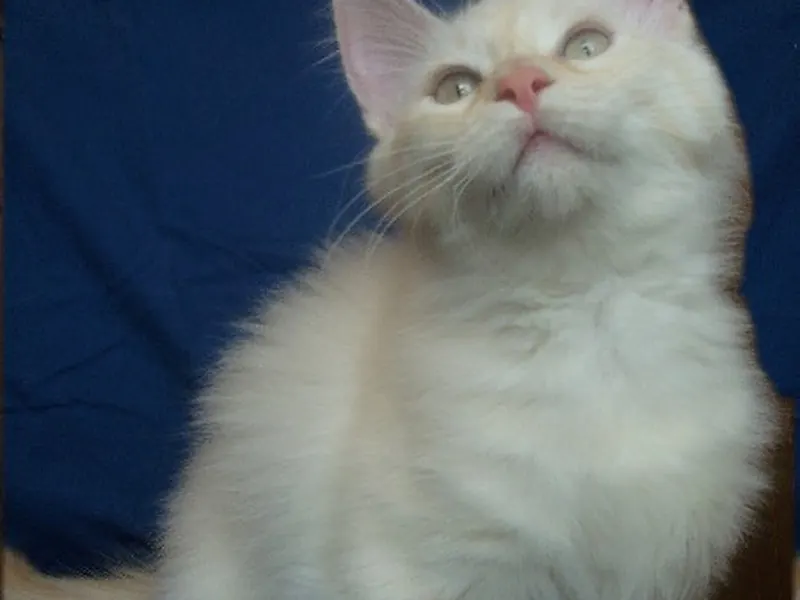
Litters also produce long-legged kittens, which carry no copy of the short-leg gene. Munchkins come in a shorthaired version with a plush, medium-dense coat and a semi-longhaired version with a silky coat and a plumed tail. TICA accepts all colors and patterns, so a Munchkin can look like anything from a pointed cat to a tabby or calico.
Personality and Temperament
Munchkins are typically outgoing, curious and playful. They like to investigate everything, and many sit up on their hind legs like a rabbit or meerkat to look around. Some owners notice a habit of stashing small objects, which has earned them a reputation as little magpies.
Most are friendly with children, other cats and calm dogs, and they tend to enjoy company. Temperament varies, because Munchkins can be crossed with many other breeds and domestic cats.
Are Munchkin Cats Lap Cats?
Many are, but most Munchkins are more playful than purely cuddly. They tend to enjoy human company and often settle on a lap after a burst of activity.
Because Munchkins are crossed with many breeds and domestic cats, lap-loving behavior varies a lot between individuals. A Munchkin from a calm, affectionate background is more likely to be a lap cat. Since they cannot jump as high, many prefer to be lifted up or use a step to reach the sofa. Asking breeders about the parents' temperaments gives a better clue than the breed alone.
Are Munchkin Cats Good for First-Time Owners?
Temperament-wise, yes. Munchkins are generally friendly, adaptable and easy to live with, and their care routine is simple.
First-time owners should understand the welfare debate before buying, plan to adapt the home with ramps and low furniture and keep the cat lean. Regular vet checks of joints and spine are sensible, and longhaired cats may need help with grooming the rear end. Considering adoption, or at least choosing a breeder who is open about health and allows vet checks, is part of responsible ownership for this breed.
Can Munchkin Cats Live With Dogs?
Yes, many Munchkins live happily with calm, cat-friendly dogs. Their outgoing, confident personality helps them adapt to dogs that respect their space.
Because Munchkins cannot jump as high as other cats, they have fewer escape routes from an overly playful dog. Provide low shelves, cat trees with short gaps and dog-free rooms with baby gates, and supervise early meetings. Large, energetic or high-prey-drive dogs are a riskier match. Introduce them slowly, reward calm behavior from the dog and never force interactions.
Activity, Play and Enrichment
Despite their legs, Munchkins run fast and corner well. They cannot jump as high as long-legged cats, so set up the home with that in mind.
- Add ramps, steps or low furniture so they can reach sofas, beds and window ledges.
- Choose cat trees with short gaps between levels.
- Chase toys, balls and tunnels suit their ground-level play style.
Keep them lean: extra weight is harder on a short-legged skeleton.
Grooming and Shedding
Munchkins come in both shorthaired and longhaired versions, in almost any color and pattern. Shorthaired cats need a weekly brush; longhaired cats need brushing two or three times a week.
Short legs can make it harder for some cats to groom their hindquarters and to step into high-sided litter boxes. Use a low-entry box and check the rear end regularly. Shedding is average, and the breed is not considered better for allergy sufferers.
Feeding and Nutrition
Keeping a Munchkin lean is the most important feeding goal. Extra weight puts more strain on a short-legged skeleton and on the spine, and an overweight Munchkin may find it even harder to groom and move comfortably.
- Feed measured meals, typically two or three a day for adults, instead of leaving food out all day.
- Kittens need more frequent meals until around six months.
- Keep treats to a small share of the daily diet and use them for play and training.
Because Munchkins are less likely to burn energy by climbing and jumping, many need slightly smaller portions than an equally active long-legged cat. Puzzle feeders placed at floor level add activity. Encourage drinking with a water fountain or wet food to support urinary health. Weigh your cat monthly and ask your vet to assess body condition at each check-up.
| Adult weight | Indoor, less active | Typical adult | Active or intact |
|---|---|---|---|
| 5 lb | 130 kcal | 160 kcal | 180 kcal |
| 7 lb | 170 kcal | 200 kcal | 230 kcal |
| 9 lb | 200 kcal | 240 kcal | 280 kcal |
Estimates use the resting energy formula veterinarians work with (70 × body weight in kg0.75) and standard activity factors. Use the feeding guide on your food as a starting point and adjust to body condition. Kittens, seniors, pregnant animals and pets that need to lose weight have different needs, so ask your vet.
Health and Lifespan
Munchkins often live 12 to 15 years, but their health is the subject of real debate.
- The short-leg gene changes how long bones grow. Veterinary organizations and welfare groups such as International Cat Care have raised concerns that this can affect joints and mobility and limit normal behaviors like jumping and climbing.
- Osteoarthritis and spinal problems are concerns raised for short-legged cats, though large long-term studies are limited.
- Some reports describe lordosis (a dipped spine) and pectus excavatum (a sunken chest), as seen in other cats.
Breeding Munchkin to Munchkin is generally avoided because two copies of the gene are thought to be lethal before birth. Some European countries consider breeding for short legs to be against animal welfare law. If you choose a Munchkin, pick a breeder who is open about health and offers vet checks.
Munchkin Price and Cost of Ownership
Typical breeder price in the US$1,000 to $3,000
A Munchkin kitten from a US breeder typically costs around $1,000 to $3,000. Prices vary by breeder, region and lines, and longhaired cats or unusual colors are often priced higher. Be cautious with breeders who advertise extreme rug-hugger legs or Munchkin to Munchkin litters.
Short-legged cats occasionally appear in shelters and rescues, and adoption avoids supporting breeding for the trait.
Breed-specific ongoing cost drivers include:
- Ramps, steps and low-entry litter boxes
- Regular vet checks of joints and spine, sometimes with X-rays
- Pet insurance taken out early, before any joint or spine issues are recorded
- Possible pain management if arthritis develops
Is the Munchkin Right for You?
Munchkins suit people who want a sociable, playful indoor cat and are willing to adapt their home with ramps and low furniture. They usually do well with families and other pets.
Before buying, consider the welfare debate around breeding for short legs and look into adopting a cat in need of a home. If you go ahead, budget for regular vet checks of joints and spine and keep your cat at a healthy weight.
Munchkin Traits at a Glance
Munchkin FAQ
Why do Munchkin cats have short legs?
A dominant natural mutation affects the growth of the long bones in the legs. The body and head stay normal size.
Are Munchkin cats healthy?
Many live normal lifespans, but vets and welfare groups have raised concerns about joint, spine and mobility problems linked to the short-leg trait. Regular vet checks and a lean weight are important.
How much does a Munchkin cat cost?
Pet-quality kittens in the US typically cost around $1,000 to $3,000, but prices vary widely by breeder, coat and region.
Can Munchkin cats jump?
They can jump, but not as high as long-legged cats. Ramps and steps help them reach favorite spots.
How big do Munchkin cats get?
Adults usually weigh 5 to 9 lb (about 2 to 4 kg). Their bodies are normal length; only the legs are short.
Is the Munchkin recognized by cat registries?
TICA recognizes the Munchkin. CFA, FIFe and GCCF do not, largely because of welfare concerns.