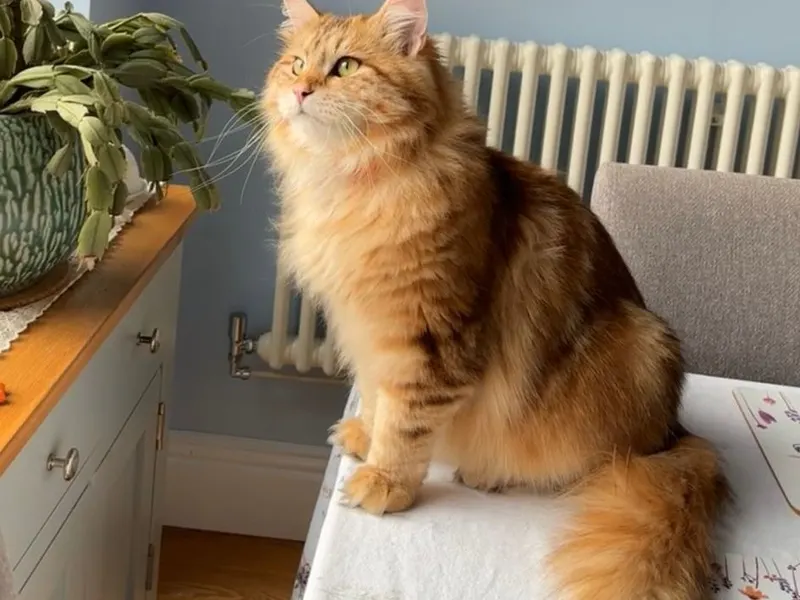
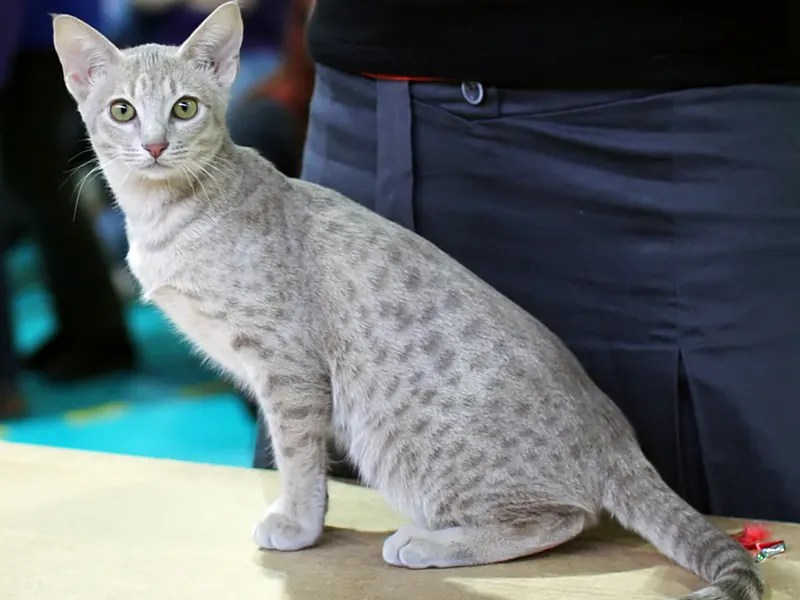
American BobtailA bobcat look with a gentle temperament
The American Bobtail is a medium to large, muscular cat with a naturally short tail and a wild, bobcat-like look. Its temperament is the opposite of wild: relaxed, playful and devoted, which makes it a strong family cat.
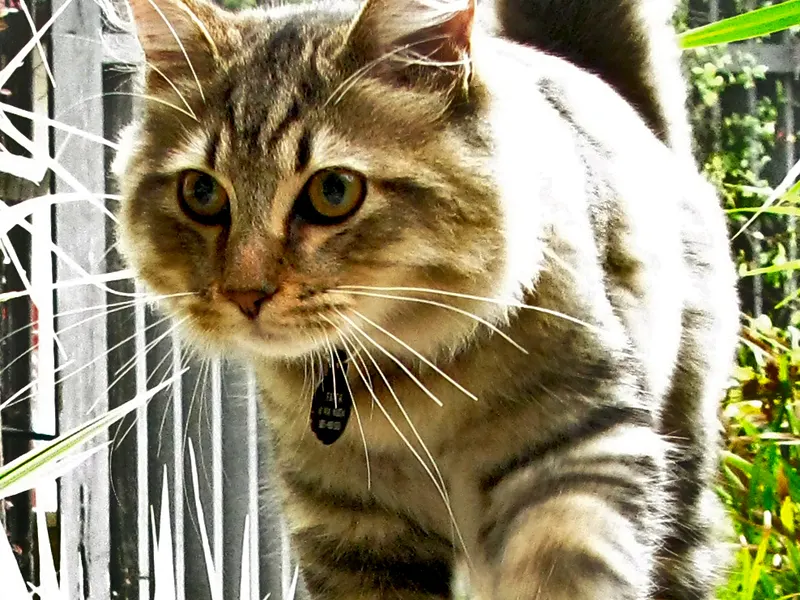
Why people love the American Bobtail
- Calm, adaptable and affectionate family cat
- Dog-like, enjoys fetch and harness walks
- Coat does not mat easily
- Copes well with travel, moves and visitors
- Natural short tail and wild look
Things to consider
- Skilled escape artist, opens doors and cupboards
- Slow to mature, two to three years
- Longhairs need more brushing
- Relatively uncommon, waiting lists possible
- Rare spinal or tail problems in very short tails
Is this breed right for you?
10 questions · live resultHistory and Origin
The breed traces back to the late 1960s, when John and Brenda Sanders, a couple from Iowa, found a short-tailed brown tabby kitten while on vacation in Arizona and named him Yodie. Yodie was bred with the family's Siamese female, and some kittens inherited his short tail, showing it was a dominant trait.
Early breeding mixed in other cats, and the breed went through years of redevelopment before the current type was fixed. TICA recognized the American Bobtail in 1989, and CFA later accepted it too. Stories that the breed descends from bobcat crosses are myths: it is a fully domestic breed with a natural short-tail mutation, unrelated to the Japanese Bobtail or Manx.
Size, Coat Types and Colors
The American Bobtail is a medium to large, muscular cat weighing 7 to 16 lb. It has a long, substantial body, a broad chest and slightly longer hind legs. Males usually weigh 12 to 16 lb and females 7 to 11 lb, and the breed matures slowly, often reaching full size at two to three years.
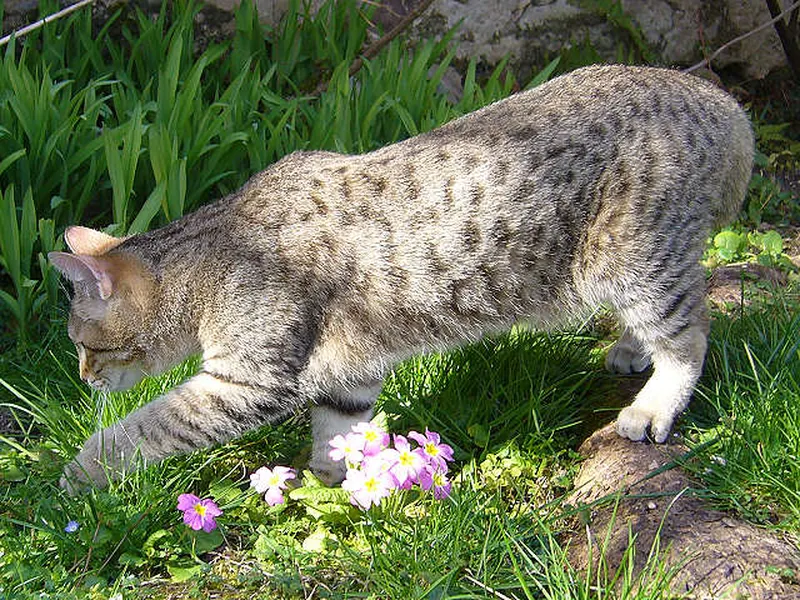
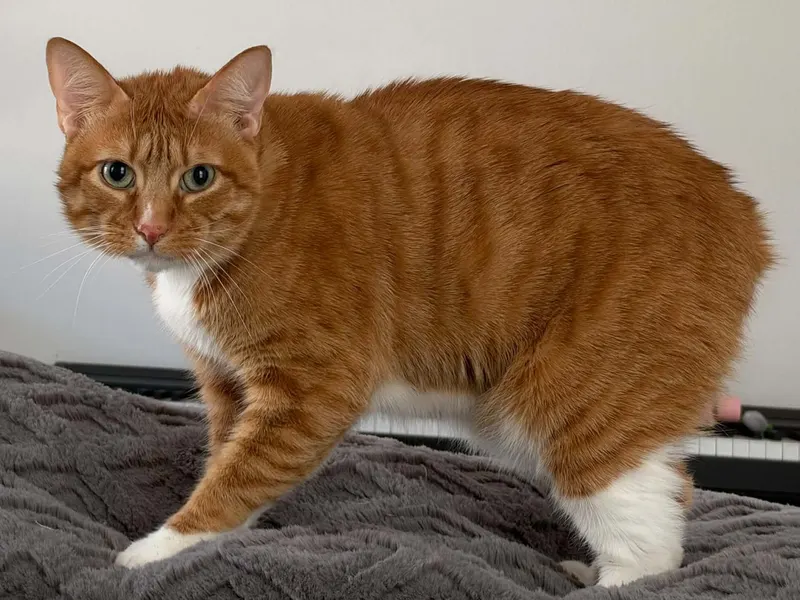
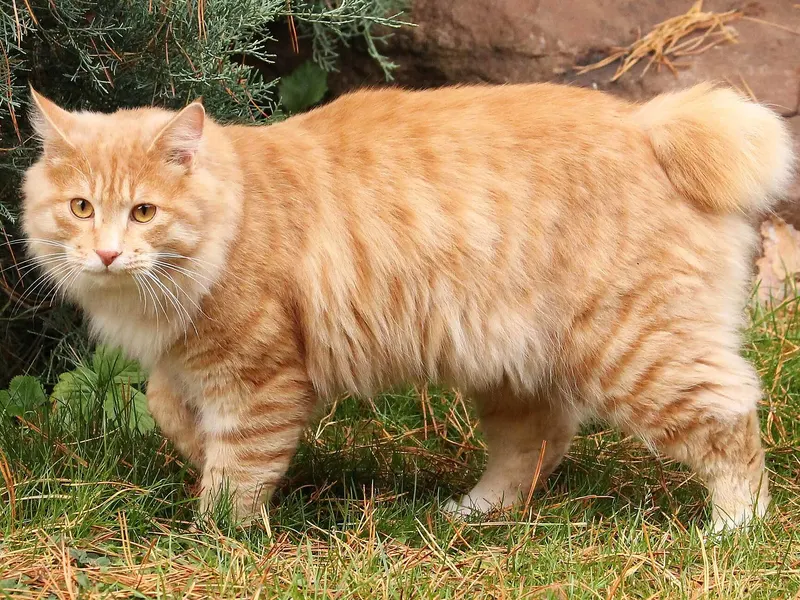
The head is a broad, modified wedge with a strong brow, giving a wild, hunting expression. The tail is the breed's signature: naturally short, about one third to one half normal length, often kinked or curled, and visible above the back when the cat is alert.
Two coat lengths are recognized:
- Shorthair: medium-short, dense and slightly shaggy
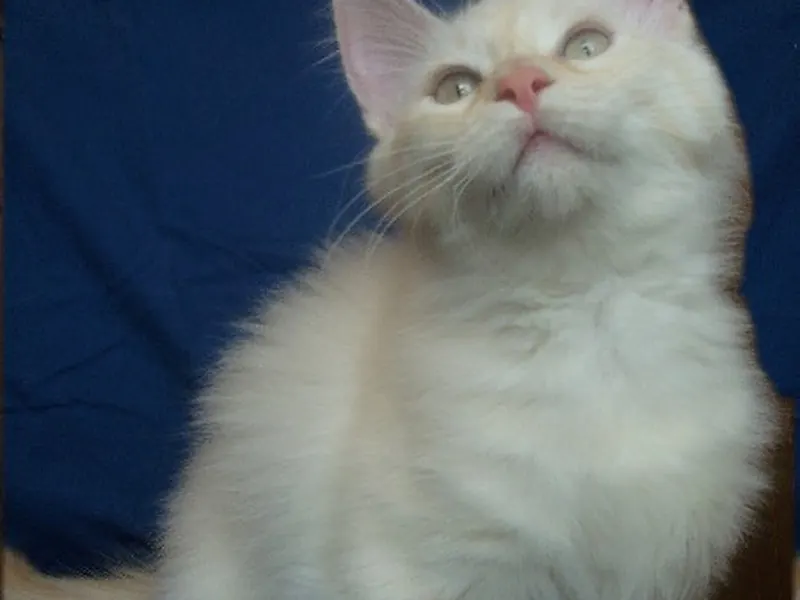
- Longhair: medium-long, shaggy, with a ruff and britches
All colors and patterns are accepted, but brown, spotted and lynx-like tabbies are popular because they enhance the wild look. The coat is somewhat weather-resistant and does not mat easily.
Personality and Temperament
American Bobtails are known for being adaptable, confident and affectionate. They are often described as dog-like: they greet people, play fetch and like to be included.
They are generally calm in the face of change, so they cope well with travel, moves, children and visitors. Some owners and therapy programs value the breed's steady temperament. They are not especially vocal, using chirps and trills more than meows. They are also known for being skilled escape artists, opening doors and latches.
Are American Bobtails Lap Cats?
Many American Bobtails are affectionate lap cats, but they balance cuddling with play. They are known for being devoted, people-oriented and calm, which makes them good companions for relaxing on the sofa.
Typical behaviors include:
- Following owners around the house
- Seeking attention with chirps and trills rather than loud meows
- Curling up on laps after play
- Comforting owners who are upset, according to many owners
Individual personalities vary, and some prefer sitting beside you rather than on you. Their calm, adaptable nature makes them good companions for families and therapy work.
Are American Bobtails Good for First-Time Owners?
Yes, American Bobtails are a good choice for first-time cat owners. They are adaptable, calm and affectionate, and they cope well with changes such as moves or new family members.
Beginners should be ready for:
- Interactive play daily to engage a smart cat
- Securing doors and cupboards against an escape artist
- Weekly brushing for shorthairs, more for longhairs
- A slow-maturing cat that may act kitten-like for years
Their steady temperament makes them forgiving of beginner mistakes and easy to integrate into busy households.
Should American Bobtails Be Indoor-Only Cats?
Most breeders and vets recommend keeping American Bobtails indoors or with safe, supervised outdoor access. Despite their wild look, they are fully domestic cats and face the same risks outdoors as any cat: traffic, predators, disease and theft.
Indoor Bobtails stay happy with:
- Sturdy cat trees and climbing shelves
- Daily play sessions with wand toys
- Harness walks, which many accept readily
- A secure catio or enclosed porch
Their ability to open doors means you may need childproof latches. With enough enrichment, they adapt well to indoor life.
Activity, Play and Enrichment
Bobtails have moderate energy with a strong play drive. They enjoy:
- Fetch and hide-and-seek games with family members.
- Puzzle feeders and treat-dispensing toys, which suit their intelligence.
- Harness walks; many adapt to them more easily than average cats.
- Sturdy cat trees that support a heavier, muscular body.
Secure doors and cupboards: a bored Bobtail may let itself into places it should not go.
Grooming and Shedding
The breed comes in shorthair and longhair varieties. Both have a shaggy, somewhat weather-resistant coat that does not mat easily.
- Shorthairs: brush weekly.
- Longhairs: brush two or three times a week, more during seasonal shedding.
Expect moderate shedding. Check the short tail area, and trim nails and clean teeth on a regular schedule.
Feeding and Nutrition
American Bobtails are muscular, slow-maturing cats. Kittens and young adults need a diet that supports steady growth over two to three years, not just the first year. A kitten diet for the first year, then a high-quality adult diet in measured portions, suits most.
Because they are large and food-motivated, adults can gain weight once growth slows. Aim for a solid, muscular body with ribs easy to feel and a visible waist.
Practical steps:
- Measure meals and feed two to three times a day
- Use puzzle feeders, which suit their intelligence
- Count treats used in training or fetch games
Hip dysplasia has been reported in some lines, and extra weight adds stress to joints. Keeping your Bobtail lean supports mobility over a long life. Fresh water should always be available; many cats drink more from a fountain.
| Adult weight | Indoor, less active | Typical adult | Active or intact |
|---|---|---|---|
| 7 lb | 170 kcal | 200 kcal | 230 kcal |
| 12 lb | 250 kcal | 300 kcal | 350 kcal |
| 16 lb | 310 kcal | 370 kcal | 430 kcal |
Estimates use the resting energy formula veterinarians work with (70 × body weight in kg0.75) and standard activity factors. Use the feeding guide on your food as a starting point and adjust to body condition. Kittens, seniors, pregnant animals and pets that need to lose weight have different needs, so ask your vet.
Health and Lifespan
American Bobtails are generally healthy and commonly live 13 to 15 years. Males usually weigh 12 to 16 lb, females 7 to 11 lb, and the breed matures slowly, often taking two to three years to reach full size.
- The tail ranges from about 1 inch to just above the hock. In rare cases, especially when the tail is very short or absent, spinal or tail problems can occur, though this is uncommon compared with the Manx.
- Hip dysplasia has been reported in some lines.
Ask breeders about the health of parents and previous litters, and have kittens checked by a vet.
American Bobtail Price and Cost of Ownership
Typical breeder price in the US$600 to $2,000
An American Bobtail kitten from a reputable US breeder typically costs about $600 to $2,000. Prices vary by breeder, region and lines, with show-quality kittens and longhairs sometimes costing more. The breed is relatively uncommon, so waiting lists are possible.
Adoption is rare for pedigreed Bobtails, but bobtailed cats appear in shelters; most are mixed breeds or Manx crosses.
Breed-specific ongoing costs:
- Sturdy cat trees and climbing furniture for a heavy cat
- Childproof latches for cupboards and doors
- Grooming tools, especially for longhairs
- Pet insurance covering hip and spinal issues
Food costs are moderate, slightly higher than for small breeds.
Is the American Bobtail Right for You?
A good match if you have a family, other pets or a household that changes a lot, and want a sociable, easygoing cat that still enjoys interactive play.
Think twice if you want a cat that is content being left alone for long periods with no stimulation, or you dislike a cat that opens doors.
The breed is relatively uncommon. US pet kittens typically cost about $600 to $2,000, varying by breeder and region.
American Bobtail Traits at a Glance
American Bobtail FAQ
Is the American Bobtail part bobcat?
No. It is a fully domestic breed. The short tail comes from a natural genetic mutation, and claims of bobcat ancestry are unfounded.
How big do American Bobtail cats get?
Males usually weigh 12 to 16 lb and females 7 to 11 lb. They can take two to three years to finish growing.
Are American Bobtails good with kids?
Yes, they are known for their calm, adaptable nature and usually do well with children and cat-friendly dogs.
How long is an American Bobtail's tail?
Usually 1 to 4 inches, and it should be visible above the back when the cat is alert.
Do American Bobtails shed?
Moderately. Weekly brushing is enough for shorthairs; longhairs need a little more.
How much does an American Bobtail cost?
Expect about $600 to $2,000 for a pet kitten, depending on breeder and region.