Exotic Cat BreedsDomestic cats with a wild look
This list collects domestic breeds with a wild appearance: spotted or striped coats, tufted ears, bobbed tails or a panther-like build. It helps you understand which ones actually have wild ancestry, which only look the part, and what each needs in a home.
Top 10 Exotic Cat Breeds
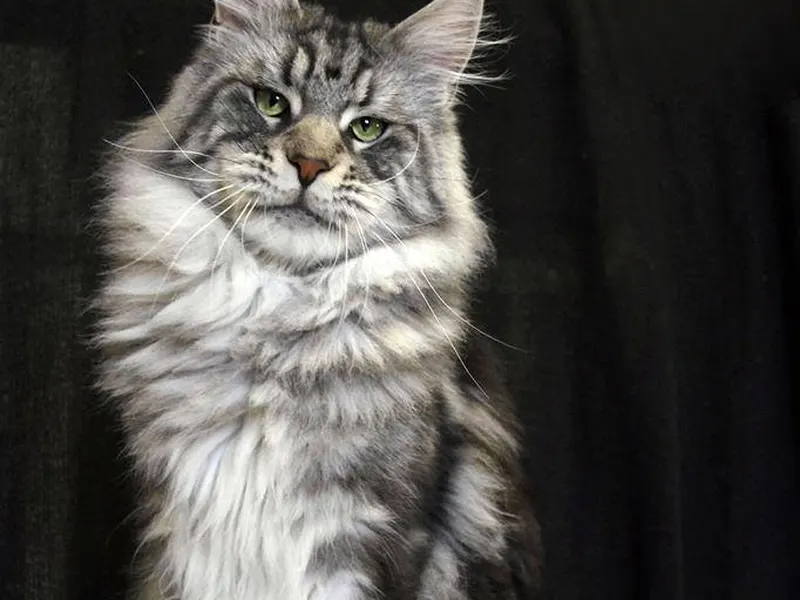
Its size, lynx-like ear tufts and shaggy ruff give it a wild look, yet it is one of the gentlest breeds.
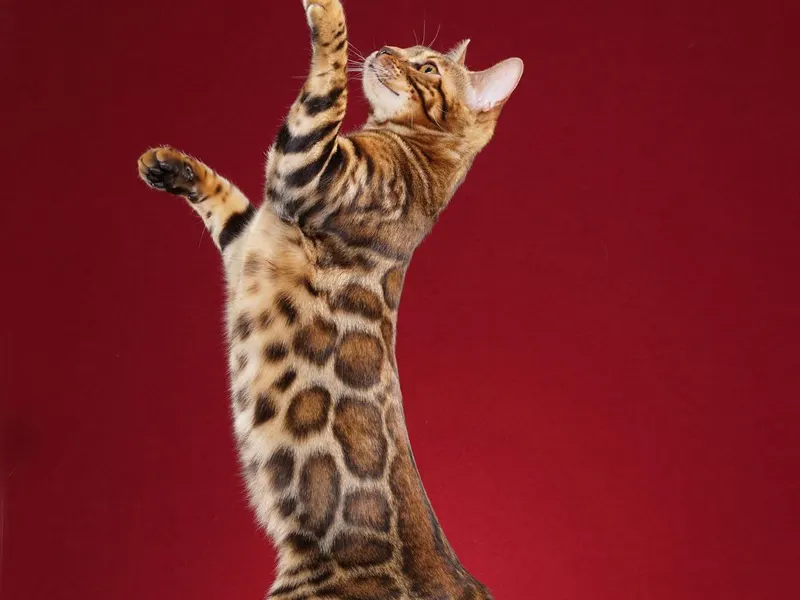
Descended from the Asian leopard cat, the Bengal has a rosetted coat and a high-energy, curious temperament.
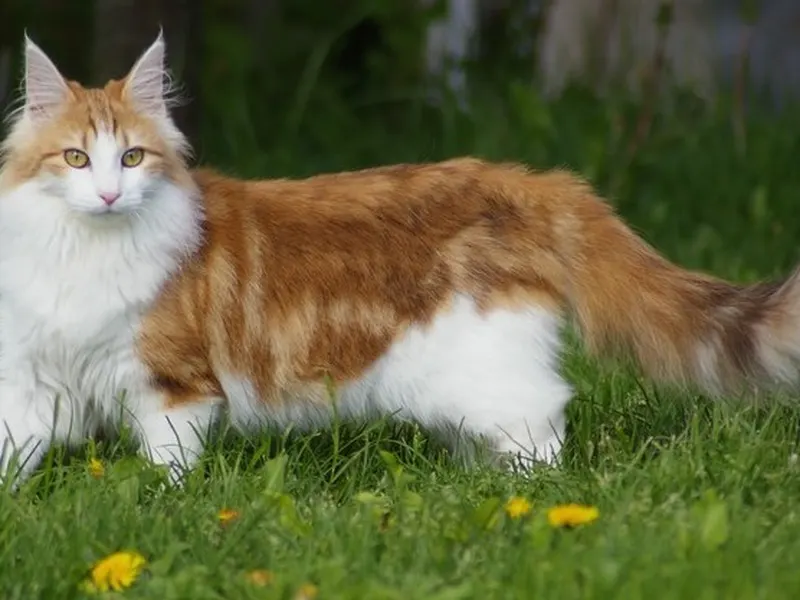
A big, double-coated climber that looks like it stepped out of a Scandinavian forest.
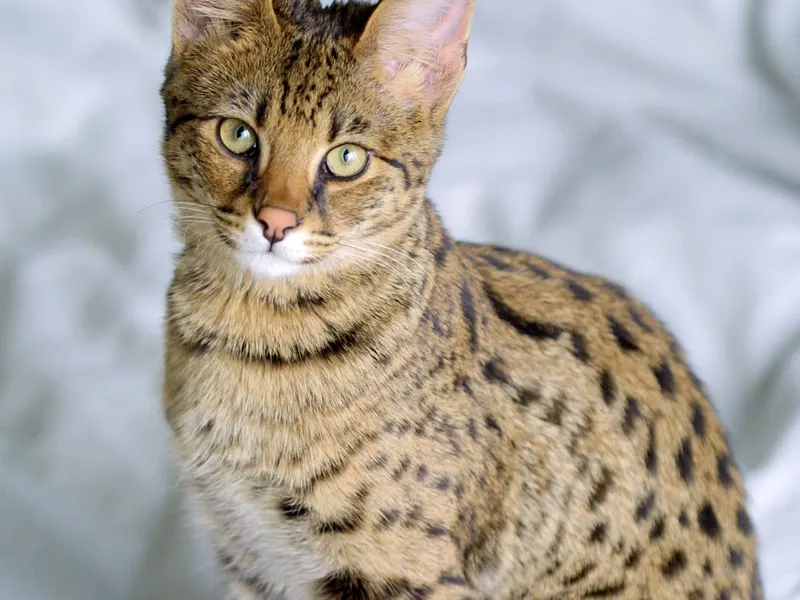
A tall, long-legged serval hybrid with bold spots and very high energy, best suited to experienced owners.
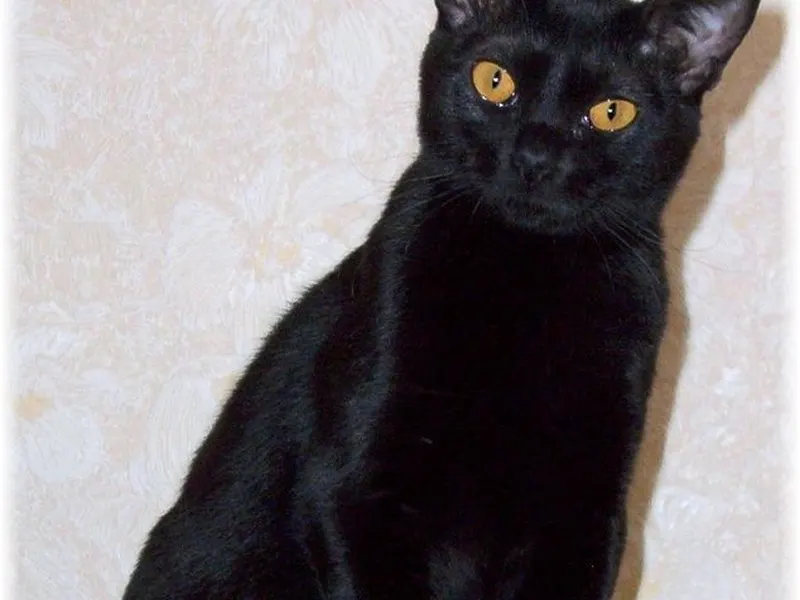
A sleek, copper-eyed black cat bred to resemble a miniature panther, with a domestic, affectionate nature.
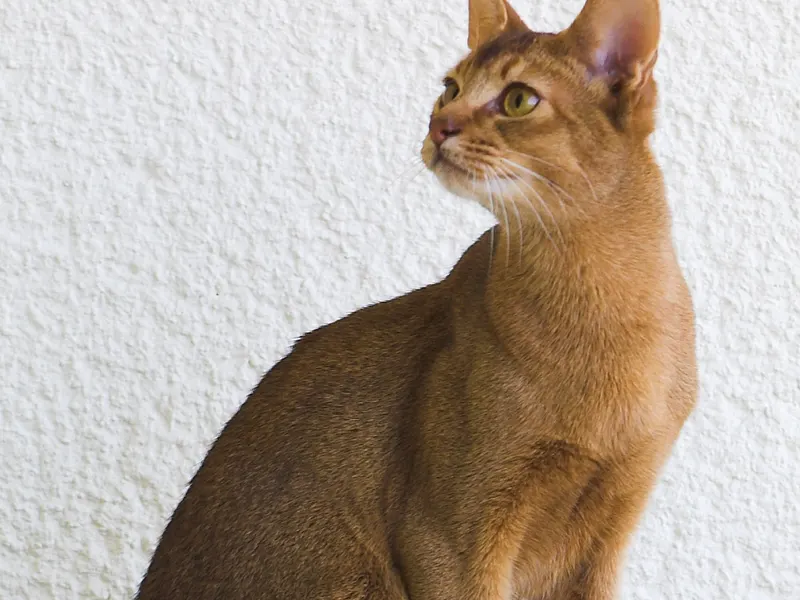
Its ticked coat and athletic build recall a small wild cat, matched by a busy, curious personality.
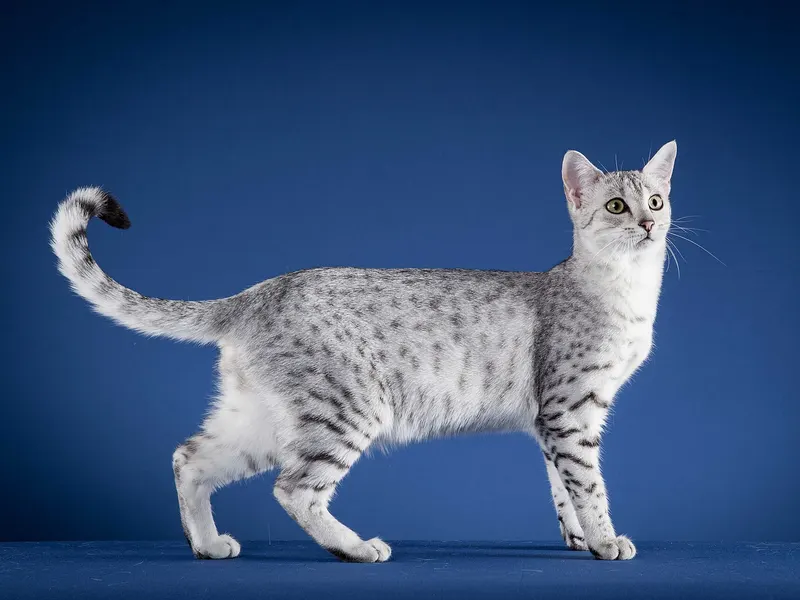
A naturally spotted breed and one of the fastest domestic cats, with striking green eyes.
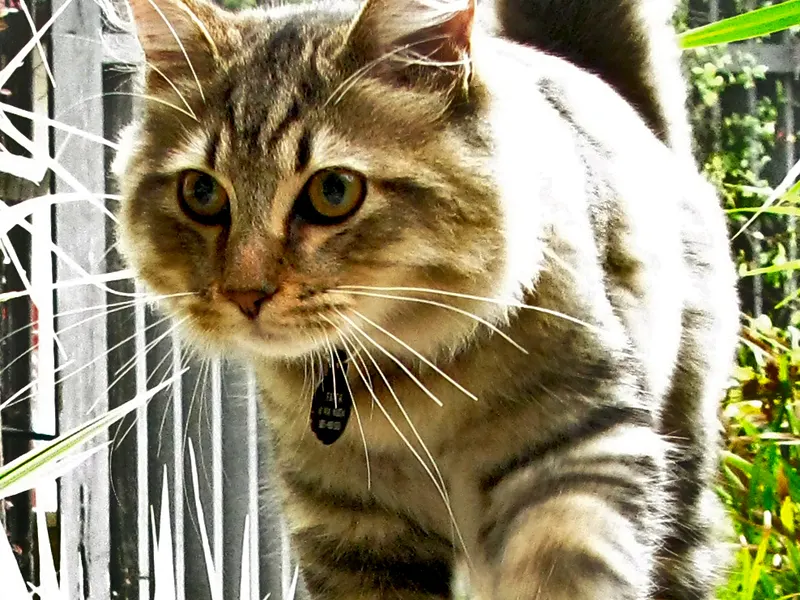
A short tail and a sturdy, muscular body give it a bobcat-like look, with no wild cat ancestry.
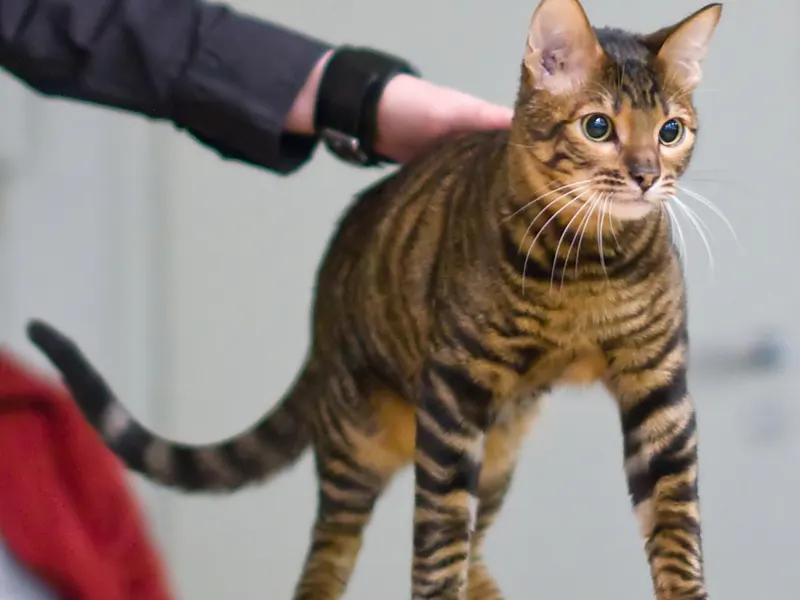
Bred for bold, tiger-like stripes on a warm brown coat, with a relaxed and friendly domestic temperament.
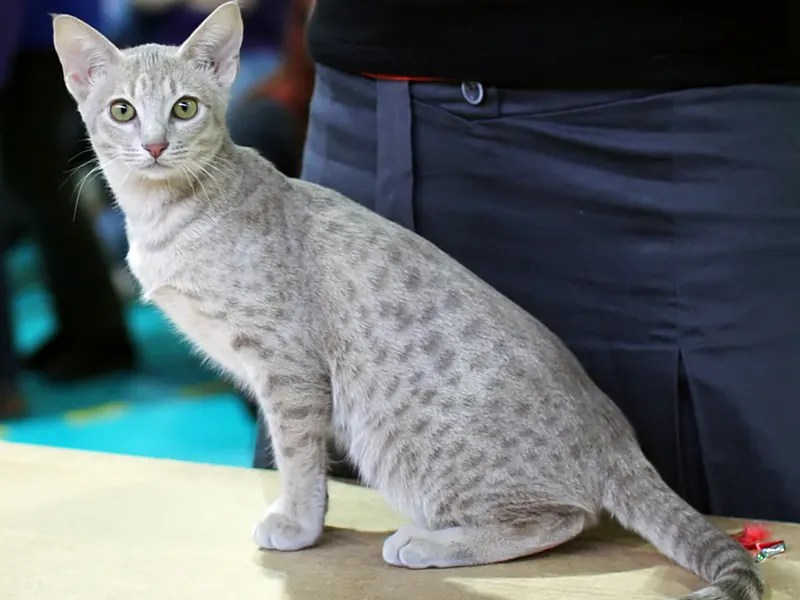
Named for its ocelot-like spots, yet it was created entirely from domestic breeds.
All Exotic Cat Breeds A to Z
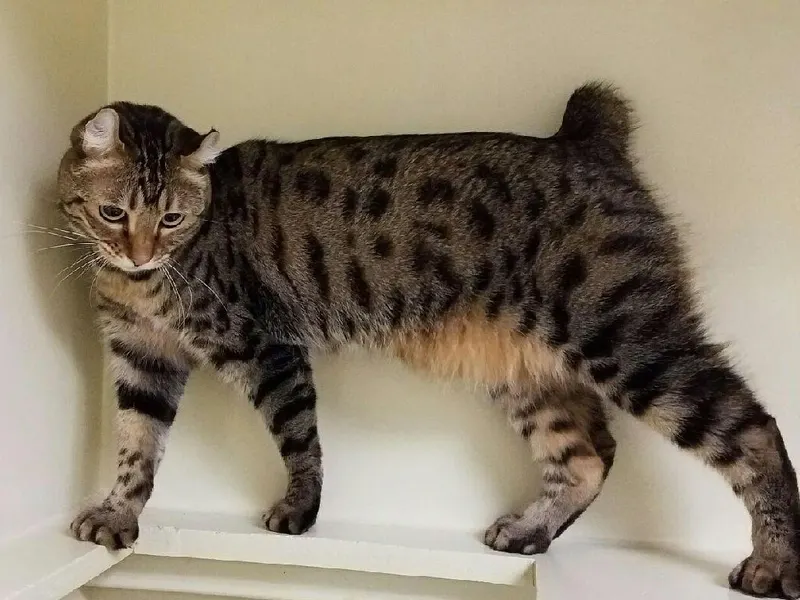
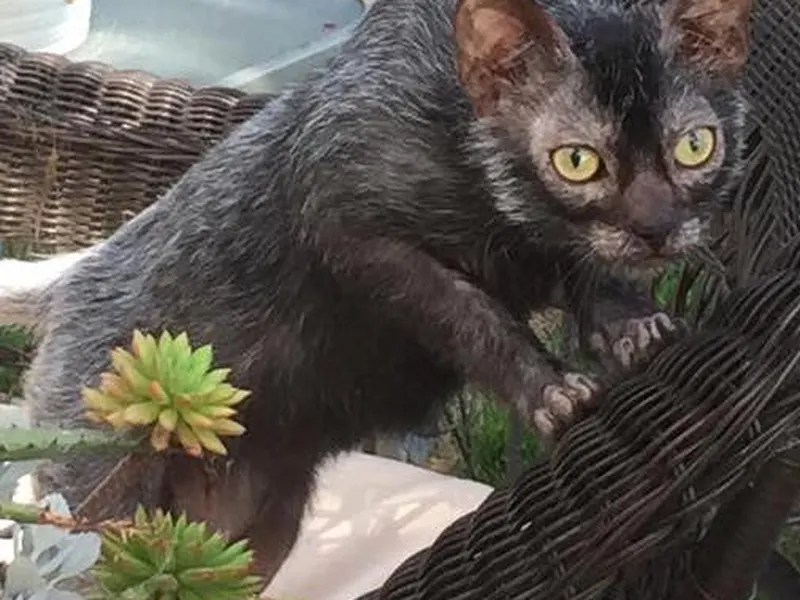
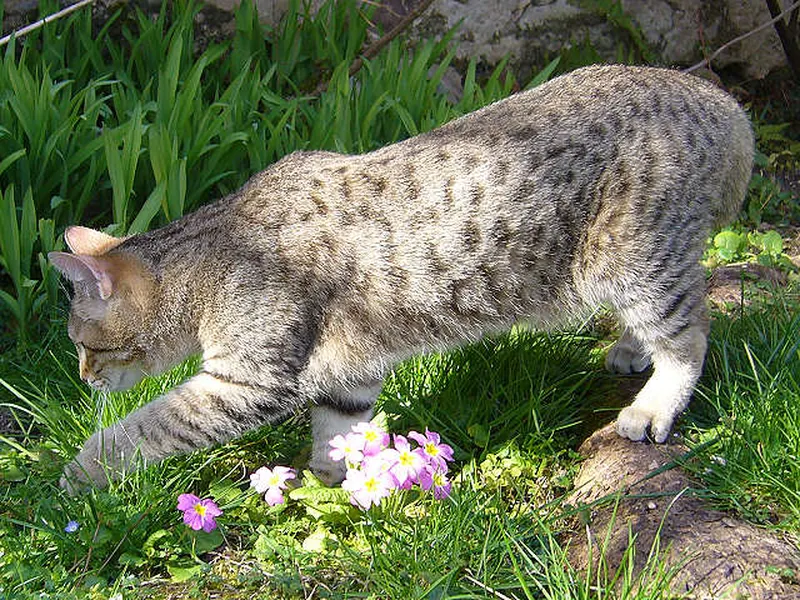
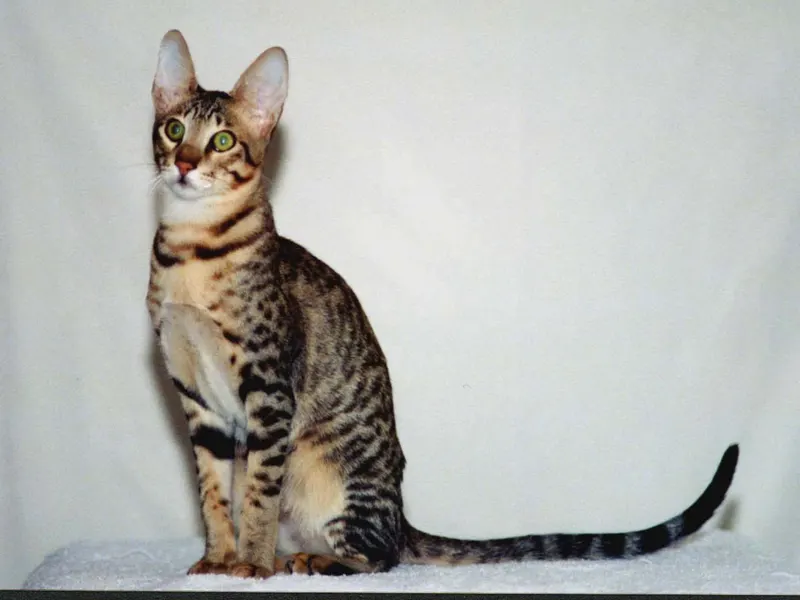
Wild look versus wild ancestry
Exotic here means a wild appearance, not a wild animal. Most breeds on this list are fully domestic. The Ocicat, Egyptian Mau, Toyger and Bombay look wild but were developed from domestic cats. The Maine Coon and Norwegian Forest Cat are natural breeds shaped by cold climates, not crosses with wild species. The American Bobtail and Pixiebob resemble bobcats, but they are domestic breeds.
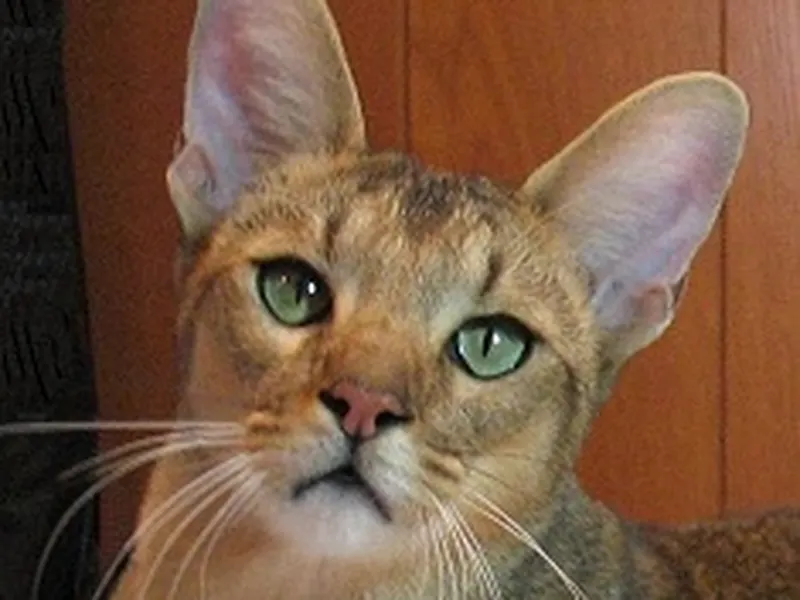
A few breeds do have wild ancestors. The Bengal descends from crosses with the Asian leopard cat, the Savannah from the African serval and the Chausie from the jungle cat. Cats several generations removed from the wild parent are domestic pets, but early generations can be larger, more intense and more demanding.
Hybrid laws to check first
Some states, cities and countries restrict wild hybrid breeds, often depending on how many generations separate a cat from its wild ancestor. Rules can cover ownership, import or breeding, and they change over time. Before you buy a Bengal, Savannah or Chausie, check the rules where you live and anywhere you plan to move, and ask the breeder for the cat's generation.
How to choose a wild-looking breed
Decide which part of the wild look you love most. For spots and rosettes, compare the Bengal, Ocicat, Egyptian Mau, Serengeti and Cheetoh. For stripes, the Toyger is the obvious choice. For a big, rugged cat with ear tufts, look at the Maine Coon and Norwegian Forest Cat. For a bobbed tail, the American Bobtail, Pixiebob and Highlander fit the bill. For a sleek black panther, the Bombay is the domestic answer.
Then match energy and coat to your life. The spotted shorthairs are easy to groom but busy, while the longhaired forest breeds are calmer but need regular brushing. Size matters as well, since the Savannah, Chausie and Maine Coon can be much larger than an average cat.
Living with a wild-looking cat
- Energy: the Bengal, Savannah, Abyssinian and Egyptian Mau need daily active play, climbing space and puzzle toys.
- Space: tall cat trees and wall shelves matter more than floor area. The Savannah in particular can jump remarkably high.
- Enrichment: leash training and a secure outdoor enclosure can help active breeds burn energy safely.
- Calmer options: if you love the look but not the intensity, the Toyger, Maine Coon and Ocicat tend to be easier to live with.
Choosing responsibly
Popular exotic looks attract careless breeders. Ask about health testing, socialization and the parents' temperaments, and be wary of very cheap spotted kittens sold as Bengals without papers.
Shelters also have many tabby, spotted and black cats with a wild look of their own, and they make wonderful pets without the higher cost or the hybrid paperwork.
Frequently Asked Questions
What is the most exotic-looking cat breed?
The Savannah and Bengal are usually considered the most exotic, thanks to their spotted coats and wild ancestry. The Toyger and Ocicat offer a similar look from domestic lines.
Are exotic cat breeds legal?
Fully domestic breeds are legal almost everywhere. Hybrids like the Bengal, Savannah and Chausie may be restricted in some states, cities or countries, often by generation.
Is an Exotic Shorthair an exotic cat?
No. The Exotic Shorthair is a short-coated version of the Persian with a flat face. Its name does not refer to a wild look.
Do wild-looking cats make good pets?
Most do, as long as their energy needs are met. Early-generation hybrids can be demanding and are best for experienced owners.
Which wild-looking cat is the calmest?
The Maine Coon, Toyger and Ocicat are usually more relaxed than the Bengal or Savannah while still having a striking, wild appearance.
Not sure which cat breed fits you?
Answer 10 quick questions and get cat breeds ranked for your home, schedule and family.