Cat Breeds With No Tail or a Short TailTailless and bobtailed breeds explained
Breeds on this list are born with no tail or a naturally shortened tail. Tails are never cut: the trait comes from genetic mutations that differ from breed to breed. This page explains those differences, the health points tied to some of them and how to choose a healthy bobtailed cat.
All Tailless and Bobtail Cat Breeds A to Z
Different Genes, Different Tails
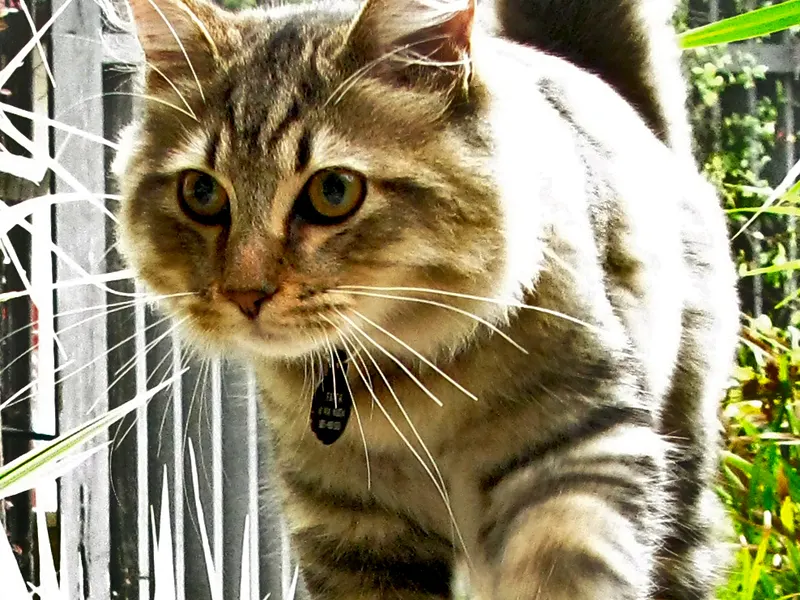
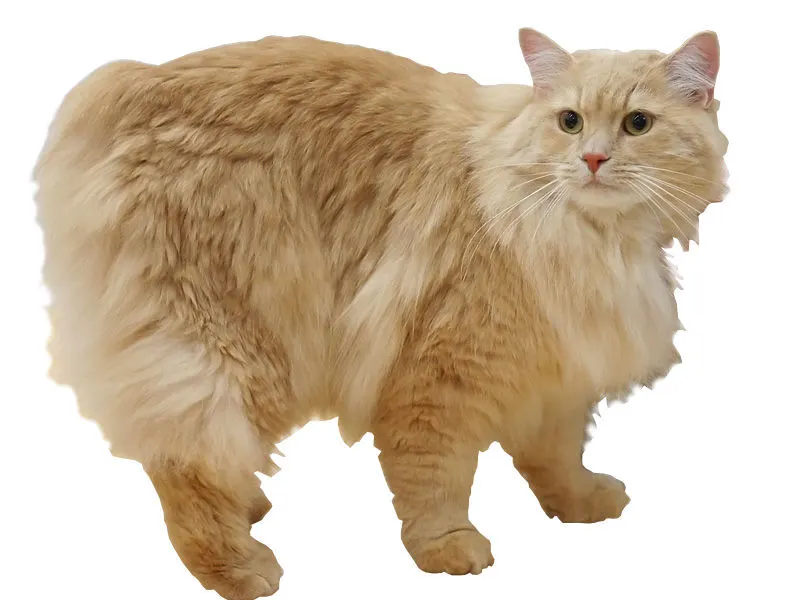
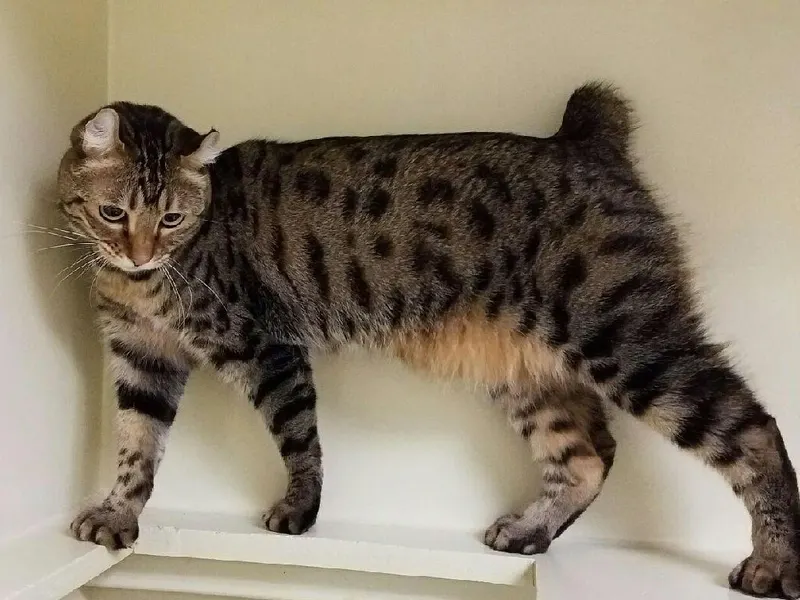
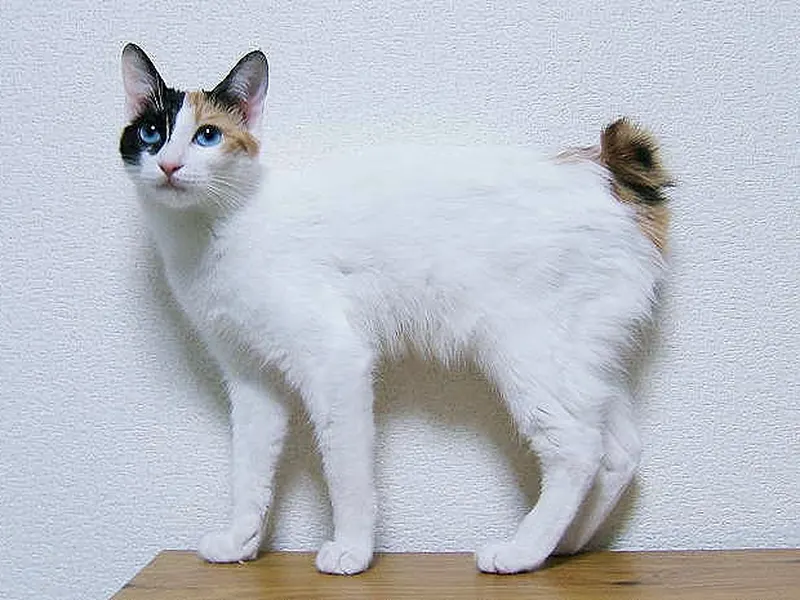
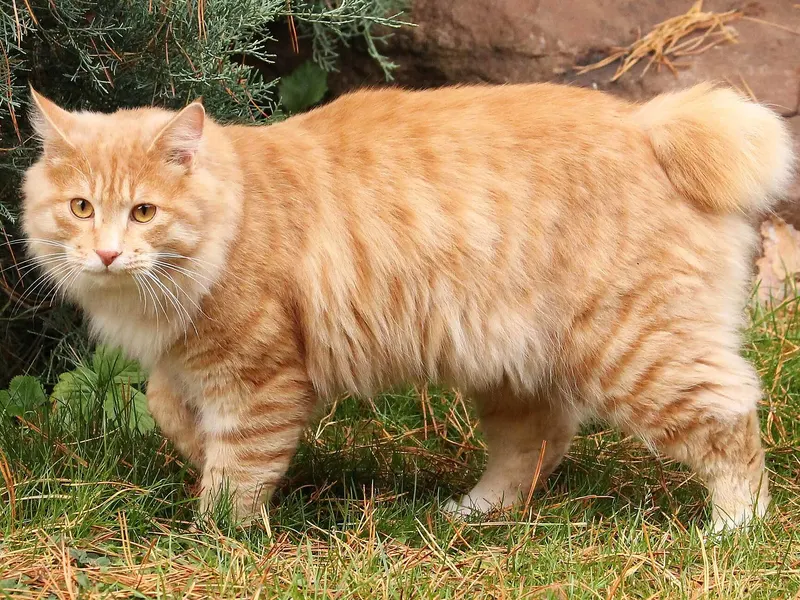
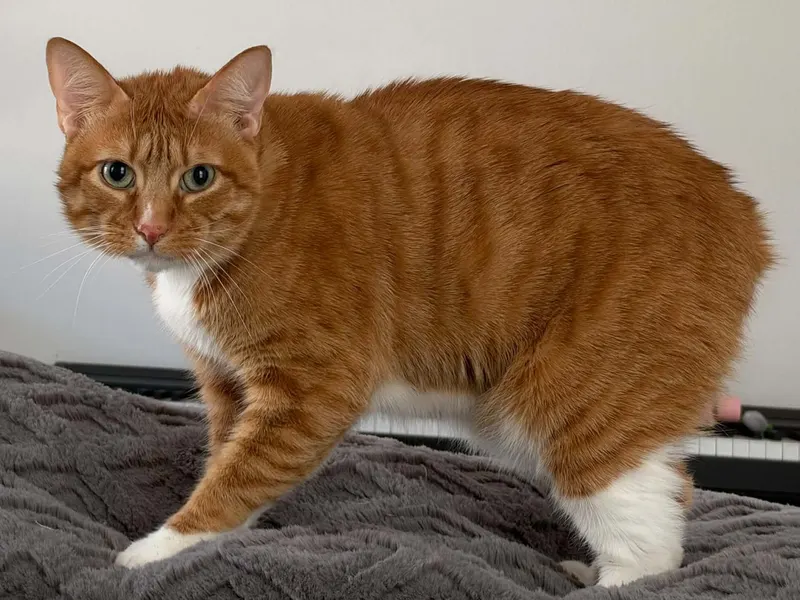
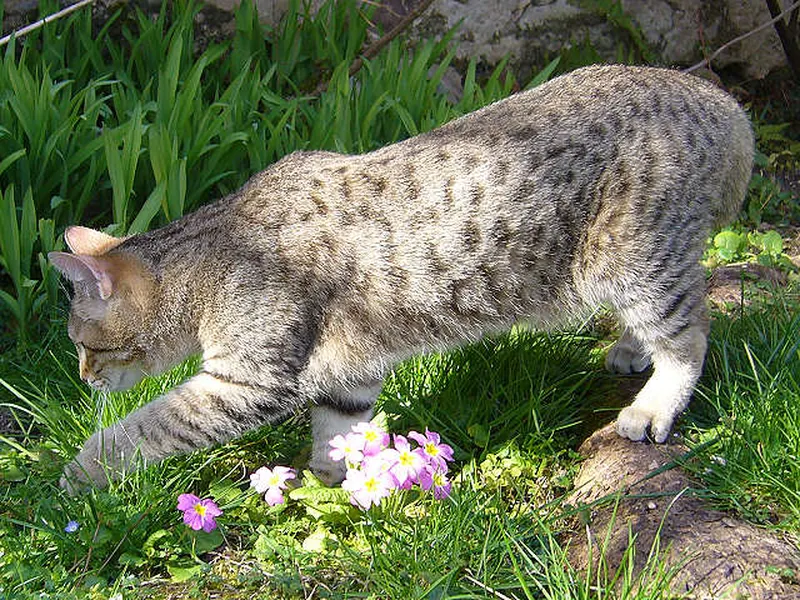
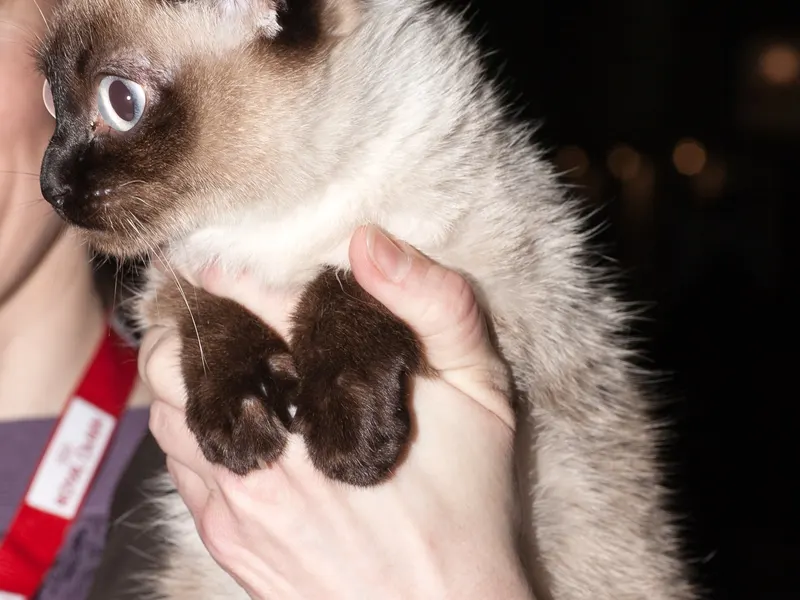
Several unrelated mutations shorten tails in cats. The Manx and its longhaired form, the Cymric, carry a dominant gene that can produce anything from no tail at all to a nearly full tail. The Japanese Bobtail has a recessive gene that produces a short, kinked pom-pom tail. The American Bobtail, Kurilian Bobtail, Pixiebob and Highlander have their own short-tail genetics, and the tiny Toybob pairs a short tail with a very small body.
Manx Tail Types
- Rumpy: no tail at all, often with a small dimple where the tail would start.
- Rumpy riser: a small bump of cartilage or bone.
- Stumpy: a short, often curved or kinked stump.
- Longy: a tail of nearly normal length.
All of these types can appear in the same litter.
Because tail length cannot be predicted reliably, breeders place rumpy, stumpy and longy kittens in pet homes alike. A longy Manx still has the Manx temperament and makes a fine pet.
Health and Welfare Considerations
The Manx gene affects the spine as well as the tail. Inheriting two copies is fatal before birth, and some cats with one copy develop Manx syndrome, a group of problems that can include spina bifida, bowel and bladder issues and an abnormal gait. The risk is highest in rumpies. Signs usually appear in the first months of life, which is one reason reputable breeders keep kittens until around four months old.
The Japanese Bobtail's gene is not known to cause these spinal problems. For other bobtail breeds, ask breeders about spinal health in their lines.
Living With a Tailless Cat
Cats use their tails for balance and communication, but tailless and bobtailed cats adapt well. They still climb and jump, and they communicate more with their ears, body posture and voice. Rumpy cats may need help keeping the rear end clean. Watch for changes in litter box habits or walking, which can signal a spinal problem.
Bobtail breeds can also move a little differently. The Manx, for example, has hind legs longer than its front legs, which gives it a rounded back and a hopping run that some people compare to a rabbit's.
Choosing a Bobtail Breed
Temperament varies. The Manx and American Bobtail are playful and often described as dog-like, the Japanese Bobtail is busy and chatty, and the Pixiebob is usually calm and family-friendly. Some mixed-breed cats are also born with short tails, and a cat that lost its tail to injury will usually live a normal, happy life.
When buying, ask to see the parents, check that the kitten walks and uses the litter box normally, and book a vet check soon after bringing it home.
Frequently Asked Questions
Which cat breed has no tail?
The Manx is the best-known tailless breed, along with its longhaired form, the Cymric. Not every Manx is fully tailless; tail length varies.
Are tailless cats healthy?
Many are, but the Manx gene is linked to spinal problems known as Manx syndrome. Choosing a breeder who tracks spinal health lowers the risk.
Are bobtail cats' tails docked?
No. Bobtail breeds are born with short tails because of genetic mutations. Their tails are not cut.
Does a missing tail affect a cat's balance?
Tailless cats adapt well and climb and jump normally. They rely more on body posture and ears for balance and communication.
Is the Japanese Bobtail related to the Manx?
No. The Japanese Bobtail's short tail comes from a different, recessive gene that is not linked to Manx syndrome.
Not sure which cat breed fits you?
Answer 10 quick questions and get cat breeds ranked for your home, schedule and family.