British Cat BreedsBreeds developed in Britain and the British Isles
This list covers cat breeds that originated or were largely developed in Great Britain and the wider British Isles, including breeds first shaped by UK breeders and the UK registry, the GCCF. It helps US and UK readers understand where these breeds come from and how different they are from each other.
All British Cat Breeds A to Z
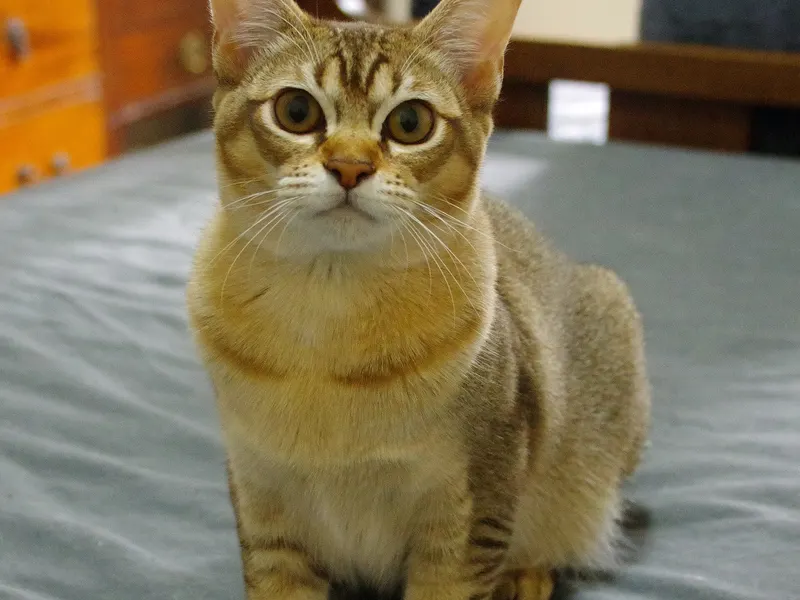
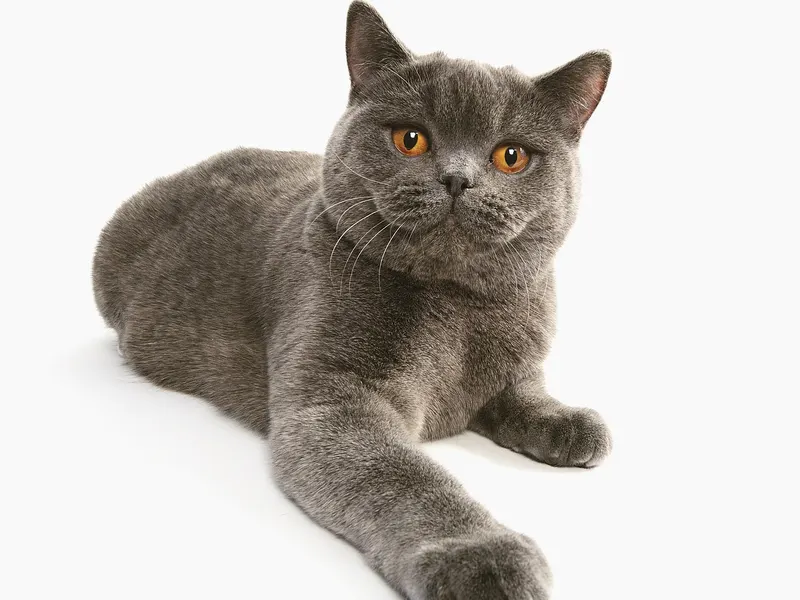
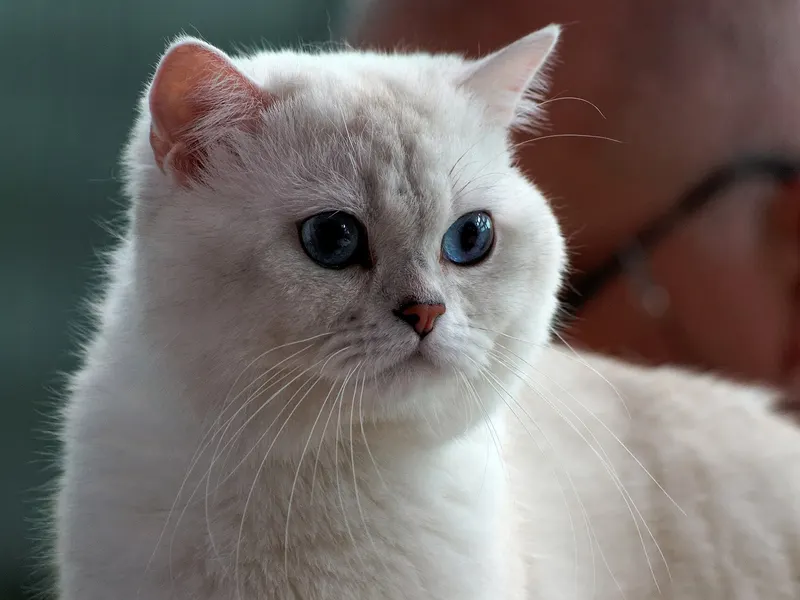
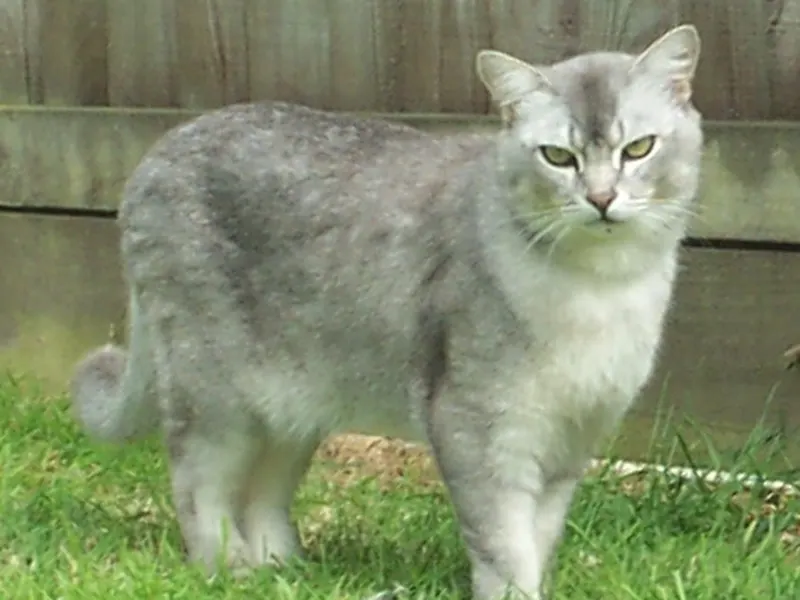
The Classic British Breeds
The British Shorthair is one of the oldest recognized breeds, shaped from British street and farm cats in the late 1800s. It is round-faced, dense-coated and calm, and it is among the most popular breeds in the world. The British Longhair is its semi-long-coated relative with the same easygoing nature.
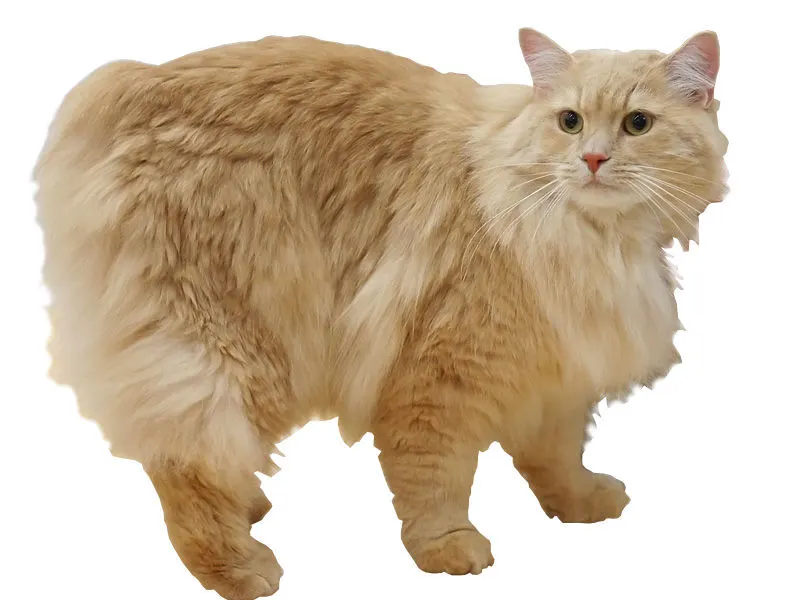
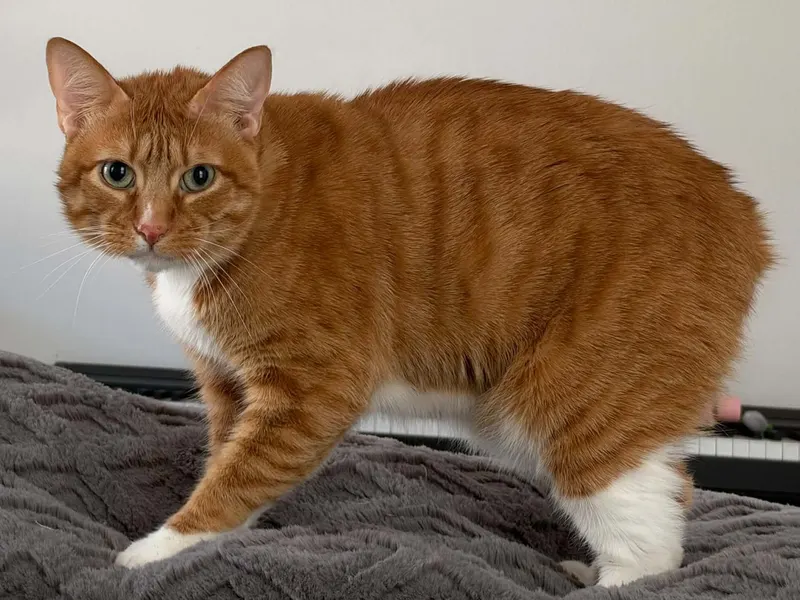
The Manx comes from the Isle of Man, a self-governing Crown Dependency, where the tailless gene became common in the local cat population. The Cymric is its longhaired form, with a name taken from Cymru, the Welsh name for Wales.
In the UK, a pedigree cat registered with the GCCF comes with documented ancestry, which helps buyers check lines and health history.
The Rex Breeds From Southwest England
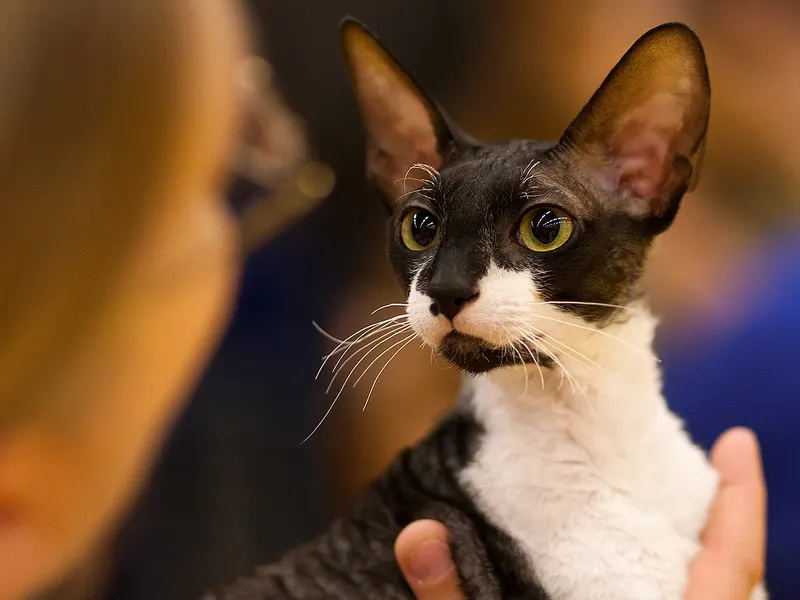
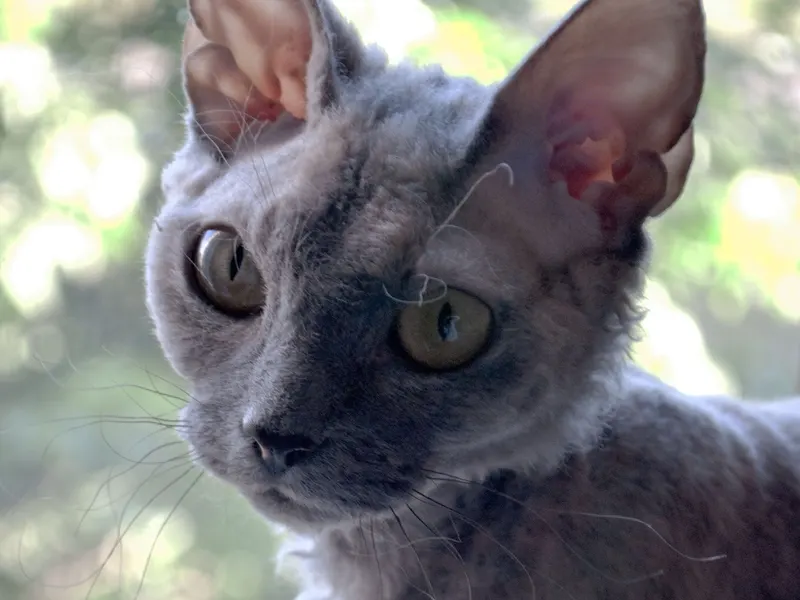
Two curly-coated breeds appeared as natural mutations in neighboring counties. The Cornish Rex began with a curly kitten in Cornwall in 1950, and the Devon Rex with one in Devon in 1960. Their curls come from different genes, so the breeds are distinct. Both are playful, people-focused and light shedders, though neither is hypoallergenic.
Both have large ears and very fine coats that give them a distinctive, elfin look.
Modern Breeds Developed in the UK
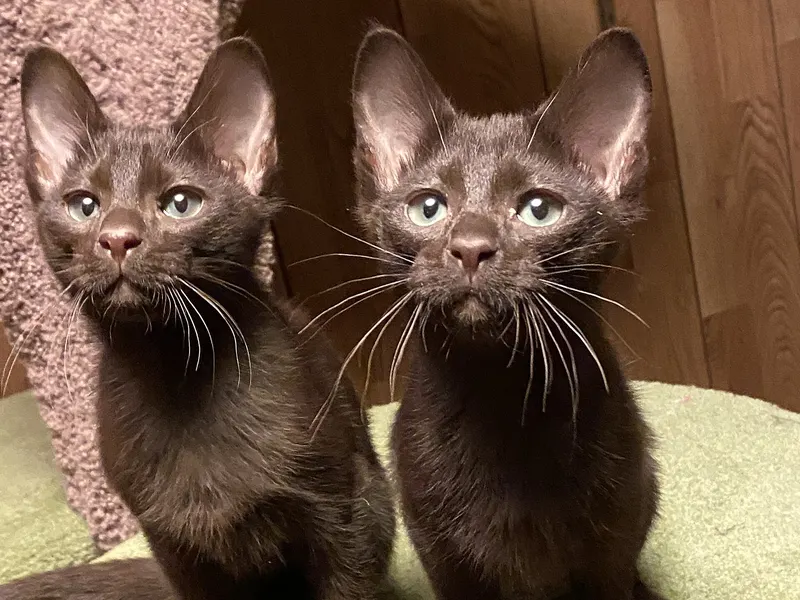
- Havana Brown: developed in Britain in the 1950s to produce a solid chocolate cat of Siamese type.
- Burmilla: began in 1981 from an unplanned mating between a Burmese and a Chinchilla Persian.
- Asian: a group of Burmese-type cats that grew out of the Burmilla program, recognized in a range of colors and coats.
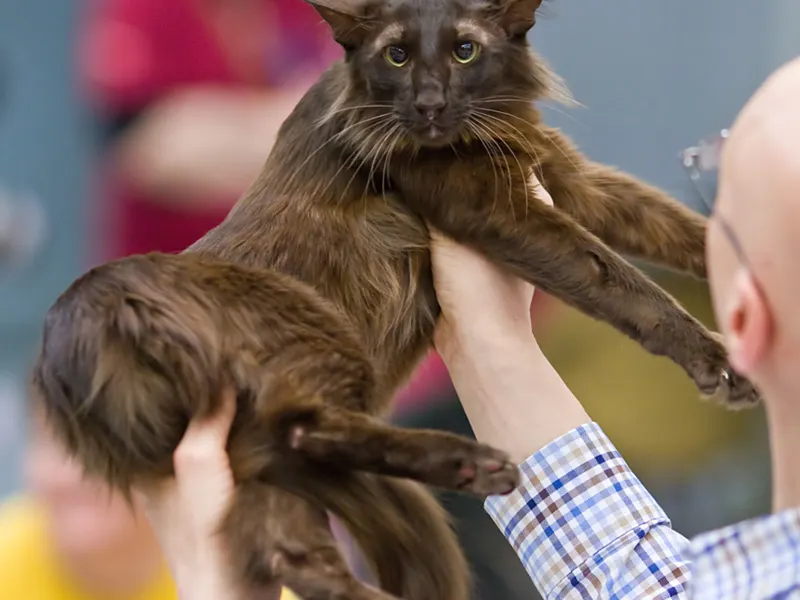
- Oriental Longhair: a longhaired Oriental type developed largely by British breeders.
Choosing a British Breed
These breeds have little in common beyond their origin. If you want calm and independent, the British Shorthair or British Longhair are ideal. For playful, interactive companions, look at the Devon Rex, Cornish Rex or Havana Brown. The Burmilla and Asian are affectionate and moderate in energy. The Oriental Longhair is lively and talkative.
Grooming needs differ too. The British Shorthair's dense coat needs weekly brushing and more during sheds, the British Longhair and Cymric need regular combing, and the Rex breeds need very little, though their skin can get oily.
Recognition also varies by country: some breeds here, such as the Asian group, are recognized by the GCCF but are less widely known in the US.
Health Notes
The British Shorthair can be prone to hypertrophic cardiomyopathy and weight gain, so keep it lean and active. Manx and Cymric cats can develop Manx syndrome, a spinal condition linked to the tailless gene. Rex breeds have thin coats and feel the cold, so they appreciate warm beds. In the UK, mixed-breed moggies far outnumber pedigrees in rescue centers and offer many of the same traits.
Frequently Asked Questions
What is the most popular British cat breed?
The British Shorthair is the best-known British breed and is among the most popular cats in both the UK and the US.
Is the Manx a British breed?
The Manx comes from the Isle of Man, a Crown Dependency in the British Isles. It is not part of the UK, but it is usually grouped with British breeds.
What is the difference between a Devon Rex and a Cornish Rex?
They come from different curly-coat genes. The Cornish has tight, even waves and a sleek, slender body, while the Devon has looser curls, very large ears and a pixie-like face.
What is the GCCF?
The Governing Council of the Cat Fancy is the main UK cat registry. US breeders usually register with the CFA or TICA.
Are British Shorthairs good indoor cats?
Yes. Their calm, independent nature suits indoor life, but they need play and portion control to stay lean.
Not sure which cat breed fits you?
Answer 10 quick questions and get cat breeds ranked for your home, schedule and family.