Russian Cat BreedsBreeds with roots in Russia
Breeds on this list originated in Russia or were developed there from local cats. They range from thick-coated forest cats to hairless breeds, so this page helps you understand their origins and which one fits your home.
All Russian Cat Breeds A to Z
Natural breeds and modern breeds
Russia has given the cat world two very different kinds of breeds. The Siberian and Russian Blue are natural breeds shaped by climate and local cat populations over a long time. The Peterbald, Donskoy and Toybob are modern breeds developed from specific mutations or crosses in the late 20th century.
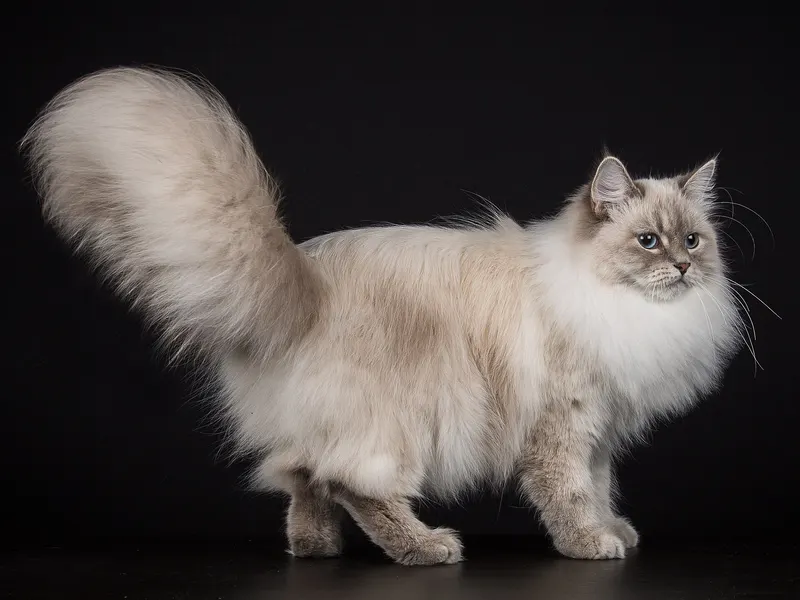
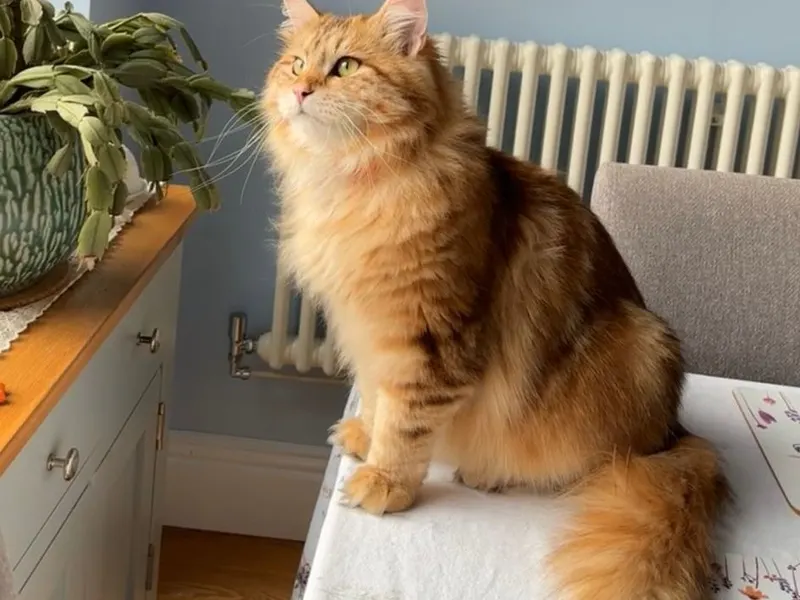
- Siberian: a large forest cat with a thick, water-resistant triple coat, often described as Russia's national cat.
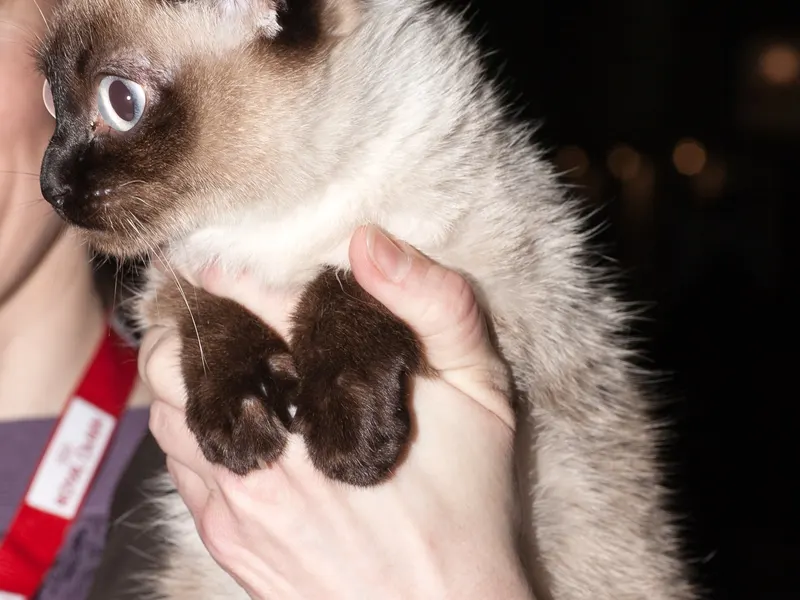
- Neva Masquerade: the colorpoint variety of the Siberian, named after the Neva River in St Petersburg, with blue eyes.
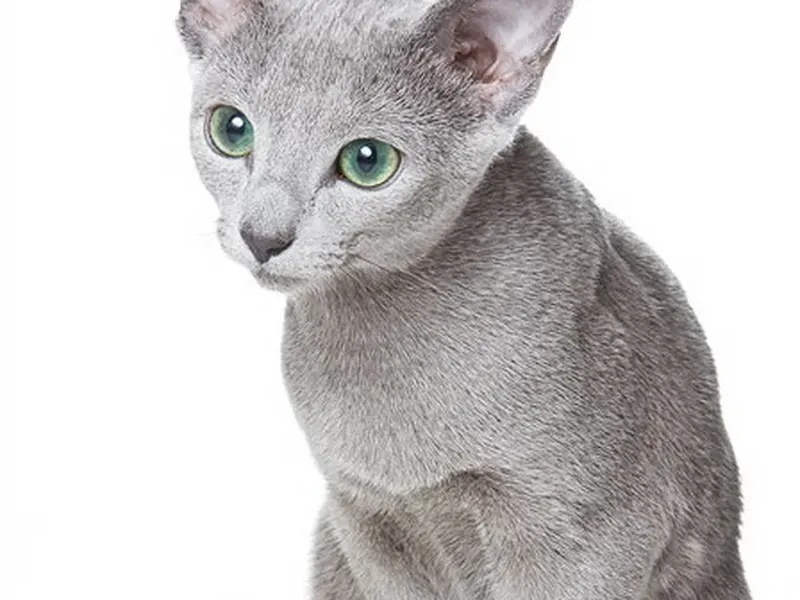
- Russian Blue: a slender, silver-blue cat with green eyes. Its origin story points to the port of Arkhangelsk, and much of its development took place in Britain.
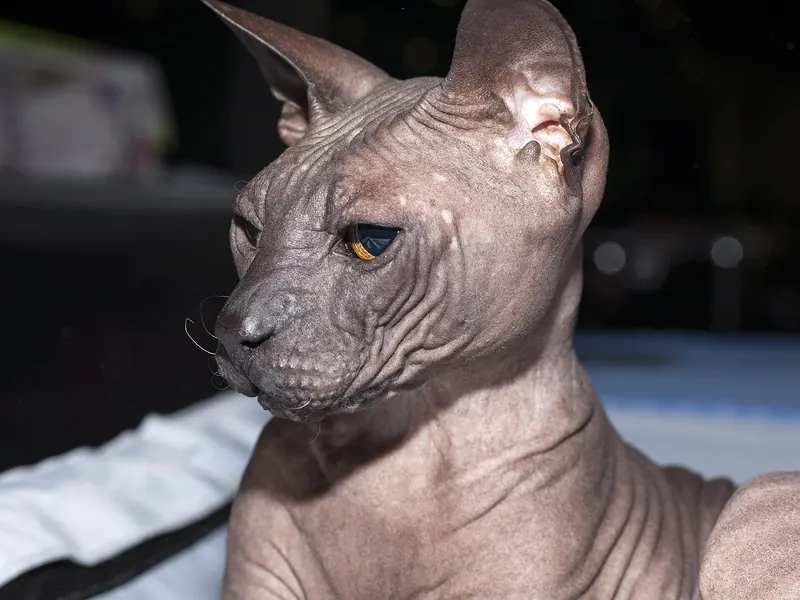
- Donskoy: a hairless breed from Rostov-on-Don, carrying a dominant hairless gene.
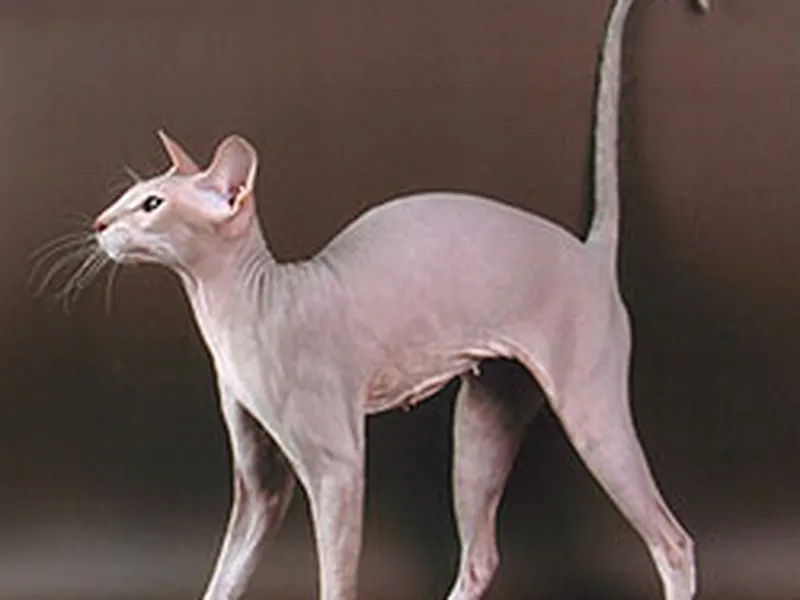
- Peterbald: developed in St Petersburg from the Donskoy and Oriental-type cats, with coats from fully bald to short brush.
- Toybob: one of the smallest breeds, with a short, kinked tail.
Temperament differences
The Siberian and Neva Masquerade are playful, confident and good with families and other pets, but they are big, agile cats that like to climb. The Russian Blue is gentler and more reserved, devoted to its people but often shy with strangers, and it values routine. The Peterbald and Donskoy are extremely social and dislike being left alone. The Toybob is affectionate and playful in a tiny package.
If you want a cat that will greet visitors and play with children, the Siberian is usually the better choice. If you prefer a calm companion for a quieter home, the Russian Blue tends to fit better.
Care by coat type
Coat care varies a lot. The Siberian and Neva Masquerade need brushing a few times a week and more during their heavy seasonal shed. The Russian Blue needs only a weekly brush. The hairless Donskoy and Peterbald need regular baths, ear cleaning and protection from cold and sun, and they eat more to keep warm.
Allergy claims and welfare notes
Siberians are often described as better for allergy sufferers, and some owners report milder reactions. No cat is fully hypoallergenic: all cats produce the Fel d 1 allergen in their skin and saliva, and individual cats vary. Spend time with the specific cat before committing.
Hairless breeds can lack whiskers and are prone to skin problems and sunburn, and some European welfare authorities have raised concerns about breeding for hairlessness. Ask breeders about skin, heart and general health screening.
Finding a Russian breed
The Siberian and Russian Blue are widely available in the US and UK, while the Neva Masquerade, Donskoy, Peterbald and Toybob have fewer breeders outside Eastern Europe. Check registration, meet the parents and be cautious with imports advertised online. Blue-gray and fluffy mixed-breed cats in shelters can offer a similar look and personality.
Frequently Asked Questions
What cat breeds come from Russia?
The main Russian breeds are the Siberian, Neva Masquerade, Russian Blue, Donskoy, Peterbald and Toybob. The Kurilian Bobtail also comes from Russian-administered islands.
Are Siberian cats hypoallergenic?
No cat is fully hypoallergenic. Some allergy sufferers report milder reactions to Siberians, but every cat produces Fel d 1, so spend time with the cat first.
Is the Russian Blue really from Russia?
Its traditional origin story links it to Arkhangelsk in northern Russia, and much of the breed's later development took place in Britain.
What is the difference between a Donskoy and a Peterbald?
The Donskoy is the original Russian hairless breed. The Peterbald was created by crossing the Donskoy with Oriental-type cats, giving it a slimmer build.
Which Russian cat breed is best for families?
The Siberian and Neva Masquerade are generally confident, playful and family-friendly. The Russian Blue suits quieter households.
Not sure which cat breed fits you?
Answer 10 quick questions and get cat breeds ranked for your home, schedule and family.