Rare Cat BreedsUncommon breeds with few breeders
A breed qualifies as rare here when it has few breeders, small numbers outside its home region or limited recognition by the major cat registries. This page helps you explore unusual breeds and understand what it takes to find and care for one.
Top 10 Rare Cat Breeds
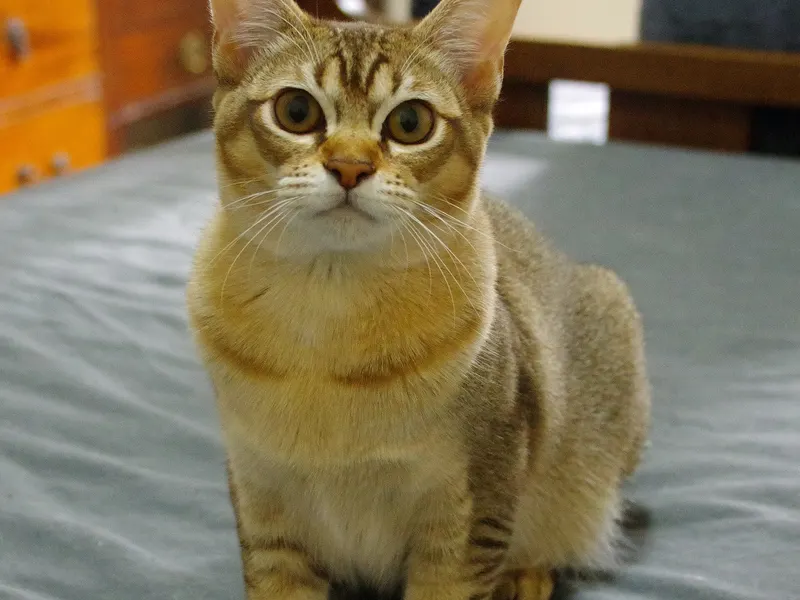
A British group of Burmese-type cats in many colors and coats, little known outside the UK.
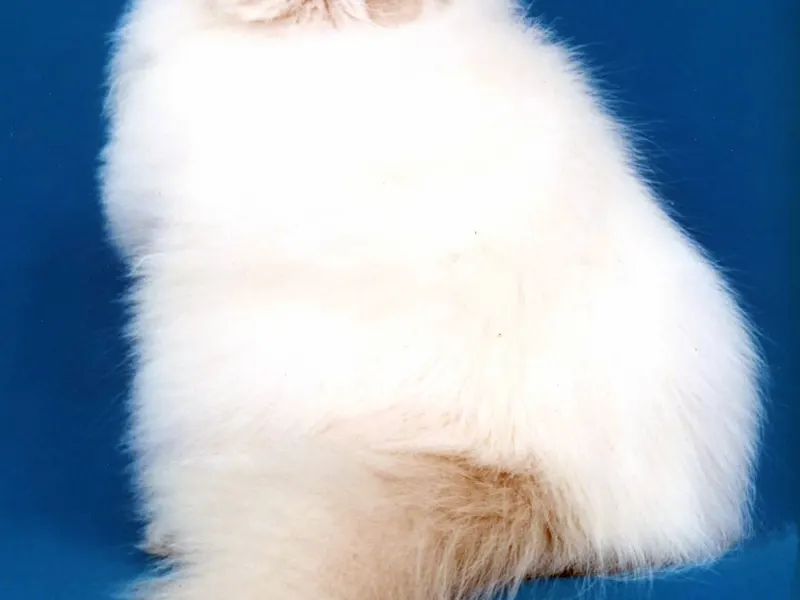
A young American hybrid of Bengal and Ocicat, bred for a large, spotted, wild look with a domestic temperament.
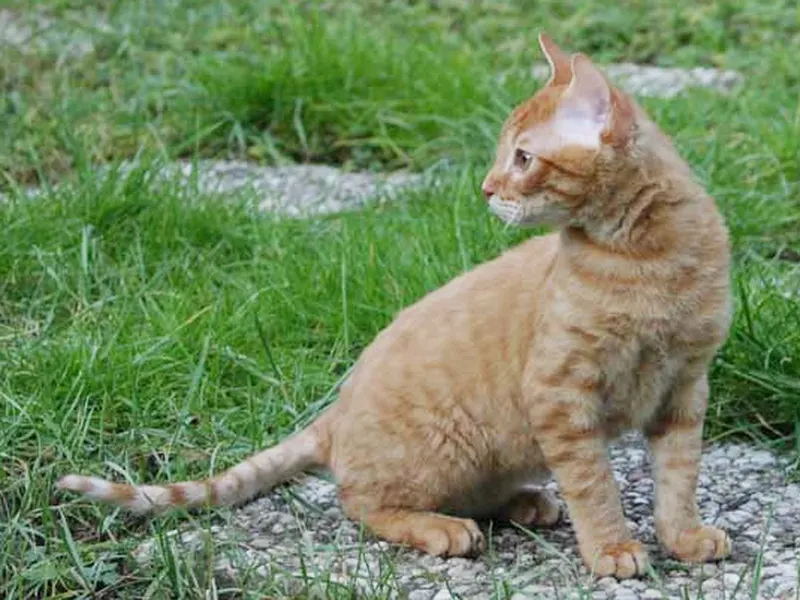
One of the oldest rex breeds, developed in Germany from a curly-coated cat and seldom seen elsewhere.
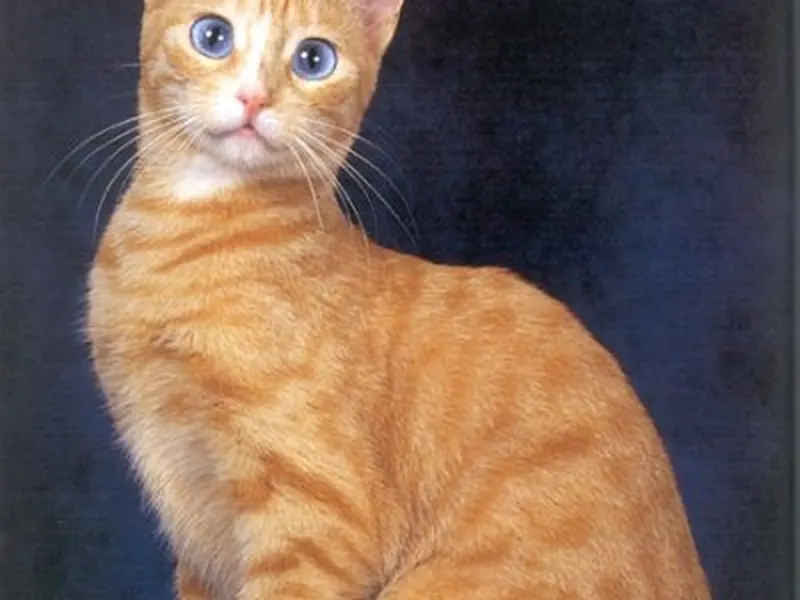
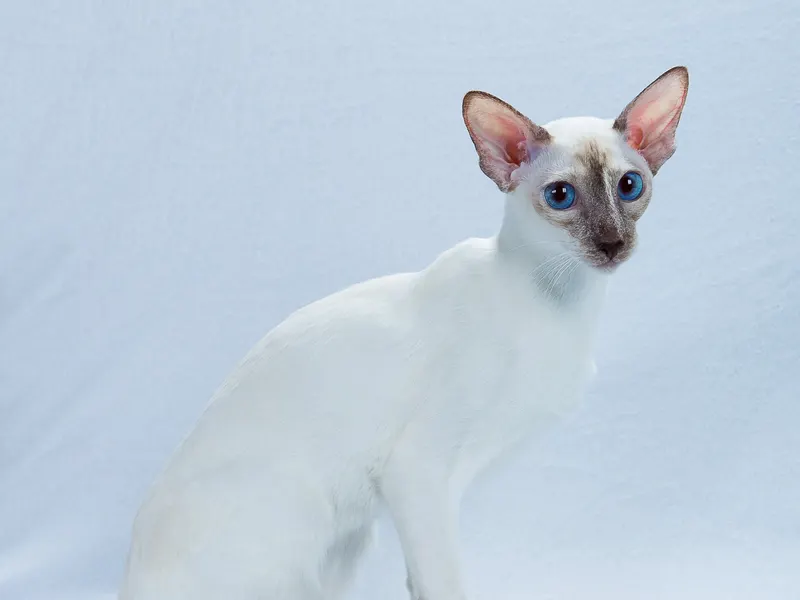
Known for deep blue eyes in cats that are not colorpointed, with very few breeders worldwide.
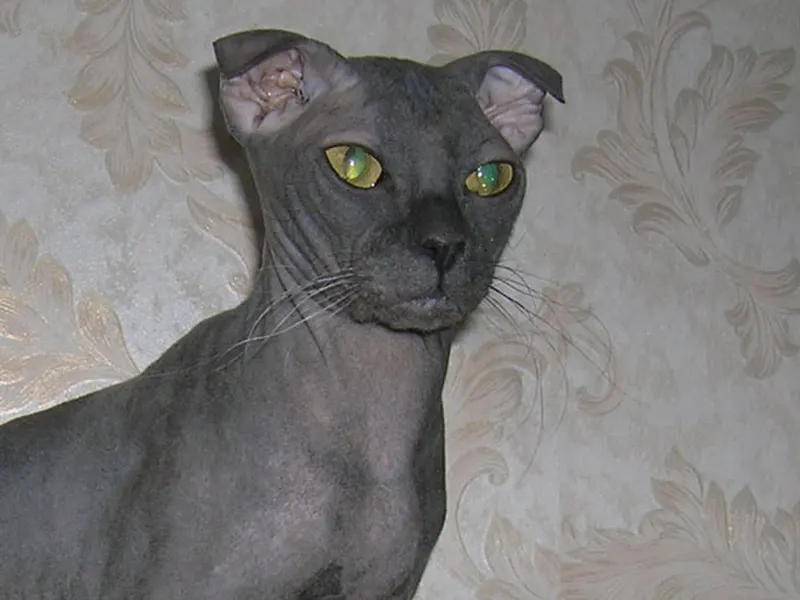
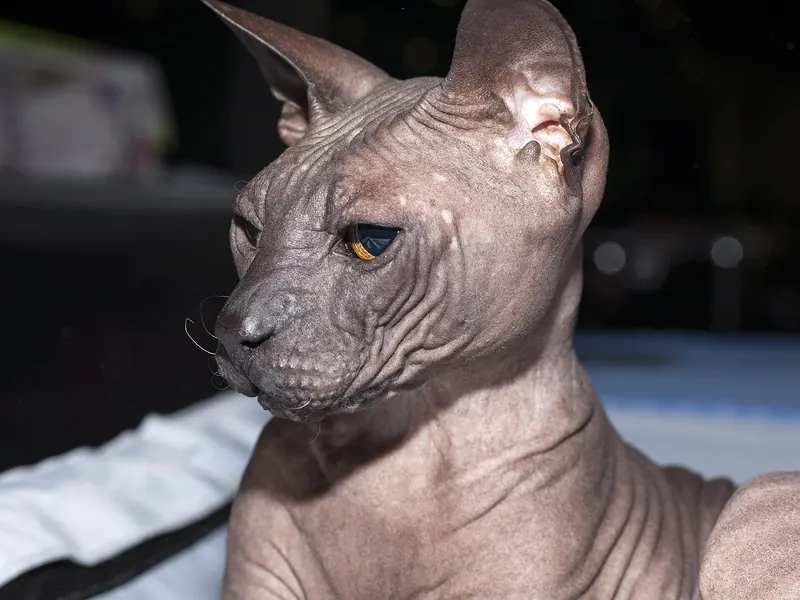
A hairless cat with folded ears from Ukraine, recognized by only a few registries.
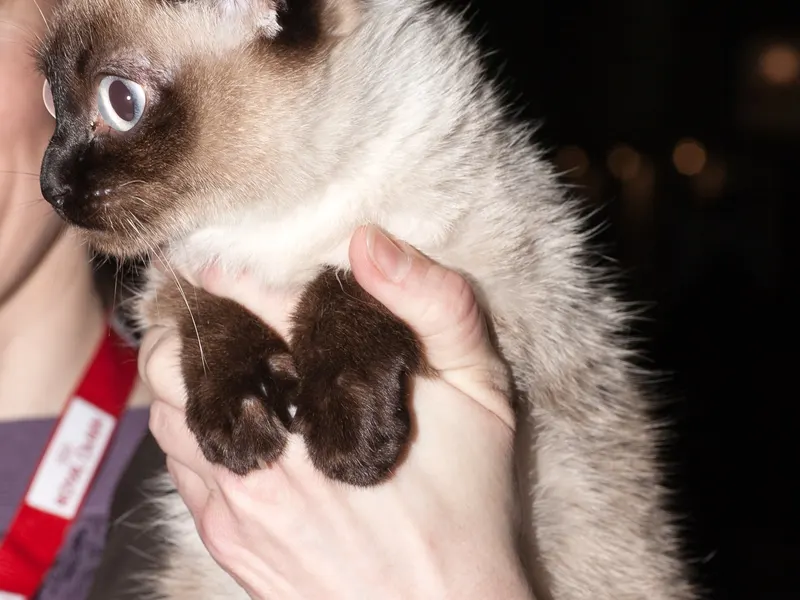
A tiny Russian breed with a short, kinked tail that is still uncommon outside Eastern Europe.
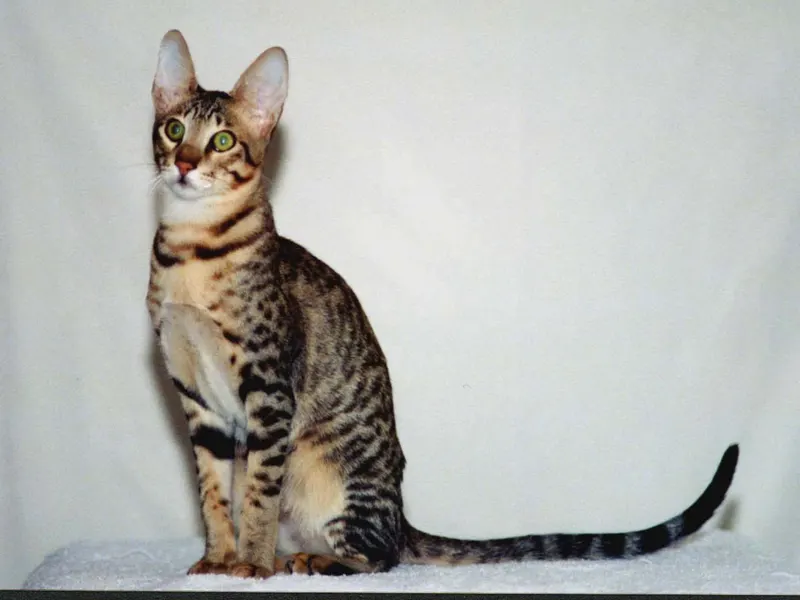
A spotted American breed from Bengal and Oriental lines, bred for long legs and large ears.
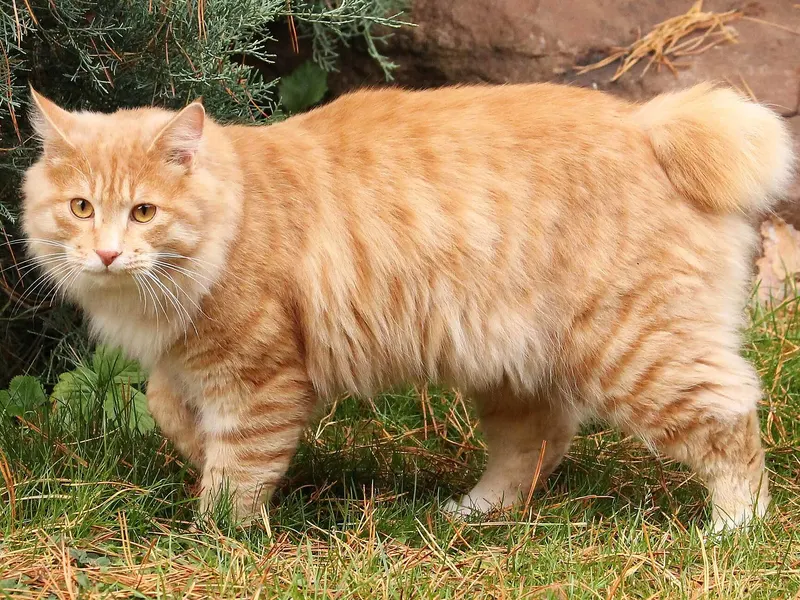
A natural breed from the Kuril Islands with a pom-pom tail, rarely found in the US or UK.
A semi-long chocolate or lavender breed that began on a New York farm and has very few breeders.
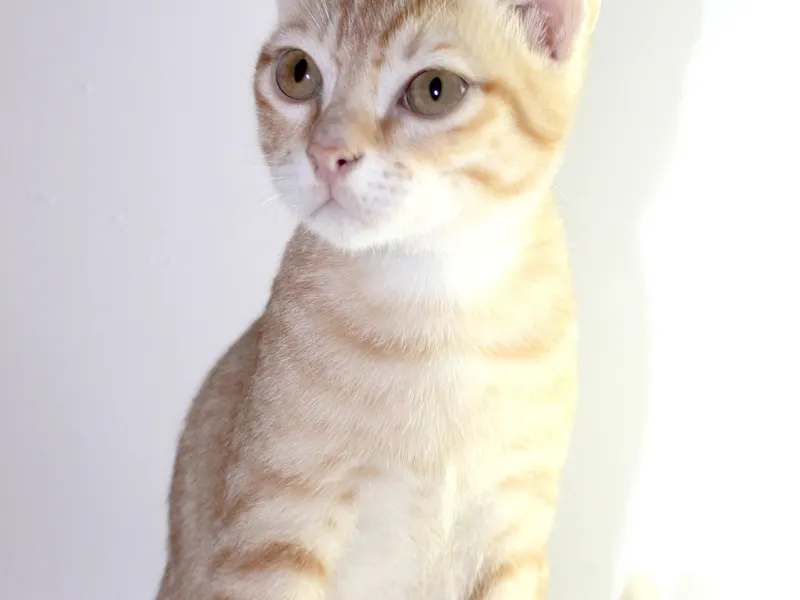
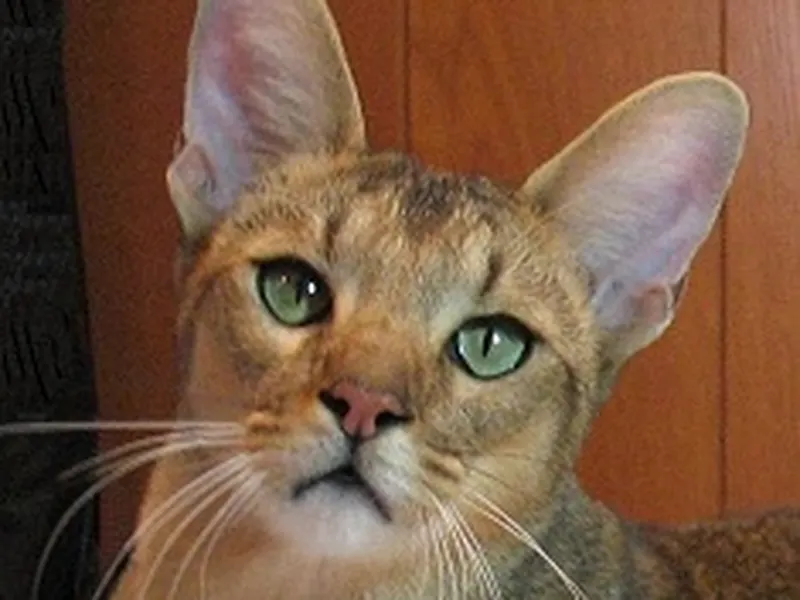
A natural, short-coated breed from the Arabian Peninsula that is only recognized by some registries.
All Rare Cat Breeds A to Z
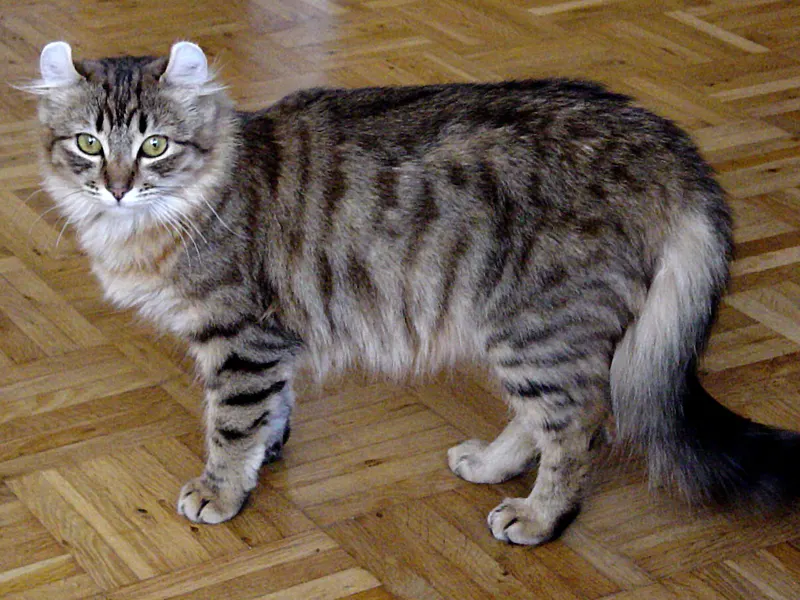
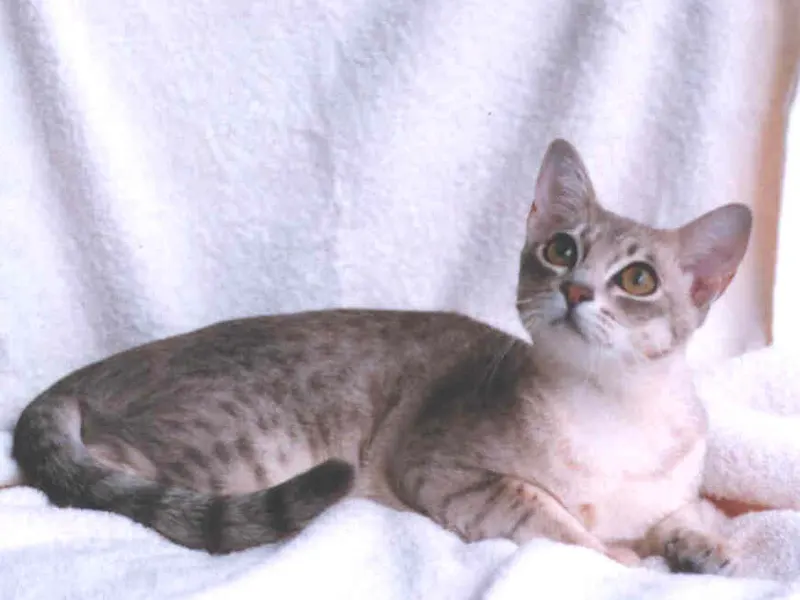
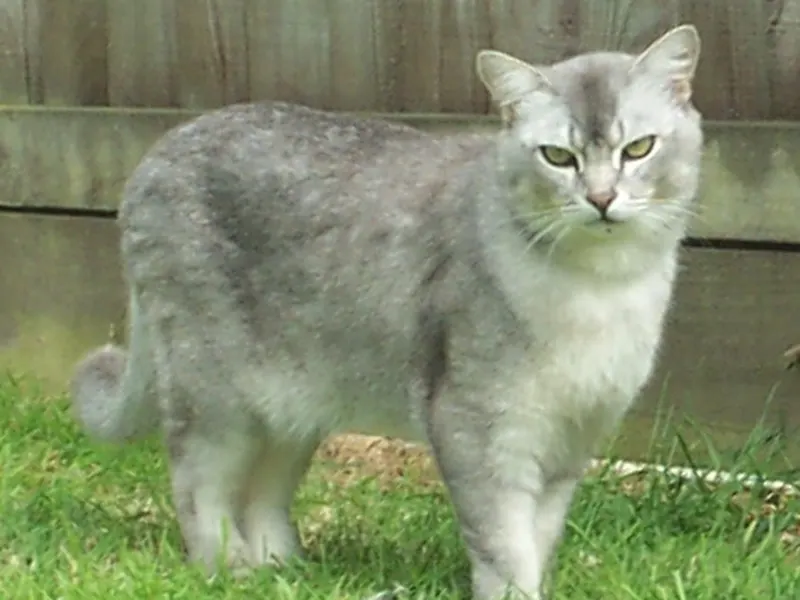
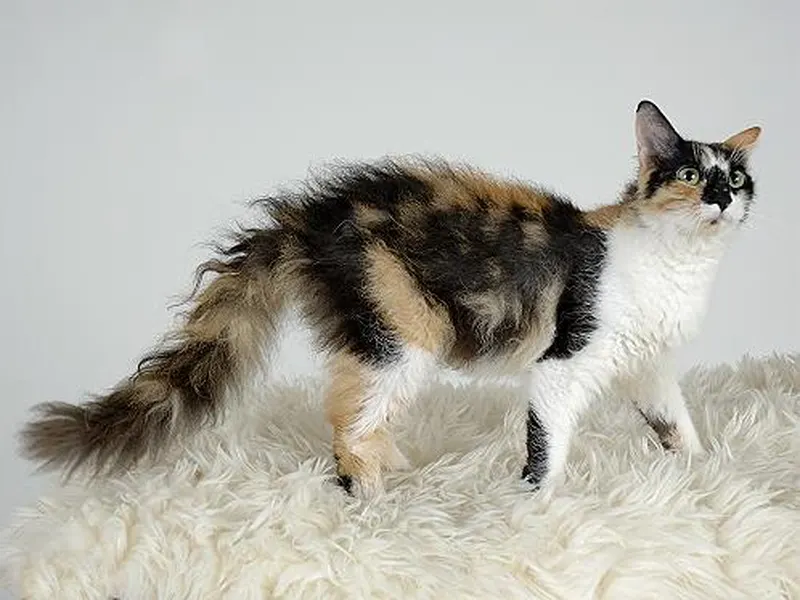
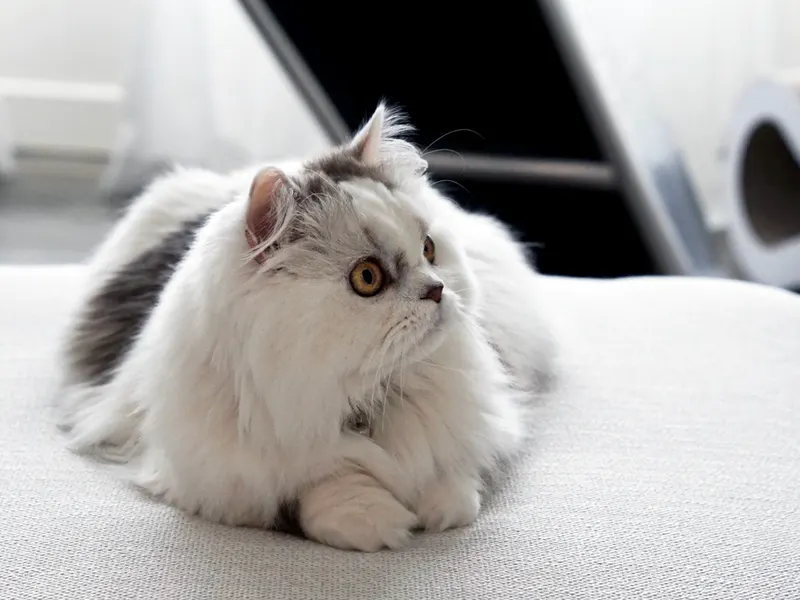
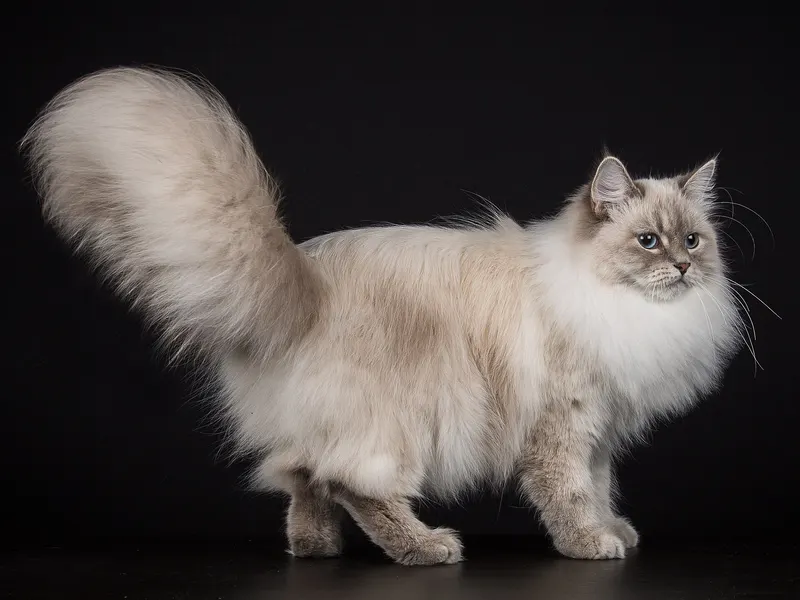
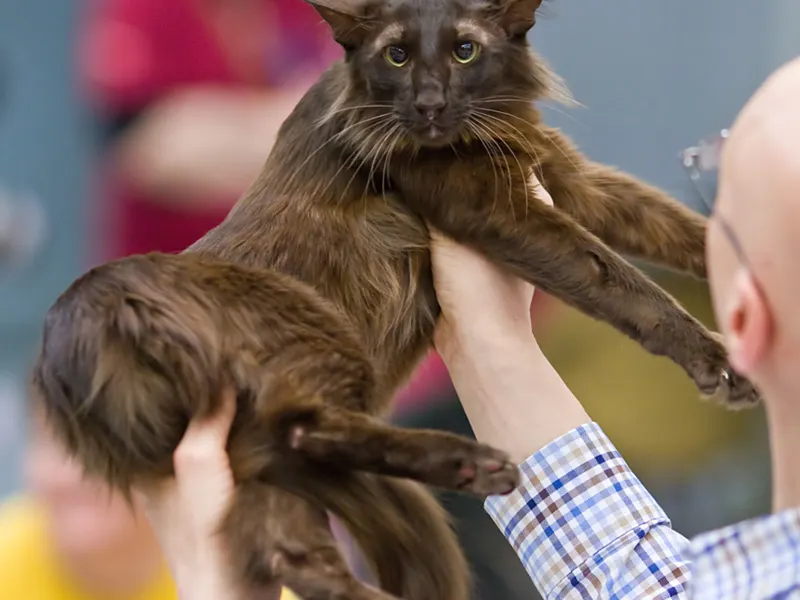
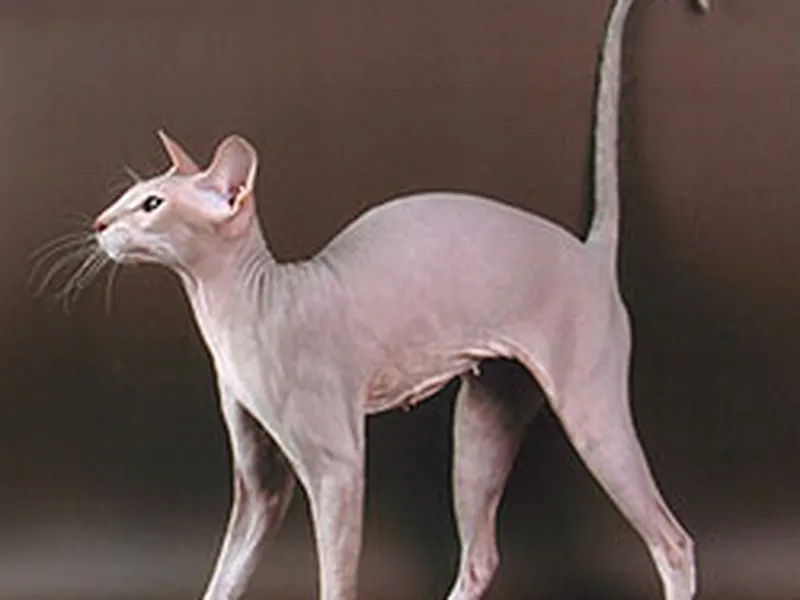
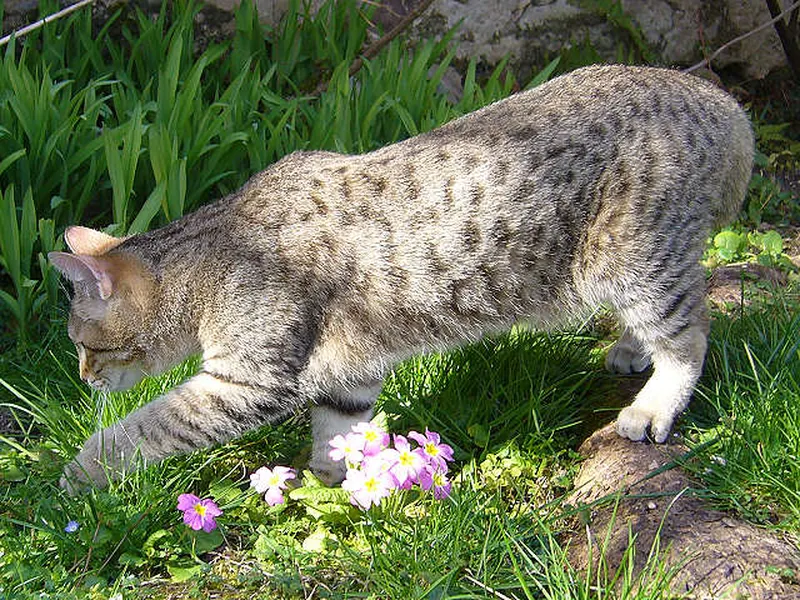
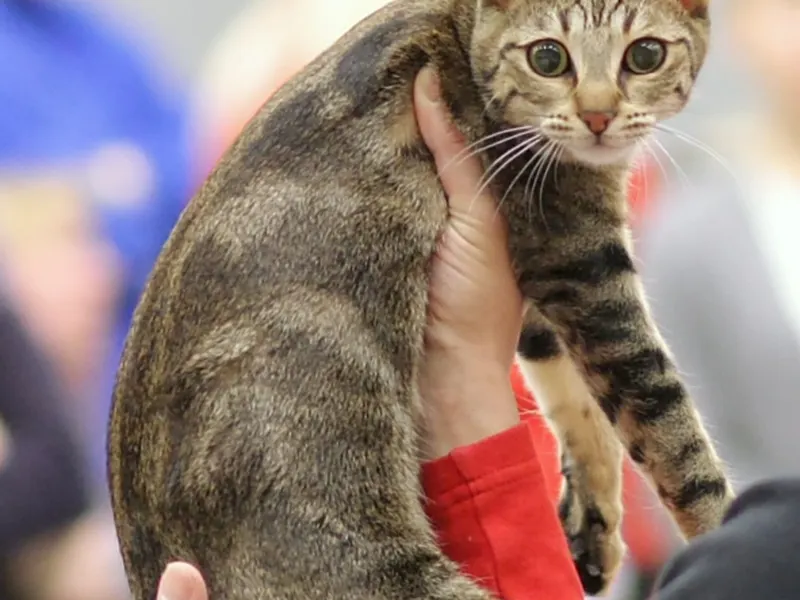
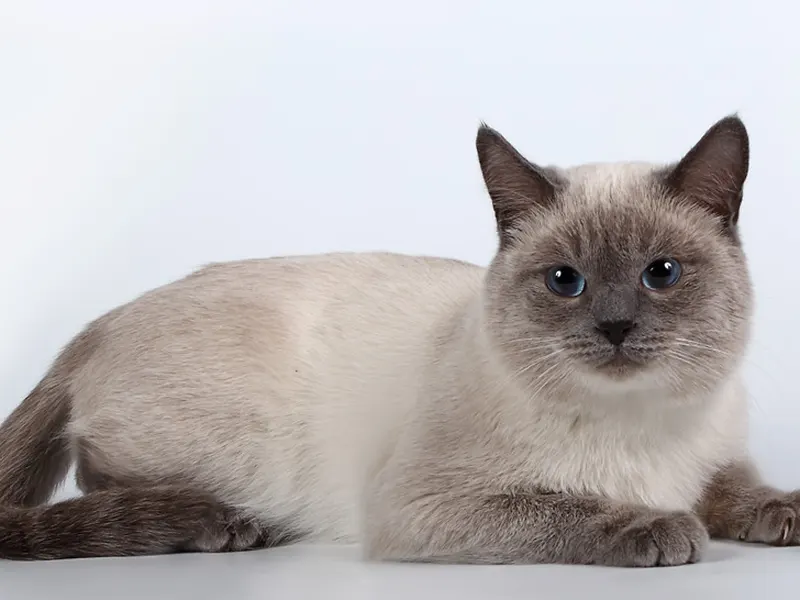
What makes a cat breed rare
Rarity has several causes. Some breeds are new, developed in the last few decades from a small number of founding cats, like the Cheetoh, Serengeti and Toybob. Others are natural breeds that are common at home but rare abroad, such as the Kurilian Bobtail from the Kuril Islands or the Arabian Mau from the Arabian Peninsula. A third group is rare because breeding is difficult or controversial, as with the Ojos Azules and Ukrainian Levkoy.
Recognition also plays a role. A breed may be accepted by one registry and not another, which limits where it can be shown and how many breeders take it on.
How to choose a rare breed
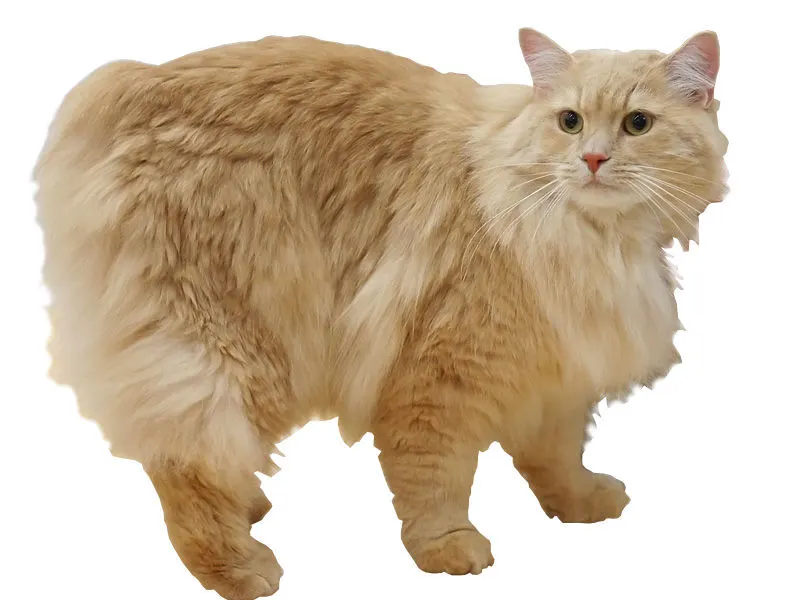
Do not choose on looks alone. Read about each breed's temperament, since rare breeds range from relaxed cats like the Australian Mist and Burmilla to energetic ones like the Cheetoh, Serengeti and Sokoke. Check coat care as well: the Cymric, Neva Masquerade and York Chocolate need regular brushing, while the Korat and Thai are easy.
Think about the future too. With few breeders, it can be hard to find a vet or groomer familiar with the breed, and rehoming options are limited if your circumstances change. Joining a breed club or owner group gives you a network for advice and support.
Finding a rare breed safely
- Expect to wait: many rare breeds have waiting lists, and you may need to travel to collect a kitten.
- Check registration: ask which registry the breeder uses and check the cat's papers.
- Ask about the gene pool: small breeding populations can lead to inbreeding. Good breeders track relatedness and outcross where needed.
- Ask for health testing: rare breeds often lack breed-specific tests, so ask what the breeder screens for and how long their cats live.
- Watch for scams: unusual breeds attract fake listings. Never pay a deposit without seeing the breeder, cats and paperwork.
Welfare considerations
Some rare breeds are uncommon for good reason. The Ukrainian Levkoy combines hairlessness with the folded-ear gene, which in the Scottish Fold is linked to cartilage and joint disease. The Ojos Azules blue-eye gene has been reported to cause problems when two carriers are bred together. Hairless breeds such as the Donskoy and Peterbald need careful skin care, and the short-legged Minuet raises questions similar to the Munchkin.
The Chausie, a jungle cat hybrid, falls under hybrid rules: some states, cities and countries restrict certain generations, so check local law before buying.
Rare looks without the hunt
If what draws you is a unique look, remember that every mixed-breed cat is one of a kind. Shelters regularly have cats with unusual coats, bobbed tails or striking eyes, and breed-specific rescues sometimes rehome rare purebred adults.
Frequently Asked Questions
What is the rarest cat breed?
There is no reliable count of every breed worldwide, but breeds such as the Ojos Azules, York Chocolate, German Rex and Toybob have very few breeders and are seldom seen.
Are rare cat breeds more expensive?
Often, because of limited supply, waiting lists and transport costs. Prices vary widely by region and breeder.
Are rare cat breeds less healthy?
Not necessarily, but small gene pools increase the risk of inherited problems. Ask breeders about relatedness, outcrossing and health screening.
Why are some breeds not recognized by all registries?
Registries have different rules about new breeds, minimum population sizes and traits they consider a welfare concern, such as folded ears or extreme hairlessness.
Where can I find a rare cat breed?
Start with the registries that recognize the breed and their breeder listings, then visit breeders in person. Breed clubs can also help.
Not sure which cat breed fits you?
Answer 10 quick questions and get cat breeds ranked for your home, schedule and family.