Australian MistAustralia's gentle, indoor-friendly cat
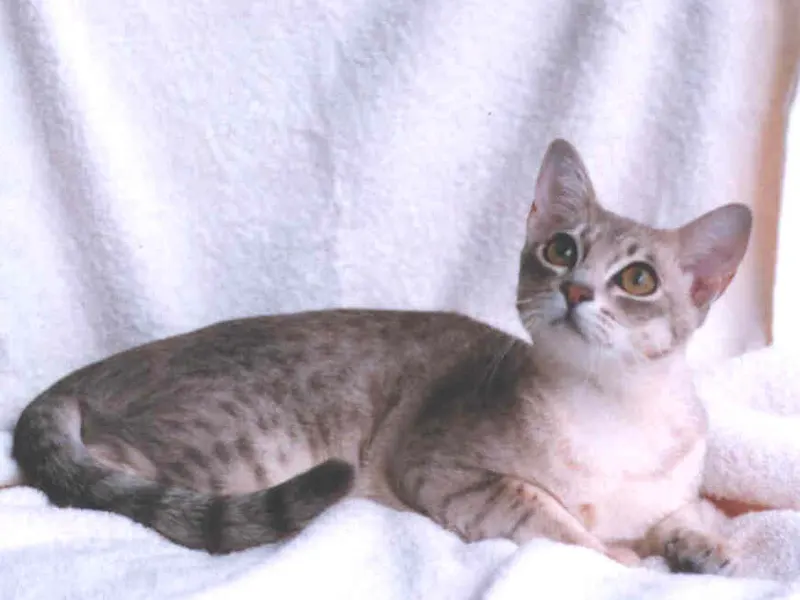
The Australian Mist is a medium-sized shorthaired cat with a misty spotted or marbled coat, bred in Australia to be a calm indoor companion. It is gentle, tolerant and sociable, and suits families with children.
Why people love the Australian Mist
- Calm, gentle and very tolerant of handling
- Bred to be content indoors
- Good with children, dogs and other cats
- Easy-care short coat
- Long-lived and generally healthy
Things to consider
- Very rare in the US
- Prone to weight gain if overfed
- Appreciates company and routine
- Needs daily play to stay fit
- No reliable US price range
Is this breed right for you?
10 questions · live resultHistory and Origin
Dr. Truda Straede began developing the breed in New South Wales in 1976. She crossed Burmese with Abyssinians and domestic shorthaired tabbies, aiming for a cat with a gentle temperament suited to indoor life, a spotted coat and good health.
Originally called the Spotted Mist, it was renamed Australian Mist in 1998 when the marbled pattern was accepted. The breed is recognized by GCCF and TICA and is still uncommon outside Australia and the UK.
Straede's goal was a cat that would stay happily indoors, reflecting concerns in Australia about the impact of free-roaming cats on native wildlife. The breed was first recognized in Australia in 1986. The Burmese contributed the gentle personality and short coat, the Abyssinian added ticking and liveliness, and domestic tabbies provided spotting and genetic diversity.
Build, Coat and Colors
The Australian Mist is a medium-sized, well-rounded cat with a sturdy, muscular body. Adults weigh about 7 to 13 lb, and males are typically larger and more muscular than females. The breed matures slowly, reaching full size at about two years.
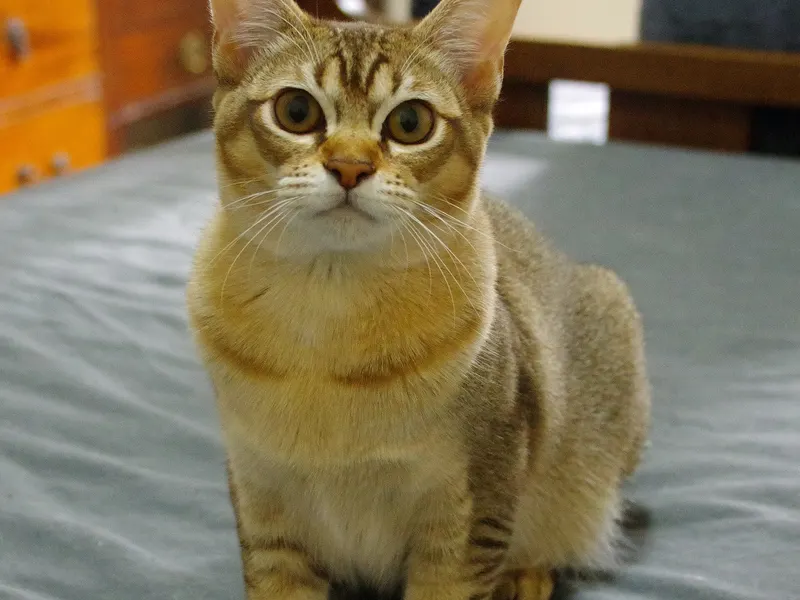
The head is rounded with a gentle profile, medium to large ears set slightly outward and large, expressive eyes that are usually green. The legs are medium length, and the tail is long and tapering.
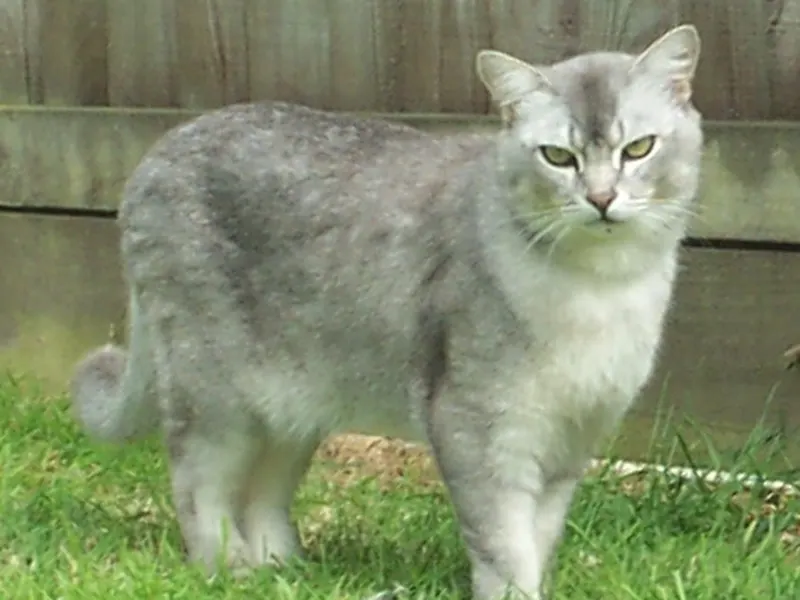
The coat is short, fine and soft. Its signature look comes from a spotted or marbled pattern overlaid with delicate ticking, which creates a misty veil. Six colors are recognized:
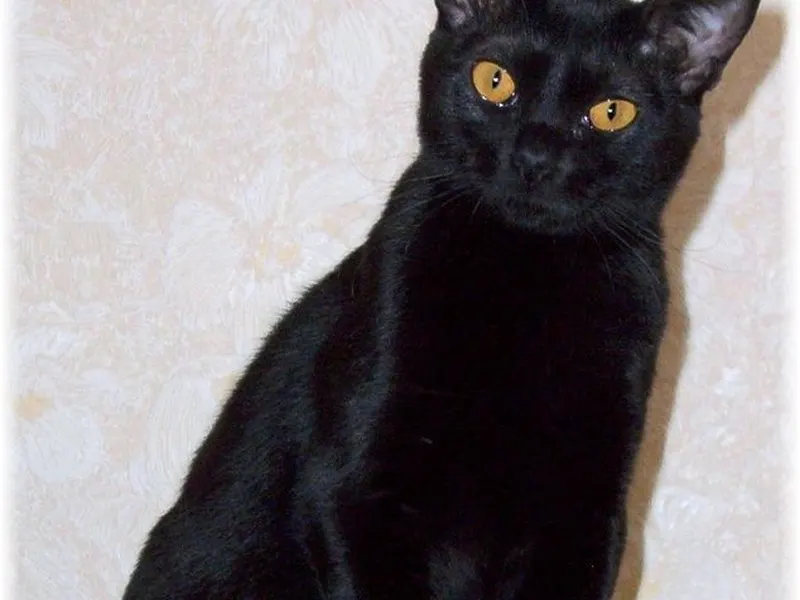
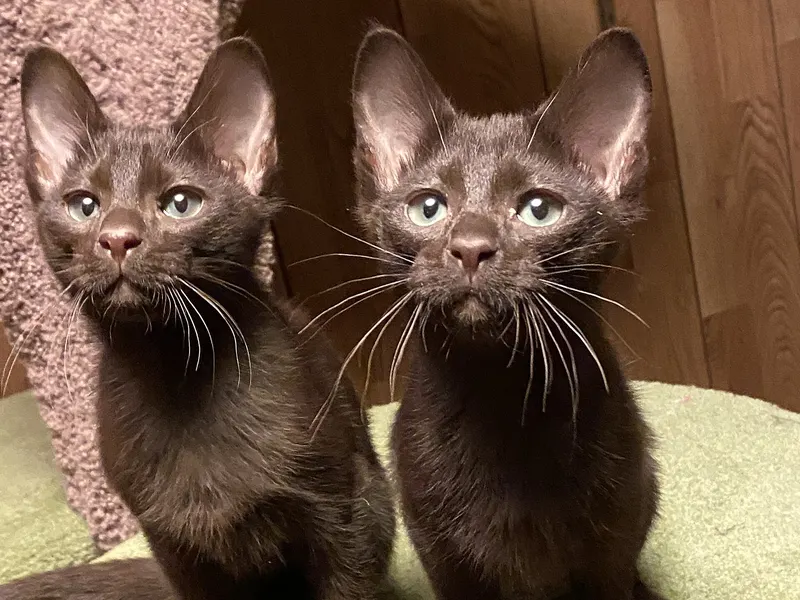
- Brown, blue and chocolate.
- Lilac, gold and peach.
The face, legs and tail usually show the pattern most clearly. Kittens are often born with bold markings that soften as the ticking develops, so adult color and pattern may take time to settle.
Personality and Temperament
Australian Mists are known for being calm, gentle and very people-friendly. They tolerate handling well, rarely scratch and often enjoy being held and cuddled.
They generally get along well with children, dogs and other cats. Most are moderately vocal and adapt easily to new situations.
Many Mists are described as tolerant of being carried around by children and calm during vet visits. They tend to enjoy routines and like to be close to their people, often curled up beside them in the evening. They are not usually demanding but appreciate company.
Are Australian Mists Lap Cats?
Yes, Australian Mists are often affectionate lap cats. They enjoy being held, stroked and cuddled, and many curl up beside or on their owners in the evening.
They are known for tolerating handling well, including being carried by gentle children. While not as demanding as some breeds, they appreciate company and like to stay close to their people. Kittens are lively and playful, while adults settle into a relaxed pattern of play and rest. If you want a gentle, cuddly indoor cat, the Australian Mist is a strong match.
Can Australian Mists Live With Dogs?
Yes, Australian Mists generally get along well with dogs. Their calm, adaptable nature helps them settle into multi-pet homes.
Introduce them gradually, with short, supervised meetings and high perches and escape routes for the cat. A dog with a calm temperament and low prey drive is best. Many Mists enjoy the company of a dog, especially if they are raised together. Their tolerance and gentle nature make them one of the easier breeds to combine with other pets. Feed pets separately so the dog cannot raid the cat's food.
Can Australian Mists Be Left Alone?
Yes, for a normal workday, though they appreciate company. Australian Mists are not usually demanding, and they adapt well to indoor life and routines.
To keep them content while you are out:
- Provide climbing trees and window perches.
- Leave puzzle feeders or food games.
- Offer interactive play before and after work.
A second cat can provide company for longer absences. Mists enjoy routine, so a consistent daily schedule helps them feel settled. Very long or frequent absences are better covered by a pet sitter who can provide play and attention.
Activity, Play and Enrichment
Mists are moderately active and remain playful.
- Daily interactive play with wand toys and balls.
- Climbing trees and window perches.
- Puzzle feeders and food games.
They were bred to be content indoors, so they adapt well to apartments.
Kittens are lively and curious, while adults settle into a relaxed pattern of play and rest. Short daily games of chase and fetch are usually enough to keep them fit.
Grooming and Shedding
The short coat is fine and soft, and needs a weekly brush. Shedding is light.
Colors include brown, blue, chocolate, lilac, gold and peach, in spotted or marbled patterns, overlaid with a delicate ticking that gives a misty look.
Kittens are often born with clear markings that fade slightly as the misty ticking develops. Trim nails regularly and check teeth during grooming sessions.
Feeding and Nutrition
Australian Mists are prone to weight gain, especially as indoor cats with moderate activity. Keep them lean, with ribs easy to feel and a visible waist, and weigh them regularly.
- Feed measured meals rather than free-choice dry food.
- Kittens need frequent meals of a complete kitten diet.
- Adjust portions after neutering and as the cat matures.
Because the breed matures slowly, kittens and young adults should be fed for steady growth without becoming chubby. Ask your vet when to switch to adult food.
Dental care is important. Regular tooth brushing and vet checks help prevent gum disease, and food does not replace dental care.
Hydration supports urinary health in indoor cats. Offer fresh water in several places, consider a fountain and include some wet food if your cat drinks little. Use food puzzles and short play sessions to keep your Mist active, and count treats as part of the daily ration.
| Adult weight | Indoor, less active | Typical adult | Active or intact |
|---|---|---|---|
| 7 lb | 170 kcal | 200 kcal | 230 kcal |
| 10 lb | 220 kcal | 260 kcal | 300 kcal |
| 13 lb | 260 kcal | 320 kcal | 370 kcal |
Estimates use the resting energy formula veterinarians work with (70 × body weight in kg0.75) and standard activity factors. Use the feeding guide on your food as a starting point and adjust to body condition. Kittens, seniors, pregnant animals and pets that need to lose weight have different needs, so ask your vet.
Health and Lifespan
Australian Mists are considered healthy and often live 14 to 18 years. No breed-specific inherited diseases are well documented, but as with all cats, keep an eye on weight and dental health.
- They can be prone to weight gain if overfed.
- Regular dental care helps prevent gum disease.
Ask breeders about the health of related cats.
Australian Mist Price and Cost of Ownership
The Australian Mist is very rare in the US, with few or no domestic breeders, and there is no reliable US price range. Most kittens come from breeders in Australia or the UK, and importing adds travel, paperwork and quarantine-related costs. Prices vary by breeder, region and lines. Ask breeders about the health of related cats and how kittens are socialized.
Rescue availability is essentially nonexistent outside Australia and the UK.
Some UK breeders may ask for detailed information about your home and indoor setup before agreeing to export a kitten.
Breed-specific ongoing costs include:
- Climbing trees, perches and interactive toys for indoor life.
- Regular dental checkups.
- Food puzzles and weight management support.
- Possible import costs.
Is the Australian Mist Right for You?
Australian Mists suit families with children, first-time owners and apartment dwellers who want a calm, affectionate indoor cat.
They are rare in the US, so finding a kitten may require importing or waiting. There is no reliable US price range.
If you are in the UK or Australia, breeders are easier to find through the GCCF or Australian breed clubs. Ask about health checks on parents and how kittens are socialized with children and other pets.
Australian Mist Traits at a Glance
Australian Mist FAQ
How big do Australian Mist cats get?
Adults typically weigh 7 to 13 lb (about 3 to 6 kg).
Are Australian Mists good with kids?
Yes. They are known for tolerating handling and being gentle.
Do Australian Mists shed?
Shedding is light. A weekly brush is enough.
How long do Australian Mists live?
Often 14 to 18 years.
How much does an Australian Mist cost?
There is no reliable typical US price, because very few breeders exist outside Australia and the UK. Prices vary widely by breeder, region and import costs.
Are Australian Mists hypoallergenic?
No. They produce Fel d 1 like other cats.
Can Australian Mists live indoors?
Yes. They were bred to be content indoors.