Quiet Cat BreedsCalm cats with soft voices
Breeds on this list are known for meowing rarely or softly and for a generally calm presence at home. The page is for apartment dwellers, light sleepers and anyone who prefers a peaceful companion over a chatty one.
Top 10 Quiet Cat Breeds
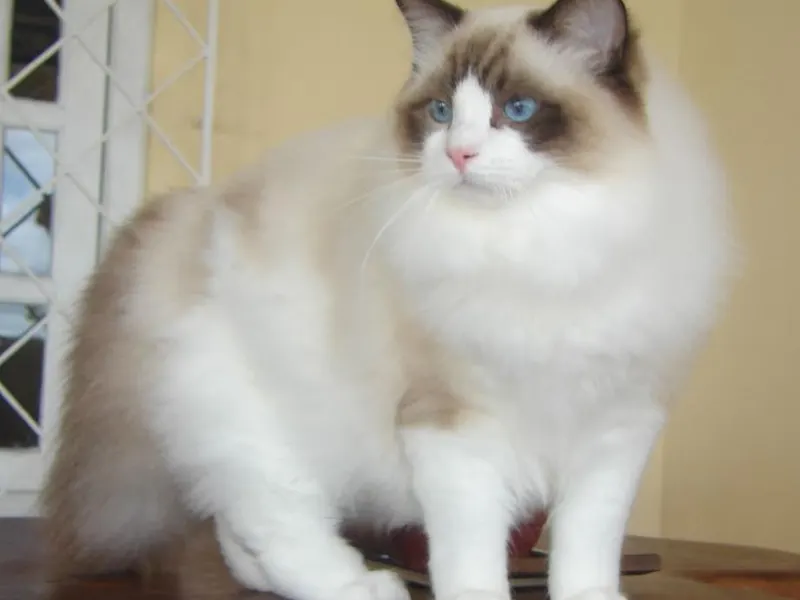
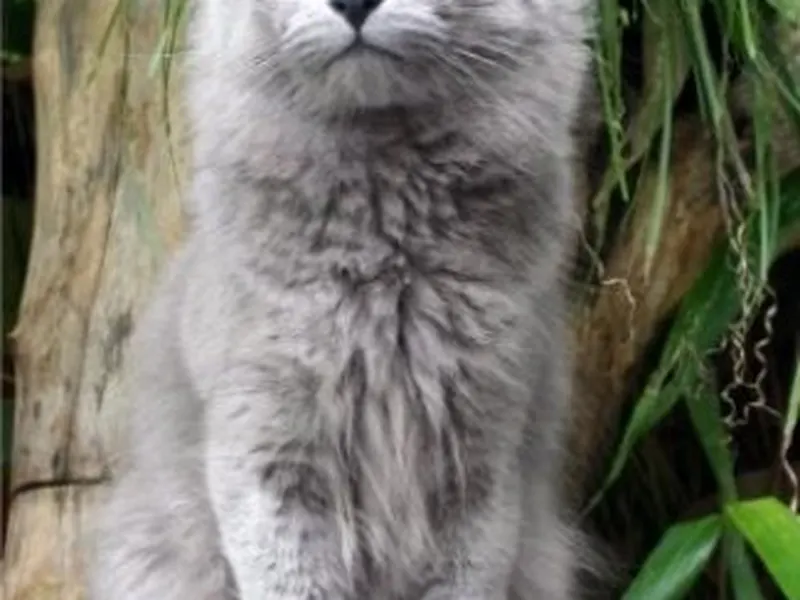
Relaxed and gentle, Ragdolls tend to communicate with soft chirps rather than loud demands.
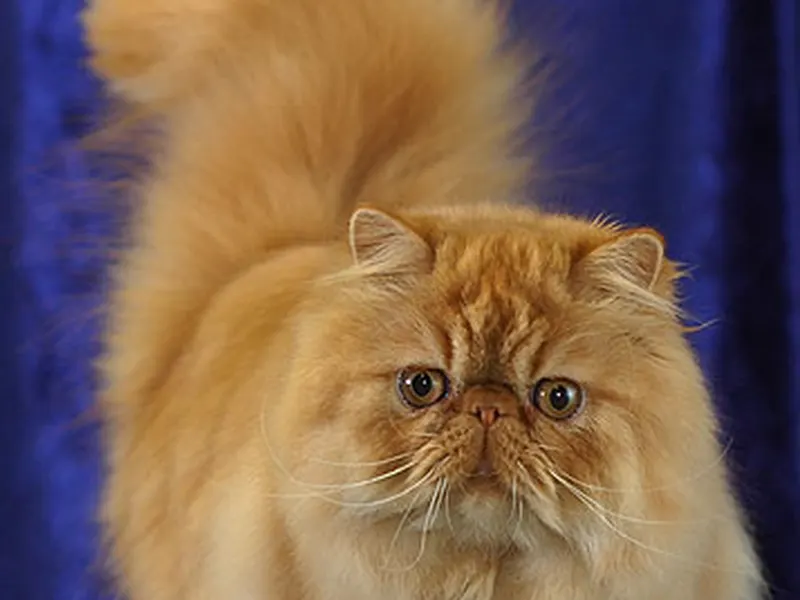
A placid, low-energy breed with a quiet voice that prefers calm routines and soft cushions.
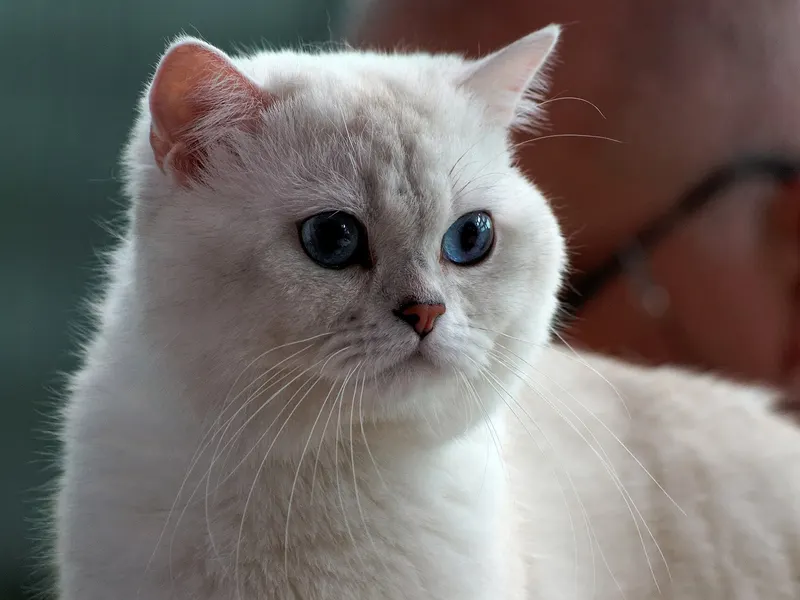
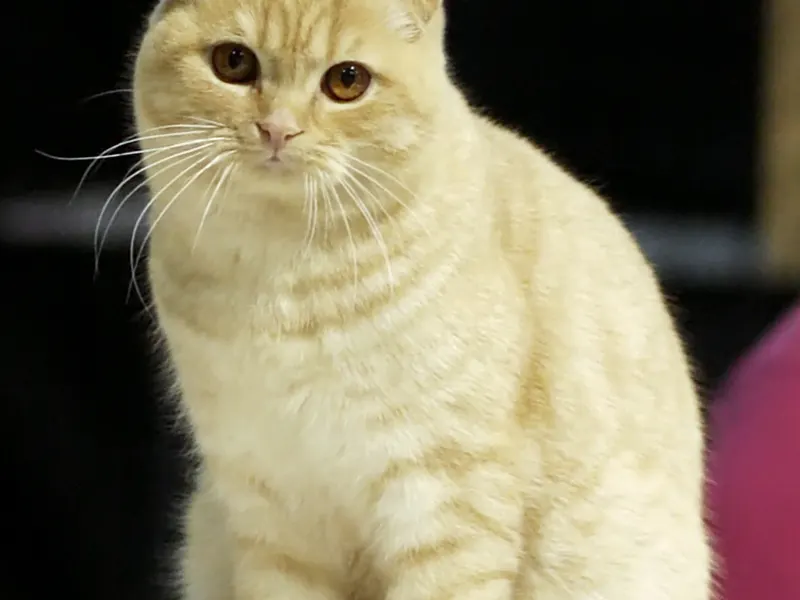
Reserved and dignified, British Shorthairs seldom meow and are content to keep you company quietly.
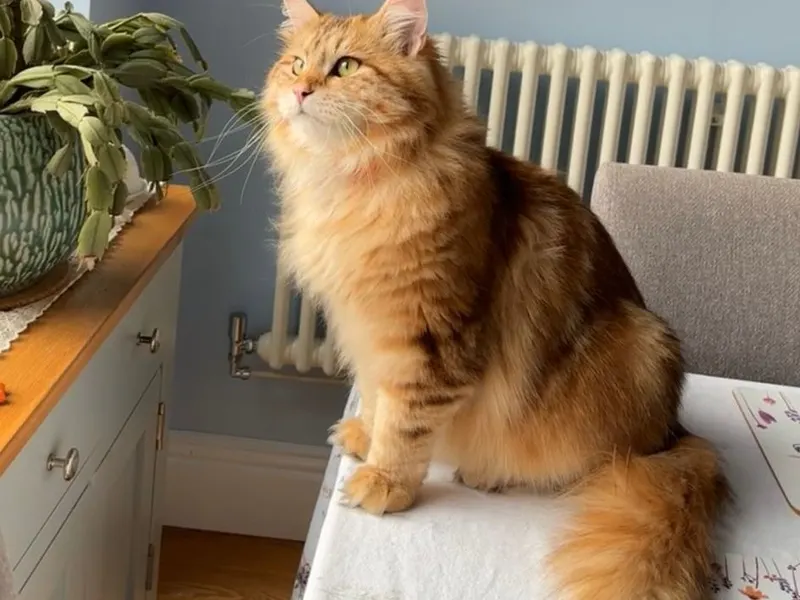
Sociable but not noisy, Siberians often trill or chirp instead of meowing.
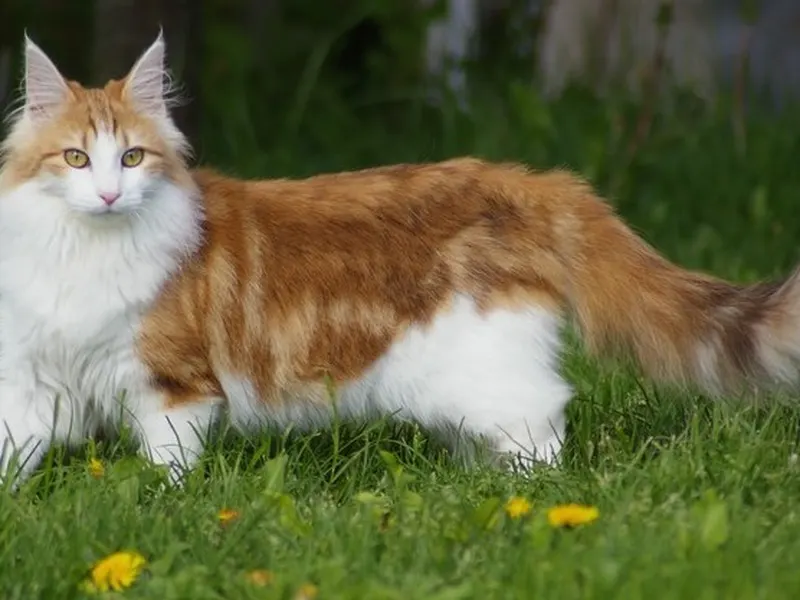
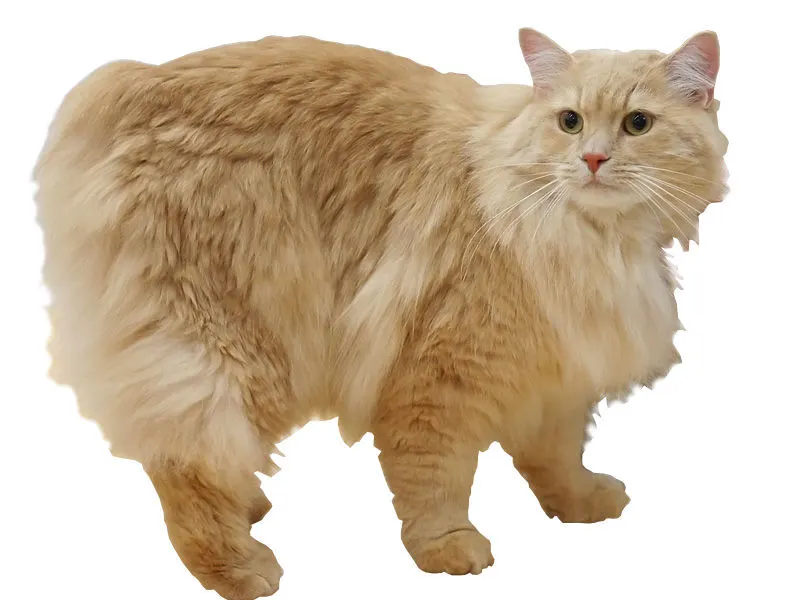
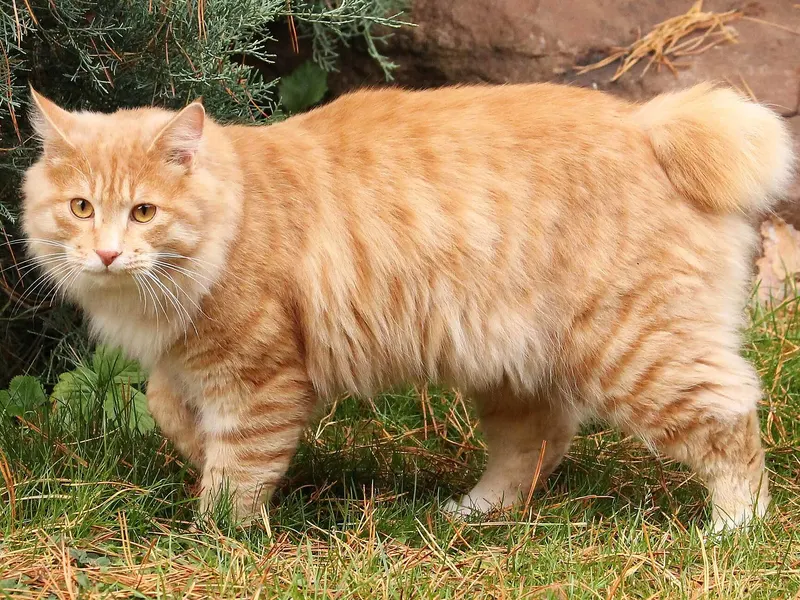
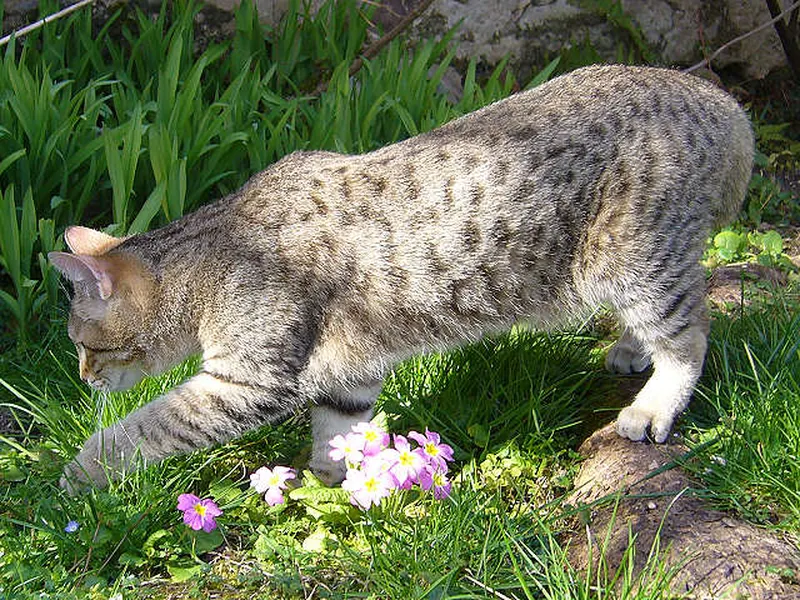
An even-tempered cat that keeps its voice low and spends its energy climbing instead.
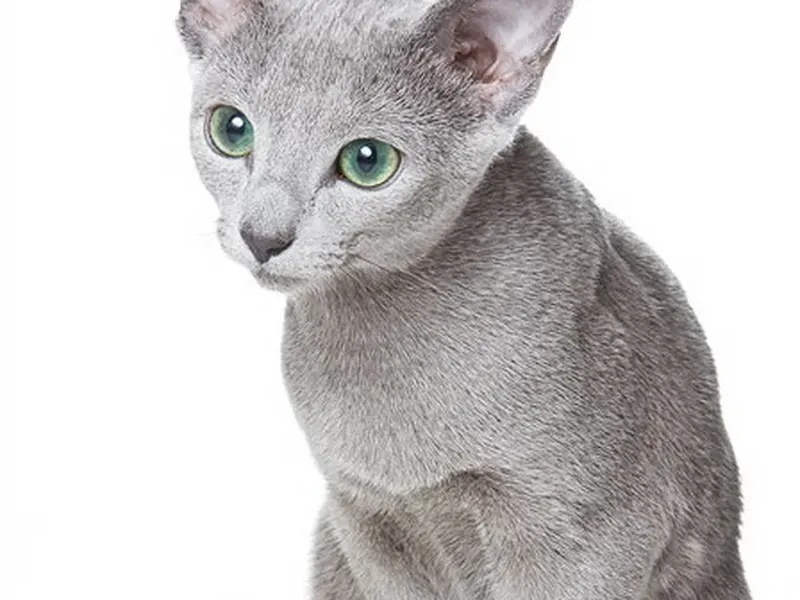
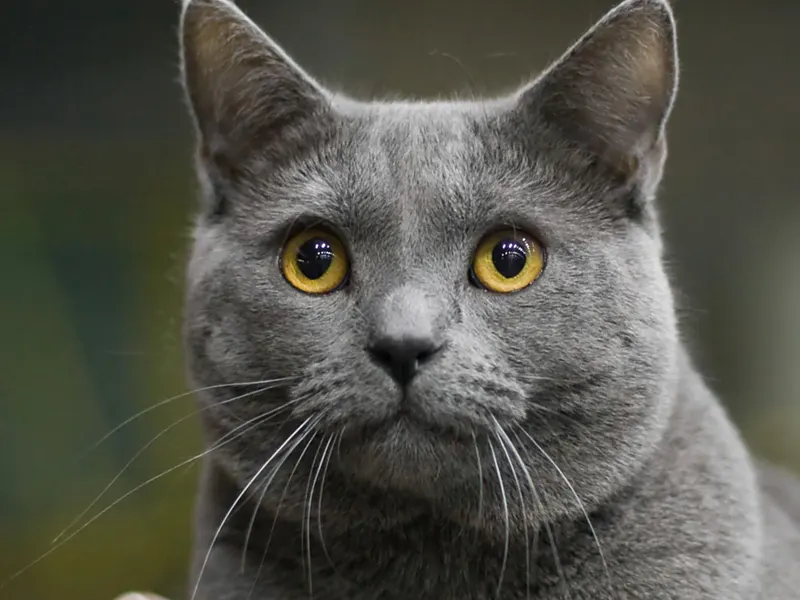
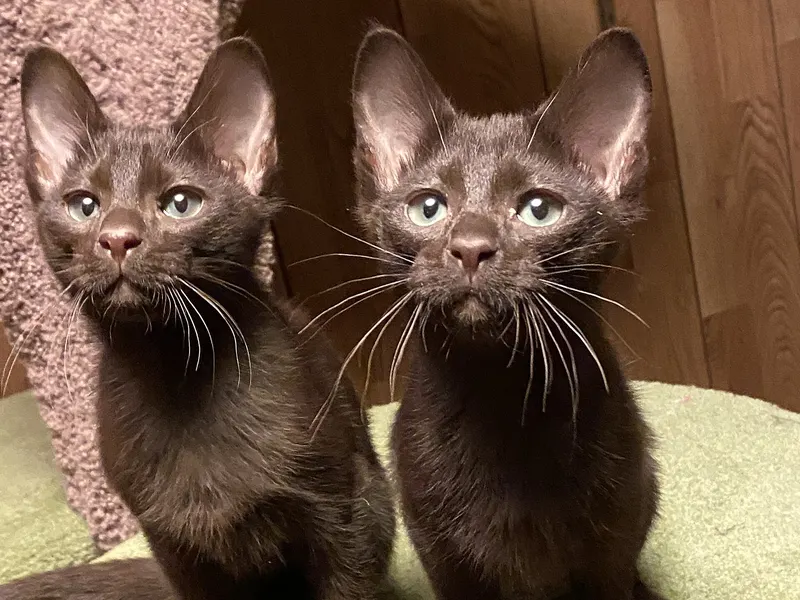
Gentle and soft-spoken, Russian Blues prefer a peaceful, predictable home.
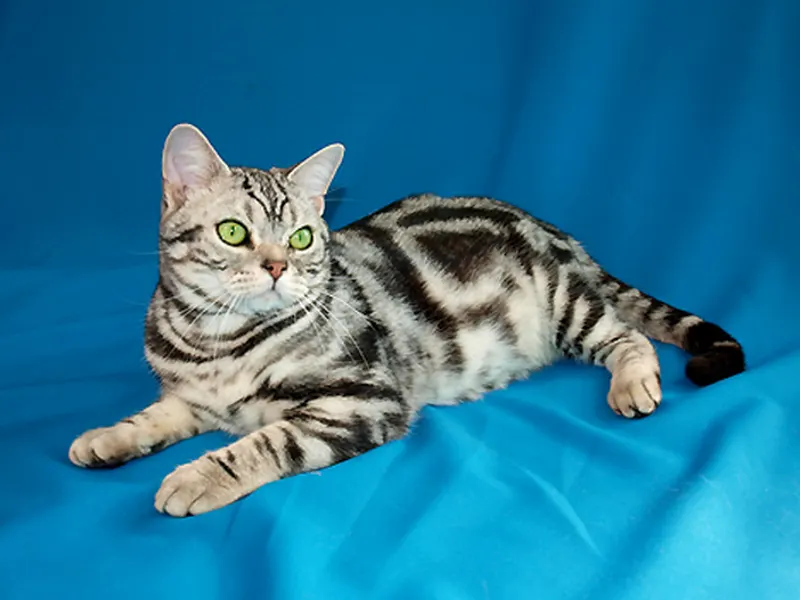
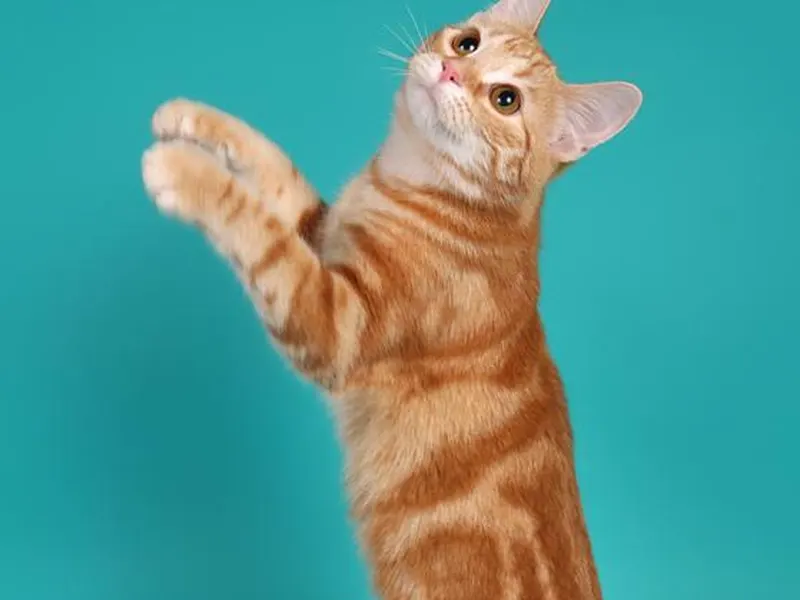
Easygoing and moderate, American Shorthairs rarely make a fuss or demand attention loudly.
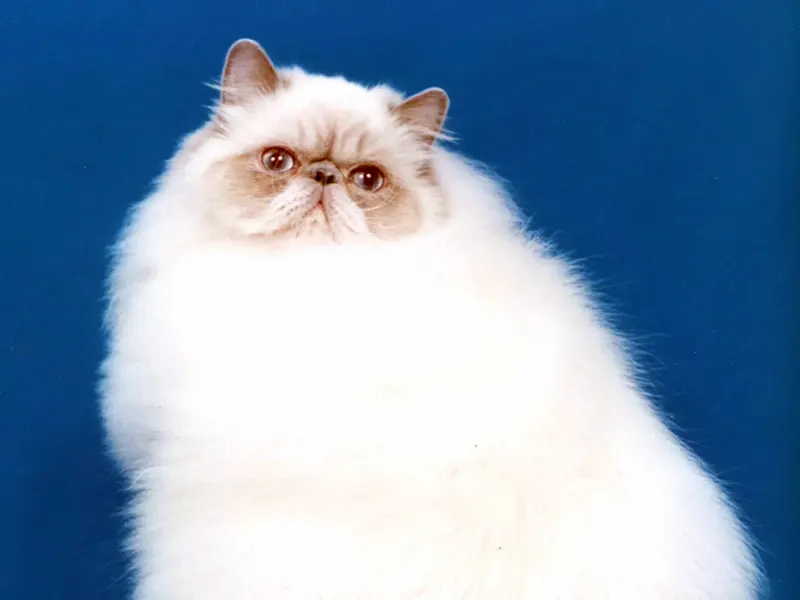
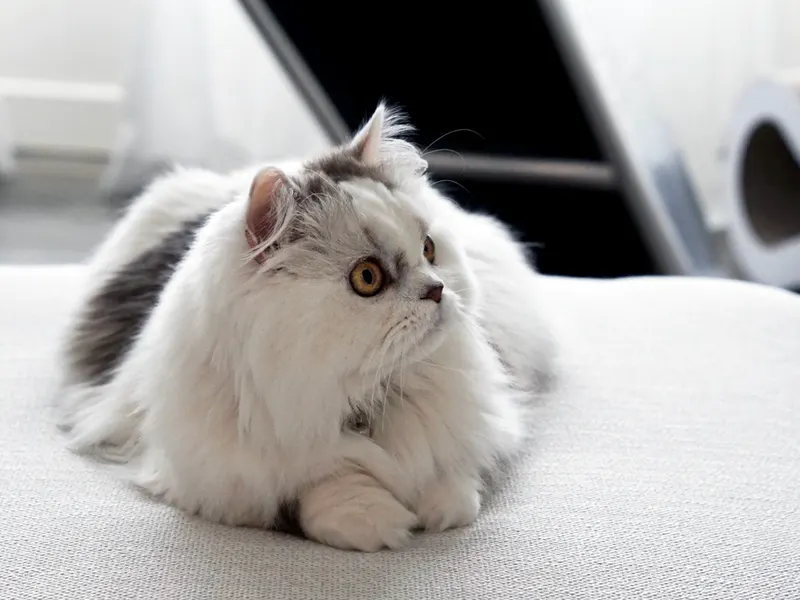
Despite its Siamese-style color points, the Himalayan has the Persian's calm, quiet temperament.
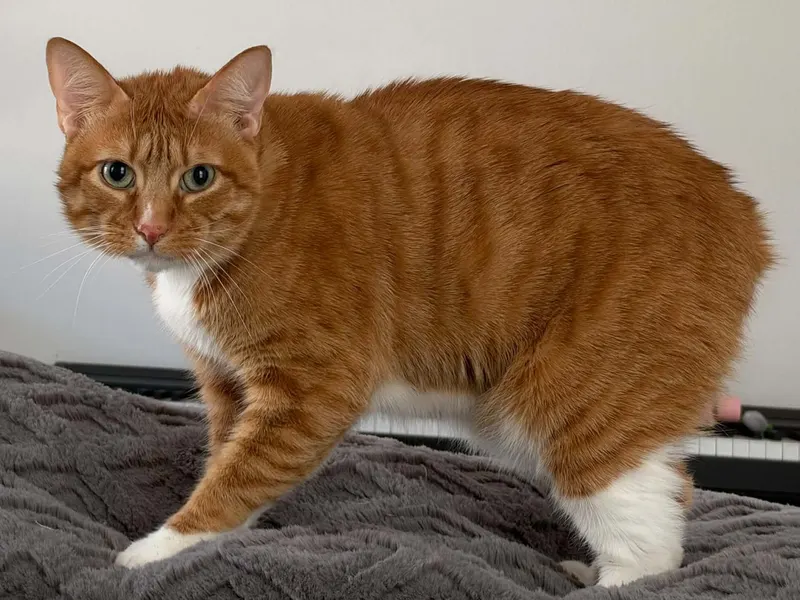
A mellow, playful cat with a soft voice, more likely to trill than to yowl.
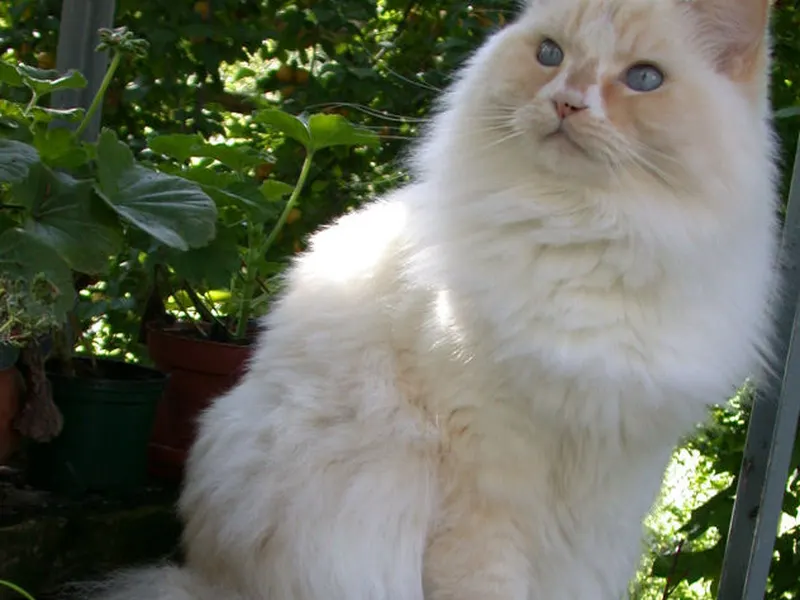
Laid-back and affectionate, Ragamuffins usually express themselves quietly.
All Quiet Cat Breeds A to Z
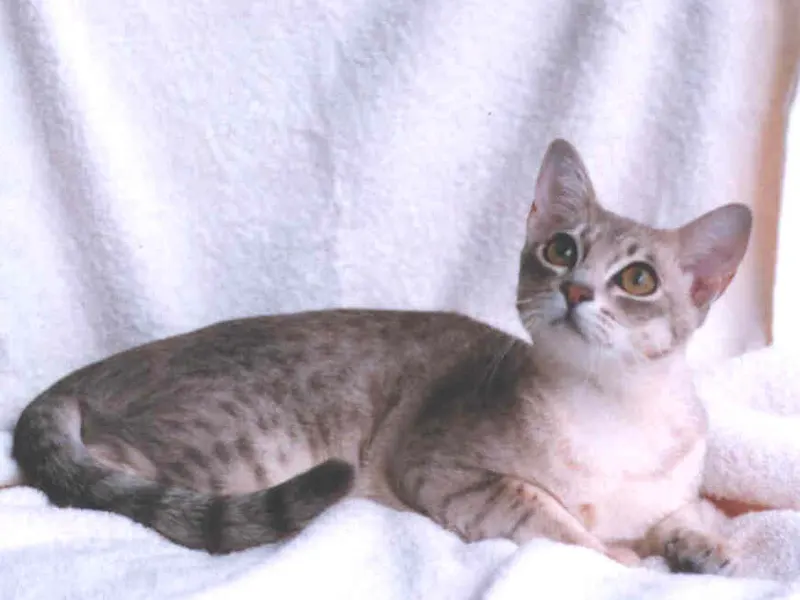
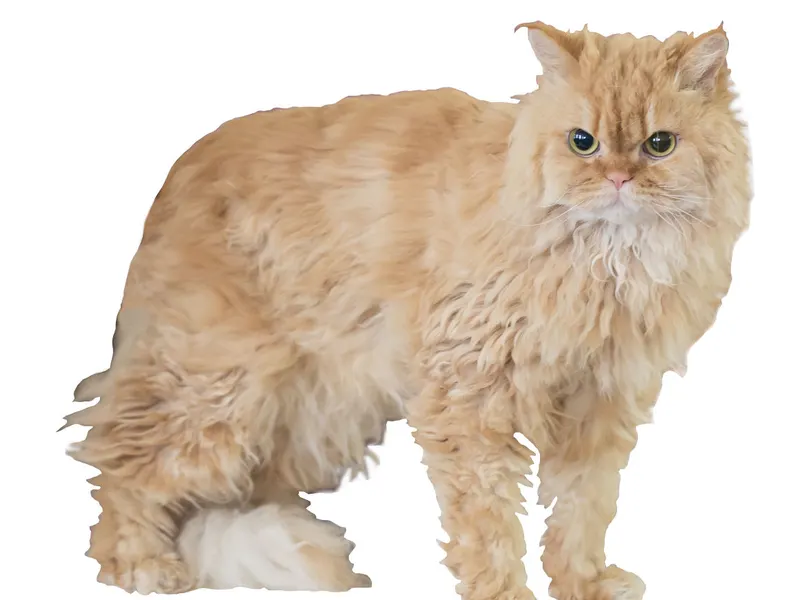
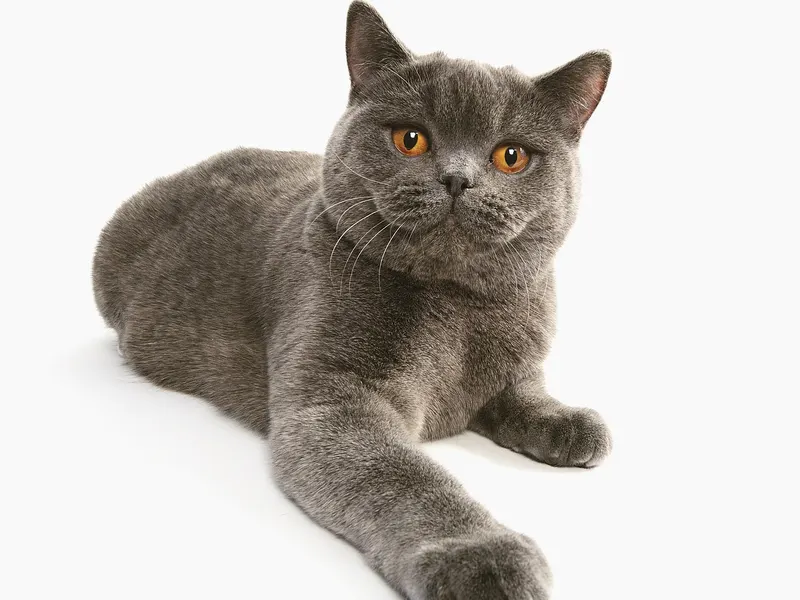
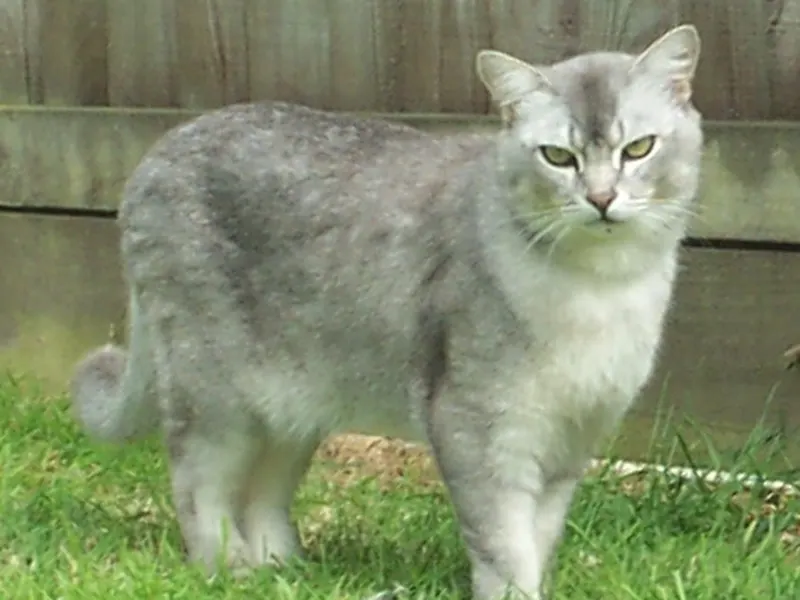
What Makes a Cat Breed Quiet?
Vocal habits are partly inherited. Breeds from Southeast Asian lines, such as the Siamese and Oriental, are famously chatty. Many large, heavy-coated breeds and the British and Persian lines are much quieter. Quiet does not mean silent: these cats still meow when hungry or unhappy, and many use soft trills and chirps instead.
Individual cats vary, so a quiet breed can produce a talkative cat and the reverse.
Quiet vs. Calm
A cat can be soft-voiced but active. The Siberian, Manx and American Bobtail are rarely loud but still enjoy daily play. The Persian, British Shorthair and Ragdoll are both quiet and low-energy. If you live in a small apartment and want minimal noise of every kind, aim for the second group.
Body language matters more with soft-spoken cats. Watch the tail, ears and posture: a raised tail usually signals a friendly greeting, flattened ears signal fear or irritation, and a slow blink is a relaxed, trusting signal you can return.
When a Quiet Cat Starts Meowing
A sudden increase in vocalizing is worth noticing. Common causes include hunger, boredom, stress, pain, an unspayed female in heat and, in older cats, hyperthyroidism, high blood pressure or cognitive decline. A vet check is a good idea if a normally quiet cat becomes loud.
Spaying and neutering greatly reduces the yowling linked to mating behavior, whatever the breed.
Night-time noise often comes from boredom, so an evening play session followed by a meal helps many cats sleep through.
Welfare Notes on Some Quiet Breeds
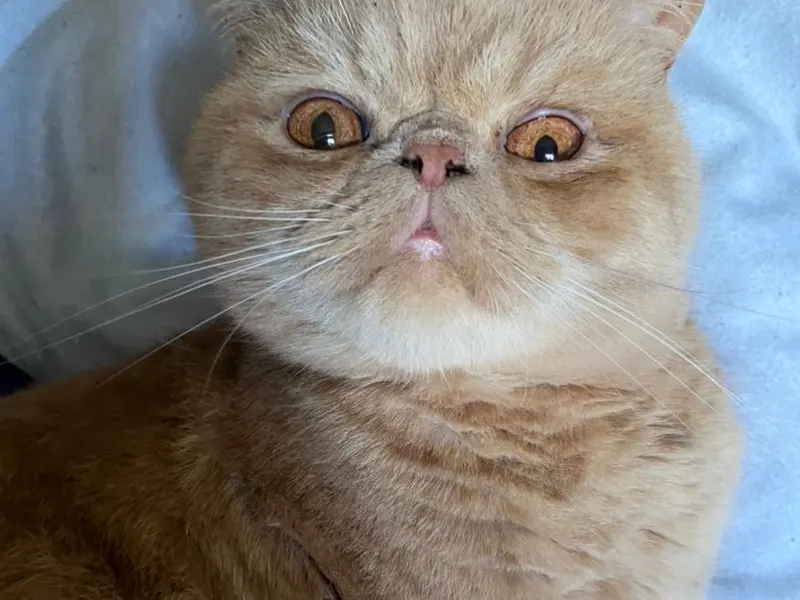
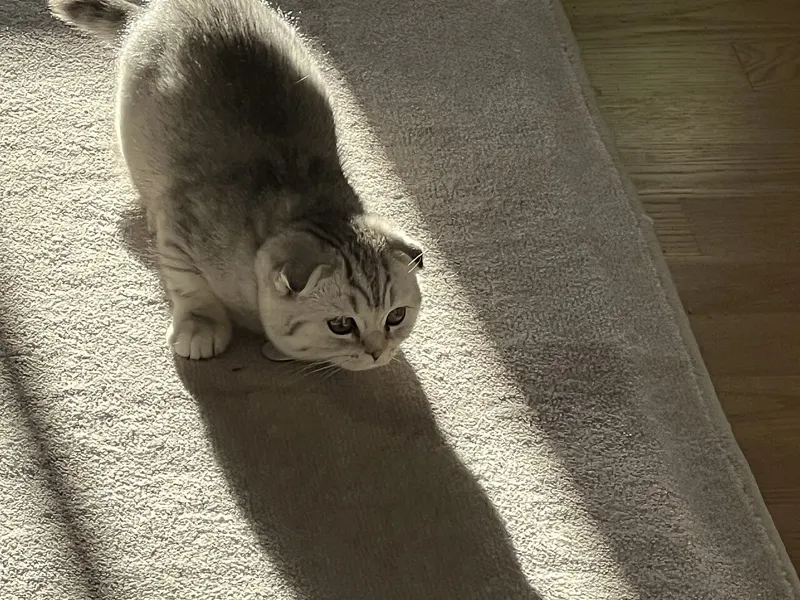
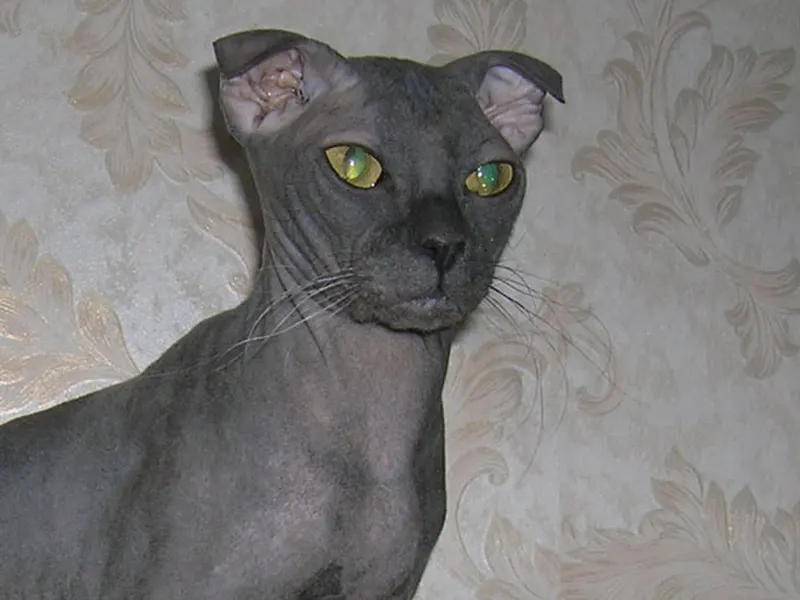
Several quiet breeds carry physical traits that deserve thought. Persians, Himalayans and Exotic Shorthairs have flat faces that can cause breathing, eye and dental problems. The Scottish Fold gets its folded ears from a gene that affects cartilage throughout the body and is linked to painful joint disease; the Scottish Straight lacks the fold. The Ukrainian Levkoy is folded-eared and hairless, and the Minuet is short-legged. A quiet cat can also hide pain well, so watch for stiffness or reluctance to jump.
Choosing a Quiet Cat
Ask breeders about the vocal habits of the parents, and spend time with adult cats if possible. Shelters can often point you to adult cats with a proven quiet personality, which is one of the most reliable ways to get a peaceful companion.
Quiet cats still need daily play and attention. A cat that rarely asks for anything is easy to overlook, so schedule short play sessions and regular grooming. Low-key breeds like the Persian and British Shorthair are also prone to weight gain, so measure meals and encourage movement with toys and climbing spots.
For apartment living, add vertical space, a scratching post and a window perch. Even calm cats appreciate something to watch.
Frequently Asked Questions
What is the quietest cat breed?
The Persian, British Shorthair and Ragdoll are among the breeds most often described as quiet. Individual cats can still be more or less vocal.
Are quiet cats good for apartments?
Yes, quiet breeds are often a good fit for apartments, especially calm ones like the British Shorthair or Persian.
Why is my quiet cat suddenly meowing a lot?
Changes in vocalizing can signal hunger, stress, pain or illness, especially in older cats. A vet visit is a good first step.
Do female cats meow more than males?
Unspayed females in heat can be very loud. Once cats are spayed or neutered, differences between the sexes are small.
Which cat breeds are the loudest?
The Siamese, Oriental and related breeds are known for being very vocal. They are a poor fit if you want a quiet home.
Not sure which cat breed fits you?
Answer 10 quick questions and get cat breeds ranked for your home, schedule and family.