Selkirk RexCurly, cuddly and easygoing
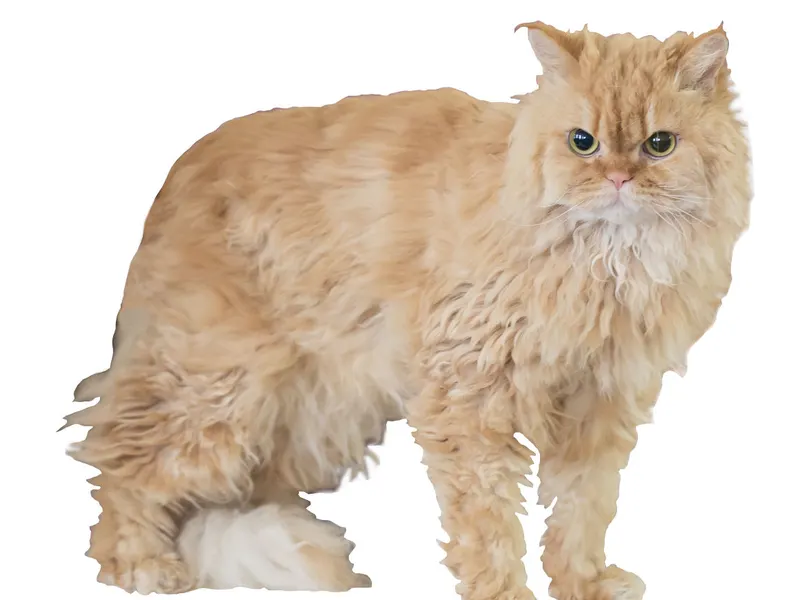
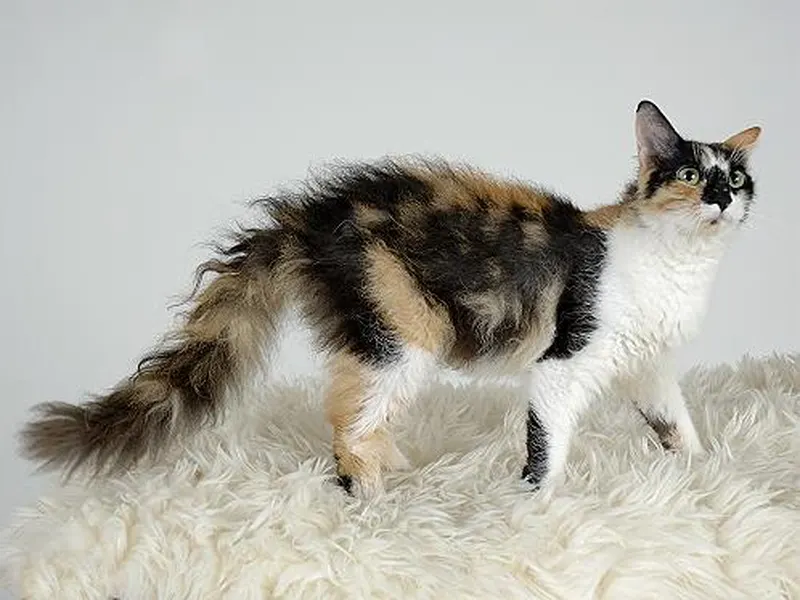
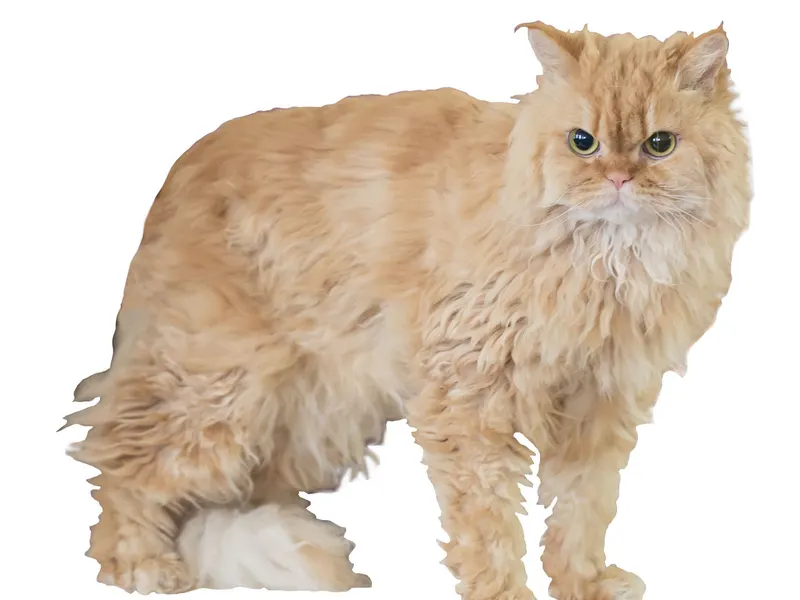
The Selkirk Rex has a loose, curly coat that looks like a soft teddy bear or a sheep, on a heavy-boned, rounded body. Unlike the slender Cornish and Devon Rex, it is calm and cuddly, which makes it a good match for relaxed families and indoor life.
Why people love the Selkirk Rex
- Patient, affectionate and easygoing
- Enjoys laps and being handled
- Very good with gentle children
- Usually relaxed with other pets
- Distinctive curly coat in two lengths
Things to consider
- Sheds moderately to heavily despite curls
- Prone to PKD and HCM from outcrosses
- Weight gain easy to miss under the coat
- Not suitable for allergy sufferers
- Curl varies with age and season
Is this breed right for you?
10 questions · live resultHistory and Origin
In 1987 a curly-coated kitten was born at a shelter in Montana. Named Miss DePesto, she went to Persian breeder Jeri Newman, who bred her to a black Persian. Half of the kittens had curly coats, showing that the curl was caused by a dominant gene, unlike the recessive rex genes of the Cornish and Devon Rex.
Newman named the breed Selkirk Rex after her stepfather. Outcrosses to Persians, Exotic Shorthairs, British Shorthairs and American Shorthairs built a broad gene pool. TICA recognized the breed in the 1990s and CFA granted championship status in 2000. FIFe and the GCCF also recognize it.
Coat, Colors and Build
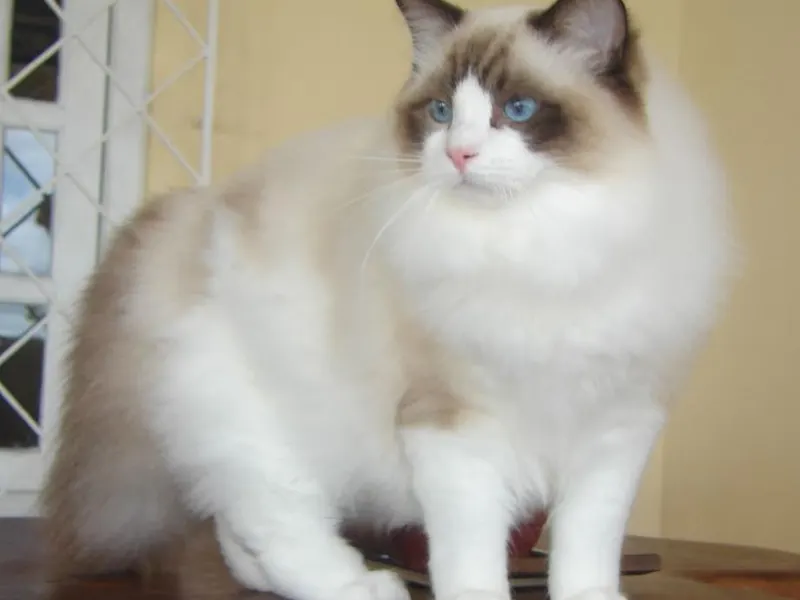
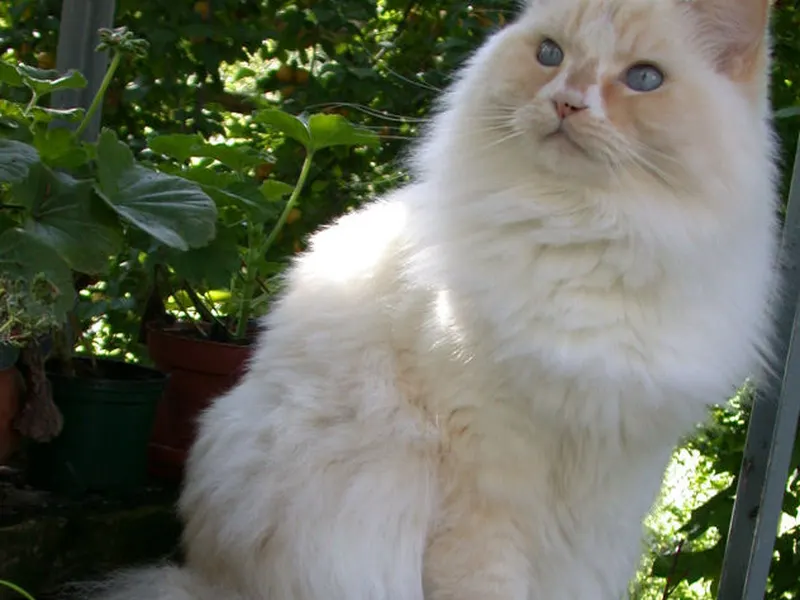
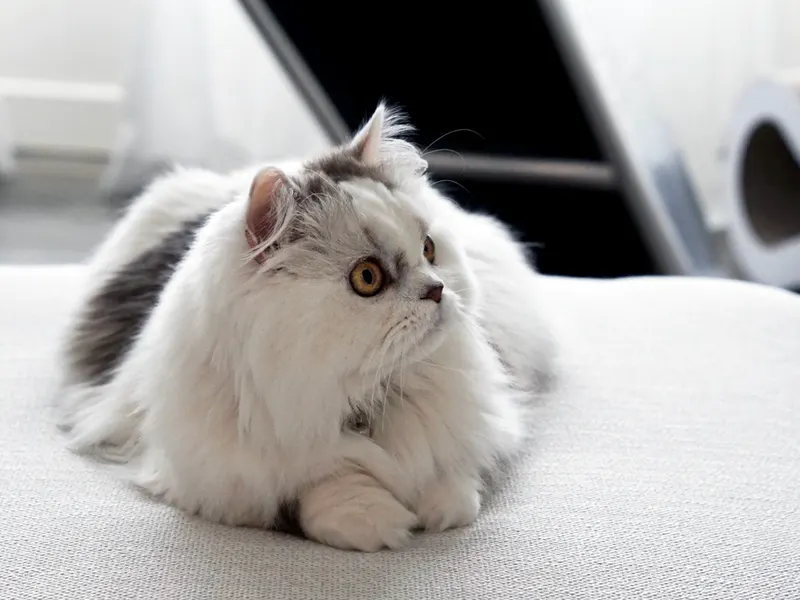
The Selkirk Rex is a medium to large, heavy-boned cat weighing about 6 to 16 lb. It has a muscular, rectangular body, a round head with full cheeks, a short muzzle and large, round eyes. The overall look is solid and cuddly rather than sleek.
The signature feature is the curly coat, caused by a dominant gene. Selkirks come in shorthair and longhair versions. The shorthair has plush, loose curls all over, while the longhair has longer, more defined ringlets, especially around the neck and tail. The whiskers are often curly too.
All colors and patterns are accepted, including pointed, white, solid, tabby and bicolor. The curl varies with age, season and hormones, and kittens often lose some curl before it returns at around 8 to 10 months. Males are usually larger and heavier than females, with broader heads and more pronounced jowls.
Personality and Temperament
Selkirks are patient, affectionate and easygoing. They enjoy laps and being handled, follow their people around the house and generally welcome visitors. They are playful without being hyperactive.
- Very good with children who handle cats gently
- Usually relaxed with cat-friendly dogs and other cats
- Quiet and undemanding
- Cope with normal working hours better than very people-dependent breeds
Selkirks keep a playful streak into adulthood but tend to play in short bursts and then flop down for long naps. Many enjoy being carried and are relaxed during handling at the vet or groomer, which makes routine care easier than with more sensitive breeds.
Are Selkirk Rex Cats Good for First-Time Owners?
Yes, the Selkirk Rex is an excellent choice for first-time cat owners.
It is patient, affectionate and easygoing, enjoys being handled and adapts well to family life. Grooming is simple, though gentle combing helps keep the curls in shape. The main things to watch are weight, which is easy to miss under the coat, and health screening for PKD and HCM. First-time owners who choose a breeder with tested parents and manage portions carefully usually find the Selkirk Rex a delightful, low-drama companion.
Is the Selkirk Rex a Lap Cat?
Yes, many Selkirk Rex cats are true lap cats who enjoy being held and cuddled.
The breed's British Shorthair and Persian ancestry contributes to its relaxed, affectionate nature. Many Selkirks follow their people around the house and settle on laps whenever the chance arises. They also tend to enjoy being carried, which makes routine care easier. As with any cat, individual personalities vary, but the breed is known as one of the more cuddly options.
If you want a cat that enjoys cuddles, meeting the parents and asking the breeder about each kitten's temperament helps you choose well.
Can Selkirk Rex Cats Live with Dogs?
Yes, Selkirk Rex cats are usually relaxed with cat-friendly dogs.
Their easygoing nature helps them adapt to multi-pet homes. Introduce the cat and dog gradually, starting with separated spaces and scent swapping. Give the cat high perches and escape routes. Calm, respectful dogs that do not chase are the best match. Many Selkirks become friends with household dogs and may even sleep together.
Keep the cat's food, litter box and resting places out of the dog's reach so the cat always has a calm retreat. Supervise early meetings until both pets are clearly relaxed together.
Activity, Play and Enrichment
Energy is moderate. A couple of short play sessions a day with wand toys and balls, a solid cat tree and a window perch are usually enough. Selkirks are well suited to apartments and indoor life. Because they are sturdy and food-loving, keep an eye on portion sizes.
Interactive toys that let them chase and catch, followed by a meal, suit their moderate energy well. Avoid free-feeding: Selkirks love food, and extra weight is hard to spot under the curly coat until it is significant.
Grooming and Shedding
Selkirks come in shorthair and longhair versions. The curl varies with age, season and hormones, and kittens often lose some curl before it returns at around 8 to 10 months.
- Comb gently once or twice a week with a wide-toothed comb; heavy brushing straightens the curls
- Longhairs need extra attention behind the ears and under the legs
- Bathe occasionally and let the coat air-dry so the curls set
- Ears can collect wax and may need regular cleaning
Shedding is moderate to heavy; the curly hair does not reduce shedding.
Feeding and Nutrition
Selkirk Rex cats love food, and weight gain is hard to spot under the curly coat until it is significant. Measure meals carefully and avoid free-feeding. Feel for the ribs and waist regularly rather than relying on appearance.
- Feed kittens three or four small meals a day and adults two or three measured meals.
- Use interactive toys and puzzle feeders to combine play with mealtime.
- Count treats in the daily ration.
Because of PKD risk from Persian ancestry, kidney health matters. Encourage water intake with fresh water in several places, a fountain and, if your vet agrees, some wet food. Selkirks mature slowly and may keep filling out until two or three years of age, so adjust portions to body condition rather than age. Regular vet checks with blood and urine tests help catch kidney or heart problems early.
| Adult weight | Indoor, less active | Typical adult | Active or intact |
|---|---|---|---|
| 6 lb | 150 kcal | 180 kcal | 210 kcal |
| 11 lb | 230 kcal | 280 kcal | 330 kcal |
| 16 lb | 310 kcal | 370 kcal | 430 kcal |
Estimates use the resting energy formula veterinarians work with (70 × body weight in kg0.75) and standard activity factors. Use the feeding guide on your food as a starting point and adjust to body condition. Kittens, seniors, pregnant animals and pets that need to lose weight have different needs, so ask your vet.
Health and Lifespan
Selkirks typically live 10 to 15 years. Because of their Persian and British outcrosses, they can inherit:
- Polycystic kidney disease (PKD): a DNA test is available, so ask for negative results for both parents
- Hypertrophic cardiomyopathy (HCM): ask about echocardiogram screening
- Hip dysplasia has been reported
Breeders avoid extreme flat faces, but look for kittens with a moderate muzzle and clear breathing.
Selkirk Rex Price and Cost of Ownership
Typical breeder price in the US$1,000 to $2,500
A Selkirk Rex kitten from a reputable US breeder typically costs about $1,000 to $2,500. Prices vary by breeder, region and lines. Ask for negative PKD DNA test results and information on HCM screening for both parents.
Adoption is occasionally possible through breed rescues and shelters.
Breed-specific ongoing costs are moderate. The coat needs no professional grooming, though gentle combing is required. Budget for routine vet care, HCM screening if recommended, and possible treatment for kidney or heart disease. Insurance that covers inherited conditions is worth comparing while the cat is young.
Ear cleaning supplies are a small but regular cost, since the curly coat lets wax build up. Kidney and heart screening as the cat ages is also worth budgeting for.
Is the Selkirk Rex Right for You?
The Selkirk Rex suits families, first-time cat owners and people who want an affectionate, low-drama cat with a distinctive look. It is not a good pick for allergy sufferers, because the coat sheds and the cat produces normal levels of allergen.
Pet-quality kittens typically cost about $1,000 to $2,500 in the US, varying by breeder and region.
Selkirk Rex Traits at a Glance
Selkirk Rex FAQ
Are Selkirk Rex cats hypoallergenic?
No. Despite the curly coat they shed normally and produce the Fel d 1 allergen, so they are not recommended for allergy sufferers.
Do Selkirk Rex cats shed?
Yes, moderately to heavily. Gentle combing once or twice a week helps.
How big do Selkirk Rex cats get?
They are medium to large, typically 6 to 16 lb (about 3 to 7 kg), with males much heavier than females.
Is every Selkirk Rex kitten curly?
No. Because outcrossing continues, some kittens are straight-coated; these cats still make excellent pets.
Are Selkirk Rex cats good with kids?
Yes. They are tolerant and gentle, which suits families with respectful children.
How long do Selkirk Rex cats live?
Usually 10 to 15 years. Ask for PKD DNA results and heart screening for the parents.