Big Cat BreedsThe largest domestic cats, ranked by size
A breed makes this list when healthy adults, especially males, regularly reach 15 pounds or more, with a long, solid frame rather than extra fat. This guide helps you compare the true giants, understand what a large cat needs at home and tell the difference between a big breed and an overweight cat.
Top 10 Largest Cat Breeds
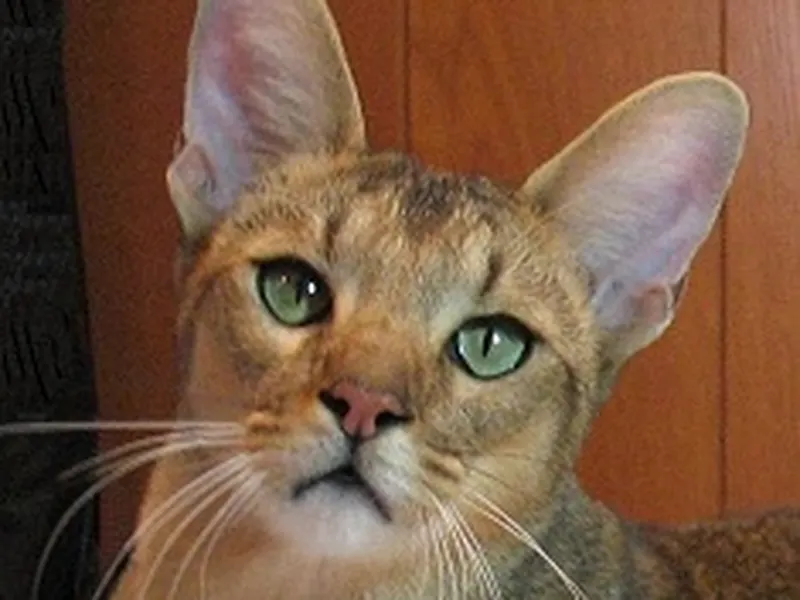
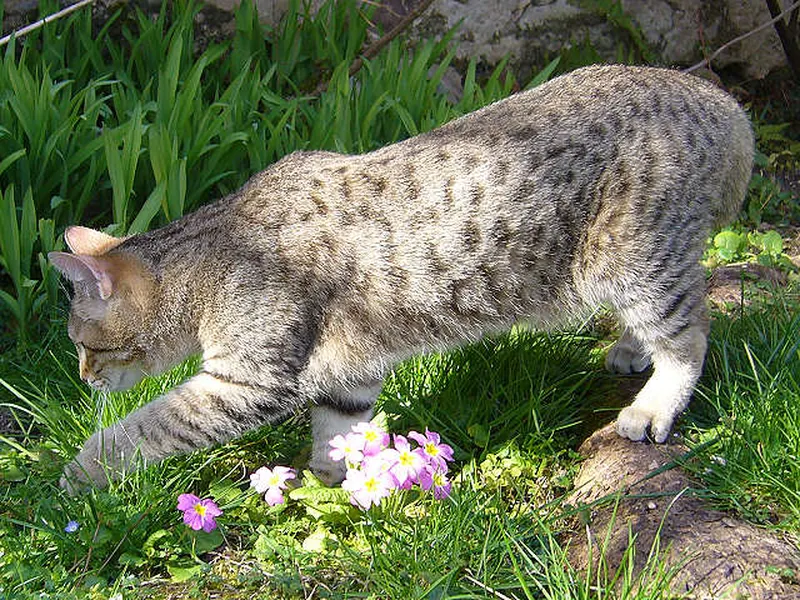
Descended from the wild jungle cat, the Chausie is tall, long-legged and athletic, with males among the heaviest domestic cats.
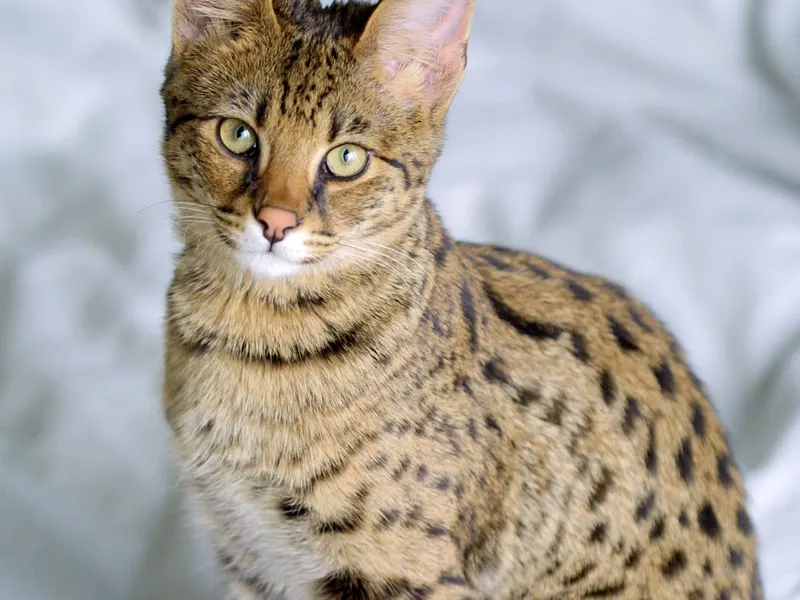
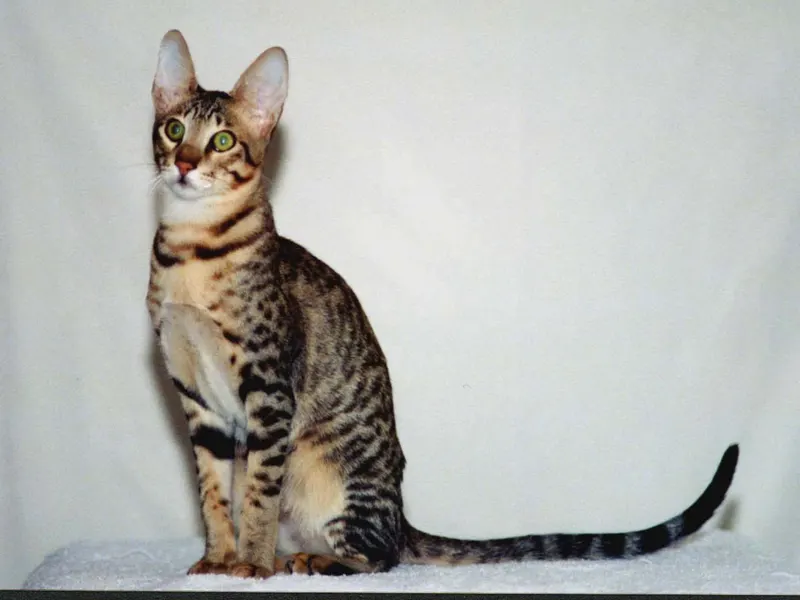
Early-generation Savannahs inherit the serval's height and long legs, making them the tallest cats on most size lists.
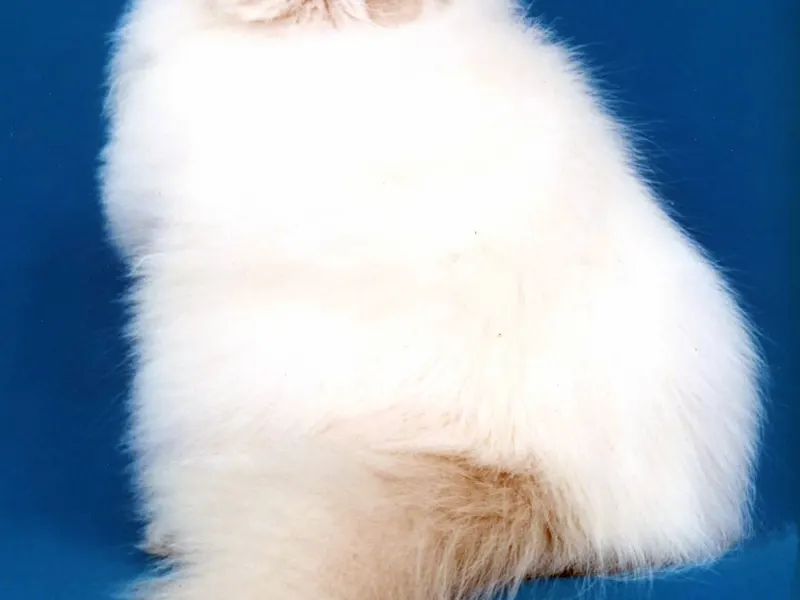
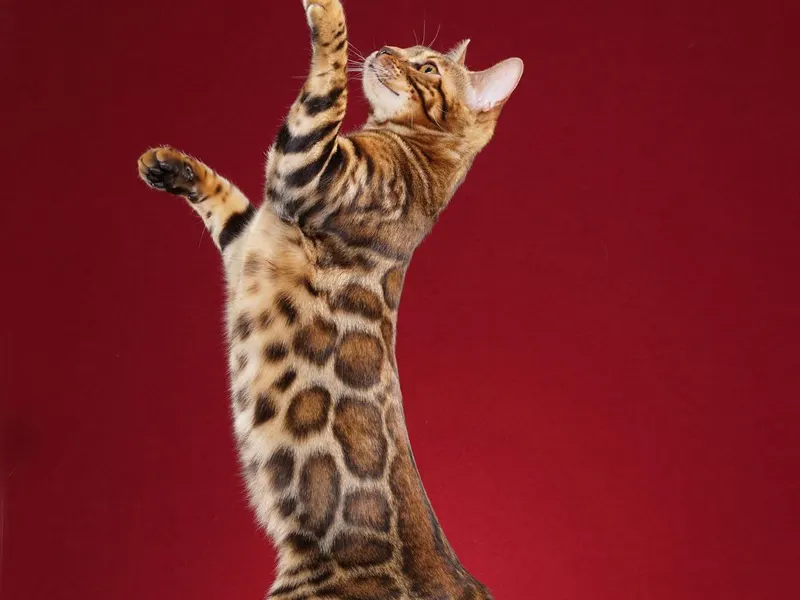
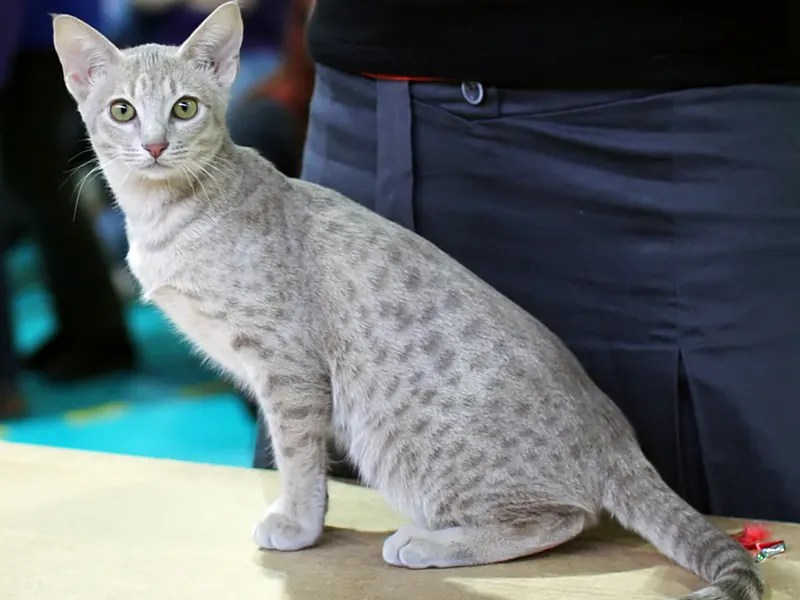
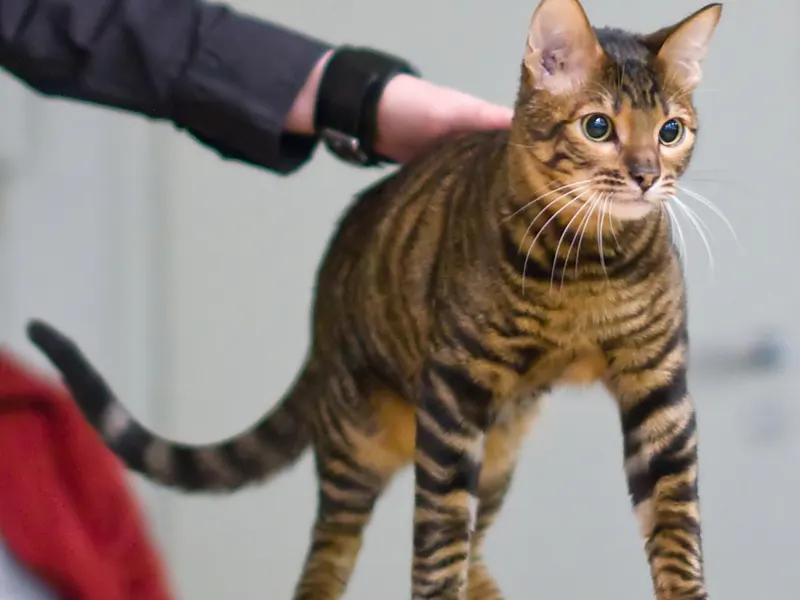
A Bengal and Ocicat cross bred for a big, muscular, spotted body, with males often far heavier than typical house cats.
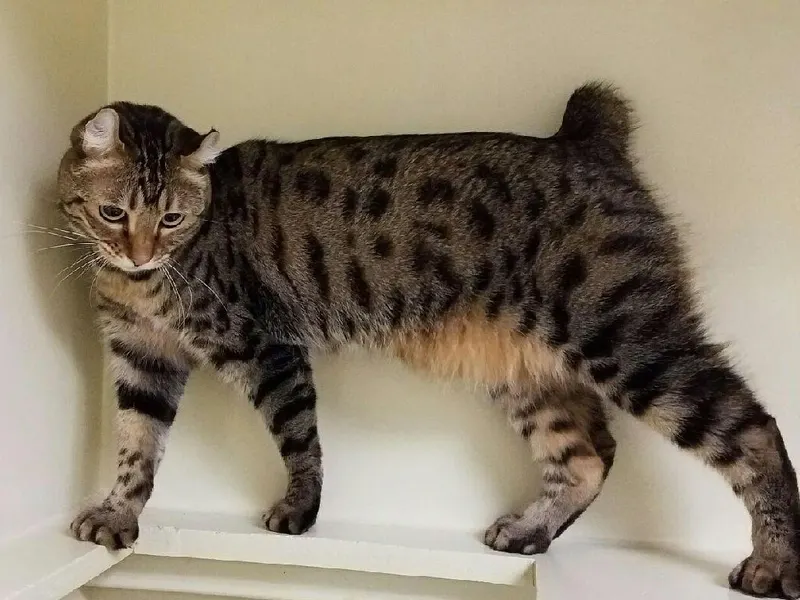
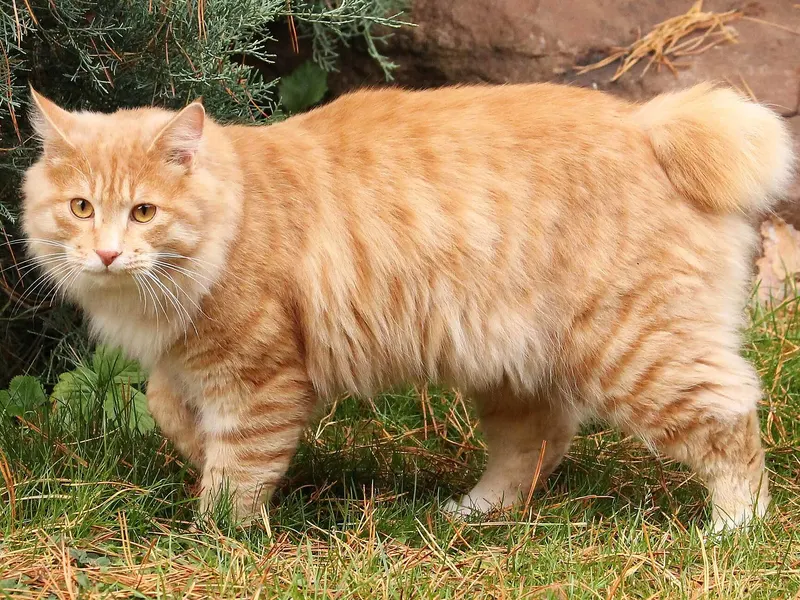
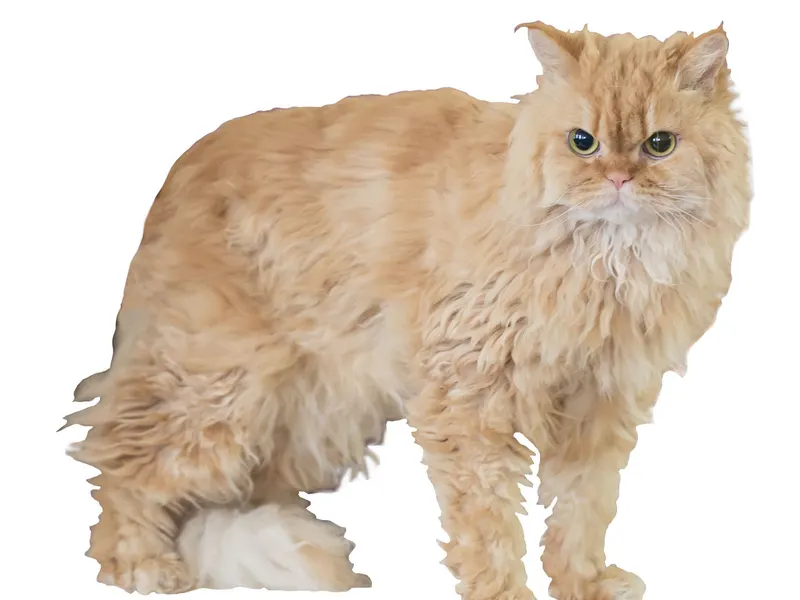
A heavily muscled newer breed with curled ears and a bobbed tail, built powerful and long through the body.
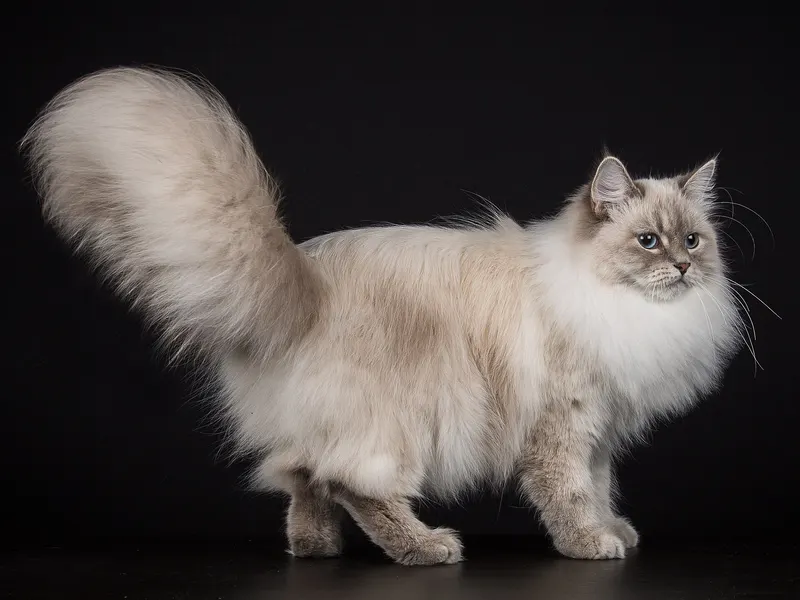
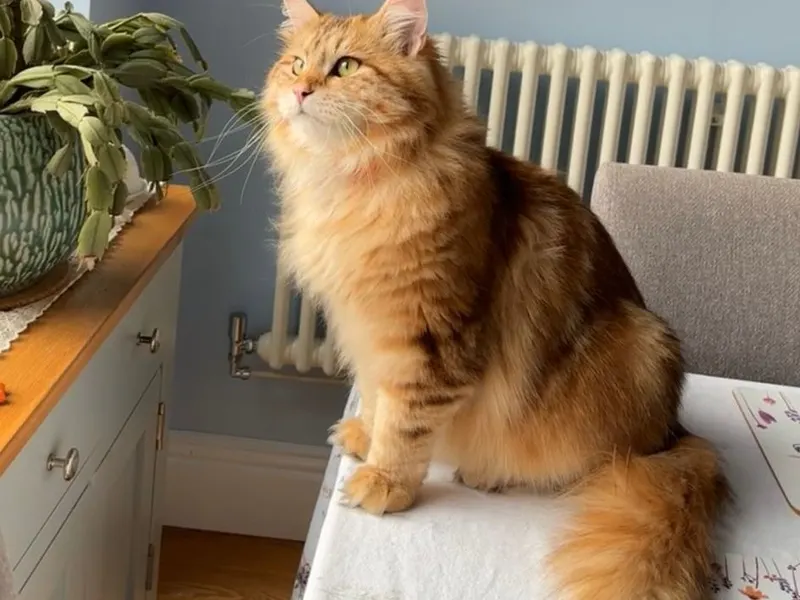
The colorpoint form of the Siberian shares its sturdy, heavy-boned build and dense triple coat.
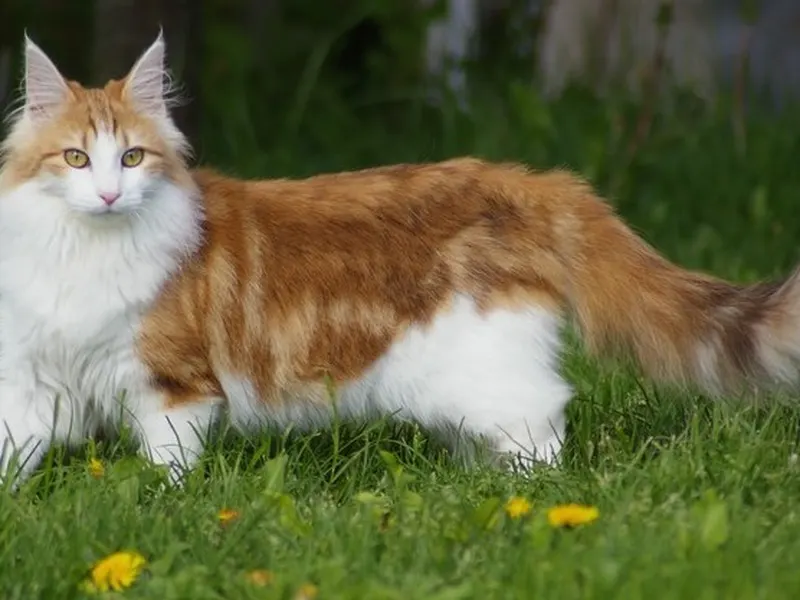
Big-boned and long-bodied, this Scandinavian climber keeps filling out until around age five.
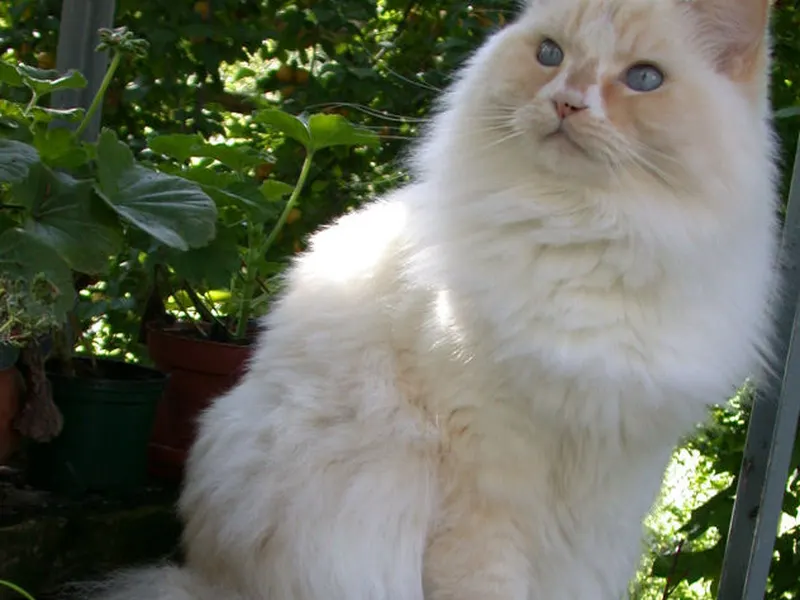
A heavy, soft-bodied cousin of the Ragdoll with a broad chest and a noticeable belly pad.
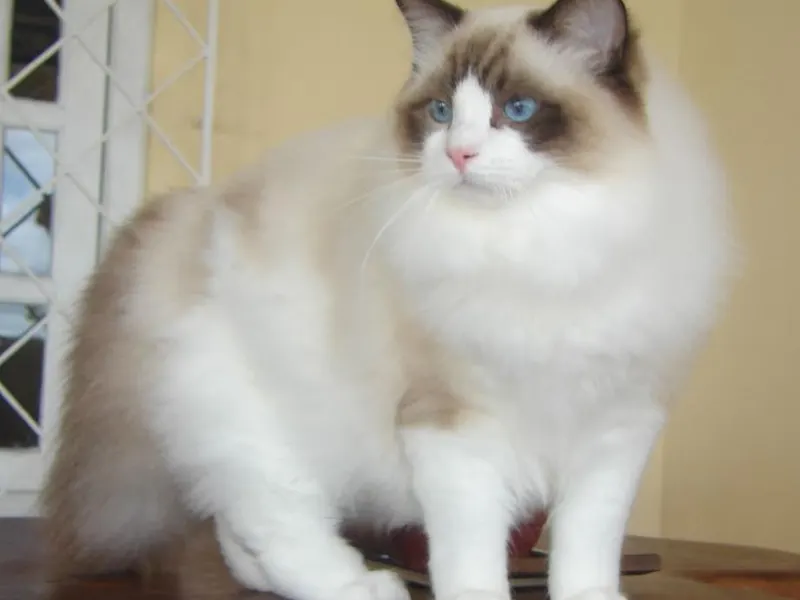
One of the largest and most popular breeds, known for its size, blue eyes and tendency to relax when held.
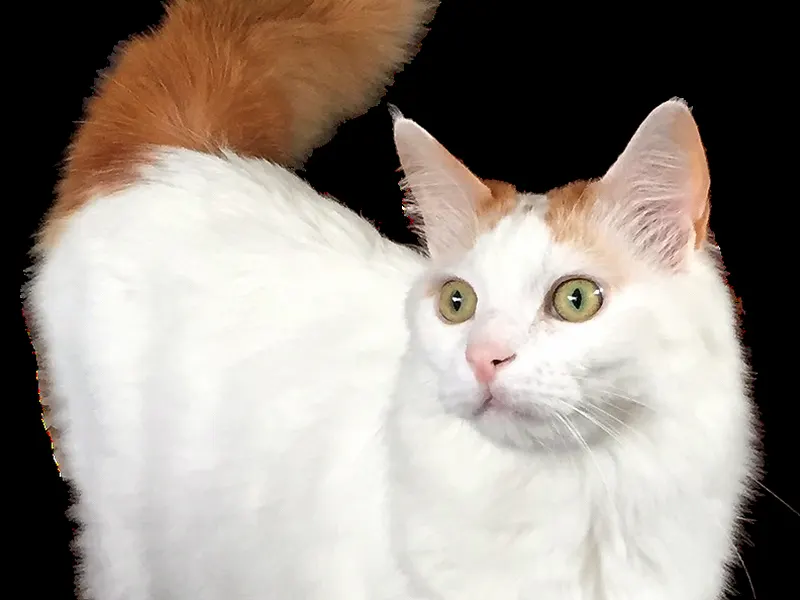
A long, powerful build and broad chest put this natural breed from the Lake Van region firmly in the large category.
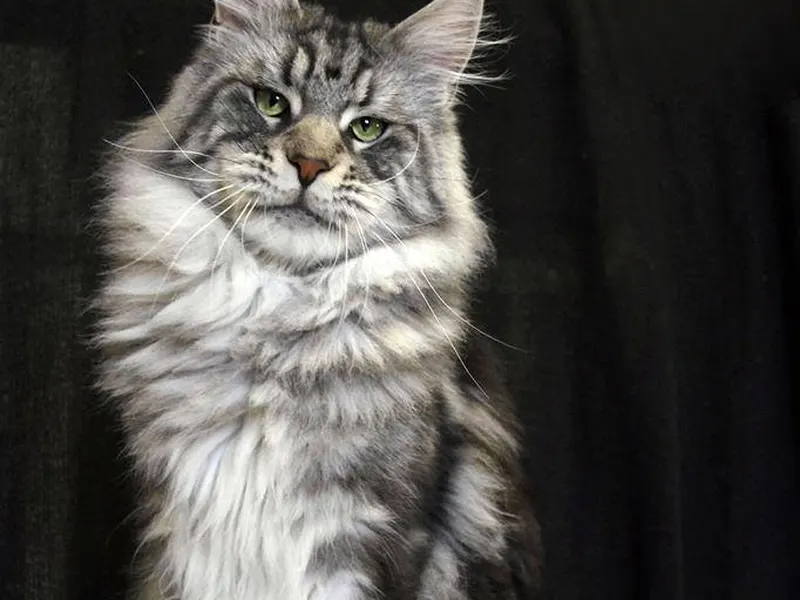
Widely regarded as the largest non-hybrid domestic breed, with a long body, tufted ears and a sturdy frame.
All Big Cat Breeds A to Z
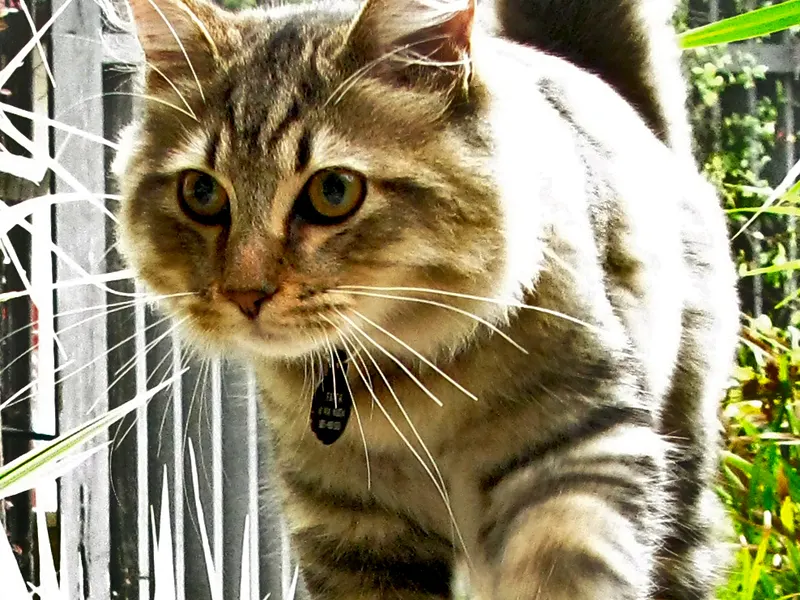
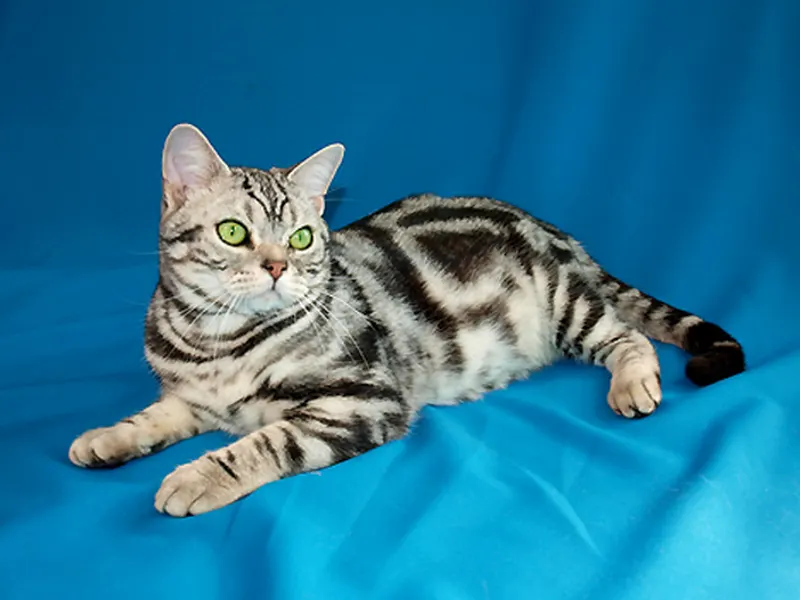
What Counts as a Big Cat Breed?
An average domestic cat weighs roughly 8 to 10 pounds. Large breeds sit well above that: many males reach 15 to 20 pounds at a healthy weight, and the tallest hybrids can go higher. Size is about frame, bone and muscle, so judge a cat by its length and build, not just the number on the scale.
Females in big breeds are usually noticeably smaller than males, often by several pounds. If you want the biggest possible cat, a male from a large breed is the safest bet, but individual variation is real.
Natural Giants vs. Wild Hybrids
This list mixes two very different groups. Natural and traditional breeds such as the Maine Coon, Norwegian Forest Cat, Siberian and Ragdoll are fully domestic and generally easygoing. Hybrids such as the Savannah and Chausie come from crosses with wild cats, the serval and the jungle cat.
Early-generation hybrids tend to be taller, more active and more demanding. Some states, cities and countries restrict or require permits for certain generations, so check local rules before you commit.
How to Choose Among Large Breeds
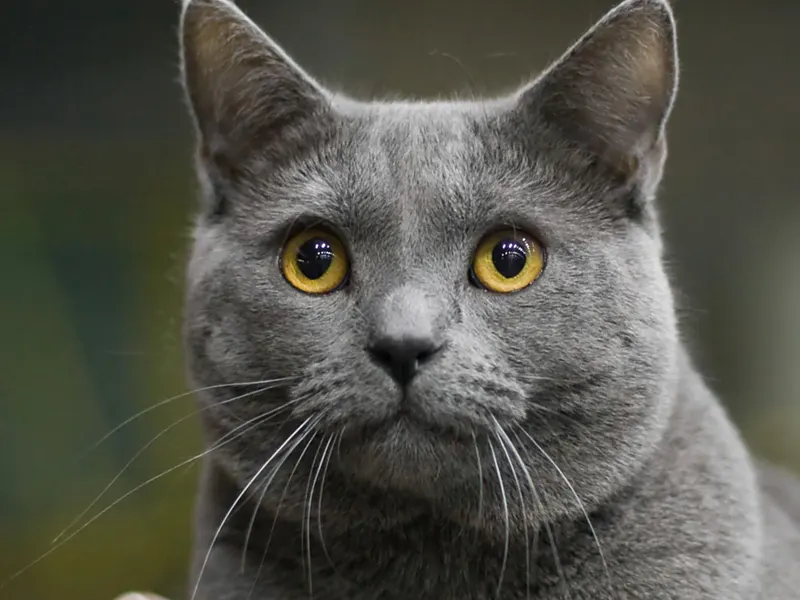
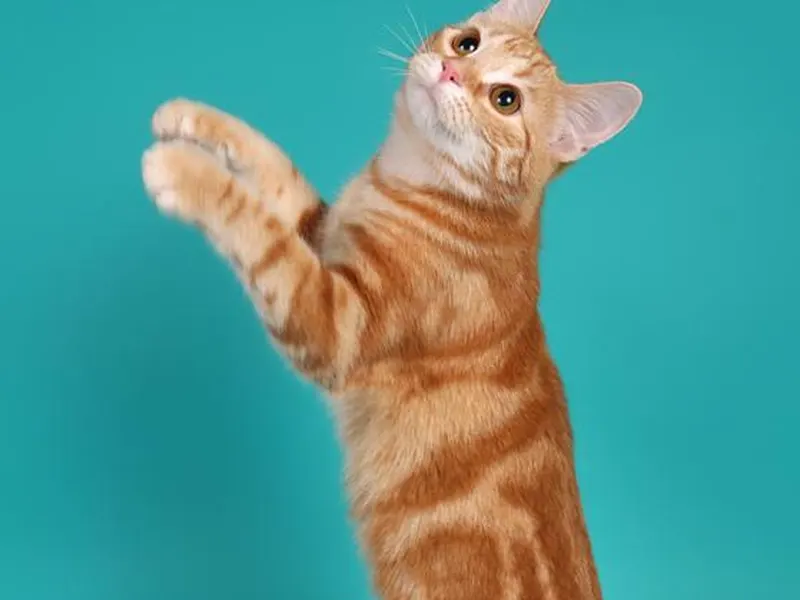
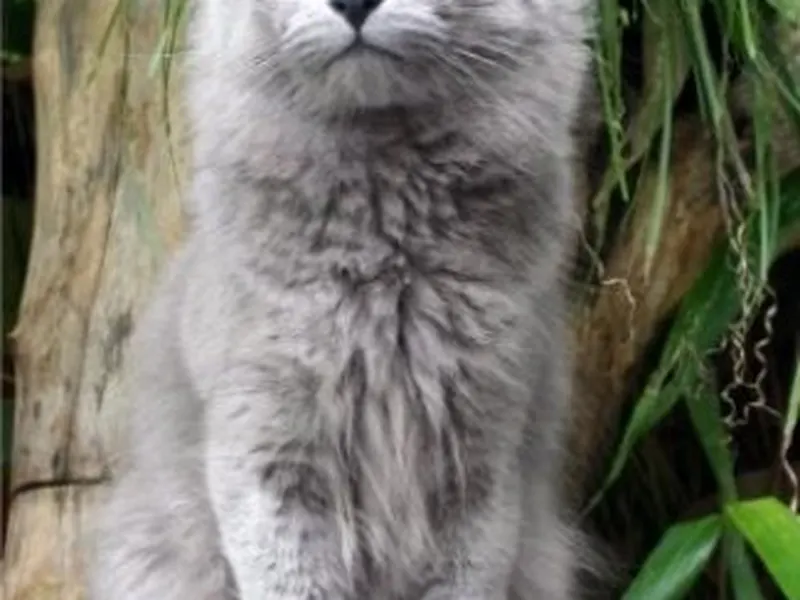
Think about energy before size. A Ragdoll or British Shorthair is large but calm, while a Savannah or Bengal needs daily play and climbing space. Coat matters as well: the Maine Coon, Siberian and Norwegian Forest Cat have long, dense coats that need regular brushing, while the Chartreux and American Shorthair are easier to keep tidy.
Living With a Large Cat
- Litter boxes: choose an extra-large, low-entry box. Many big cats outgrow standard boxes.
- Cat trees: look for a wide base and thick posts so the tree does not tip.
- Carriers: a large cat needs a carrier it can turn around in, which matters for vet visits.
- Food: feed for ideal body condition, not to make the cat as heavy as possible.
Many large breeds mature slowly. Maine Coons and Norwegian Forest Cats can keep growing for three to five years, so a young adult may still be filling out.
Health Notes for Big Breeds
Hypertrophic cardiomyopathy (HCM), a thickening of the heart muscle, is a known concern in the Maine Coon and Ragdoll, and genetic tests exist for specific mutations in those breeds. Hip dysplasia is also reported more often in large cats than in small ones. Ask breeders about health screening of the parents.
Extra weight hurts big cats too. A cat that looks large because of fat is at higher risk of diabetes and joint problems. You should be able to feel the ribs under a light layer of padding.
Plenty of big, gentle cats also wait in shelters. Large mixed-breed cats often share the relaxed temperament people love in breeds like the Maine Coon.
Frequently Asked Questions
What is the largest domestic cat breed?
Among fully domestic breeds, the Maine Coon is widely regarded as the largest. Early-generation Savannahs and Chausies can be taller or heavier, but they are hybrids with wild ancestry.
How big do Maine Coons get?
Males commonly weigh about 13 to 18 pounds and females somewhat less, with long bodies and large paws. They can keep growing until three to five years old.
Are big cat breeds good with kids?
Many are. Ragdolls, Maine Coons and Siberians are known for being tolerant and gentle. High-energy hybrids are usually a better fit for experienced adult households.
Do large cats need special food?
They need a complete, balanced diet fed in portions that keep them lean. Ask your vet about the right calorie amount, especially for slow-maturing breeds.
Is it legal to own a Savannah cat?
It depends on where you live. Some states, cities and countries restrict certain generations of Savannahs and other hybrids, so check local rules first.
Not sure which cat breed fits you?
Answer 10 quick questions and get cat breeds ranked for your home, schedule and family.