American WirehairAmerica's rare cat with a springy coat
<p>The American Wirehair is essentially an American Shorthair with a dense, crimped, wiry coat that feels springy to the touch. It is easygoing, adaptable and quietly affectionate. It suits families and first-time owners who want a sturdy, low-drama cat with an unusual coat, as long as they are prepared to search for a breeder.</p>
Why people love the American Wirehair
- Unique crimped, springy coat
- Steady, adaptable temperament
- Usually good with children and cat-friendly dogs
- Generally healthy with 12 to 18 year lifespan
- Copes well with a standard workday alone
Things to consider
- Rare breed with few breeders and long waitlists
- Coat can be brittle and needs gentle handling
- Some cats have oily or sensitive skin
- Prone to weight gain with sturdy build
- Litters may include straight-coated kittens
Is this breed right for you?
10 questions · live resultHistory and Origin
The breed traces back to a single kitten born in 1966 to farm cats in Verona, New York. In a litter of four, the kittens had unusual wiry coats, but only one, a red and white male later named Council Rock Farm Adam of Hi-Fi, survived. Breeder Joan O'Shea bought him and began a breeding program, mainly using American Shorthairs.
Test breedings showed that the wiry coat is caused by a dominant gene, so a wirehair bred to a straight-coated cat can produce wired kittens. CFA accepted the breed in 1967 and granted championship status in 1978. TICA also recognizes it. The breed remains rare, and the mutation has not been reported as a breed foundation elsewhere.
Size, Wiry Coat and Colors
The American Wirehair is a medium-sized, muscular cat with a sturdy build similar to the American Shorthair. Adults typically weigh about 8 to 15 lb. Males are larger and more muscular, often at the upper end of the range, while females are smaller and lighter.
The body is well-balanced, with a broad chest, medium-length legs and a tail that tapers to a rounded tip. The head is round with full cheeks and large, round eyes.
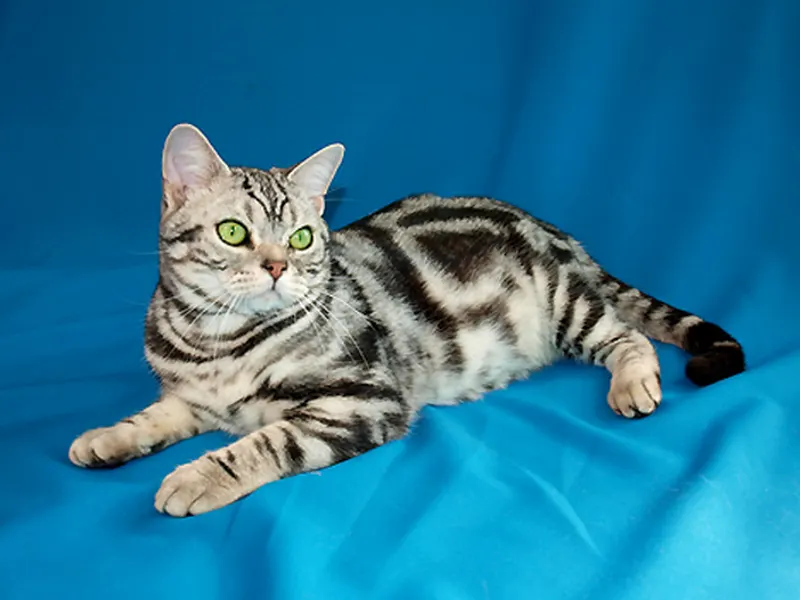
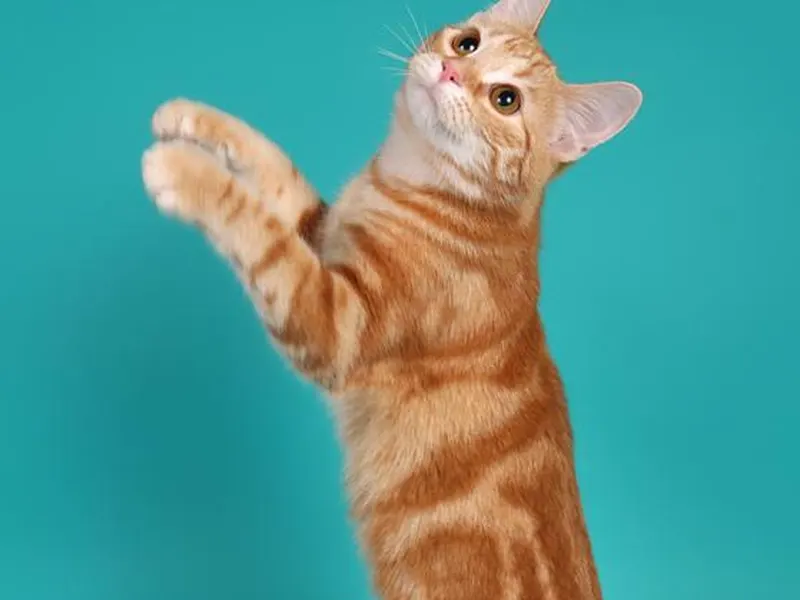
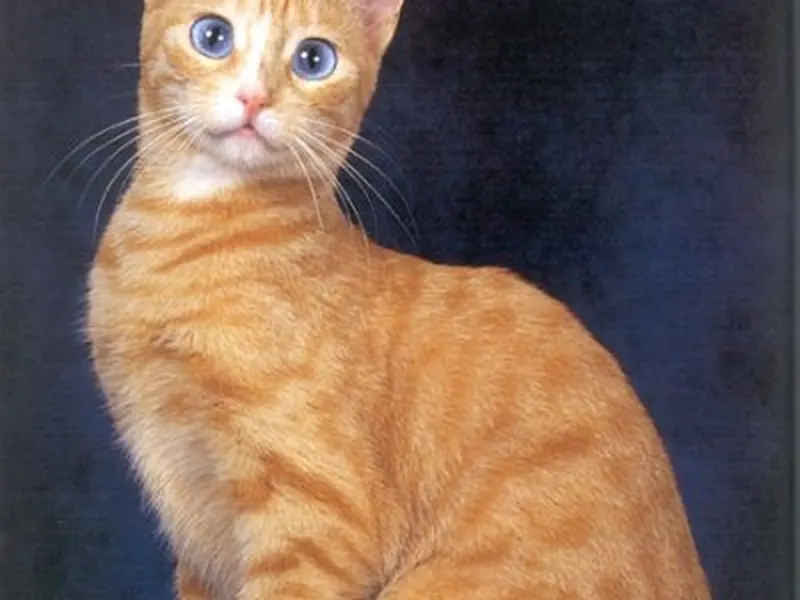
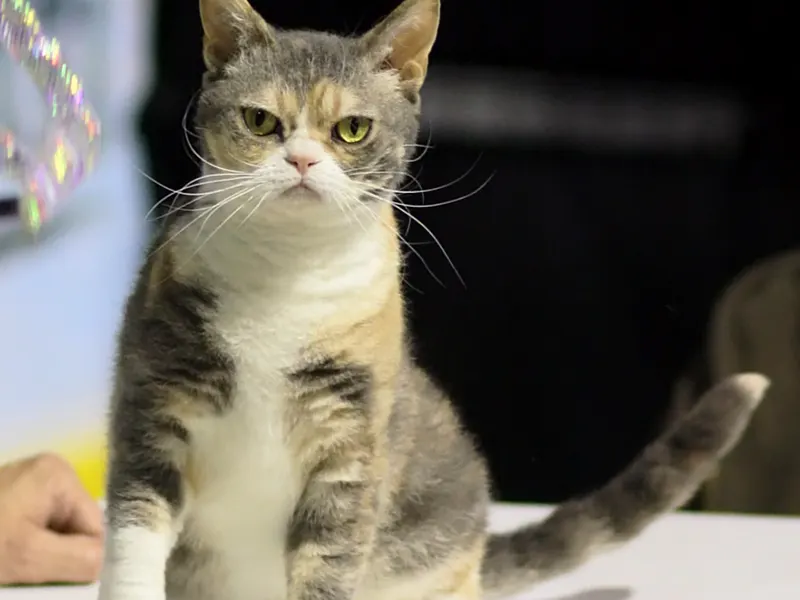
The coat is the defining feature: dense, crimped and springy, with each hair hooked, bent or crinkled. Even the whiskers may be curly. The degree of wiring varies, from tightly crimped to softer waves. CFA accepts most colors and patterns, including:
- Solid colors such as white, black, blue, red and cream.
- Tabby, bicolor, tortoiseshell and calico.
- Shaded and smoke patterns.
Colors that suggest hybridization, such as chocolate, lavender and pointed patterns, are not accepted in CFA. Eye color typically complements the coat color.
Personality and Temperament
Wirehairs share the steady, adaptable temperament of the American Shorthair. They are affectionate without being clingy, enjoy being near their people and are usually tolerant of handling. Many are content to watch what you are doing rather than help.
They are generally quiet, settle well into busy family homes and get along with other cats and cat-friendly dogs. Their independence means they usually manage a standard workday alone without fuss.
Is the American Wirehair Good for First-Time Owners?
Yes. The American Wirehair's steady, adaptable temperament and modest care needs make it a good choice for first-time owners.
The main challenge is availability: breeders are few, and waitlists can be long. First-time owners should also learn the breed's special coat care, which involves gentle handling rather than vigorous brushing. Weight control and dental care are the main day-to-day health tasks. With these points in mind, the Wirehair is an easygoing, affectionate companion. Ask breeders about the temperament of their kittens and parents.
Are American Wirehairs Lap Cats?
Some are. American Wirehairs are affectionate without being clingy, and many enjoy sitting near or on their people, though individual preferences vary.
They tend to show affection by following you around, watching what you are doing and joining you on the couch. Some enjoy being held, while others prefer to sit beside you. Gentle handling from kittenhood helps build tolerance for laps and cuddles. If a lap cat is a priority, ask breeders about the personalities of their cats. Many Wirehairs become more cuddly as they mature and settle into a home, especially if they are rewarded with calm attention.
Can American Wirehairs Be Left Alone?
Yes. American Wirehairs are independent and usually manage a standard workday alone without fuss.
Provide toys, puzzle feeders, window perches and scratching posts to keep them occupied. Their curious nature means some may explore cabinets or drawers in search of food, so childproof latches can help. Longer absences, such as weekends, still require a pet sitter. While independent, Wirehairs enjoy interaction when you are home, so daily play remains important. A second cat may also provide company for longer days.
Activity, Play and Enrichment
Energy is moderate. Kittens are lively; adults play in short bursts and enjoy hunting-style games with wand toys. Some are clever at opening drawers or cabinets in search of food, so childproof latches can help. Puzzle feeders and regular play sessions keep them fit, as their sturdy build puts on weight easily.
Grooming and Shedding
The coat is the breed's defining feature. Each hair is crimped, hooked or bent, giving a dense, springy texture often compared to steel wool, though it is softer in many cats. Even the whiskers may be curly. The degree of wiring varies from cat to cat.
Grooming is simple, but different from a normal shorthair:
- Avoid frequent vigorous brushing, which can damage the brittle hairs. A gentle hand-grooming or soft brush is usually enough.
- Some cats have slightly oily skin and benefit from an occasional bath with a mild cat shampoo.
- Shedding is light to moderate.
The wiry coat does not make the breed hypoallergenic.
Feeding and Nutrition
The American Wirehair's sturdy build puts on weight easily, so weight control is the main feeding priority. Use measured meals rather than free feeding, and check body condition regularly by feeling for ribs and looking for a waist.
Feed kittens a complete kitten food until about 12 months, three to four times a day at first. Adults do well with two to three measured meals.
- Encourage hydration with wet food, water fountains or multiple bowls, which supports urinary health.
- Puzzle feeders slow eating and add mental work, especially for food-motivated cats.
- Some Wirehairs have oily or sensitive skin; discuss with your vet if skin issues persist, as diet may sometimes play a role.
- Dental care is important, so discuss tooth brushing and dental checks with your vet.
Keep treats to a small share of daily intake and secure food storage, as some Wirehairs are clever at opening cabinets.
| Adult weight | Indoor, less active | Typical adult | Active or intact |
|---|---|---|---|
| 8 lb | 180 kcal | 220 kcal | 260 kcal |
| 12 lb | 250 kcal | 300 kcal | 350 kcal |
| 15 lb | 290 kcal | 350 kcal | 410 kcal |
Estimates use the resting energy formula veterinarians work with (70 × body weight in kg0.75) and standard activity factors. Use the feeding guide on your food as a starting point and adjust to body condition. Kittens, seniors, pregnant animals and pets that need to lose weight have different needs, so ask your vet.
Health and Lifespan
American Wirehairs are generally healthy and often live 12 to 18 years, reflecting their American Shorthair background. No breed-specific inherited disease is well documented. Like the American Shorthair, hypertrophic cardiomyopathy (HCM) is a possibility worth asking about. Some cats have sensitive or oily skin that may need occasional attention. Weight control and dental care are the main day-to-day health tasks.
American Wirehair Price and Cost of Ownership
Typical breeder price in the US$800 to $2,000
An American Wirehair kitten from a reputable US breeder typically costs about $800 to $2,000, and prices vary by breeder, region and lines. The breed is rare, so waitlists are common. Straight-coated kittens from Wirehair litters may be available at lower prices and share the same temperament.
Breed-specific cost drivers include:
- Gentle grooming tools and occasional baths for cats with oily coats.
- Skin care for sensitive or oily skin.
- Weight management and regular vet checks.
- Echocardiogram screening if HCM is a concern in the lines.
Contact CFA and TICA breeders early, as litters are infrequent and kittens are often reserved before birth.
Is the American Wirehair Right for You?
The Wirehair suits families, people with other pets and owners who want an easy-care, adaptable cat with a coat nobody else on the street will have. It is a poor fit only if you need a cat quickly: breeders are few and litters include straight-coated kittens, so waitlists can be long.
Prices are not widely published; US pet kittens are usually in the range of about $800 to $2,000, varying by breeder and region.
American Wirehair Traits at a Glance
American Wirehair FAQ
What does an American Wirehair feel like?
The coat is dense, crimped and springy, often compared to steel wool, though many are softer than that suggests. The texture varies between cats.
Are American Wirehairs hypoallergenic?
No. They produce the Fel d 1 allergen like any cat, and a wiry coat does not prevent allergic reactions.
How big do American Wirehairs get?
Adults typically weigh 8 to 15 lb (about 3.5 to 7 kg), with males larger.
Are American Wirehairs rare?
Yes, they are among the rarer CFA breeds, with few breeders and small numbers registered each year.
How long do American Wirehairs live?
Often 12 to 18 years with good weight control and routine care.
Are American Wirehairs good with kids and dogs?
Generally yes. Their tolerant, steady temperament suits family homes, and most accept cat-friendly dogs after gradual introductions.