Ojos AzulesDeep blue eyes in any color
Ojos Azules, Spanish for blue eyes, is an extremely rare breed founded on a cat with deep blue eyes that were not linked to white fur or a pointed pattern. The breed is mainly of historical and genetic interest today, and kittens are almost never available.
Why people love the Ojos Azules
- Deep blue eyes in any coat color
- Medium-sized, ordinary domestic build
- Easy-care short coat
- Friendly temperament reported in early cats
- Unique genetic history
Things to consider
- Not recognized by major registries
- Kittens almost never available
- Serious defects in kittens with two copies of the gene
- Little reliable breed information
- Sellers using the name may be misleading
Is this breed right for you?
10 questions · live resultHistory and Origin
In 1984 a tortoiseshell feral cat named Cornflower was found in New Mexico. Unusually, she had deep blue eyes even though she was neither white nor color-pointed, the two coat types normally associated with blue eyes in cats. Her kittens showed that the trait was dominant, meaning one copy of the gene was enough.
Breeders began a program in the late 1980s and TICA accepted the Ojos Azules for registration in 1991. The breed never became established. Breeding stopped largely because of health problems linked to the gene, and today it is not recognized by the major registries. Very few, if any, active breeding programs are known.
Size, Coat and Colors
The Ojos Azules was described as a medium-sized domestic cat weighing about 7 to 12 lb, with males typically larger than females. Early breeders aimed for a moderate, balanced build, without the extremes of very slender or very stocky breeds.
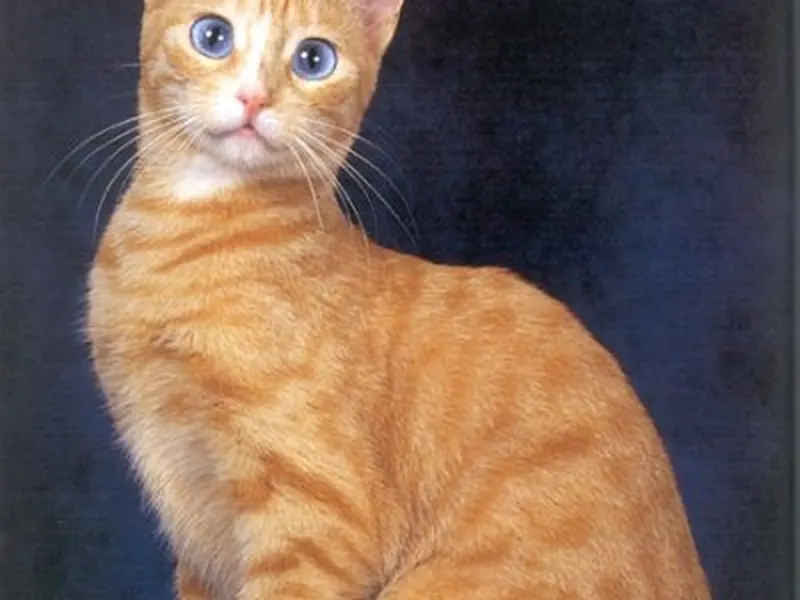
The defining trait is deep blue eyes in any coat color or pattern, not only with white or pointed coats. In most other cats, blue eyes are tied to white fur, white spotting or a pointed pattern. In some cats both eyes were blue, while others had one blue eye.
The coat was mostly short and close-lying, though longhaired cats were reported. Colors and patterns varied widely, including tortoiseshell, as in the founding cat Cornflower, along with tabby and solid colors. Many cats showed small white areas, such as a white tail tip, white on the face or white feet.
A provisional TICA standard once described the breed, but since breeding stopped there is no active standard, and appearance should be understood as that of an ordinary domestic cat with unusual eyes.
Personality and Temperament
There is too little information to describe a reliable breed temperament. Early descriptions reported friendly, affectionate domestic cats, which fits their origin in ordinary domestic stock. Any cat with this trait today is best treated as an individual whose personality depends on its background and socialization.
How Can You Tell an Ojos Azules From Other Blue-Eyed Cats?
You usually cannot tell by looks alone. The Ojos Azules trait is deep blue eyes in a cat that is neither white nor color-pointed, while most blue-eyed cats today are white, have a lot of white spotting or carry a pointed pattern like the Siamese, Ragdoll or Birman.
A blue-eyed tabby, tortoiseshell or solid-colored cat without much white is unusual, but other genes can produce similar results. No widely available commercial test identifies the Ojos Azules gene. Treat any cat advertised under the name with caution, ask for documented lineage and do not pay a premium price for the label.
Are Ojos Azules Cats Deaf?
Early reports did not link the Ojos Azules gene to deafness. That sets it apart from the white coat gene, which is associated with deafness in many blue-eyed white cats.
Data are very limited, however, because so few cats were ever bred and studied. The serious problems reported in the breed involved kittens with two copies of the gene, which had skull and facial defects. If you own a blue-eyed cat of any background and notice it does not respond to sounds, startles easily or vocalizes very loudly, ask your vet about a hearing test. Deaf cats can live well indoors with some adjustments.
Is the Ojos Azules Good for First-Time Owners?
Any cat carrying the trait would be cared for like an ordinary domestic cat, so in principle it poses no special difficulty for a beginner. The real obstacle is finding one: the breed is not actively recognized and kittens are very rarely offered.
First-time owners are also the most likely to be misled by sellers using the name. If what attracts you is the blue eyes, a recognized blue-eyed breed or a blue-eyed rescue cat is a more realistic choice. Choose based on temperament, health records and how well the cat fits your home rather than eye color alone.
Activity, Play and Enrichment
Ojos Azules cats were described as typical medium-sized domestic cats, so ordinary cat care applies: daily play that mimics hunting, scratching posts, climbing space and puzzle feeders.
Grooming and Shedding
The cats were mostly short-haired, needing a weekly brush, with normal seasonal shedding. Coat color and pattern could be anything, often with white on the tail tip, face or feet.
Feeding and Nutrition
Ojos Azules were described as typical medium-sized domestic cats, so standard adult cat nutrition applies. There are no documented breed-specific dietary needs.
Measure portions and monitor body condition, aiming for a lean, muscular cat with ribs that are easy to feel. Indoor cats in particular tend to gain weight, so weigh your cat every few months and adjust portions as needed.
Kittens need a complete growth diet and several small meals a day. Most adults do well on two or more measured meals, or on timed feeders that spread food through the day.
Encourage water intake with fountains or wet food to support urinary health, a common concern in domestic cats regardless of breed.
Use puzzle feeders and short play sessions before meals to give indoor cats an outlet for hunting behavior.
Because reliable breed health data are lacking, regular vet checkups with weight records help track overall health and catch changes early. Treats should make up only a small share of the daily ration.
| Adult weight | Indoor, less active | Typical adult | Active or intact |
|---|---|---|---|
| 7 lb | 170 kcal | 200 kcal | 230 kcal |
| 10 lb | 220 kcal | 260 kcal | 300 kcal |
| 12 lb | 250 kcal | 300 kcal | 350 kcal |
Estimates use the resting energy formula veterinarians work with (70 × body weight in kg0.75) and standard activity factors. Use the feeding guide on your food as a starting point and adjust to body condition. Kittens, seniors, pregnant animals and pets that need to lose weight have different needs, so ask your vet.
Health and Lifespan
The blue-eye gene appeared to be safe in a single copy, but kittens with two copies were reported to have serious cranial and facial defects and were often stillborn or died young. For this reason, responsible breeding paired an Ojos Azules only with a cat without the gene, and the risk is the main reason the breed did not continue. No reliable lifespan data exist; a single-copy cat would be expected to live like an average domestic cat, roughly 12 to 16 years.
Ojos Azules Price and Cost of Ownership
No reliable prices exist for Ojos Azules kittens, as they are almost never available. The breed is not recognized by the major registries, and very few, if any, active breeding programs are known in the US. Be cautious with sellers using the name, especially if they charge premium prices without documented lineage.
Adopting a blue-eyed rescue cat, or choosing a recognized blue-eyed breed, is a more realistic option.
Ongoing costs for any cat with this trait are similar to those of an ordinary domestic cat:
- Food and litter
- Routine veterinary care, vaccines and dental checks
- Insurance, which is usually priced like that of a mixed-breed cat
- Enrichment such as scratching posts and climbing space
Is the Ojos Azules Right for You?
Practically, the main obstacle is finding one. The breed is not actively recognized and kittens are very rarely offered. Be cautious with sellers advertising Ojos Azules: blue eyes in cats are far more often linked to white coats or pointed patterns, as in the Siamese or Ragdoll. If you love blue eyes, a recognized breed or a blue-eyed rescue cat is a more realistic choice.
Ojos Azules Traits at a Glance
Ojos Azules FAQ
What does Ojos Azules mean?
It is Spanish for blue eyes, the breed's defining trait.
Is the Ojos Azules still a recognized breed?
No major registry currently recognizes it. TICA accepted it for registration in 1991, but the breed did not become established.
Why is the Ojos Azules so rare?
The gene for blue eyes caused severe skull and face defects in kittens with two copies, which discouraged breeding.
What makes Ojos Azules blue eyes special?
Their deep blue eyes occur in any coat color, not only with white fur or a pointed pattern.
How much does an Ojos Azules cat cost?
No reliable prices exist because kittens are almost never available. Be cautious with sellers using the name.