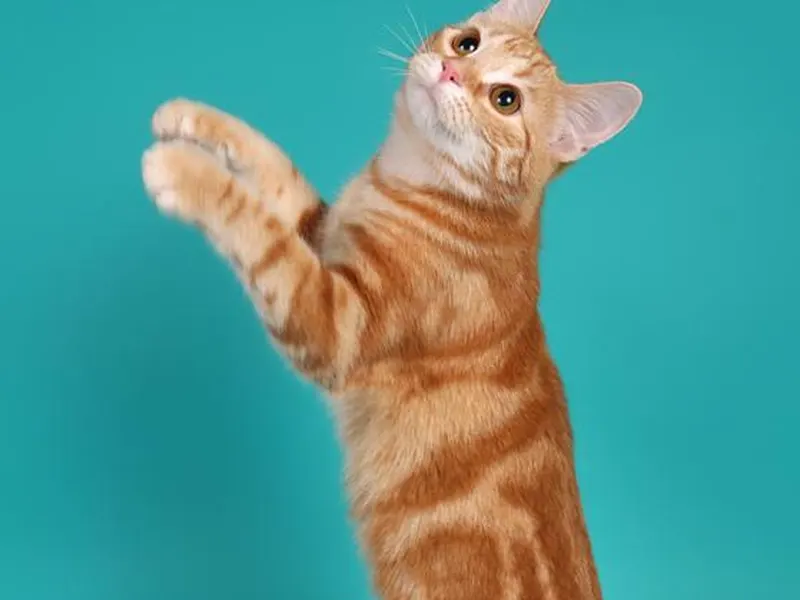
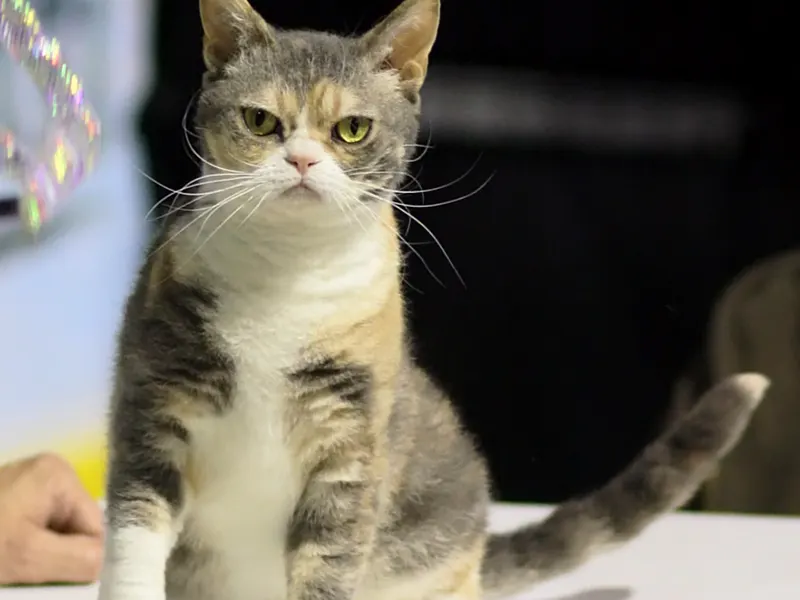
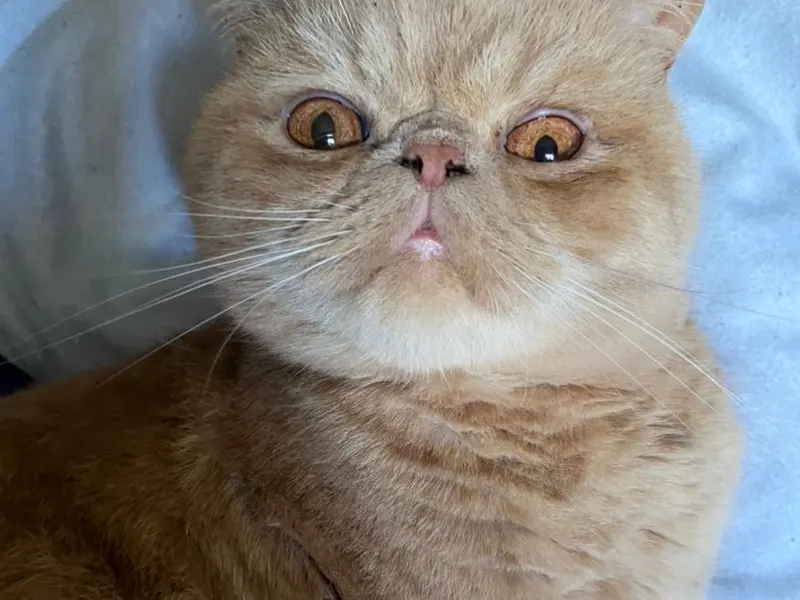
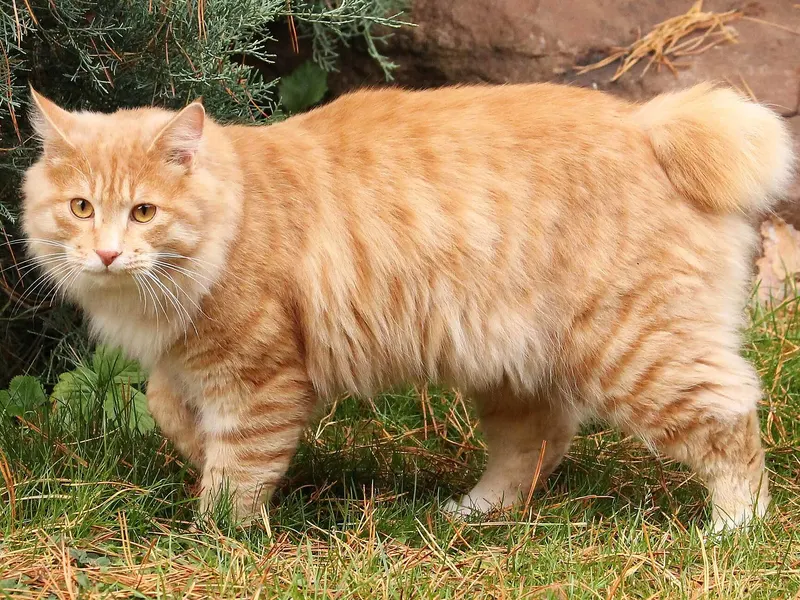
American ShorthairAmerica's sturdy, easygoing working cat
<p>The American Shorthair is a solid, medium-to-large cat developed from the working cats of North American farms and ships. It is healthy, adaptable and moderately affectionate, playful without being demanding. It suits families, first-time owners and anyone who wants a low-maintenance companion with a long life expectancy.</p>
Why people love the American Shorthair
- Healthy, robust breed with a long lifespan
- Easygoing with children, dogs and other cats
- Low-maintenance short coat
- Independent enough for owners away during the day
- Wide range of colors and patterns
Things to consider
- Gains weight easily
- Strong hunting instinct around small pets
- Not very interactive or talkative
- Seasonal shedding in spring and fall
- HCM reported in some lines
Is this breed right for you?
10 questions · live resultHistory and Origin
Shorthaired cats traveled to North America with European settlers, kept on ships to control rodents. Over generations, farm and barn cats with hardy builds and dense coats did best in harsh winters and at hunting, giving rise to a recognizable type.
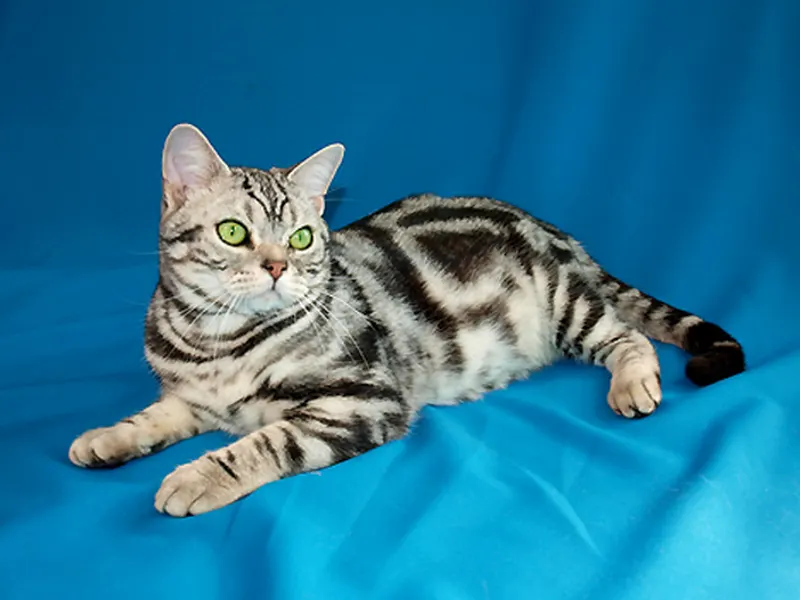
Shorthairs appeared at the first major US cat show at Madison Square Garden in 1895, and the type was among the first breeds recognized by CFA when it was founded in 1906. Originally shown as "Domestic Shorthairs," the breed was renamed American Shorthair in 1965 to separate pedigreed cats from random-bred house cats. The silver tabby with bold, swirled "classic" markings is the best-known color, but the standard allows a wide range of colors and patterns.
Size, Colors and Coat
The American Shorthair is a medium to large, muscular cat weighing 7 to 15 lb. Males are noticeably larger and heavier than females, often weighing several pounds more and developing broader heads and jowls. The breed matures slowly and may not reach full size and muscle until three or four years of age.
The body is powerful and well-balanced, with a broad chest, thick legs and a medium-length tail. The head is large with full cheeks, a square muzzle and medium-sized ears with rounded tips. The eyes are large and wide-set.
The coat is short, thick and hard in texture. CFA accepts a very wide range of colors and patterns, including:
- Classic and mackerel tabby, especially silver tabby
- Solid colors, such as white, black, blue and cream
- Bicolors, calicos and smoke or shaded varieties
Pointed patterns and colors such as chocolate and lilac are not accepted.
Personality and Temperament
American Shorthairs are steady and sociable. They usually like being near their people and enjoy a lap, but they are not clingy and can entertain themselves for hours. Most are tolerant of handling, good-natured with children and adaptable to new routines.
They are generally quiet, using a soft voice mainly at mealtimes. Their hunting instincts are strong, so do not be surprised if a sunbeam-loving adult suddenly stalks a fly with total focus.
Most American Shorthairs adapt well to change: a move, a new baby or a new pet usually causes less upset than it would for more sensitive breeds. They tend to be friendly but not effusive with visitors, often checking out a guest before deciding whether to stay in the room.
Is the American Shorthair a Lap Cat?
Some American Shorthairs enjoy laps, but most prefer sitting near you rather than on you.
The breed is affectionate and sociable, and many will curl up on a lap in the evening when it suits them. Others prefer the sofa cushion beside their owner. They are typically not clingy and do not demand constant attention. Kittens are busy and rarely sit still, while adults tend to become more settled. Allowing the cat to choose when to cuddle, rather than holding it, usually builds a stronger bond. Many become more cuddly as they mature past three or four years.
Can American Shorthairs Live with Dogs?
Yes, American Shorthairs usually adapt well to living with cat-friendly dogs, especially after gradual introductions.
Their calm, adaptable nature makes them one of the easier breeds to combine with a dog. Introduce them slowly, using separate spaces at first and scent swapping, then short supervised meetings. Give the cat high perches and escape routes. Dogs with strong prey drive may not be suitable. Once settled, many American Shorthairs coexist peacefully with dogs, and some become close companions. Feed the cat where the dog cannot reach its bowl.
Should American Shorthairs Be Indoor-Only?
American Shorthairs adapt well to indoor life, and keeping them indoors or with supervised outdoor access is usually the safest choice.
Their strong hunting instincts mean they would hunt birds and small wildlife if allowed outside. Indoor life protects them from traffic, predators and disease. To keep an indoor cat healthy and content, offer daily play sessions, climbing spaces, window perches and food puzzles. A secure catio or harness training can provide safe outdoor time. Indoor American Shorthairs need active play to avoid weight gain.
Activity, Play and Enrichment
This breed has a moderate activity level. Kittens are busy and adults play in bursts, especially at dawn and dusk.
- Wand toys and toss-and-chase toys let them use their hunting instincts safely.
- Many learn to retrieve or use a scratching post quickly with treat rewards.
- Food puzzles and scheduled meals help, as they love food and gain weight easily.
- Keep pet rodents, birds and fish secure; the instinct to hunt is real.
Grooming and Shedding
The coat is short, thick and hard in texture, designed to protect a working cat. Brush once a week to remove dead hair, and two or three times a week during the spring and fall sheds. Shedding is moderate. Otherwise care is basic: nails, teeth and ears checked regularly.
Feeding and Nutrition
American Shorthairs love food and gain weight easily, which can lead to diabetes and joint problems. Measure meals rather than free feeding, and adjust portions to body condition: you should feel the ribs easily and see a waist from above.
The breed matures slowly, and kittens need a growth formula until about one year. After that, monitor body condition closely, especially after neutering, when energy needs drop.
- Feed kittens three or four meals a day and adults two or three.
- Use puzzle feeders and food balls to slow eating and add activity.
- Count treats as part of the daily ration.
- Encourage water intake with fountains or wet food to support urinary health.
Dental disease is common in cats, so regular tooth brushing and dental checkups help. If your cat gains weight despite controlled portions, a vet check can rule out underlying causes.
Seniors may need adjusted portions as activity decreases.
| Adult weight | Indoor, less active | Typical adult | Active or intact |
|---|---|---|---|
| 7 lb | 170 kcal | 200 kcal | 230 kcal |
| 11 lb | 230 kcal | 280 kcal | 330 kcal |
| 15 lb | 290 kcal | 350 kcal | 410 kcal |
Estimates use the resting energy formula veterinarians work with (70 × body weight in kg0.75) and standard activity factors. Use the feeding guide on your food as a starting point and adjust to body condition. Kittens, seniors, pregnant animals and pets that need to lose weight have different needs, so ask your vet.
Health and Lifespan
American Shorthairs are considered one of the more robust breeds and often live 15 to 20 years. They are not free of problems:
- Hypertrophic cardiomyopathy (HCM) has been reported in the breed; ask whether breeding cats have had heart screening.
- Obesity is the most common issue, which can lead to diabetes and joint problems.
- Dental disease is common in all cats; regular brushing and checkups help.
Keeping an American Shorthair lean with measured meals and daily play does more for its long-term health than almost anything else.
American Shorthair Price and Cost of Ownership
Typical breeder price in the US$800 to $2,000
An American Shorthair kitten from a reputable US breeder typically costs about $800 to $2,000. Prices vary by breeder, region and lines, with show-quality kittens and popular colors such as silver tabby often at the higher end. Many similar-looking Domestic Shorthairs are available in shelters, though they lack the pedigree type.
Breed-specific cost drivers include:
- HCM heart screening of breeding cats
- Pet insurance that covers heart disease and diabetes
- Dental cleanings under anesthesia over the years
- Weight management, including vet visits if obesity develops
- Scratching posts, cat trees and toys for enrichment
Grooming costs are minimal thanks to the short coat.
Is the American Shorthair Right for You?
This breed is an excellent all-rounder for families with children, people with other pets and owners who are out during the day. It is not the right choice if you want a highly vocal, constantly interactive cat or a dramatic, unusual look.
US pet-quality kittens commonly cost about $800 to $2,000, depending on breeder and region. Many tabby cats in shelters look similar but are Domestic Shorthairs of mixed ancestry; they can make equally good pets, just without the predictable pedigree type.
American Shorthair Traits at a Glance
American Shorthair FAQ
How big do American Shorthairs get?
Adults usually weigh 7 to 15 lb (about 3 to 7 kg). Males are larger and more muscular, and the breed can keep maturing until three or four years old.
What is the difference between an American Shorthair and a Domestic Shorthair?
The American Shorthair is a pedigreed breed with a written standard and recorded ancestry. Domestic Shorthair describes any shorthaired cat of mixed or unknown ancestry.
Are American Shorthairs good with kids?
Yes. They are tolerant, steady and playful, which makes them one of the better choices for families with children.
Do American Shorthairs shed?
Yes, moderately, with heavier sheds in spring and fall. Weekly brushing is usually enough.
How long do American Shorthairs live?
Many live 15 to 20 years when kept at a healthy weight with regular vet care.
How much does an American Shorthair kitten cost?
Pet-quality kittens from US breeders typically cost about $800 to $2,000. Price depends on the breeder, region and color, with silver tabbies often in demand.