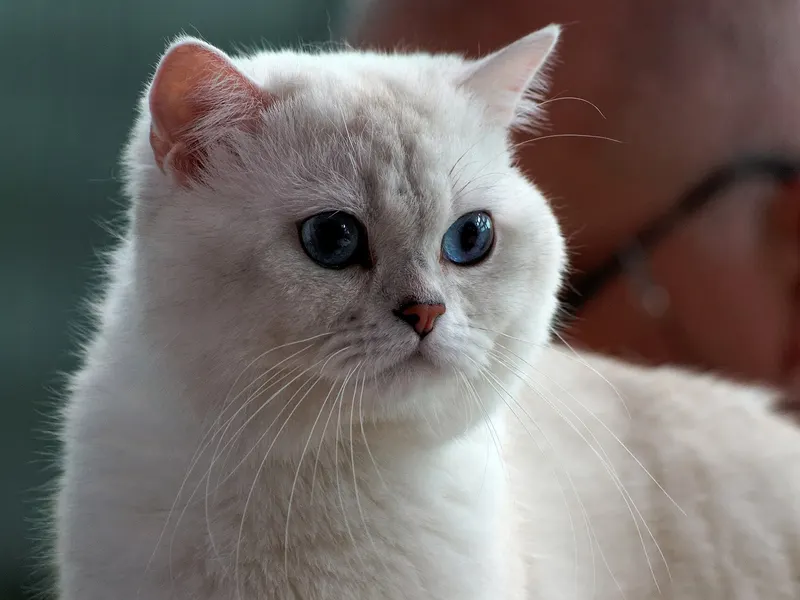
Scottish FoldOwl-like looks, serious health questions
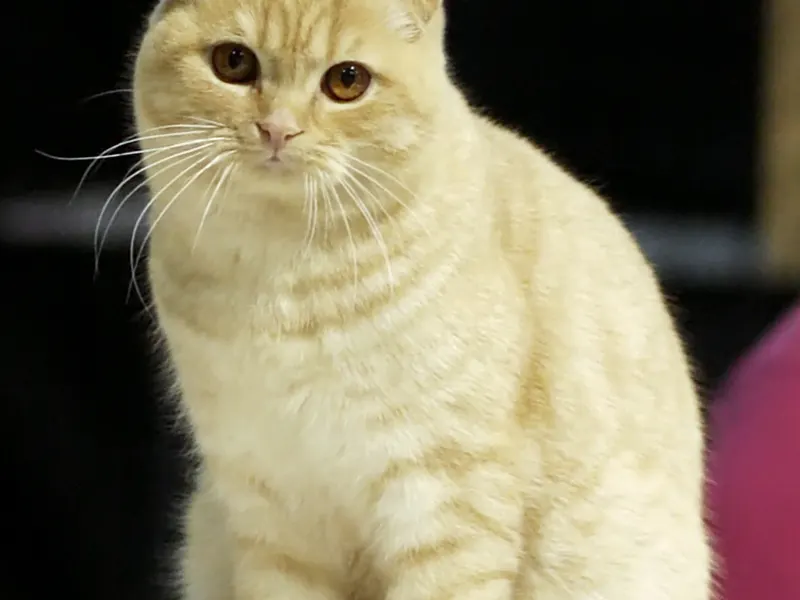
The Scottish Fold is a medium-sized cat with ears that fold forward and down, giving it a round, owl-like face. It is calm and affectionate, but the gene behind the folded ears affects cartilage throughout the body, which makes it one of the most debated breeds today.
Why people love the Scottish Fold
- Calm, gentle and affectionate
- Quiet, with a soft voice
- Easygoing with children, cats and dogs
- Adaptable to indoor life
- Distinctive round, owl-like face
Things to consider
- Fold gene causes painful joint disease in all folded-ear cats
- Breeding is banned or discouraged in some countries
- Possible long-term pain management costs
- Ears need regular cleaning
- Not recognized by FIFe or GCCF
Health note: this breed is affected by health concerns linked to its body shape or coat. Read the health section and choose a breeder who screens their cats and breeds responsibly.
Not recognized by FIFe or GCCF; breeding fold cats is banned in some countries (for example the Netherlands) and veterinary bodies advise against it.
Is this breed right for you?
10 questions · live resultHistory and Origin
The breed traces back to Susie, a white barn cat with folded ears found in 1961 on a farm near Coupar Angus in Perthshire, Scotland. A local shepherd, William Ross, took one of her folded-ear kittens and began breeding with the help of geneticists, using British Shorthairs and domestic cats.
In 1971 the GCCF in Britain stopped registering Scottish Folds over concerns about ear problems and, later, skeletal disease. Breeding moved to the United States, where outcrosses to American and British Shorthairs were used. CFA accepted the breed for championship in 1978, and TICA recognizes it as well. FIFe and GCCF do not.
Not every kitten from a Fold litter has folded ears. All kittens are born with straight ears, and in those carrying the gene the ears begin to fold at around three to four weeks. Straight-eared littermates are often called Scottish Straights.
Ears, Build and Colors
The Scottish Fold is a medium-sized, rounded cat with a well-padded body. Adults weigh about 6 to 13 lb, and males are larger and heavier than females.
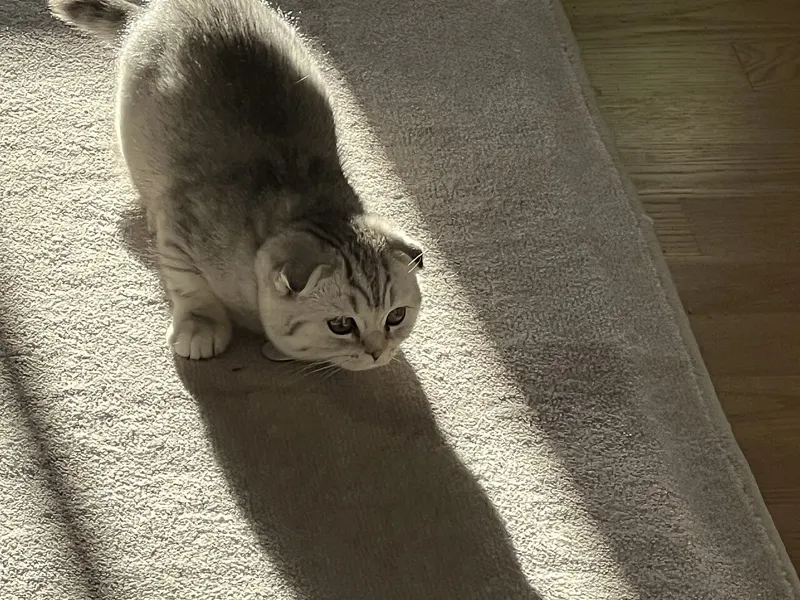
The defining feature is the ears, which fold forward and downward. Folds can be single (a slight bend), double or triple (a tight fold that lies flat against the head). All kittens are born with straight ears, and the fold appears at around three to four weeks in kittens carrying the gene. Straight-eared littermates are often called Scottish Straights.
The head is round, with large, round eyes and a short nose, giving an owl-like look. The legs are medium length, and the tail is medium to long. A flexible, tapering tail is a sign of better joint health, while a short, thick or stiff tail can indicate joint disease.
There are shorthaired and longhaired varieties. The breed comes in a wide range of colors and patterns, including solid, tabby, bicolor, calico and shaded.
Personality and Temperament
Scottish Folds are typically calm, gentle and affectionate. They like to be near their people and are usually quiet, with a soft voice.
They tend to be easygoing with children, other cats and dogs. Many sit in unusual positions, such as upright with legs stretched out, sometimes called the Buddha sit. Some vets note that unusual sitting postures can also reflect joint discomfort, so watch for changes.
Are Scottish Folds Lap Cats?
Many are. Scottish Folds are typically calm and affectionate, and they enjoy being near their people, often sitting on or beside laps.
However, joint pain linked to the fold gene can affect how comfortable a cat is with being held or lifted. A Fold that suddenly avoids laps, resents handling of its legs or tail or seems reluctant to jump may be in pain. Handle them gently, support their whole body when lifting and talk to your vet about any changes. Many owners find that providing low, soft resting spots near them keeps Folds close and comfortable.
Are Scottish Folds Good for First-Time Owners?
Their temperament suits first-time owners, but their health needs make them a complicated choice. Scottish Folds are calm and easygoing, yet all folded-ear cats are affected by osteochondrodysplasia to some degree.
New owners need to recognize signs of joint pain, such as stiffness, reluctance to jump, an altered walk or a stiff tail, and be ready for possible long-term vet costs. Many vets advise against buying Folds. First-time owners who love the temperament might consider adopting a Fold from a rescue or choosing a related breed such as the British Shorthair.
Can Scottish Folds Live With Dogs?
Yes, Scottish Folds are usually easygoing with dogs, especially calm, gentle ones. Their relaxed temperament helps them adapt to multi-pet homes.
Introduce them gradually, with supervised meetings and safe escape routes. Because Folds may have joint pain, avoid boisterous dogs that might knock them over or chase them. Provide low, easy-to-reach perches and resting spots, since high jumps may be uncomfortable. A calm dog that respects the cat's space is the best companion. Keep the litter box and food bowls in dog-free areas so the cat can use them without stress.
Activity, Play and Enrichment
Folds are moderately active and enjoy gentle play.
- Short daily sessions with wand toys and balls.
- Low, stable perches and ramps to reduce jumping strain.
- Puzzle feeders for mental exercise.
Watch for signs of stiffness, reluctance to jump, or changes in gait, as these can be early signs of joint disease.
Grooming and Shedding
Shorthaired Folds need a weekly brush; longhaired Folds (sometimes called Highland Folds) need brushing two or three times a week. Shedding is moderate.
Check and clean folded ears gently every week, as wax can build up. Trim nails regularly, especially if the cat is less active and wears them down less.
Feeding and Nutrition
Keeping a Scottish Fold lean is one of the most important ways to reduce stress on joints affected by osteochondrodysplasia. Extra weight increases pain and stiffness. Check by touch: ribs should be easy to feel and a waist visible from above.
- Feed measured meals rather than free-choice dry food.
- Kittens need frequent meals of a complete kitten diet.
- Adjust portions after neutering and as activity decreases with age.
Because Folds may be less active due to joint discomfort, they can gain weight easily. Use food puzzles placed at floor level and gentle play to encourage movement without jumping.
Discuss joint support with your vet. Some vets may suggest supplements or diets as part of a broader pain management plan, but no diet cures the underlying condition.
Hydration supports kidney and urinary health, especially since PKD has been reported in the breed. Offer fresh water in several places, consider a fountain and include wet food if your cat drinks little. Place food and water bowls at floor level to avoid jumping.
| Adult weight | Indoor, less active | Typical adult | Active or intact |
|---|---|---|---|
| 6 lb | 150 kcal | 180 kcal | 210 kcal |
| 10 lb | 220 kcal | 260 kcal | 300 kcal |
| 13 lb | 260 kcal | 320 kcal | 370 kcal |
Estimates use the resting energy formula veterinarians work with (70 × body weight in kg0.75) and standard activity factors. Use the feeding guide on your food as a starting point and adjust to body condition. Kittens, seniors, pregnant animals and pets that need to lose weight have different needs, so ask your vet.
Health and Lifespan
Scottish Folds typically live 11 to 14 years. The key health issue is linked directly to the folded ears:
- Osteochondrodysplasia: the dominant fold gene (a TRPV4 variant) affects cartilage throughout the body. Research shows that all folded-ear cats are affected to some degree, causing joint changes in the tail, ankles and knees that can lead to pain and arthritis.
- Breeding two folded-ear cats together causes severe skeletal disease, so breeders cross folds with straight-eared cats.
- Straight-eared cats from Fold litters do not carry the fold gene.
- Other issues seen in the breed include HCM and PKD.
Veterinary bodies such as the British Veterinary Association advise against breeding Scottish Folds. Breeding fold cats is banned in some countries, including the Netherlands.
Signs of joint disease include a short, thick or stiff tail, reluctance to jump, an altered walk and resentment of handling of the legs or tail. Pain relief, weight control and joint-friendly home setups can help, so discuss any changes with your vet early rather than assuming it is normal for the breed.
Scottish Fold Price and Cost of Ownership
Typical breeder price in the US$1,000 to $3,000
Scottish Fold kittens from US breeders typically cost about $1,000 to $3,000. Prices vary by breeder, region and lines. However, many vets and veterinary organizations, including the British Veterinary Association, advise against buying Scottish Folds because the fold gene causes painful joint disease in all folded-ear cats. Breeding is banned in some countries, including the Netherlands.
If you love the breed's temperament, consider adopting a Fold from a rescue, or choosing a related breed such as the British Shorthair.
Breed-specific ongoing costs include:
- X-rays and vet visits for joint disease.
- Long-term pain management.
- Heart and kidney screening for HCM and PKD.
- Pet insurance taken out early, before signs appear.
Is the Scottish Fold Right for You?
A Scottish Fold may appeal to people who want a calm, affectionate indoor cat. However, the breed's defining feature is linked to a painful skeletal disease, and many vets recommend against buying from breeders.
If you already have a Fold, regular vet checks, joint support and a lean weight can help. If you like the temperament, consider adopting a Fold from a rescue or choosing a related breed such as a British Shorthair.
Budget for possible long-term vet costs such as X-rays and pain management, and consider pet insurance taken out early, before any signs appear.
Scottish Fold Traits at a Glance
Scottish Fold FAQ
Why are Scottish Folds controversial?
The gene that folds the ears also affects cartilage throughout the body, causing a painful joint disease called osteochondrodysplasia in all folded-ear cats to some degree.
How big do Scottish Fold cats get?
Adults typically weigh 6 to 13 lb (about 3 to 6 kg).
How long do Scottish Folds live?
Typically 11 to 14 years. Joint disease can affect quality of life.
Are Scottish Folds banned?
Breeding is banned in some countries, such as the Netherlands, and FIFe and GCCF do not recognize the breed.
How much does a Scottish Fold cost?
Pet-quality kittens in the US typically cost about $1,000 to $3,000, but many vets advise against buying.
Are Scottish Folds good with kids?
Yes, they are usually calm and gentle, but handle them carefully because of possible joint pain.