Scottish StraightThe Fold's straight-eared sibling
The Scottish Straight is a round-faced, medium-sized cat born in Scottish Fold litters without the folded ears. It shares the Fold's calm, affectionate temperament but does not carry the fold gene, so it avoids the cartilage disorder that comes with folded ears.
Why people love the Scottish Straight
- Calm, sweet and adaptable
- Quiet voice and undemanding nature
- Comfortable alone during a working day
- Does not carry the fold gene variant
- Plush, easy-care coat
Things to consider
- Prone to weight gain
- PKD and HCM risk from ancestry
- Part of breeding programs for Folds
- Registry status varies outside TICA
- Low energy may not suit active households
Scottish Straights are not affected by fold breeding bans, but they are bred within Scottish Fold programs, and breeding folded-ear cats is banned or restricted in some European countries (for example the Netherlands).
Is this breed right for you?
10 questions · live resultHistory and Origin
The Scottish Fold began in 1961 with Susie, a white farm cat with folded ears found near Coupar Angus in Scotland by shepherd William Ross. Her folded ears were caused by a dominant gene. Breeding developed in Britain and then mainly in the US, using British Shorthairs and American Shorthairs as outcrosses.
Because folds are bred to straight-eared cats, litters contain both. The straight-eared kittens are Scottish Straights. TICA recognizes the Scottish Straight as its own breed, along with a longhaired form called the Highland Straight. Other registries register them as part of the Fold breed or not at all. The GCCF and FIFe do not recognize the Scottish Fold, largely on welfare grounds.
Coat, Colors and Build
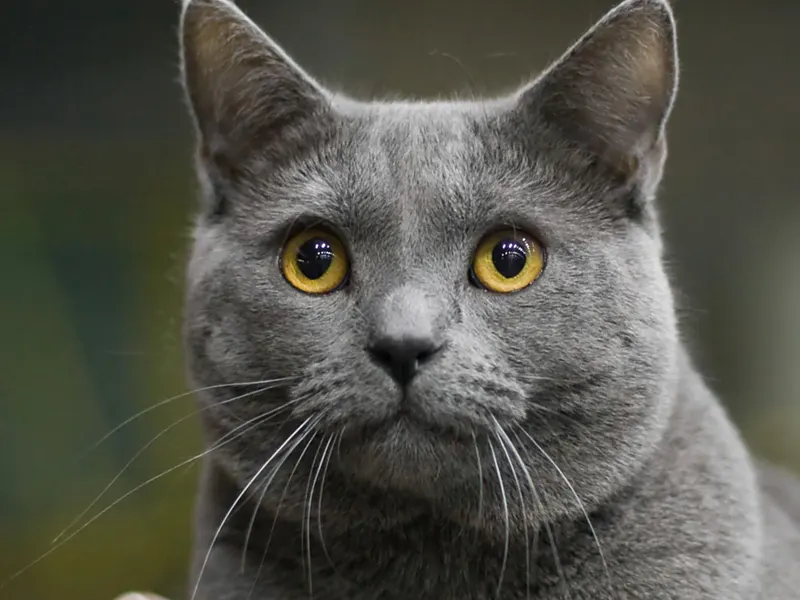
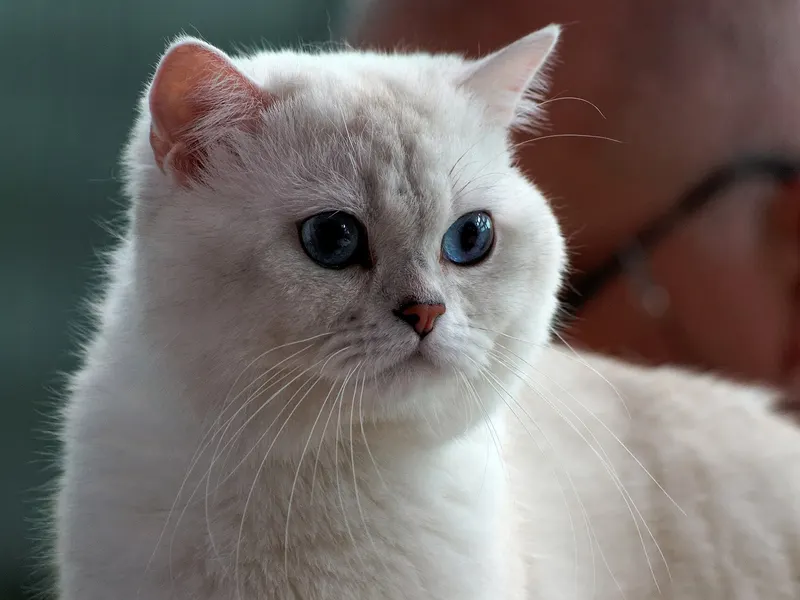
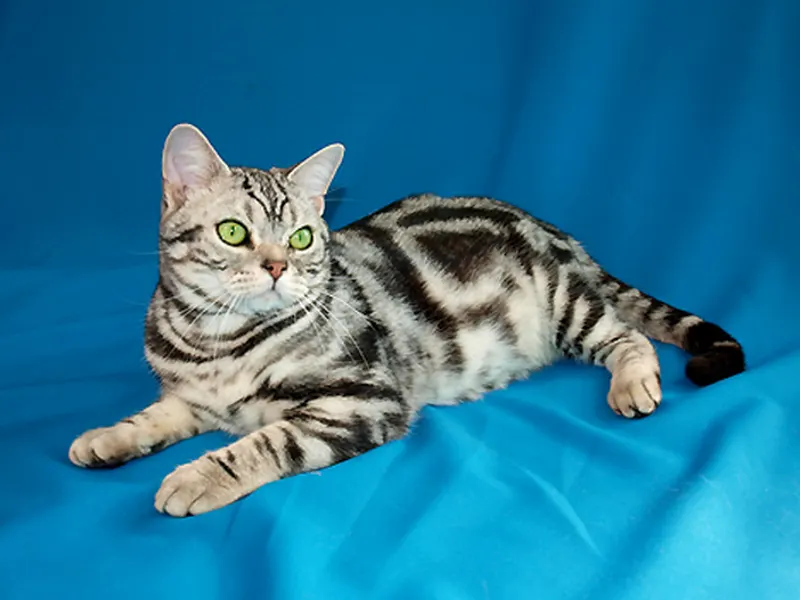
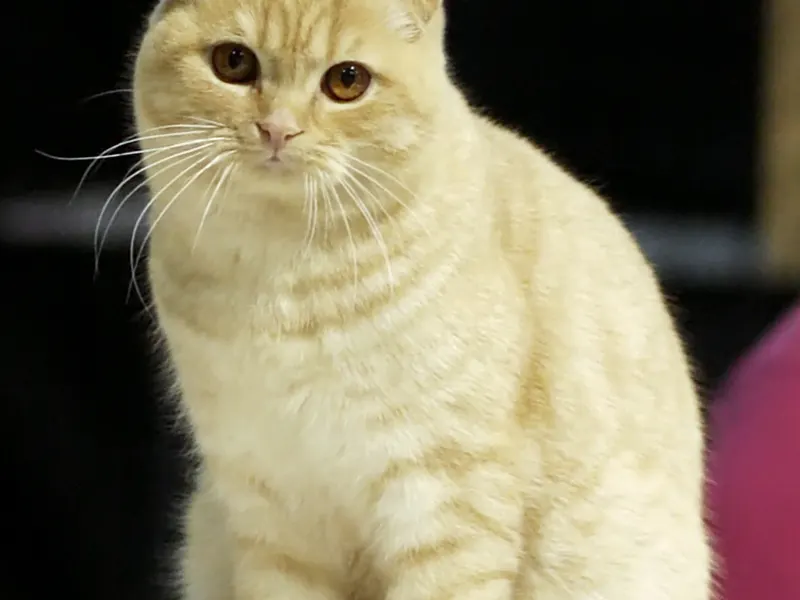
The Scottish Straight is a medium-sized, rounded cat weighing about 6 to 13 lb. It has a sturdy, compact body, a round head with full cheeks, round eyes and straight, upright ears. The overall look is soft and rounded, similar to the Scottish Fold but with normal ears.
The shorthair has a dense, plush coat that stands away from the body. The longhaired version, often called the Highland Straight, has a semi-long, soft coat with a ruff and plumed tail.
Most colors and patterns are accepted, including solid, tabby, bicolor and pointed. Males are usually larger and heavier than females, with broader heads and fuller cheeks.
Straight-eared kittens appear in the same litters as Folds, since breeders pair Folds with Straights rather than breeding two Folds together. Straights do not have the fold gene variant, so their ears stay upright for life and they are not affected by the cartilage disorder linked to it. Many have the same round, owl-like expression.
Personality and Temperament
Scottish Straights are calm, sweet and adaptable. They like being near their people and often follow them from room to room, but tend not to be demanding. Their voice is small and quiet.
- Good with gentle children and cat-friendly dogs
- Usually comfortable alone during a working day
- Often sit upright in an amusing posture, a habit shared with Folds
Like Folds, Straights often lie on their backs or sit propped up with their hind legs stretched out. They enjoy calm routines and usually settle well into new homes once they have a quiet place to retreat to.
Are Scottish Straights Good for First-Time Owners?
Yes, the Scottish Straight is a good choice for first-time cat owners.
It is calm, adaptable and easy to care for. The main things to manage are weight, since the breed is relaxed and food-loving, and health screening for PKD and HCM. First-time owners who choose a breeder with tested parents usually find the Scottish Straight an easygoing companion.
They are quiet, rarely demanding and usually comfortable alone during a working day. Short daily play sessions and a stable cat tree keep them content. Ask the breeder about the temperament of the parents.
Is the Scottish Straight a Lap Cat?
Many Scottish Straights enjoy sitting close to their people, and some are true lap cats.
They like being near their family and often follow them from room to room, but they tend not to be demanding. Individual personalities vary, but the breed's calm, affectionate nature makes lap time likely.
Many prefer sitting next to you or lying on their backs nearby to being held for long. Gentle handling from kittenhood and a calm routine make a Straight more likely to enjoy laps. Let the cat choose when to settle rather than holding it in place.
Can Scottish Straights Live with Dogs?
Yes, Scottish Straights are usually relaxed with cat-friendly dogs.
Introduce the cat and dog gradually, with separated spaces and scent swapping, and give the cat high perches and escape routes. A calm dog that does not chase is the best match.
Many Scottish Straights play gently with dogs they know. Keep the cat's food and litter box out of the dog's reach, and supervise early meetings until both pets are clearly relaxed together. Calm households with a quiet dog suit them best.
Activity, Play and Enrichment
Energy is low to moderate. Two short play sessions a day and a stable cat tree are usually enough. Puzzle feeders help, since the sturdy build and relaxed nature make weight gain easy. They are well suited to apartments.
Many enjoy gentle wand-toy play and treat puzzles more than high-energy chase games. Short sessions at the same times each day work well.
Grooming and Shedding
The shorthair has a dense, plush coat that needs brushing once or twice a week, more during seasonal shedding. The longhaired Highland Straight needs combing several times a week. Check ears regularly.
Feeding and Nutrition
Scottish Straights are relaxed, sturdy cats that gain weight easily. Measure meals carefully and avoid free-feeding. Feel for the ribs and waist regularly.
- Feed kittens three or four small meals a day and adults two or three measured meals.
- Use puzzle feeders to slow eating and add mental stimulation.
- Count treats in the daily ration.
Because of PKD risk from British Shorthair and Persian ancestry, kidney health matters. Encourage water intake with fresh water in several places, a fountain and, if your vet agrees, some wet food. Regular vet checks with blood and urine tests help catch kidney or heart problems early.
Short play sessions before meals help a low-energy cat stay active. Adjust portions after spaying or neutering, as needs often drop. Choose a sturdy food puzzle, since many Straights lose interest quickly in difficult toys.
| Adult weight | Indoor, less active | Typical adult | Active or intact |
|---|---|---|---|
| 6 lb | 150 kcal | 180 kcal | 210 kcal |
| 10 lb | 220 kcal | 260 kcal | 300 kcal |
| 13 lb | 260 kcal | 320 kcal | 370 kcal |
Estimates use the resting energy formula veterinarians work with (70 × body weight in kg0.75) and standard activity factors. Use the feeding guide on your food as a starting point and adjust to body condition. Kittens, seniors, pregnant animals and pets that need to lose weight have different needs, so ask your vet.
Health and Lifespan
Scottish Straights typically live 11 to 15 years. The fold gene, a variant of TRPV4, causes osteochondrodysplasia, a cartilage and bone disorder that can lead to painful joints in folded-ear cats. Straight-eared cats do not carry the variant and are not affected.
- Polycystic kidney disease (PKD) from British Shorthair and Persian ancestry; a DNA test is available
- Hypertrophic cardiomyopathy (HCM); ask about echocardiogram screening of parents
Straights are part of breeding programs that produce Fold kittens. Breeding folded-ear cats is banned or restricted in some European countries, including the Netherlands, and veterinary groups widely advise against it.
Scottish Straight Price and Cost of Ownership
Typical breeder price in the US$800 to $2,000
A Scottish Straight kitten from a reputable US breeder typically costs about $800 to $2,000. Prices vary by breeder, region and lines. Ask for negative PKD DNA test results and HCM screening information for both parents.
Adoption is occasionally possible through breed rescues and shelters.
Breed-specific ongoing costs are modest. The coat needs no professional grooming. Budget for routine vet care, HCM screening if recommended and possible treatment for kidney or heart disease. Insurance that covers inherited conditions is worth comparing while the cat is young.
Some buyers choose a Straight to avoid fold-related joint problems; ask the breeder whether they also breed Folds and how they handle fold welfare concerns.
Is the Scottish Straight Right for You?
The Scottish Straight suits calm homes, working adults and families with gentle children who want an easygoing, affectionate cat. If you like the look but want to avoid supporting fold breeding, a British Shorthair is a close alternative.
Pet-quality kittens typically cost about $800 to $2,000 in the US, varying by breeder and region.
Scottish Straight Traits at a Glance
Scottish Straight FAQ
What is the difference between a Scottish Fold and a Scottish Straight?
The ears. Folds carry a gene that folds the ears and affects cartilage throughout the body; Straights do not carry it and have normal ears.
Do Scottish Straights have the Fold's joint problems?
No. Osteochondrodysplasia is caused by the fold gene variant, which straight-eared cats do not carry.
How big do Scottish Straights get?
They are medium-sized and sturdy, about 6 to 13 lb (3 to 6 kg).
Do Scottish Straights shed?
Moderately, with heavier shedding in spring and fall.
How long do Scottish Straights live?
Typically 11 to 15 years.
Are Scottish Straights good with kids?
Yes. Their calm, tolerant nature suits families with gentle children.