Calm Cat BreedsLaid-back cats for quieter homes
The breeds on this list are known for a relaxed, even temperament, moderate energy and a tolerance for quiet routines. This page helps people who want a gentle companion rather than an acrobat, from retirees and remote workers to families with calm older children.
All Calm Cat Breeds A to Z
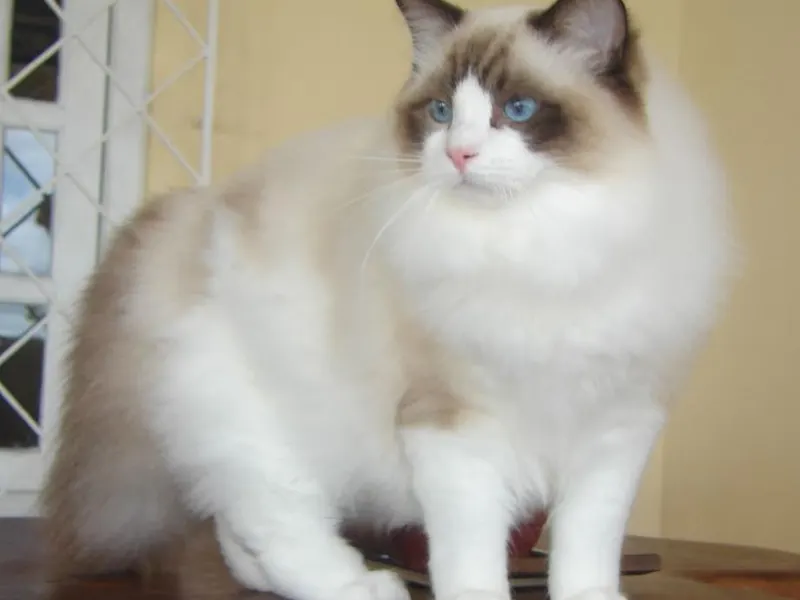
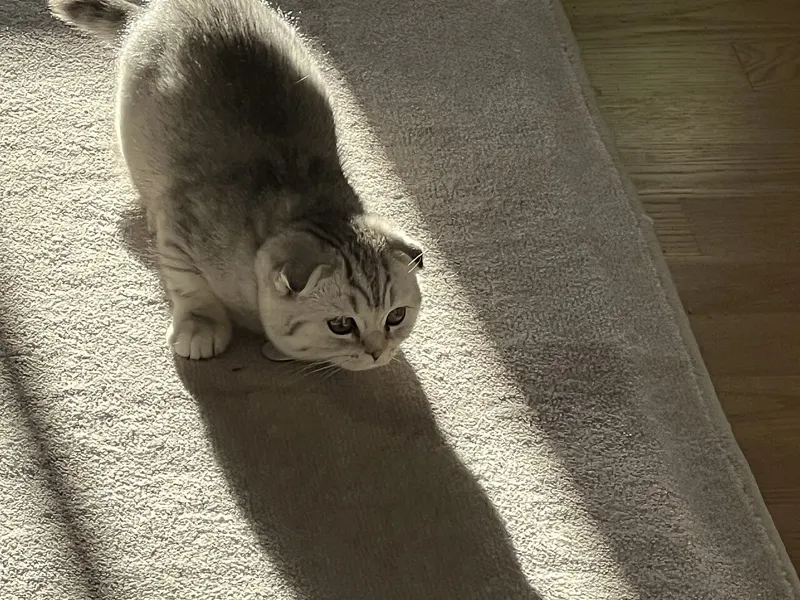
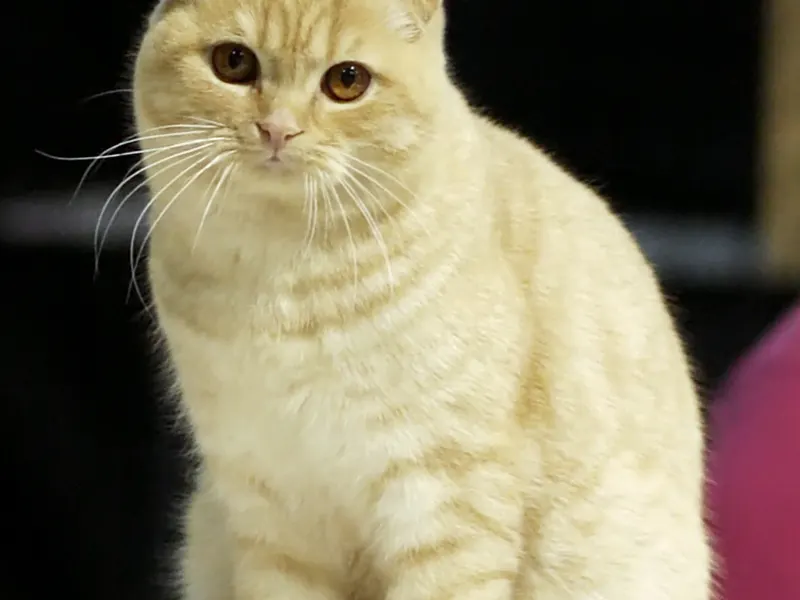
What calm means in a cat
A calm breed is not a cat that sleeps all day, since all cats sleep a lot. It is a breed that tends to settle easily, adapt to changes, tolerate handling and need less intense play than athletic breeds such as the Abyssinian or Bengal. Calm cats often enjoy being near you without needing to be the center of attention.
Breed is only a tendency. Every cat is an individual, and kittens of any breed are busier than adults. If a reliably calm cat matters to you, an adult cat with a known temperament is the safest choice, and shelters have many relaxed adult cats, both purebred and mixed-breed.
The calmest breeds
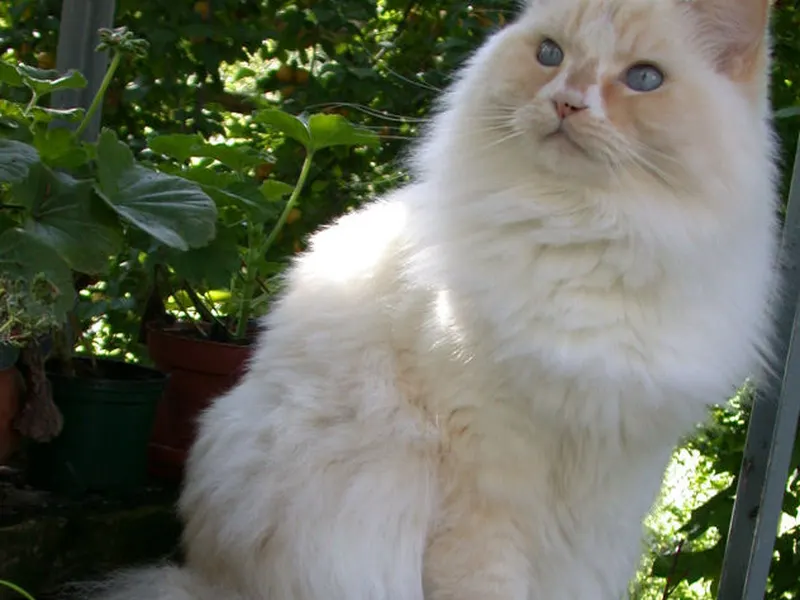
- Ragdoll and Ragamuffin: large, gentle and famously relaxed when handled.
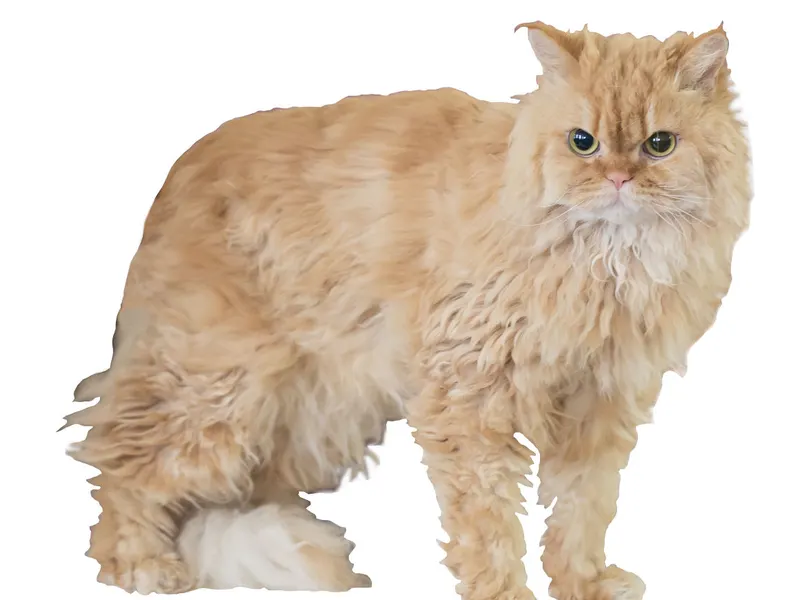
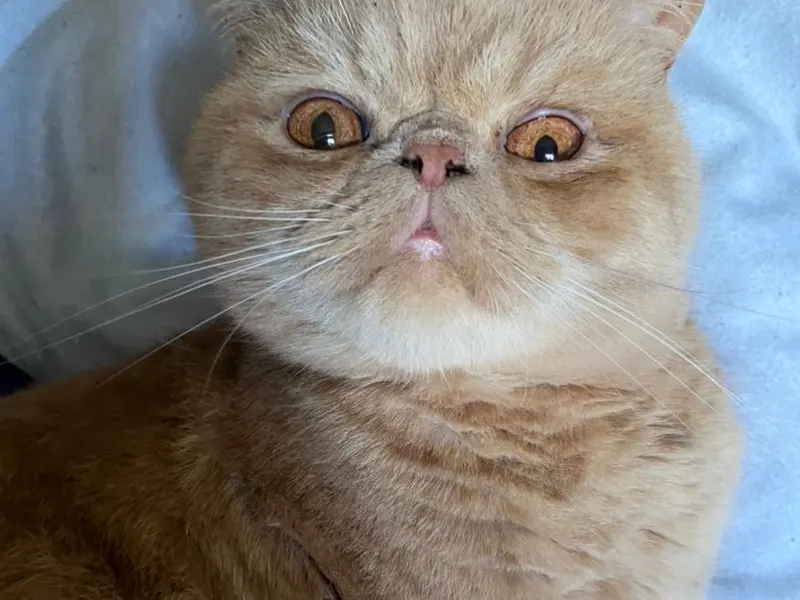
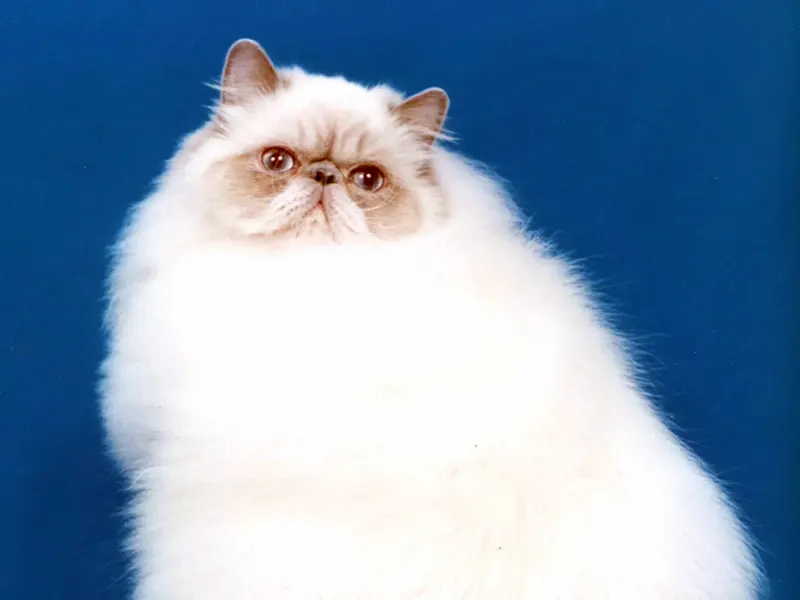
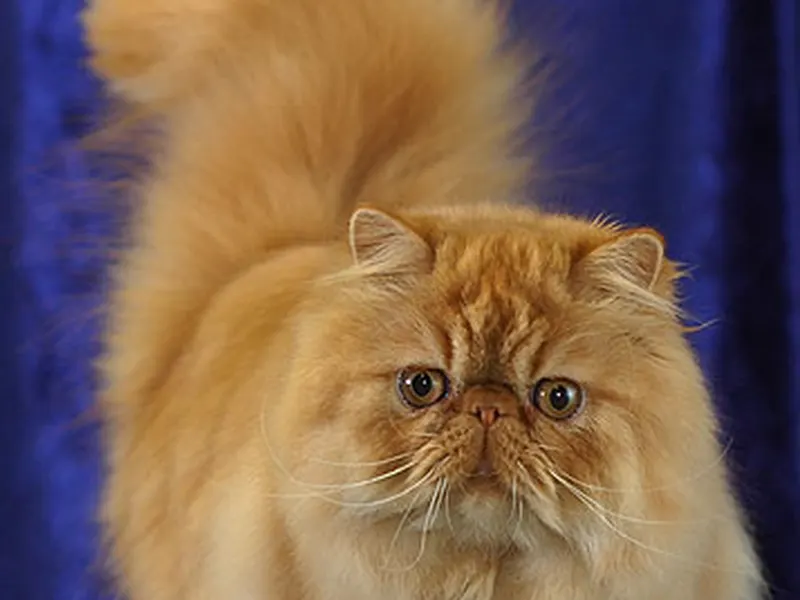
- Persian, Himalayan and Exotic Shorthair: classic lap cats with a slow, quiet pace. The Exotic offers the Persian temperament with a short coat.
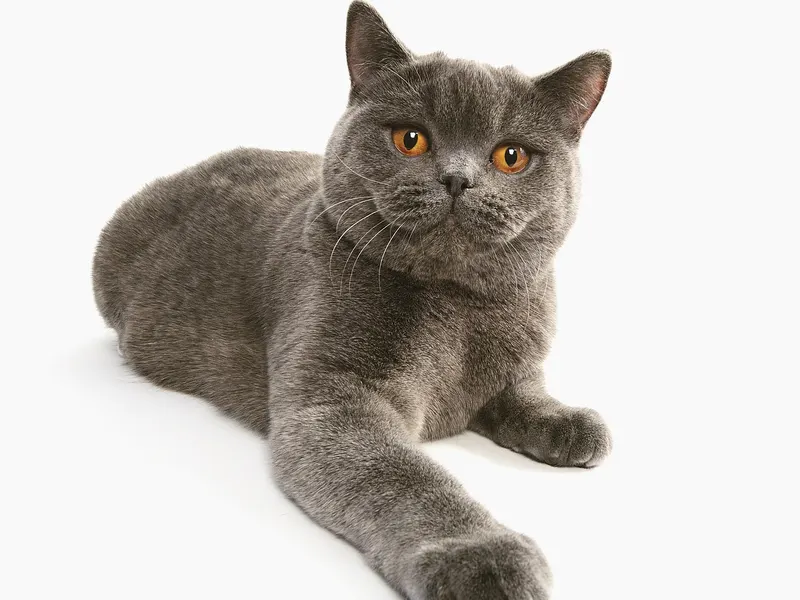
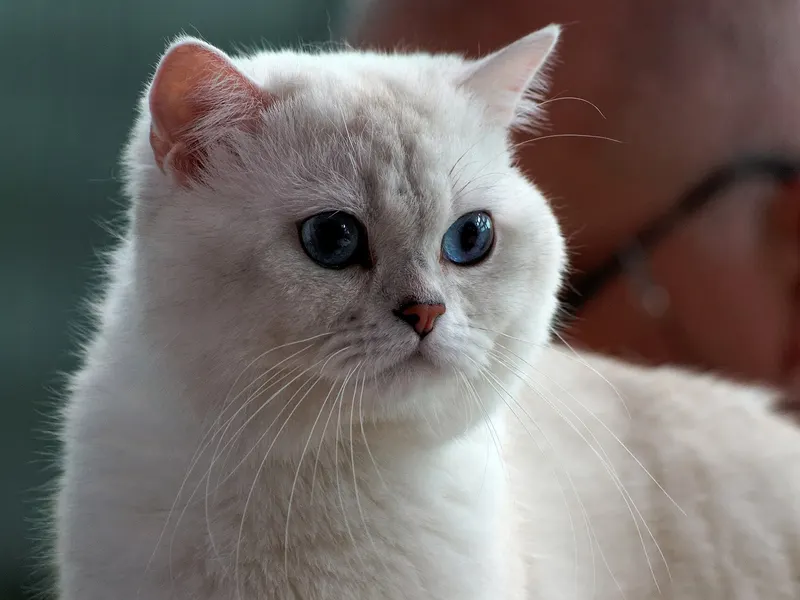
- British Shorthair and British Longhair: calm, dignified and content with their own company.
- Birman: sweet, gentle and sociable without being demanding.
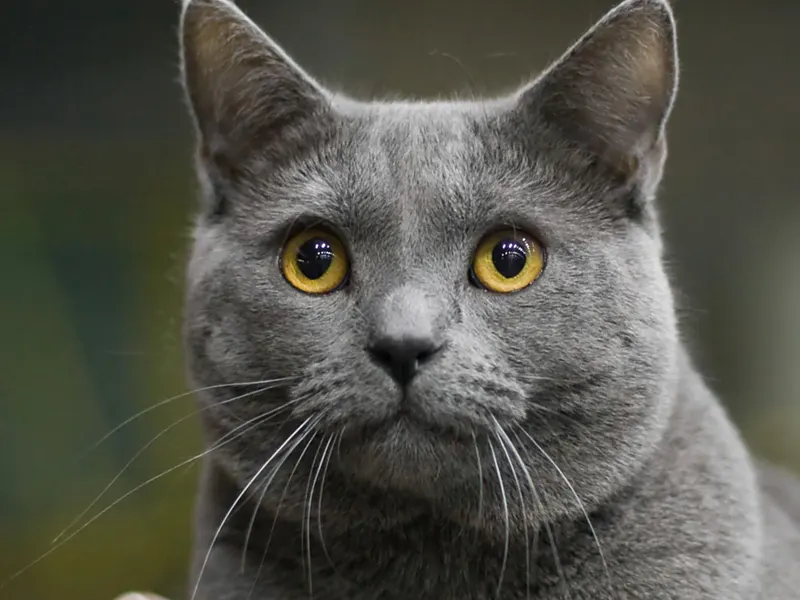
- Chartreux: a quiet, observant French breed with a soft voice.
- Scottish Straight: the straight-eared Scottish cat, with the same placid nature as the Fold.
How to choose a calm breed
Think about how you want to share your time with the cat. If you want a true lap cat, the Ragdoll, Ragamuffin, Persian and Birman are the most likely to seek out cuddles. If you prefer a calm cat that is happy nearby but not on top of you, the British Shorthair and Chartreux fit well, and they handle a working schedule with less fuss.
Grooming is the other big difference. The Persian and Himalayan need daily combing, the Birman and British Longhair need a few sessions a week, and the British Shorthair, Exotic Shorthair and Chartreux need little more than a weekly brush. Calm breeds also tend to suit homes with other relaxed pets, though introductions should always be slow.
Calm cats still need activity
A low-energy cat can gain weight easily, and obesity raises the risk of diabetes, joint problems and other conditions. Measure food, use puzzle feeders and offer two or three short play sessions a day with a wand toy. A window perch and a sturdy scratching post keep calm cats mentally engaged.
Watch for sudden changes. A cat that becomes much less active than usual may be in pain or unwell, so a vet check is worth it.
Welfare notes
Several calm breeds have features that need extra care. The Persian, Himalayan and Exotic Shorthair have flat faces that can cause breathing and eye problems, so look for breeders who favor a more moderate face. The Scottish Fold's folded ears come from a gene that affects cartilage throughout the body and is linked to painful joint disease. Many vets and some registries discourage breeding Folds, which is why the straight-eared Scottish Straight is often the better choice. Large breeds such as the Ragdoll can be prone to hypertrophic cardiomyopathy, so ask breeders about heart screening.
Frequently Asked Questions
What is the calmest cat breed?
The Ragdoll, Persian and British Shorthair are usually named among the calmest breeds. Individual cats vary, so meet the cat or choose an adult with a known temperament.
What is the laziest cat breed?
The Persian, Exotic Shorthair and British Shorthair are known for a slow, relaxed pace. Even lazy cats need daily play to stay at a healthy weight.
Are calm cat breeds good for seniors?
Often yes. A calm adult cat, purebred or mixed-breed, is easier to handle and less likely to trip people or demand constant play.
Do calm cats like to be held?
Ragdolls and Ragamuffins are known for relaxing in your arms, while the British Shorthair often prefers sitting next to you rather than being picked up.
Is a calm cat good for an apartment?
Yes. Calm breeds usually adapt well to indoor life, as long as they have scratching posts, a window view and daily play.
Not sure which cat breed fits you?
Answer 10 quick questions and get cat breeds ranked for your home, schedule and family.