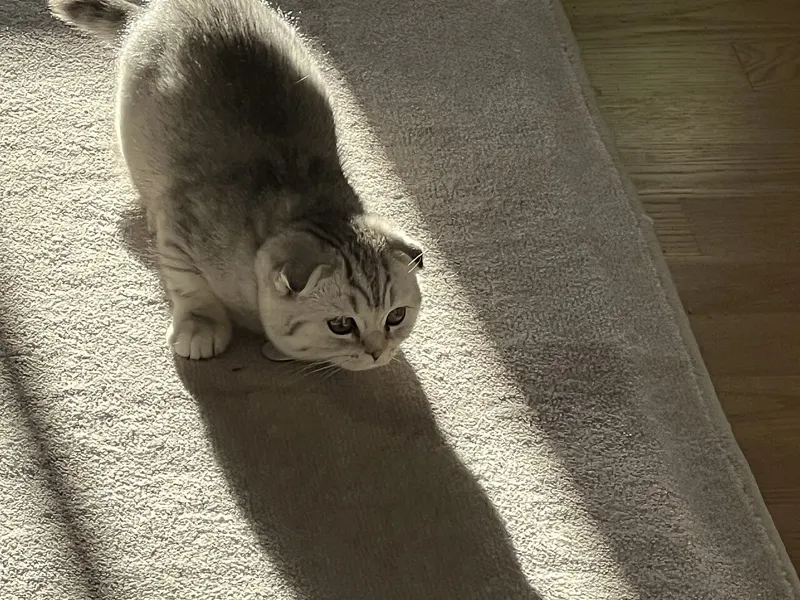
British ShorthairBritain's calm, plush-coated teddy bear cat
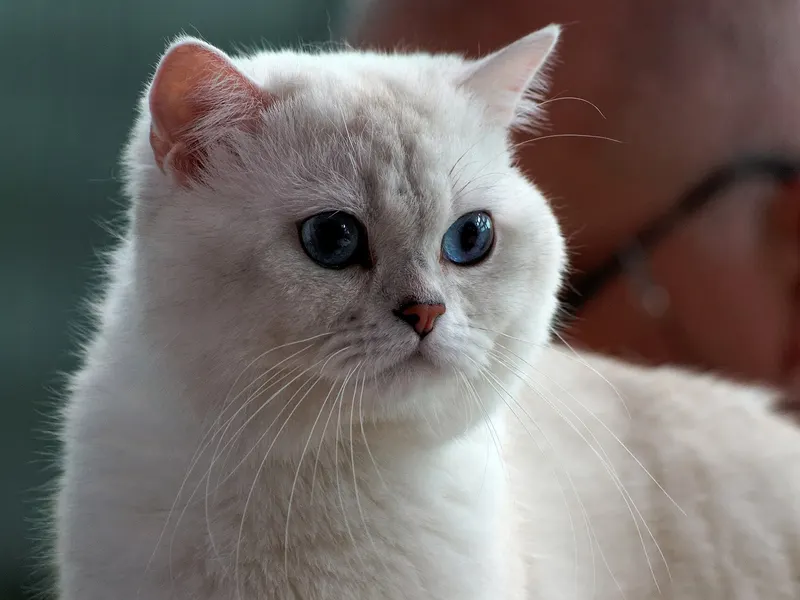
<p>The British Shorthair is a sturdy, round-faced cat with a dense, plush coat, best known in solid blue-gray. It is calm, self-contained and affectionate on its own terms, usually preferring to sit beside you rather than on you. It suits busy adults, families with considerate children and apartment homes.</p>
Why people love the British Shorthair
- Calm, even-tempered and undemanding
- Copes well with time alone during the workday
- Quiet voice, rarely makes a fuss
- Easy-care short coat with weekly brushing
- Usually tolerant of children and calm dogs
Things to consider
- Many dislike being picked up or carried
- Prone to weight gain with low activity
- Dense coat sheds more than expected
- HCM and PKD risk requires screened parents
- Slow to mature, can take three years to fill out
Is this breed right for you?
10 questions · live resultHistory and Origin
The British Shorthair descends from the everyday street and farm cats of Britain, a population often linked to cats brought by the Romans. In the late 1800s, breeders began selecting the best of these native cats for type. Harrison Weir, who organized the first major cat show at London's Crystal Palace in 1871, was an early champion of the native shorthair.
Both World Wars badly reduced breeding stock, and breeders outcrossed to Persians and to random-bred shorthairs to rebuild the population. This is part of why today's British Shorthair is so cobby and dense-coated. The breed's postwar recovery was strong enough that a blue male, Brynbuboo Little Monarch, became the first Grand Champion of any breed in the GCCF in the 1950s. The blue color is so associated with the breed that it is still often called the "British Blue," but standards now accept many colors and patterns.
Size, Build, Coat and Colors
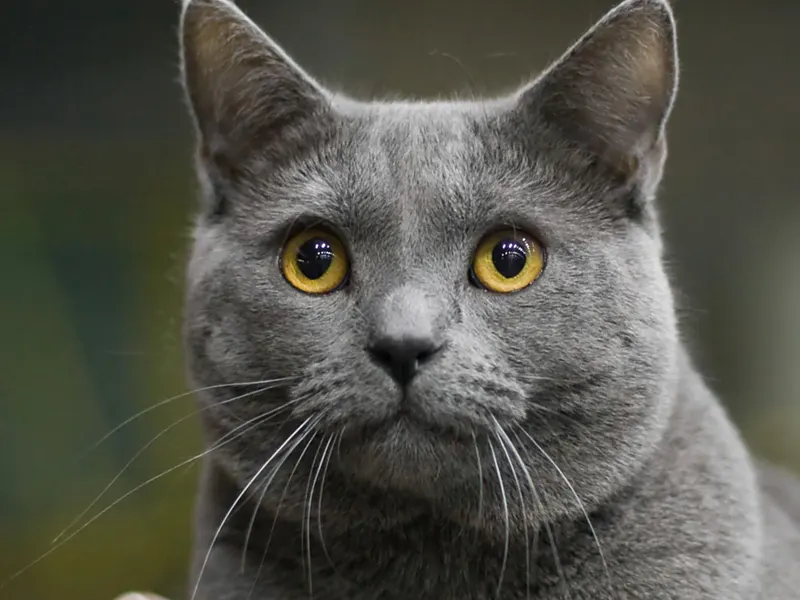
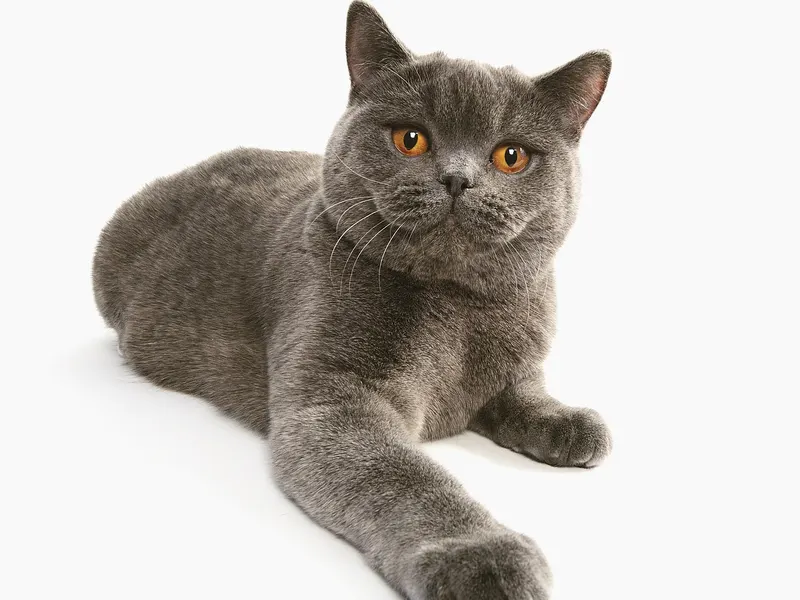
The British Shorthair is a large, powerfully built cat with a round face and dense, plush coat. Adults weigh roughly 7 to 17 lb. Males are noticeably larger and heavier-boned, often at the upper end of the range, while females are smaller and more compact.
The body is cobby, with a broad chest, short, sturdy legs and a thick tail with a rounded tip. The head is round with full cheeks, especially in males, which develop prominent jowls. Eyes are large and round.
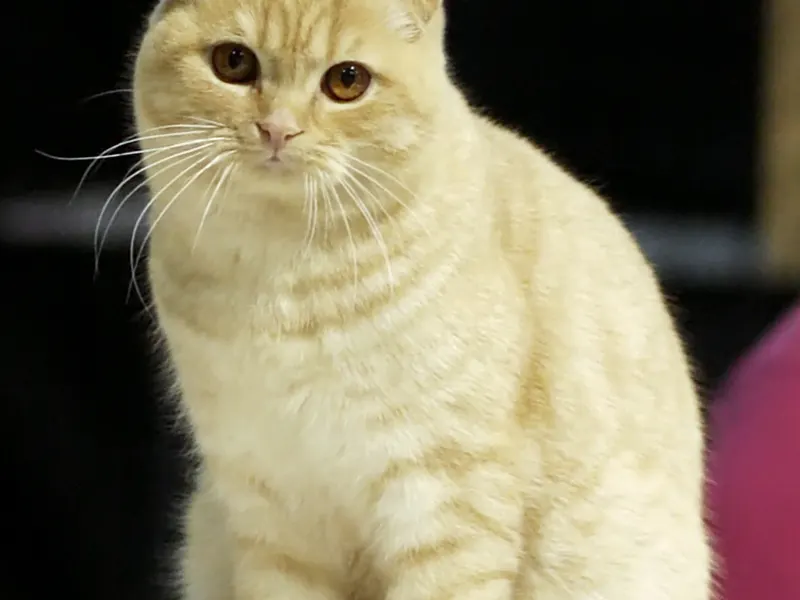
The coat is short, very dense and crisp, standing slightly away from the body. Blue (gray) with copper eyes is the most famous color, but many colors and patterns are recognized, including:
- Solid colors such as black, white, cream, red, lilac and chocolate.
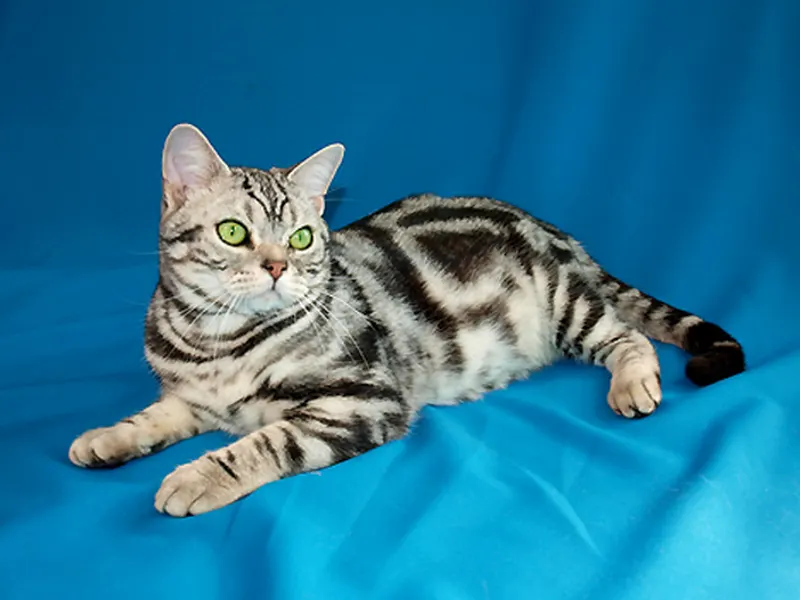
- Tabby patterns, including the classic silver tabby.
- Bicolor, tortoiseshell, smoke and shaded.
- Colorpoint, accepted in some registries.
Eye color varies with coat color and includes copper, gold, green and blue.
Personality and Temperament
British Shorthairs are even-tempered, quiet and undemanding. They like company and will often follow you from room to room, but most dislike being picked up and carried for long. Expect a cat that settles nearby, watches what you are doing and greets you calmly rather than loudly.
They rarely make a fuss, which suits people who work from home and want a peaceful companion. They tend to be polite but reserved with visitors, and generally tolerate dogs and children who let them set the pace.
Is the British Shorthair Good for First-Time Owners?
Yes. The British Shorthair is one of the easiest breeds for first-time cat owners thanks to its calm temperament, low grooming needs and tolerance of routine.
The main things to plan for are weight control and health screening. British Shorthairs gain weight easily, so measured meals and daily play are important. Choose a kitten from parents screened for PKD and, ideally, HCM. First-time owners should also be prepared for a cat that prefers to sit near them rather than on their lap. With these points in mind, the breed is a low-drama, rewarding companion.
Can British Shorthairs Be Left Alone?
Yes, better than many breeds. British Shorthairs are independent and usually cope well with a standard workday alone.
They appreciate routine and calm environments, so predictable schedules help. Provide window perches, puzzle feeders and a few toys to keep them occupied. Longer absences, such as weekends, still require a pet sitter or check-ins. While independent, British Shorthairs do enjoy company and may follow you around when you are home, so daily interaction remains important. A second calm cat can also be good company.
Are British Shorthairs Good With Kids?
Generally yes, with respectful children. British Shorthairs are tolerant and patient, and their sturdy build makes them less fragile than smaller breeds.
However, many dislike being picked up or carried, which can frustrate young children who want to cuddle. Teach children to let the cat approach them, to pet gently and to avoid lifting the cat. Provide the cat with high places or quiet rooms to retreat to. With these rules in place, British Shorthairs often make calm, reliable family cats. Supervise very young children until good habits are in place.
Activity, Play and Enrichment
Young British Shorthairs are playful, but adults become distinctly laid-back. Most are not big climbers or jumpers because of their heavy build, so low, sturdy furniture and floor-level toys work well.
- Short daily play sessions with wand toys or rolling balls help prevent weight gain.
- Puzzle feeders slow eating and add mental work.
- A window perch with a view of birds is often enough to keep an adult content.
Their independence means they cope with being alone during a workday better than many people-focused breeds.
Grooming and Shedding
The coat is short but very dense, with a crisp, plush feel that stands slightly away from the body. Weekly brushing with a rubber curry brush or fine comb removes loose undercoat. During seasonal molts in spring and fall, increase to every other day, as the dense undercoat can come out in clumps.
Shedding is moderate to heavy for a shorthair. Regular brushing also reduces hairballs. Check nails and teeth as part of a weekly routine.
Feeding and Nutrition
Weight control is the main feeding priority for British Shorthairs. Their heavy build and laid-back nature make them prone to obesity, which increases the risk of diabetes, joint problems and other health issues. Use measured meals rather than free feeding, and check body condition regularly by feeling for ribs under the dense coat.
British Shorthairs mature slowly, often continuing to fill out until about three years of age. Feed a complete kitten food until about 12 months, then transition to an adult food, adjusting portions as growth slows.
- Feed two to three measured meals a day for adults.
- Puzzle feeders slow eating and add mental work.
- Encourage hydration with wet food, water fountains or multiple water bowls, which supports urinary and kidney health.
- Ask breeders about PKD status; cats with kidney disease need veterinary dietary management.
Keep treats to a small share of daily intake and use play as a reward instead of food when possible.
| Adult weight | Indoor, less active | Typical adult | Active or intact |
|---|---|---|---|
| 7 lb | 170 kcal | 200 kcal | 230 kcal |
| 12 lb | 250 kcal | 300 kcal | 350 kcal |
| 17 lb | 320 kcal | 390 kcal | 450 kcal |
Estimates use the resting energy formula veterinarians work with (70 × body weight in kg0.75) and standard activity factors. Use the feeding guide on your food as a starting point and adjust to body condition. Kittens, seniors, pregnant animals and pets that need to lose weight have different needs, so ask your vet.
Health and Lifespan
British Shorthairs commonly live 12 to 18 years. Health points to know:
- Hypertrophic cardiomyopathy (HCM): reported in the breed. There is no breed-specific DNA test, so some breeders use echocardiogram screening.
- Polycystic kidney disease (PKD): introduced through Persian outcrosses; a DNA test is available and breeding cats should be tested.
- Blood type B: a relatively high share of British Shorthairs carry type B blood. Breeders should blood-type cats to avoid neonatal isoerythrolysis in kittens, and vets need to know before any transfusion.
- Obesity: a common problem in this sedentary breed.
Ask breeders for PKD results, blood typing and heart screening on both parents.
British Shorthair Price and Cost of Ownership
Typical breeder price in the US$1,200 to $3,000
A British Shorthair kitten from a reputable US breeder typically costs about $1,200 to $3,000, and prices vary by breeder, region, color and lines. Rare colors may cost more. Adult cats from breeders and breed rescues are also an option and often cost less.
Breed-specific cost drivers include:
- Health screening: PKD DNA testing and echocardiograms for HCM in breeding cats.
- Blood typing before surgery or breeding, as many British Shorthairs carry type B blood.
- Weight management, including puzzle feeders and regular vet checks.
- Insurance for heart or kidney conditions.
Be cautious with very low prices or sellers who cannot show PKD results for both parents, as screening is a key sign of a responsible breeder.
Is the British Shorthair Right for You?
Choose a British Shorthair if you want a calm, low-drama companion that is happy indoors, tolerates some time alone and does not demand constant attention. It is less suited to people who want a lap cat that loves to be carried, or a cat to train for tricks and agility.
US pet-quality kittens typically cost about $1,200 to $3,000, varying by breeder, region and color. Look for health-tested parents, and consider adult cats from breeders and rescues, which are often already past the energetic kitten stage.
British Shorthair Traits at a Glance
British Shorthair FAQ
How big do British Shorthairs get?
Adults usually weigh 7 to 17 lb (about 3 to 8 kg), and males are noticeably larger and heavier-boned than females. They can keep filling out until three to five years old.
Do British Shorthairs like to be held?
Many do not enjoy being picked up or carried for long. They show affection by staying near you and following you around instead.
Do British Shorthairs shed?
Yes, more than you might expect from a shorthair, because the coat is so dense. Weekly brushing, more often during spring and fall molts, keeps it under control.
Are British Shorthairs good apartment cats?
Yes. Their calm nature, modest activity needs and tolerance of time alone make them well suited to indoor apartment life.
How long do British Shorthairs live?
Most live 12 to 18 years. Keeping them lean and choosing kittens from PKD- and heart-screened parents helps.
Are British Shorthairs good with dogs?
Usually, if the dog is calm and introductions are gradual. Their unflappable temperament helps them settle into multi-pet homes.