Short-Haired Cat BreedsSleek, easy-care coats for every lifestyle
This list covers breeds whose standard coat is short, from fine single coats to dense, plush double coats. It helps you compare breeds with very different personalities and energy levels that share one advantage: grooming takes minutes a week, not hours.
Top 10 Short-Haired Cat Breeds
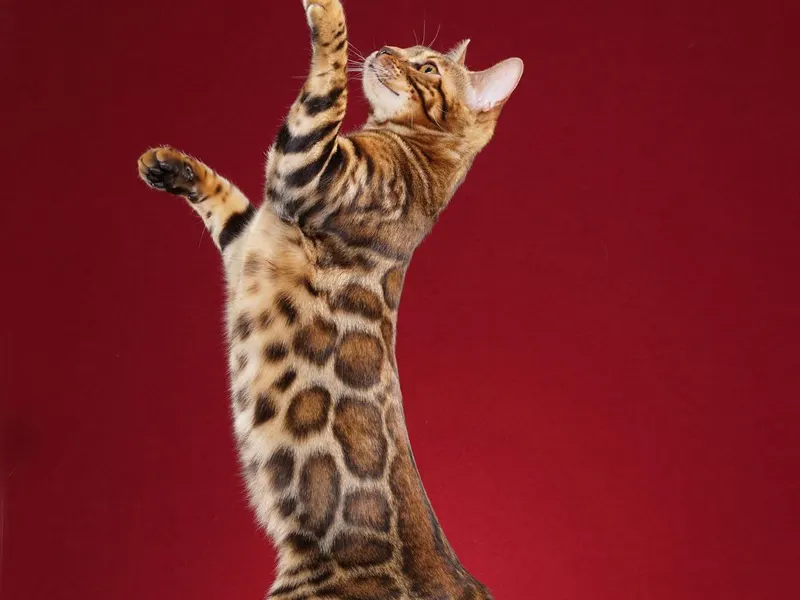
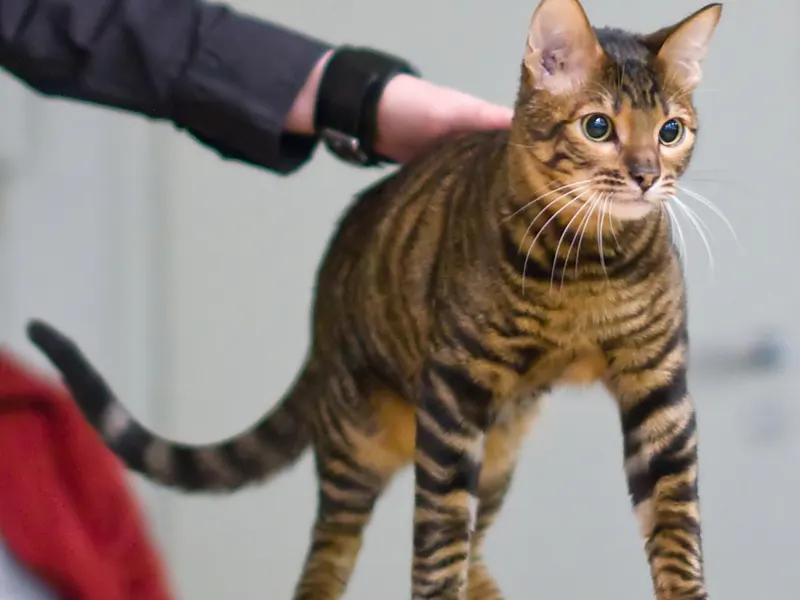
A sleek, pelt-like coat with spots or marbling, plus high energy and a love of climbing and play.

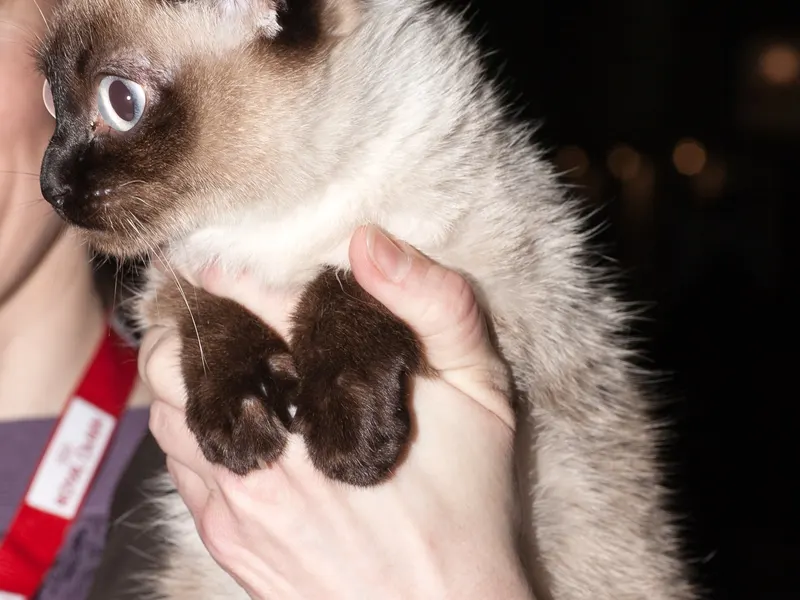
A fine, close-lying coat with color points, paired with a vocal, people-focused personality.
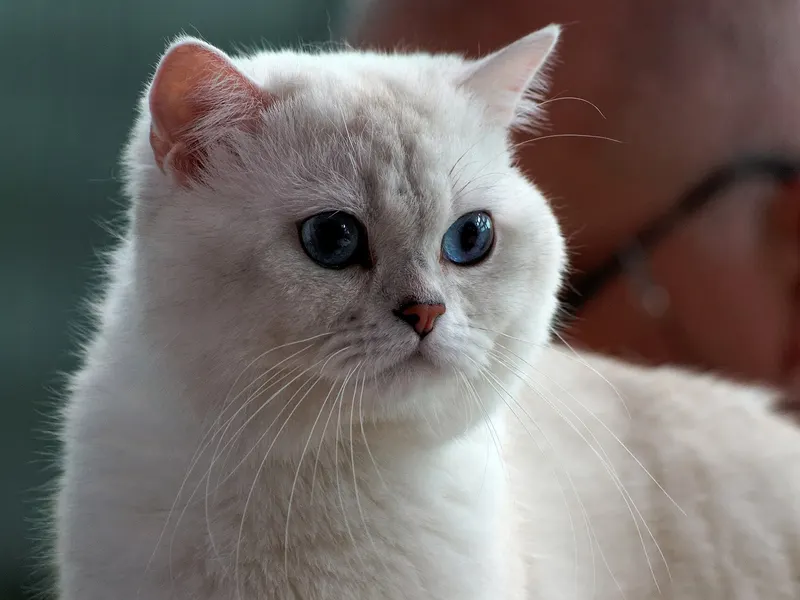
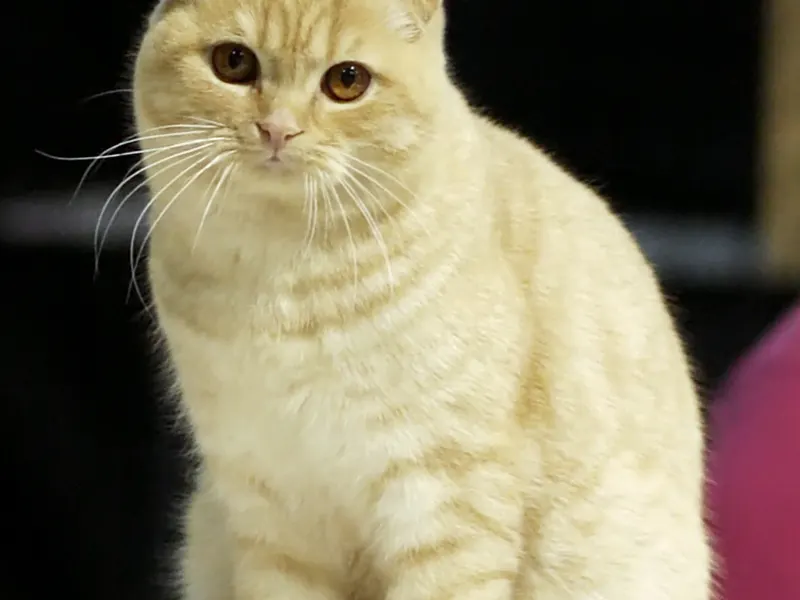
A dense, plush coat with a crisp feel, on a round, calm and fairly independent cat.
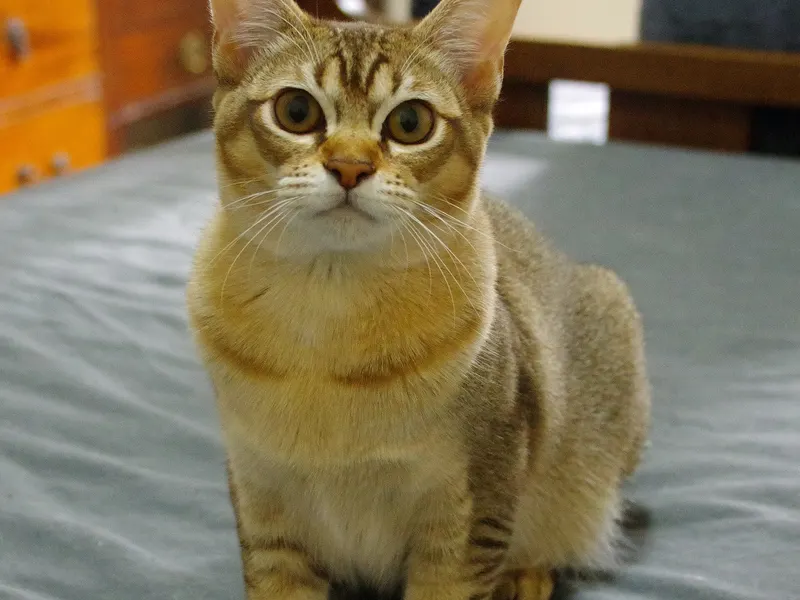
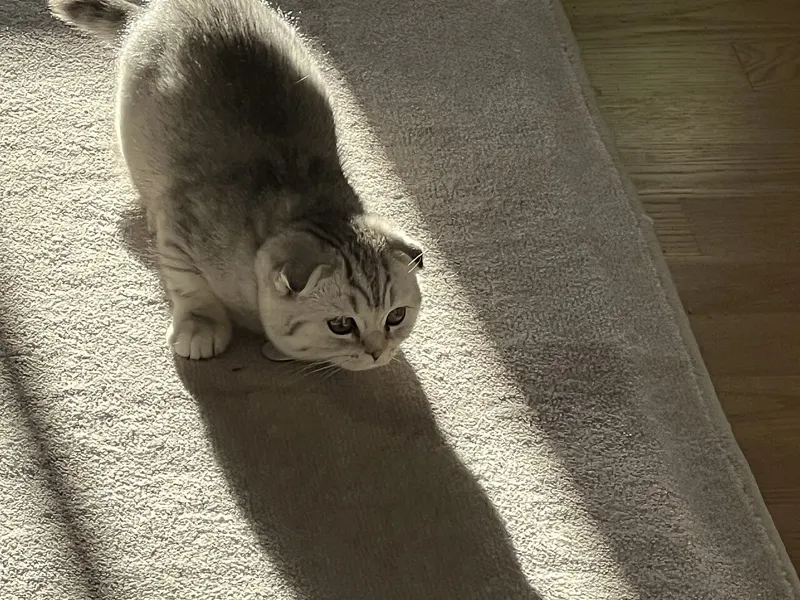
Short legs and a short coat define this small breed, though its leg length raises welfare questions.
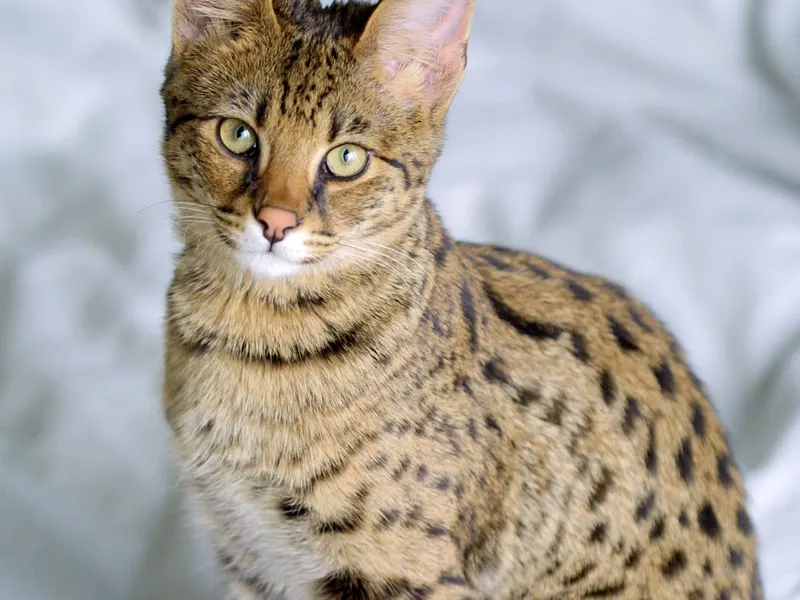
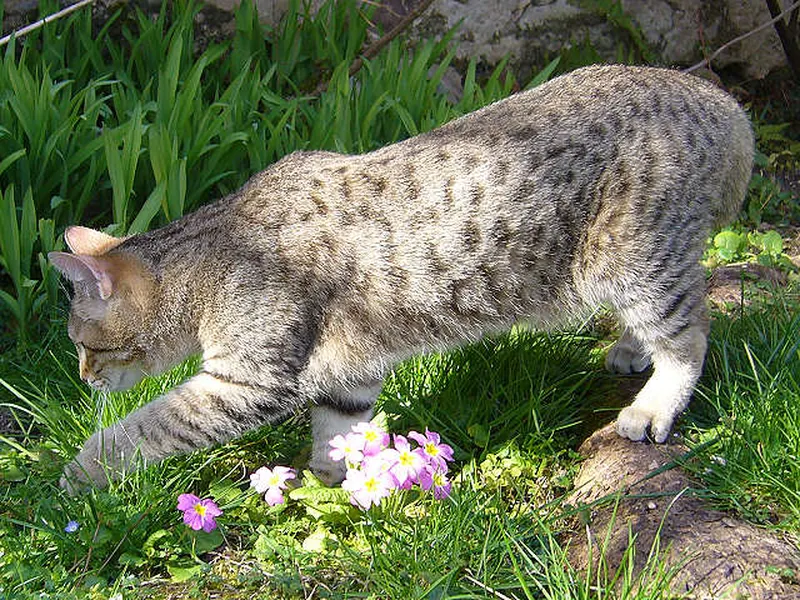
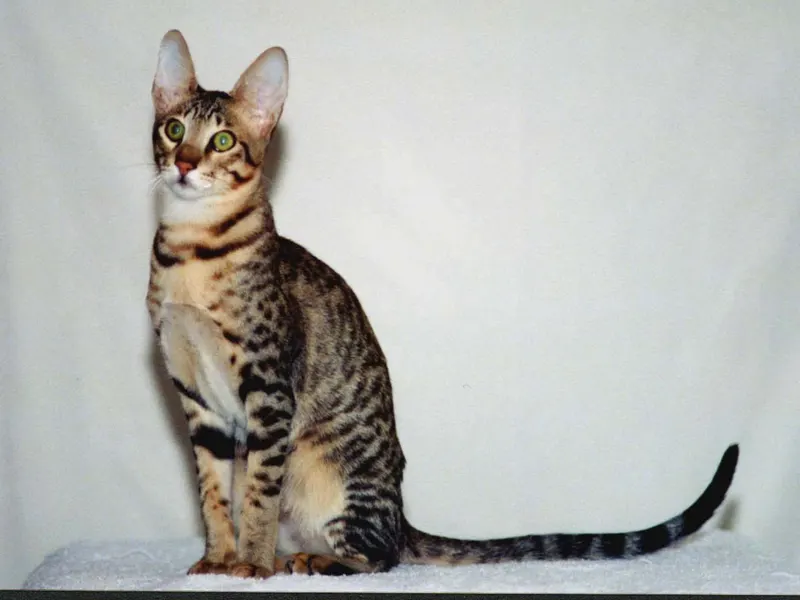
A short, spotted coat over a tall, athletic hybrid body that needs lots of space and activity.
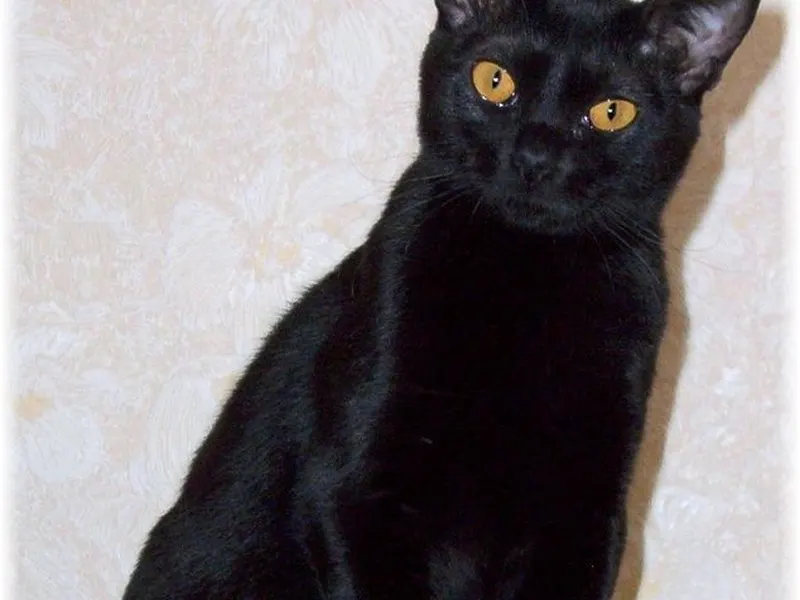
A glossy, close-lying black coat that looks like patent leather and needs very little grooming.
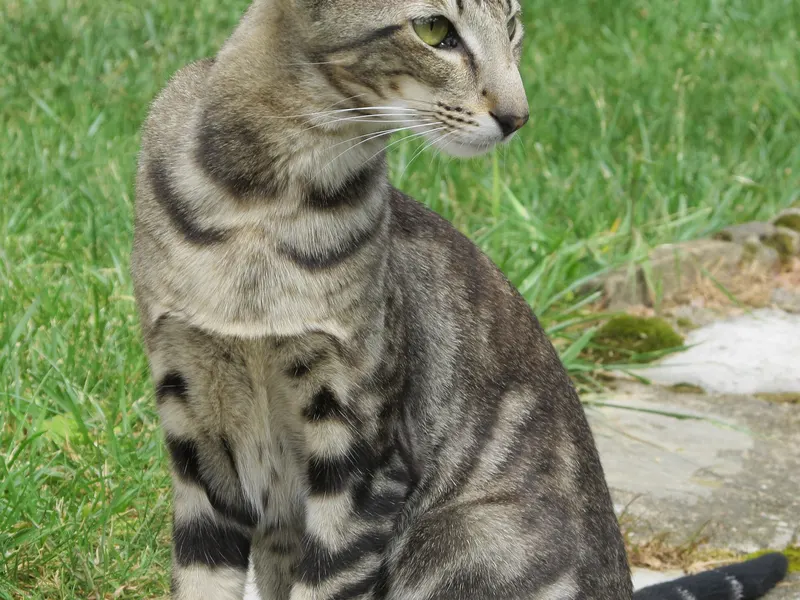
A very short, fine coat in a huge range of colors on a slim, elegant and talkative cat.
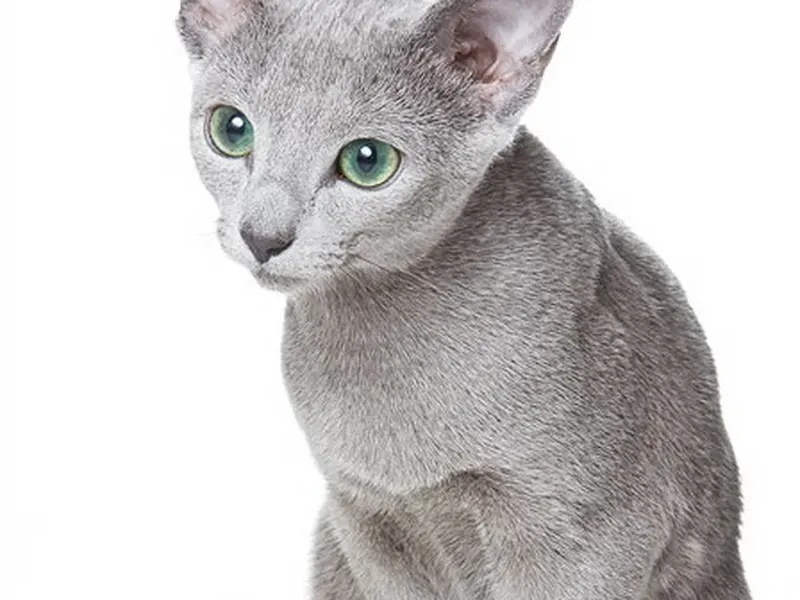
A short, dense double coat in silvery blue that stands out from the body and feels velvety.
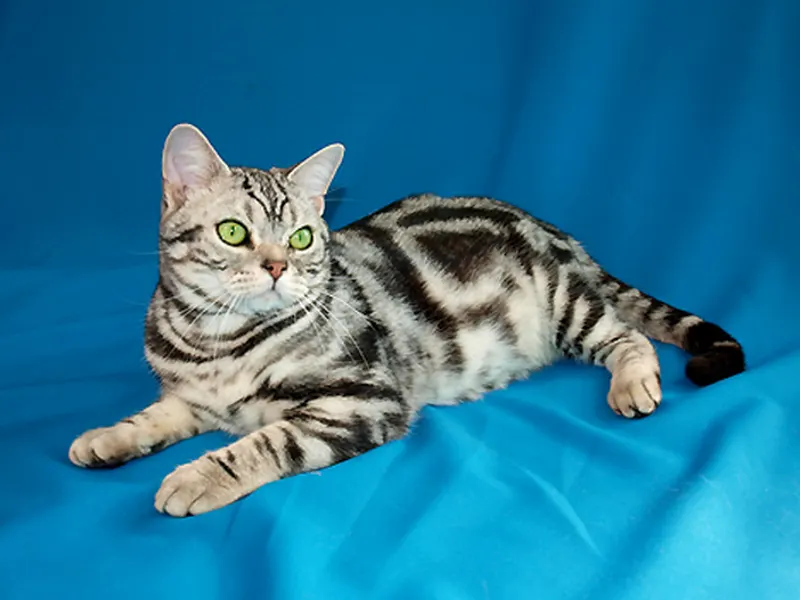
A thick, hard-wearing coat on a sturdy, adaptable cat with an even temperament.
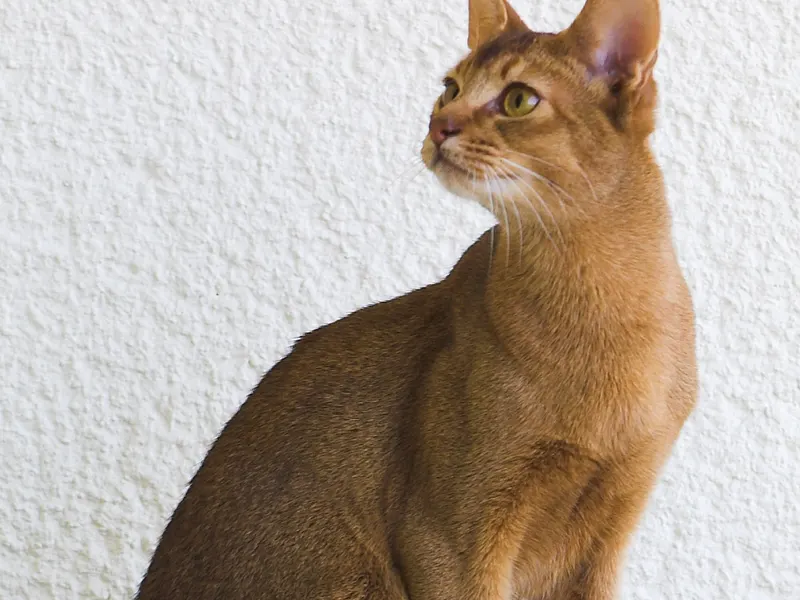
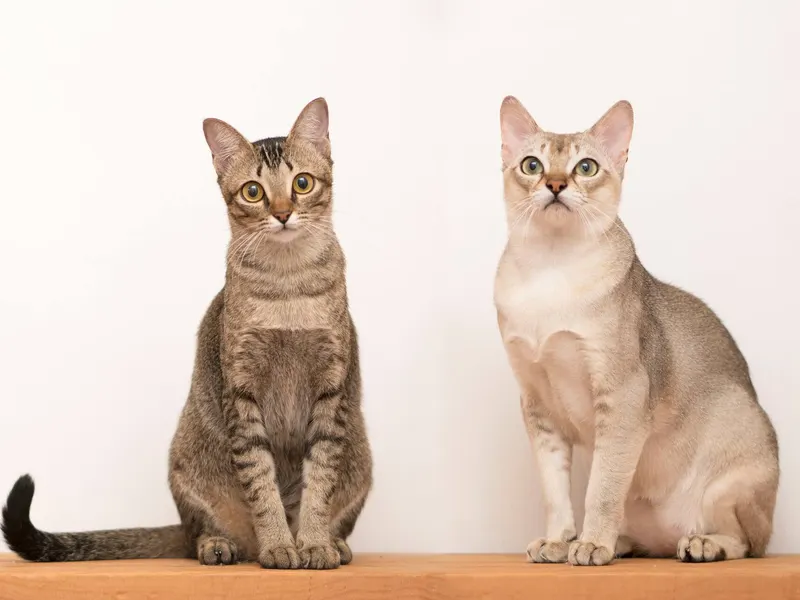
A short ticked coat with banded hairs gives a warm, shimmering look to this active, curious cat.
All Short-Haired Cat Breeds A to Z
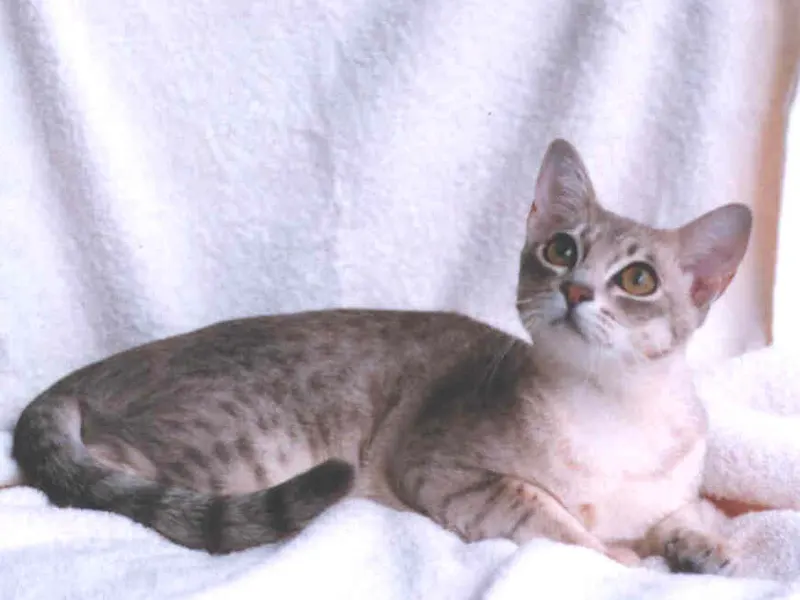
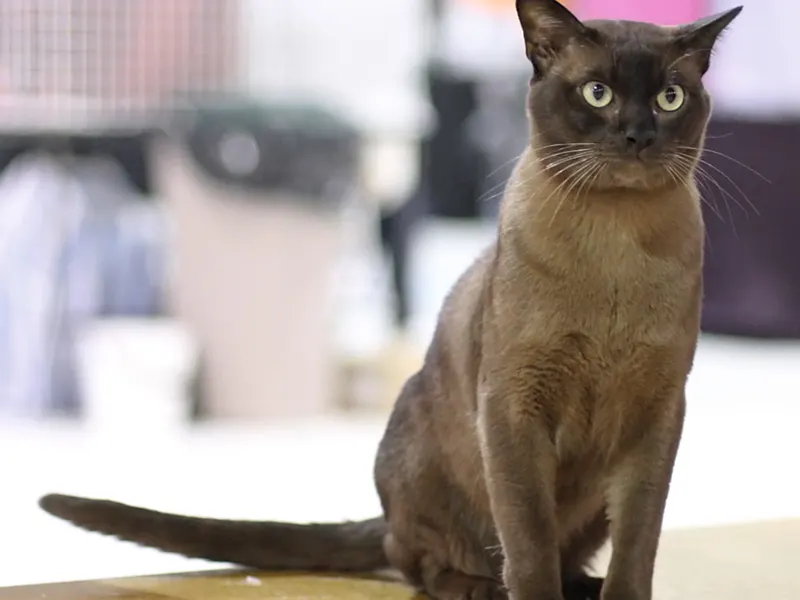
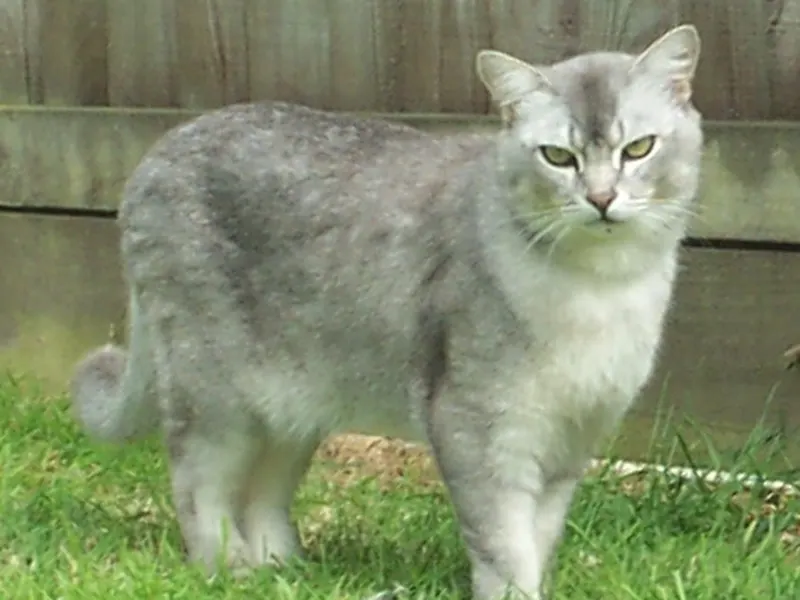
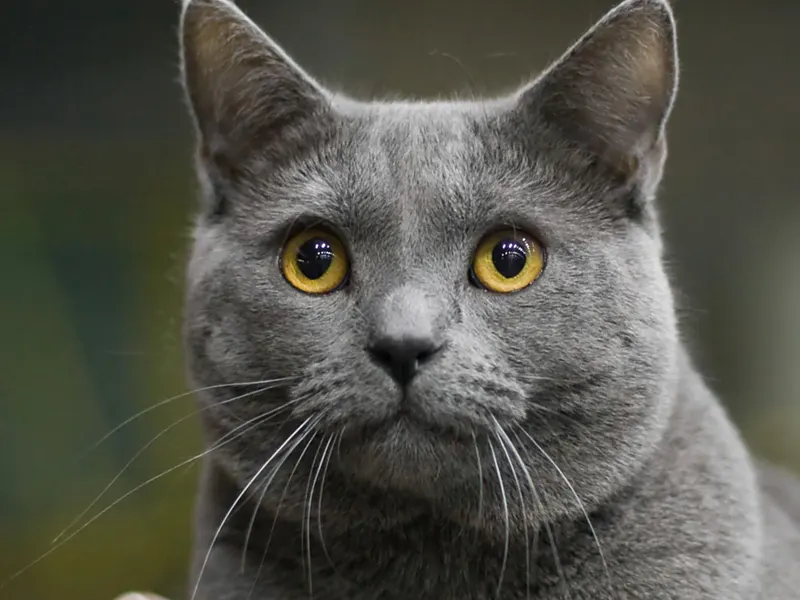
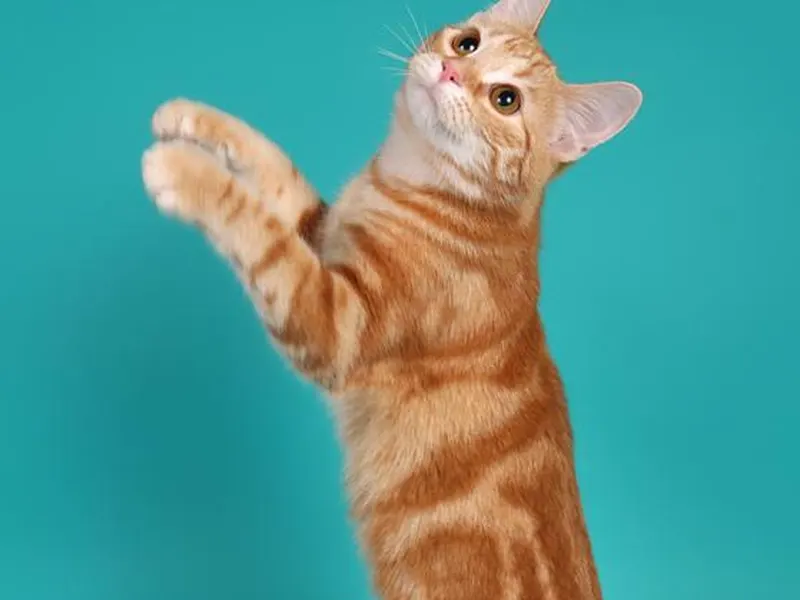
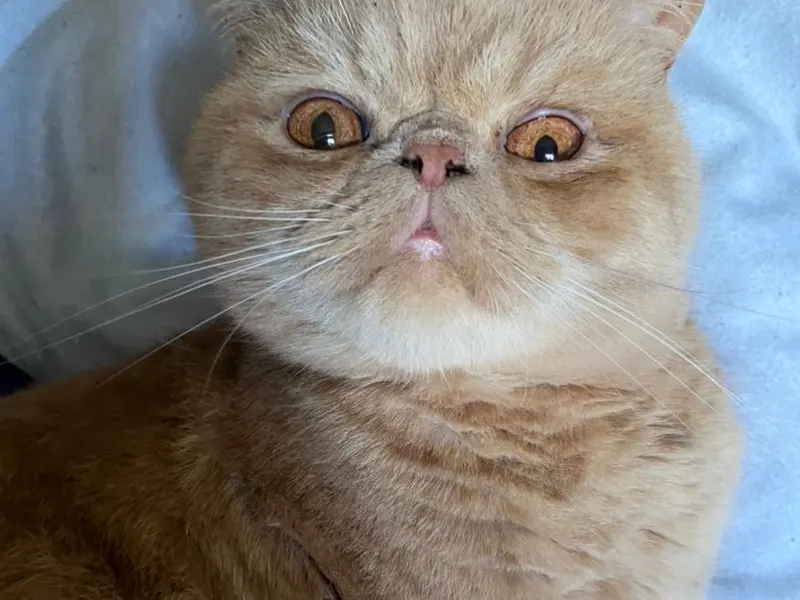
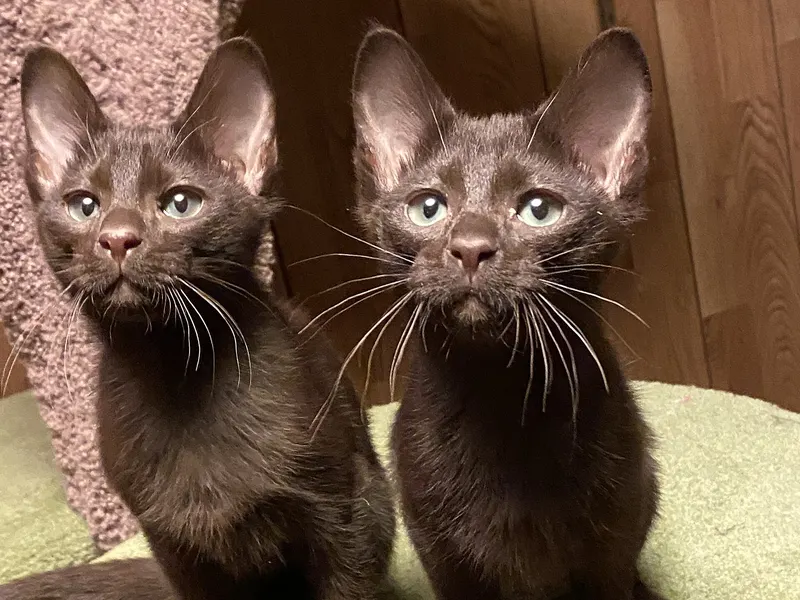
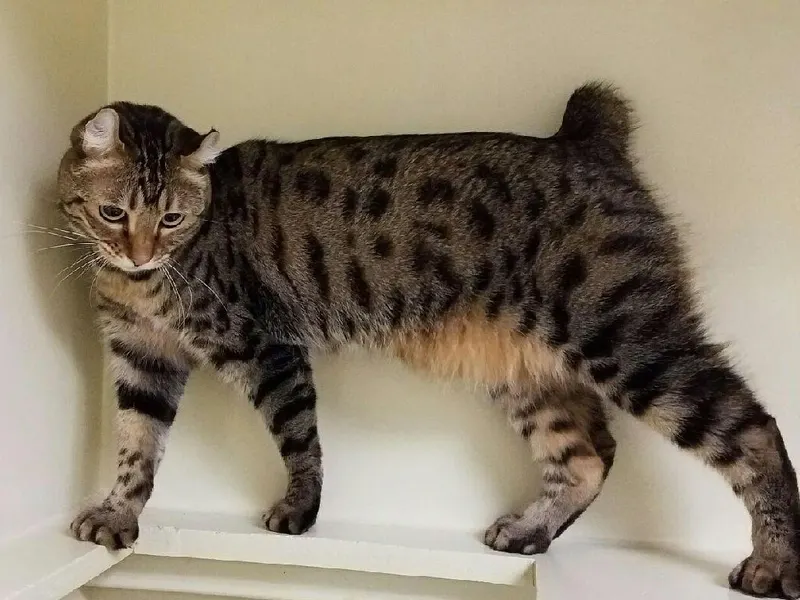
What Counts as a Short-Haired Breed?
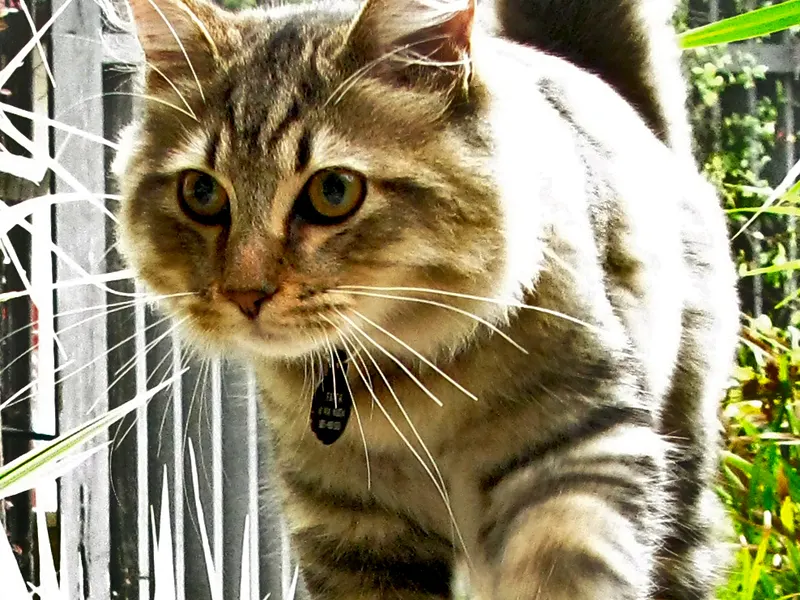
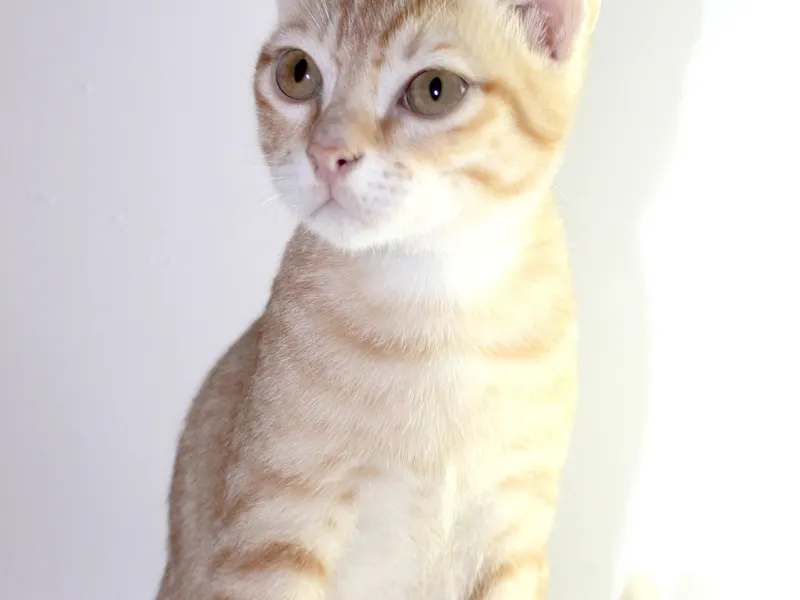
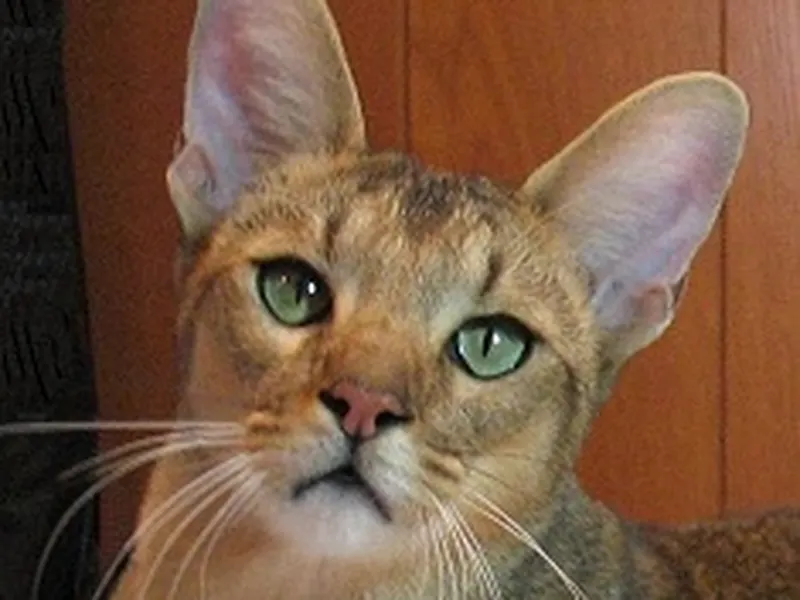
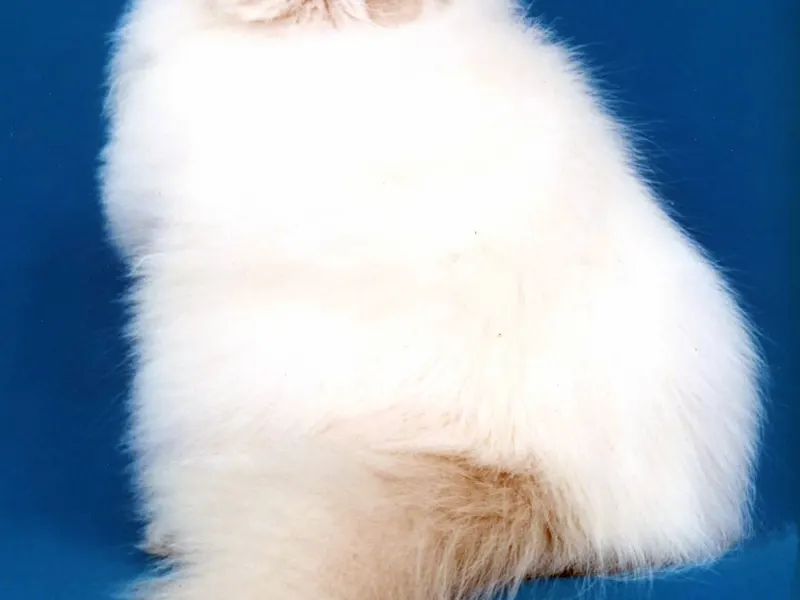
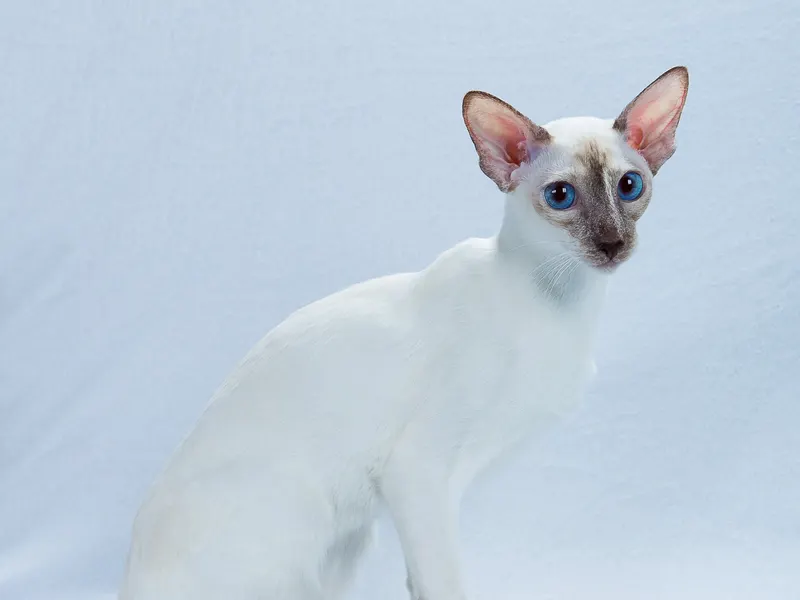
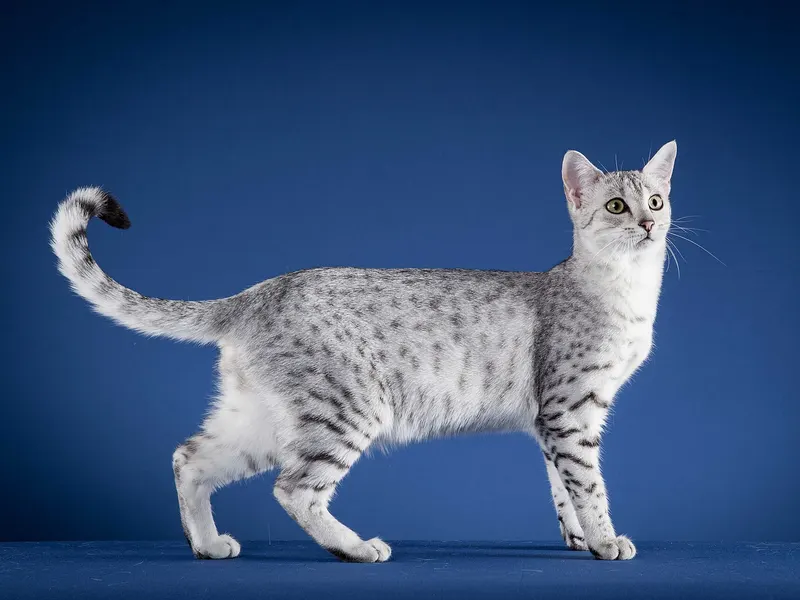
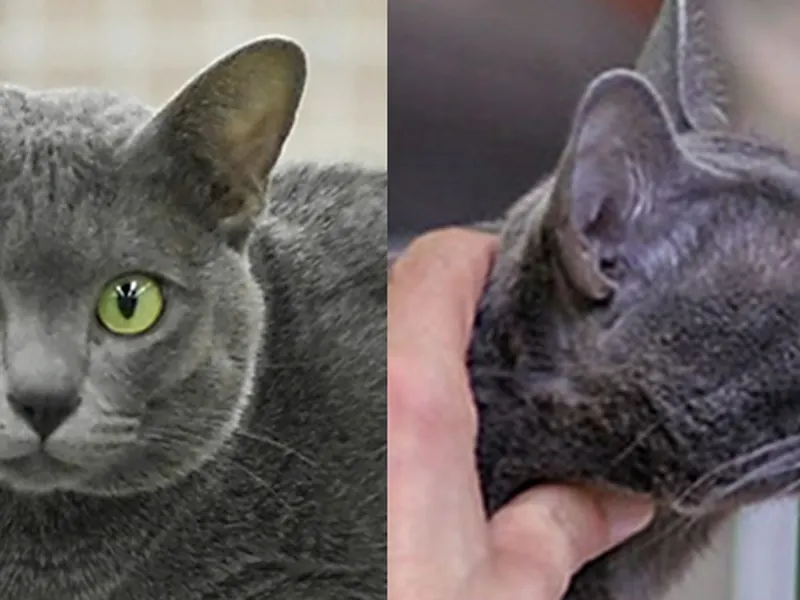
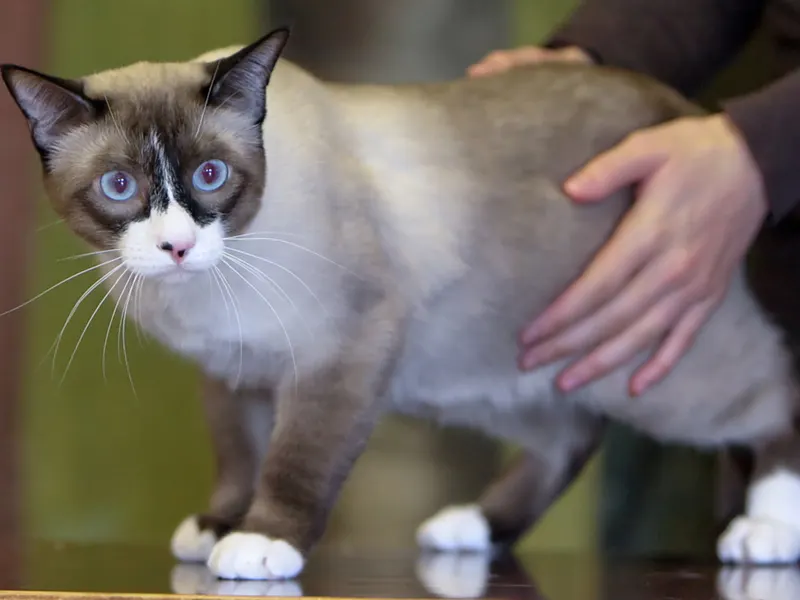
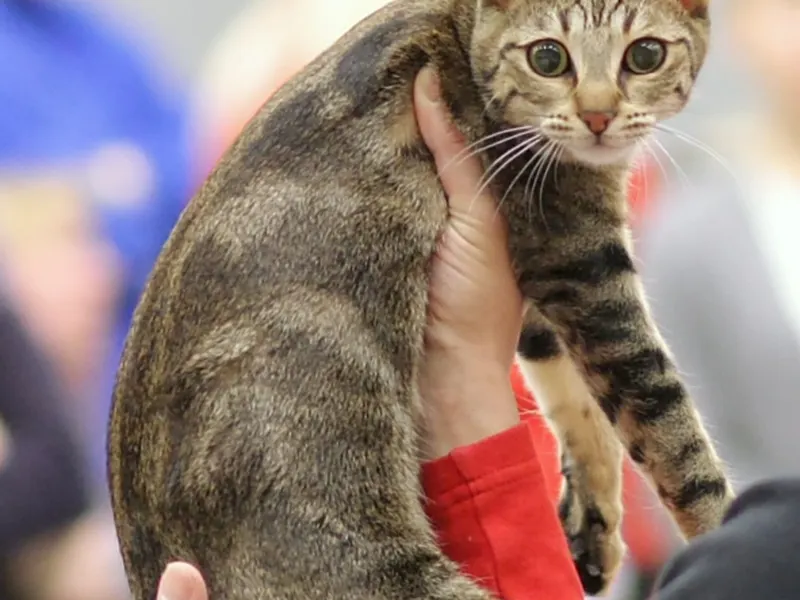
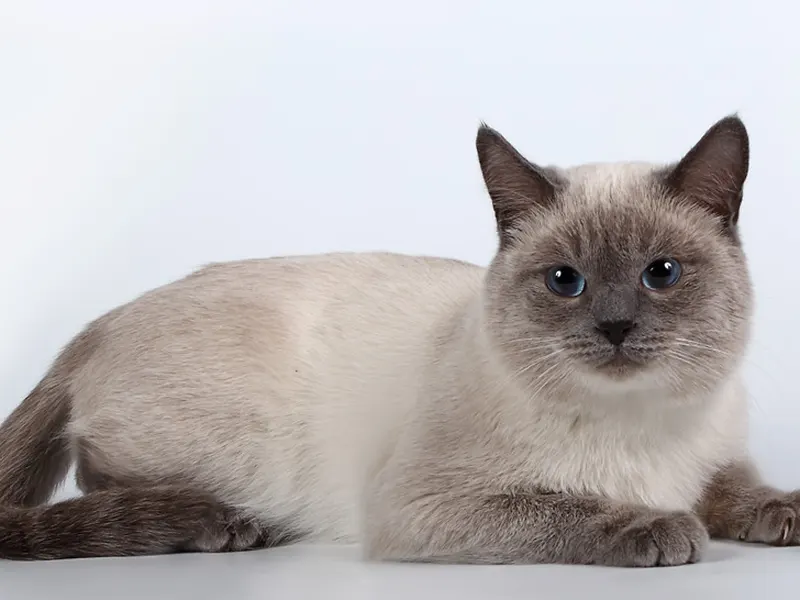
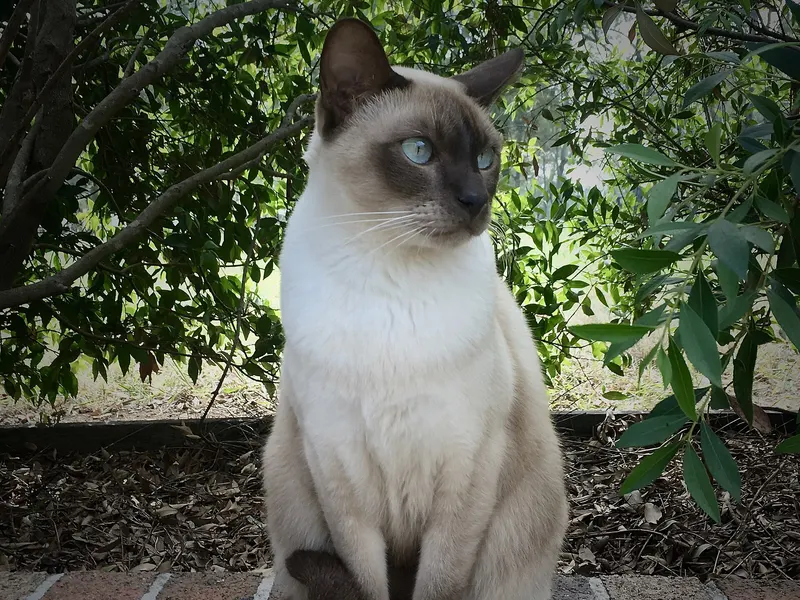
A short-haired breed has a coat that lies close to the body and rarely mats. Within that group the texture varies a lot. The Siamese and Oriental Shorthair have very fine, single coats. The British Shorthair, Russian Blue and Chartreux have dense, plush double coats that feel thick and can shed more than you might expect.
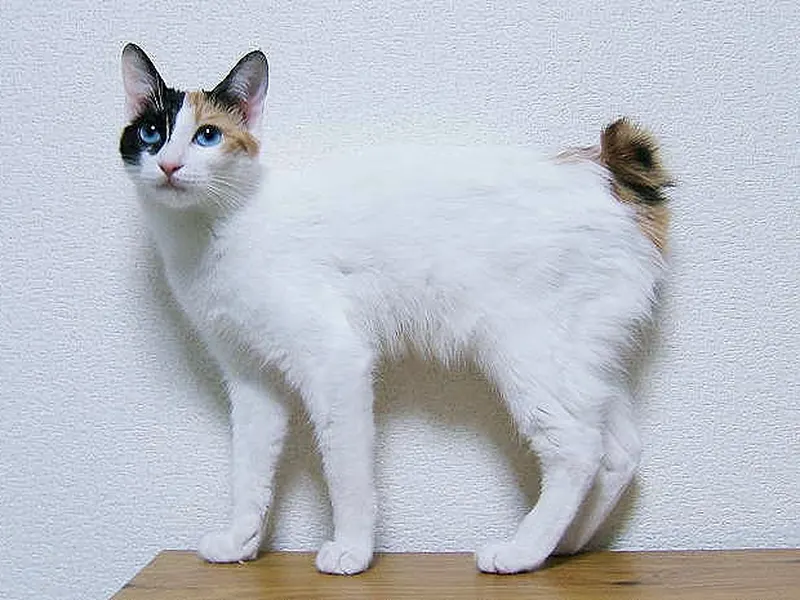
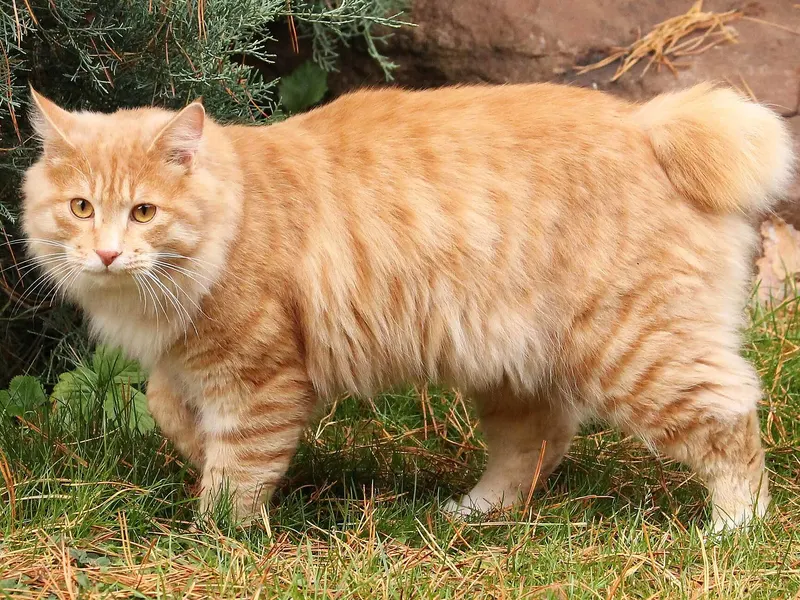
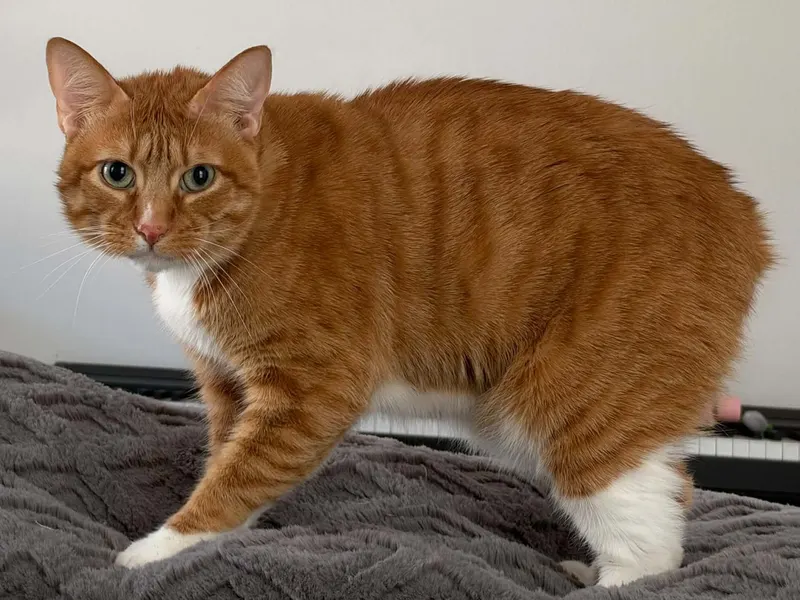
Some breeds also have a longhaired version, such as the British Longhair or the Cymric for the Manx, so check which variety a breeder offers.
Grooming and Shedding
Short coats need far less work than long ones, but they still shed. A weekly session with a rubber grooming mitt or soft brush removes loose hair and spreads skin oils. Double-coated breeds benefit from extra brushing during spring and fall sheds.
Fine single coats like the Siamese and Bombay shed less visibly. A short coat does not make a cat hypoallergenic, because the main allergen comes from saliva and skin, not hair.
Short coats also make health checks easier. You can spot lumps, fleas, skin irritation or weight changes at a glance, which is a real advantage with older cats.
Choosing by Personality, Not Coat
Short-haired breeds range from couch-loving to nonstop. A quick guide:
- Calm and steady: British Shorthair, American Shorthair, Chartreux, Russian Blue.
- Social and vocal: Siamese, Oriental Shorthair, Burmese, Tonkinese.
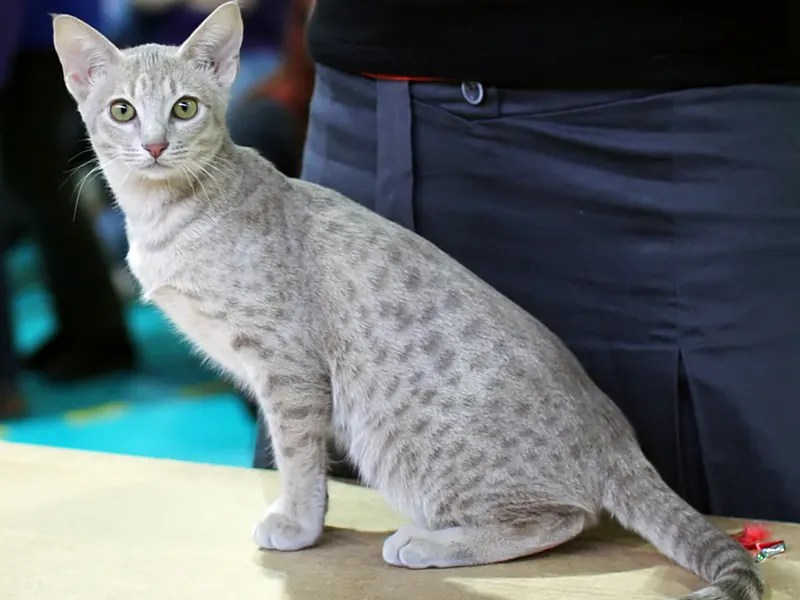
- High energy: Bengal, Abyssinian, Savannah, Ocicat, Egyptian Mau.
Pick for temperament first. Spotted, solid and tabby shorthairs exist in every one of these groups, so looks alone tell you little. An active breed in a quiet home often leads to boredom and destructive behavior.
Short Coats and Climate
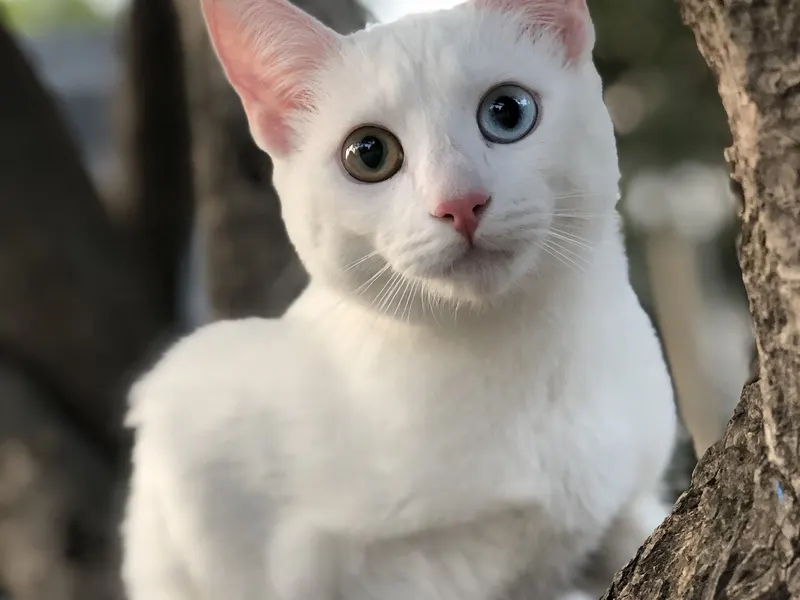
Short coats suit warm homes well, but very fine-coated breeds such as the Siamese and Oriental feel the cold. They often seek out laps, sunny windows and heated beds. Dense double coats like the Russian Blue and British Shorthair handle cooler rooms better. White or pale short-haired cats can sunburn on their ears and nose if they spend time outdoors or in strong window sun.
A dull, greasy or thinning coat in any shorthair is worth a vet visit, since it can signal skin, diet or hormonal problems.
Health and Welfare Notes
Several breeds here carry traits worth understanding. The Munchkin has short legs caused by a gene affecting bone growth, and vets and registries disagree about its welfare impact. The Exotic Shorthair has the flat face of the Persian, which can cause breathing and eye problems. The Manx tailless gene can cause spinal defects. Hybrids such as the Savannah, Bengal and Chausie are restricted in some states, cities and countries for certain generations.
Short-haired mixed-breed cats, the classic domestic shorthair, are the most common cats in shelters and offer the same easy coat care.
Frequently Asked Questions
Do short-haired cats shed less?
They shed less visible hair than long-haired cats, but dense double-coated breeds like the British Shorthair still shed noticeably, especially in spring and fall.
What is the most popular short-haired cat breed?
The British Shorthair and Siamese are among the most popular short-haired breeds, along with the Bengal.
Are short-haired cats better for allergies?
Not by default. The Fel d 1 allergen comes from saliva and skin, so short-haired cats still produce it. Some people react less to low-shedding cats.
How often should I brush a short-haired cat?
About once a week is enough for most, with extra sessions during seasonal sheds.
What is the difference between a domestic shorthair and a short-haired breed?
A domestic shorthair is a mixed-breed cat with a short coat and unknown ancestry. A breed has documented lineage and a written standard.
Not sure which cat breed fits you?
Answer 10 quick questions and get cat breeds ranked for your home, schedule and family.