Khao ManeeThailand's rare white diamond-eye cat
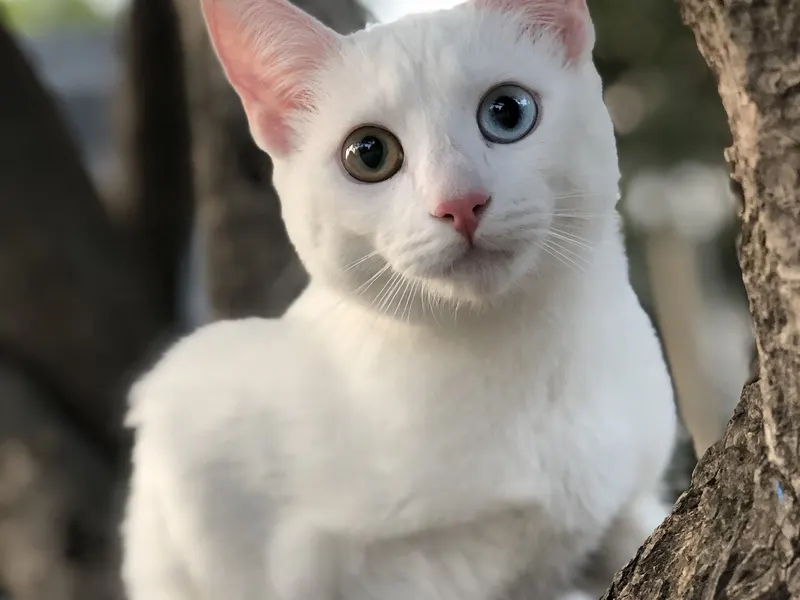
The Khao Manee is an ancient breed from Thailand with a pure white short coat and striking eyes, often one blue and one gold. It is affectionate, talkative and curious, and suits owners who want an engaged, social cat.
Why people love the Khao Manee
- Affectionate and very people-oriented
- Striking white coat and often odd-colored eyes
- Curious, intelligent and enjoys trick training
- Usually good with children and other pets
- Short coat needs only weekly brushing
Things to consider
- Higher risk of congenital deafness
- Talkative and can be demanding of attention
- Does not like long hours alone
- White ears and nose prone to sunburn
- Rare outside Thailand with long waiting lists
Is this breed right for you?
10 questions · live resultHistory and Origin
The name means white gem in Thai. White cats appear in the Tamra Maew, a collection of Thai cat poems and illustrations whose oldest surviving copies date back several centuries. The Khao Manee was traditionally associated with good fortune and long life and was kept by Thai royalty and nobility.
The breed remained largely unknown in the West until the late 1990s, when the first cats were imported to the United States and later to Britain. Since then it has been recognized by GCCF, FIFe, TICA and CFA, though numbers remain small outside Thailand.
Size, Colors and Coat
The Khao Manee is a medium-sized, muscular cat weighing roughly 6 to 12 lb, with a moderate, athletic build. Males are typically larger and more muscular than females, with broader heads and sometimes visible jowls.
The head is slightly heart-shaped or rounded, with high cheekbones and a medium-length nose. The ears are medium to large and set high. The eyes are large and oval or almond-shaped, and their color is one of the breed's most prized features:
- Blue
- Gold or yellow
- Green
- Odd eyes, usually one blue and one gold or green
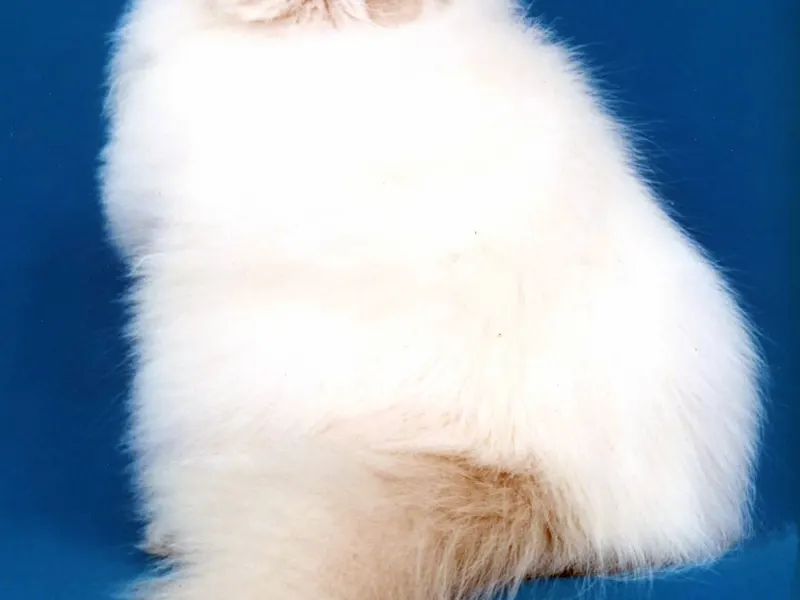
The coat is short, smooth and close-lying, always pure white. Some kittens are born with a small dark smudge on the head, often called a kitten cap, which usually disappears as the adult coat grows in. The body is medium length, with long legs and a long, tapering tail.
Personality and Temperament
Khao Manees are known for being outgoing, affectionate and vocal. They like to be with their people, will follow them from room to room and often meow to start a conversation.
They are curious and intelligent, enjoy learning tricks and can be quite demanding of attention. Most get on well with children and other pets. They can become bored or vocal if left alone for long hours.
Many Khao Manees greet their owners at the door and like to be carried around the house. They are confident cats that often investigate visitors rather than hiding. Their energy and need for interaction resemble other Thai breeds such as the Siamese, though their build is more moderate and muscular.
Is the Khao Manee Good for First-Time Owners?
Yes, for first-time owners who are home a lot and want a social, talkative cat. The Khao Manee is affectionate and adaptable, and its short coat needs little care.
Beginners should be ready for a cat that demands attention, talks often and does not like long hours alone. Ask breeders about hearing tests, as deafness is more common in white cats. Deaf cats can live happily indoors but need safe routines. Finding a kitten takes time, as the breed is rare outside Thailand, and a responsible breeder will be honest about the breed's high need for interaction.
Can Khao Manee Cats Be Left Alone?
For a normal workday, yes, but they do best when people are around often. Khao Manees are very social and can become bored, vocal or mischievous if left alone for long hours every day.
A second sociable cat can make a big difference in homes where people work outside the home. Puzzle feeders, climbing trees and window perches help keep them busy. Try to schedule interactive play before leaving and after returning. Owners who travel often or work very long hours may find the breed's need for company challenging.
Can Khao Manee Cats Live With Dogs?
Yes, most Khao Manees adapt well to cat-friendly dogs. They are confident and curious, and often investigate a new dog rather than hiding.
Introductions should still be gradual and supervised, with escape routes and high perches for the cat. Calm dogs that respect the cat's space are the best match. If your Khao Manee is deaf, take extra care, as it cannot hear a dog approaching and may startle easily. Watching for body language and using visual cues helps keep interactions safe.
Activity, Play and Enrichment
This is an active and playful breed.
- Provide climbing trees, wall shelves and window perches.
- Daily interactive play with wand and chase toys.
- Puzzle feeders and simple trick training engage their curiosity.
A second sociable cat can be a good companion for a Khao Manee in a home where people are out during the day.
Grooming and Shedding
The short, smooth white coat needs only a weekly brush. Shedding is light to moderate, though white hairs are easy to see on dark furniture and clothes.
White cats are more vulnerable to sunburn on the ears and nose, which can lead to skin cancer. Keep them indoors or provide shade, and avoid long sun-bathing in strong sunlight through open windows.
A white coat can show stains from food or outdoor dirt; spot-clean with a damp cloth rather than full baths. Clean around the eyes gently if tear marks appear.
Feeding and Nutrition
Khao Manees are active and muscular, so keep them lean and fit rather than letting them become heavy. Measure meals and adjust portions to the cat's activity and body condition.
- Feed adults two or three measured meals a day rather than free-feeding.
- Kittens need more frequent meals until around six months.
- Use puzzle feeders and trick training with small treats to engage their curious minds.
The white coat can show stains around the mouth and chin. Stainless steel or ceramic bowls, washed daily, and gentle face wipes after meals help keep the coat clean. Encourage drinking with a water fountain or wet food to support urinary health. Keep treats to a small share of the daily diet. Deafness is not a dietary issue, but deaf cats rely on routine, so consistent meal times help them feel secure.
| Adult weight | Indoor, less active | Typical adult | Active or intact |
|---|---|---|---|
| 6 lb | 150 kcal | 180 kcal | 210 kcal |
| 9 lb | 200 kcal | 240 kcal | 280 kcal |
| 12 lb | 250 kcal | 300 kcal | 350 kcal |
Estimates use the resting energy formula veterinarians work with (70 × body weight in kg0.75) and standard activity factors. Use the feeding guide on your food as a starting point and adjust to body condition. Kittens, seniors, pregnant animals and pets that need to lose weight have different needs, so ask your vet.
Health and Lifespan
Khao Manees typically live 10 to 15 years, though breed-specific health data is limited.
- Congenital deafness: white cats, especially those with one or two blue eyes, are at higher risk of deafness in one or both ears. Ask breeders whether kittens have had a BAER hearing test.
- Sun-related skin damage on lightly pigmented ears and nose.
Deaf cats can live full lives indoors but should not be allowed outside unsupervised, because they cannot hear traffic or predators.
Khao Manee Price and Cost of Ownership
The Khao Manee is rare in the US, with only a small number of breeders, and there is no reliable typical price range. Prices vary by breeder, region and lines, and some buyers import kittens from Thailand or Europe, which adds flights and paperwork. Expect to research breeders carefully and wait for a kitten.
Adoption options are very limited, though white cats with similar traits are common in shelters.
Breed-specific ongoing cost drivers include:
- BAER hearing tests if the breeder has not done them
- Window film or shade to protect white ears and nose from sunburn
- Vet checks of ears and nose for sun damage as the cat ages
- Interactive toys and climbing furniture for a social, active cat
Is the Khao Manee Right for You?
A Khao Manee suits owners who want a social, chatty cat and are around most of the day. They adapt well to indoor and apartment life with enough play and climbing space.
The breed is rare outside Thailand, so expect to research breeders carefully and wait for a kitten. Prices vary widely and there is no reliable typical range in the US.
When you contact breeders, ask about hearing tests, how kittens are socialized and whether the breeder is registered with one of the major registries. A good breeder will also be honest about the breed's high need for attention.
Khao Manee Traits at a Glance
Khao Manee FAQ
What color eyes do Khao Manee cats have?
Blue, gold, green or odd eyes (one blue and one gold or green). Odd eyes are especially prized.
Are Khao Manee cats deaf?
Some are. As in other white cats, especially those with blue eyes, deafness is more common than average, so hearing tests are recommended.
How big do Khao Manee cats get?
Adults typically weigh 6 to 12 lb (about 3 to 5.5 kg), with a medium, muscular build.
Are Khao Manee cats rare?
Yes. They are uncommon outside Thailand and only a small number of breeders work with them in the US and UK.
Are Khao Manee cats vocal?
Yes, they are known as a talkative breed that likes to communicate with its people.
Do Khao Manee cats shed?
They shed lightly to moderately. A weekly brush keeps the white coat tidy.