Cat Breeds With Blue EyesBreeds known for striking blue eyes
Breeds on this list have blue eyes as a typical or accepted feature, usually because of the colorpoint gene, white coat genes or a separate blue-eye mutation. This page explains where blue eyes come from and what they can mean for a cat's health.
Top 10 Cat Breeds With Blue Eyes
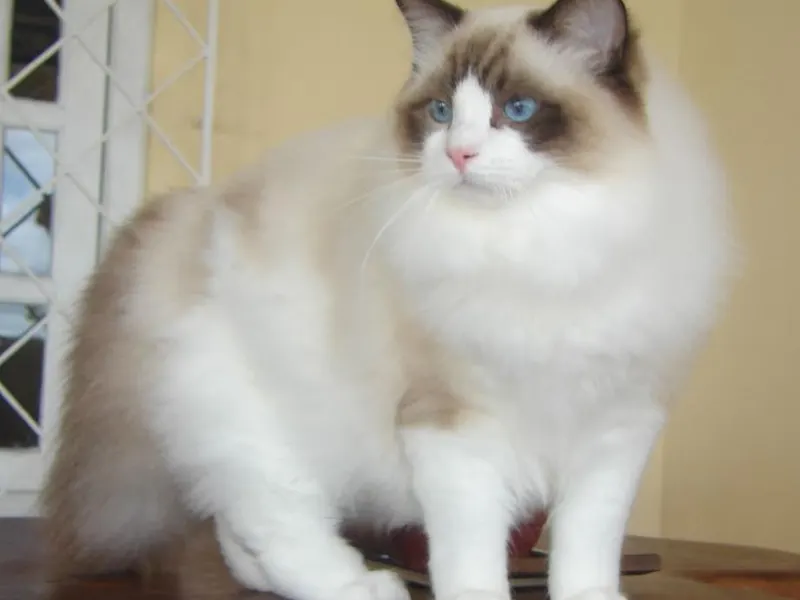
Every Ragdoll is colorpointed, so deep blue eyes are part of its breed standard alongside its gentle temperament.

The breed that made blue eyes famous, thanks to the temperature-sensitive colorpoint gene behind its points.

A Persian with Siamese-style points, which brings blue eyes to a long, flowing coat.
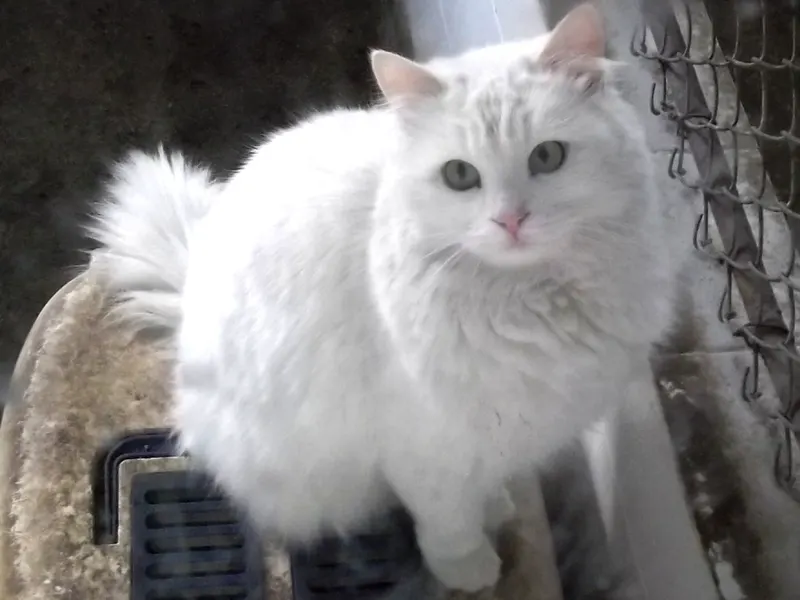
Often white, this silky breed can have blue, amber or odd eyes, one blue and one another color.
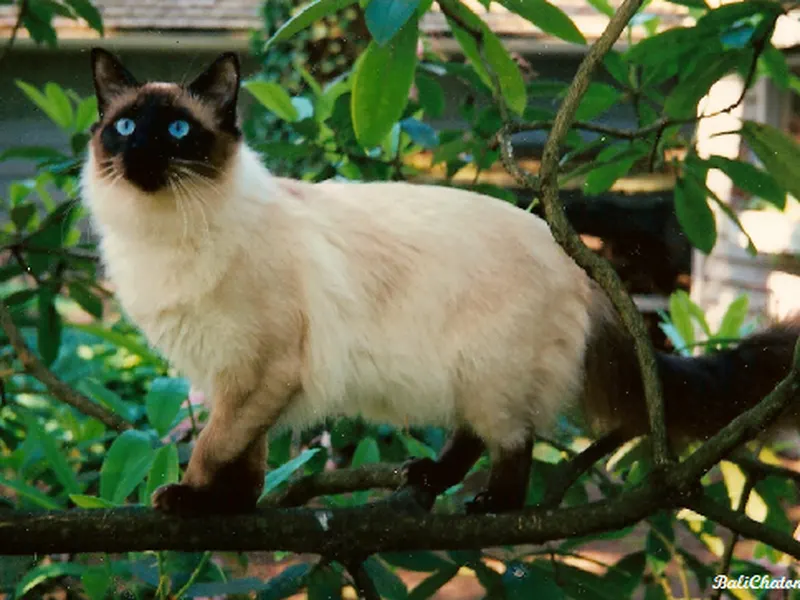
The longhaired version of the Siamese shares its sapphire eyes and pointed coat.
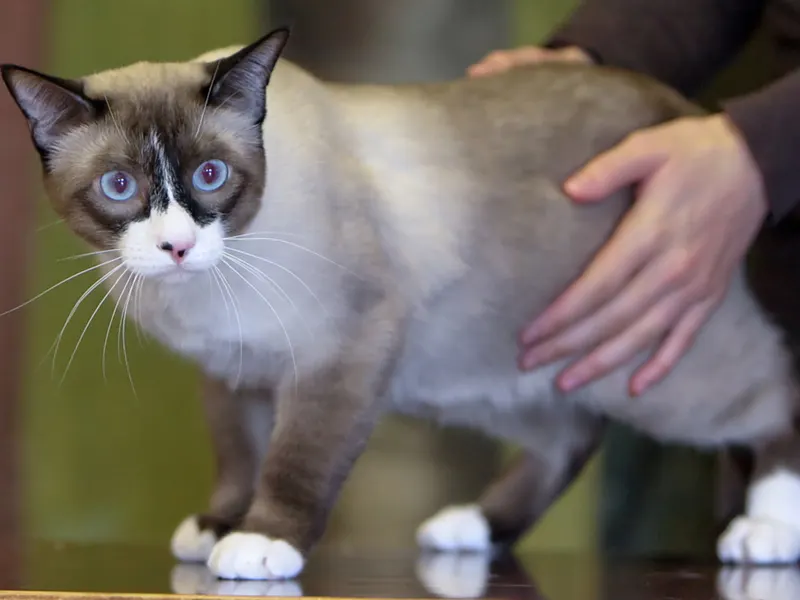
A pointed breed with white feet and blue eyes, combining colorpoint and white spotting genes.
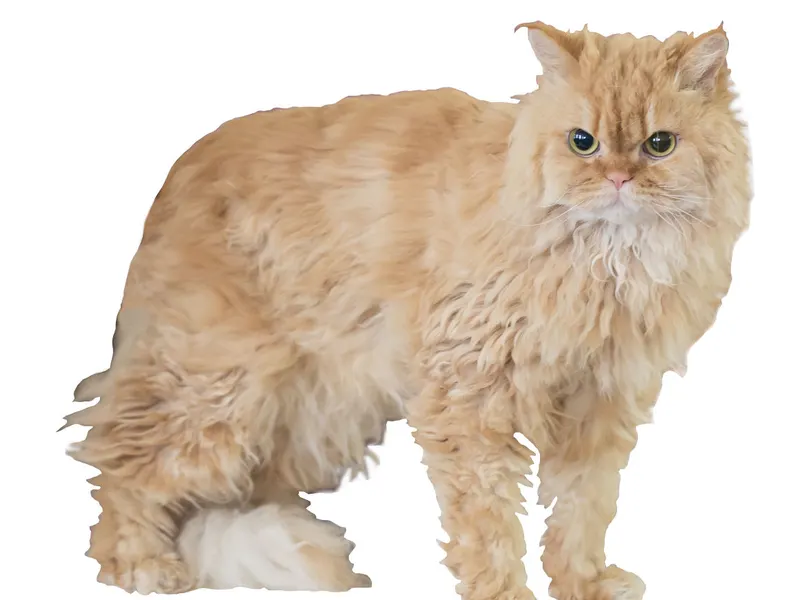
A colorpointed cat with white gloves on all four paws and round, deep blue eyes.
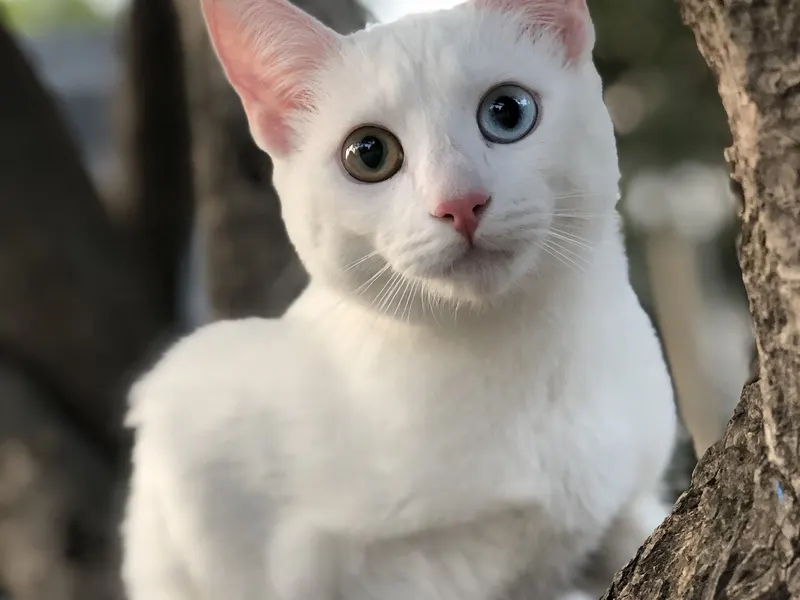
An all-white Thai breed often prized for blue or odd eyes, one blue and one gold or green.
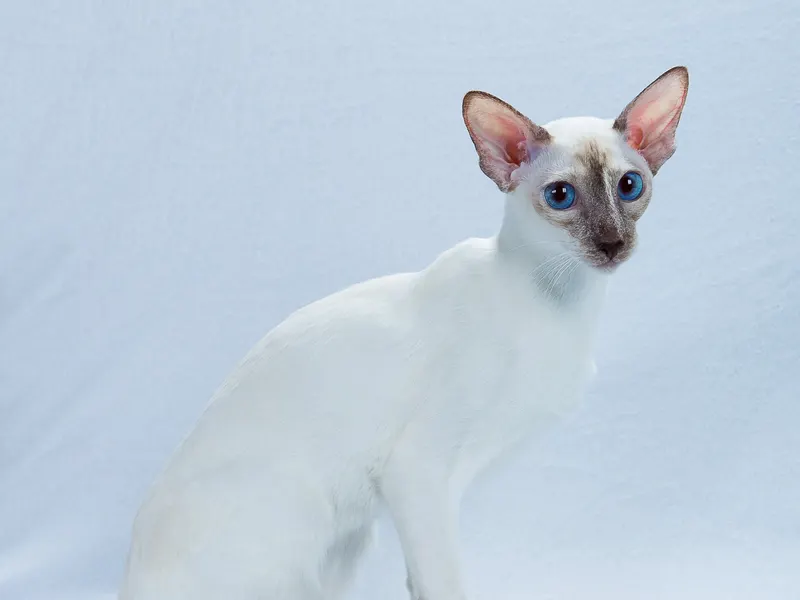
A Siamese-type breed in extra point colors, always with vivid blue eyes.
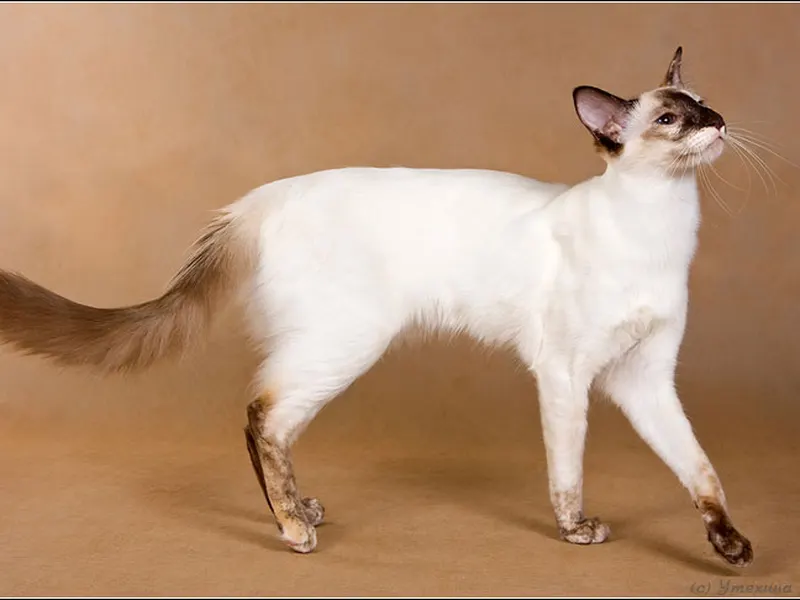
A semi-longhaired Siamese-type cat with blue eyes and a soft, silky coat.
All Blue-Eyed Cat Breeds A to Z
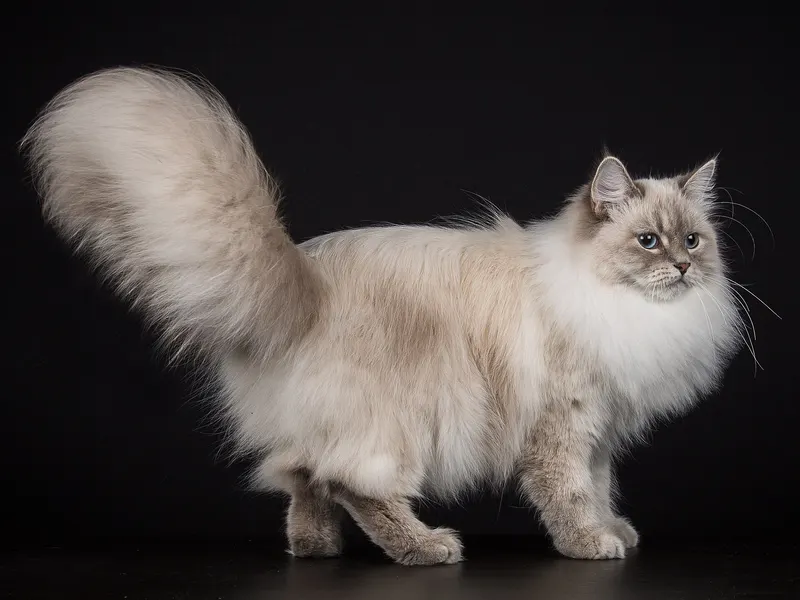
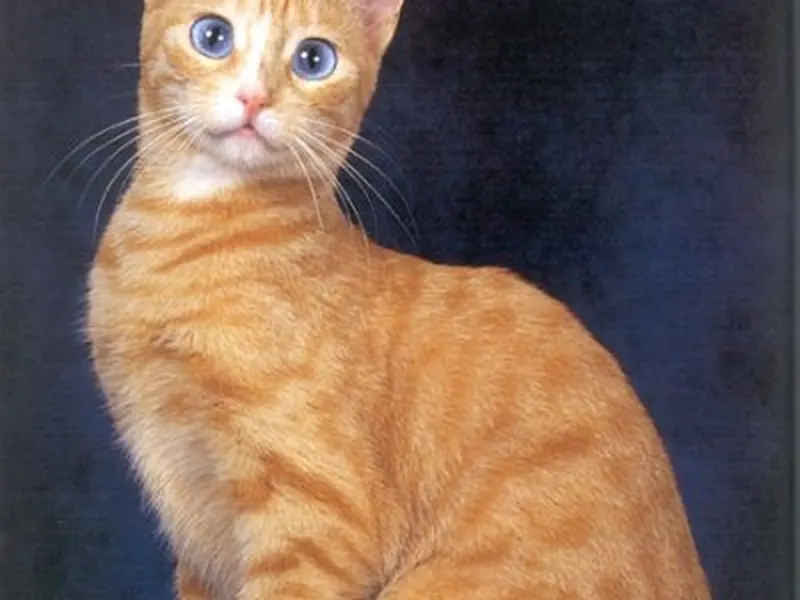
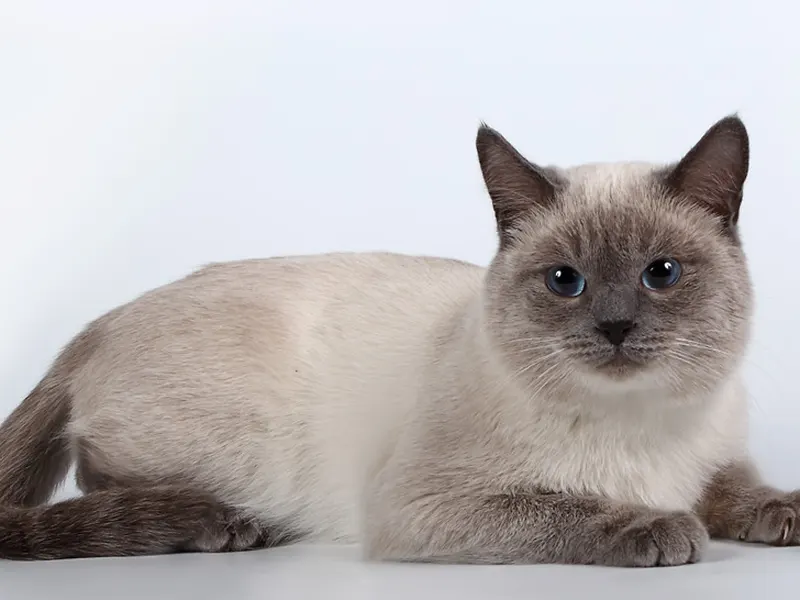
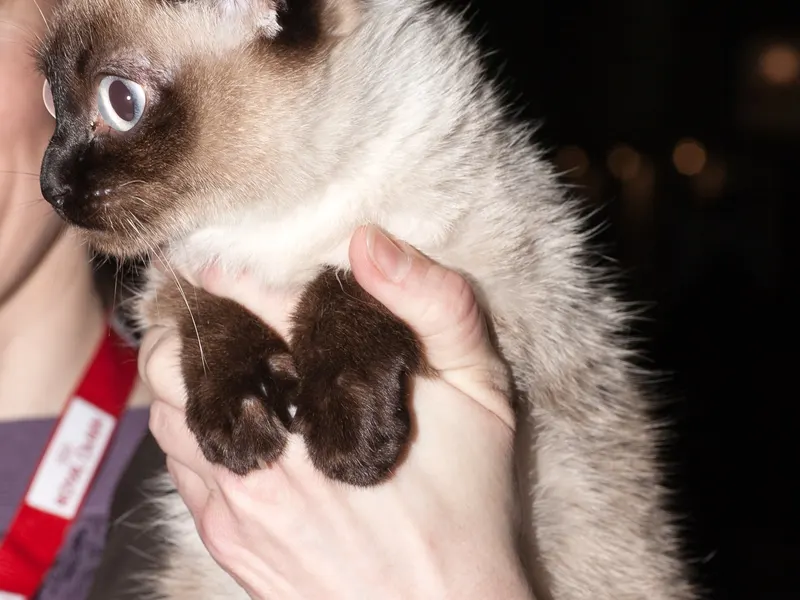
Why some cats have blue eyes
All kittens are born with blue eyes. Their adult color usually starts to appear after several weeks and settles over the first months. Blue eyes in adult cats come from a lack of pigment in the iris, and in breeds there are three main causes:
- The colorpoint gene: a temperature-sensitive form of albinism that limits color to the cooler points (face, ears, legs, tail) and always gives blue eyes. It explains the Siamese, Ragdoll, Birman, Himalayan, Balinese, Javanese, Snowshoe, Thai, Neva Masquerade and the pointed varieties of the Toybob.
- White genes: dominant white and extensive white spotting can remove pigment from the eyes too, which is why white cats like the Turkish Angora and Khao Manee may have blue or odd eyes.
- A separate mutation: the Ojos Azules carries a gene that gives blue eyes in cats of any coat color, without a pointed or all-white coat.
Blue eyes and deafness
In cats with a white coat, blue eyes are linked to a higher risk of congenital deafness, because the same genes affect pigment cells in the inner ear. A white cat with one blue eye may be deaf on that side. Pointed breeds like the Siamese and Ragdoll do not carry this link. If you consider a white, blue-eyed cat, ask whether the kitten has had a hearing test. Deaf cats live full lives indoors but need some adjustments, such as visual signals.
Some pointed cats also have slightly different vision pathways, which historically showed up as crossed eyes in Siamese lines. Good breeding has made this much less common.
Pointed coats up close
The colorpoint gene works like a thermostat. Pigment forms only where the body is cooler, which is why points are darkest on the ears, face, paws and tail. Pointed kittens are born almost white and their points darken over the first months. Cats living in cold homes or spending time outdoors in winter often grow darker coats, and a patch of fur that regrows after shaving can come back darker for a while.
Pointed breeds come in many point colors, including seal, chocolate, blue and lilac, and some breeds add tabby or tortie points. Whatever the point color, the eyes stay blue, with a shade that ranges from pale aqua to deep sapphire.
Choosing among blue-eyed breeds
Temperament and coat vary widely. The Ragdoll, Birman and Himalayan are calm and affectionate. The Siamese, Balinese, Colorpoint Shorthair and Javanese are talkative and need lots of interaction. The Snowshoe sits in between. Grooming ranges from daily for the Himalayan to weekly for most others.
Shelters often have pointed and blue-eyed mixed-breed cats too, so you do not need a pedigree to enjoy those striking eyes.
Watch for eye changes
A change in an adult cat's eye color, cloudiness or redness can signal inflammation or other eye problems. See your vet promptly if you notice anything unusual.
Frequently Asked Questions
Which cat breeds always have blue eyes?
Colorpointed breeds such as the Siamese, Ragdoll, Birman, Himalayan, Balinese and Snowshoe always have blue eyes because of the colorpoint gene.
Do all kittens have blue eyes?
Yes. Kittens are born with blue eyes, and their adult color develops over the first weeks and months.
Are blue-eyed white cats deaf?
Not always, but they have a higher risk of congenital deafness. A hearing test can confirm a kitten's hearing.
What does odd-eyed mean?
An odd-eyed cat has one blue eye and one of another color, usually gold, copper or green. It is common in white breeds like the Turkish Angora and Khao Manee.
Can mixed-breed cats have blue eyes?
Yes. Pointed or mostly white mixed-breed cats can have blue eyes, since the same genes occur outside pedigree breeds.
Not sure which cat breed fits you?
Answer 10 quick questions and get cat breeds ranked for your home, schedule and family.