Turkish AngoraAnkara's silky, quick-witted original
The Turkish Angora is a fine-boned, graceful cat with a silky single coat and a plumed tail, best known in white with blue, green, amber or odd eyes. Behind the elegant look is a lively, clever and rather bossy personality that suits people who enjoy an interactive cat.
Why people love the Turkish Angora
- Intelligent, confident and very engaging
- Silky coat with little undercoat rarely mats
- Athletic climber that loves play
- Often lives 12 to 18 years
- Generally good with active children and cat-friendly dogs
Things to consider
- Busy and demanding; not a calm lap cat
- Can be bossy with other cats
- White cats with blue eyes risk deafness
- Needs plenty of vertical space and stimulation
- Noisy when routines change
Is this breed right for you?
10 questions · live resultHistory and Origin
Longhaired cats from the Ankara region of Turkey (historically Angora) reached Europe by the 1600s and were prized in France and Britain. Over time they were used heavily in Persian breeding, and the original type largely disappeared outside Turkey.
The modern breed rests on a breeding program at the Ankara Zoo, which kept white Angoras, many with blue or odd eyes, as a national treasure. In the early 1960s American breeders imported cats from the zoo, and CFA accepted the Turkish Angora in 1968, initially in white only. Other colors were admitted in 1978. TICA, FIFe and the GCCF recognize the breed as well.
Size, Coat and Colors
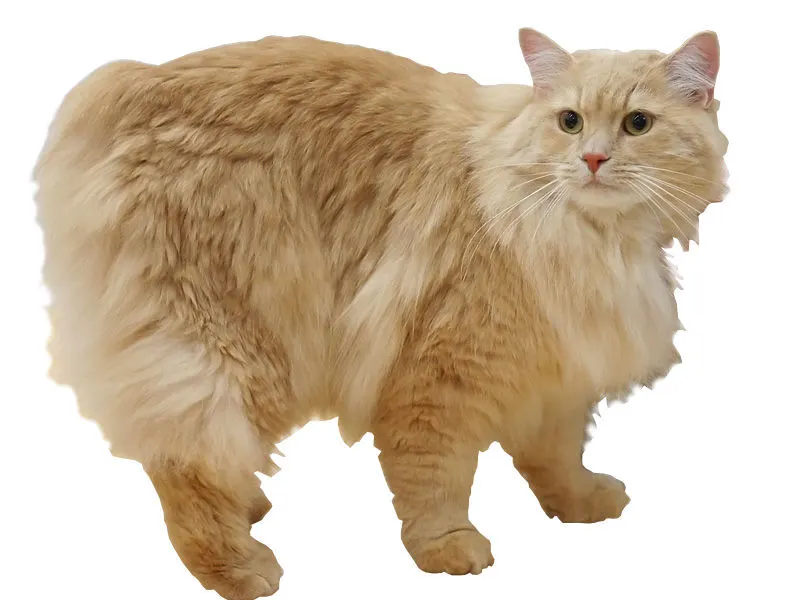
The Turkish Angora is a small to medium, fine-boned cat weighing roughly 5 to 10 lb. Males are larger than females, but both have a long, graceful body, long legs and an elegant, athletic build.
The head is a medium wedge with large, pointed ears set high and close together, often with tufts. The eyes are large and almond-shaped, in blue, green, amber, gold or odd colors (one blue and one amber or green). The tail is long, tapering and full, often described as a plume.
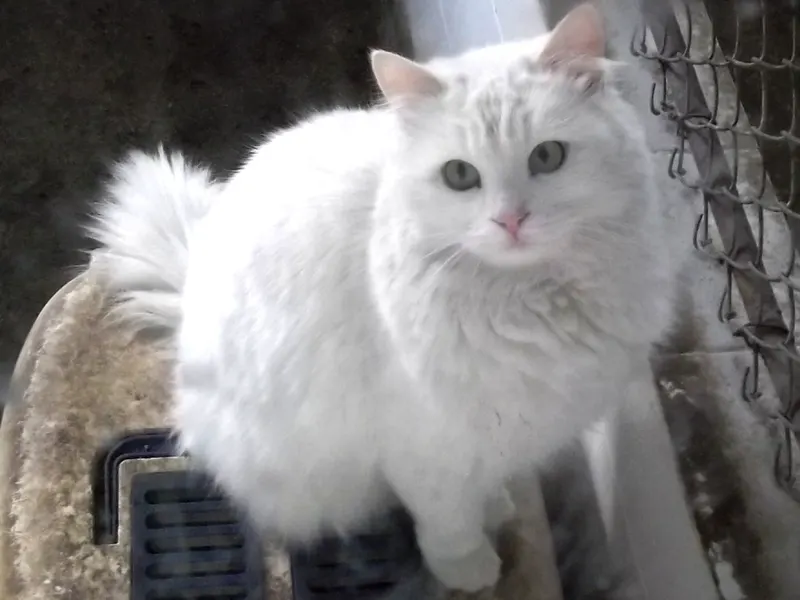
The coat is silky and fine with little or no undercoat, so it lies flat and rarely mats. It is shorter and sleeker in summer and fuller in winter, with a ruff on the neck and britches on the hind legs.
White is the classic and most famous color, but many colors and patterns are accepted, including black, blue, red, cream, tabby, tortoiseshell, calico, smoke and bicolor. CFA does not accept chocolate, lavender or pointed colors.
Personality and Temperament
Turkish Angoras are confident, alert and determined. They like to be in charge of the household, follow conversations and help with every task. They form strong bonds with their people and are affectionate, though often on the move rather than resting in a lap.
- Very intelligent: quick to learn routines, tricks and how to open cabinets
- Generally good with active children and cat-friendly dogs
- Can be bossy with other cats and prefer to be the ones setting the rules
- Moderately vocal
Many Turkish Angoras pick a favorite person but stay engaged with the whole family. They like to be involved in household routines, such as supervising unpacking groceries, and often settle on a shoulder or the back of a chair where they can see everything. Sudden changes to their routine can make them noisy and demanding until they adjust.
Are Turkish Angoras Lap Cats?
Generally no. Turkish Angoras are affectionate and form strong bonds with their people, but they prefer to be on the move rather than resting in a lap.
They show affection by following you, supervising household tasks and settling on a shoulder or the back of a chair where they can see everything. Some individuals enjoy short cuddles, especially in the evening, but most are too busy and curious for long lap sessions. If you want a cat that sits quietly in your lap for hours, a calmer breed may be a better fit.
Are Turkish Angoras Good for First-Time Owners?
Yes, if the owner is prepared for an active, intelligent cat. Turkish Angoras are affectionate, easy to groom and generally healthy, which makes them manageable for first-time owners.
The challenge is their energy and intelligence. They need daily play, tall climbing spaces and mental stimulation, or they may get into mischief. They can be bossy with other cats and noisy when routines change. First-time owners who enjoy interactive play and can provide an enriched home often do well with the breed.
Can Turkish Angoras Live with Dogs?
Yes, many Turkish Angoras live well with cat-friendly dogs. Their confidence means they often hold their own and may even take charge in the relationship.
Introductions should be slow and supervised, with high perches and escape routes for the cat. Dogs with high prey drive or rough play styles are a poor match. Turkish Angoras raised with a calm, respectful dog usually adapt well. Their bossy streak is more often directed at other cats than at dogs. Feed the cat on a counter or shelf the dog cannot reach.
Activity, Play and Enrichment
This is an athletic breed that loves height. Provide tall cat trees, shelves and safe high perches. Fetch, wand toys and food puzzles keep their minds busy. Many enjoy water, and some will investigate sinks or bathtubs.
Without enough stimulation they get into mischief, so rotate toys and schedule short play sessions through the day.
Grooming and Shedding
The coat is silky and fine with little or no undercoat, so it rarely mats. Comb once or twice a week; the coat is shorter and sleeker in summer and fuller in winter. White cats may need occasional wiping of tear stains. Shedding is moderate and increases with the seasonal coat change.
Feeding and Nutrition
Turkish Angoras are fine-boned and active, and they usually maintain a lean body condition. Feed a complete, high-quality diet in measured meals, adjusting portions to activity and body condition. Their slender build means weight gain is easy to spot.
Many Turkish Angoras do well with two or three meals a day, plus food puzzles that provide mental stimulation for this intelligent breed.
White cats may develop tear staining around the eyes, which can be linked to diet in some cases. If staining is heavy, discuss it with your vet.
Hypertrophic cardiomyopathy is reported in the breed, so regular veterinary checks are important. Keep cats lean, as extra weight adds strain on the heart. Fresh water should always be available, and many Turkish Angoras enjoy running water from a fountain. Weigh adult cats every few months, since a fine-boned 5 to 10 lb cat can lose or gain a meaningful amount without it showing under the silky coat.
| Adult weight | Indoor, less active | Typical adult | Active or intact |
|---|---|---|---|
| 5 lb | 130 kcal | 160 kcal | 180 kcal |
| 8 lb | 180 kcal | 220 kcal | 260 kcal |
| 10 lb | 220 kcal | 260 kcal | 300 kcal |
Estimates use the resting energy formula veterinarians work with (70 × body weight in kg0.75) and standard activity factors. Use the feeding guide on your food as a starting point and adjust to body condition. Kittens, seniors, pregnant animals and pets that need to lose weight have different needs, so ask your vet.
Health and Lifespan
Turkish Angoras often live 12 to 18 years. Health points to know:
- Deafness: white cats, especially those with blue eyes, have a higher risk of congenital deafness; odd-eyed cats may be deaf on the blue-eyed side. Ask for hearing (BAER) results
- Hypertrophic cardiomyopathy (HCM): reported in the breed; echocardiogram screening of breeding cats is advisable
- Hereditary ataxia: a rare, fatal neurological condition in kittens reported in Turkish Angora lines
Deaf cats can live full lives indoors but should not be allowed outside unsupervised.
Turkish Angora Price and Cost of Ownership
Typical breeder price in the US$800 to $2,000
A pet-quality Turkish Angora kitten from a reputable US breeder typically costs about $800 to $2,000. Prices vary by breeder, region and lines. Ask for hearing (BAER) results, especially for white kittens, and echocardiogram screening of parents for hypertrophic cardiomyopathy.
Turkish Angoras and Angora-type cats sometimes come into rescues and shelters.
Ongoing costs are moderate. Grooming is mostly do-it-yourself, as the coat rarely mats. Main cost drivers include tall cat trees, climbing shelves and toys for this active breed. Pet insurance is worth considering for heart conditions. Deaf cats need indoor-only living and possibly extra safety measures. Food costs are low for this small, fine-boned breed, and a fountain or extra water bowls are inexpensive additions many Angoras appreciate.
Is the Turkish Angora Right for You?
A Turkish Angora suits active homes that want an engaging, intelligent companion and can provide climbing space and daily play. It does well in apartments with enough enrichment.
It may be too busy for someone seeking a calm lap cat, and it can clash with dominant cats. Pet-quality kittens usually cost about $800 to $2,000 in the US, varying by breeder and region.
If you are choosing a white kitten, ask to see it react to sounds and request hearing test results. A deaf kitten can still be a wonderful pet, but you should know in advance so you can keep it safely indoors.
Turkish Angora Traits at a Glance
Turkish Angora FAQ
Are Turkish Angoras always white?
No. White is the classic color, but the breed is accepted in many colors and patterns, including black, red, tabby and bicolor.
Are white Turkish Angoras deaf?
Some are. White cats with blue eyes have a higher risk of congenital deafness, so ask the breeder for hearing test results.
Do Turkish Angoras shed?
Moderately. With no thick undercoat they shed less than many longhairs, and weekly combing usually keeps the coat tidy.
How big do Turkish Angoras get?
They are small to medium cats, typically 5 to 10 lb (2.5 to 4.5 kg), with a long, fine-boned body.
What is the difference between a Turkish Angora and a Turkish Van?
They are separate breeds. The Turkish Van is larger and more heavily built and is known for its van pattern, with color mostly on the head and tail.
How long do Turkish Angoras live?
Usually 12 to 18 years.