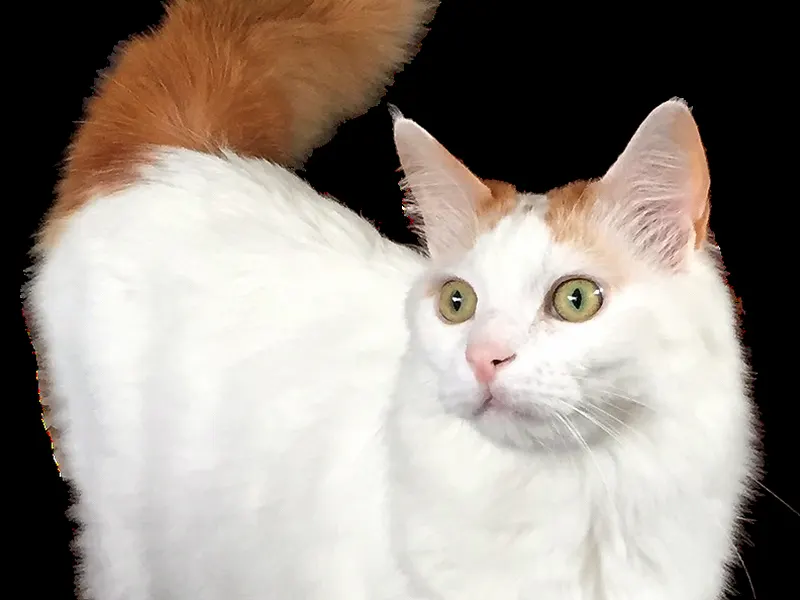
SomaliA fox-tailed Abyssinian with endless energy
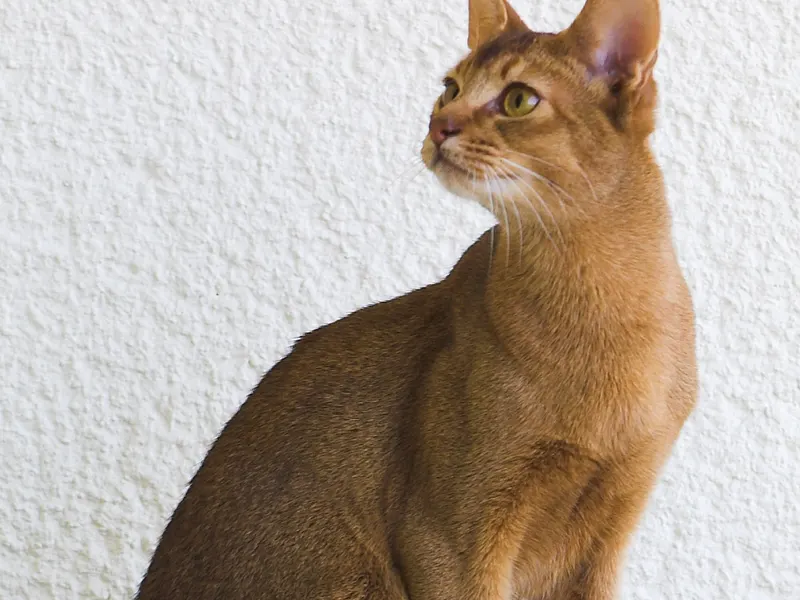
The Somali is the semi-longhaired version of the Abyssinian, with a ticked coat that glows in shades of ruddy and red and a full, fox-like tail. It is active, curious and comical, best suited to people who want a playful, involved cat rather than a quiet one.
Why people love the Somali
- Lively, curious and playful well into adulthood
- Usually quiet-voiced
- Generally good with active children and cat-friendly dogs
- Ticked coat mats less than many longhairs
- Friendly with visitors once they have checked them out
Things to consider
- High energy; needs several play sessions daily
- Mischievous: opens cupboards and steals small objects
- Not a calm lap cat
- Shares inherited conditions with the Abyssinian
- Gum disease is common
Is this breed right for you?
10 questions · live resultHistory and Origin
Longhaired kittens appeared in Abyssinian litters in several countries in the mid-20th century, likely from a recessive longhair gene introduced when Abyssinian lines were rebuilt after the Second World War. For years these kittens were quietly placed as pets.
In the 1960s American breeder Evelyn Mague began developing them as a breed and chose the name Somali, as Somalia borders Ethiopia (formerly Abyssinia). Breeders in Canada, Australia and Europe worked on them too. CFA recognized the Somali in 1979, and TICA, FIFe and the GCCF also recognize it.
Size, Ticked Coat and Colors
The Somali is a medium-sized, muscular cat weighing roughly 6 to 10 lb. Males are generally larger than females. The body is graceful, lithe and athletic, with a slightly arched back and long, slender legs.
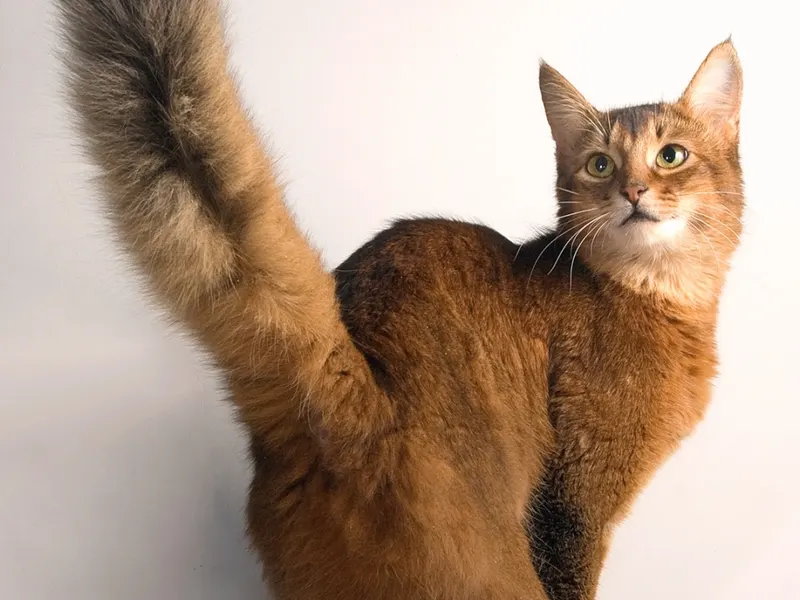
The head is a modified wedge with large, alert ears that are often tufted, and large, almond-shaped eyes in gold or green, outlined in a darker color. The tail is full and bushy, often described as a fox tail.
The coat is medium length, soft and fine, with a full ruff around the neck and britches on the hind legs. Each hair carries several bands of color (ticking), giving the coat a warm, glowing look.
In CFA, accepted colors are ruddy (the original warm brown), red (sorrel or cinnamon), blue and fawn. TICA, FIFe and the GCCF also accept additional colors, including silver variants. Darker shading along the spine and tail tip is typical.
Personality and Temperament
Somalis are lively, curious and playful well into adulthood. They want to be involved in what you do, though usually as an active helper rather than a lap warmer. They are generally quiet-voiced.
- Good with active children who play respectfully
- Usually friendly with cat-friendly dogs and other social cats
- Can be mischievous: opening cupboards, stealing small objects and exploring high shelves
They tend to be friendly with visitors once they have checked them out.
Their curiosity is the core of the breed. A Somali will investigate new shopping bags, climb to the top of open doors and supervise anything happening in the home. Many enjoy playing with water, and some learn to turn on taps. They thrive on attention and interaction, but they show it by being near you and involved rather than by lying still.
Are Somali Cats Lap Cats?
Generally no. Somalis are affectionate and love being involved in what you do, but they show it by being near you and active rather than lying still in a lap.
They prefer to be active helpers, supervising household tasks and following you from room to room. Some individuals enjoy short cuddles, especially after play, but most are too curious and energetic for long lap sessions. If you want a cat that sits quietly in your lap for hours, a calmer breed may be a better fit. Expect affection in the form of head bumps, company and constant supervision of whatever you are doing.
Are Somali Cats Good for First-Time Owners?
Yes, if the owner is prepared for an active, curious cat. Somalis are affectionate, friendly and fairly easy to groom, which makes them manageable for first-time owners.
The challenge is their energy and mischief. They need several play sessions daily, plenty of climbing space and mental stimulation. First-time owners who enjoy interactive play, can provide an enriched home and ideally have another active cat often do well with the breed. Their quiet voice and easy coat are real advantages for a beginner, and breeders can often match a kitten to your household.
Can Somali Cats Be Left Alone?
Somalis can handle short periods alone, but they thrive on interaction and can become bored or mischievous when left alone for long stretches.
A playful companion cat, often another Somali or an Abyssinian, helps a lot when owners are out. Provide climbing towers, puzzle toys and window perches to keep them busy. For long workdays, a pet sitter or play session before and after work can help. Somalis do best in households with company. Rotating toys every few days keeps the home interesting for such a curious cat, and a short play session before you leave helps it settle and rest while you are gone.
Activity, Play and Enrichment
Expect a high-energy cat. Somalis need several play sessions daily, climbing towers, wall shelves and puzzle toys. Many enjoy learning tricks and will fetch. A playful companion cat, often another Somali or an Abyssinian, helps them burn energy when you are away.
Indoor life works if the home is enriched; a secure catio or harness walks add variety.
Good choices include:
- Floor-to-ceiling cat trees and wall-mounted walkways
- Treat puzzles and food hidden around the home for foraging
- Clicker training sessions of a few minutes a day
Grooming and Shedding
The medium-length coat is soft and fine, and each hair carries several bands of color (ticking). It mats less than many longhair coats. Comb once or twice a week, more during seasonal shedding, when the tail and britches lose a lot of hair. Brush teeth regularly, as gum disease is common.
Feeding and Nutrition
Somalis are active, athletic cats, and they usually maintain a lean body condition with enough play. Feed a complete, high-quality diet in measured meals, adjusting portions to activity and body condition.
Many Somalis do well with two or three meals a day plus food puzzles and foraging games, which provide mental stimulation for this curious breed. Hiding food around the home suits their active nature.
Gingivitis and periodontal disease are common in the breed, so dental care, including regular brushing and veterinary dental checks, is important.
Renal amyloidosis is reported in the breed. Fresh water should always be available, and some owners add wet food to increase water intake. If your Somali is diagnosed with kidney disease, follow your vet's guidance on diet. Keep treats small and count them toward the daily total. Because the breed shares pyruvate kinase deficiency with the Abyssinian, report any lethargy, pale gums or appetite changes to your vet promptly.
| Adult weight | Indoor, less active | Typical adult | Active or intact |
|---|---|---|---|
| 6 lb | 150 kcal | 180 kcal | 210 kcal |
| 8 lb | 180 kcal | 220 kcal | 260 kcal |
| 10 lb | 220 kcal | 260 kcal | 300 kcal |
Estimates use the resting energy formula veterinarians work with (70 × body weight in kg0.75) and standard activity factors. Use the feeding guide on your food as a starting point and adjust to body condition. Kittens, seniors, pregnant animals and pets that need to lose weight have different needs, so ask your vet.
Health and Lifespan
Somalis usually live 12 to 16 years. They share several inherited conditions with the Abyssinian:
- Pyruvate kinase (PK) deficiency: an inherited anemia; a DNA test is available
- Progressive retinal atrophy (rdAc PRA): late-onset blindness; a DNA test is available
- Renal amyloidosis: protein deposits that damage the kidneys
- Gingivitis and periodontal disease
Look for breeders who DNA test parents for PK deficiency and PRA.
Somali Price and Cost of Ownership
Typical breeder price in the US$900 to $2,000
A pet-quality Somali kitten from a reputable US breeder typically costs about $900 to $2,000. Prices vary by breeder, region and lines. Ask for DNA test results for pyruvate kinase deficiency and progressive retinal atrophy (rdAc) on both parents.
Adult Somalis retired from breeding programs are sometimes available at lower cost, and occasional rescue cats can be found.
Ongoing costs are moderate. Grooming is mostly do-it-yourself. Main cost drivers include climbing towers, toys and puzzle feeders for this active breed, plus regular dental care and professional cleanings. Pet insurance is worth considering for kidney and dental issues. Food costs are modest for a cat of 6 to 10 lb, and a companion cat, often recommended for this social breed, doubles many routine expenses.
Is the Somali Right for You?
The Somali suits energetic households, families with older children and owners who enjoy interactive play and training. It does well with another active cat.
It is not ideal if you want a calm lap cat or will be out for long periods with no feline company. Pet-quality kittens typically cost about $900 to $2,000 in the US, varying by breeder and region.
Adult Somalis retired from breeding programs are sometimes available and can be a good option if you prefer to skip the busiest kitten stage.
Somali Traits at a Glance
Somali FAQ
What is the difference between a Somali and an Abyssinian?
Coat length. The Somali is the semi-longhaired form of the Abyssinian, with a fuller ruff, britches and bushy tail.
Do Somali cats shed?
Moderately, with heavier seasonal shedding. Combing once or twice a week keeps the coat tidy.
Are Somali cats hypoallergenic?
No. They produce the Fel d 1 allergen and shed like most semi-longhaired cats.
How big do Somali cats get?
They are medium-sized, usually 6 to 10 lb (about 3 to 4.5 kg).
Are Somali cats good with kids and dogs?
Generally yes, with active and respectful children and cat-friendly dogs.
How long do Somali cats live?
Typically 12 to 16 years.