Tabby CatsThe four patterns, the M, and the genetics
A tabby is not a breed but a coat pattern: stripes, swirls, spots or ticked hairs, usually with a distinctive M on the forehead. It is the most common pattern in domestic cats, and it appears in mixed-breed cats and in dozens of pedigreed breeds.
What is a tabby cat?
"Tabby" describes how a cat's coat is marked, not what breed the cat is. A tabby has a pattern of darker markings set against a lighter background, and the background hairs are banded with light and dark stripes along each individual hair.
Almost all tabbies share a few signature features:
- An M-shaped marking on the forehead
- Fine "pencil" lines running from the outer corners of the eyes
- Ringed tail and banded legs
- Dark rims around the eyes and lips, often with a pinkish nose outlined in a darker color
Because the pattern is so widespread, most tabby cats you meet in homes and shelters are mixed-breed domestic cats. Many pedigreed breeds also come in tabby, and a few are bred exclusively in one tabby pattern.
How the tabby pattern forms
Two layers of genetics work together to make a tabby.
The agouti gene (A) decides whether individual hairs are banded. A cat with at least one dominant A copy has agouti hairs with alternating light and dark bands, which creates the lighter "background" color. A cat with two recessive copies (a/a) is non-agouti, meaning its hairs are solid colored, so the cat looks solid black, blue or another solid color.
Tabby pattern genes decide the layout of the darker markings. Every cat carries a tabby pattern in its genes, even solid cats. In a non-agouti cat the background turns dark too, so the pattern is mostly hidden. That is why many solid black kittens show faint "ghost" stripes that fade as they grow, and why some black adults show stripes in bright sunlight.
Researchers have linked the classic and mackerel patterns to a gene called Taqpep, where the classic (blotched) form is recessive to mackerel. The ticked pattern is controlled by a separate gene and is dominant, so it can mask the other patterns. Spotted tabbies are generally understood as mackerel or classic patterns broken up into spots by modifying genes, though the exact genetics are still being studied.
One important exception: orange and cream cats almost always show tabby markings, even if they are genetically non-agouti, because the orange gene overrides the agouti effect on the coat.
The four tabby patterns
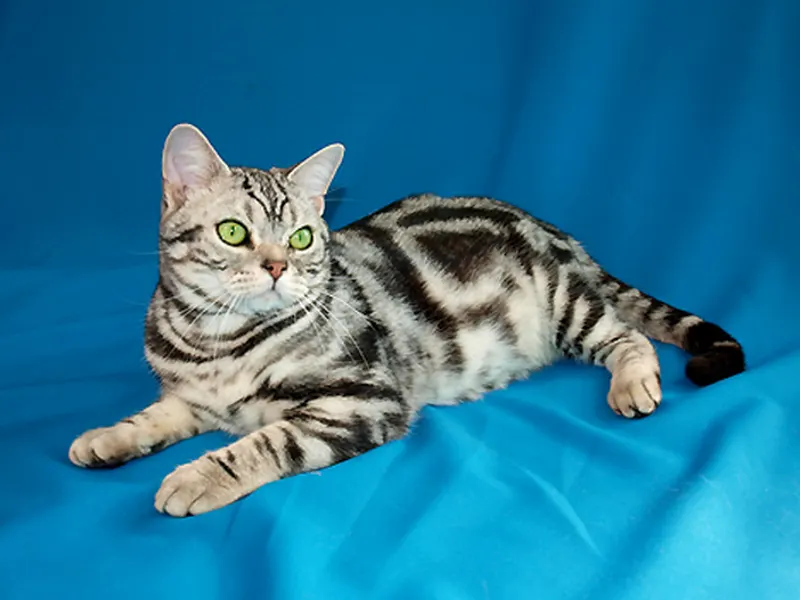
Classic (blotched) tabby. Broad, swirling markings on the sides, often forming a "bullseye" or oyster shape on each flank and a butterfly shape across the shoulders. The American Shorthair in silver classic tabby is the textbook example.
Mackerel tabby. Narrow, parallel stripes running down the sides from a dark line along the spine, like a fish skeleton. This is the pattern of the wildcat ancestors and the most familiar "tiger stripe" look. The Toyger was developed to exaggerate it.
Spotted tabby. Round or oval spots instead of stripes. The Egyptian Mau and Ocicat are spotted breeds, and the Bengal shows spots or rosettes from its wild ancestry.
Ticked tabby. Almost no stripes on the body. Each hair is banded, giving a sand-like, salt-and-pepper look, with tabby markings left mostly on the face, legs and tail. The Abyssinian, Somali and Singapura are ticked breeds.
You may also see the term patched tabby or torbie: a tortoiseshell cat whose black areas show tabby markings.
Tabby colors
The pattern can appear in almost any coat color. Common names include:
- Brown tabby: black markings on a warm brown background, the classic "wild" look
- Silver tabby: black markings on a silvery white background, caused by the inhibitor gene that removes warm tones from the hair
- Orange or red tabby: deep orange markings on a lighter orange base
- Cream tabby: the diluted version of orange
- Blue tabby: gray markings on a pale fawn or gray base, the diluted version of brown tabby
Tabbies can also have white, as in a "tabby and white" cat, and the tabby pattern can show on the darker points of colorpoint cats, where it is called lynx point or tabby point.
Eye color is independent of the tabby pattern. Brown tabbies often have gold, copper or green eyes, silver tabbies frequently have green or hazel eyes, and lynx points have blue eyes because of the colorpoint gene. Nose leather and paw pads usually match the coat color: brick red noses are typical of brown and orange tabbies, while silver tabbies often have pinker noses with a dark outline.
Breeds that come in tabby
Tabby is allowed in a long list of pedigreed breeds. Some notable examples:
- Maine Coon: brown tabby is the most iconic color of the breed
- American Shorthair: famous for silver classic tabby
- Abyssinian, Somali and Singapura: always ticked
- Egyptian Mau and Ocicat: always spotted
- Toyger: bred for bold mackerel stripes
- Bengal: spotted or marbled patterns
- Sokoke: a distinctive classic-type pattern
- British Shorthair, Norwegian Forest Cat and Siberian: tabby in many colors
Still, most tabby cats are not pedigreed at all. If you love the look, you do not need a specific breed to find one.
Personality: myth vs fact
Tabbies are often described as friendly, laid back or clever. These descriptions are anecdotes, not science. The tabby pattern is found in so many unrelated cats that it cannot reliably predict temperament.
What actually shapes a cat's personality is its genetics in general, early socialization as a kitten, its health and its environment. A pedigreed tabby will usually reflect the typical temperament of its breed, while a mixed-breed tabby is an individual. The best way to judge a cat's personality is to spend time with that specific cat.
Another common myth is that tabby cats are mostly male. Tabby genes are not on the sex chromosomes, so tabbies are found in males and females equally. The male skew belongs to orange cats, many of which happen to be tabbies.
History, folklore and the famous M
The tabby pattern is ancient. The African wildcat, ancestor of the domestic cat, is a mackerel-type tabby, so the stripes go back to the very beginning of cat domestication. The classic blotched pattern became common much later, and it is often cited as having spread from the Middle East and Europe.
The word "tabby" is usually traced to a striped silk fabric named after Attabiy, a district of Baghdad where the cloth was made.
The M on the forehead has inspired several legends. In one Christian story, a tabby kept the infant Jesus warm and Mary marked its forehead in thanks. In an Islamic story, the Prophet Muhammad's affection for a cat is said to have left the mark. These are folk tales: genetically, the M is simply part of the facial tabby pattern.
Adopting a tabby cat
Tabbies are everywhere, which is good news if you want one. Shelters and rescues usually have tabby cats and kittens of every age, coat length and color. Adult cats are a smart choice because their personality is already visible.
Tabby cats have no special health issues linked to the pattern itself. Care depends on coat length and individual health: regular brushing for long-haired tabbies, routine vet checks, vaccinations, parasite control and a balanced diet. If you are looking at a pedigreed tabby, read up on the breed's known health concerns and choose a breeder who health-tests.
Cat Breeds That Come in Tabby
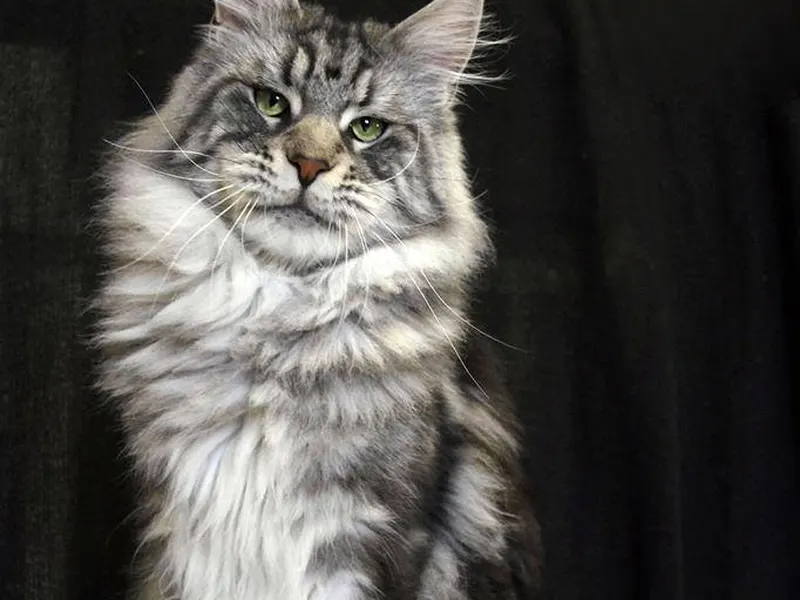 Maine CoonLarge · 8–18 lbAmerican ShorthairMedium · 7–15 lb
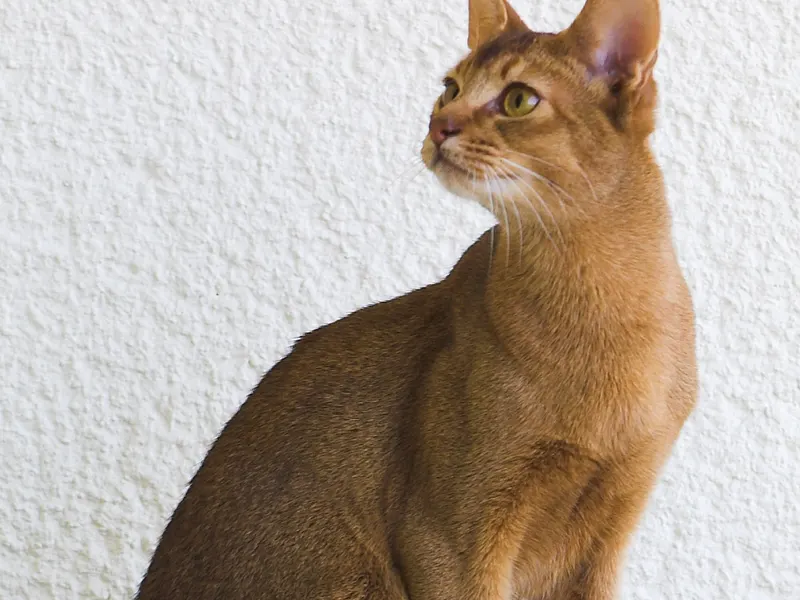 AbyssinianSmall · 6–10 lb
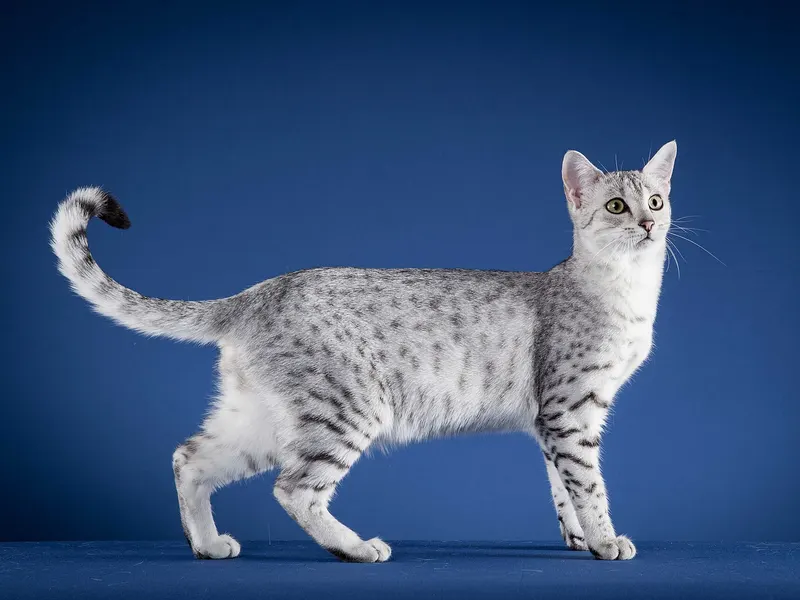 Egyptian MauMedium · 6–11 lb
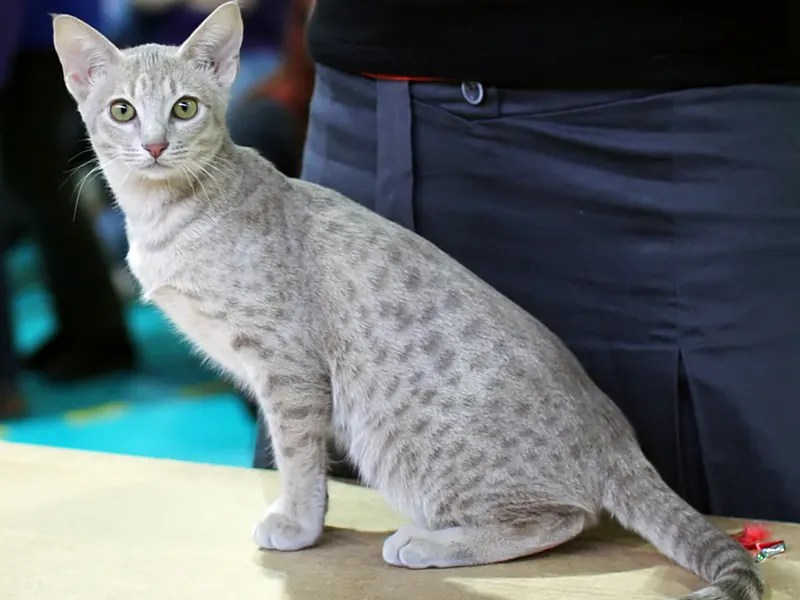 OcicatMedium · 6–15 lb
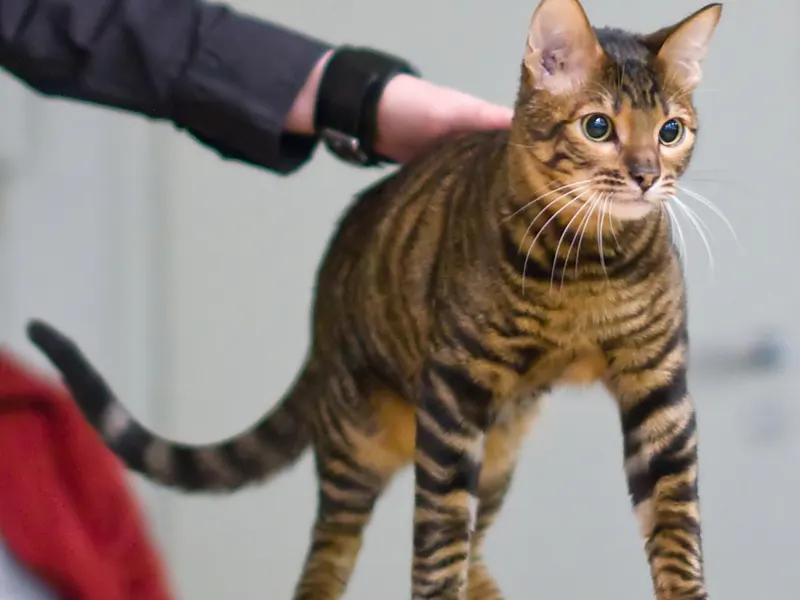 ToygerMedium · 7–15 lb
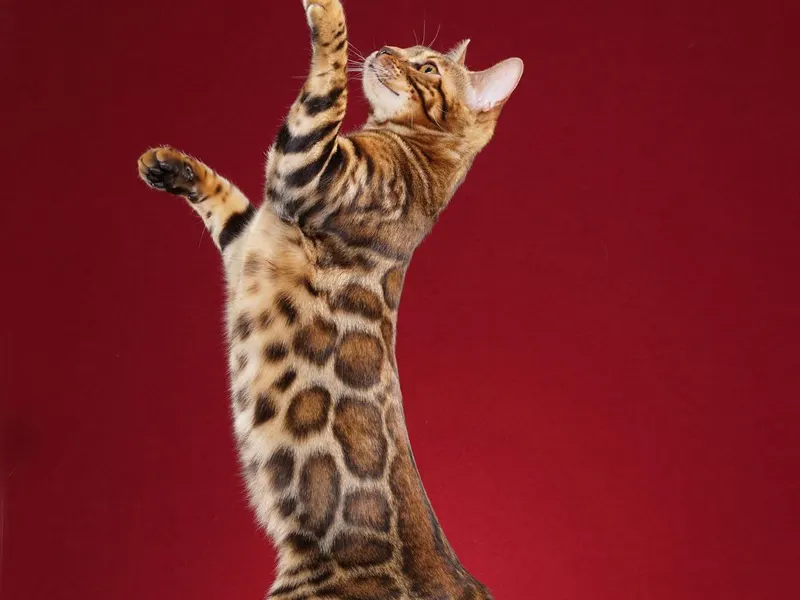 BengalMedium · 8–15 lb
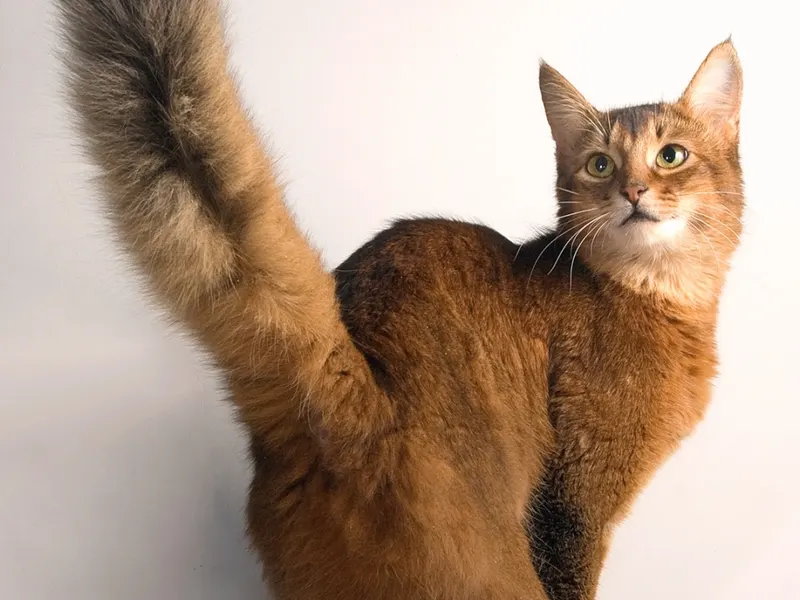 SomaliSmall · 6–10 lb
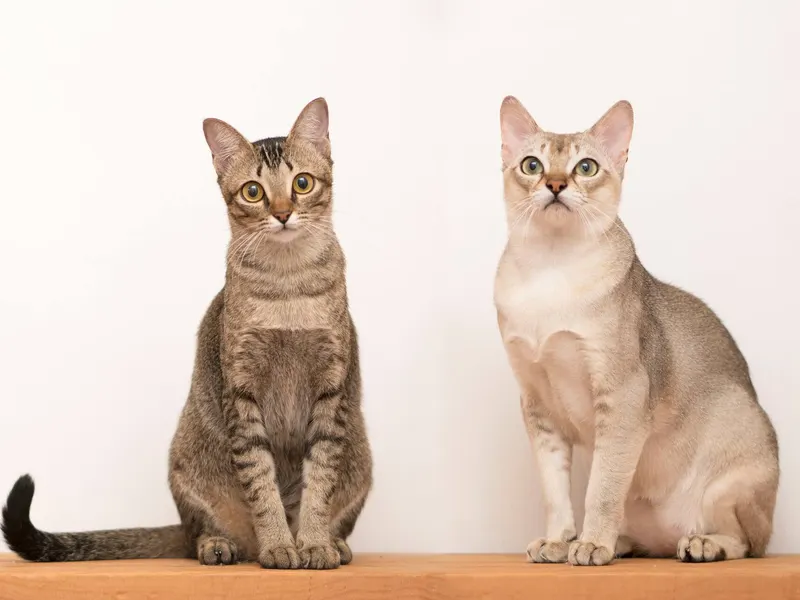 SingapuraSmall · 4–8 lb
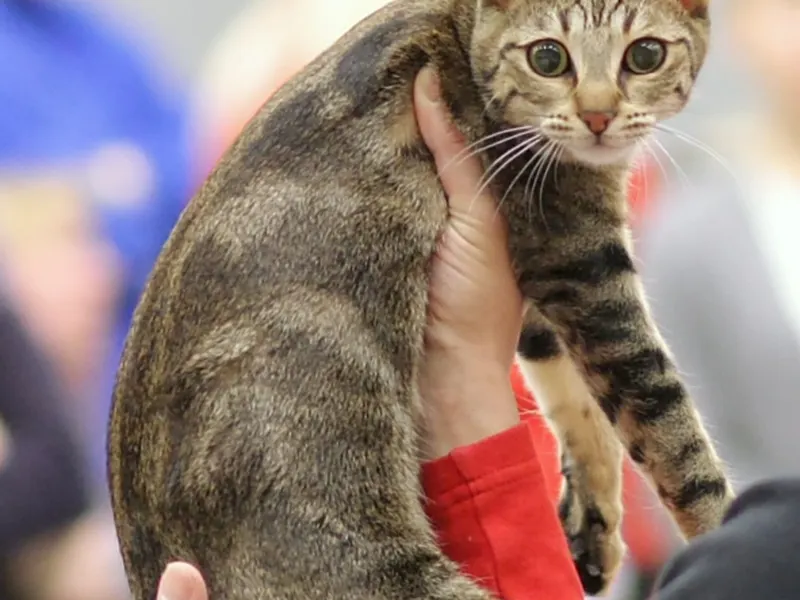 SokokeSmall · 5–10 lb
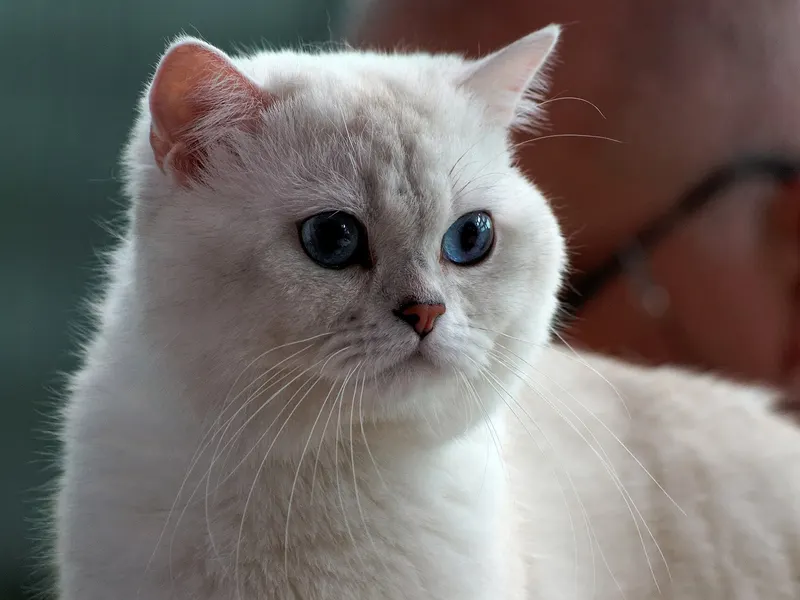 British ShorthairLarge · 7–17 lb
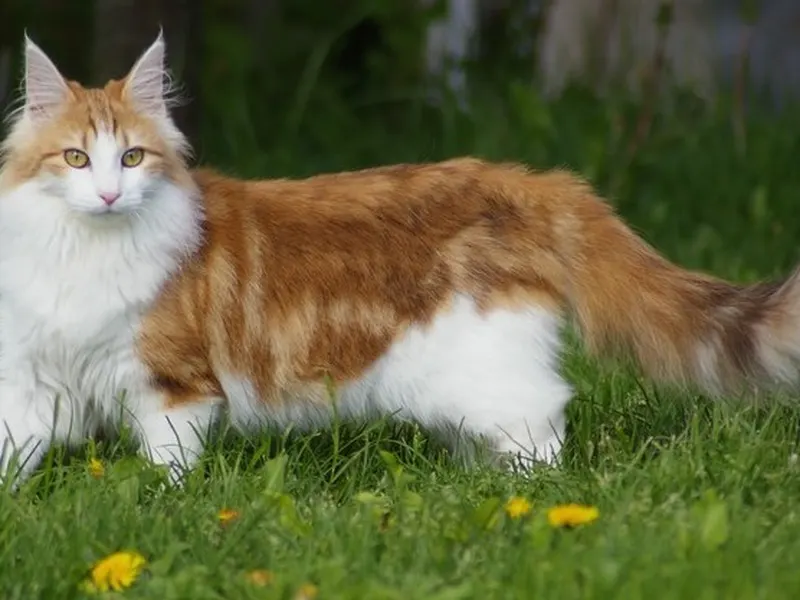 Norwegian Forest CatLarge · 9–20 lb
Frequently Asked Questions
Is a tabby cat a breed?
No. Tabby is a coat pattern that appears in mixed-breed cats and in many pedigreed breeds.
Why do tabby cats have an M on their forehead?
The M is part of the facial tabby pattern created by the cat's pattern genes. Legends about Mary or the Prophet Muhammad are folklore.
Are all orange cats tabby?
Practically yes. The orange gene overrides the agouti effect, so orange and cream cats almost always show tabby markings.
Are tabby cats male or female?
Both, in roughly equal numbers. The tabby pattern is not sex-linked, unlike the orange color.
What is the most common tabby pattern?
Mackerel and classic tabby are the most common in household cats. Spotted and ticked tabbies are more often seen in specific breeds.
Do tabby cats have a special personality?
No reliable evidence links the tabby pattern to temperament. Personality comes from genetics in general, early socialization and environment.
More About Cat Colors and Patterns
Looking for the right cat?
Answer 10 quick questions and get cat breeds ranked for your home, routine and family.