Tortoiseshell CatsWhy torties are almost always female
A tortoiseshell cat, or tortie, is not a breed but a coat color: a mosaic of black and orange (or their diluted versions) with little or no white. The pattern comes from a gene on the X chromosome, which is why nearly all tortoiseshell cats are female.
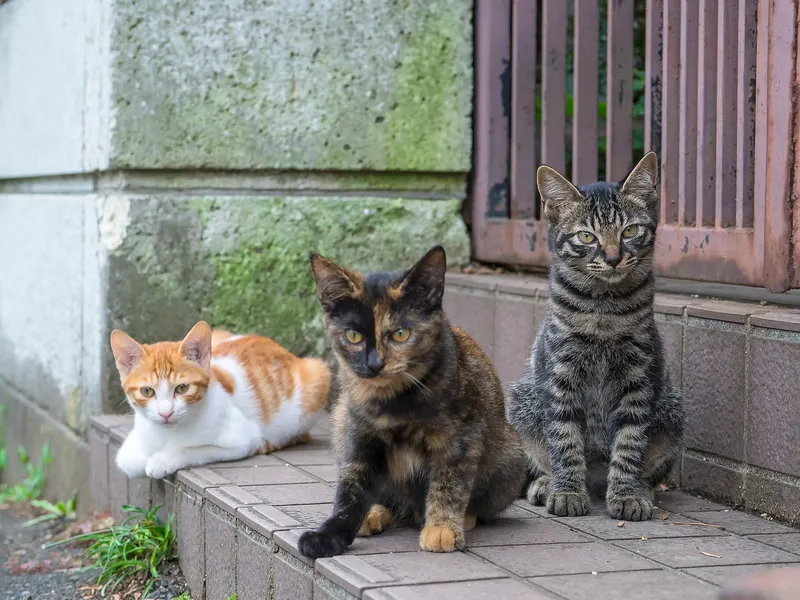
What is a tortoiseshell cat?
A tortoiseshell cat has two base colors mixed together across the coat: black (or a related color like chocolate or blue) and orange (or cream). The colors can be finely brindled, so the coat looks almost speckled, or arranged in larger patches.
The name comes from the mottled look of real tortoiseshell material. Torties have no white, or only a small amount, such as a tiny chest spot or white toes. When a cat has the same two colors plus significant white areas, it is usually called a calico in the US, or a "tortoiseshell and white" in the UK.
Each tortie's coat is unique. Some are mostly black with flecks of orange, others are bold blocks of both colors. Many have a "split face" with one side darker than the other.
How the pattern forms: the X chromosome
The tortie pattern is one of the clearest examples of genetics you can see with the naked eye.
The orange gene (O) sits on the X chromosome. A cat with the orange version on an X chromosome produces orange pigment in that area. A cat with the non-orange version (o) produces black-based pigment instead.
Females have two X chromosomes. If a female inherits orange on one X and non-orange on the other, both versions are present. Early in development, each cell randomly switches off one of its two X chromosomes, a process called X-inactivation. Cells that keep the orange X make orange fur, cells that keep the non-orange X make black fur. As those cells multiply, they create the patchwork coat.
Because X-inactivation is random, no two torties look alike, and even a cloned tortoiseshell would not have exactly the same pattern as the original. This actually happened with CC, the first cloned cat, born in 2001: she was cloned from a calico but came out tabby and white, because the coat pattern is not fully written in the DNA sequence alone.
Parents matter too. To get a tortie daughter, one parent must pass on an orange X and the other a non-orange X. For example, an orange father and a black mother can produce tortie daughters and black sons, while a black father and an orange mother can produce tortie daughters and orange sons. A tortie mother can have kittens of many colors, including orange, black and tortie, depending on the father.
Male tortoiseshell cats
A typical male cat has one X and one Y chromosome. With only one X, he can be orange or black, but not both. That is why male torties are rare.
Male tortoiseshells do exist. Most have an extra X chromosome (XXY), a condition similar to Klinefelter syndrome in humans. These males are usually sterile. Less often, a male tortie is a chimera, formed when two embryos fuse early in development. Figures such as "about 1 in 3,000 torties is male" are often cited, but there is no solid large-scale count, so treat such numbers as rough estimates.
Myths sometimes claim male torties are worth a fortune. They are a genetic curiosity, but they are not valuable breeding animals, since most cannot father kittens.
Variations: dilute torties, torbies and more
Dilute tortoiseshell. When a tortie also inherits two copies of the recessive dilution gene (d), black softens to blue-gray and orange softens to cream. The result is a pastel cat in gray and cream, sometimes called a blue-cream.
Torbie. A tortoiseshell with tabby markings, also called a tabby tortie or patched tabby. Because the cat carries the agouti gene, the black areas show tabby stripes, while the orange areas always do.
Chocolate, cinnamon and fawn torties. In some pedigreed breeds, the black is replaced by chocolate or cinnamon, and the dilute versions become lilac-cream or fawn-cream.
Tortie point. In colorpoint cats such as Siamese-type or Himalayan lines, the tortie mosaic appears only on the cooler points: face, ears, paws and tail.
Calico. Add the white spotting gene, and the same colors are broken up by white patches. Calicos and torties share the same X-linked genetics.
Breeds that come in tortoiseshell
Any breed that allows both black-based and orange colors can produce torties. Common examples include:
- British Shorthair, Persian and Exotic Shorthair: tortie and blue-cream are classic show colors
- Maine Coon, Norwegian Forest Cat and Siberian: torties and torbies are common
- American Shorthair and Scottish Fold: tortie in a range of shades
- Burmese: tortie Burmese are recognized in some registries, especially in the UK
- Devon Rex and Cornish Rex: tortie appears in many color variations
- Japanese Bobtail: best known for the tricolor "mi-ke" (calico), with tortie also seen
Breeds that only come in one color, like the Bombay or Russian Blue, cannot be tortoiseshell. Most torties in homes, however, are mixed-breed domestic cats.
Tortitude: myth vs fact
"Tortitude" is the popular belief that tortoiseshell cats are feisty, independent, vocal or sassy. Many tortie owners swear by it, and it is a fun part of tortie culture.
The evidence, however, is thin. Personality is shaped by genetics in general, early socialization, health, sex hormones and environment, and torties are nearly all female, which may color people's impressions. A UC Davis owner survey published in 2016 suggested slightly more reported aggression during handling in some female cats with tortie-type colors, but the study was based on owner reports and the differences were small.
So treat tortitude as an anecdote, not a rule. Plenty of torties are calm lap cats, and every cat should be judged as an individual.
Health, folklore and adopting a tortie
The tortie color itself does not cause health problems in females. Rare XXY male torties can have issues associated with the extra chromosome, including sterility, so they deserve a thorough vet check.
Torties feature in folklore around the world. In parts of the US they are sometimes called "money cats", in Celtic and British traditions they have been linked to good luck, and in Japan tricolor cats have long been associated with good fortune. These are cultural beliefs rather than facts, but they show how long people have been fascinated by this coat.
If you want a tortie, check local shelters and rescues first. Because the gene is common in the general cat population, tortoiseshell kittens and adults are regularly available for adoption. Look for a cat whose personality fits your home, and let the coat be a bonus.
Caring for a tortoiseshell cat
Torties need the same care as any other cat, adjusted for coat length and age. Short-haired torties need little more than a weekly brush, while long-haired torties, such as Persians or Maine Coons, need regular grooming to prevent mats.
Because almost all torties are female, spaying is the main reproductive decision. Spaying prevents unplanned litters and heat cycles and lowers the risk of some reproductive diseases, so discuss timing with your vet.
One practical tip: the dark, busy coat makes it harder to spot fleas, ticks, small wounds or skin changes. Part the fur regularly during grooming, and check the ears, chin and belly, where problems are easier to see.
Cat Breeds That Come in Tortoiseshell
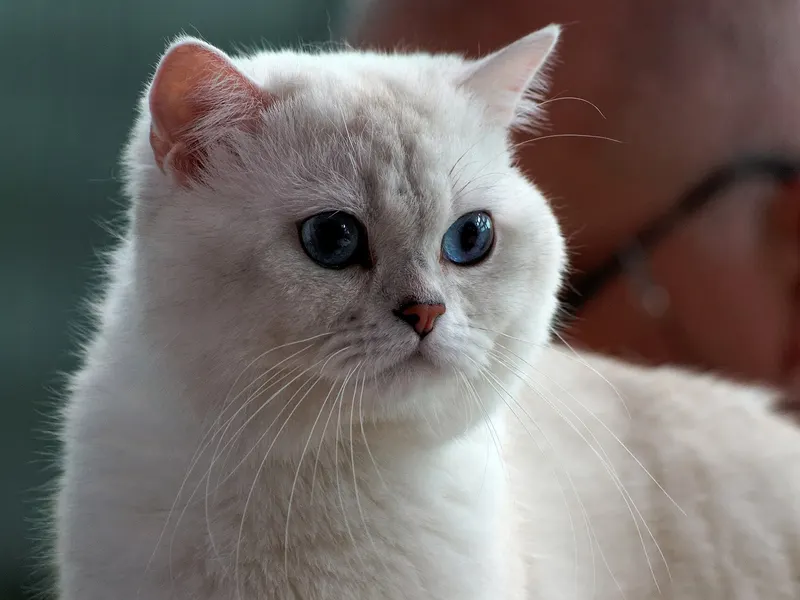 British ShorthairLarge · 7–17 lb
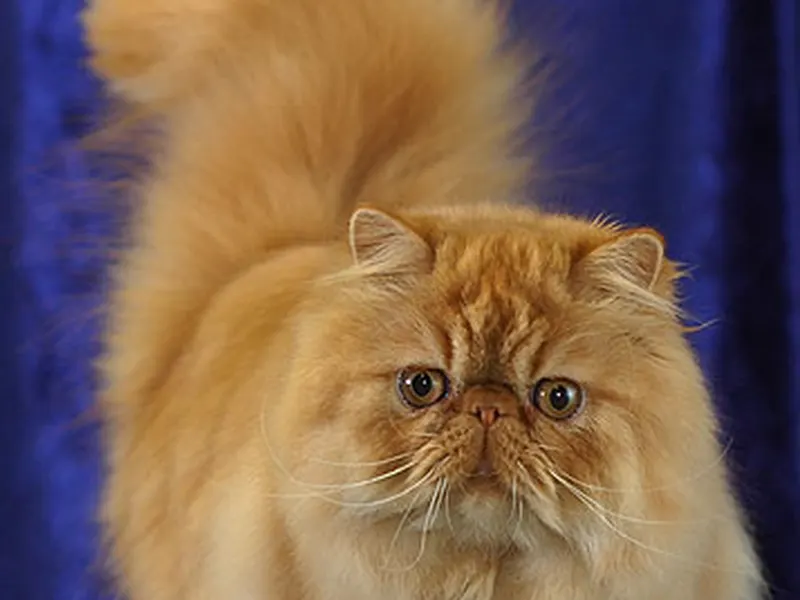 PersianMedium · 7–12 lb
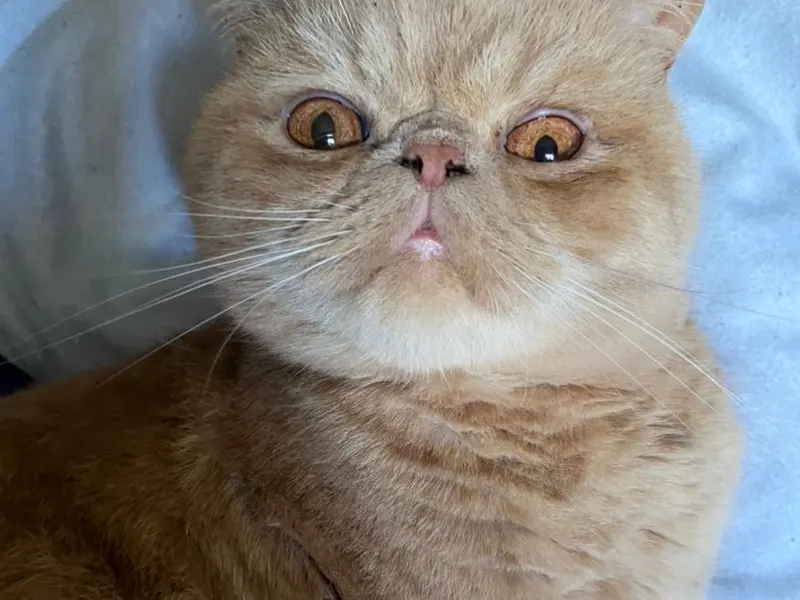 Exotic ShorthairMedium · 7–14 lb
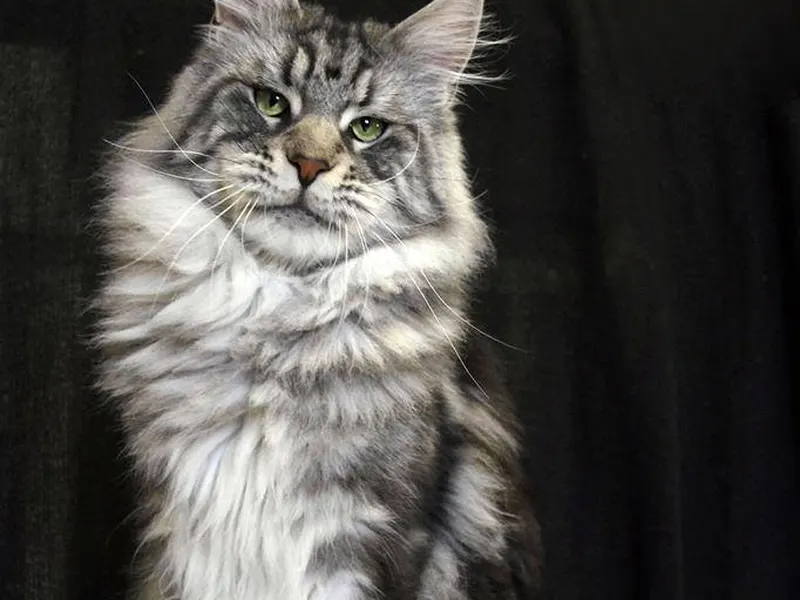 Maine CoonLarge · 8–18 lb
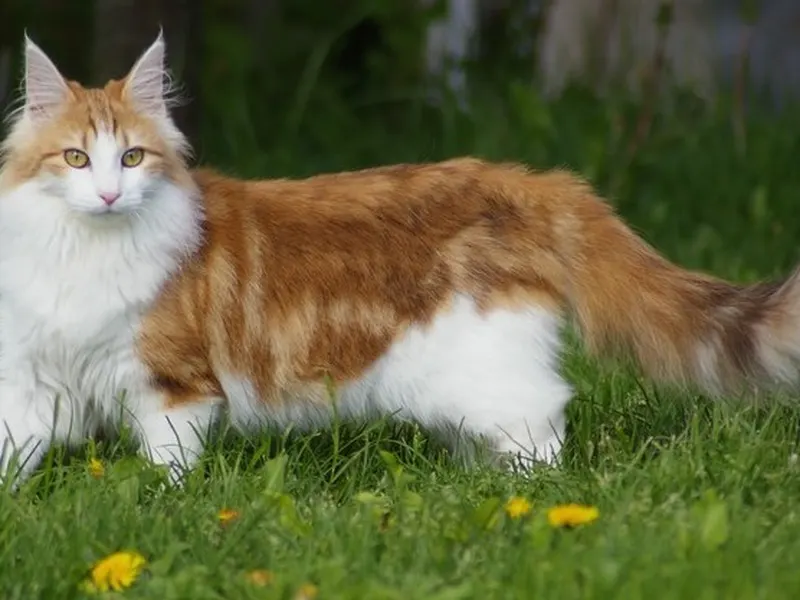 Norwegian Forest CatLarge · 9–20 lb
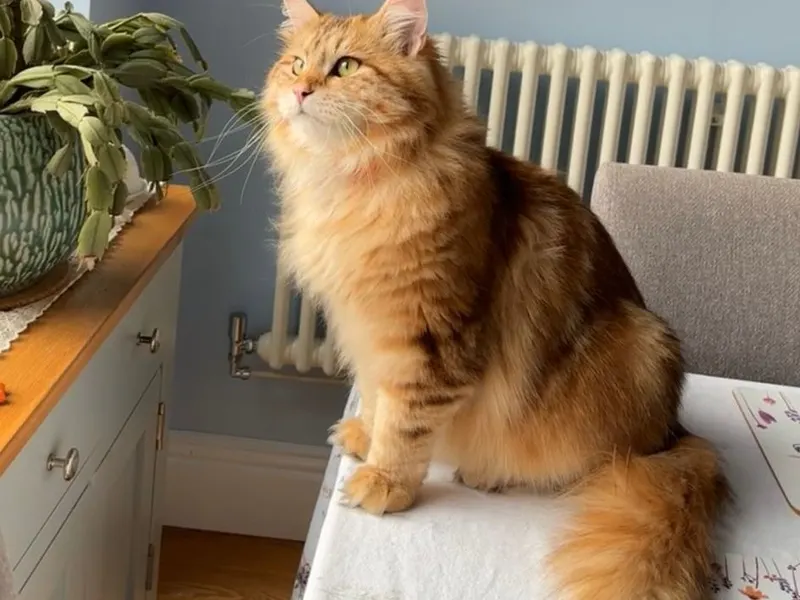 SiberianLarge · 8–17 lb
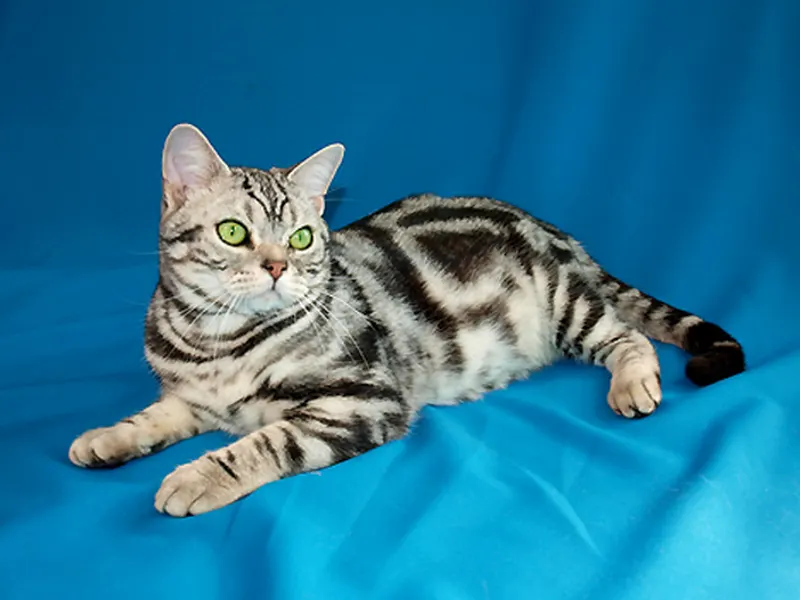 American ShorthairMedium · 7–15 lb
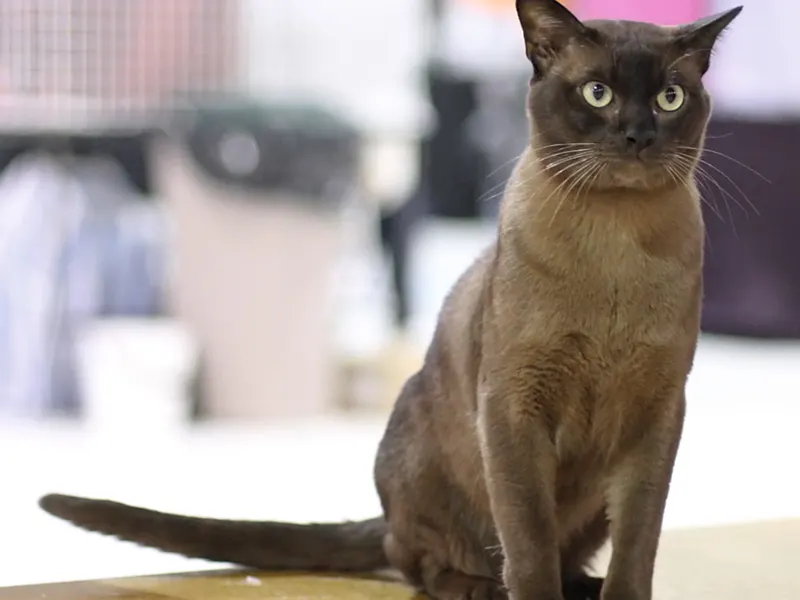 BurmeseMedium · 6–12 lb
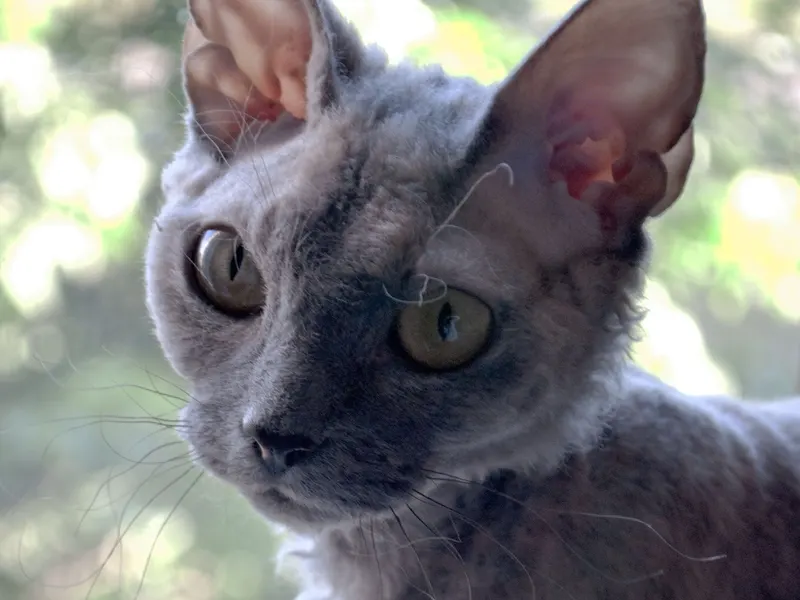 Devon RexSmall · 5–10 lb
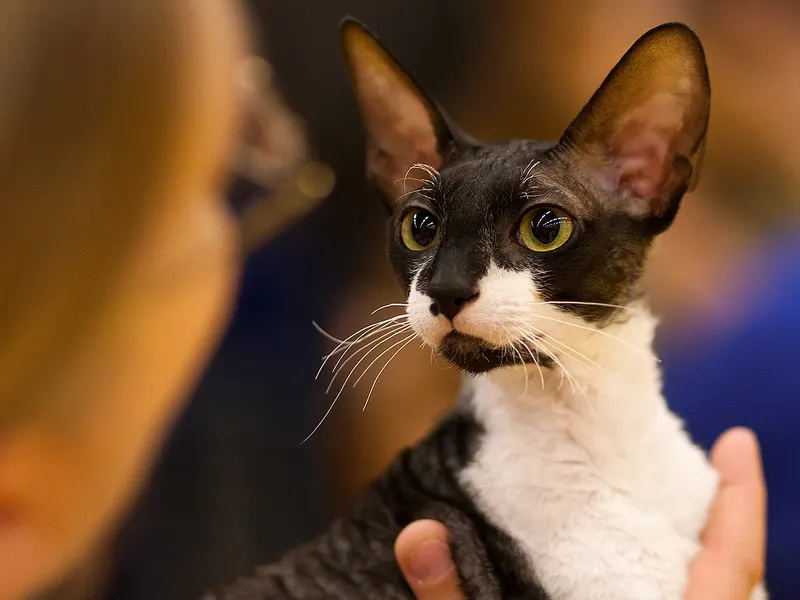 Cornish RexSmall · 6–10 lb
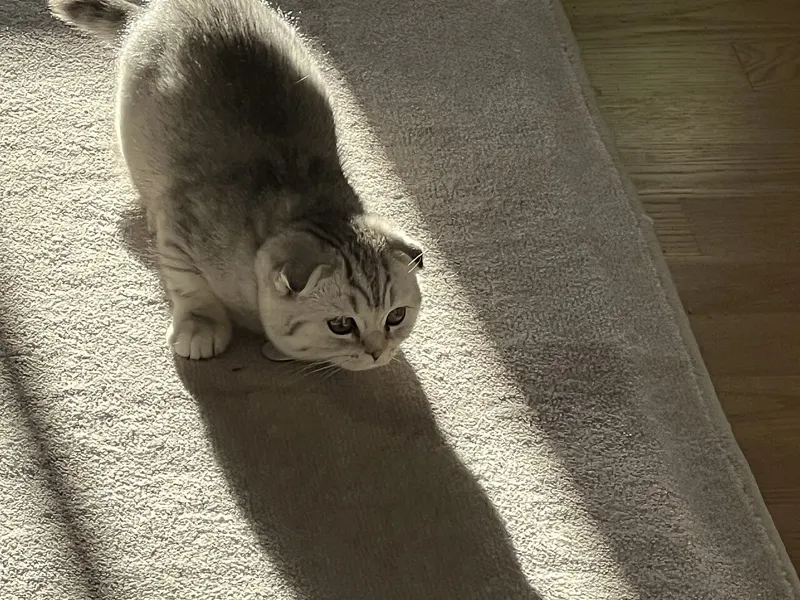 Scottish FoldMedium · 6–13 lb
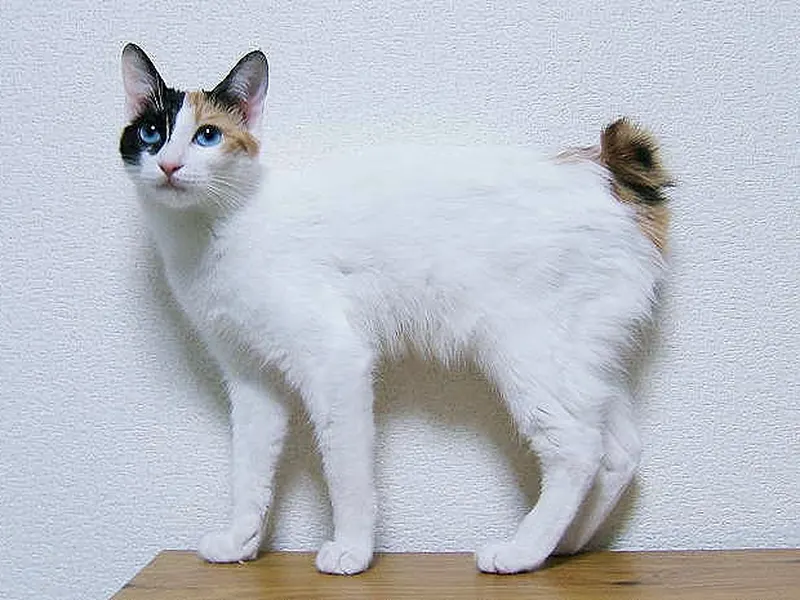 Japanese BobtailSmall · 6–10 lb
Frequently Asked Questions
Are tortoiseshell cats always female?
Almost always. The pattern needs two X chromosomes, so male torties are rare, usually XXY, and generally sterile.
What is the difference between a tortoiseshell and a calico?
Both have black and orange from the same X-linked genes. A calico also has substantial white patches, while a tortie has little or none.
What is a dilute tortoiseshell?
A tortie with two copies of the dilution gene, so black becomes blue-gray and orange becomes cream.
What is a torbie cat?
A torbie is a tortoiseshell with tabby markings, sometimes called a tabby tortie or patched tabby.
Is tortitude real?
Tortitude is a popular anecdote. There is no strong evidence that coat color reliably determines a cat's personality.
Is a tortoiseshell cat a breed?
No. Tortoiseshell is a coat color pattern found in mixed-breed cats and many pedigreed breeds.
More About Cat Colors and Patterns
Looking for the right cat?
Answer 10 quick questions and get cat breeds ranked for your home, routine and family.